Brasserie La Banque
Our verdict
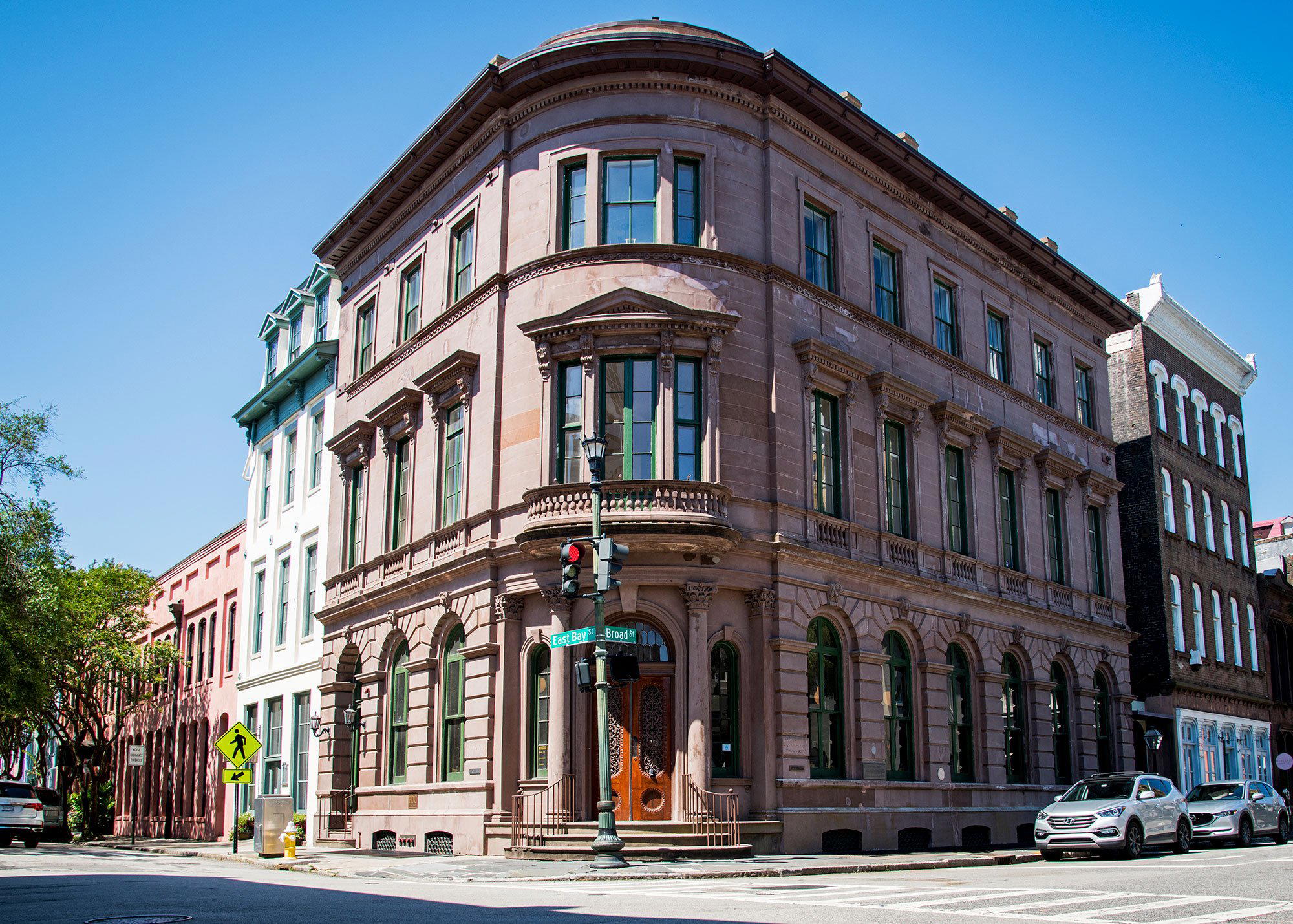
At 1 Broad Street in Charleston's historic financial district, Brasserie La Banque occupies a former bank building where the architecture alone sets a particular expectation. The kitchen works at the intersection where classical French brasserie technique meets the Lowcountry's coastal pantry, local shellfish, heritage grains, and seasonal produce reframed through continental methods. It sits in a tier of Charleston dining that takes both the room and the sourcing seriously.

Pearl is the En Primeur Club membership app, where members save venues, book tables and use the concierge.
The menu
What to order
- Steak frites
- Bouillabaisse
- Beef tartare
Where the Financial District Meets the Lowcountry Table
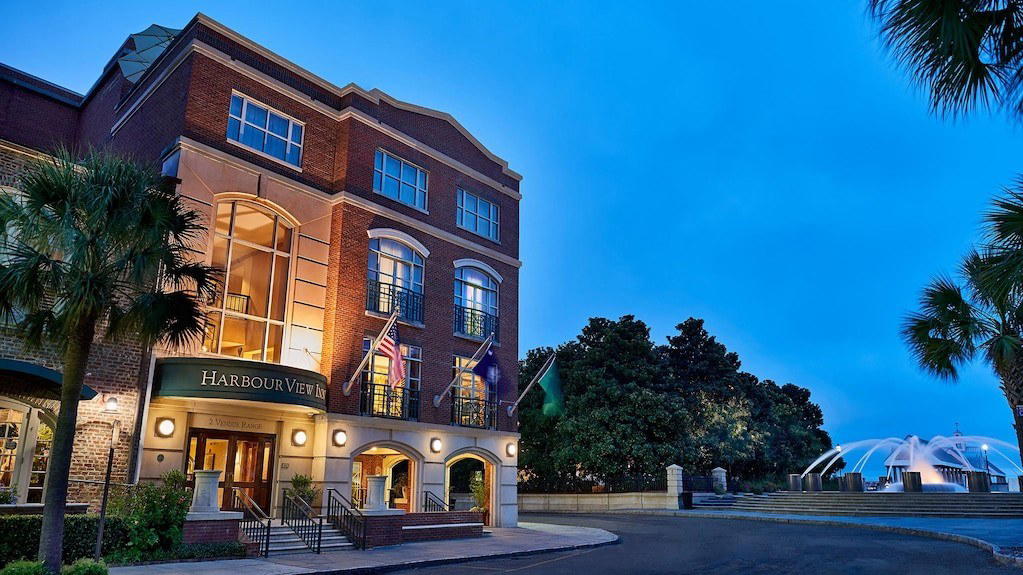
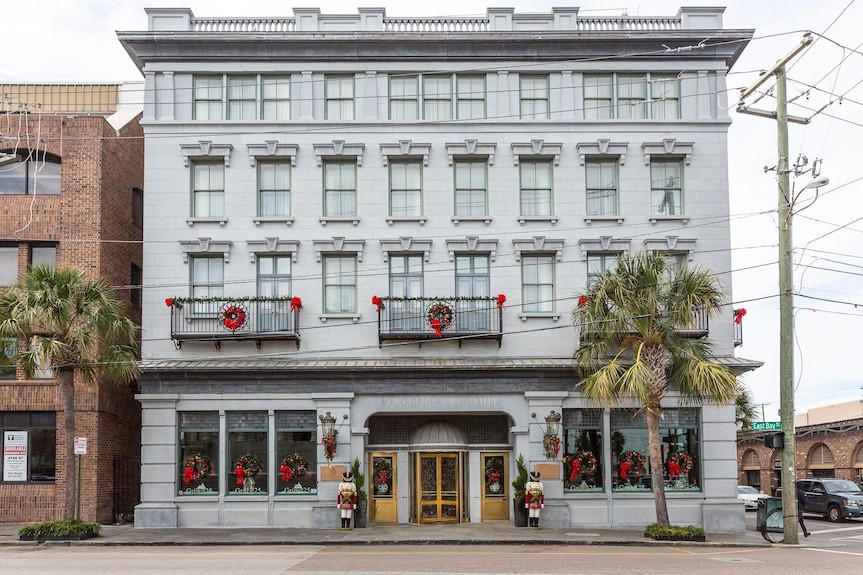
Broad Street in Charleston carries a specific kind of weight. The corridor known locally as the Four Corners of Law, where church, courthouse, city hall, and post office converge, has defined the civic and commercial character of the city for more than two centuries. The buildings here were built to impress, and the banking houses that once lined this stretch were no exception: high ceilings, heavy stone facades, interiors designed to communicate permanence and trust. Brasserie La Banque at 1 Broad Street inherits that physical authority. Arriving at the address, the structure announces itself before anything on the menu does.
That kind of setting creates a particular obligation for a restaurant. Spaces with genuine architectural history tend to produce one of two outcomes: either the room overwhelms the food, or the kitchen rises to meet it. The brasserie format is, historically, well-suited to the challenge. French brasseries were always about the room as much as the plate, zinc bars, banquette seating, a certain unhurried confidence in the service rhythm. Transposing that format into a recovered South Carolina bank building is less a contradiction than it might appear. Both traditions share a belief that the physical environment is part of the dining contract.
French Structure, Lowcountry Pantry
Charleston's dining scene has spent the last decade working through a productive tension: classical European technique applied to a coastal Southern ingredient base that needs very little help to be interesting. The Lowcountry produces shellfish, particularly oysters and clams from ACE Basin waters, that arrive at any serious kitchen carrying their own salinity and character. Heritage grain operations, led in part by the work of Anson Mills, have restored access to Carolina Gold rice, Sea Island red peas, and stone-ground grits that were largely absent from restaurant supply chains a generation ago. At the same time, Charleston has drawn chefs with training in French and broader continental kitchens, and the results of that convergence now define the upper tier of the city's restaurant offerings.
Brasserie La Banque positions itself inside that tradition. The brasserie format, with its emphasis on technique-forward execution, structured menus, and considered wine programs, provides a European framework, while the address and the regional pantry provide the local grounding. This is the same editorial logic that drives some of the more interesting American fine dining programs nationally: Blue Hill at Stone Barns in Tarrytown uses a farm-to-table framework to reframe classical technique; Single Thread Farm in Healdsburg applies Japanese kaiseki precision to Northern California produce. In Charleston, the version of that conversation runs through French brasserie tradition and Lowcountry sourcing.
Among Charleston's broader restaurant landscape, Brasserie La Banque occupies a different register than the wood-smoke-driven programs at Rodney Scott's BBQ or the casual Asian-inflected South Carolina cooking at venues like Xiao Bao Biscuit. It sits closer in ambition to Vern's, which brings American contemporary precision to its sourcing and plating, or to Lowland, which threads coastal Southern ingredients through a refined lens. The brasserie format does add something specific to Charleston's options: a genre built around mid-session conviviality, with dishes designed to be shared or sequenced at the table's own pace rather than driven by a tasting-menu clock.
The Broader American Context
To understand where a venue like Brasserie La Banque fits in the American dining conversation, it helps to map the field. At one end of the spectrum, programs like Le Bernardin in New York City and The French Laundry in Napa represent French technique at its most formally demanding, multi-course, long-reservation-window, significant price commitment. At another point on the curve, Lazy Bear in San Francisco and Smyth in Chicago apply serious technique inside formats that are less ceremony-driven. Further south, Emeril's in New Orleans spent decades demonstrating that French classical training and regional Southern ingredients are not competing priorities.
The brasserie model, properly executed, sits between full tasting-menu formality and neighbourhood bistro casualness. It demands a wine program with depth, a kitchen that can sustain quality across a wider menu range than a prix-fixe counter, and a floor that can read the room, knowing when a table wants to linger over a second bottle and when it wants to move. Cities like Charleston, where the evening dining culture tends toward longer meals and genuine hospitality rather than performative efficiency, are natural homes for that format.
For comparison with venues further afield that share a similar commitment to local-ingredient sourcing within a technically demanding framework, Providence in Los Angeles, Addison in San Diego, and Atomix in New York City all demonstrate what it looks like when a regional identity is translated into a globally legible fine dining language. The European reference point in that conversation is perhaps leading illustrated by Atelier Moessmer Norbert Niederkofler in Brunico, where Alpine ingredients are reframed through rigorous classical structure, a model that has direct echoes in what Charleston's better kitchens are attempting with their own coastal and agricultural base.
Charleston Dining in Context
Within Charleston specifically, Broad Street is not where most visitors begin their restaurant research. The upper King Street corridor, with its density of options from Malagón Mercado y Taperia to newer American contemporary openings, draws more first-night traffic. The downtown financial district trades foot traffic for architectural seriousness and a clientele that tends to be more local than tourist-driven, which, for a brasserie built around unhurried meals and repeat visits, is exactly the right dynamic. Venues like 1010 Bridge and The Inn at Little Washington in Washington demonstrate that address removes from the obvious hospitality corridor can actually signal commitment to a specific kind of guest over a casual walk-in trade.
For those building a Charleston itinerary with serious restaurant ambitions, the city rewards geographic range. Our full Charleston restaurants guide covers the full spread of the city's current dining character, from the waterfront to the upper peninsula neighborhoods where newer openings are concentrating.
Planning a Visit
Brasserie La Banque sits at 1 Broad Street, in the southern end of the Charleston Peninsula where the historic financial district meets the Battery. The area is walkable from most downtown accommodations, and street parking becomes more accessible in the evenings when office traffic clears. As with the better Charleston restaurants generally, advance planning pays, the combination of a striking room and a distinctive format in a city with serious dining demand means that spontaneous table availability on desirable nights is not guaranteed. Seasons matter in Charleston: spring and fall bring the city's most moderate weather and its peak visitor volumes, while summer's heat and humidity thin the crowd and occasionally produce better availability at sought-after addresses.
Frequently asked questions
What is the atmosphere like at Brasserie La Banque?
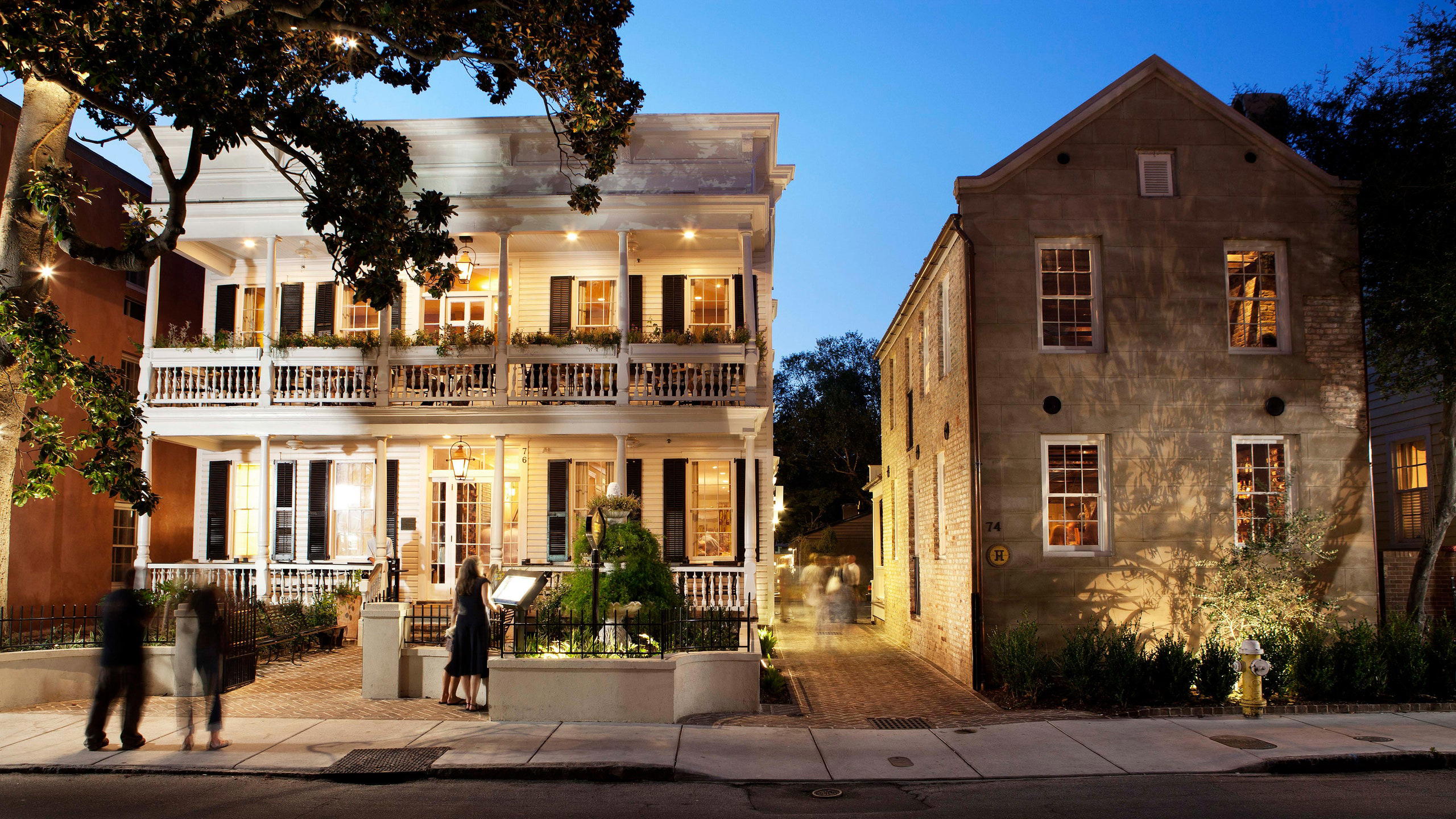
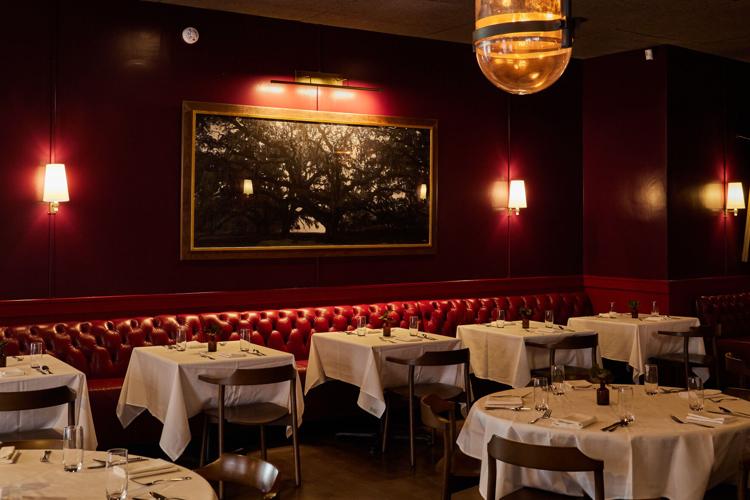
The room does much of the work before any food arrives. Brasserie La Banque occupies a former bank building at 1 Broad Street, and the architectural bones, high ceilings, substantial stonework, the proportions of a space built to project institutional authority, give the dining room a gravity that most purpose-built restaurants spend years trying to manufacture. The address itself, on Charleston's Four Corners of Law corridor, adds a layer of context that few dining rooms in South Carolina can match.
Where exactly is Brasserie La Banque?
Brasserie La Banque is located at 1 Broad St, Charleston, SC 29401, Charleston.
Is Brasserie La Banque a good option for a business dinner in Charleston?
The 1 Broad Street address carries specific weight in Charleston, the Four Corners of Law corridor is the city's historic civic and financial spine, which provides a level of locational credibility that restaurant rows on upper King Street do not offer in the same way. The brasserie format, with its structured service rhythm and room for extended conversation, suits a working dinner better than tasting-menu formats with fixed pacing. For Charleston specifically, few rooms combine architectural authority with that degree of address recognition.
What should I order at Brasserie La Banque?
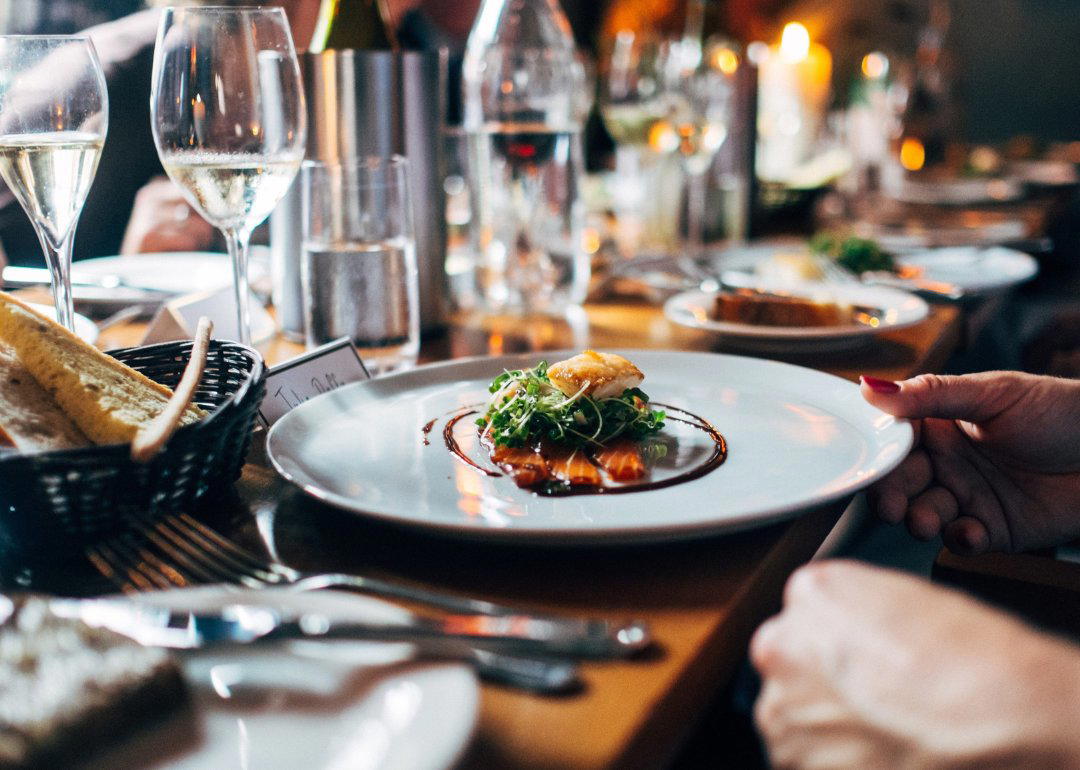
The editorial argument for this address is built on the friction between French brasserie structure and Lowcountry sourcing, so the dishes that most honestly represent the kitchen are those where both pressures are visible on the plate. Charleston's coastal pantry, which includes some of the most documented shellfish and rice agriculture in the American South, is the logical place to concentrate. Preparations that apply classical French method to local catch or regional produce are where the venue's culinary identity is most coherent.
Comparable Venues
Comparable venues nearby, for context on price, style, and recognition.
| Venue | Cuisine | Price | Notes |
|---|---|---|---|
| Brasserie La BanqueThis venue (the venue you are viewing) | Classic French Brasserie | $50–100 | Not listed |
| 39 Rue de Jean | Classic French Brasserie | Not listed | historic downtown |
| Chez Nous | Southern French with Northern Italian & Spanish Influences | Not listed | Cannonborough/Elliottborough |
| Melfi's | Classic Italian with Fresh Pasta & Pizza | $50–100 | Upper King |
| Park & Grove | Dining | Not listed | Wagener Terrace |
Continue exploring
More in Charleston
Restaurants in Charleston
All restaurants in Charleston →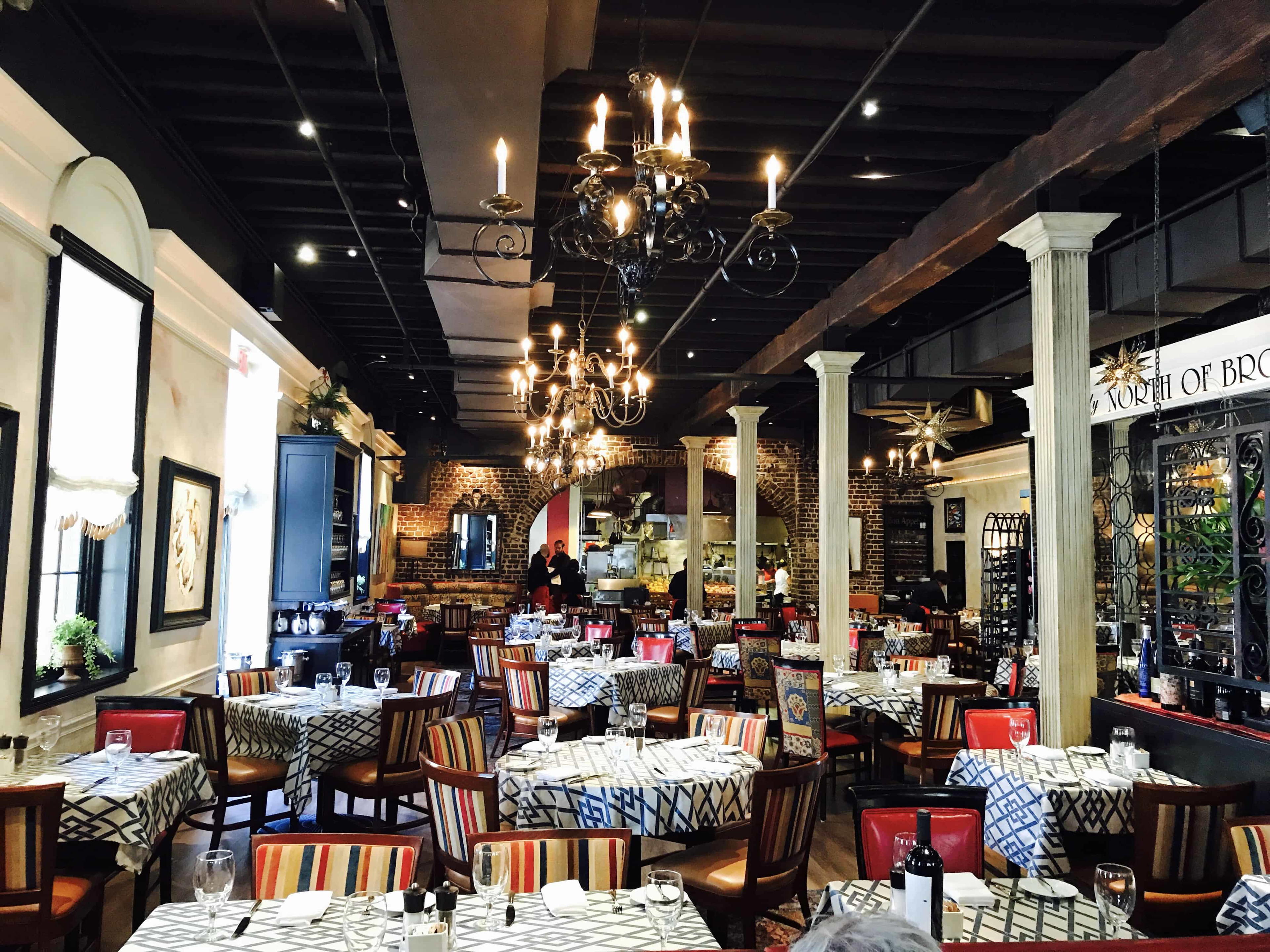
Details
- Lively
- Elegant
- Classic
- Date Night
- Celebration
- Brunch
- Historic Building
- Private Dining
- Craft Cocktails
- A La Carte
Current opening hours
- Monday
- 4–10 PM
- Tuesday
- 4–10 PM
- Wednesday
- 4–10 PM
- Thursday
- 4–10 PM
- Friday
- 4–11 PM
- Saturday
- 10 AM–2 PM, 4–11 PM
- Sunday
- 10 AM–2 PM, 4–9 PM
Hours can change for holidays and private events. Hours as of .
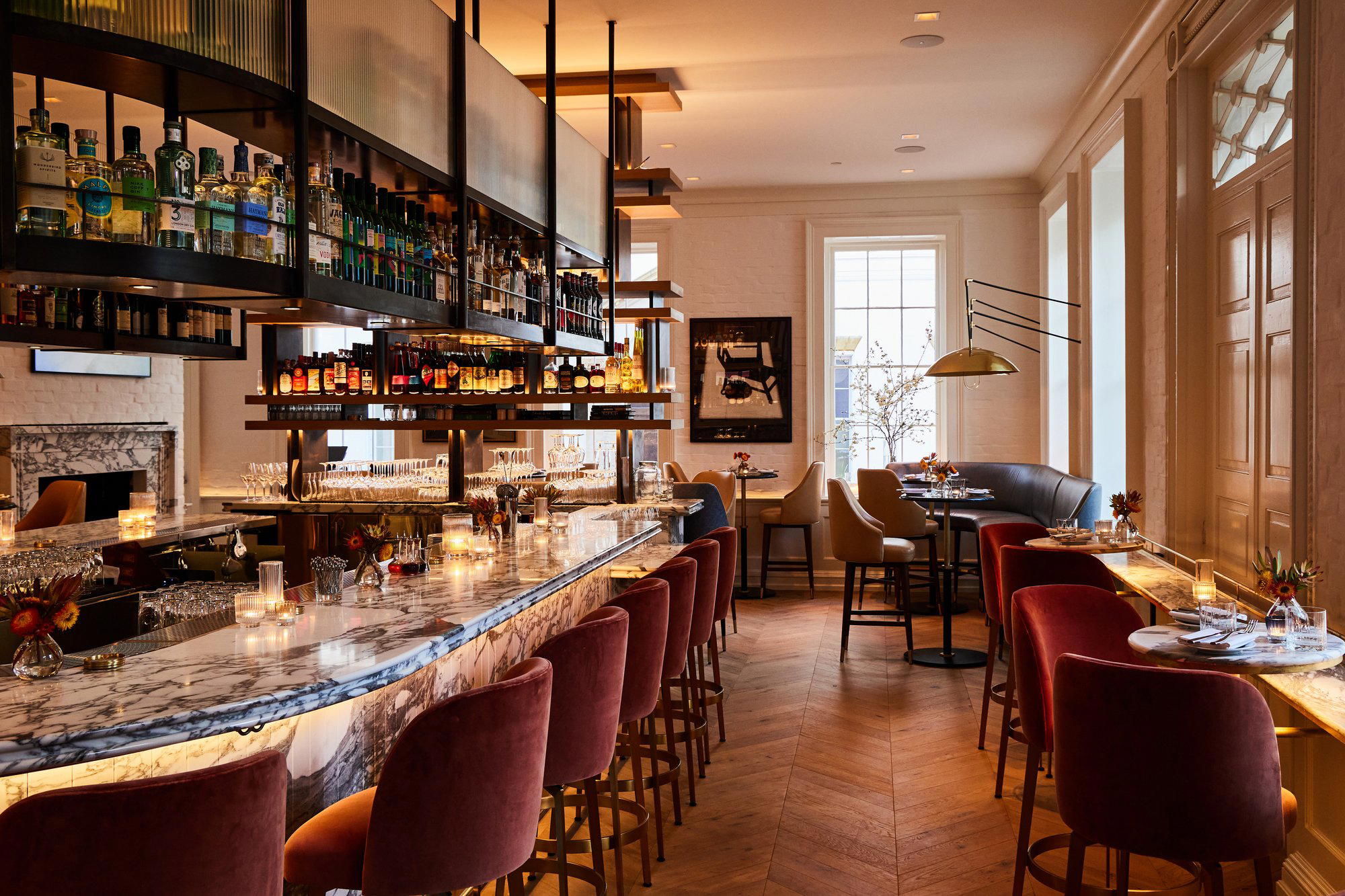
Lively and laid-back with casual elegance, offering a welcoming neighborhood atmosphere for drinks and meals.