The Spectator Hotel

1 Michelin Key
At the junction of Charleston's French Quarter and Market Street, The Spectator Hotel applies an Art Deco design language across 41 rooms, complete with Carrara marble bathrooms, personalised butler service for every guest, and a bespoke cocktail bar. A Michelin One Key recipient in 2024, it holds a clear position among Charleston's design-led boutique properties.

Pearl is the En Primeur Club membership app, where members save venues, book tables and use the concierge.
Where the French Quarter Meets the Jazz Age
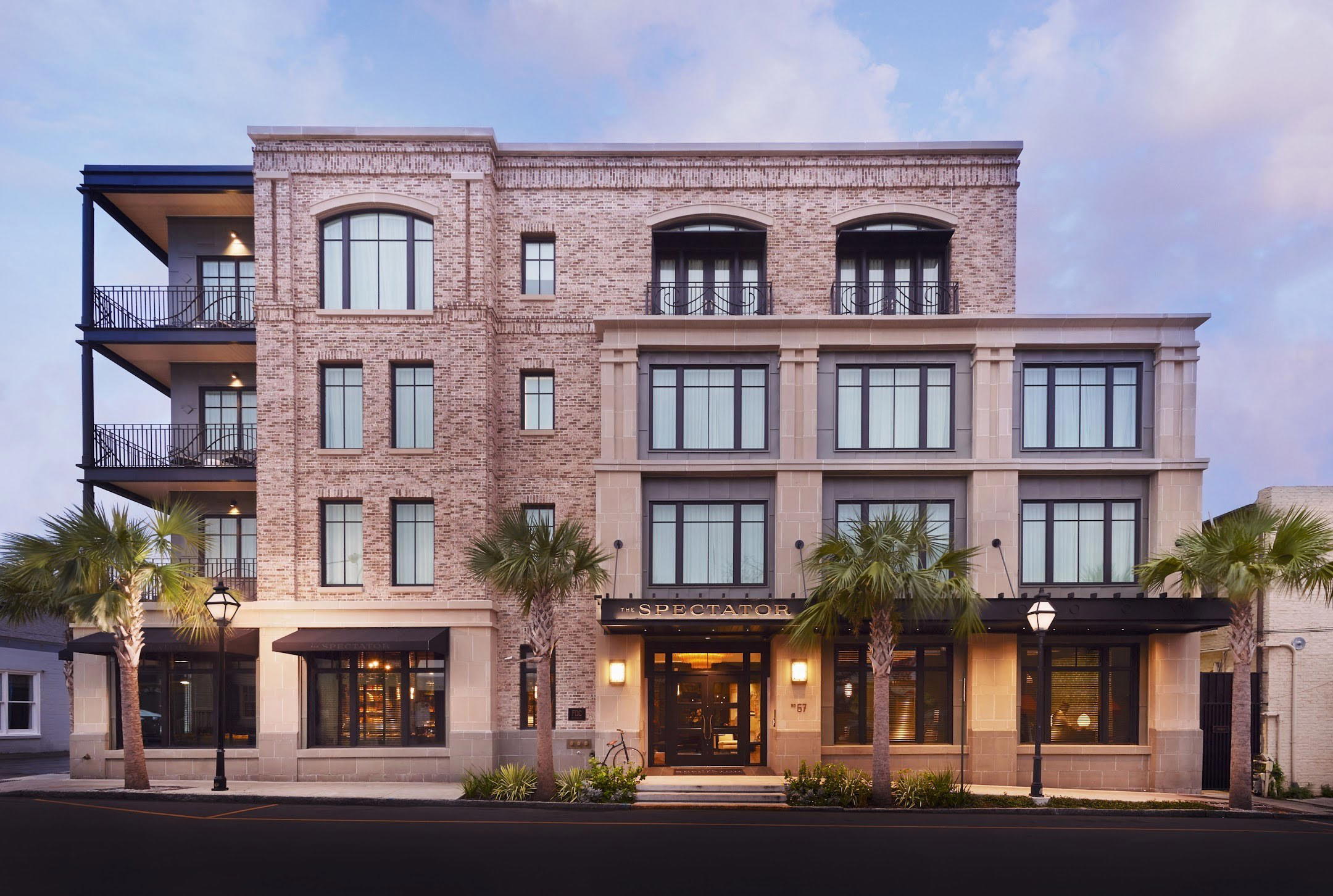
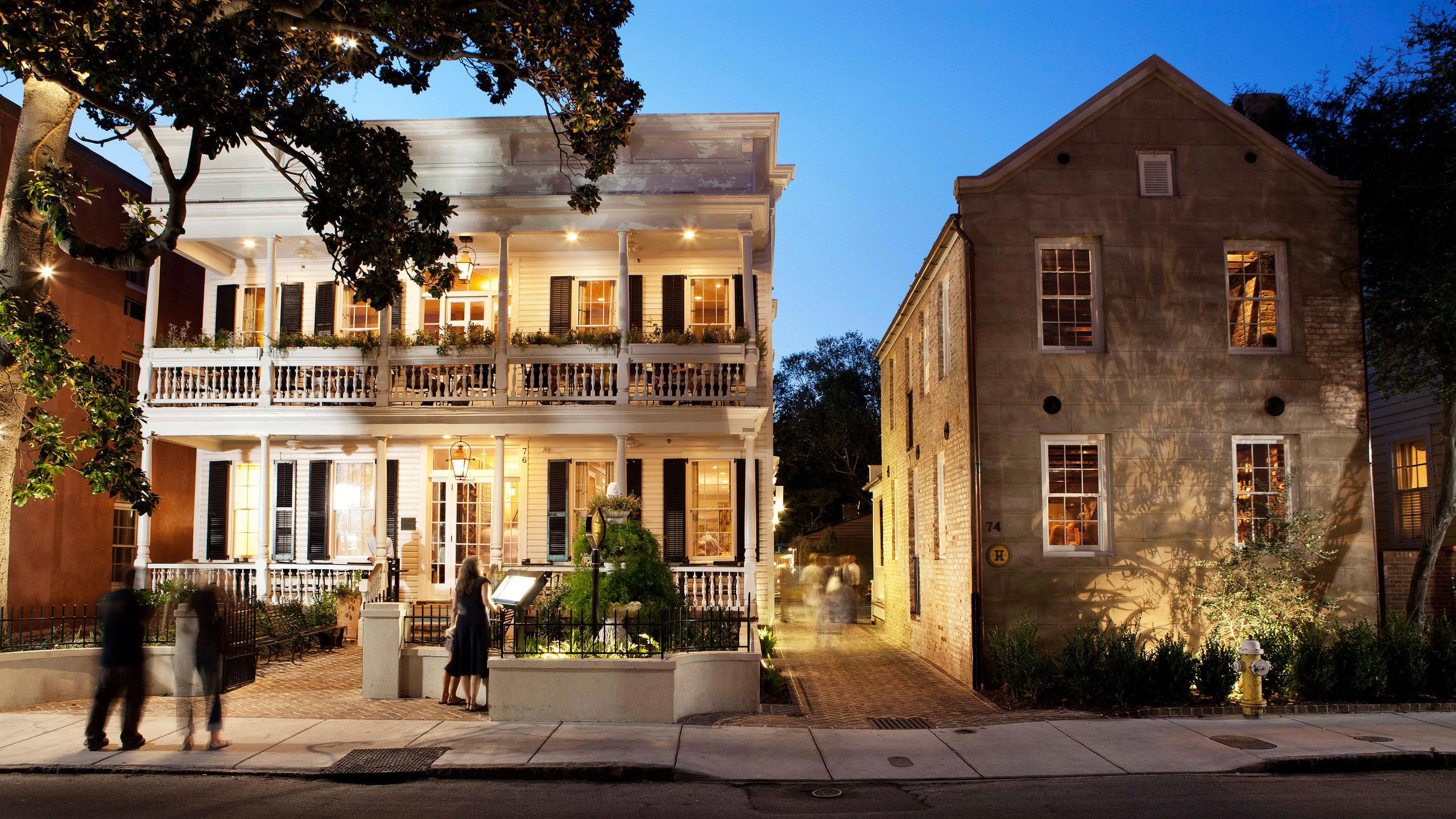
At the corner of State Street, where Charleston's French Quarter and Market Street districts converge, the built environment makes its argument in pastel facades, period lanterns, and stately pillared brickwork. The Spectator Hotel occupies a four-story structure within this layered architectural context, and its designers made a deliberate choice: rather than default to high-Antebellum formality, which this neighbourhood could easily absorb, they reached back to the 1920s as their primary reference. The result is a hotel that reads as debonair rather than reverential, avuncular rather than austere. Charleston's historic core has no shortage of properties that treat the city's antebellum identity as their organizing principle.
The Interior Architecture: Art Deco as a Working Language
Forty-one rooms across four floors is a considered scale. Charleston's boutique hotel category has bifurcated in recent years between properties with fewer than thirty keys, where intimacy is the primary offering, and those edging toward one hundred, where amenity breadth begins to matter more. At forty-one rooms, the Spectator sits at a point where the physical design of each room can still be treated with specificity rather than standardization.
The Art Deco language applied throughout is not the heavy-handed theatrical version often deployed in hotel lobbies as a shorthand for glamour. It works instead through fixture choices, millwork details, and the geometry of built-in elements. Architectural millwork of the quality found here represents a category of craftsmanship that survives stylistic cycles; the Spectator supplements it with contemporary artwork, flatscreen panels, directional lamps, and Bluetooth radios. Nespresso machines mark the contemporary baseline. The overall register is conservative but considered, which suits the neighbourhood and the property's scale.
The bathrooms are where the design moves furthest toward its stated reference point. Carrara marble runs in generous stretches, paired with oversize vanities and local Deep Steep bath products. In smaller boutique properties, bathrooms are often where budget constraints become visible; here, they function as the room's centrepiece rather than its afterthought. For travellers assessing Charleston's design-led properties, this is a meaningful differentiator.
The Butler Standard and What It Signals
Personalised butler service, extended to every room, is a rarity at the forty-one-key scale. It belongs more naturally to the ultra-luxury tier occupied by properties like Aman New York or, internationally, Aman Venice and Badrutt's Palace Hotel in St. Moritz. The Spectator's decision to apply this model across all rooms rather than reserving it for suites positions it in a service tier that the room count alone would not suggest. It also aligns with the hotel's broader thesis: that the hospitality idiom of an earlier era, when individual attention was the baseline rather than the premium, can be made to function in a contemporary property without tipping into pastiche.
Within Charleston specifically, this service model sets it apart from larger properties like Hotel Bennett Charleston, where scale necessitates a different staffing architecture, and closer in spirit to the intimate approach of Post House or The Dewberry, each of which treats personal service as a core rather than an add-on.
The Bar: A Speakeasy That Doesn't Need to Hide
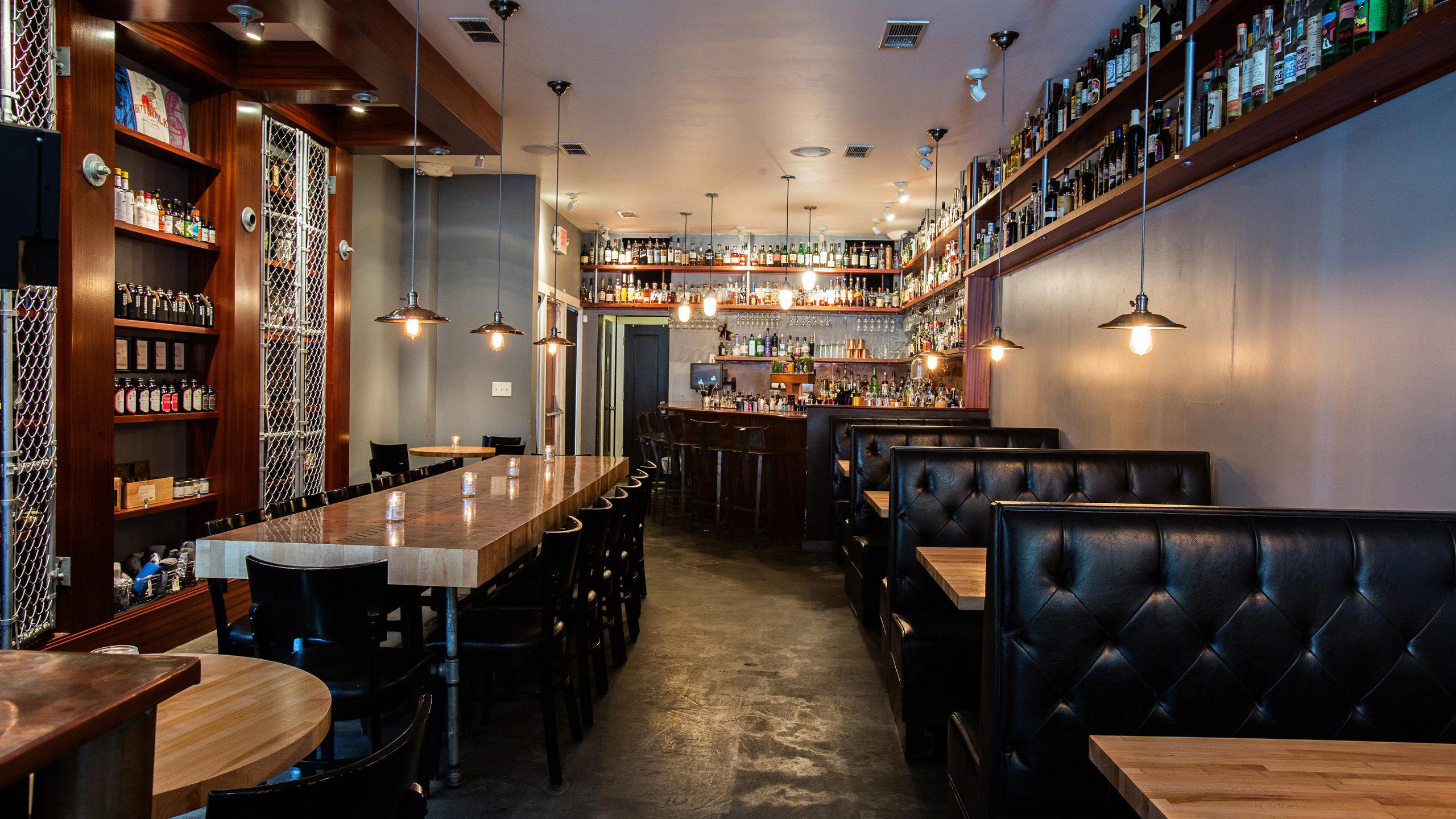
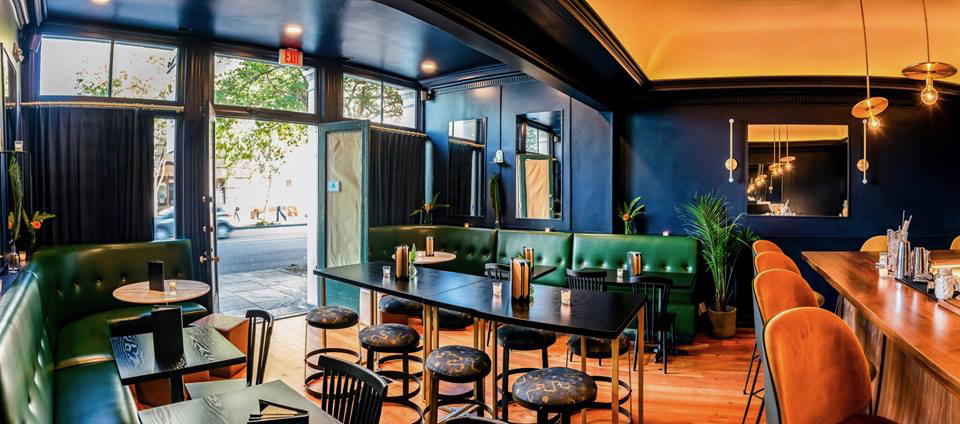
The transition from room to bar at the Spectator involves a tonal shift that the design earns. Buttoned sofas, illuminated bookshelves, and bartenders in vested uniforms create a space that references the speakeasy format without requiring the theatrical concealment that defined New York's wave of hidden-door cocktail venues in the 2010s. Charleston's cocktail scene has generally moved in a more transparent direction, and the Spectator's bar sits within that current without announcing the move as a programmatic position.
The bartenders are trained toward personalised drink construction, working with the guest's preference as the brief rather than defaulting to a fixed menu. This is a higher-labour-cost model than a standardised cocktail list, and it signals a staffing investment that tracks with the butler service model applied to the rooms. For travellers familiar with properties like The Fifth Avenue Hotel in New York City or Raffles Boston, where the bar program functions as a social anchor rather than an amenity, the Spectator's approach will read as a peer-level commitment.
Location and Neighbourhood Logic
Convergence of the French Quarter and Market Street places the Spectator at one of Charleston's most architecturally dense intersections. The address at 67 State Street is walkable to the city's primary restaurant concentration, the waterfront, and the historic market itself. For travellers who prioritise pedestrian access to dining and cultural programming, this positioning reduces logistical friction considerably.
Charleston's historic district hotel market is competitive at the boutique end. HarbourView Inn offers water views from its position closer to the Battery. Emeline and 86 Cannon Charleston each take their own positions within the boutique segment. For a full picture of where the Spectator sits within the city's hospitality and restaurant options, our full Charleston restaurants guide maps the broader scene.
For travellers who use boutique hotel selection to construct a more coherent sense of place, the Spectator's French Quarter address does real work. The neighbourhood's scale, walkability, and architectural consistency reinforce the hotel's own design thesis in a way that a similar property placed in a more commercially diluted block could not replicate. Comparable logic applies to properties like Troutbeck in Amenia or Post Ranch Inn in Big Sur, where location and interior design form a single argument rather than competing for attention.
Recognition and What It Confirms
The Spectator received a Michelin One Key designation in 2024. Michelin's hotel key program, which launched its US coverage in recent years, applies criteria centred on architectural character, service quality, and the coherence of the guest experience rather than the amenity count. A One Key designation at forty-one rooms, in a mid-tier price bracket relative to Charleston's luxury ceiling, confirms that the hotel's design and service investments have been read accurately by a credentialled assessor. It also places the Spectator in a recognisable peer category alongside other key-designated boutique properties across the United States, from SingleThread Farm Inn in Healdsburg to Auberge du Soleil in Napa.
Planning Your Stay
The Spectator operates forty-one rooms, and at this key count, availability at peak periods in Charleston's spring and fall seasons compresses quickly. Charleston's spring festival calendar and autumn shoulder season are both high-demand windows; booking well ahead of those periods is practical rather than precautionary. The State Street address means parking logistics are typical of Charleston's historic core, where walkability is the more efficient strategy for most guests. The hotel's bar is an in-house asset worth treating as a primary evening option rather than a fallback. For travellers building a Charleston itinerary around design-led accommodation, the Spectator warrants placing early in the planning sequence rather than as a secondary option after larger properties.
A Quick Peer Check
Comparable venues nearby, for context on price, style, and recognition.
| Venue | Cuisine | Price | Awards | Notes |
|---|---|---|---|---|
| The Spectator HotelThis venue (the venue you are viewing) | Art Deco meets Southern charm boutique | $200–300 | 1 Michelin Key | Not listed |
| The Pinch Charleston | Luxury boutique in restored Victorian-era buildings blending heritage with contemporary luxury. | Not listed | 1 Michelin Key · La Liste Top Hotels | Downtown Charleston |
| 86 Cannon Charleston | Historic boutique inn restored to original glory with modern luxury touches | Not listed | 1 Michelin Key · World Travel Awards | Downtown Charleston |
| HarbourView Inn | Historic boutique waterfront inn with modern updates | $100–200 | 1 Michelin Key | Downtown Charleston |
| The Dewberry | Historic Beaux Arts building with mid-century modern interiors | Not listed | 1 Michelin Key · Virtuoso Luxury Hotel Partner | Downtown |
| Post House | Restored historic coastal cottage inn | $200–300 | 1 Michelin Key | Old Village |
Recognition history
Dated appearances from independent guides and award organizations, with the underlying list record or original source where available.
Michelin 1 Key
Michelin
Full recognition history (3 entries)
Michelin 1 Key
Michelin
Michelin 1 Key
Michelin
Continue exploring
More in Charleston
Hotels in Charleston
All hotels in Charleston →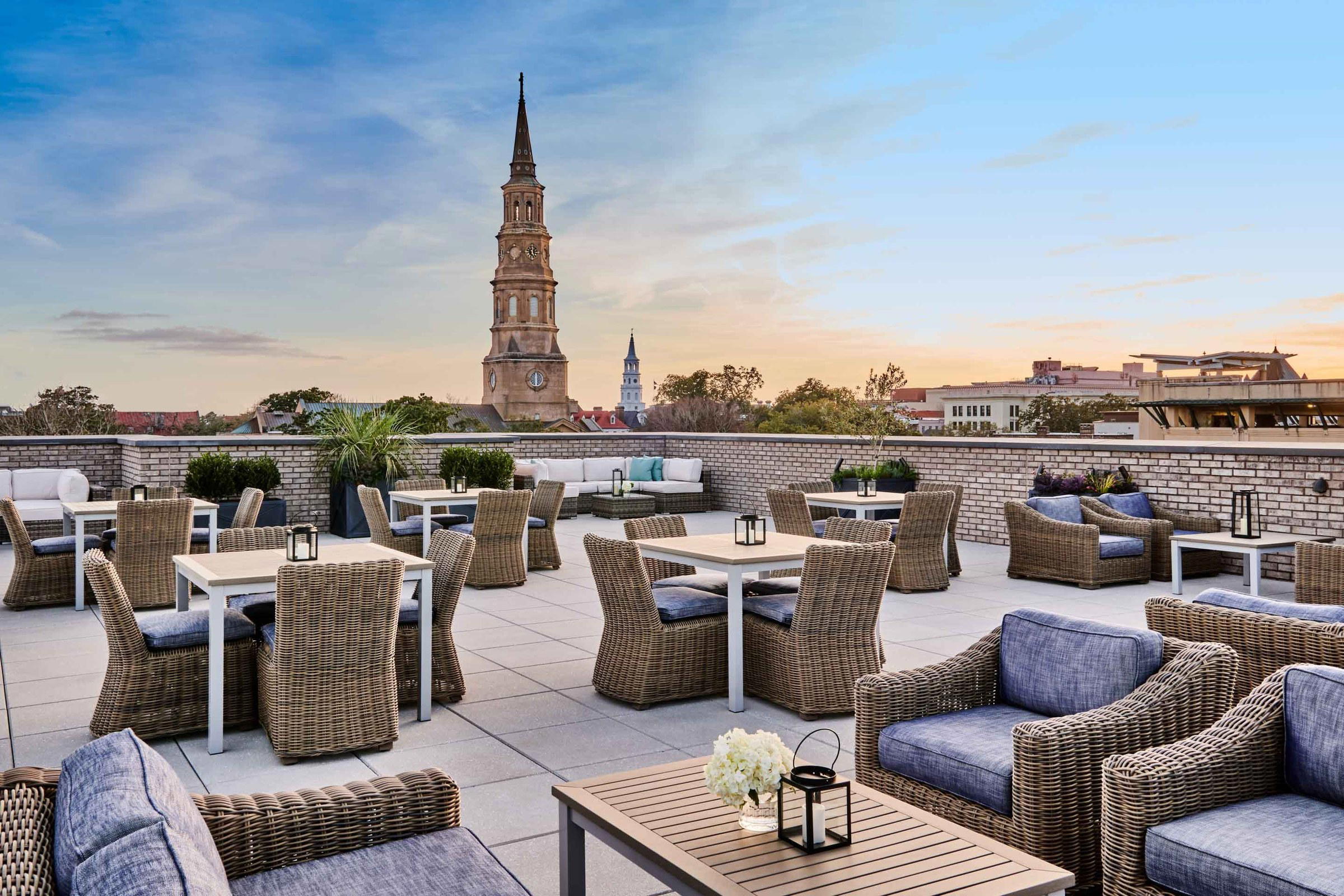
Details
- Elegant
- Sophisticated
- Intimate
- Classic
- Ornate
- Romantic Getaway
- Anniversary
- Honeymoon
- Historic Building
- Butler Service
- Terrace
- Wi Fi
- Room Service
- Concierge
- Valet Parking
- Fitness Center
- Street Scene
- Wheelchair Accessible
- Elevator
- Step Free Entrance
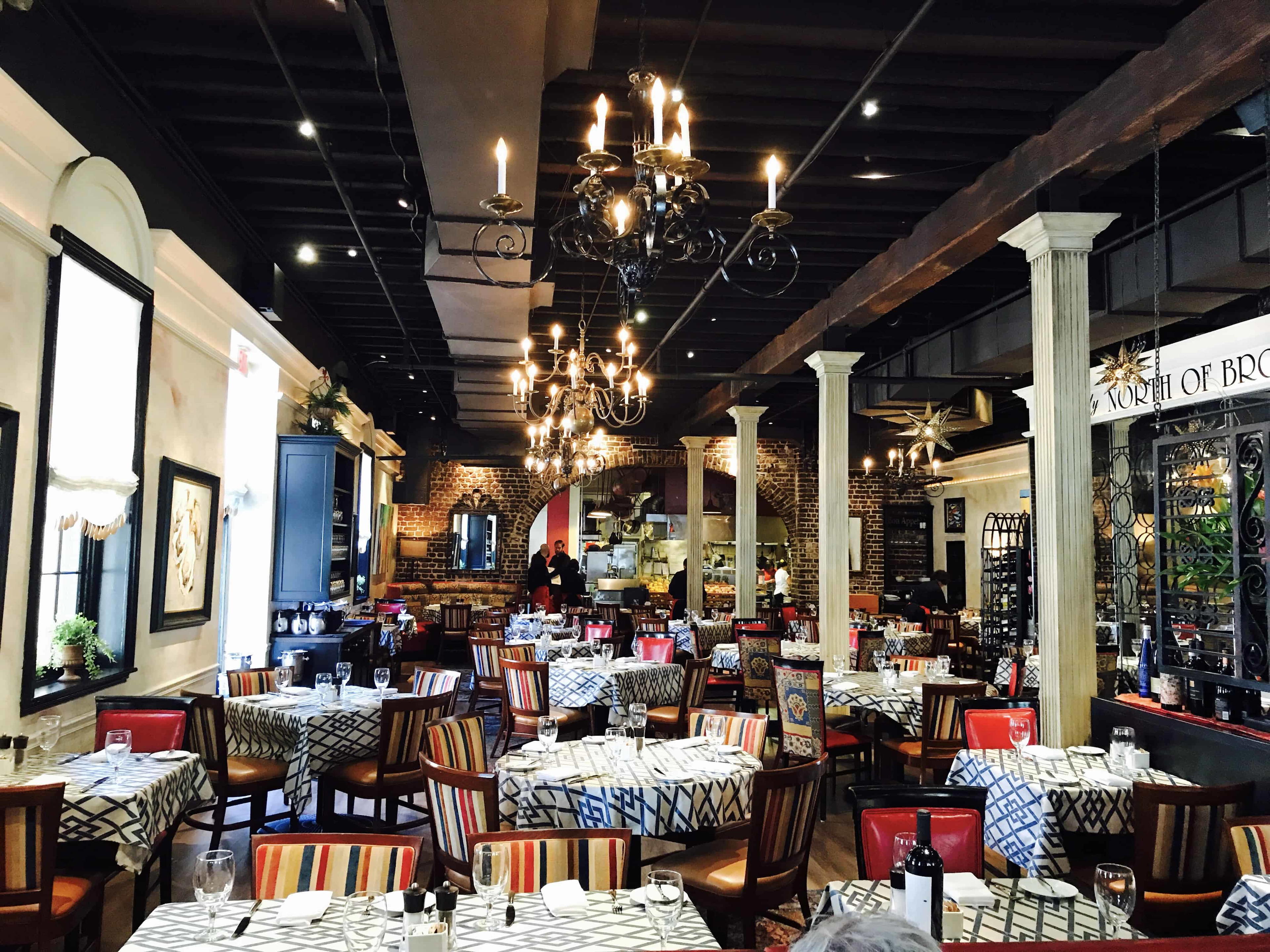
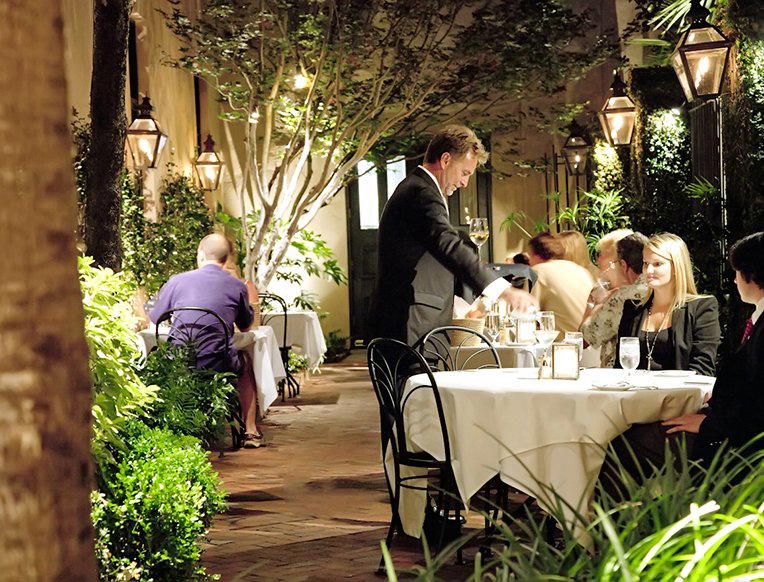
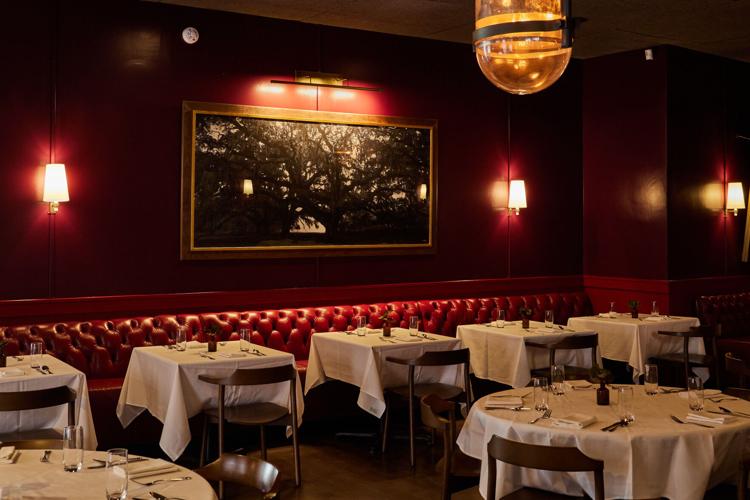
Sophisticated 1920s glamour with Art Deco design, high ceilings, plush furnishings, and a library-like bar atmosphere.