Sorelle



Sorelle brings a focused Italian program to Charleston's historic lower peninsula, earning a Michelin Plate and a spot on Resy's 2025 Hit List. The kitchen's commitment to handmade pasta situates it within a growing tier of serious Italian cooking in the American South. Located at 88 Broad St, it belongs on any considered eating itinerary through downtown Charleston.
Pearl is the En Primeur Club membership app — saves, bookings, and concierge access live there. Same editors, same standards.
- Address
- 88 Broad St, Charleston, SC 29401
- Phone
- (843) 974-1575
- Website
- sorellecharleston.com
- Directions
- Get directions
 Saves & bookings on Pearl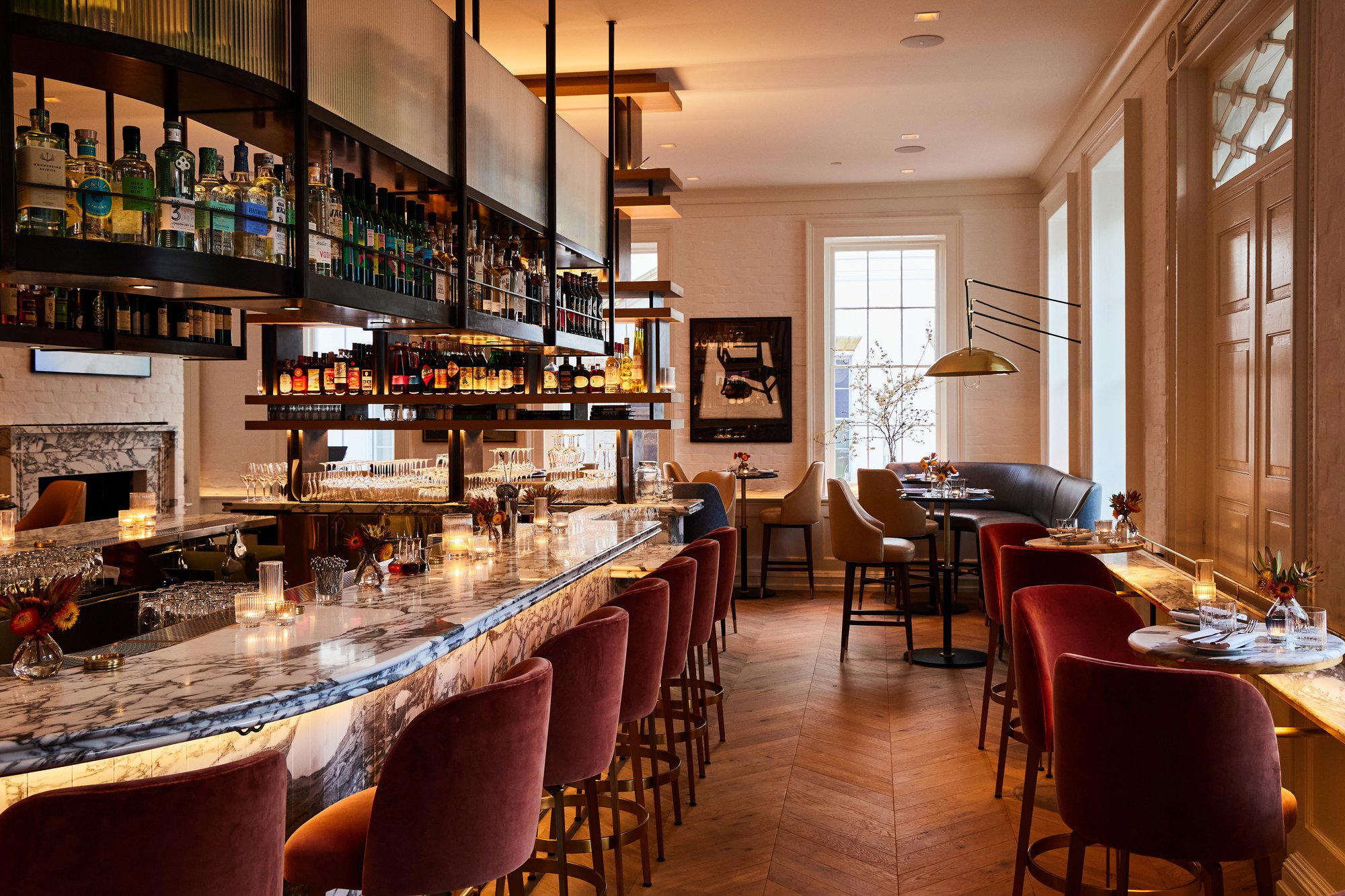
Where Southern Hospitality Meets the Northern Italian Table
Broad Street in Charleston's lower peninsula runs through one of the city's most architecturally preserved corridors, where antebellum facades sit beside Federal-style townhouses and the occasional converted counting house. It is the kind of street that rewards slow walking. Sorelle, at number 88, is a Charleston restaurant on Broad Street.
The Pasta Question in the American South
Handmade pasta has become one of the clearest dividing lines in American Italian restaurants. On one side sit the kitchens that treat pasta as a vehicle for sauce, produced in volume and cooked to a soft domestic standard. On the other sit the programs where pasta is the main technical argument: where the dough's hydration, the shape's geometry, and the sauce's reduction are all treated as interdependent decisions. Sorelle's placement on Resy's 2025 Best of the Hit List, alongside a Michelin Plate in the same year, suggests it belongs in the second camp.
The Michelin Plate designation is worth parsing carefully. It does not carry the star system's scoring weight, but within Michelin's framework it denotes a restaurant serving food of consistent quality. That recognition positions Sorelle among Charleston's more serious Italian rooms.
The tradition Sorelle draws from is not monolithic. Northern Italian pasta culture operates differently from the South: egg-enriched doughs, longer resting times, shapes engineered for specific sauces rather than interchangeable application. A tagliatelle in Bologna carries obligations that a rigatoni in Rome does not, and kitchens that understand this distinction tend to build menus accordingly. Sorelle's $$$ price tier and Michelin recognition together suggest a kitchen making deliberate technical choices.
Where It Sits in Charleston's Dining Tier
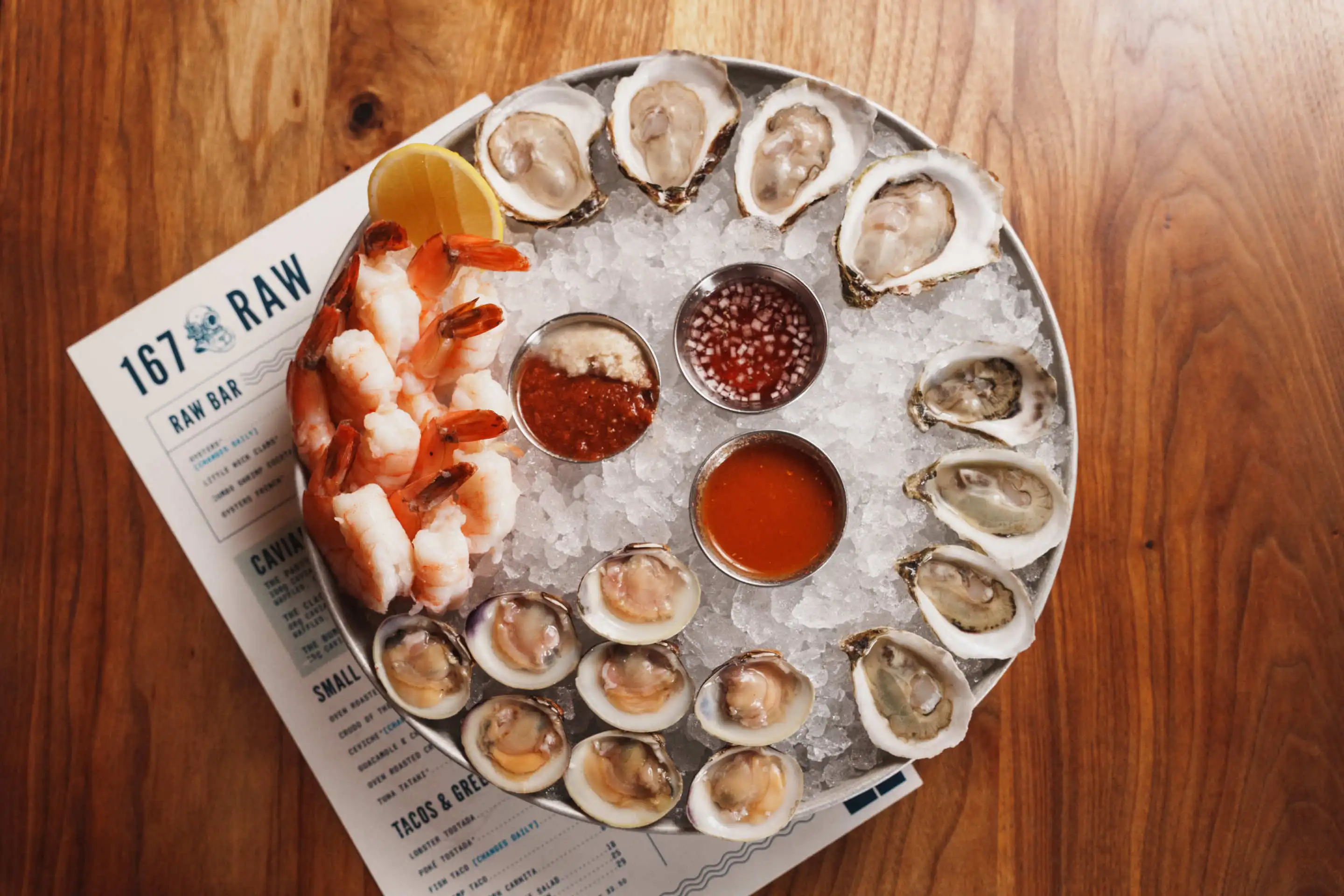
Charleston's restaurant scene in 2025 operates across a wider range of serious cooking than it did a decade ago. The city's culinary reputation was built largely on low-country seafood, rice-based Southern cooking, and the kind of whole-animal barbecue that made figures like Rodney Scott's BBQ nationally relevant. Oyster programs at places like 167 Raw have long anchored the casual end of the quality spectrum. But above that foundation, a more ambitious and internationally inflected tier has grown. Vern's represents American Contemporary cooking at the $$$ level. Lowland takes a different approach to Southern ingredients. Malagón Mercado y Taperia has brought a Spanish lens to the mix.
Within this broader evolution, a focused Italian program at the $$$ tier occupies a specific and underserved niche. Charleston has never been short of Italian restaurants, but a kitchen that treats pasta-making as its primary technical argument, earns Michelin recognition, and lands on Resy's national Hit List in the same calendar year is a different proposition from the trattorias and red-sauce rooms that preceded it. The comparison set here is less local and more national: Italian programs at the $$$ tier in cities like Vancouver, where Ask for Luigi and Bacaro have set a high bar for handmade pasta in an informal register, offer a useful frame for the kind of cooking Sorelle appears to be doing.
At the higher end of the national spectrum, the ambition that drives Michelin-recognized Italian cooking in America traces back to tasting-menu formats and the technical discipline associated with places like Le Bernardin in New York City, Alinea in Chicago, or The French Laundry in Napa. Sorelle is not operating at that register of formality, but the Michelin Plate signals a kitchen that is being evaluated by the same institutional eye. That matters for setting expectations.
The Italian Kitchen's Relationship with the South
There is an underexplored affinity between Italian cooking traditions and Southern American ones. Both cultures treat grain, whether wheat in pasta or corn in grits, as a serious ingredient deserving technique rather than convenience. Both have deeply regional identities that resist homogenization. Both preserve specific preparation methods across generations, often within family structures. A kitchen on Broad Street that takes handmade pasta seriously is, in this reading, not importing a foreign tradition so much as finding a parallel one. The tension between these two identities is part of what makes an Italian restaurant in Charleston interesting to think about at all.
The question of sauce philosophy is inseparable from pasta tradition. Northern Italian saucing tends toward restraint: reductions, butter emulsions, the fat from a long-braised meat. The pasta carries more of the flavor argument because the pasta itself has more to say. This is a different kitchen logic from the tomato-forward, herb-heavy approach that defines much of what Americans recognize as Italian cooking, and it demands a different kind of attention from the diner.
Planning a Visit
Sorelle is at 88 Broad St in downtown Charleston, placing it within easy reach of the city's historic district and the dense cluster of serious restaurants that characterizes the lower peninsula. For visitors building an itinerary around Charleston's current dining range, it fits logically alongside explorations of the city's broader scene, from the Spanish-inflected plates at Malagón to the low-country-inflected American cooking at Lowland. The $$$ price tier indicates a mid-to-upper-end dinner commitment; the Michelin Plate and Resy recognition together suggest booking ahead rather than walking in.
What People Recommend at Sorelle
Given Sorelle's Michelin Plate designation and its Resy 2025 Hit List placement, the consistent recommendation is to focus on the pasta program. These are the awards a kitchen earns when its core technical work, dough texture, shape integrity, sauce coherence, holds up under repeated evaluation. In a room operating at the $$$ tier with this level of external recognition, the handmade pasta dishes represent the kitchen's clearest argument, and they are where the critical case for the restaurant is being made. Wine pairings that follow Italian regional logic would be the natural complement, given that the kitchen's orientation appears to draw from that tradition.
Recognition Snapshot
Comparable venues nearby, for context on price, style, and recognition.
| Venue | Cuisine | Price | Awards | Notes |
|---|---|---|---|---|
| SorelleThis venue — the venue you are viewing | Modern Southern Italian | $$$ | Michelin Plate | Not listed |
| Lewis Barbecue | Texas-Style Barbecue | $$ | Not listed | East Central |
| The Restaurant at Zero George | Modern American Tasting Menu | $$$$ | Michelin Plate | Slightly North of Broad |
| Church and Union Charleston | Modern-American with Southern Flair | $$$ | Not listed | Ansonborough |
| Sorghum & Salt | Vegetable-Forward Farm-to-Table Small Plates | $$$ | Not listed | Not listed |
| Well Hung Vineyard | American with Southern Twists | $$$ | Not listed | French Quarter |
Recognition history
Dated appearances from independent guides and award organizations, with the underlying list record or original source where available.
Conde Nast Selected for 2026 Condé Nast Traveler Best Restaurants in Charleston
Conde Nast
Michelin Plate
Michelin
Resy Best of the Hit List
Resy
Continue exploring
More in Charleston
Restaurants in Charleston
Browse all →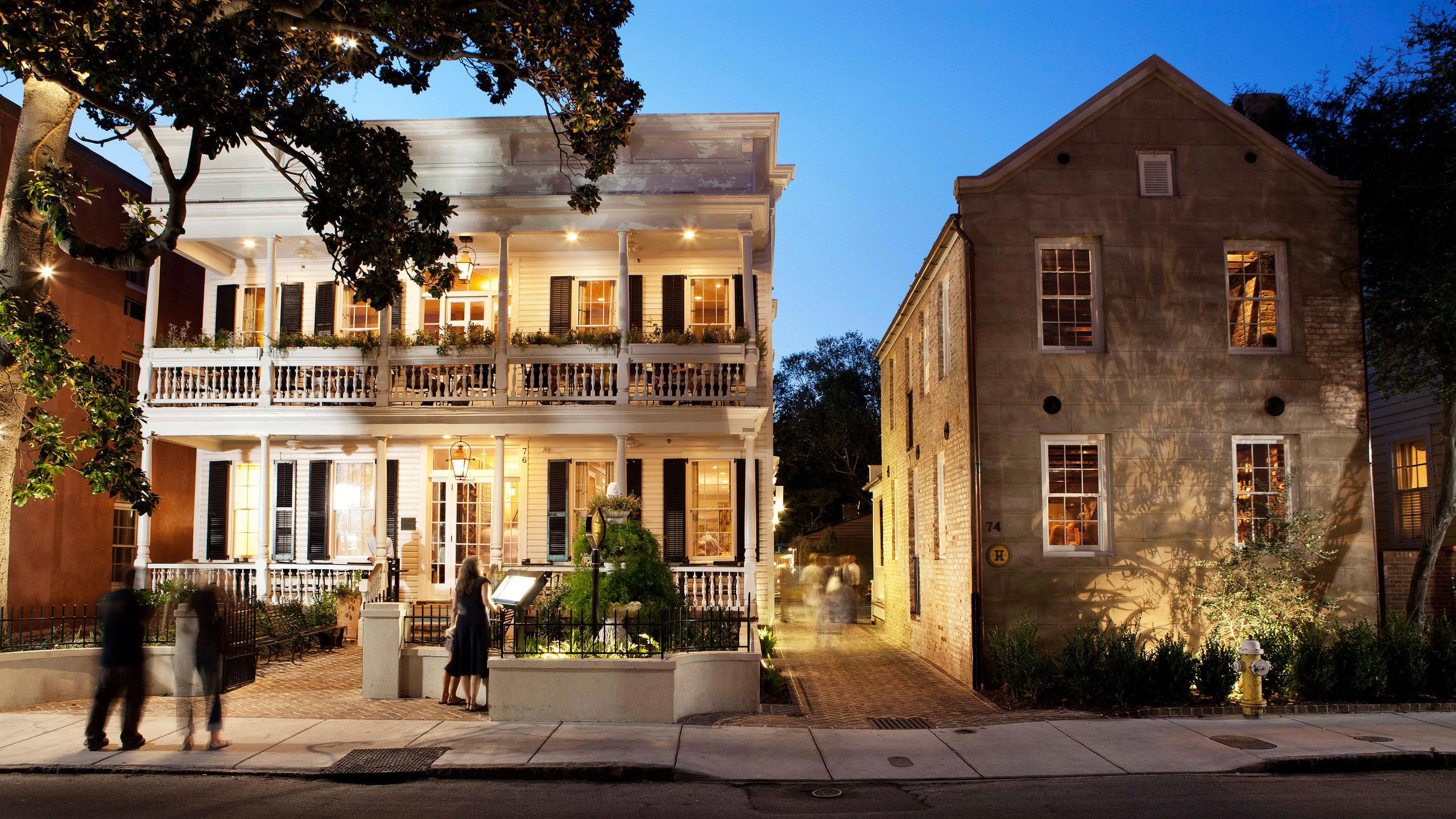
Bars in Charleston
Browse all →
At a Glance
- Elegant
- Sophisticated
- Ornate
- Modern
- Intimate
- Date Night
- Special Occasion
- Brunch
- Private Event
- Private Dining
- Historic Building
- Wine Cellar
- Extensive Wine List
- Sommelier Led
- Craft Cocktails
- Local Sourcing
- Street Scene
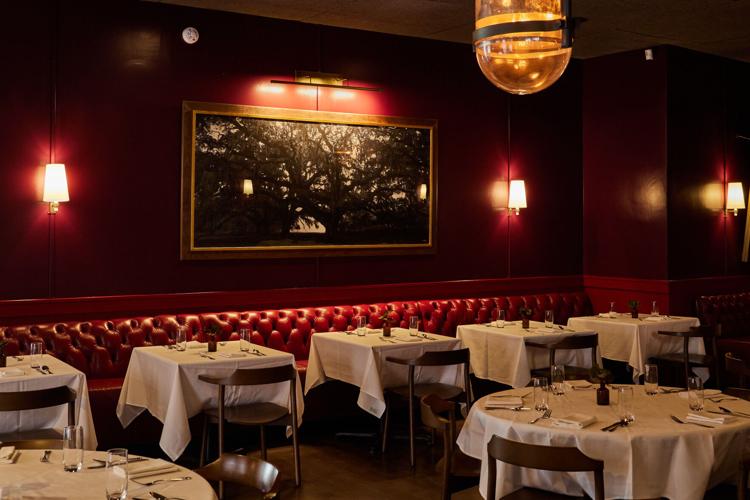
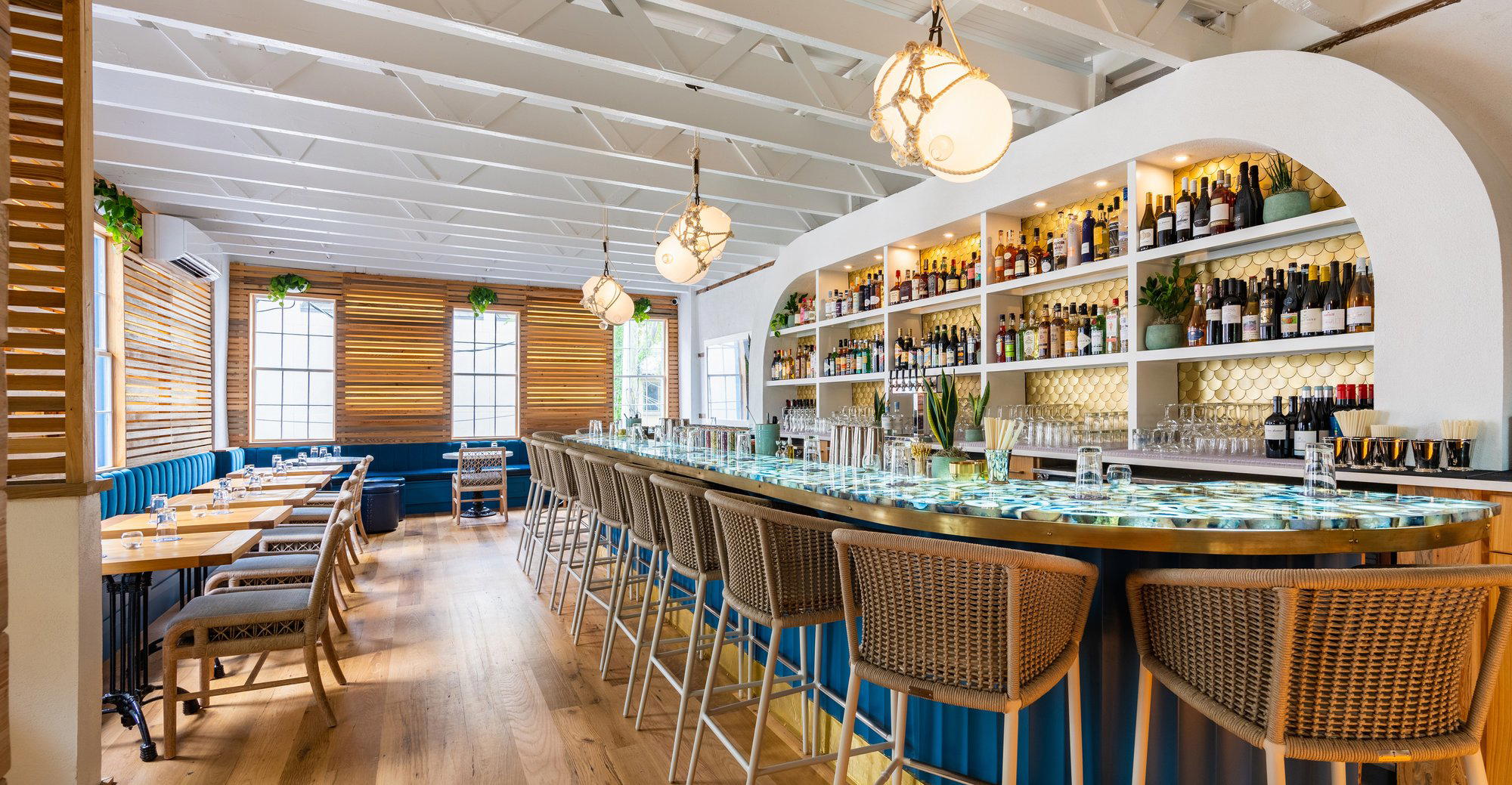
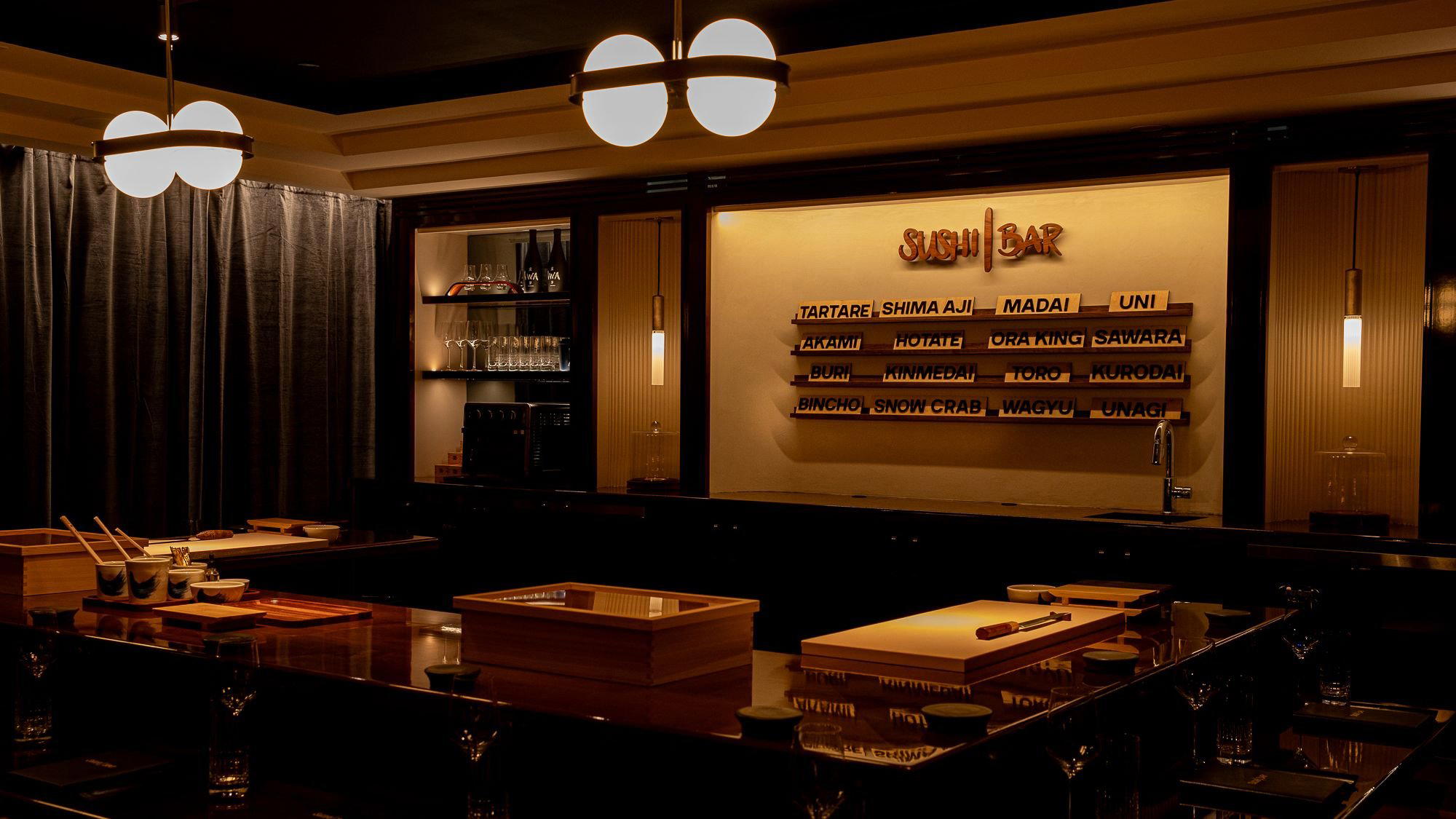
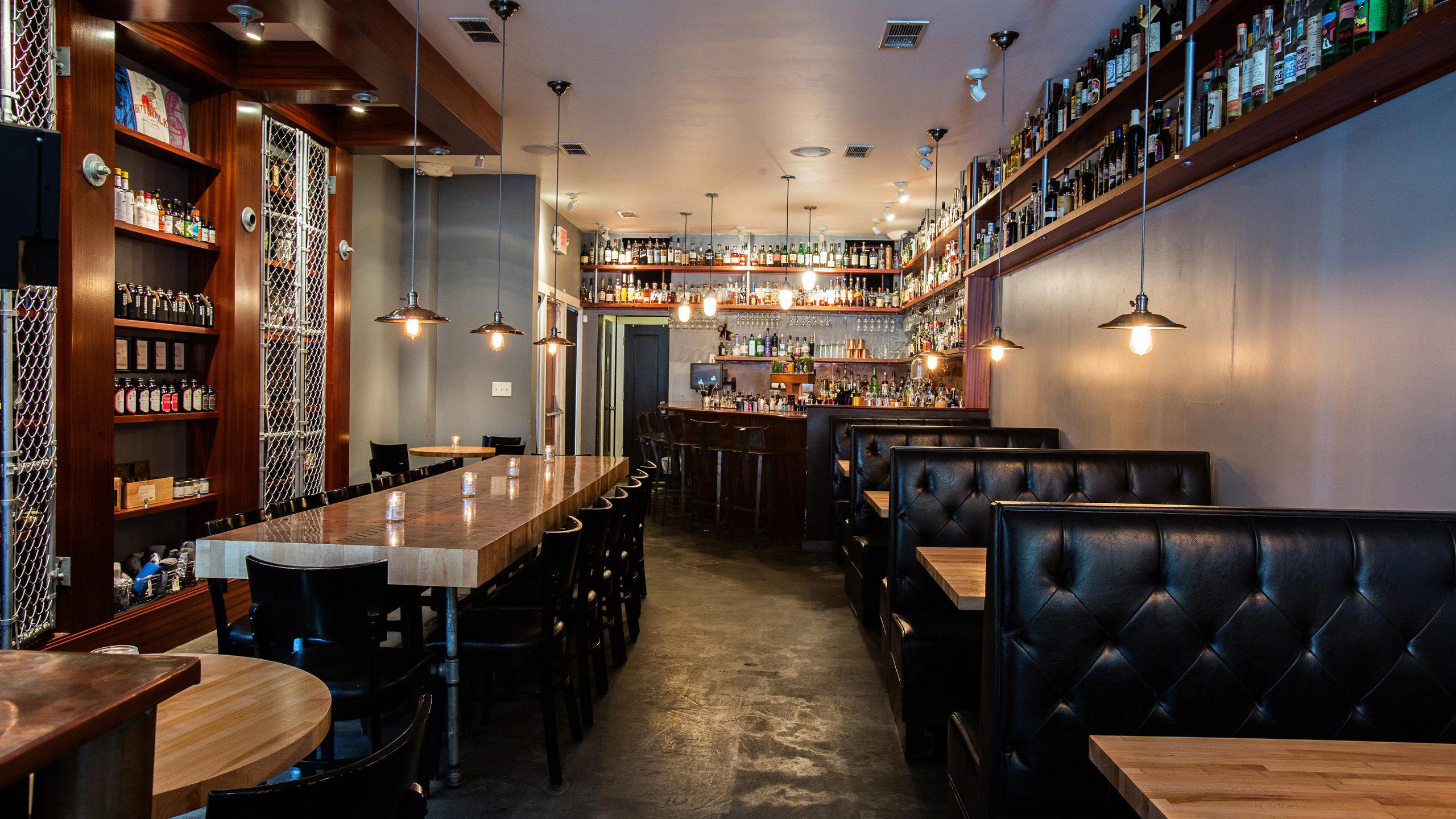
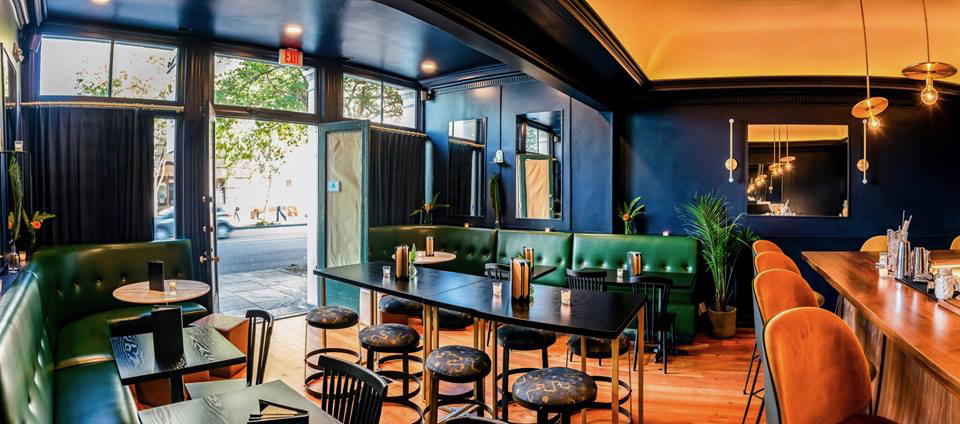
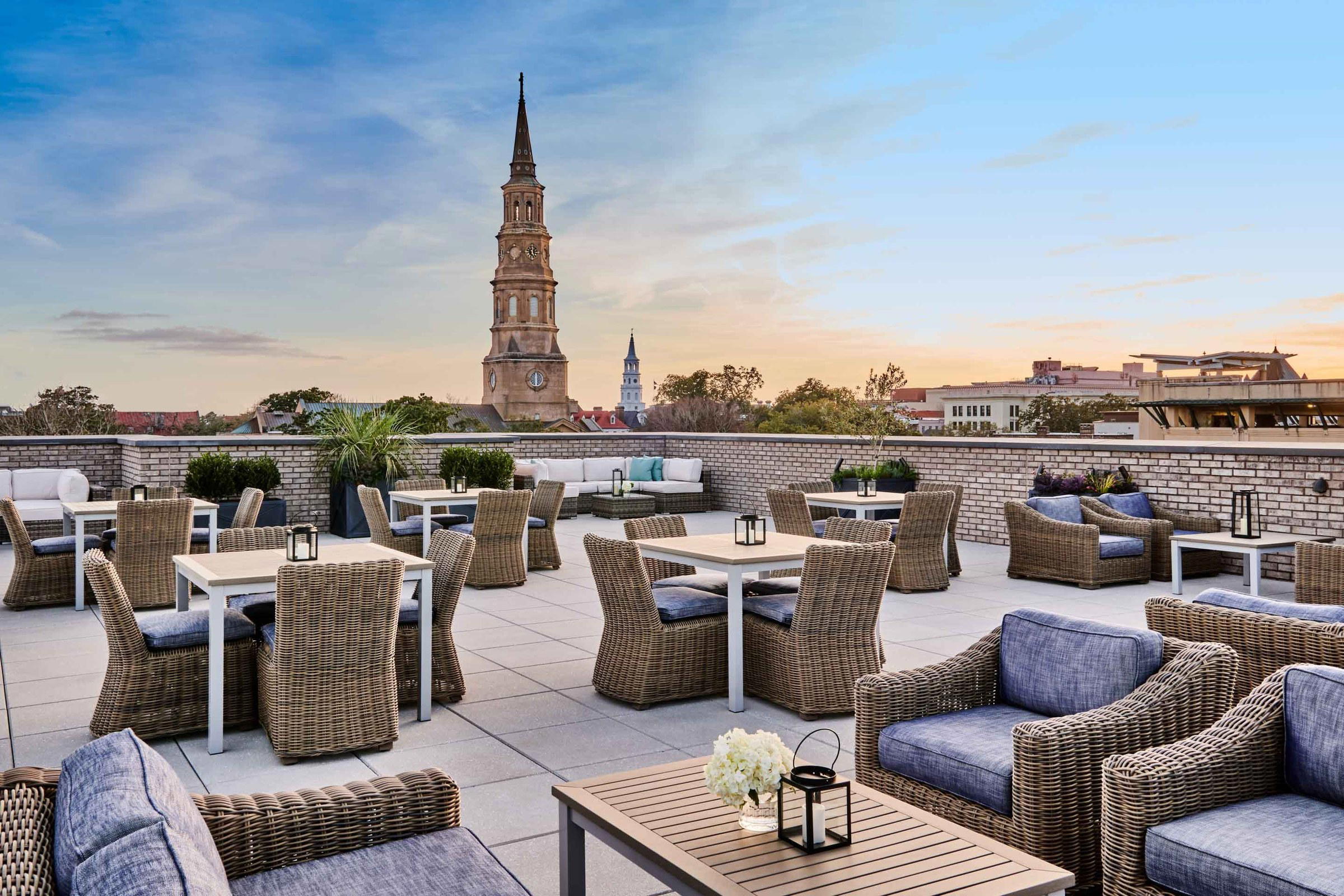
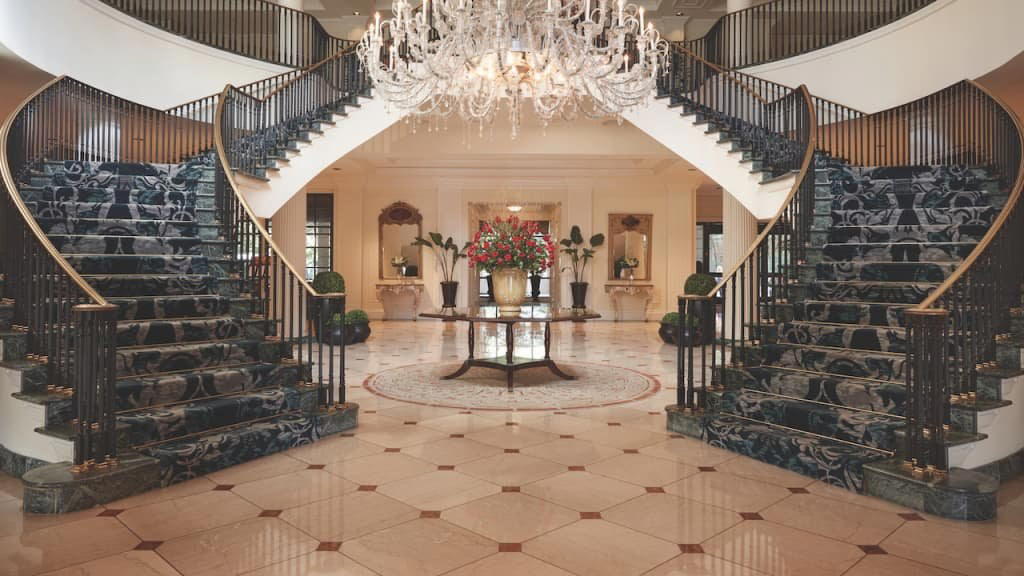
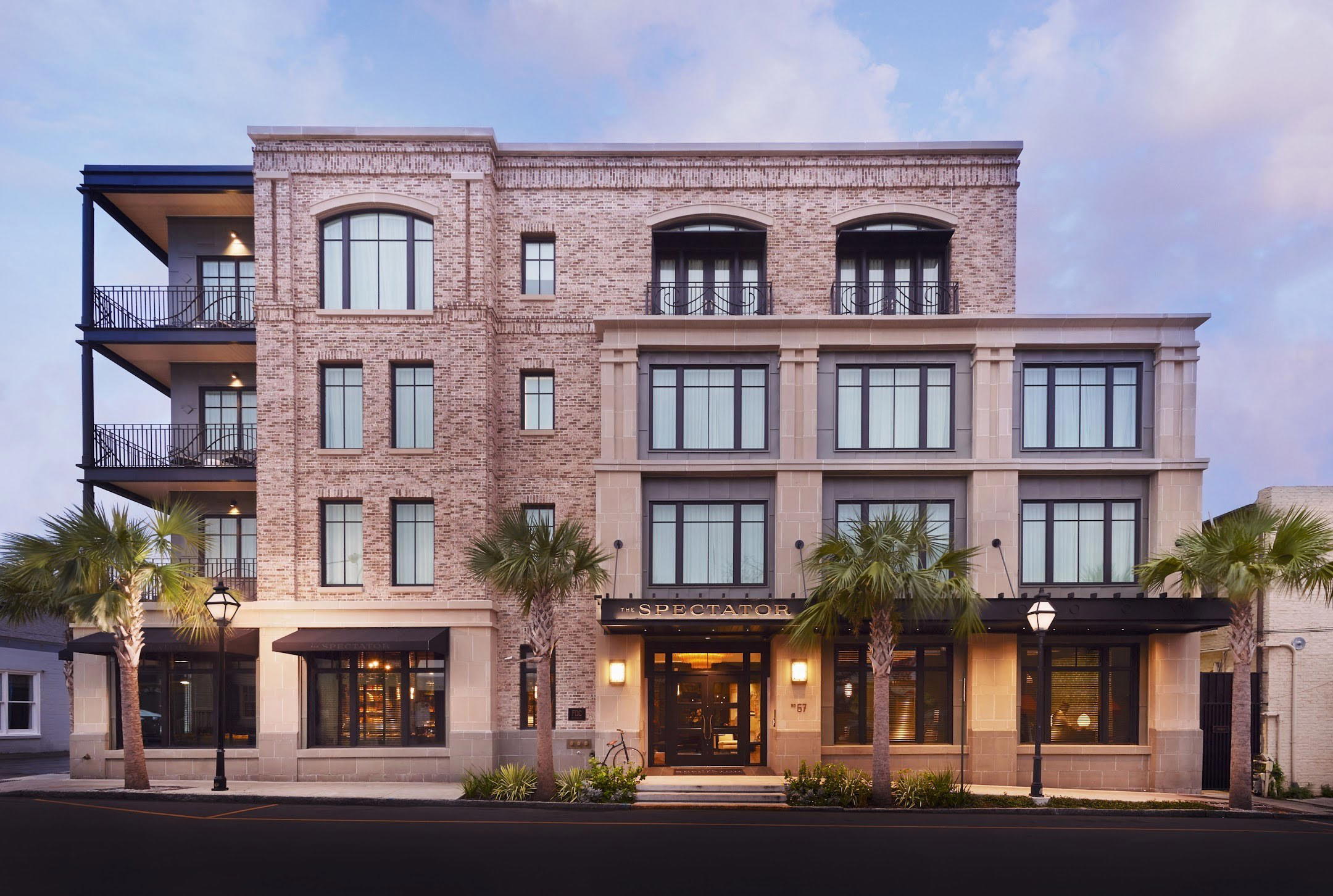
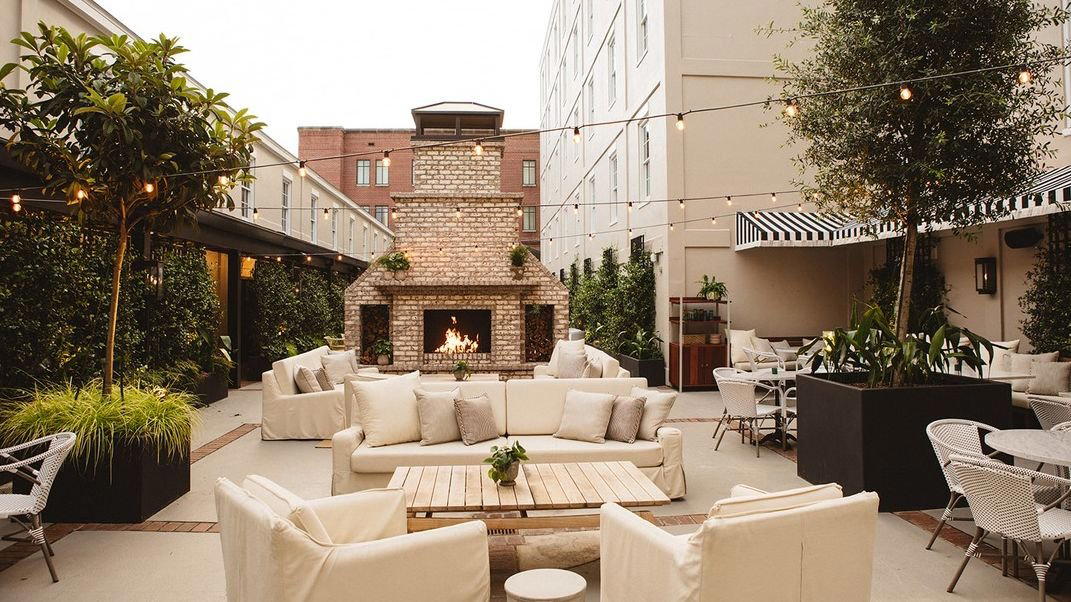
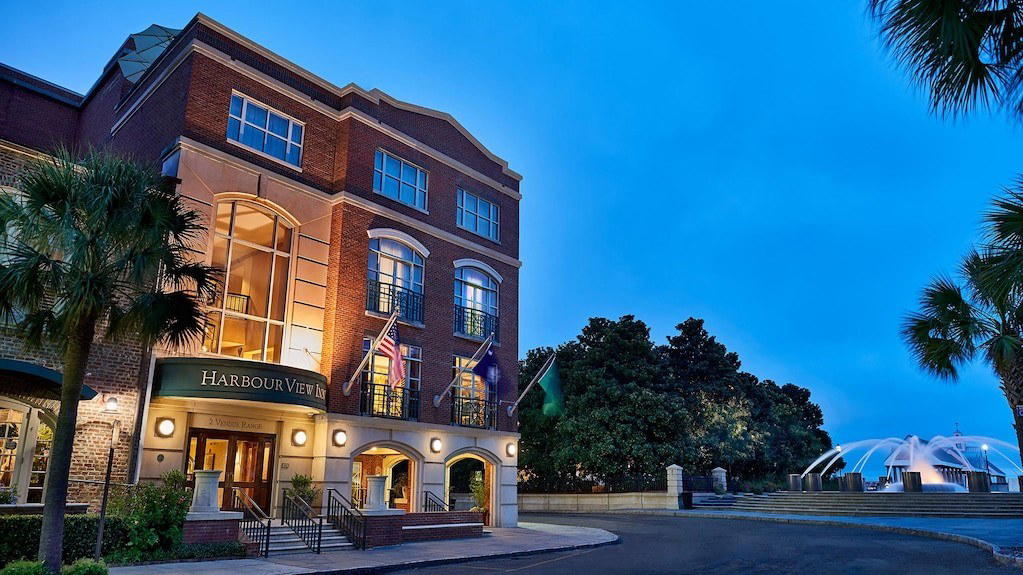
Elegant and ornate atmosphere in renovated historic townhouses with grand dining rooms, central bar, and wine room, offering big-city luxury with Charleston flair.