On Rue Solférino in Lille, La Ducasse occupies a address that sits comfortably within the city's more serious dining tier, where French technique and regional identity intersect. Lille's fine dining scene has matured considerably over the past decade, and La Ducasse has moved with it, refining its offer as the city's expectations have risen. For visitors tracing northern France's table, it remains a point of reference.
Pearl is the En Primeur Club membership app — saves, bookings, and concierge access live there. Same editors, same standards.
- Address
- 95 Rue Solférino, 59800 Lille, France
- Phone
- +33320573410
- Website
- laducasse.fr
- Directions
- Get directions
 Saves & bookings on Pearl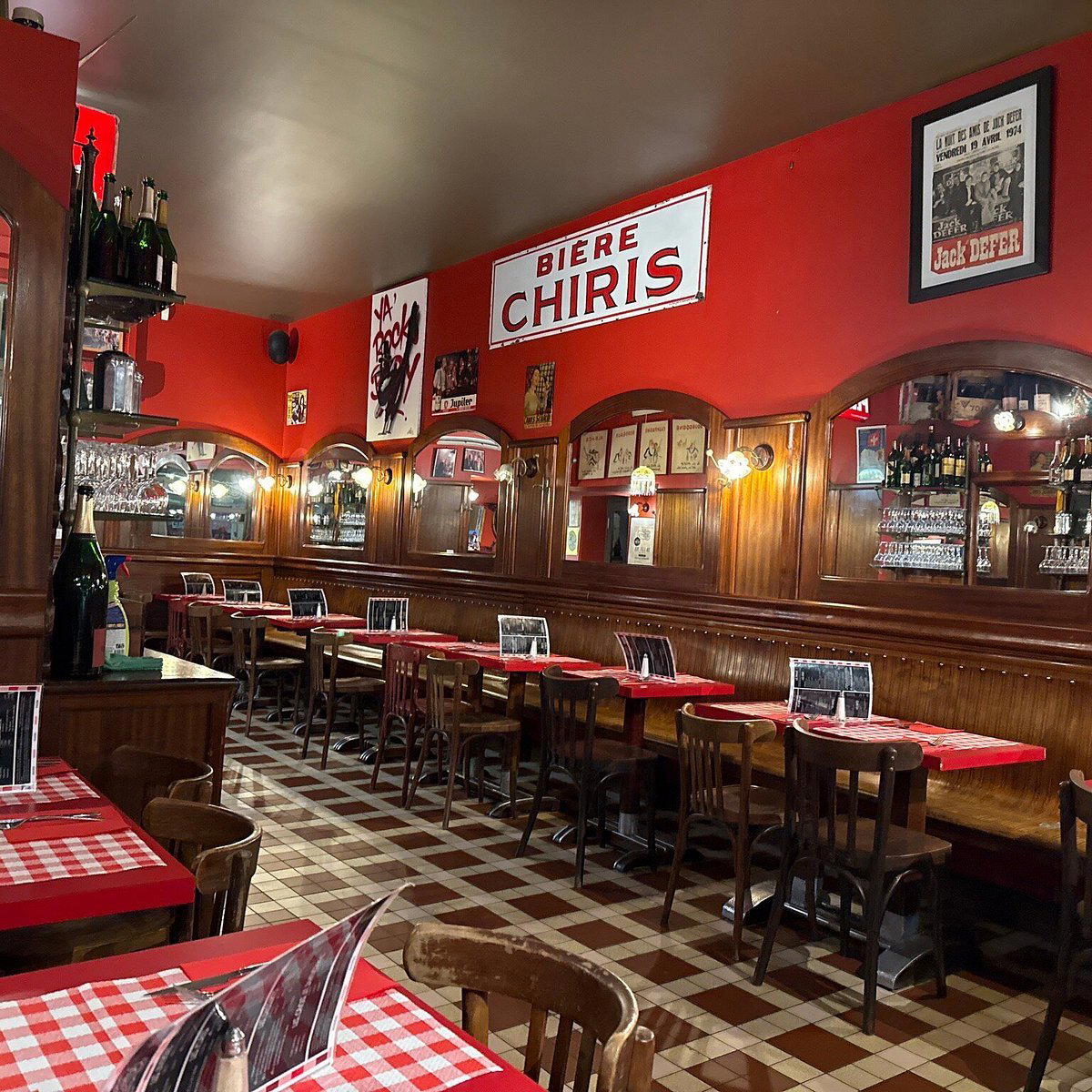
Where Lille's Fine Dining Has Arrived
Rue Solférino runs through one of Lille's more composed residential and commercial corridors, the kind of address that in French cities often signals a certain seriousness of purpose. Restaurants here do not rely on foot traffic from tourist circuits. They earn their clientele through word of mouth, press coverage, and the kind of consistency that keeps locals returning across seasons.
Lille's trajectory as a fine dining destination accelerated after its 2004 stint as European Capital of Culture, which brought infrastructure investment, a more cosmopolitan visitor profile, and a local appetite for dining that matched the ambition of French cities further south. The intervening two decades have produced a recognisable upper tier, where Ginko, La Table at Hôtel Clarance, and Pureté compete for the same considered diner. La Ducasse operates within that peer group, at an address that has seen the neighbourhood itself sharpen its culinary identity.
The Evolution of a Dining Room
French fine dining has been in a decades-long conversation with itself about what formality should look like in the twenty-first century. The heavily starched, ceremony-first model that defined the grandes tables through the 1980s and 1990s has, in most French cities outside Paris, given way to something less theatrical and more focused on the plate. Restaurants like Bras in Laguiole and Flocons de Sel in Megève helped establish that a French restaurant could carry serious technical ambition without requiring a guest to perform deference to the room. That shift has filtered down through every tier of the market.
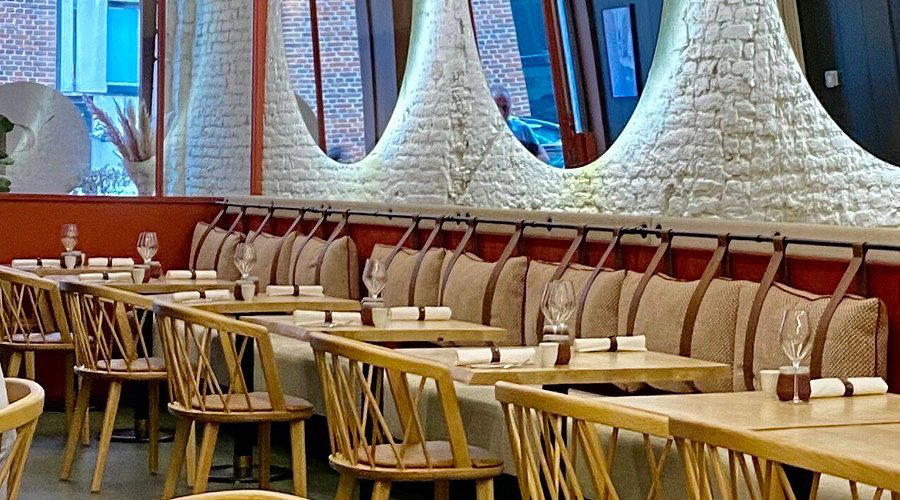
La Ducasse's position on Rue Solférino reflects how this evolution has played out at the regional level. The dining rooms that have endured in cities like Lille have generally been those willing to reorient around the guest experience rather than the preservation of a particular service style. This is not simply about informality, it is about relevance. The French provinces have long produced technically accomplished kitchens; what has changed is their willingness to frame that accomplishment in contemporary terms, drawing on regional producers and seasonal calendars in ways that feel current rather than dutiful.
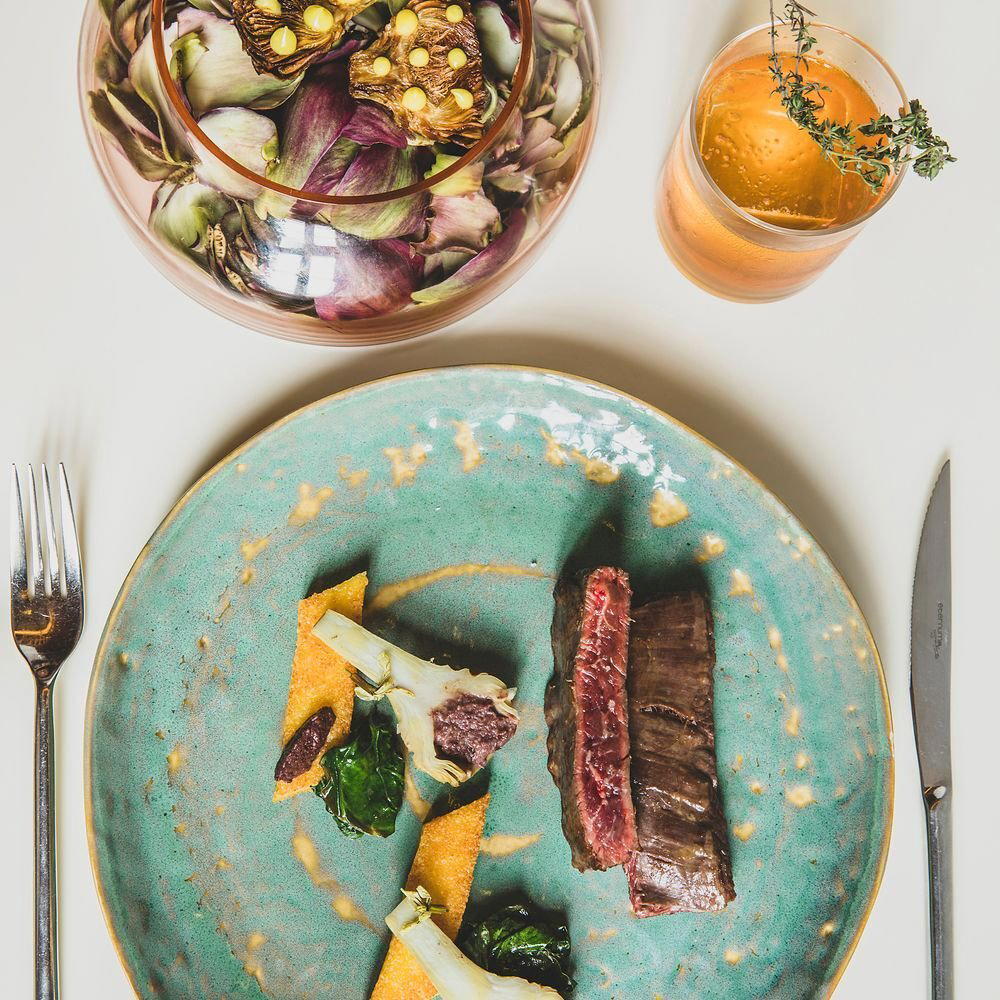
Northern France offers a distinct pantry: Maroilles and Mimolette cheeses from the surrounding departments, endive grown in the flat agricultural belt south of the city, North Sea fish arriving through Boulogne-sur-Mer, one of the country's most active fishing ports. Kitchens in Lille that have moved forward are those that have taken this regional specificity seriously rather than defaulting to a generic French fine dining vocabulary. For context on how the broader French table handles this tension between classical technique and regional rootedness, the long-running successes at Auberge de l'Ill in Illhaeusern and Troisgros in Ouches remain the reference points, establishments that have reinvented their formats multiple times without losing the thread of place.
Placing La Ducasse in Lille's Current Tier
At one level, there are the hotel dining rooms and formal tasting-menu addresses that price and present themselves as destination restaurants. At another, there are the mid-range bistros, Au Soyeux and Au Vieux de la Vieille represent the more rooted, traditional end of this, where the cooking is honest and the prices more accessible. The restaurant occupies a position between those poles, an address that signals ambition without the full apparatus of a multi-course tasting menu format.
That positioning matters in a city where the dining public has become considerably more educated over the past decade. Lille draws a younger professional demographic, proximity to Brussels and London via Eurostar making it a regular stop for travellers with formed opinions about what a serious meal should deliver. The restaurant that pitches itself in the middle of Lille's market has to perform convincingly against both ends: it cannot rely on the narrative weight of a hotel setting, and it cannot hide behind price-point expectations. The cooking has to justify the address.
Planning a Visit
The restaurant is at 95 Rue Solférino, a manageable walk from Lille-Flandres station and well within the main dining quarter that extends south from the Grand Place. The address is residential enough that it rewards arriving on foot rather than by car, giving a sense of the neighbourhood before stepping inside. For those building an itinerary around Lille's table, the full Lille restaurants guide maps the city's dining in more detail, covering the spread from formal dining rooms to neighbourhood bistros. Booking is recommended.
Accolades, Compared
Comparable venues nearby, for context on price, style, and recognition.
| Venue | Cuisine | Price | Notes |
|---|---|---|---|
| La DucasseThis venue — the venue you are viewing | Traditional Northern French | $$$ | Not listed |
| Aux éphérites | French Fusion Bistronomy | $$$ | Lille Centre 19 |
| Le Barbue d'Anvers | Traditional Northern French & Belgian Estaminet | $$$ | Vieux Lille 4 |
| Le Lion Bossu | Traditional French Gastronomic | $$$ | Vieux Lille 3 |
| Quai 38 | Modern French Seafood | $$ | Vieux Lille 1 |
| Bierbuik | Modern Flemish Brewpub | $$ | Vieux Lille 6 |
Continue exploring
More in Lille
Restaurants in Lille
Browse all →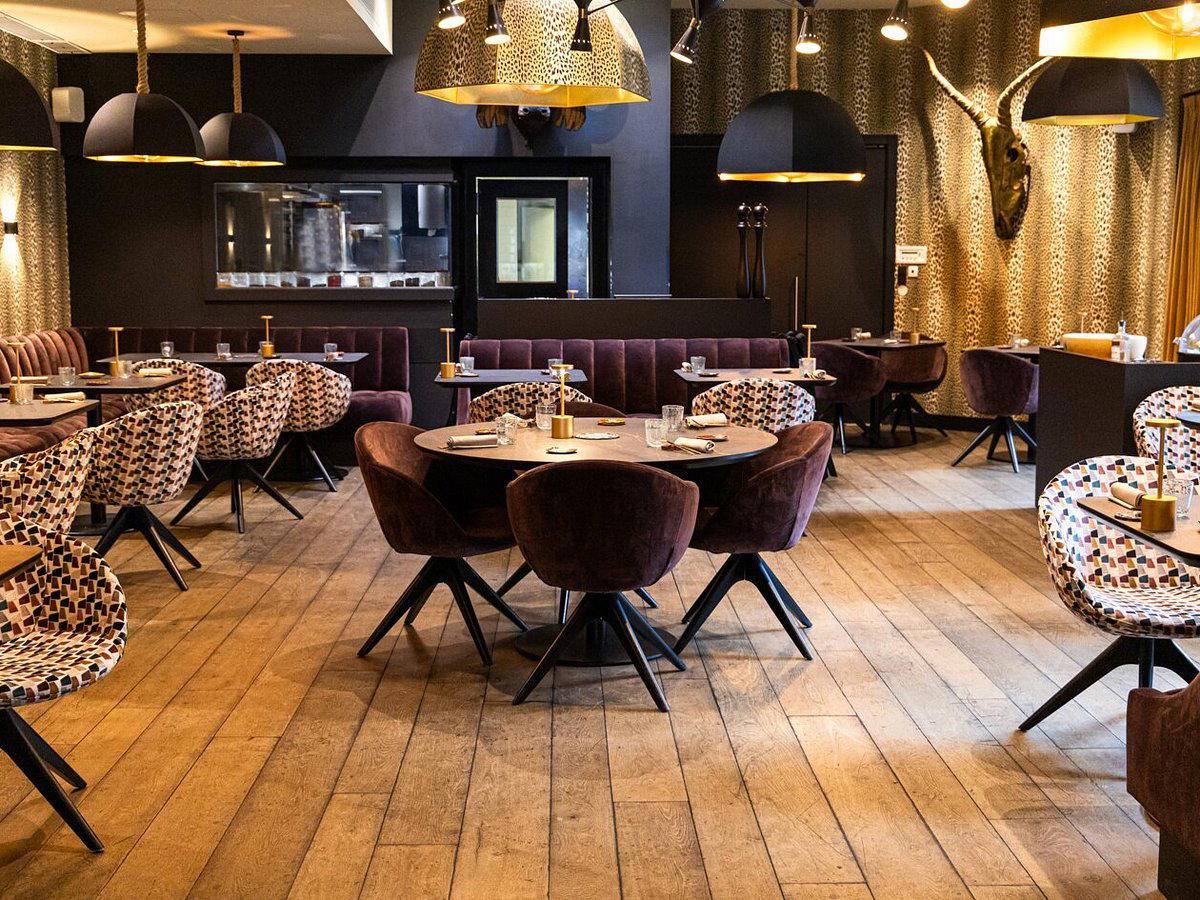
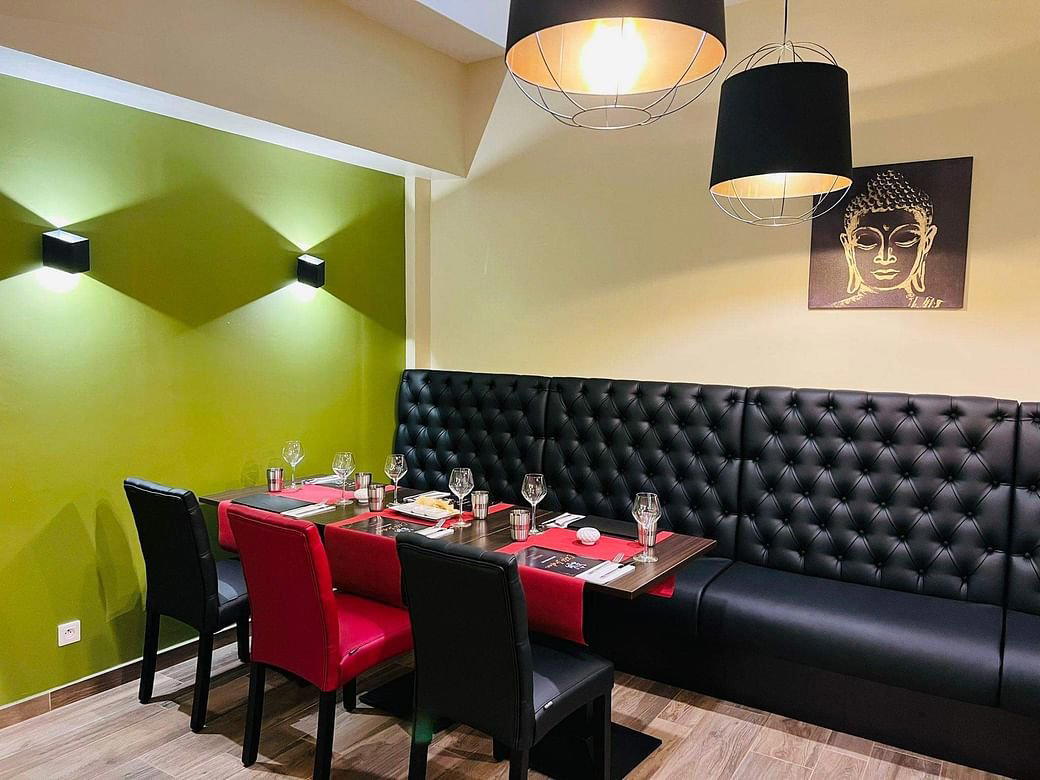
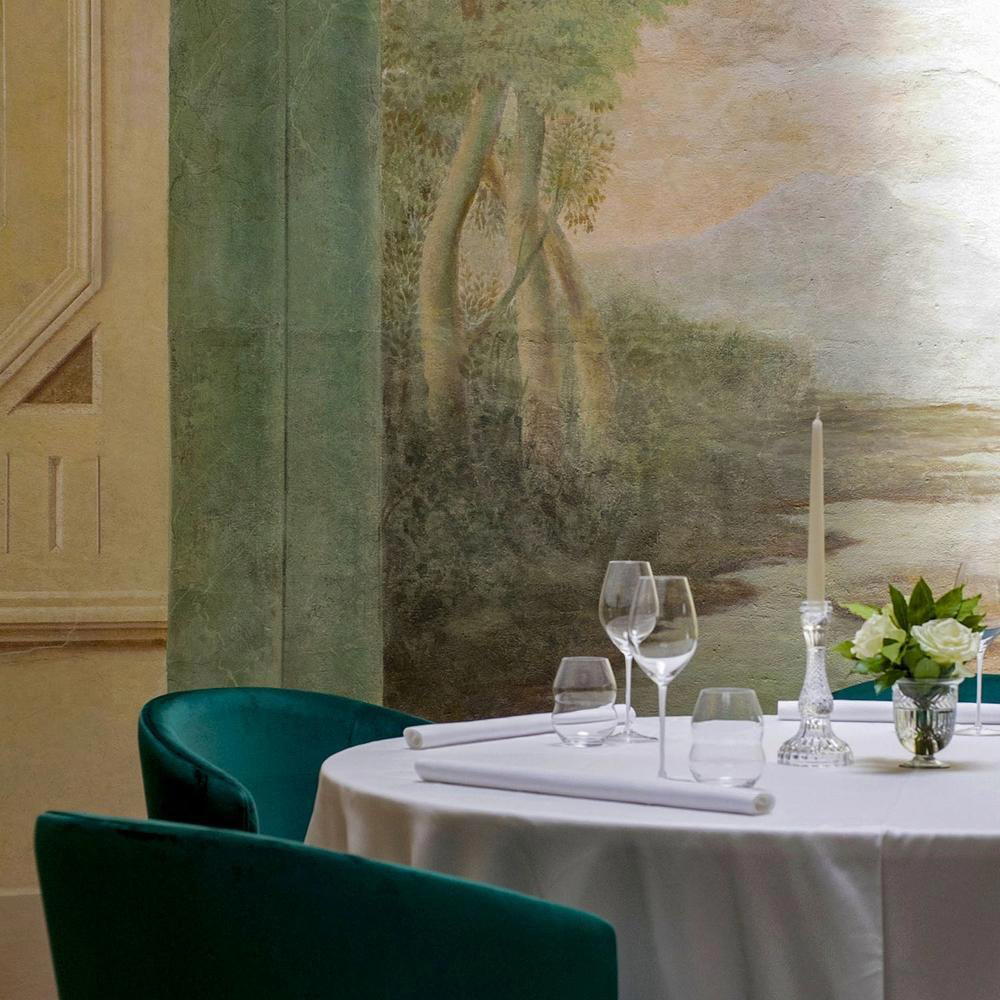
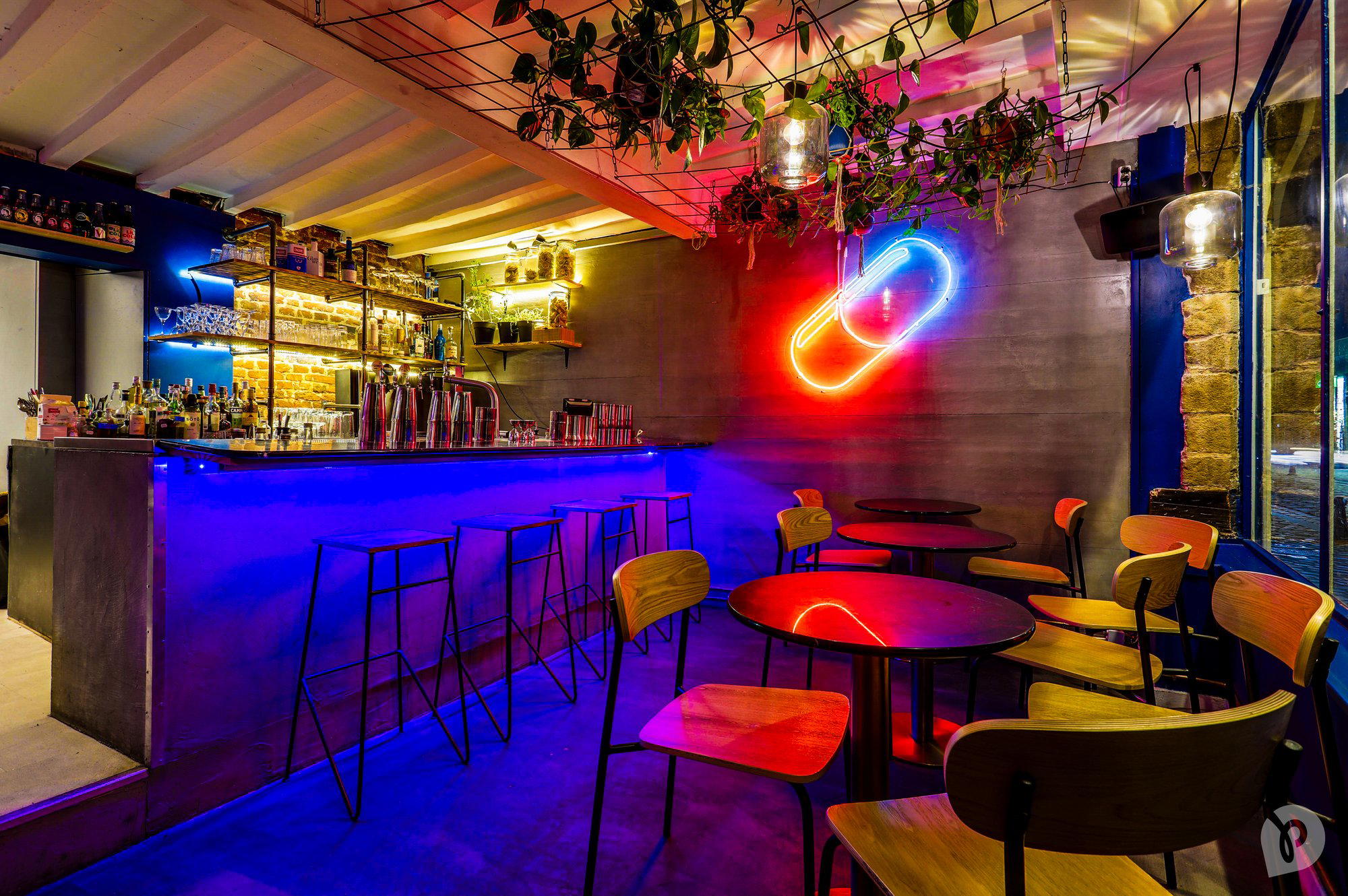
At a Glance
- Cozy
- Classic
- Lively
- Group Dining
- Casual Hangout
- After Work
- Standalone
- Local Sourcing
Current opening hours
- Monday
- 12–2 PM, 7:30–10 PM
- Tuesday
- 12–2 PM, 7:30–10 PM
- Wednesday
- 12–2 PM, 7:30–10 PM
- Thursday
- 12–2 PM, 7:30–10 PM
- Friday
- 12–2 PM, 7:30–10:30 PM
- Saturday
- 12–2:30 PM, 7:30–10:30 PM
- Sunday
- Closed
Hours can change for holidays and private events. Last verified .
Détendue et conviviale with a homely, authentic Flemish vibe.