Our verdict
Bouillon Pigalle on the Boulevard de Clichy revives one of Paris's most democratic dining traditions: the bouillon, a high-volume, low-price canteen rooted in nineteenth-century working-class culture. The format strips away ceremony without sacrificing craft, placing honest French cooking at a price point that the city's fine-dining circuit has largely abandoned. For visitors tracking where Paris actually eats, it belongs on the itinerary alongside the grandest addresses.

Pearl is the En Primeur Club membership app — saves, bookings, and concierge access live there. Same editors, same standards.
- Address
- 22 Bd de Clichy, 75018 Paris, France
- Phone
- +33 1 42 59 69 31
- Hours
- Daily 12 PM–12 AM
- Website
- bouillonlesite.com
- Directions
- Get directions
- Booking
- Book on the venue's website
The menu
What to order
- Oeufs mayo
- Beef bourguignon
- Profiteroles
- Escargots
The Boulevard de Clichy at the Dinner Hour
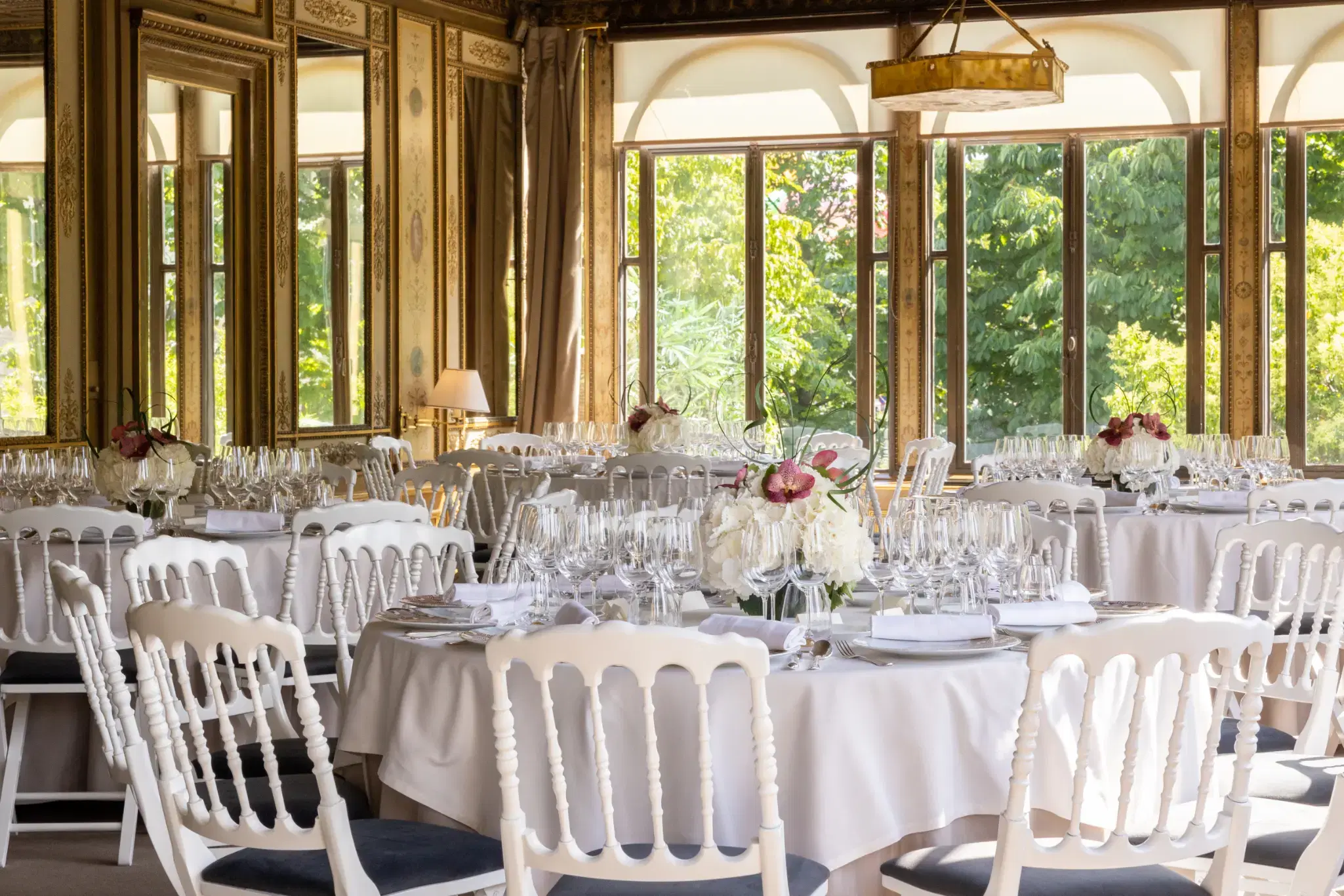
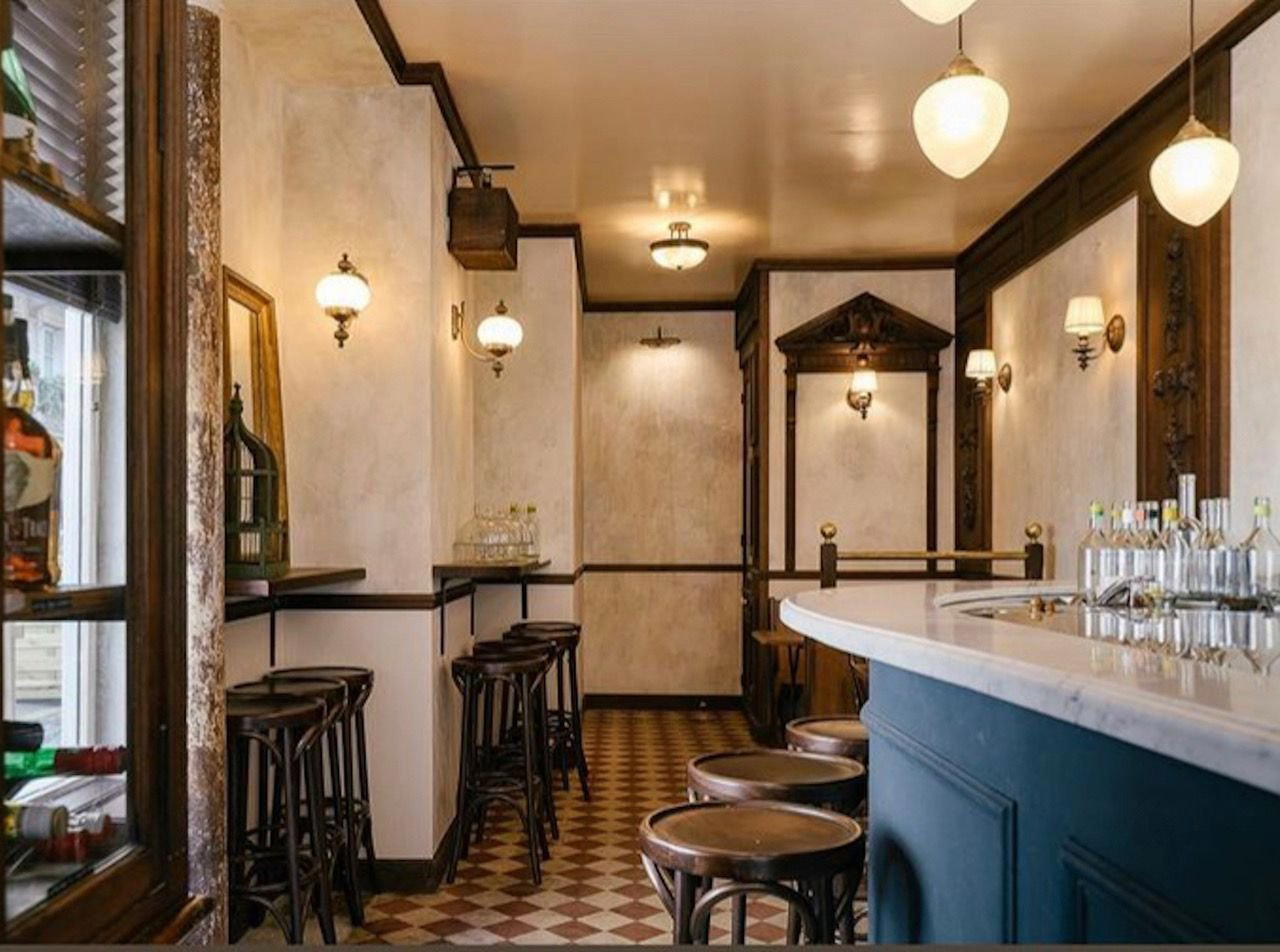
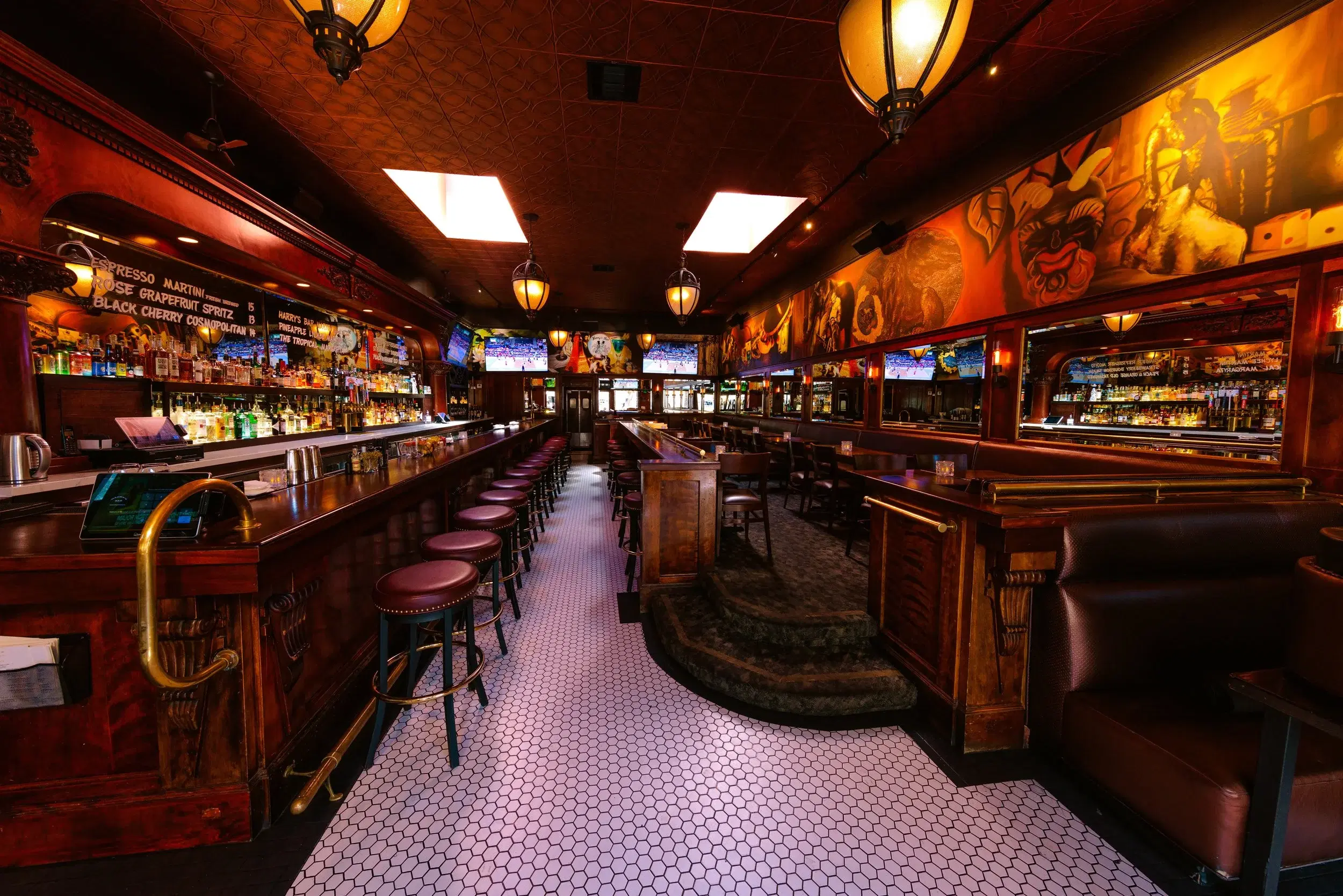
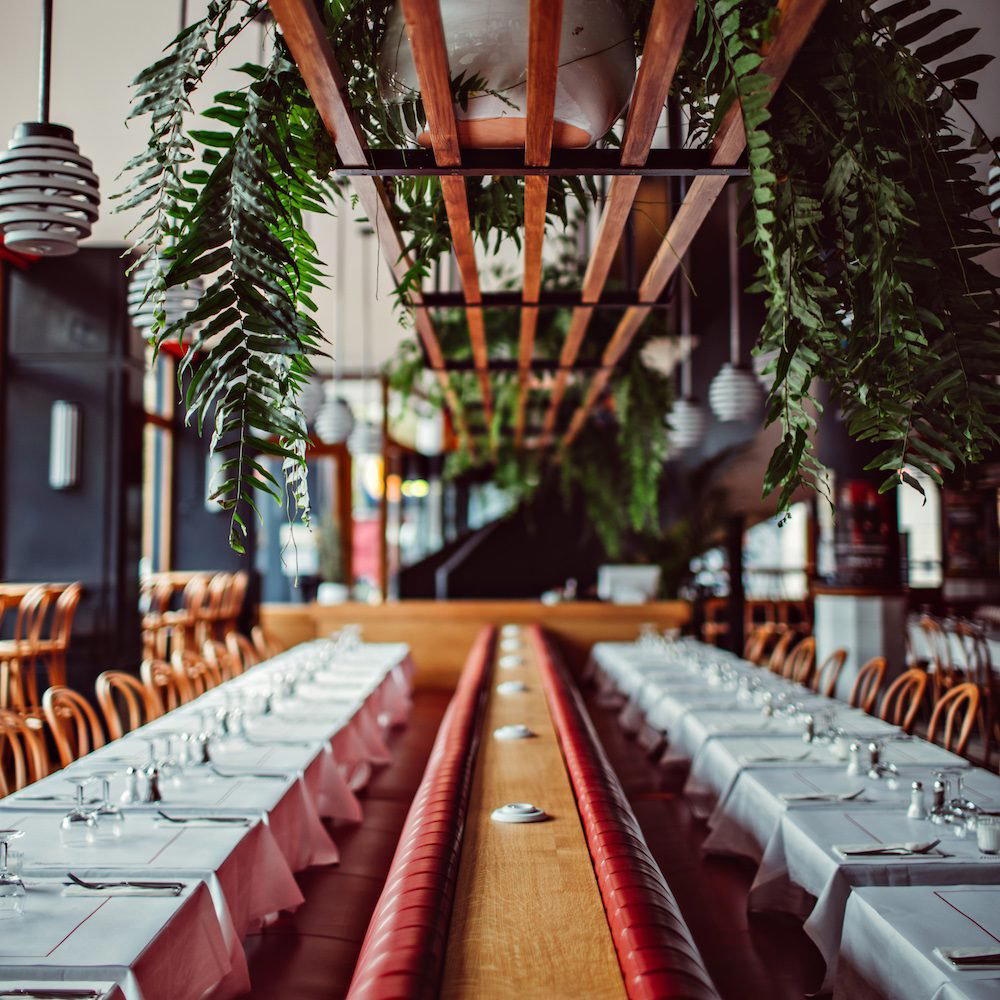
Step onto the Boulevard de Clichy on any weekday evening and the scene outside number 22 tells you something immediate about how Paris feeds itself outside the white-tablecloth circuit. A queue stretches along the pavement, mixing neighbourhood regulars with tourists who have done their homework and office workers still in their work clothes. The room beyond the entrance is vast, lit with the warm amber of period fixtures, and loud in the way that large French brasseries have always been loud: not aggressively so, but with the accumulated noise of several hundred conversations happening at once. The zinc counters, the close-set tables, the mirrored walls — these are not revival aesthetics applied for effect. They belong to a format that Paris invented and then, for several decades, largely neglected.
What the Bouillon Tradition Actually Means
The bouillon as a dining category predates the modern restaurant in its current form. When Pierre-Louis Duval opened the first bouillon in Paris in the 1850s, the proposition was clear: feed working people quickly, consistently, and cheaply, with food sourced and cooked at volume but not at the expense of French culinary logic. By the early twentieth century, dozens of bouillons operated across the city. By the 1980s, the format had nearly disappeared, overtaken by brasseries that pushed prices upward and café culture that simplified menus downward.
The current revival, of which Bouillon Pigalle is the most discussed example, is not nostalgia for its own sake. It reflects a genuine gap in the Paris dining market. The city's fine-dining tier — addresses like Alléno Paris au Pavillon Ledoyen, L'Ambroisie, and Le Cinq at the Four Seasons George V, operates at price points that require deliberate financial planning. The middle tier, once anchored by the neighbourhood brasserie, has contracted and in many cases drifted toward tourist-facing formats that prioritise margin over quality. The bouillon format fills the space between those two tiers with a different answer: volume-driven economics that allow lower per-dish prices without requiring the kitchen to compromise on the fundamentals.
Where the Food Comes From and Why It Matters
Editorial angle on any bouillon worth attention is not the menu in isolation, it is the sourcing logic that makes the economics work without producing food that tastes like catering. The bouillon model depends on buying at sufficient volume to negotiate direct relationships with producers, which in turn allows the kitchen to serve French classics, œufs mayonnaise, céleri rémoulade, pot-au-feu, île flottante, from ingredients that meet a standard the price would not normally support.
This is the thread that connects Bouillon Pigalle to a longer tradition of French regional cooking rooted in direct producer relationships. The grandes maisons of provincial France, Troisgros in Ouches, Bras in Laguiole, Auberge de l'Ill in Illhaeusern, Georges Blanc in Vonnas, Les Prés d'Eugénie in Eugénie-les-Bains, and Paul Bocuse's Auberge du Pont de Collonges, built their identities around regional sourcing at the top of the market. The bouillon applies a structurally similar logic at the opposite price point: know your suppliers, buy enough to matter to them, and let the product carry the dish rather than technique or theatre.
Internationally, the parallel is instructive. Kitchens like Mirazur in Menton and Flocons de Sel in Megève built their reputations in part on hyper-local sourcing as a fine-dining proposition. The bouillon does not reach for that register, but it shares the underlying conviction: provenance shapes outcome, and a kitchen that knows where its ingredients come from is better positioned than one that does not, regardless of price tier.
The 18th Arrondissement as Context
The address on the Boulevard de Clichy places Bouillon Pigalle at the lower edge of Montmartre, in the 18th arrondissement, a neighbourhood whose dining identity has historically been defined more by convenience than ambition. The grand Haussmann boulevards nearby funnel significant foot traffic, and the proximity to Pigalle keeps the area in circulation well into the evening. For a high-volume operation that depends on turnover, the location is sound: accessible by metro from most of central Paris, with enough passing density to fill a large room multiple sittings a night without relying solely on advance bookings.
Bouillon Pigalle operates at a scale and pace that differs from contemporary French restaurants in the Kei or Arpège register. Service is brisk by design. Tables turn. The room is loud. None of this is incidental, it is structural to the format and to what keeps prices where they are.
How It Positions Against the Paris Dining Spectrum
Paris's dining market, viewed as a spectrum, runs from the three-star tasting-menu houses, which benchmark internationally against addresses like Le Bernardin in New York, down through bistros, brasseries, and neighbourhood canteens. The bouillon revival occupies a specific slot near the accessible end of that spectrum, but with a quality argument that separates it from the lowest tier. The claim Bouillon Pigalle makes implicitly is that French cooking in its most recognisable forms, the composed salads, the slow-cooked proteins, the classic desserts, can be produced and priced for a broad public without becoming institutional food.
That claim has been tested and broadly validated by the crowds that have kept the room full since the address opened. For a more experimental take on Paris dining, addresses like Auberge du Vieux Puits or La Table du Castellet offer different registers entirely. But Bouillon Pigalle is not competing with those rooms, and the comparison matters mainly to calibrate expectations: this is high-execution classical French cooking at an accessible price, not modernist gastronomy in a democratic wrapper. See our full Paris restaurants guide to understand where it fits within the city's full range.
Planning Your Visit
The queue outside is real and not incidental, it is part of the format, and arriving without a reservation during peak hours on weekends means waiting. The practical advice is to book ahead where the system permits, or to arrive at an off-peak hour on a weekday if flexibility allows. Spring and autumn evenings, when the boulevard retains some warmth after dark, make the wait considerably more pleasant than a January night. The 18th arrondissement is well-served by the metro, with Pigalle station placing you directly at the boulevard within easy walking distance. Budget for a short wait regardless of timing: the format attracts enough sustained demand that the room operates at near-capacity most evenings.
For visitors building a Paris dining itinerary across multiple registers, Bouillon Pigalle functions as the anchor at the accessible end, the reference point that explains what Parisian everyday cooking aspires to be, before you move up into the more elaborate rooms that the city also does well. American visitors who have tracked Lazy Bear in San Francisco for its own version of democratic-format serious cooking will recognise the underlying logic, even if the execution and aesthetic are entirely different.
Frequently asked questions
What part of town is Bouillon Pigalle in?
Bouillon Pigalle is located at 22 Bd de Clichy, 75018 Paris, France, Paris.
Is Bouillon Pigalle in Paris suitable for solo diners?
The communal-table format that defines the bouillon tradition in Paris makes Bouillon Pigalle at 22 Boulevard de Clichy particularly practical for solo diners. Single seats fill faster than group bookings in the queue rotation, and the canteen-style layout removes the awkwardness of a solo cover at a conventional restaurant. It is one of the few full-service dining rooms in the 18th arrondissement where eating alone carries no social friction.
What should I eat at Bouillon Pigalle?
The bouillon format is built around French canteen staples: expect dishes drawn from the classical repertoire that made the bouillon category a Parisian institution from the mid-19th century onward. Oeufs mayonnaise, marrow bone, céleri rémoulade, and slow-cooked meat dishes are the structural pillars of any bouillon menu. The point is not novelty — it is consistency and volume at a price point the neighbourhood can sustain.
How far ahead should I plan for Bouillon Pigalle?
The queue outside 22 Boulevard de Clichy is a documented feature of the format, not a temporary inconvenience. On weekends and peak evening hours, walk-in waits run long. The practical approach is to arrive early in the service window on weekdays, or factor in standing time as part of the experience. Bouillon Pigalle does not operate like a reservation-driven tasting-menu house — the model is deliberately high-turnover and accessible.
What's the defining dish or idea at Bouillon Pigalle?
The defining idea is not a single dish but a structural one: the bouillon model exists to serve classical French cooking at democratic prices without sacrificing the full-service dining room format. Pierre-Louis Duval's original 1860s concept — high volume, fixed classics, low margins — is the template Bouillon Pigalle operates within. The food is the tradition made visible, not a chef's individual statement.
Comparable Spots
Comparable venues nearby, for context on price, style, and recognition.
| Venue | Cuisine | Price | Notes |
|---|---|---|---|
| Bouillon PigalleThis venue — the venue you are viewing | Traditional French Bouillon | $20–30 | Not listed |
| Le Bloc | French Bistro Comfort Food | $10–20 | Batignolles |
| Maison Milie | French Brunch Bistro | $20–30 | Montmartre |
| L'Artiste | Traditional French Bistro | $20–30 | Montmartre |
| Marcelle | Modern French Café & Brunch | $20–30 | Les Halles |
| Le Beaucé | Traditional French Bistro | $20–30 | Grands Boulevards |