Our verdict
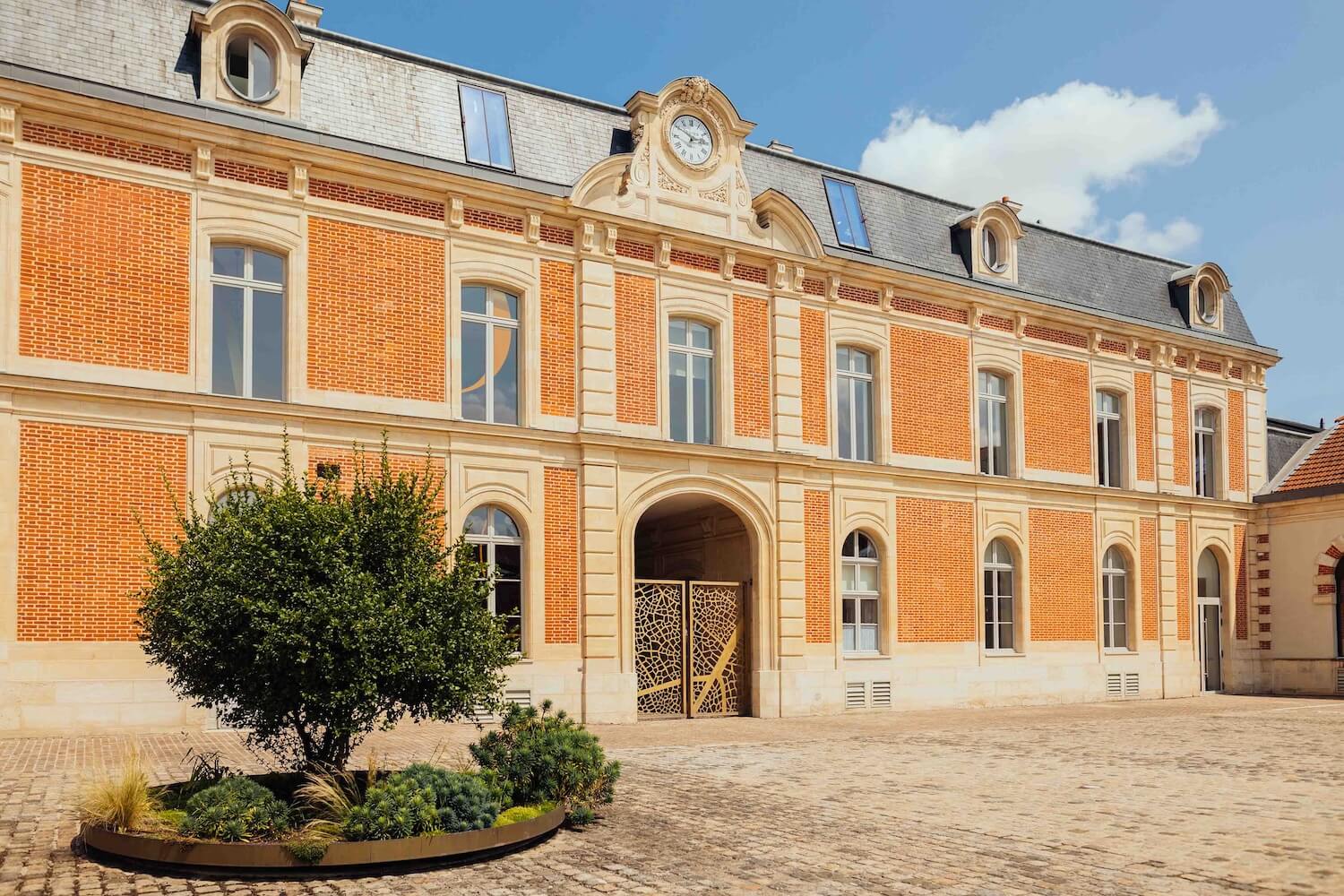
On a quiet street in Montmartre's upper reaches, L'Artiste occupies the kind of address that Parisian neighbourhood dining is built around: a room where the ritual of the meal matters as much as what arrives on the plate. The address at 27 Rue Gabrielle places it well above the tourist corridors of Place du Tertre, in a residential pocket where locals set the tempo.

Pearl is the En Primeur Club membership app, where members save venues, book tables and use the concierge.
The menu
What to order
- Cheese fondue
- Beef bourguignon
- Duck confit
Where Montmartre Sets Its Own Pace
The 18th arrondissement has long operated at a different rhythm from the grand dining rooms of the 8th. Up here, above the Sacré-Coeur crowds and away from the Boulevard Haussmann circuit, restaurants answer to neighbourhood regulars first and passing visitors second. The dining ritual that defines this part of Paris is less about choreographed service sequences and more about the unhurried accumulation of a meal: a first glass arriving before the menu, conversation given room to breathe, no implied pressure to turn the table. L'Artiste, at 27 Rue Gabrielle, sits squarely in that tradition.
Rue Gabrielle itself is a residential side street climbing toward the best of the Butte. The address places the restaurant above the souvenir-market density of the Place du Tertre and below the quieter residential belt near Rue Lepic, in a zone where Montmartre still functions as a working neighbourhood rather than an open-air attraction. That geography matters for understanding what kind of meal this is likely to be: informal enough to arrive without a jacket, structured enough that the kitchen takes the food seriously.
The Ritual of the Neighbourhood Table
French neighbourhood restaurants in this price tier tend to organise the meal around a set structure that larger, more formal rooms have largely abandoned: the progression of courses as a social architecture rather than a display of technique. Aperitif, entrée, plat, fromage or dessert, digestif, each stage marks a shift in conversation, not just in the food arriving at the table. The pace is determined as much by the room as by the kitchen. At L'Artiste, that frame appears to hold, with the Montmartre neighbourhood context reinforcing an approach to dining where the clock is genuinely not the point.
Contrast this with the experience at, say, Le Cinq at the Four Seasons Hôtel George V or Alléno Paris au Pavillon Ledoyen, where multi-course tasting menus impose their own timing and the service choreography is as considered as the food. Those rooms operate in a different register entirely, formal, destination-driven, priced at €€€€ and built for occasion dining. The neighbourhood bistro tradition that L'Artiste inhabits serves a different function: the weekly table, the long Sunday lunch, the dinner that extends because nobody wants it to end.
Within Paris, the restaurants that have most successfully preserved this ritual tend to cluster outside the 6th, 7th, and 8th arrondissements, where real-estate pressure and tourist footfall have pushed the economics of casual dining toward either mass-market simplicity or forced formality. Montmartre's upper reaches remain one of the few central Paris neighbourhoods where a room like this can still operate as its community intends.
Montmartre in the Broader French Dining Conversation
France's most discussed restaurants in recent years have tended toward two poles: the Michelin-starred destination rooms represented by addresses like Arpège, L'Ambroisie, and Kei in Paris, or the chef-driven regional flagships such as Mirazur in Menton, Bras in Laguiole, and Troisgros in Ouches. At the other end of the French dining spectrum sit the institutions with deep historical footprint, like Paul Bocuse's Auberge du Pont de Collonges or Auberge de l'Ill in Illhaeusern.
Between those two poles sits a large and underexamined middle: the neighbourhood restaurant operating without starred ambition but with genuine craft and consistent community function. This category rarely earns column inches in the international food press, yet it represents the daily texture of French restaurant culture more accurately than the destination tier. L'Artiste operates in this space, and understanding that context is more useful to the prospective diner than any list of individual dish descriptions.
Elsewhere in France, addresses like Au Crocodile in Strasbourg, Assiette Champenoise in Reims, Auberge du Vieux Puits in Fontjoncouse, AM par Alexandre Mazzia in Marseille, and Flocons de Sel in Megève show how regional ambition and starred recognition can coexist with a strong sense of place. The Montmartre neighbourhood table is not competing with any of them. It is answering a different question entirely: where do you go when you want dinner to feel like dinner, not like an event.
For readers coming from international contexts, the comparison is instructive. Le Bernardin in New York City and Atomix represent the destination-dining model at its most considered, structured, formally sequenced, built around a clear culinary statement. The Parisian neighbourhood bistro inverts those priorities: the room's social function comes first, and the kitchen supports rather than directs the experience.
Planning Your Visit
L'Artiste is located at 27 Rue Gabrielle, 75018 Paris, in the upper Montmartre neighbourhood. The nearest Metro access is via Abbesses (line 12), a short walk up the hill, or Lamarck-Caulaincourt, which brings you in from the north side of the Butte. The address sits in a quiet residential section that is most animated in the evenings and on weekend lunchtimes, when the neighbourhood dining ritual is in full effect. For a wider view of where this restaurant sits within the Paris dining picture, see our full Paris restaurants guide.
Reservations: Dress: Smart casual is consistent with the Montmartre bistro register; nothing more formal is necessary. Budget: Timing: Evening service and Sunday lunch are the sessions that leading reflect the unhurried pace this kind of room is built for.
Frequently asked questions
Where do I go for L'Artiste?
L'Artiste is located at 27 Rue Gabrielle, 75018 Paris, France, Paris.
Is L'Artiste in Paris worth the trip up to Montmartre compared to dining options closer to central Paris?
The address at 27 Rue Gabrielle, 75018, places L'Artiste above the main Montmartre tourist corridor, in a part of the 18th that draws more residents than visitors. That positioning is the operative point: the room functions as a neighbourhood anchor rather than a destination room competing with the 8th's formal dining circuit. Whether that trade-off suits a given visit depends on whether the draw is the Paris neighbourhood experience itself or a specific awarded kitchen.
What should I eat at L'Artiste?
The kitchen at 27 Rue Gabrielle operates within the Montmartre neighbourhood-table tradition, which typically means a short, market-driven menu structured around one or two plats du jour rather than an extensive à la carte selection. Dishes in this format rotate with the week's produce rather than a fixed seasonal print.
Do they take walk-ins at L'Artiste?
Montmartre neighbourhood restaurants at this tier often hold a portion of covers for walk-ins, particularly at lunch, but availability varies sharply on weekends when the Sacré-Coeur tourist circuit pushes foot traffic higher. Arriving early in a service is the more reliable approach than banking on a late-evening seat.
Recognition Snapshot
Comparable venues nearby, for context on price, style, and recognition.
| Venue | Cuisine | Price | Notes |
|---|---|---|---|
| L'ArtisteThis venue (the venue you are viewing) | Traditional French Bistro | $20–30 | Not listed |
| Buvette Paris | French Small Plates Bistro | $20–30 | Pigalle |
| Bonnard | Modern Vegetarian French Bistro | $30–50 | Marais |
| Café Charlot | French Brasserie & Cafe | $20–30 | Le Marais |
| Le Café des Musées | Traditional French Bistro | $30–50 | Le Marais |
| Les Fous de l'Ile | Traditional French Brasserie with Modern Terroir | $30–50 | Île Saint-Louis |