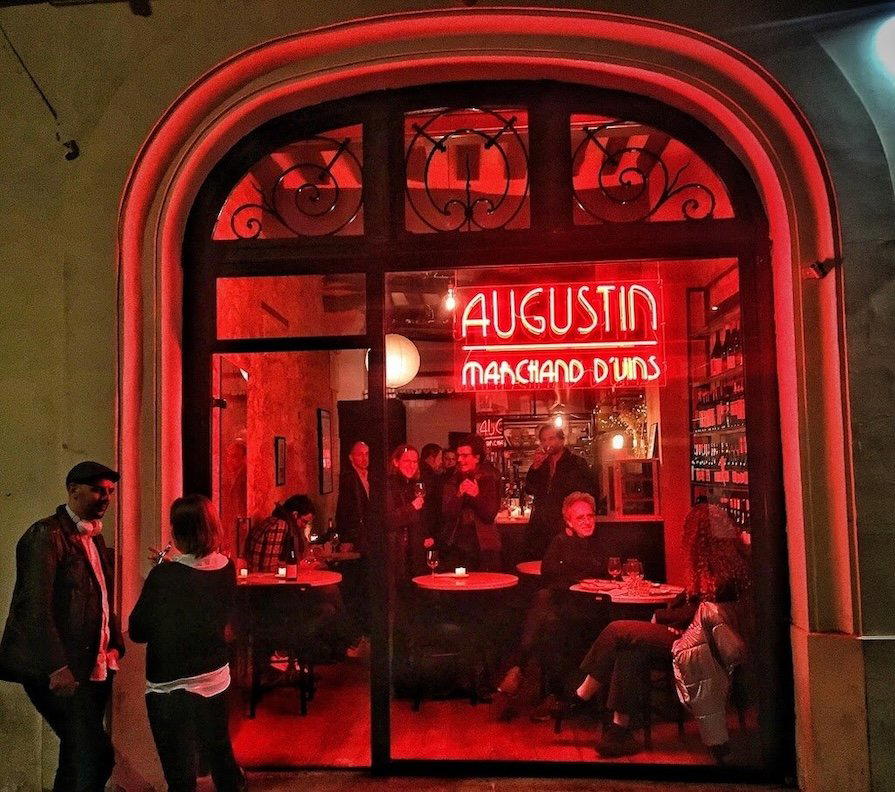
On a quiet cobbled lane in Montmartre, Marcelle occupies a register that much of Paris has quietly forgotten: the neighbourhood table where the same faces return week after week, not for occasion dining but for the particular comfort of a room that knows them. The address at Villa Léandre places it among residential streets rather than tourist circuits, which goes some way to explaining why its clientele is drawn from the arrondissement rather than from abroad.
Pearl is the En Primeur Club membership app — saves, bookings, and concierge access live there. Same editors, same standards.
- Address
- 1 Vla Léandre, 75018 Paris, France
- Phone
- +33 1 46 06 04 04
- Website
- restaurantmarcelle.fr
- Directions
- Get directions
 Saves & bookings on Pearl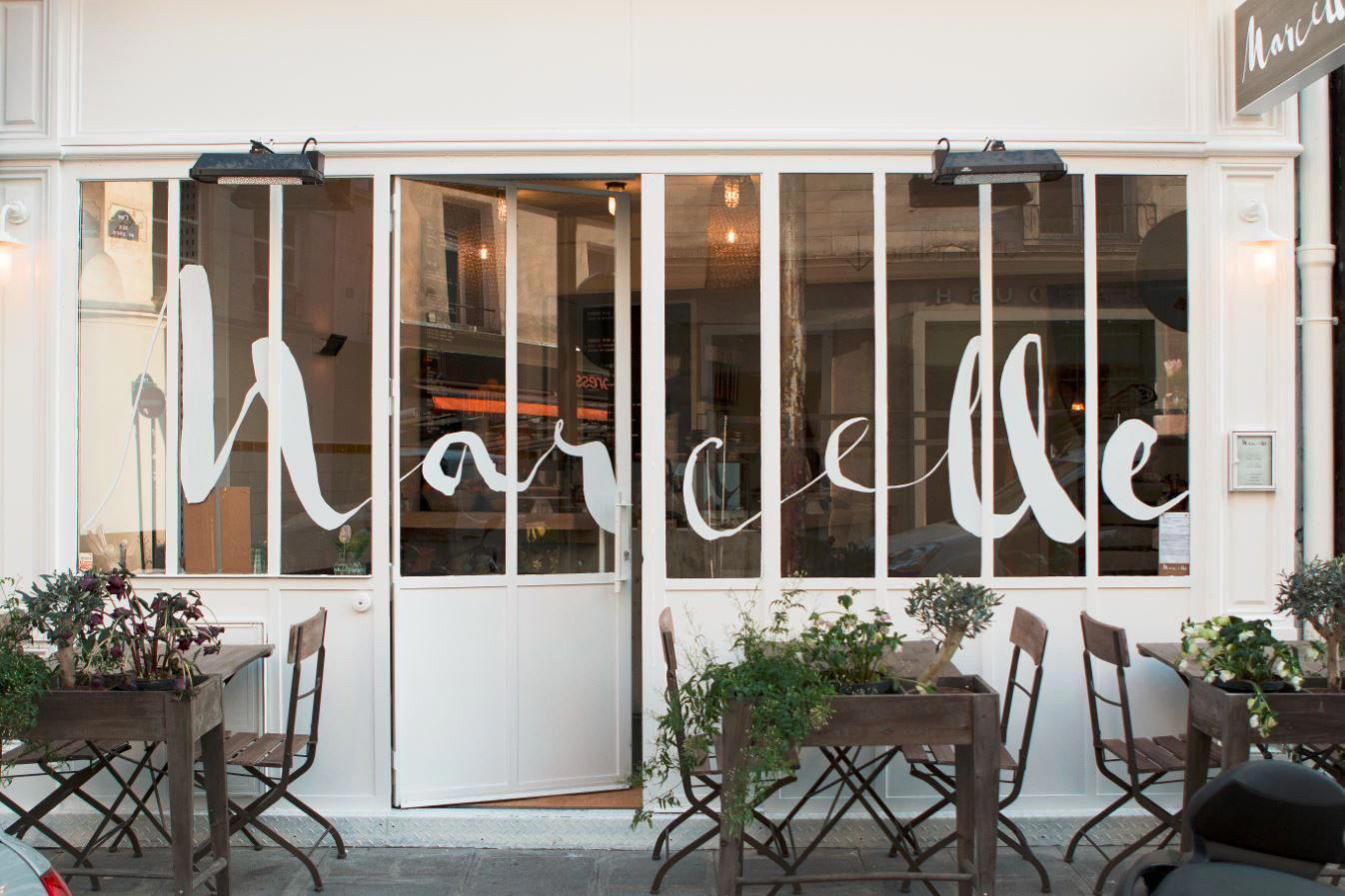
The Room Before the Menu
Villa Léandre is an unusual address for a Paris restaurant. The lane is short, residential, and largely unknown to visitors who spend their Montmartre hours between the Sacré-Cœur steps and the Abbesses carousel. It reads more like a private street than a dining destination, which is precisely the condition that makes a certain kind of Parisian regular feel at home. Arriving at Marcelle, you are already somewhere that feels earned rather than found through a guidebook listing.
In a city where the restaurant cultures of the 1st, 6th, and 8th arrondissements dominate international conversation, and where three-star addresses such as L'Ambroisie or Le Cinq set the formal benchmark, the 18th operates on a different economy of attention. Montmartre has always had a parallel dining life, one organised around proximity and habit rather than occasion and reservation strategy. Marcelle sits inside that tradition.
What Keeps People Coming Back
The logic of the regular is different from the logic of the first-time visitor. A first visit is about assessment: does the room meet expectations, does the food justify the price, does the experience cohere? Return visits are about something harder to manufacture, which is the sense that a place has calibrated itself to a particular way of eating and has not drifted from it. Regulars at neighbourhood tables in Paris return because the kitchen has a consistent register, the staff recognise faces without making a performance of it, and the menu changes enough to reward frequency without becoming so ambitious that it loses its centre of gravity.
The 18th arrondissement has a long tradition of this kind of table. It is not the milieu of tasting menus with wine pairings running past midnight, nor of the competitive minimalism that defines some of the more talked-about neo-bistros in the 11th. It is, at its finest, a place where Parisian domestic life and restaurant life blur at the edges, where the regulars know which table catches afternoon light and which corner is quieter on a Friday.
For those who track this kind of address against the formal fine dining tier, the contrast is instructive. Alléno Paris au Pavillon Ledoyen and Arpège both represent the end of a particular ambition curve: years of consistent creative pressure, international recognition, and a diner profile that is often occasion-driven. The neighbourhood table occupies the other end of that curve, where the measure of success is weekly occupancy by the same people, not annual coverage in the international press.
Montmartre's Dining Geography
The 18th is a large and internally varied arrondissement. The tourist density around the Sacré-Cœur plateau gives way quickly to a residential quarter below, and it is in that lower section, around Villa Léandre and the streets that connect Lamarck-Caulaincourt to the quieter stretches of the Butte, where the address makes geographic sense. This is the part of Montmartre that long-term residents and those who have lived here across decades actually inhabit, and it generates a dining culture accordingly.
France's broader restaurant culture has historically been built on this kind of local loyalty, from the village table anchored in one family's cooking across generations, as seen at places like Georges Blanc in Vonnas or Auberge de l'Ill in Illhaeusern, to the city bistro that fills at lunch with the same ten tables of professionals every working day. The scale is different, but the underlying compact between kitchen and clientele is the same: reliability in exchange for loyalty.
That compact is increasingly rare in central Paris, where rents and the economics of social-media-driven dining have pushed many neighbourhood addresses either upmarket or out of the arrondissement entirely. An address on Villa Léandre, removed from the pressure of high-footfall streets, is a relatively protected position.
Comparing Marcelle to the starred addresses that anchor Paris's international reputation is less useful than comparing it to the category it actually operates within. Contemporary French cooking at the formal end, represented by Kei or the grand brasserie tradition, sets a different price and expectation floor than the neighbourhood table. The relevant peer group here is the addresses that Montmartre regulars also frequent: the wine bars on Rue Lepic, the Italian around Abbesses, the bistro on Rue Caulaincourt that changes its slate board at noon.
France has a long tradition of destination restaurants that draw from beyond their immediate geography. Mirazur in Menton, Flocons de Sel in Megève, Bras in Laguiole, and Auberge du Vieux Puits in Fontjoncouse all generate travel. The neighbourhood restaurant does the opposite: it draws from a radius of a few streets and earns its reputation slowly, through the accumulation of Wednesday lunches and Sunday dinners rather than through a single review cycle.
Internationally, this model has close analogues. Lazy Bear in San Francisco operates a community-table format that similarly relies on repeat-visitor depth, though at a higher price point and with a more explicit tasting menu framework. Le Bernardin in New York represents the opposite pole: a destination address where the clientele is global and occasion-driven. The Montmartre neighbourhood table operates nowhere near either of those models, but the contrast clarifies what it is doing and why it works for its particular audience.
For a broader map of where Marcelle sits within the Paris dining picture, the full Paris restaurants guide covers the range from formal tasting menus to neighbourhood addresses across all arrondissements. The French provincial tradition is equally worth understanding for context: Troisgros, Paul Bocuse, Les Prés d'Eugénie, and La Table du Castellet all show how the French restaurant compact with its community plays out at different scales and price tiers.
Planning Your Visit
Know Before You Go
- Address: 1 Villa Léandre, 75018 Paris, France
- Arrondissement: 18th (Montmartre)
- Nearest Metro: Lamarck-Caulaincourt (Line 12) is the closest station; the walk from Abbesses is also manageable on foot through the residential streets below the Butte
- Timing: Montmartre's lower residential quarter is considerably quieter on weekday lunchtimes than weekends, when the Sacré-Cœur plateau draws large crowds that affect parking and approach routes
- Dress code: No formal code confirmed; the neighbourhood register of the address and surrounding streets suggests a relaxed approach is appropriate
How Marcelle Paris compares with similar nearby venues.
| Venue | Cuisine | Price |
|---|---|---|
| Chantoiseau | Modern Cuisine | €€€ |
Continue exploring
More in Paris
Restaurants in Paris
Browse all →
Bars in Paris
Browse all →
Hotels in Paris
Browse all →

At a Glance
- Cozy
- Trendy
- Modern
- Brunch
- Casual Hangout
- Standalone
Current opening hours
- Monday
- 8:30 AM–4:30 PM
- Tuesday
- 8:30 AM–4:30 PM
- Wednesday
- 8:30 AM–4:30 PM
- Thursday
- 8:30 AM–4:30 PM
- Friday
- 8:30 AM–4:30 PM
- Saturday
- 9 AM–5:30 PM
- Sunday
- 9 AM–5:30 PM
Hours can change for holidays and private events. Last verified .
Cozy and inviting with friendly service and chic Parisian decor, well-suited for relaxed breakfasts and lunches.
Know Before You Go
- Getting there
- 1 Vla Léandre, 75018 Paris, France