Restaurant Olijf
Restaurant Olijf sits on Nuenen's central Heuvel square, a town already on the map for its Van Gogh heritage and a quietly serious dining scene. The address places it among a small cohort of Noord-Brabant restaurants working at the upper end of Dutch regional cooking, where ingredient provenance tends to drive the menu more than theatrical presentation.
Pearl is the En Primeur Club membership app — saves, bookings, and concierge access live there. Same editors, same standards.
- Address
- Heuvel 1, 5674 RR Nuenen, Netherlands
- Phone
- +31402913476
- Website
- restaurantolijf.nl
- Directions
- Get directions
 Saves & bookings on Pearl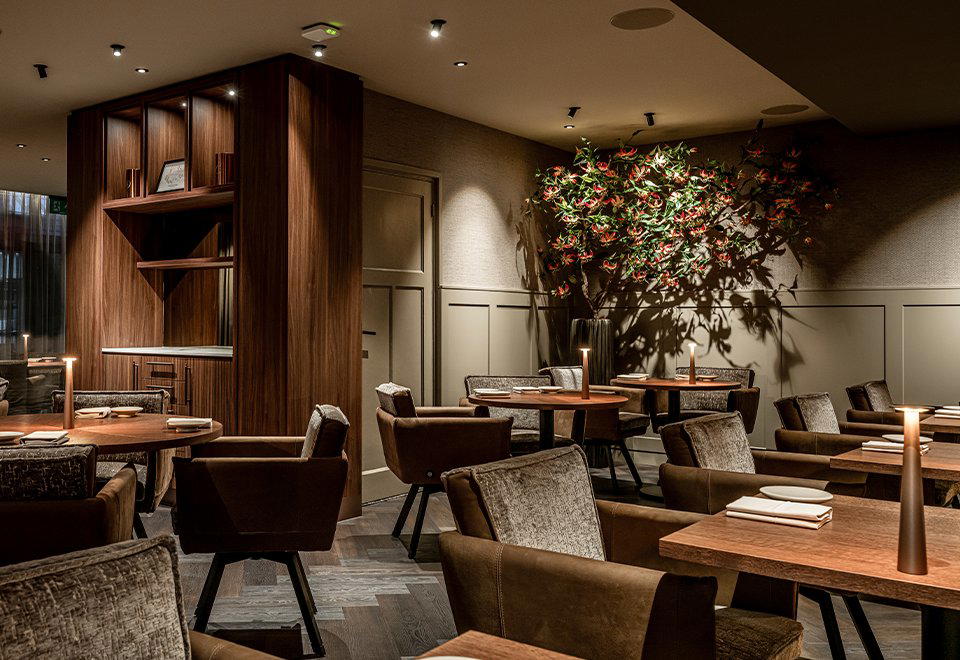
Where Nuenen's Dining Character Shows Up
Nuenen is a small municipality southeast of Eindhoven, better known internationally for Vincent van Gogh's years here in the 1880s than for its restaurant scene. That reputation for quiet seriousness, however, extends to how the town approaches hospitality. The dining options that have taken root around the Heuvel square and its surrounds tend toward restrained, produce-led cooking rather than high-concept spectacle, placing Nuenen in a broader Noord-Brabant tradition of kitchens that let sourcing do the argumentative work. Restaurant Olijf, addressed directly on the Heuvel at number 1, occupies a position at the centre of that local character, both geographically and in terms of what it represents within the town's small but coherent dining tier.
Noord-Brabant sits at the agricultural heart of the southern Netherlands, and that geography has real consequences for what ends up on plates in the region. The province produces a disproportionate share of the country's horticultural output, and kitchens in towns like Nuenen, Waalre, and Heeze have historically been close enough to growers, dairy producers, and small-scale meat suppliers to build menus around direct sourcing relationships. This is the operational context in which Restaurant Olijf operates: an area where ingredient provenance is not a marketing overlay but a practical function of proximity.
The Ingredient Logic Behind Southern Dutch Cooking
The contemporary Dutch fine dining scene has split into broadly two camps: kitchens oriented toward technical innovation and international reference points, and kitchens that anchor themselves in regional produce and Dutch seasonal cycles. Restaurants like De Nieuwe Winkel in Nijmegen have pushed the organic sourcing argument furthest, earning Michelin recognition on the back of a rigorous plant-forward programme. Further north, De Librije in Zwolle operates at the other end of the ambition scale, with three Michelin stars and a highly technical approach to Dutch ingredients. The kitchens working in between, at the level of serious one- or two-star ambition in smaller provincial towns, tend to be where sourcing discipline is most visibly connected to community: the chef knows the farmer, the fish is from a named supplier two hours away, the herbs are grown locally or foraged from land the kitchen has access to.
In that middle register, Noord-Brabant has several kitchens worth tracking. De Treeswijkhoeve in Waalre, a short drive from Nuenen, has built a reputation on exactly this kind of regionally grounded cooking. Tribeca in Heeze operates in the same southern Brabant corridor. The pattern across this peer group is consistent: menus that rotate with genuine seasonal logic, formats that favour tasting menus or short à la carte selections over exhaustive choice, and wine programmes that often include Dutch producers alongside French and European references.
What the Heuvel Address Tells You
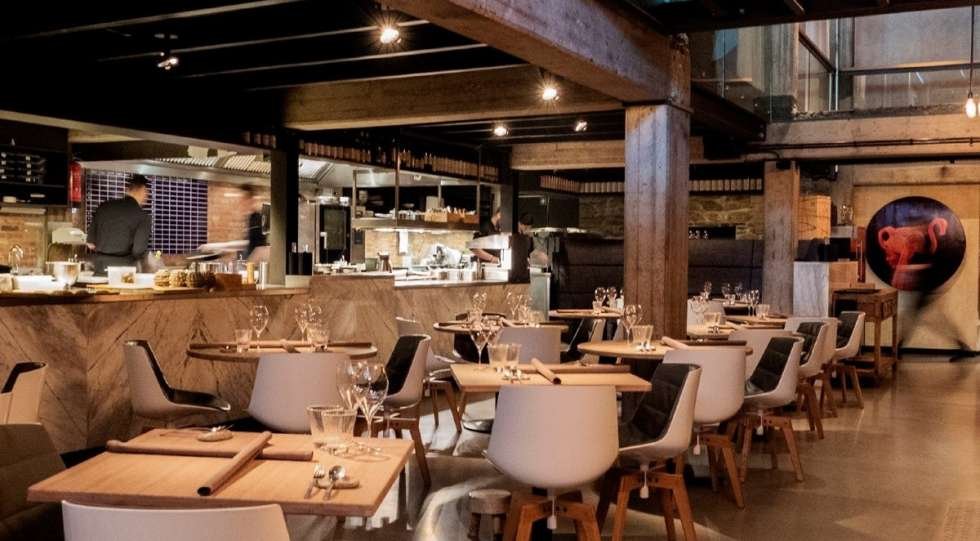
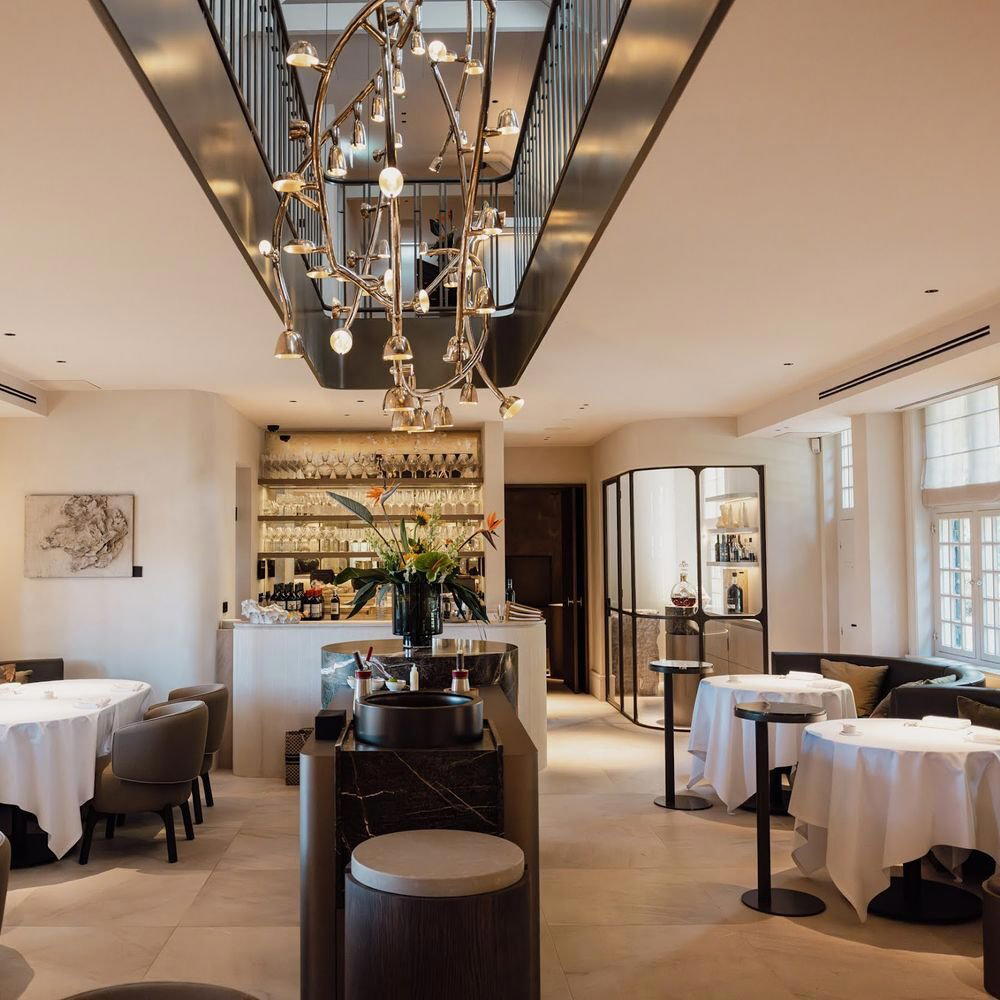
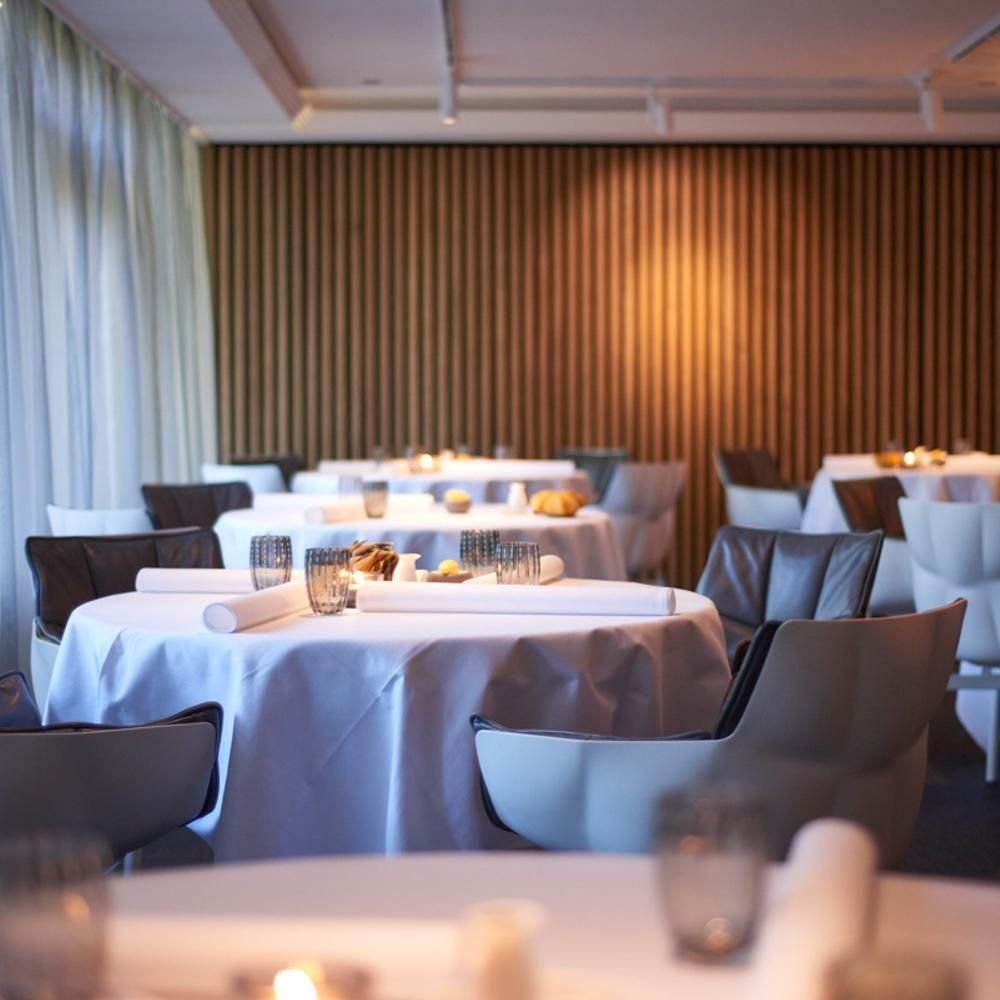
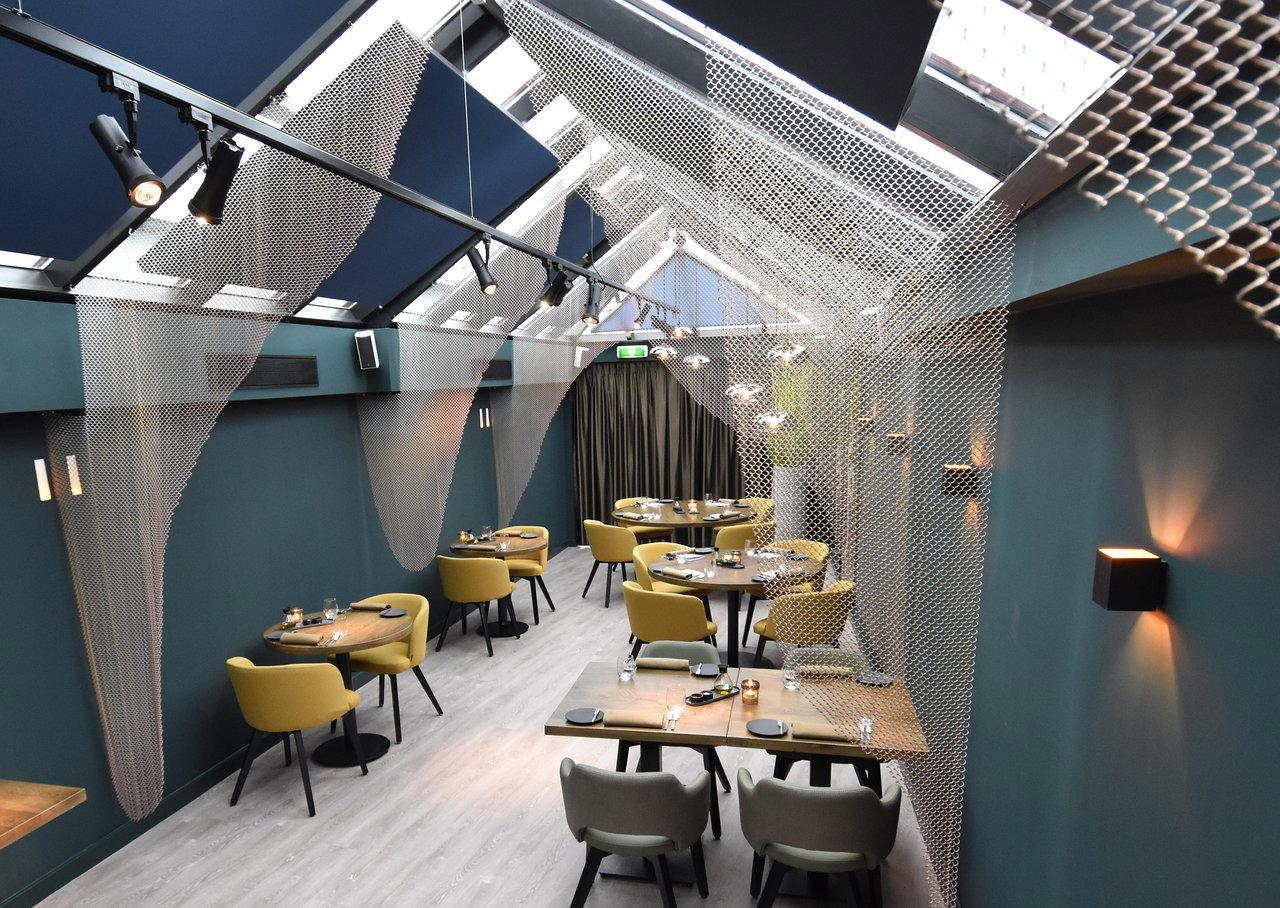
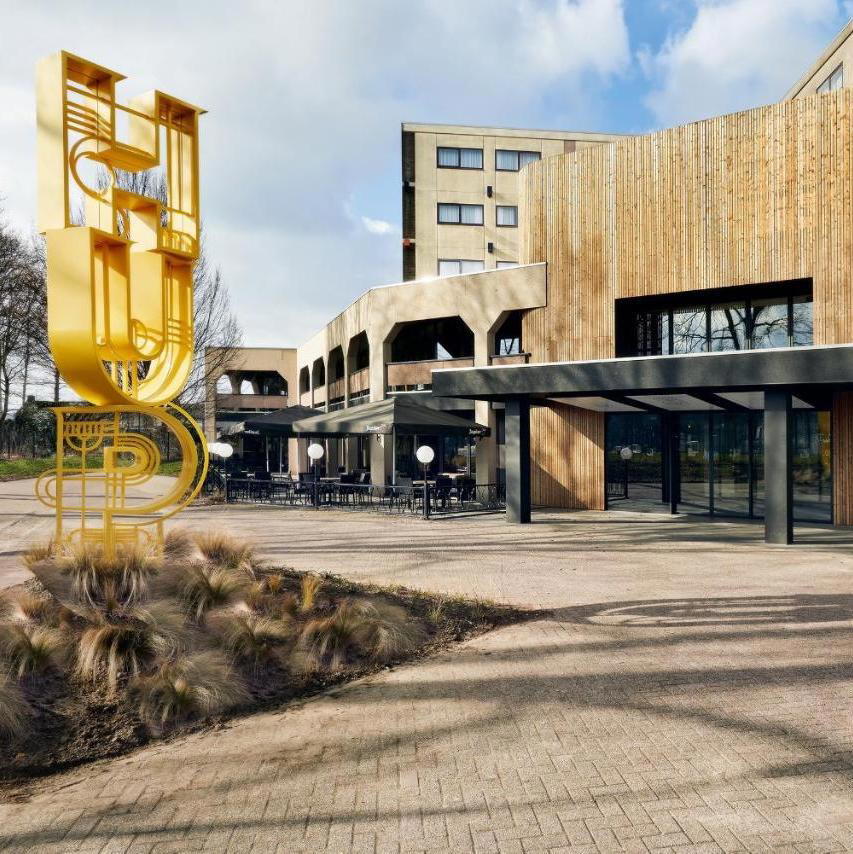
Arriving at Heuvel 1 puts you in the physical centre of Nuenen, on a square that functions as the town's social and civic reference point. Restaurants at central square addresses in Dutch provincial towns tend to operate with a particular dual identity: local regulars who use them for celebrations and anniversaries alongside visitors drawn by reputation or, in Nuenen's case, by the Van Gogh Museum and the heritage trail through town. That dual audience shapes the atmosphere in ways that distinguish central-square dining from destination restaurants down rural lanes or in converted farmhouses. The room typically carries a civic energy: dressed tables, moderate noise levels, a service register that is warm without being casual. This is the setting in which Restaurant Olijf operates, and it is worth calibrating expectations accordingly. This is not a barn conversion with exposed beams and open fires; it is a town-centre restaurant where the formality of the room and the seriousness of the kitchen are balanced against genuine accessibility.
For practical planning: Nuenen is reachable from Eindhoven in under fifteen minutes by car, and Eindhoven itself is well-connected by rail from Amsterdam, Utrecht, and Den Haag. Visitors combining Restaurant Olijf with Eindhoven's design and technology scene, or with the Van Gogh heritage in Nuenen itself, will find the geography direct. Two restaurants nearby that offer useful comparison points within the local scene are De Lindehof, which operates at the contemporary Dutch creative end of the Nuenen spectrum, and Bouchot, which takes a different approach to the same small-town setting. The full Nuenen restaurants guide covers the complete picture.
The Broader Dutch Fine Dining Reference Frame
Understanding where Restaurant Olijf sits requires some familiarity with the wider Dutch scene. The Netherlands has developed a fine dining culture that punches above its geographic scale: Ciel Bleu in Amsterdam and FG in Rotterdam anchor the major city end of the market, while Inter Scaldes in Kruiningen and De Bokkedoorns in Overveen demonstrate how serious kitchens operate in smaller, non-metropolitan settings. Brut172 in Reijmerstok and De Groene Lantaarn in Staphorst extend that pattern into village-scale settings. De Lindenhof in Giethoorn and 't Nonnetje in Harderwijk add further regional depth to a scene that is notably decentralised compared to France or the UK.
What this geography produces is a fine dining culture in which the provinces are not second-tier: the argument for eating well in Nuenen rather than Amsterdam is the same argument for eating in Lyon rather than Paris. The ingredient relationships are closer, the price-to-quality ratio in the room tends to be more generous, and the kitchen operates without the overhead and volume pressures of a major city address. For visitors accustomed to restaurants like Le Bernardin in New York or Atomix, the scale is different but the kitchen seriousness is comparable in its own register.
Planning Your Visit
The address at Heuvel 1, Nuenen places the restaurant centrally enough that a visit combines naturally with time in the town itself. Nuenen's Van Gogh experience is compact and walkable, and the Heuvel square offers several options for an aperitif or post-dinner drink within a short radius. For visitors driving from Eindhoven, parking near the Heuvel is available; those relying on public transport should note that Nuenen is served by bus from Eindhoven's central station.
How Restaurant Olijf Nuenen: Hours, Dress Code & Verdict compares with similar nearby venues.
| Venue | Cuisine | Price |
|---|---|---|
| Bistro Margaux | French | €€ |
| De Rozario | Creative | €€€ |
At a Glance
- Romantic
- Intimate
- Cozy
- Elegant
- Date Night
- Special Occasion
- Standalone
Current opening hours
- Monday
- Closed
- Tuesday
- 6 PM–12 AM
- Wednesday
- 6 PM–12 AM
- Thursday
- 6 PM–12 AM
- Friday
- 12 PM–12 AM
- Saturday
- 12 PM–12 AM
- Sunday
- Closed
Hours can change for holidays and private events. Last verified .
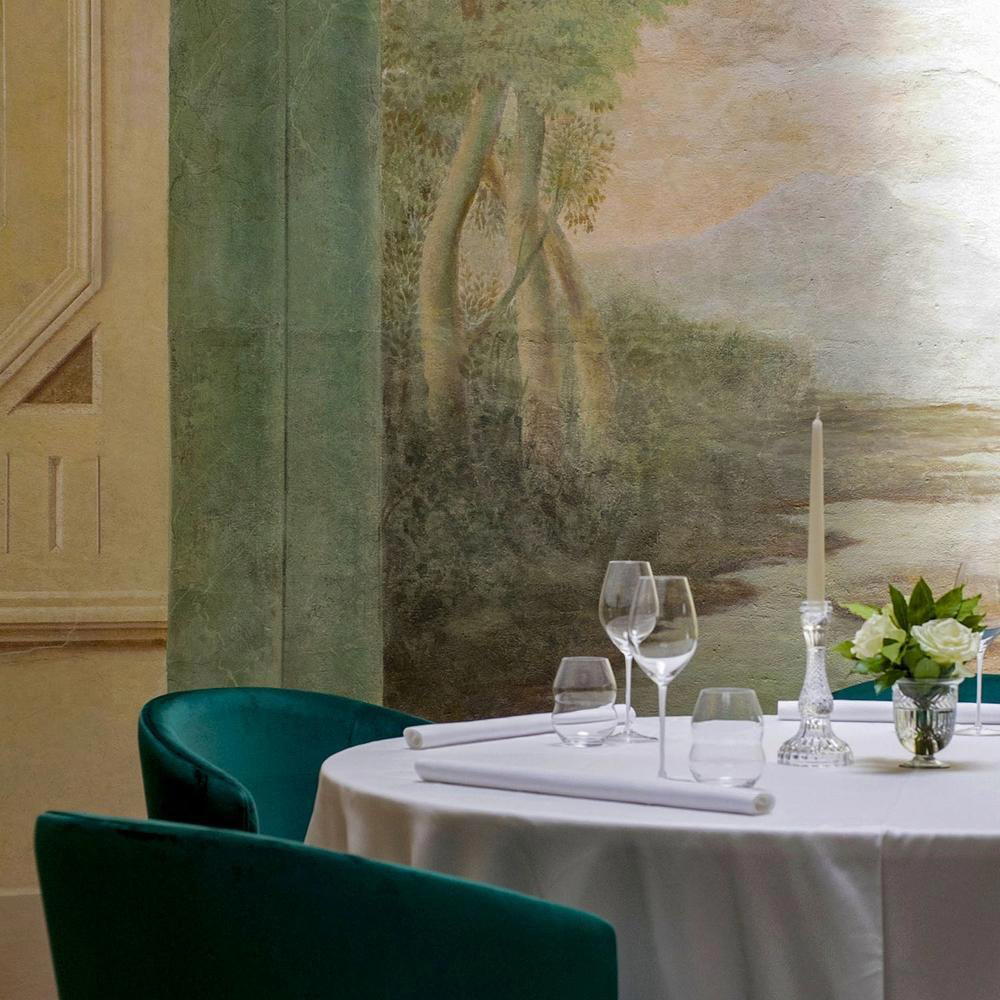
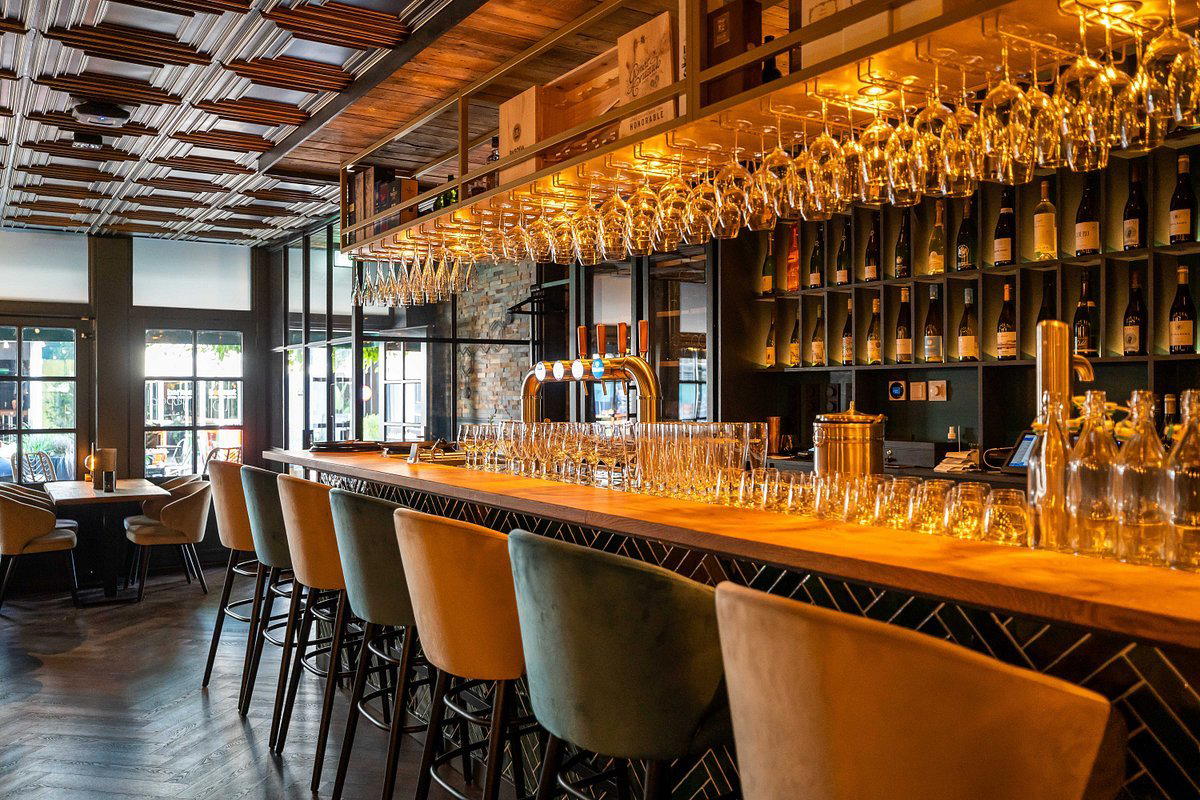
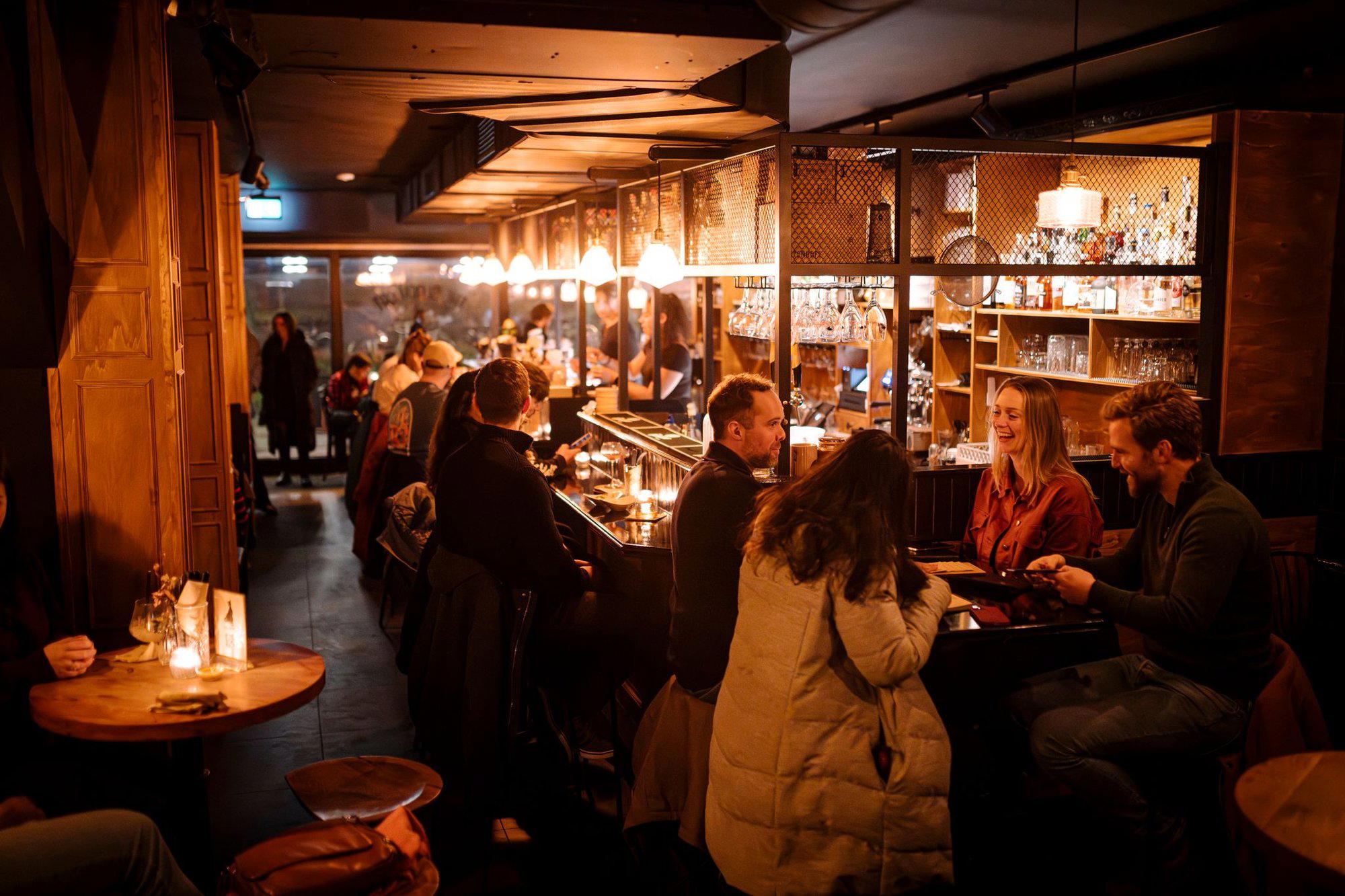
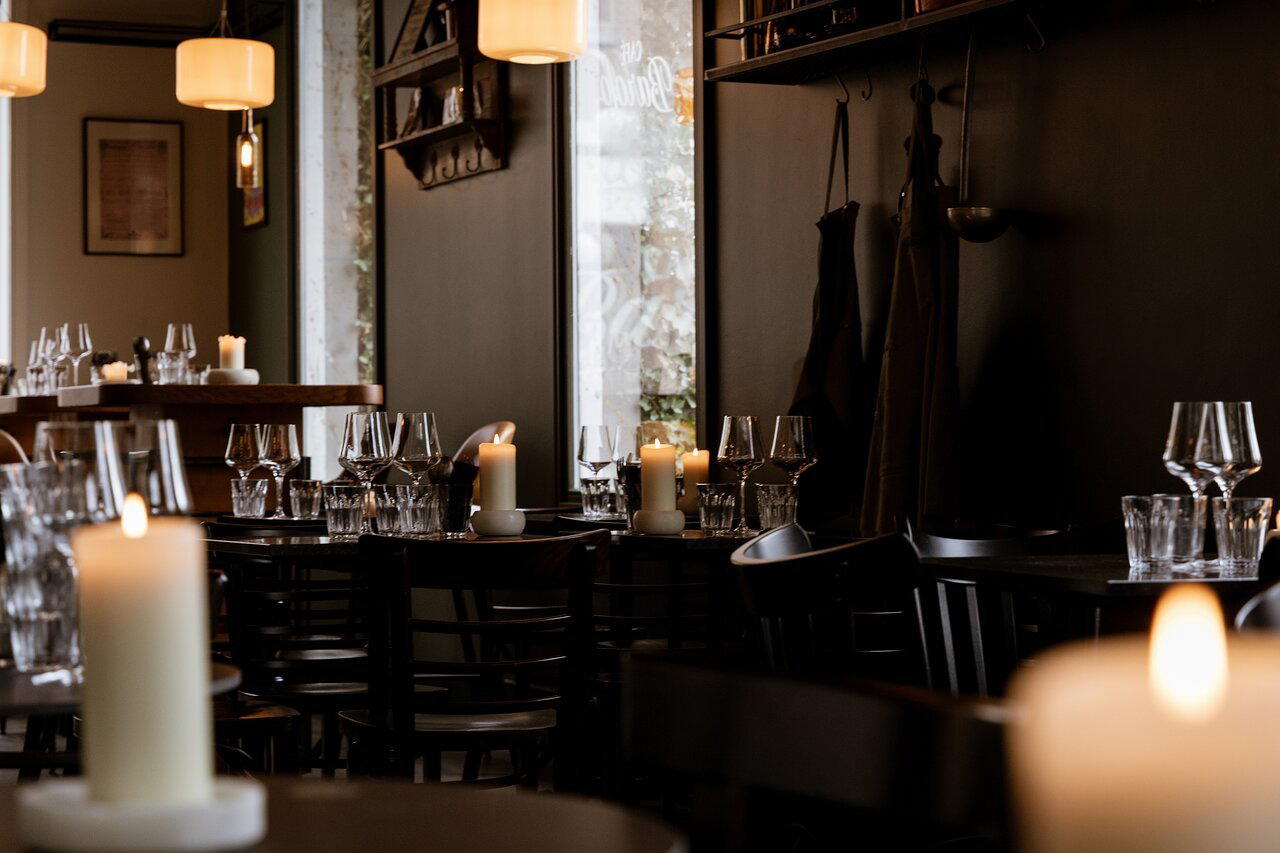
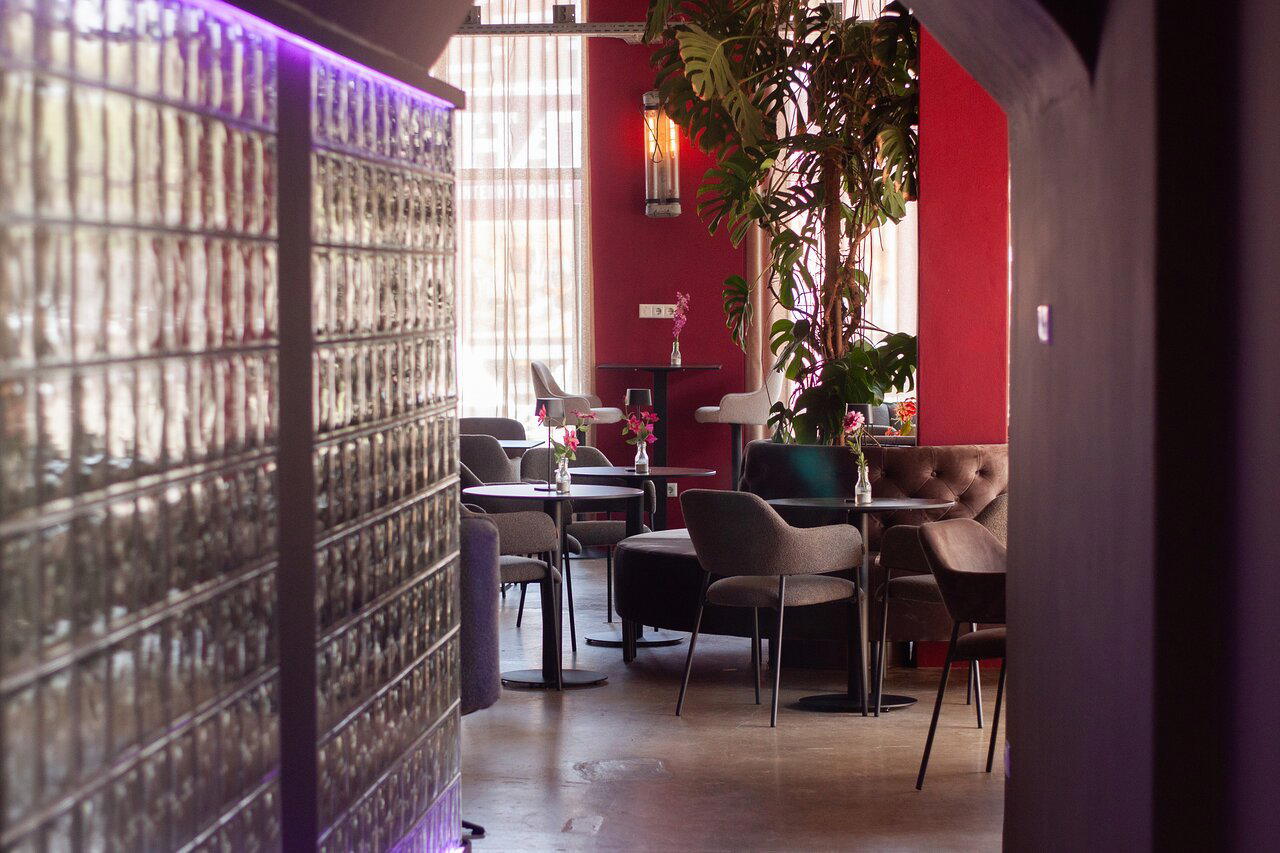
Warme intieme uitstraling with hotelchique and huiskamer gevoel, romantisch.
Know Before You Go
- Getting there
- Heuvel 1, 5674 RR Nuenen, Netherlands