
Kyoto’s bread culture rewards precision over spectacle, and bonne volonte fits that quieter register: bread, sweets, and bagels with enough local standing to have been selected for Tabelog Bread WEST 100 in 2020 and 2022. The appeal is format as much as flavor: a low-price, take-out-focused bakery that belongs in a day built around Kamigyo, the Kamo River, and serious snacking rather than a formal meal.
Pearl is the En Primeur Club membership app — saves, bookings, and concierge access live there. Same editors, same standards.
- Address
- 229-1 Kamiikesucho, Kamigyo Ward, Kyoto, 602-0855, Japan
- Phone
- +81 75-213-7555
- Website
- panportal.jp
 Saves & bookings on Pearl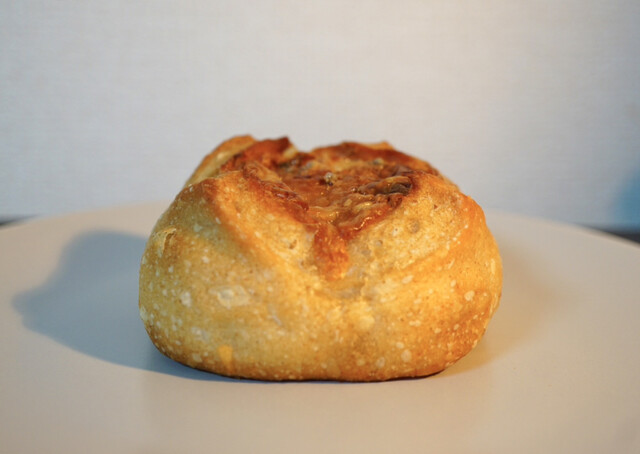
Approaching Kyoto through its bakeries differs from approaching its temples or kaiseki rooms. The rhythm is shorter, practical, local: a stop between errands, a bag in a bicycle basket, a purchase meant for a river bench rather than a dining room. In that register, bonne volonte belongs to a Kyoto tradition that treats bread as daily life, not Western novelty or hotel-breakfast accessory.
Kyoto is often read through wagashi, matcha, tofu, and ceremonial cooking, but its bakery culture has its own seriousness. Its bread shops tend to prize compact menus, early-day decisions, and small-format buying. Categories matter. A shop listing bread, sweets, and bagels is not mimicking a Parisian boulangerie whole cloth; it works inside Japan’s broader bakery grammar, where European technique, local preferences, and portable eating overlap. bonne volonte’s Tabelog Bread WEST 100 selections in 2020 and 2022 place it in that competitive field, where repeat recognition signals consistency more than noise.
A compact bread counter in Kyoto's daily-eating circuit
The menu architecture is the point. Bread, sweets, and bagels create a three-part structure suited to Kyoto travelers whose day is built around walking, not a long sit-down meal. Bread anchors the practical purchase; sweets pull the shop into afternoon territory; bagels add a denser, portable lane. The mix says much about contemporary Japanese bakery culture: the serious bread shop is not only a breakfast address, and the pastry case is not always separate from the savory or everyday loaf.
The low-price bracket matters editorially. In a city where refined lunch or counter dinner can become a scheduling event, a bakery in this tier offers another access point to local taste. It asks less time, ceremony, and explanation. The spending level keeps it everyday, while Bread WEST 100 recognition earns it a place on a selective food itinerary. That combination is valuable in Kyoto, where visitors often over-plan formal reservations and under-plan the small purchases that shape a day on foot.
Take-out format sharpens the decision. Do not treat this as a destination meal or judge it by restaurant logic. Read it as a bakery stop between Kamigyo and the river, between a morning cultural visit and a later table elsewhere. Kyoto rewards this pacing. A pastry or bagel can be more useful than another café queue, especially when central districts are crowded and the better move is to keep moving.
Where bread fits among Kyoto's stronger food formats
Kyoto’s serious eating scene splits across refined Japanese counters, neighborhood izakaya, specialist tonkatsu, French and Italian rooms, coffee and sweets, and small single-category shops. Compared with Kappo Shinatomi, where Japanese cooking sits in a more formal price tier, or Sambongi Shoten, where izakaya culture shapes the evening, a bakery such as bonne volonte occupies the lighter but still revealing end. It shows how the city eats between reservations.
The comparison clarifies value. Tonkatsu Shimizu belongs to the specialist-meal lane; ortensia represents the European dining room adapted to Kyoto; the restaurant works in the daily bakery lane, where speed, portability, and repeat custom matter. The reward is not counter theatre or course-menu pacing. It is understanding Kyoto through a smaller transaction: which bread categories travel well, how sweets fold into casual eating, and how a recognized shop can remain useful rather than ceremonial.
For a broader Kyoto plan, this address pairs naturally with casual and specialist stops rather than another long meal. EP Club readers building a day around central Kyoto can cross-reference 3TOKU6MI Shijo karasuma ten, 551蓬莱, [ki:], Abbesses, and Aburi Mochi Honke Nemoto Kazariya for a wider spread of formats. For city-wide planning, use Our full Kyoto restaurants guide, then layer in Our full Kyoto hotels guide, Our full Kyoto bars guide, Our full Kyoto wineries guide, and Our full Kyoto experiences guide.
The editorial case for keeping it casual
The strongest way to use the restaurant is not to inflate it into a grand dining event. Kyoto has enough formal meals. Treat the bakery as a calibrated stop within a day’s route, especially when appetite calls for bread, a sweet, or something sturdy enough to carry. Its non-smoking, family-friendly, take-out orientation reinforces that role: a low-friction food purchase, not a room built around lingering.
That modesty is part of its credibility. The Bread WEST 100 selections identify a shop noticed within a crowded regional bakery category, while the everyday format keeps the experience grounded. For travelers who measure a city only through tasting menus, this is a corrective. Kyoto’s food intelligence also lives in the small counter, the neighborhood bakery, the shop whose menu structure tells locals exactly when to use it.
Readers extending a Japan food itinerary beyond Kyoto can use the same category lens elsewhere: compare casual formats such as -Grilled beef Sukiyaki- KAMAKURA TANUKIAN 鎌倉 たぬき庵 in Kamakura. 鮪と炭火焼き うお炭 秋葉原店 in Tokyo.cafe in Osaka.know in Kumamoto, (Shoku) Vietnam in Kawasaki, and [Curry Senmon Ten] Maruyama Kyoju. in Sapporo. The same logic travels overseas, where compact Japanese formats appear in different urban contexts at Jōdo Saké Bar in Los Angeles and Onigiri Time in Pasadena.
The verdict is simple: use the restaurant as a precise Kyoto bakery stop, not a substitute for formal dining. Its value lies in how bread, sweets, and bagels sit together under a recognized regional bakery banner, at a scale suited to walking, family travel, and unforced eating. In Kyoto, that can be the difference between another scheduled meal and a day that actually tastes local.
Comparable Options
Comparable venues at the same tier for side-by-side context.
| Venue | Cuisine | Price | Notes |
|---|---|---|---|
| bonne volonteThis venue — the venue you are viewing | Neighborhood Bakery | $ | Not listed |
| RUFF | Bakery Cafe | $ | Nakagyō |
| Cafe Verdi | Coffee Shop / Cafe | $ | Sakyō |
| Kashi Shokunin | Japanese Cake Shop / Patisserie | $ | Ukyō |
| SUGITORA | Gelato & Parfait Cafe | $ | Nakagyō |
| Salon de Royal Kyoto ten | Chocolate & dessert cafe with Kawadoko riverside terrace | $$ | Nakagyō |
Recognition history
Dated appearances from independent guides and award organizations, with the underlying list record or original source where available.
Tabelog 100 #40 · No. 40
Tabelog · Tabelog 100 - Bread - WEST - 2022
Continue exploring
More in Kyoto
Restaurants in Kyoto
Browse all →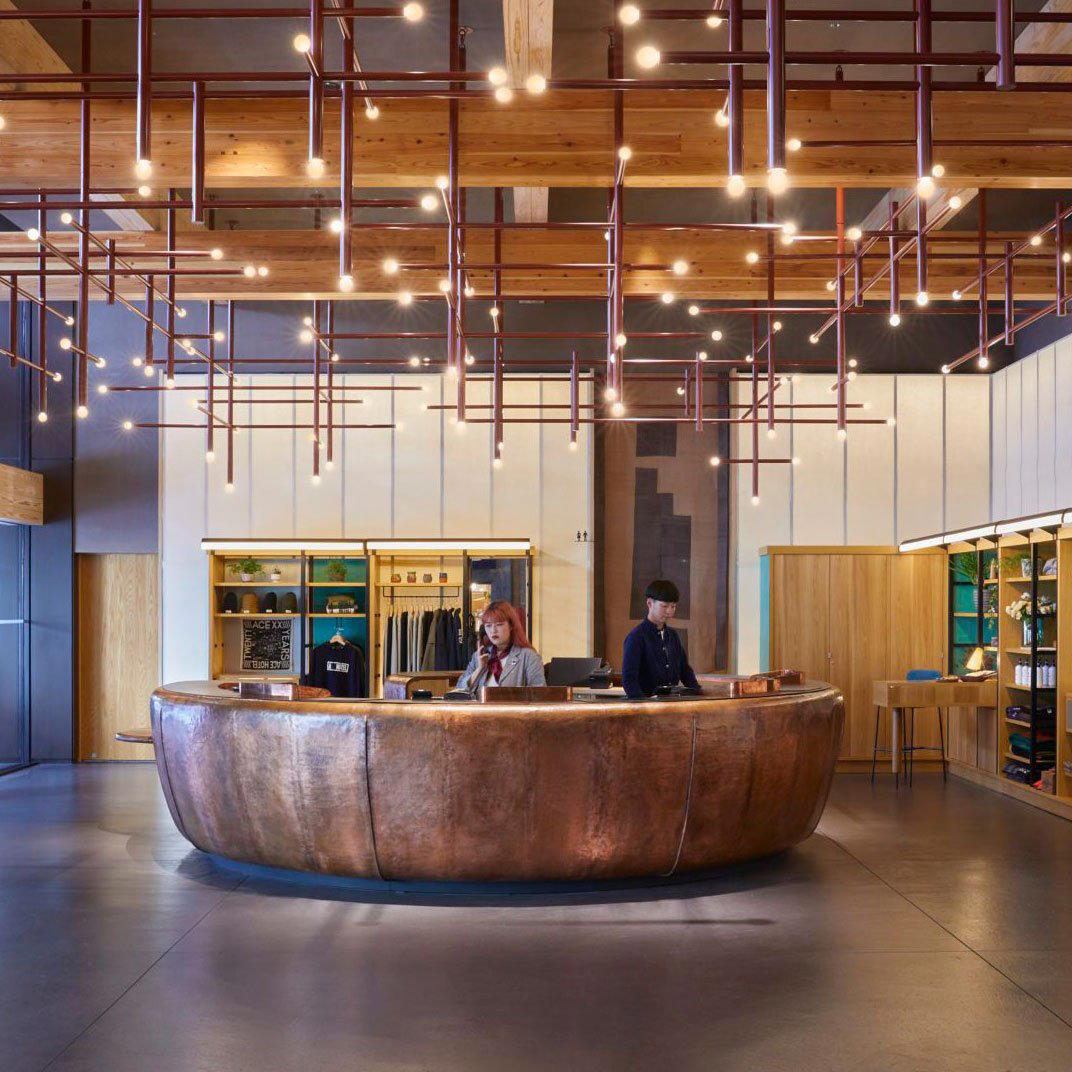
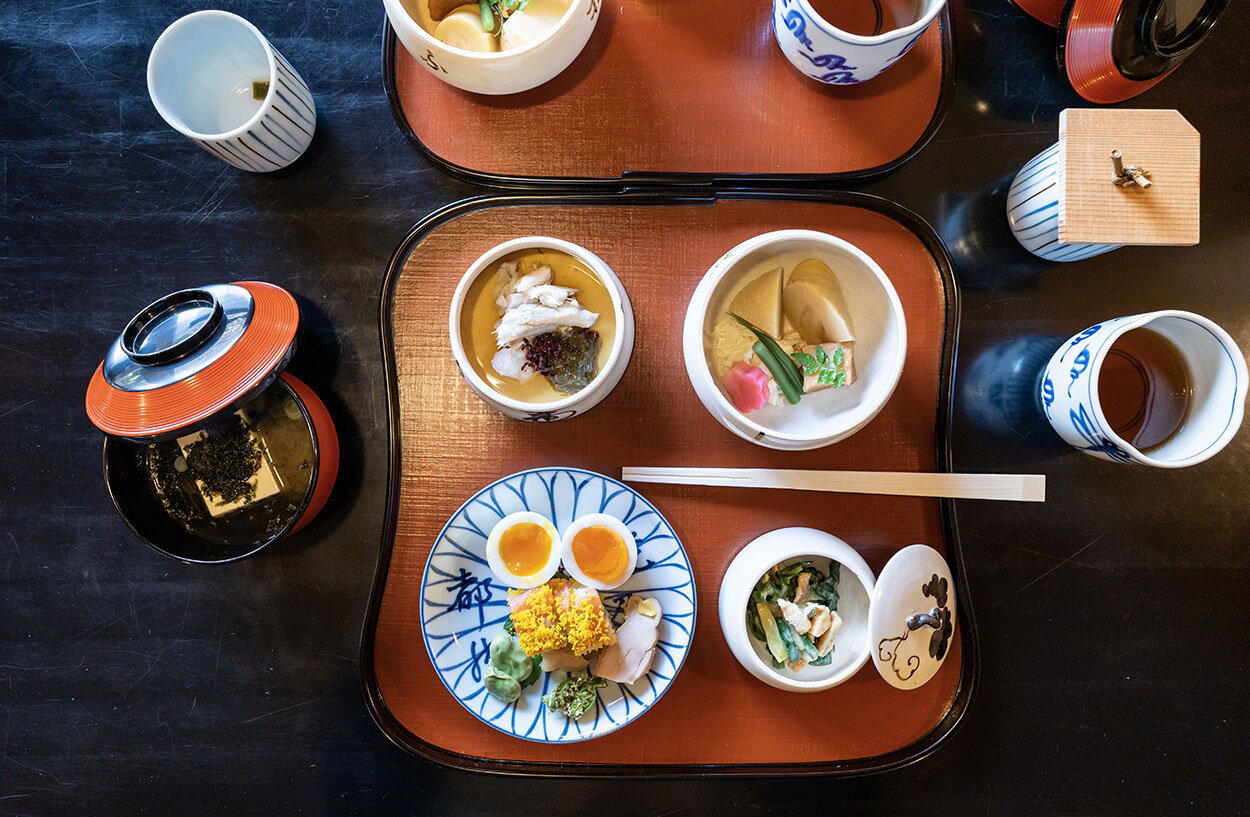
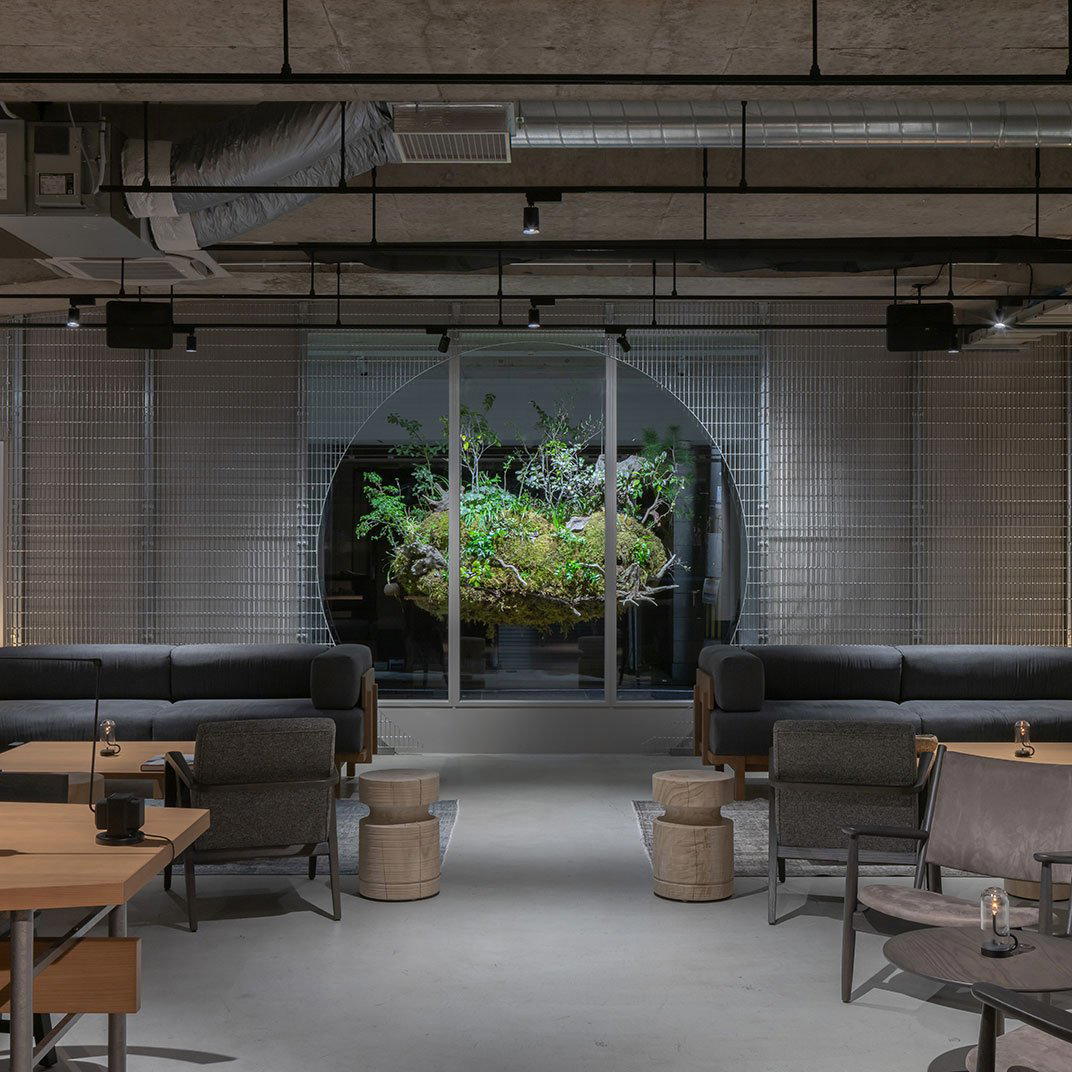
Bars in Kyoto
Browse all →
Hotels in Kyoto
Browse all →

Wineries in Kyoto
Browse all →
At a Glance
- Cozy
- Classic
- Solo
- Casual Hangout
- After Work
- Standalone
- Street Scene
Current opening hours
- Monday
- Closed
- Tuesday
- 11 AM–8 PM
- Wednesday
- 11 AM–8 PM
- Thursday
- 11 AM–8 PM
- Friday
- 11 AM–8 PM
- Saturday
- 11 AM–8 PM
- Sunday
- Closed
Hours can change for holidays and private events. Last verified .
A simple, unpretentious corner bakery with a calm local feel; daylight from the street-facing windows, compact interior, and a quiet atmosphere where customers quickly choose breads and take them away rather than linger.