
Bon Wei on Via Castelvetro has held the Michelin Plate in both 2024 and 2025, marking it as one of Milan's more serious addresses for Chinese regional cooking. The menu draws from eight distinct Chinese culinary traditions, from Szechuan to Zhejiang, at a mid-range price point that keeps the regulars returning..
Pearl is the En Primeur Club membership app — saves, bookings, and concierge access live there. Same editors, same standards.
- Address
- Via Lodovico Castelvetro, 16/18, 20154 Milano MI, Italy
- Phone
- +39 02 341308
- Website
- bon-wei.it
- Directions
- Get directions
 Saves & bookings on Pearl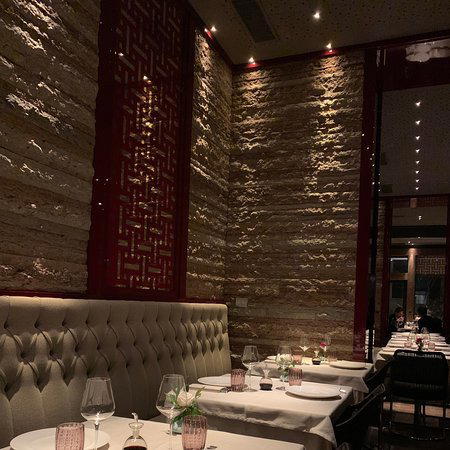
A Room That Signals Intention
Via Lodovico Castelvetro sits in the Chinatown-adjacent stretch of Milan's Municipio 8, a neighbourhood that has long housed one of Italy's most established Chinese communities. The dining room at Bon Wei reads differently from the functional canteens that populate the surrounding blocks: the interior combines clean modern lines with considered Asian design references, a combination that tells you this kitchen is aiming at a different tier of seriousness than a quick lunch stop. That calibration matters in Milan, where the baseline expectation for any sit-down restaurant is relatively high, and where the gap between a workmanlike ethnic dining room and a place with genuine culinary ambition is visible the moment you walk through the door.
Bon Wei's recognition confirms that the kitchen is cooking at a level the guide considers worth flagging for quality, even alongside nearby Italian addresses like Enrico Bartolini or Cracco in Galleria. In the context of Chinese dining in Milan, that credential separates Bon Wei from the broad mid-market and places it among addresses such as Gong and Ba Restaurant.
Eight Regions, One Kitchen
The structural ambition of the menu is what distinguishes the restaurant most clearly from comparable addresses in the city. Most Chinese restaurants in European capitals default to a broadly Cantonese or pan-Chinese register, smoothing out regional differences to serve a more legible product. The restaurant's stated programme covers eight distinct culinary regions, and the range that implies is considerable. Szechuan cooking, with its characteristic use of Sichuan peppercorn and broad-bean chilli paste, operates on entirely different logic from the restrained, vinegar-forward preparations of Zhejiang or the wheat-heavy traditions of northern provinces. A kitchen that executes across those registers credibly is not simply offering more dishes; it is managing a more complex set of sourcing, technique, and seasoning demands.
Chinese regional cooking in Europe has gradually followed the trajectory that Italian regional cooking went through two decades earlier: a gradual shift from generalised national cuisine to something more specific and harder to simplify. Cities like Berlin and San Francisco have produced reference addresses for this kind of cooking, such as Restaurant Tim Raue in Berlin and Mister Jiu's in San Francisco. Milan's version of this shift is smaller in scale but moves in the same direction, and the restaurant is positioned near the front of it locally. For context on what other Chinese addresses in the city are doing, Le Nove Scodelle offers a useful comparison point.
What Keeps Regulars Coming Back
3 drawn from more than 500 reviews at a price point of €€ signals something specific: this is not a place living off novelty visits. Restaurants in the €€ bracket in Milan that sustain high review volume over time are doing so because a returning local base keeps them active. Occasional visitors and tourists do not generate that kind of review density at a mid-market Chinese address in a residential neighbourhood.
What tends to hold a loyal clientele in a kitchen of this type is consistency across the menu's more demanding categories. Dumplings are one immediate signal of a kitchen's technical baseline in Chinese cooking: the wrapper, the pleating, the filling ratio, and the sauce serve as a quick diagnostic for everything else. A table of regulars at the restaurant is almost certainly ordering from the dumpling section as a matter of habit, not novelty. The noodle preparations represent a similar kind of test, where the kitchen's understanding of texture, broth construction, and regional variation becomes apparent quickly to anyone who has eaten these dishes in their original context.
The regional breadth also functions as a retention mechanism. A diner who works through the Szechuan section over several visits will eventually find themselves drawn toward the Zhejiang preparations simply because the contrast is available and the quality of the main section has established trust. In a restaurant where the menu genuinely delivers on geographic range, regulars tend to develop routes through it rather than anchoring to a single dish. That kind of menu exploration is what sustains long-term loyalty at a mid-price point, where the pricing does not create the occasion itself.
Placing Bon Wei in Milan's Dining Map
Milan's fine-dining conversation is dominated by Italian kitchens operating at the summit of the market: the three-star apparatus around Enrico Bartolini, the two-star work at Seta and Andrea Aprea, and internationally referenced addresses like Osteria Francescana in Modena or Le Calandre in Rubano operating at nearby distance. The restaurant does not compete in that register and is not trying to. Its competitive set is the mid-market Chinese and pan-Asian tier, where it holds a measurable quality advantage based on the Michelin recognition and review consistency.
For travellers building a fuller picture of what the city offers beyond Italian cuisine, the restaurant represents one credentialed address in its specific category at this price point. The €€ bracket means a meal sits well below the spending required at Milan's Italian flagship addresses, which makes it a useful session for any itinerary that balances one or two high-spend Italian dinners against more accessible meals. You can find further planning resources in our full Milan restaurants guide, along with our Milan hotels guide, bars guide, wineries guide, and experiences guide.
For those interested in how Italy's broader restaurant infrastructure compares at the leading end, Dal Pescatore in Runate, Enoteca Pinchiorri in Florence, Piazza Duomo in Alba, and Atelier Moessmer Norbert Niederkofler in Brunico represent the range of what the country's fine-dining circuit currently looks like.
Planning Your Visit
The restaurant is located at Via Lodovico Castelvetro 16/18 in the Municipio 8 area of Milan. The €€ price positioning places it in accessible mid-market territory, appropriate for both a casual weeknight dinner and a planned meal for visitors who want regional Chinese cooking at a credentialed address. Given the review volume and the Michelin attention, booking ahead is a sensible precaution, particularly on weekend evenings when neighbourhood demand is strongest.
What It’s Closest To
Comparable venues nearby, for context on price, style, and recognition.
| Venue | Cuisine | Price | Awards | Notes |
|---|---|---|---|---|
| Bon WeiThis venue — the venue you are viewing | Regional Chinese Haute Cuisine | $$$ | Michelin Plate | Not listed |
| MU Dimsum | Modern Cantonese Dim Sum | $$$ | Michelin Plate | Stazione Centrale - Ponte Seveso |
| Ba Restaurant | Modern Chinese Fusion | $$$ | Michelin Plate | De Angeli - Monte Rosa |
| Zero Milano | Modern Japanese Sushi | $$$ | Michelin Plate | Magenta - S. Vittore |
| Altatto Bistrot | Contemporary Vegetarian Bistrot | $$$ | Michelin Plate | Moncucco - San Cristoforo |
| La Società Milano | Modern Italian Fine Dining | $$$ | Michelin Plate | Buenos Aires - Porta Venezia - Porta Monforte |
Recognition history
Dated appearances from independent guides and award organizations, with the underlying list record or original source where available.
Michelin Plate
Michelin
Michelin Plate
Michelin
Michelin Plate
Michelin
Continue exploring
More in Milan
Restaurants in Milan
Browse all →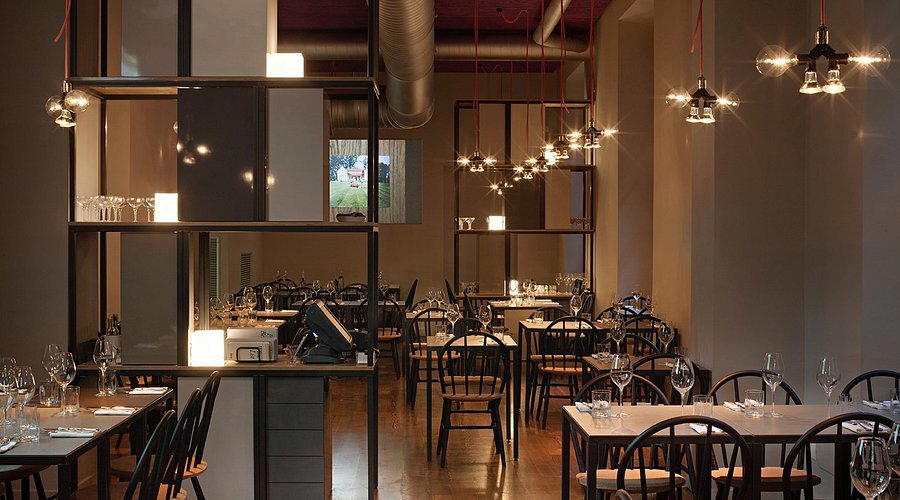
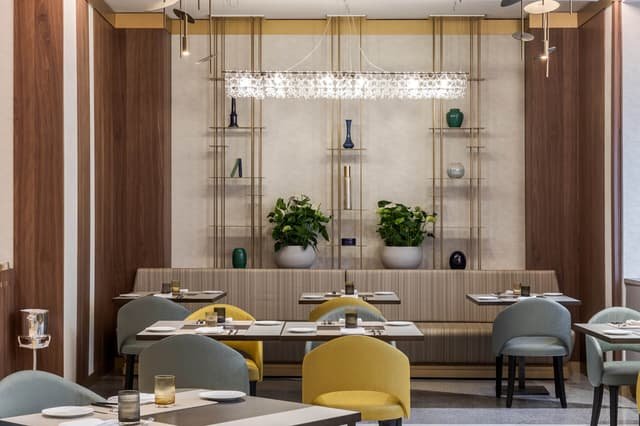
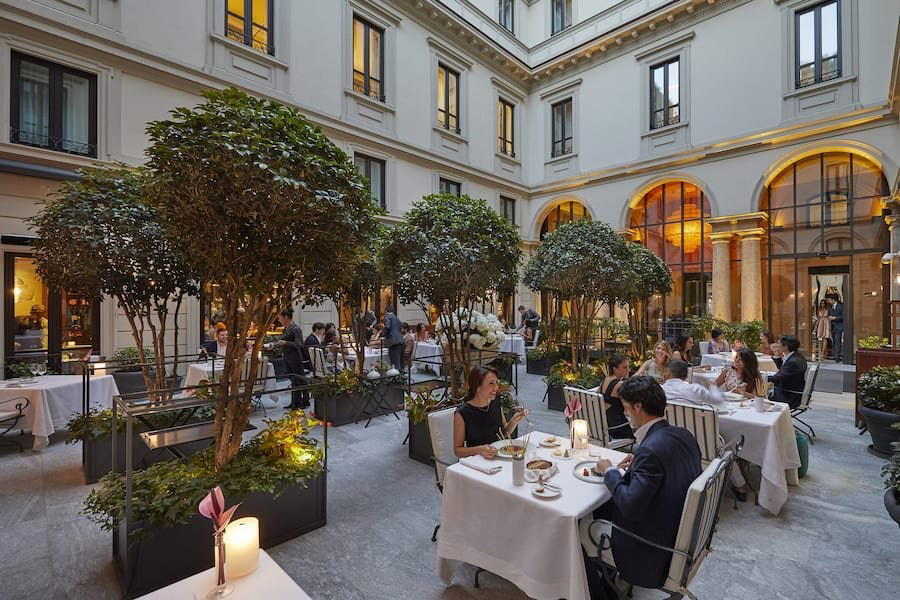
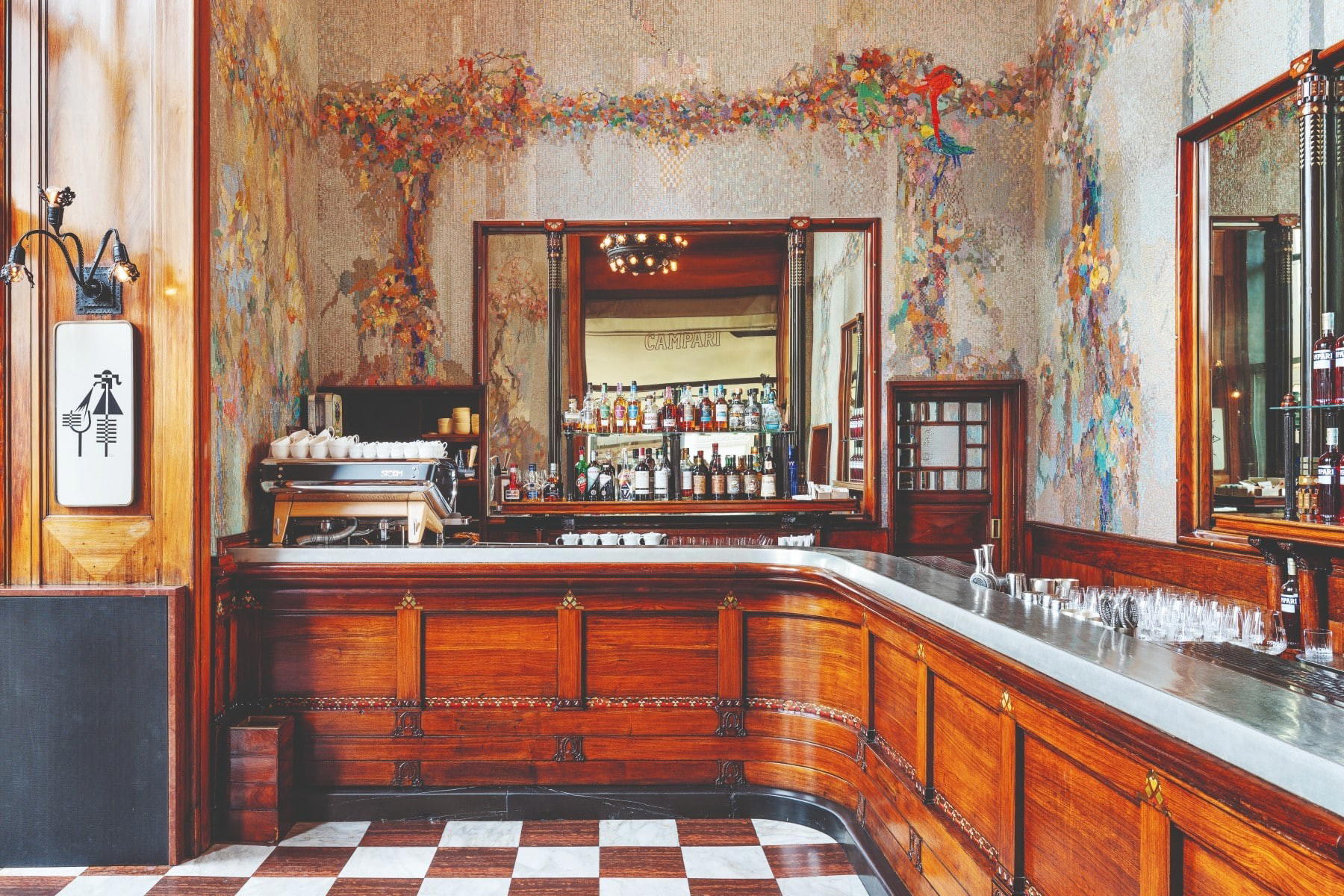
Bars in Milan
Browse all →
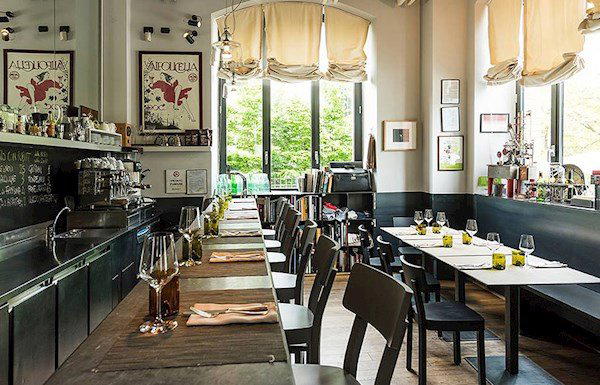
Hotels in Milan
Browse all →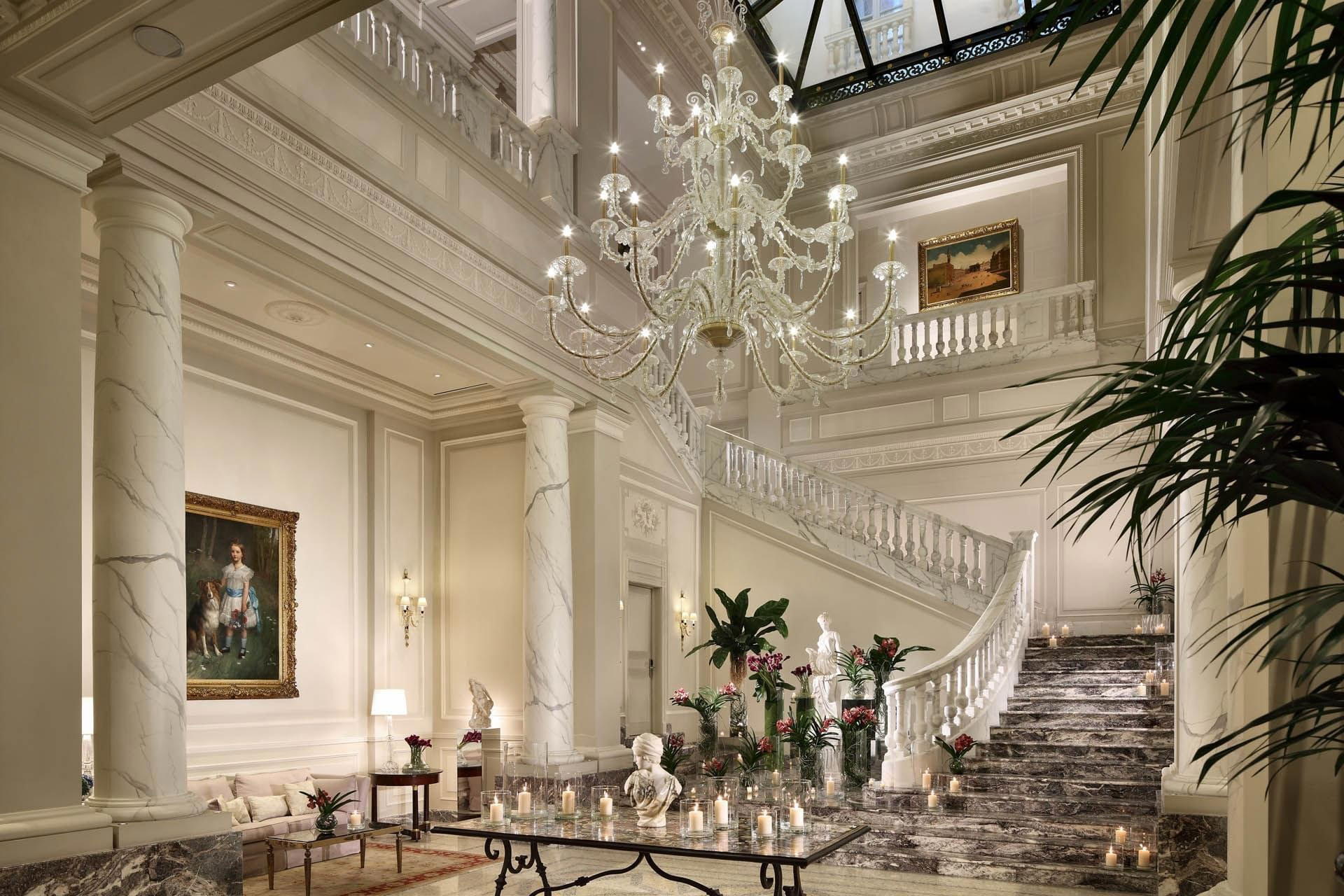
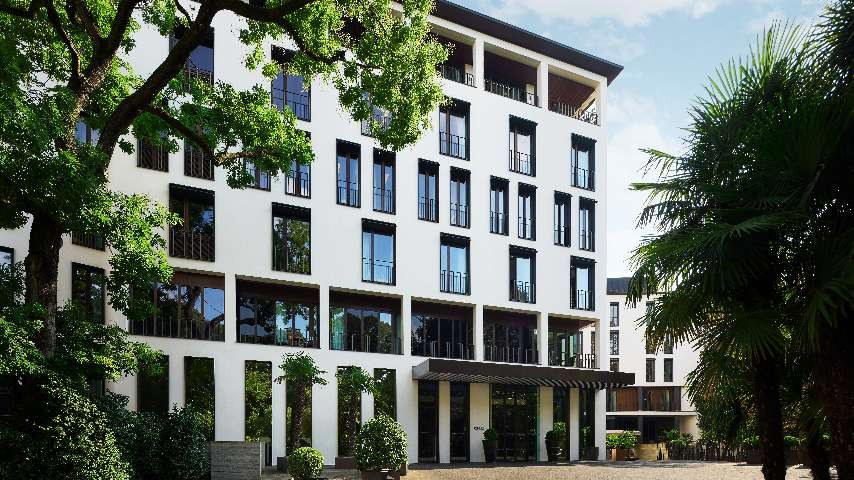
Wineries in Milan
Browse all →
At a Glance
- Elegant
- Sophisticated
- Modern
- Intimate
- Date Night
- Business Dinner
- Special Occasion
- Private Dining
- Extensive Wine List
Current opening hours
- Monday
- Closed
- Tuesday
- 12–2:30 PM, 7–11 PM
- Wednesday
- 12–2:30 PM, 7–11 PM
- Thursday
- 12–2:30 PM, 7–11 PM
- Friday
- 12–2:30 PM, 7–11:30 PM
- Saturday
- 12–2:30 PM, 7–11:30 PM
- Sunday
- 12–2:30 PM, 7–11 PM
Hours can change for holidays and private events. Last verified .
Elegant and modern decor blending sophistication with Asian influences, chic yet inviting atmosphere with burgundy mirrors and glass.