Bodega Sur
Bodega Sur occupies a Southport Corridor address in Chicago's Lakeview neighbourhood, positioning itself within a city dining scene that has grown increasingly serious about South American wine and food traditions. The wine list is the editorial spine here, drawing on cellar depth and curation that places it alongside the city's more focused specialist programs rather than its broad-menu casual neighbours.
Pearl is the En Primeur Club membership app — saves, bookings, and concierge access live there. Same editors, same standards.
- Address
- 3755 N Southport Ave, Chicago, IL 60613
- Phone
- +17739048656
- Website
- bodegasurchicago.com
- Directions
- Get directions
 Saves & bookings on Pearl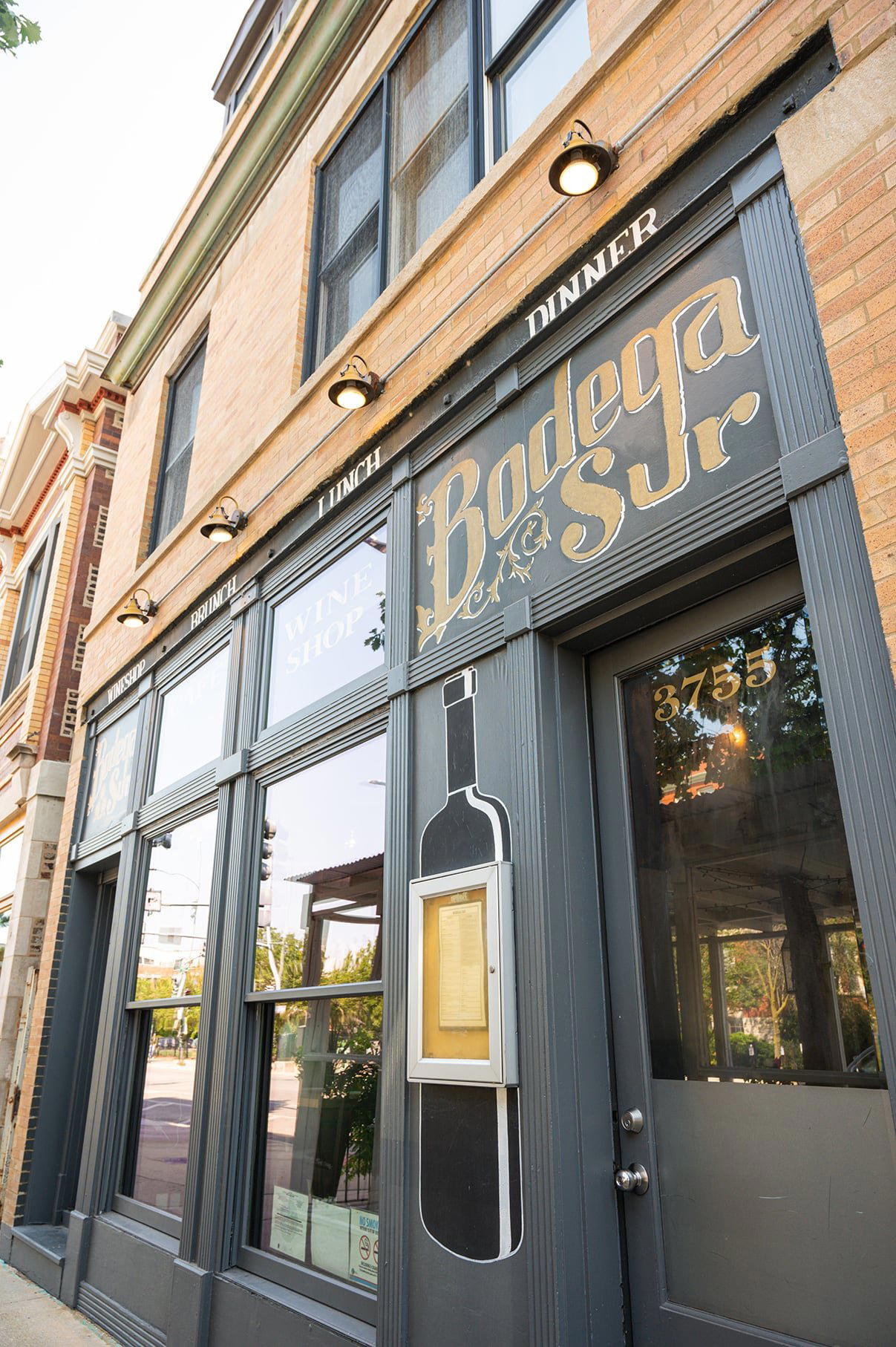
Southport and the Rise of the Neighbourhood Wine Room
Bodega Sur is an Argentine Bistro at 3755 N Southport Ave in Chicago. What gets less attention is the slower, quieter accumulation of serious wine-forward rooms in residential corridors further north. The Southport Corridor in Lakeview is one of the areas where that shift has taken hold. Bodega Sur sits at 3755 N Southport Ave.
The term bodega, used across Latin America and Spain to refer to a wine producer or cellar as much as a corner store, signals a particular kind of intent. It places the room in a tradition where wine is infrastructure rather than decoration, where the list shapes the menu, not the other way around. That framing matters in a city where wine rooms have historically defaulted to Franco-Italian references. Bodega Sur's address on the South American end of the spectrum puts it in a smaller, more specific comparable set.
What the Wine Angle Means in Practice
Across the United States, particularly credible South American wine programs have tended to cluster in cities with large Latin American communities or in fine-dining rooms that treat Malbec and Torrontés as seriously as Burgundy and the Rhône. Chicago sits in an interesting middle position: it has the population depth to support specialist programming, but the premium wine market has historically skewed European. Rooms that commit seriously to Argentine, Chilean, or Uruguayan cellars occupy a distinct niche, closer in spirit to the wine-first philosophy you find at Frasca Food & Wine in Boulder or the sommelier-led programs at Le Bernardin in New York City than to the by-the-glass convenience lists that dominate most neighbourhood dining rooms.
The editorial angle at a room like Bodega Sur is less about individual bottles and more about curation philosophy: which regions get serious depth, which producers are allocated rather than distributor-standard, and whether the list has genuine vertical reach or stops at particularly recent two vintages. South American wine, particularly from Mendoza, Patagonia, and the Colchagua Valley, has accumulated enough serious producers and enough critical attention over the past two decades to support a list that can hold its own in that conversation. Whether the cellar here delivers on that potential is a question the room itself has to answer.
Placing Bodega Sur in the Chicago Context
Chicago's dining scene has a well-documented capacity for producing serious, internationally recognised programs. Kasama operates in the Filipino fine-dining space with the kind of precision that draws national attention. The broader tasting-menu tier, anchored by long-running operators, has trained a diner base that understands format, pacing, and the relationship between a curated wine pairing and the food it accompanies. That sophistication filters outward into neighbourhood rooms, raising expectations even in areas that sit outside the immediate fine-dining core.
Southport's dining corridor is a useful case study in how that dynamic works. The neighbourhood has enough resident density and enough disposable income to support rooms that operate above the mass-market casual register. A focused South American wine room in this location is a reasonable proposition, provided the cellar has the depth and the floor has the knowledge to make the case for bottles that most Chicago diners haven't encountered through the usual distribution channels. For context on what a fully realised version of this kind of program looks like at the national level, Single Thread Farm in Healdsburg and Blue Hill at Stone Barns in Tarrytown both demonstrate how tightly integrated wine and food sourcing can reframe a room's identity entirely.
The comparisons are instructive because the underlying logic is similar: a room defined by a specific sourcing or curation commitment rather than by the fame of its kitchen. That is a viable and increasingly common model in American dining, from the Korean-rooted program at Atomix in New York City to the seafood-first cellar at Providence in Los Angeles.
The Bodega Format and What It Asks of the Guest
South American wine rooms, when they work, create a specific kind of evening. The pace tends to be slower than a tasting-menu counter. The conversation between staff and guest carries more weight, because most diners arrive without the reference points they would have for a French or Italian list. A good sommelier in this context is less a gatekeeper and more a guide through a geography that rewards curiosity. Rooms that get this right, where the floor has genuine knowledge of Malbec clones in Luján de Cuyo or the altitude differences between Cafayate and Mendoza's high-elevation vineyards, create a different kind of loyalty than menus alone can generate.
That dynamic has analogs elsewhere in the global wine-forward dining scene. Atelier Moessmer Norbert Niederkofler in Brunico has built its reputation partly on a wine program rooted in Alpine and northern Italian producers that guests wouldn't find through conventional channels. The format disciplines are different, but the underlying proposition, that a specialist cellar can carry as much of the evening as the kitchen, translates across contexts.
For a broader sense of how Chicago's dining scene maps across neighborhoods and price tiers, the restaurant occupies the Lakeview residential tier of that map. The restaurant occupies the Lakeview residential tier of that map, where the room's wine commitment is its primary editorial claim on a diner's attention. For comparable wine-serious formats in other American cities, Lazy Bear in San Francisco, Addison in San Diego, Emeril's in New Orleans, and The Inn at Little Washington in Washington each represent a different version of the wine-integrated dining room model that restaurant is working within.
Know Before You Go
- Address: 3755 N Southport Ave, Chicago, IL 60613
- Neighbourhood: Southport Corridor, Lakeview
- Getting There: The Brown Line's Southport station puts the address within comfortable walking distance. Street parking is available but competitive on weekend evenings.
- Format: Wine-forward South American room; expect the list to be the primary focus of the experience.
- Booking: Reservations are recommended.
- Price Range: About $30 per person.
Style and Standing
Comparable venues nearby, for context on price, style, and recognition.
| Venue | Cuisine | Price | Notes |
|---|---|---|---|
| Bodega SurThis venue — the venue you are viewing | Argentine Bistro | $$ | Not listed |
| Old Crow Smokehouse | Chicago BBQ Smokehouse | $$ | Lakeview |
| Miku Sushi | Traditional Japanese Sushi | $$ | Lincoln Square |
| The Patio at Cafe Brauer | American Cafe | $$ | Lincoln Park |
| Parson's Chicken & Fish (Logan Square) | Fried Chicken & Fish | $$ | Logan Square |
| Ramen Wasabi - West Loop | Japanese Ramen | $$ | West Loop |
At a Glance
- Cozy
- Intimate
- Romantic
- Elegant
- Date Night
- Casual Hangout
- Brunch
- Wine Cellar
- Extensive Wine List
Current opening hours
- Monday
- Closed
- Tuesday
- 4–9 PM
- Wednesday
- 4–10 PM
- Thursday
- 4–10 PM
- Friday
- 10 AM–10 PM
- Saturday
- 10 AM–10 PM
- Sunday
- 10 AM–10 PM
Hours can change for holidays and private events. Last verified .
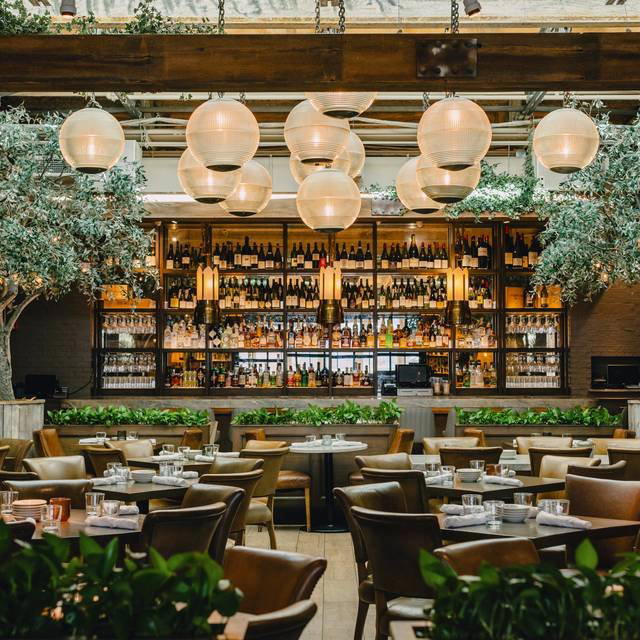
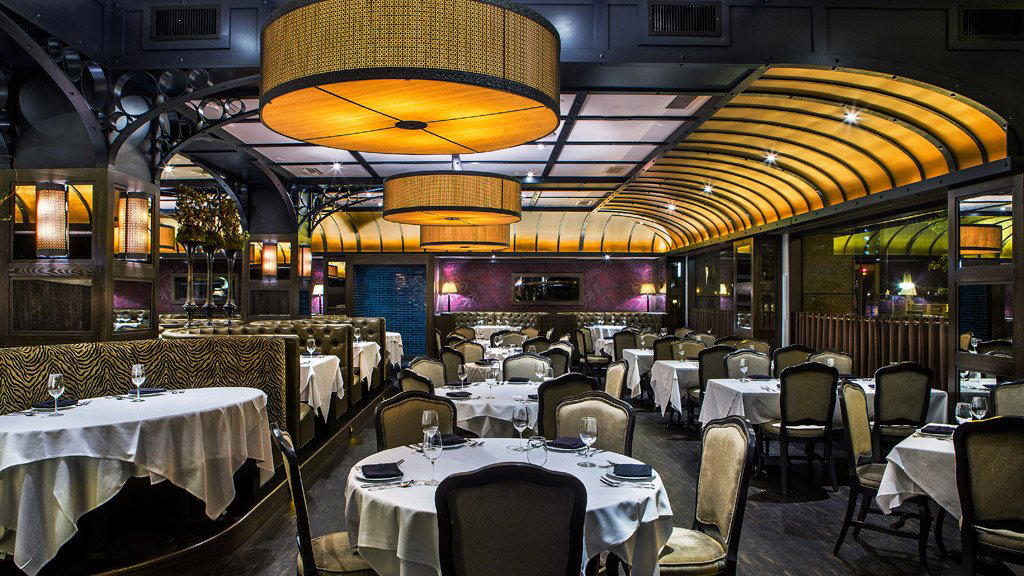
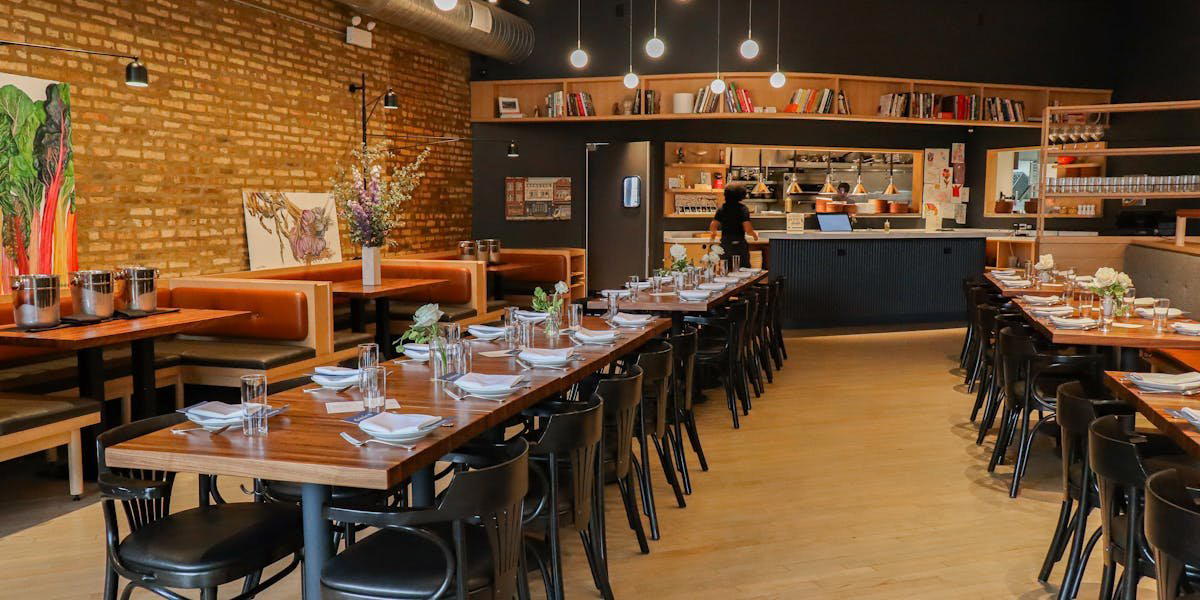
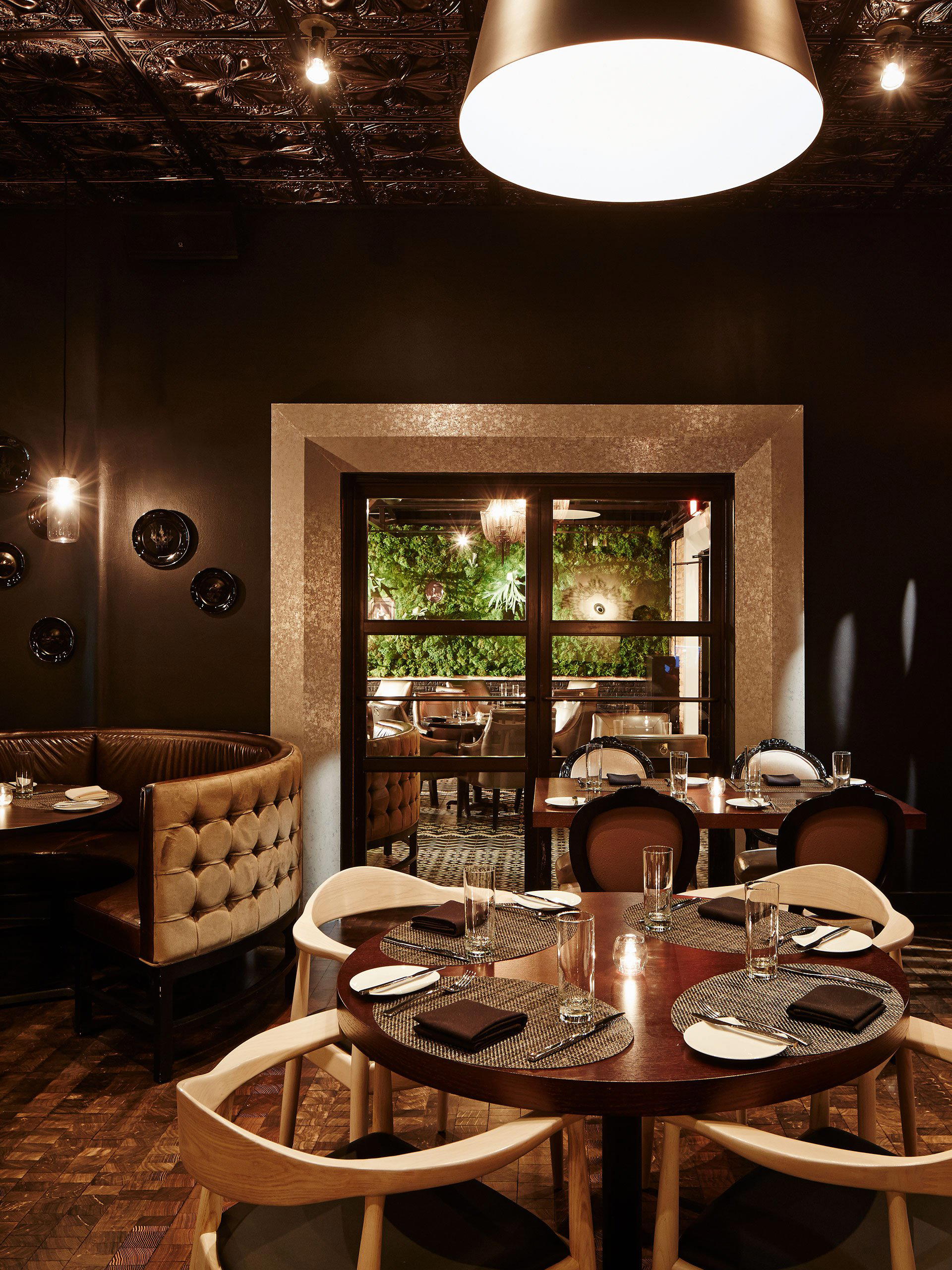
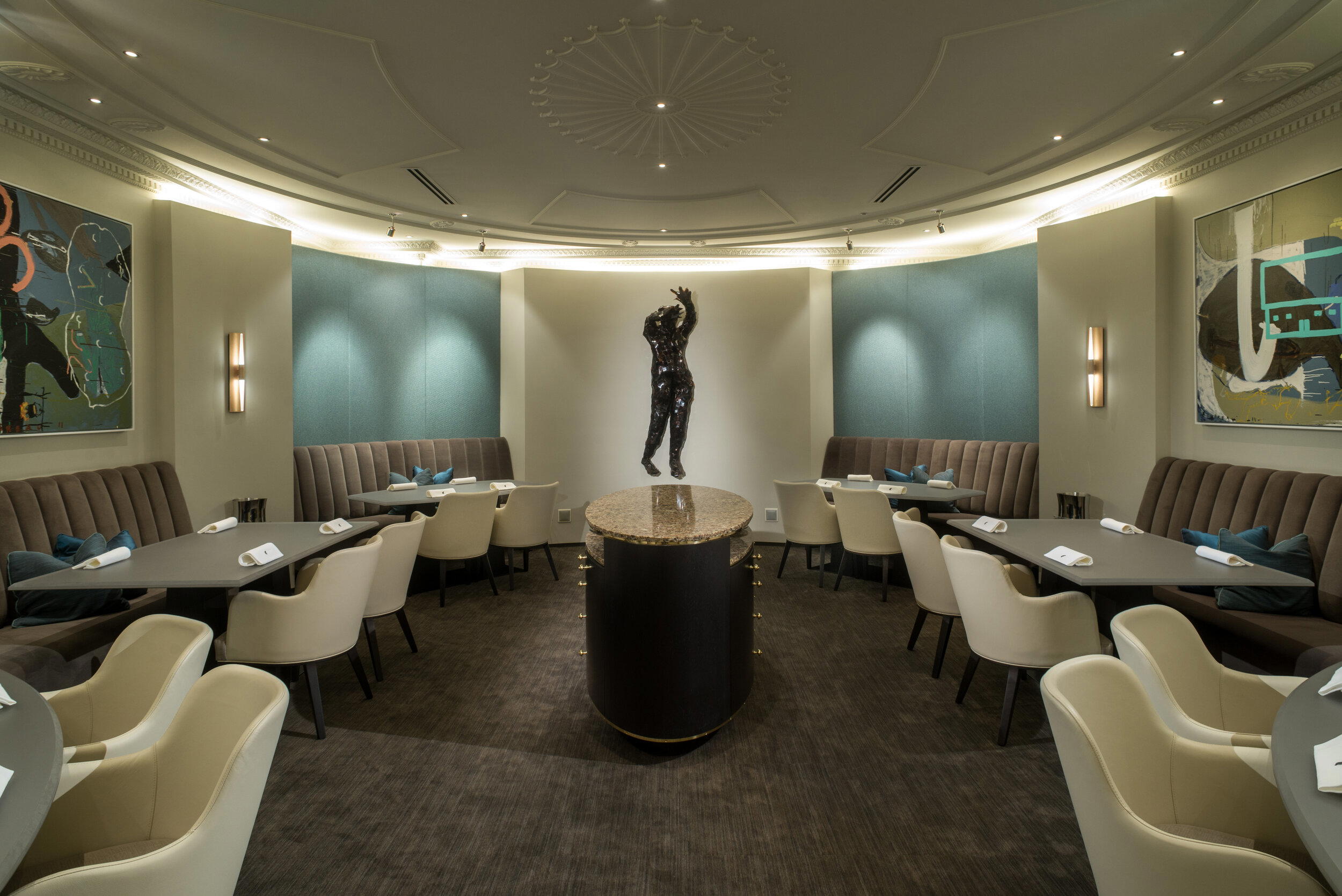
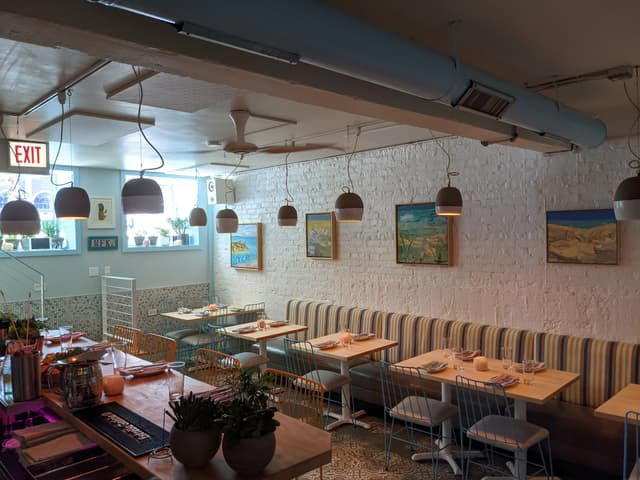
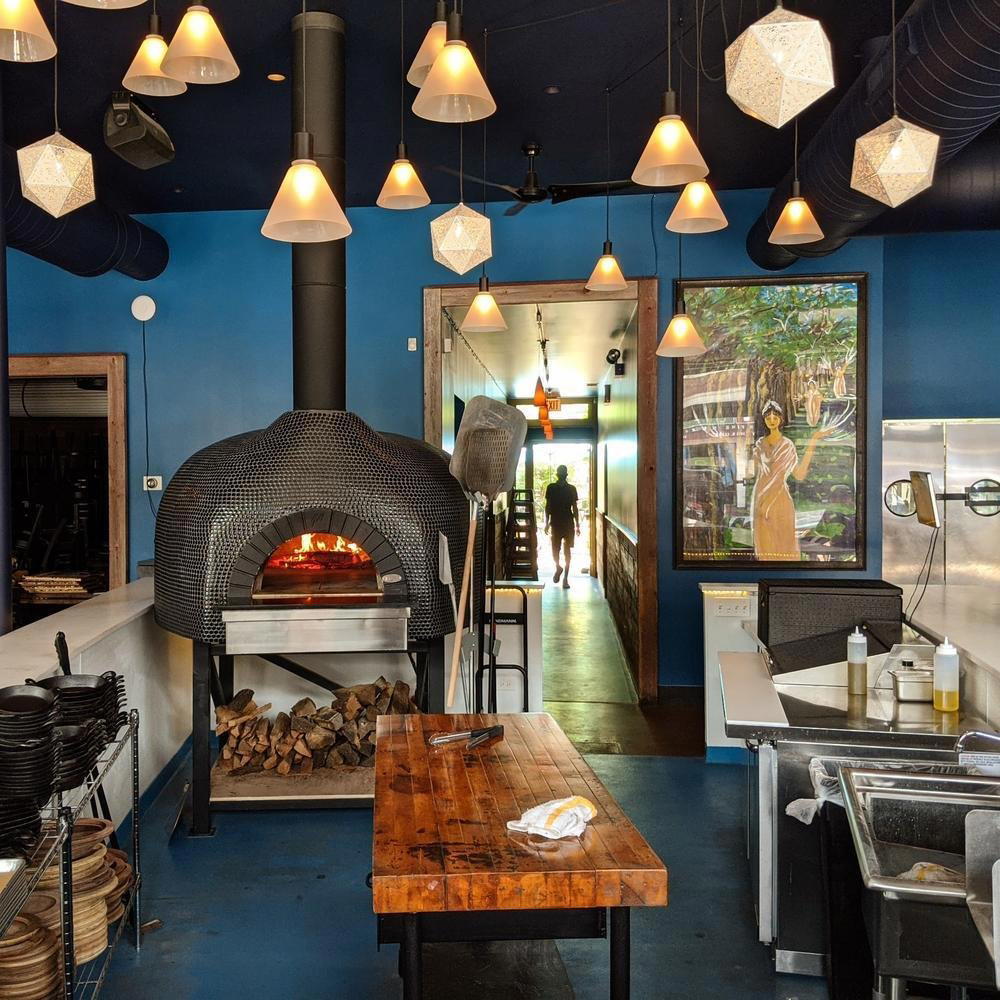
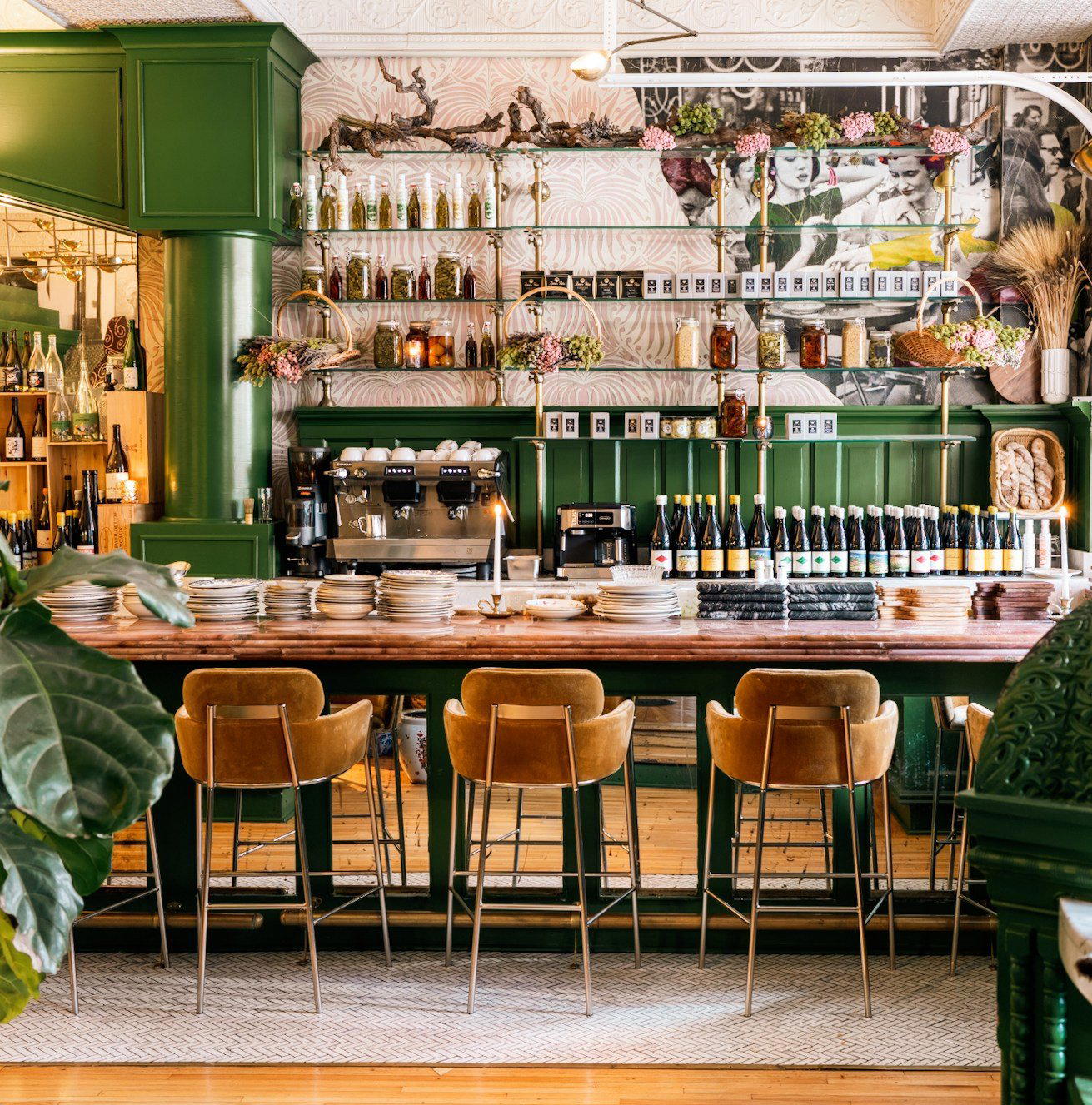
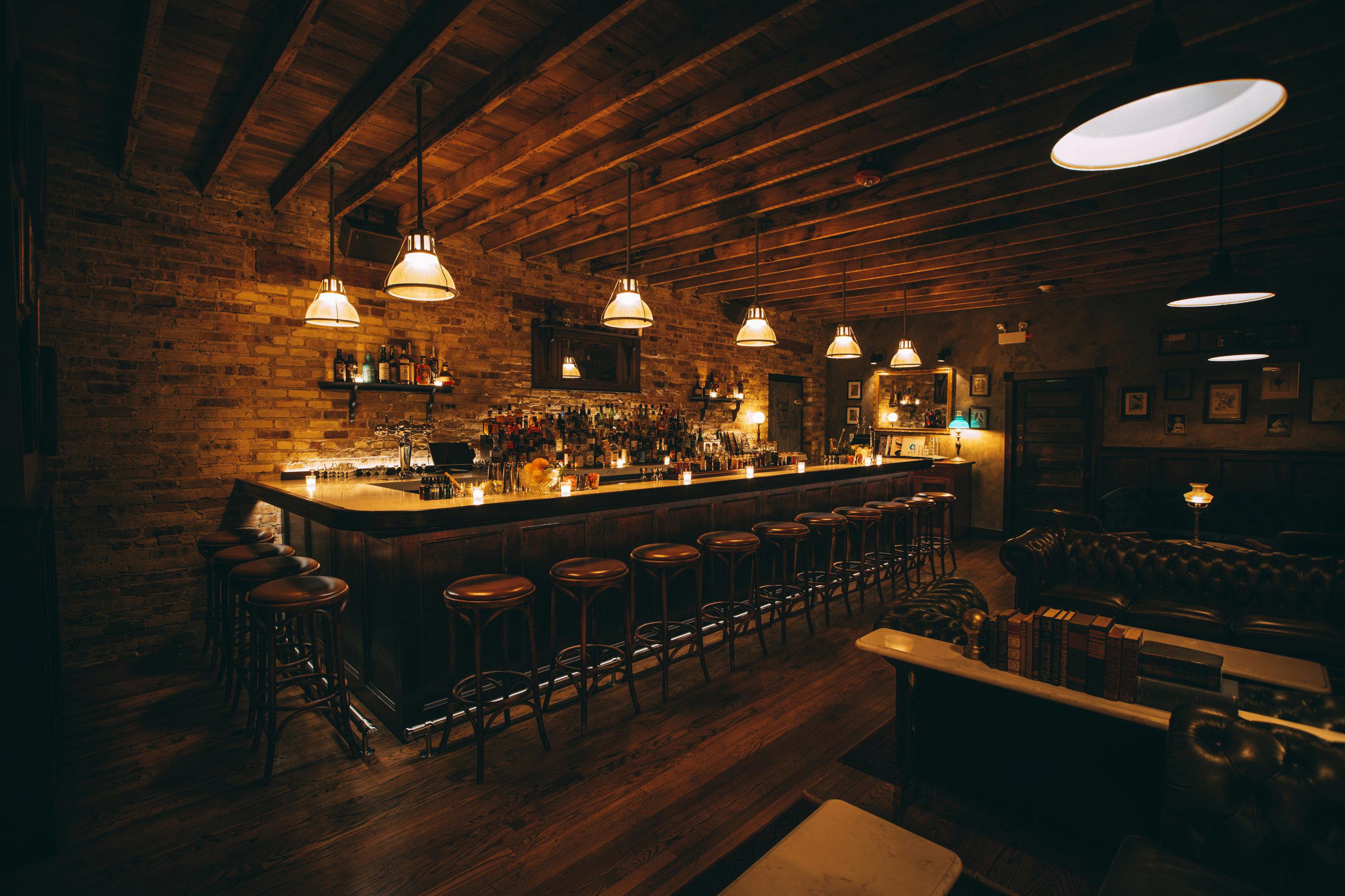
Soft candlelit lighting creates a warm, intimate, and romantic atmosphere scented with grilled meats and spices, ideal for lingering over meals.