Bodega La Peninsular: Traditional Catalan seafood tapas with an open kitchen, extensive wine list, and beer program; built for lunch or dinner in Ciutat Vella.
Pearl is the En Primeur Club membership app — saves, bookings, and concierge access live there. Same editors, same standards.
- Address
- Carrer del Mar, 29, Ciutat Vella, 08003 Barcelona, Spain
- Phone
- +34932214089
- Website
- tabernaycafetin.es
- Directions
- Get directions
 Saves & bookings on Pearl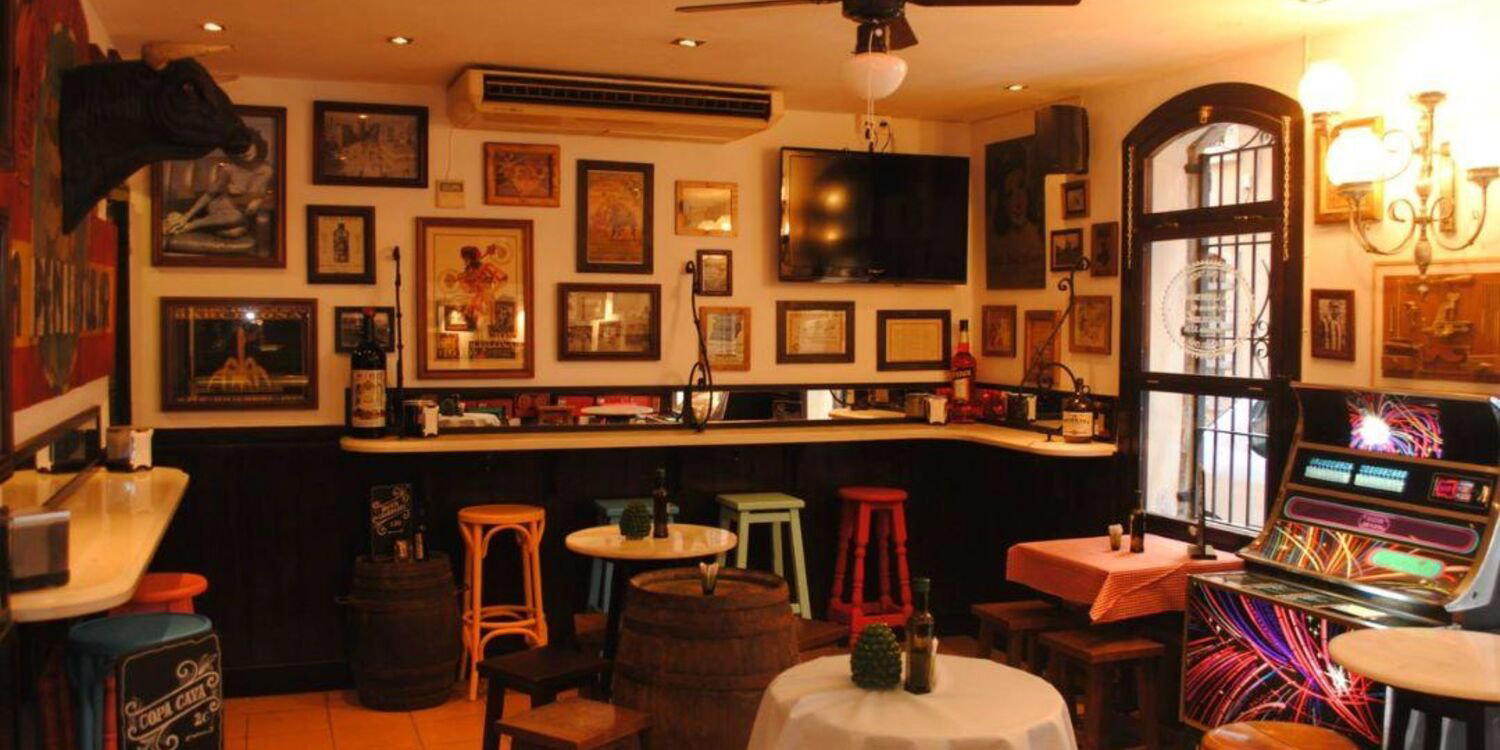
A Bodega in the Old City: What La Ribera Tells You About How Barcelona Drinks
Carrer del Mar runs along the lower edge of El Born, a few minutes' walk from the Basílica de Santa Maria del Mar and the narrow arteries of La Ribera. In this part of Ciutat Vella, the street-level typology has compressed over decades into something specific: wine shops that double as standing bars, old ceramic-tiled interiors where bottles serve as both product and décor, and a pace of service that doesn't perform urgency. Bodega La Peninsular sits at number 29 on that street, operating within a format the neighbourhood has quietly preserved even as the broader Eixample and Poblenou dining scenes chase other ambitions.
The bodega model is worth understanding on its own terms before walking through the door. In Barcelona, the distinction between a bodega, a bar de vins, and a modern natural wine shop has blurred considerably since the early 2010s, but the oldest iteration of the form predates that conversation. A traditional bodega in this sense is a hybrid: retail space, informal dining room, and social anchor, where the wine logic comes first and the food exists to extend the stay. That arrangement shifts accountability in an interesting direction. The person selecting and pouring the wine carries as much responsibility for the experience as any kitchen hand, and the room's success depends on whether those two disciplines are aligned.
The Collaboration That Runs a Room Like This
In smaller bodega-format venues, the traditional separation between front-of-house management, sommelier, and kitchen is often collapsed into a tighter, flatter structure. The person guiding you through a glass of Priorat or a poured vermouth is frequently the same person who helped decide what's on the shelf, what's available by the glass, and how the food list should read alongside it. This kind of integrated team dynamic is harder to sustain than it looks from the outside. It requires consistent communication about what's drinking well at any given moment, what has just arrived, and what pairs cleanly with the kitchen's current output.
At venues operating in this format across La Ribera and El Born, the difference between a coherent experience and an uneven one usually comes down to whether the floor team has genuine fluency with the cellar. A list of Catalan and Spanish producers means little if the person pouring can't explain why a particular Garnacha from Terra Alta behaves differently from one coming out of the Montsant. In that sense, the bodega floor is an ongoing editorial act, not merely a service function.
Barcelona's dining spectrum includes long-menu restaurants with dedicated sommelier teams and higher price points. The bodega sits at the opposite end of that axis, where the tighter format forces discipline. A short list of wines and a concise food offering have nowhere to hide if the team isn't aligned.
Where Bodega La Peninsular Fits in Ciutat Vella's Wine Culture
El Born and La Ribera have been through several distinct phases as dining and drinking neighbourhoods. The area gentrified earlier than Poblenou and more visibly than Gràcia, which means it carries both the advantages of established foot traffic and the risks that come with saturation. Some of the bodega-format spots that opened in the 2000s have since pivoted toward tourist-facing menus; others have maintained the original logic of local wine, simple food, and a room that rewards staying rather than cycling through. The address on Carrer del Mar places Bodega La Peninsular within easy reach of the waterfront and the park at Ciutadella, which gives it a mixed catchment: neighbourhood regulars, visitors moving between the beach and El Born's concentration of bars and restaurants, and the kind of wine-attentive traveller who reads an address before committing to a table.
That geographic position within Barcelona's broader restaurant geography connects to a wider conversation about where Spain's serious wine drinking actually happens. The headline venues, from El Celler de Can Roca in Girona to Quique Dacosta in Dénia and Martin Berasategui in Lasarte-Oria, anchor wine programs to ambitious tasting menus. But a significant share of how Spaniards actually encounter their own wine culture happens in exactly these smaller formats: a glass poured at a counter, a recommendation offered without ceremony, a bodega that has been sourcing from the same cooperative in Penedès for a decade. That knowledge doesn't disappear simply because it isn't staged.
Spain's regional depth in this regard is worth holding in mind. Venues like Arzak in San Sebastián, Azurmendi in Larrabetzu, Aponiente in El Puerto de Santa María, Mugaritz in Errenteria, Ricard Camarena in València, Atrio in Cáceres, and DiverXO in Madrid define one end of Spanish gastronomy's international projection. The bodega tradition defines the other end, and the two don't compete so much as address different moments in how a person relates to food and wine over a trip or a life in a city.
How to Read a Bodega Visit
Arriving at a venue like this with tasting-menu expectations misses the point. The bodega format rewards a different kind of attention: reading what's being poured by the glass that week, asking what's arrived recently, treating the food as a platform for the wine rather than the inverse. Cities with strong bodega cultures, Barcelona and Madrid among them, tend to produce drinkers who are comfortable moving across a session rather than anchoring to a single bottle, which creates a different conversational dynamic with the floor team.
The bodega proposes a lighter frame: the team makes the selections available, and the guest participates in assembling the evening.
Reputation First
Comparable venues nearby, for context on price, style, and recognition.
| Venue | Cuisine | Price | Notes |
|---|---|---|---|
| Bodega La PeninsularThis venue — the venue you are viewing | Traditional Catalan Seafood Tapas | $$ | Not listed |
| Can Maño | Traditional Catalan Seafood | $$ | la Barceloneta |
| Peix dOr | Fresh Seafood by Weight | $$ | el Fort Pienc |
| Puertecillo Sagrada Familia | Fresh Seafood Market | $$ | la Sagrada Familia |
| Carballeira | Galician Seafood | $$$ | Sant Pere, Santa Caterina i la Ribera |
| Lluritu 2 | Grilled Seafood Tapas | $$ | la Vila de Gracia |
Continue exploring
More in Barcelona
Restaurants in Barcelona
Browse all →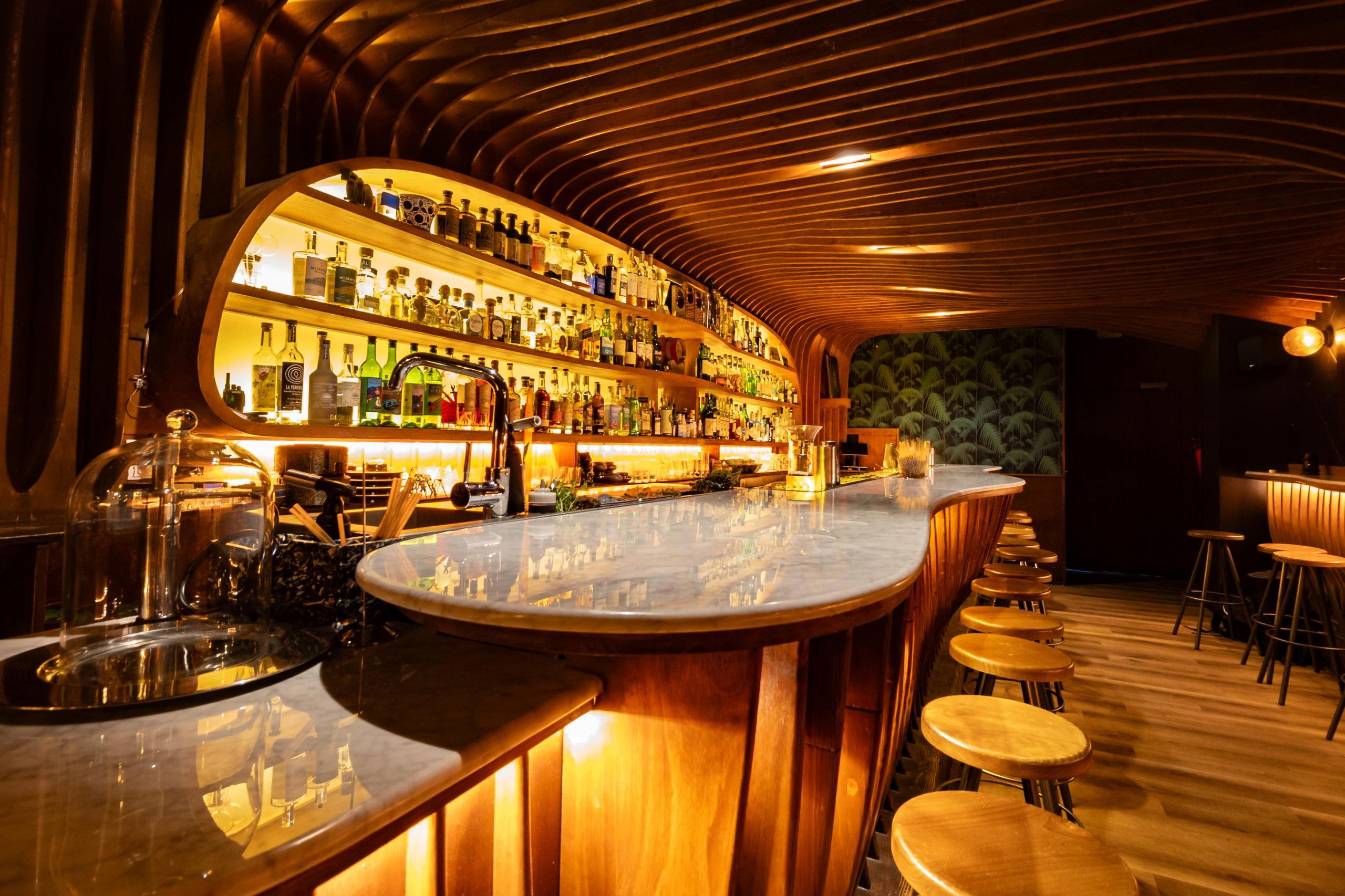
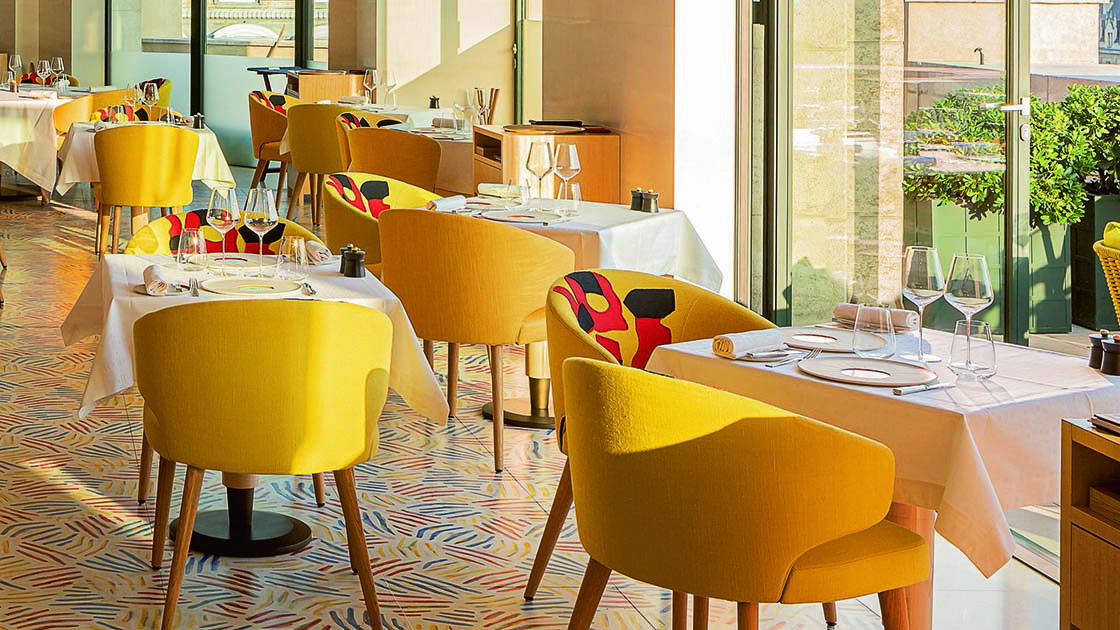
Bars in Barcelona
Browse all →
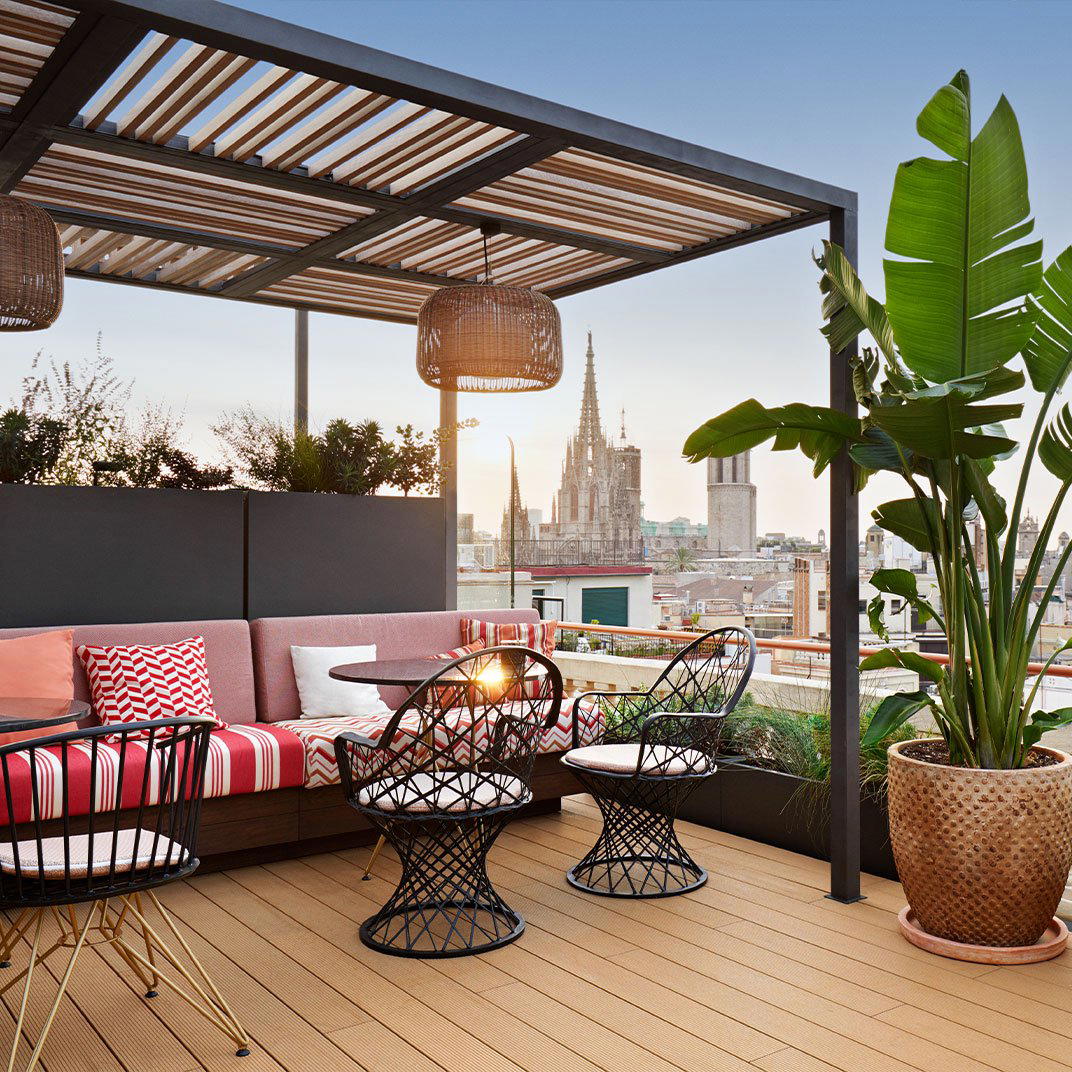
Hotels in Barcelona
Browse all →
At a Glance
- Cozy
- Rustic
- Classic
- Casual Hangout
- Group Dining
- Open Kitchen
- Standalone
- Extensive Wine List
- Beer Program
- Local Sourcing
- Sustainable Seafood
Current opening hours
- Monday
- Closed
- Tuesday
- Closed
- Wednesday
- 12–11 PM
- Thursday
- 12–11 PM
- Friday
- 12–11 PM
- Saturday
- 12–11 PM
- Sunday
- 12–11 PM
Hours can change for holidays and private events. Last verified .
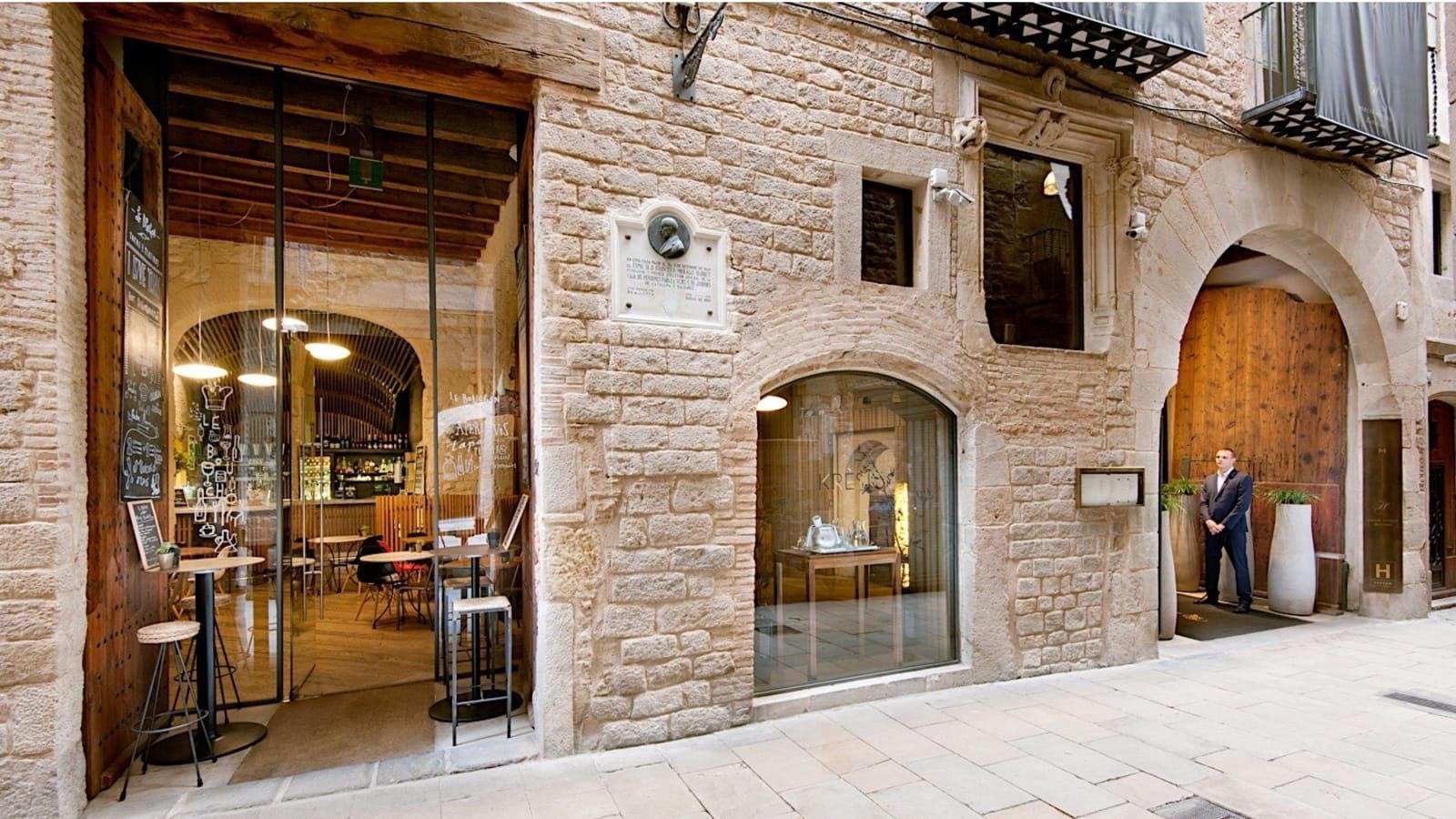
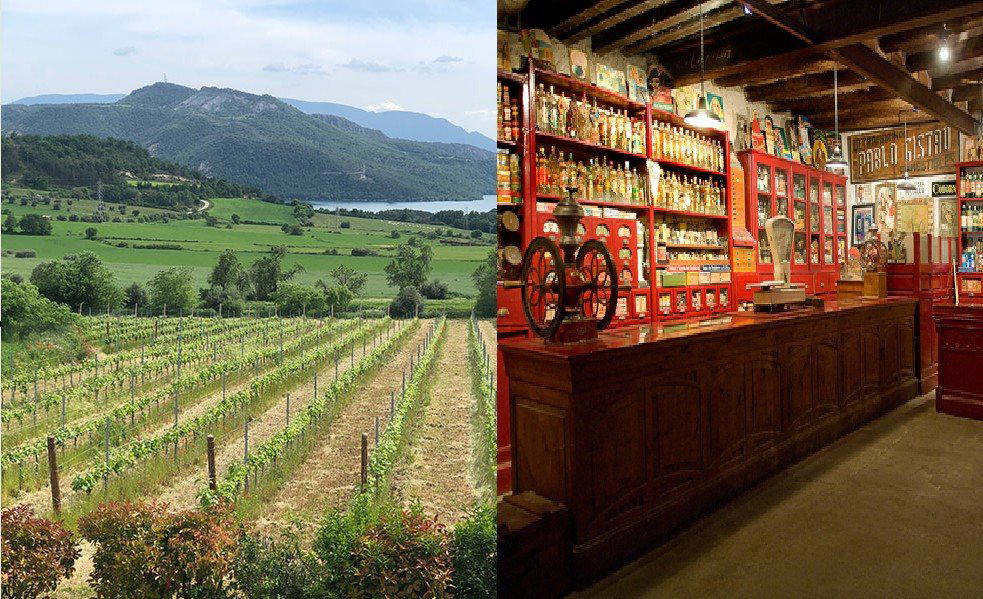
Warm and welcoming with vintage seafood posters and old wooden barrels creating a historic social club atmosphere; bustling and lively during peak times with a cozy, intimate feel despite the noise.