Bochica
Bochica sits on Kerkstraat in the small Noord-Brabant village of Reusel, placing it among the Netherlands' quieter destinations for serious dining. The region around Reusel carries a strong agricultural identity, and venues of this type in rural Brabant often draw on that proximity to local producers. For context on the wider dining scene, see our full Reusel restaurants guide.
Pearl is the En Primeur Club membership app — saves, bookings, and concierge access live there. Same editors, same standards.
- Address
- Kerkstraat 38, 5541 EM Reusel, Netherlands
- Phone
- +31640079164
- Website
- bochica.nl
- Directions
- Get directions
 Saves & bookings on Pearl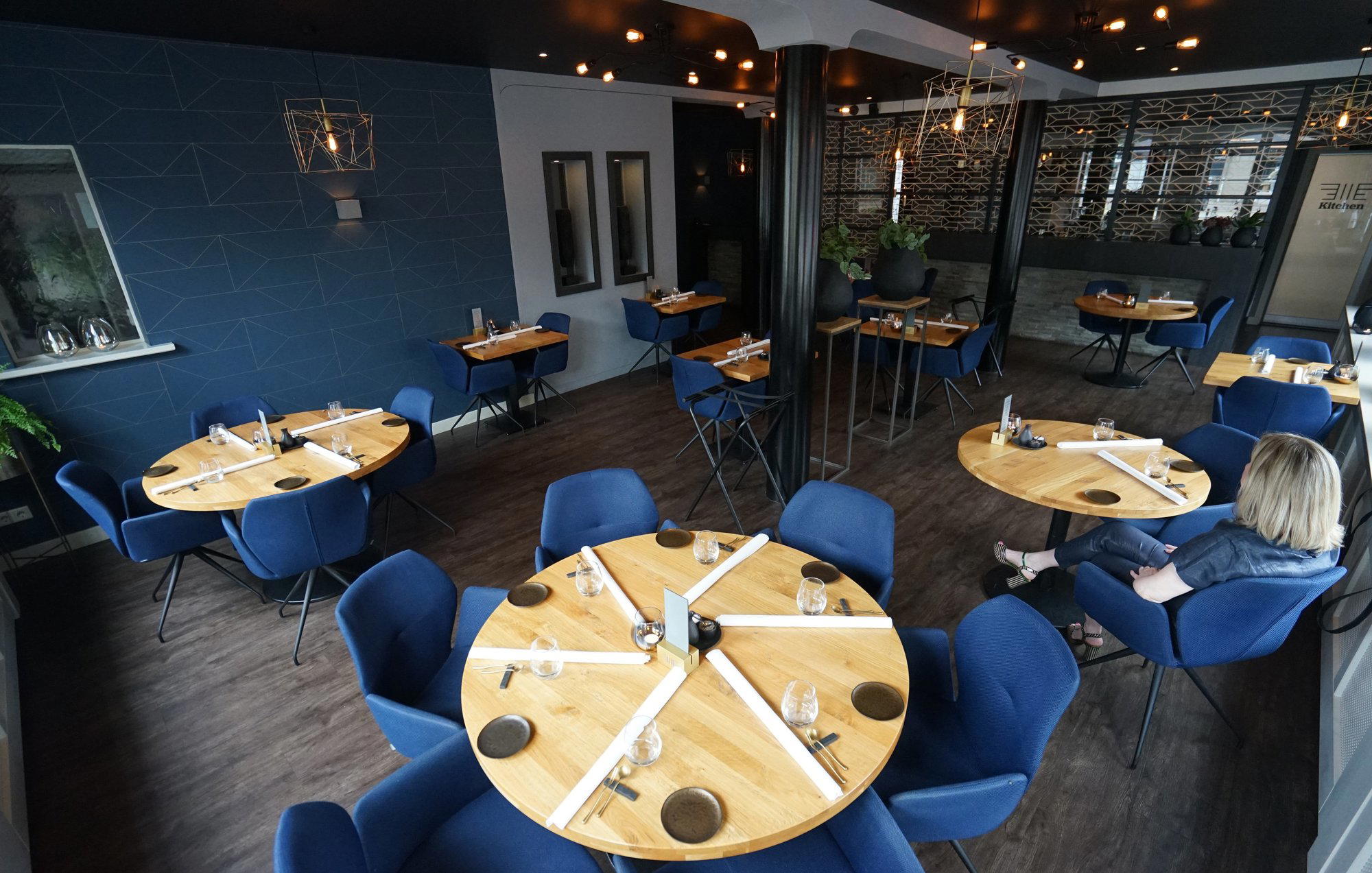
Where Rural Brabant Meets the Table
Kerkstraat in Reusel is a quiet village address by any measure. The street runs through the centre of a small Noord-Brabant community, far from the concentrated dining circuits of Amsterdam or Rotterdam, and that distance is part of what gives venues here a particular character. In a region where agriculture is not background scenery but a functional economic reality, the relationship between kitchen and land tends to be direct and unglamorous in the leading sense: produce arrives not because a chef has curated a supplier list for aesthetic reasons, but because the farms are nearby and the supply chain is short.
This kind of rural positioning is more common in the Netherlands than its urban dining reputation suggests. Some of the country's most ingredient-focused kitchens operate in villages and small towns, away from the overhead and expectations of city dining. De Groene Lantaarn in Staphorst and Brut172 in Reijmerstok are two examples of kitchens that have built serious reputations while operating in communities whose populations number in the low thousands. The pattern is consistent enough to constitute a category: Dutch fine dining with a rural address and a regional sourcing logic.
The Noord-Brabant Sourcing Context
Noord-Brabant occupies a distinctive position in Dutch food geography. The province borders Belgium to the south, carries a strong Catholic cultural heritage, and has historically produced a more ingredient-rich, fat-forward cooking tradition than the Protestant north. Pork products, dairy, root vegetables, and river fish have all been central to Brabant cooking for centuries. Contemporary kitchens in the region draw on that tradition selectively, often pairing classical Brabant ingredients with more technically ambitious preparation.
The sourcing logic in this part of the Netherlands is also shaped by proximity to Belgian culinary culture, where ingredient provenance has long been taken seriously at both the professional and domestic level. Kitchens in border-region villages like Reusel sit at the intersection of two food cultures, and strong examples among them use that position to access a wider range of local producers than a purely Dutch or purely Belgian kitchen might.
Comparable ingredient-forward approaches in the wider Dutch scene appear at venues like De Nieuwe Winkel in Nijmegen, which has built its identity almost entirely around organic sourcing, and De Lindenhof in Giethoorn, where creative cooking is anchored in regional produce. Both operate with a clarity of sourcing purpose that rural kitchens in the Netherlands increasingly share.
Reading a Village Address in Dutch Fine Dining
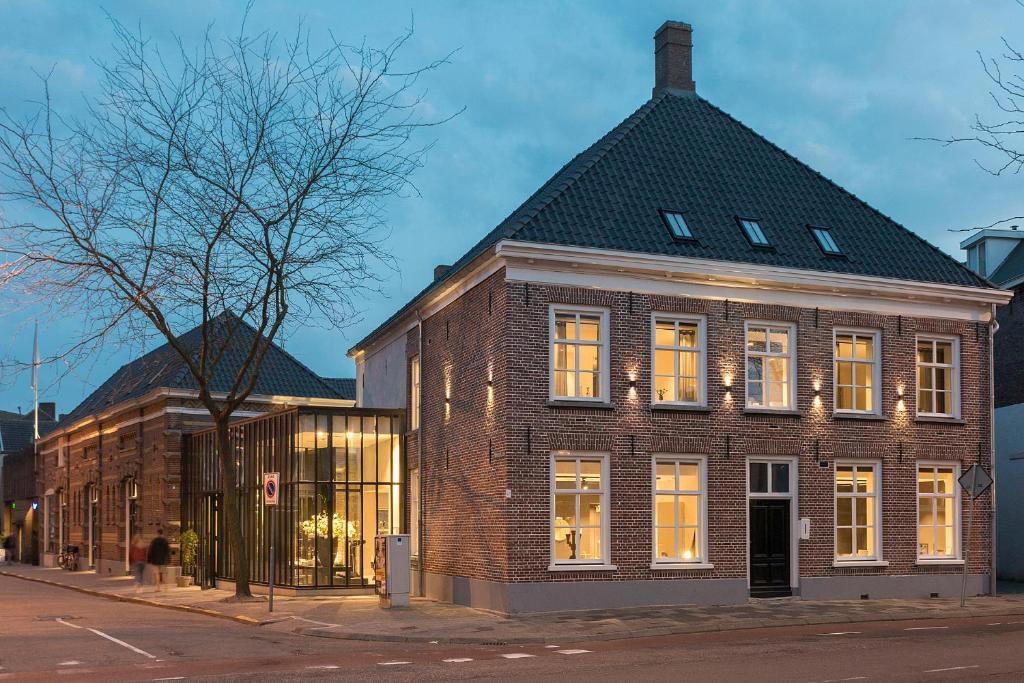
For visitors approaching from Eindhoven, the nearest major city, the drive south towards Reusel takes roughly thirty minutes through flat Brabant countryside. The village itself has a population of around 4,000, and Kerkstraat 38 sits in the kind of central village location that is unremarkable by local standards and immediately legible as a destination address to anyone who has followed Dutch fine dining out of the cities.
The broader Dutch dining map rewards this kind of geographical patience. De Librije in Zwolle, Inter Scaldes in Kruiningen, and De Lindehof in Nuenen are all examples of Michelin-recognised kitchens that require a deliberate journey. The willingness to travel is, in a sense, part of the format: you go because the destination justifies the distance, and the distance itself reduces casual footfall to a minimum.
Venues operating in this register tend to have lower seat counts and more controlled pacing than their urban equivalents. The kitchen is not managing table turns under pressure from a high-cost address. That structural difference allows for a different relationship with ingredients: longer preparation times, more labour-intensive techniques, and a menu that can change with producer availability rather than customer expectation.
Positioning Within the Dutch Creative Dining Tier
The Netherlands has developed a recognisable tier of creative, ingredient-led restaurants operating outside the major metropolitan centres. At the higher end of this tier, venues like Tribeca in Heeze and De Treeswijkhoeve in Waalre demonstrate that Brabant in particular has become a reliable region for serious cooking at a remove from Amsterdam's more visible dining scene. Ciel Bleu in Amsterdam and FG in Rotterdam represent the metropolitan end of that same tier, with all the booking pressure and price positioning that urban locations imply.
Internationally, the model of serious cooking anchored in local sourcing and a rural or small-town setting has well-documented precedents. Lazy Bear in San Francisco built its reputation partly on a communal dining format that prioritised ingredient story over restaurant theatre. Le Bernardin in New York City represents the opposite end of the spectrum: urban, formal, and sourcing-obsessed in a different register. The rural Dutch model sits closer to the former in spirit, if not in format.
Planning a Visit to Reusel
Reusel is most practically accessed by car. Public transport connections to the village are limited, and a visit from Eindhoven by road is one direct approach for those travelling from within the Netherlands. From Belgium, the border crossing near Eersel or Hapert adds relatively little time to a drive from Antwerp or Turnhout. Visitors combining Bochica with broader Brabant dining should note that Aan de Poel in Amstelveen, 't Nonnetje in Harderwijk, and Central Park in Voorburg represent alternative destinations within the Dutch creative dining circuit. Our full Reusel restaurants guide covers the local context in more detail for those planning a broader visit to the area. De Bokkedoorns in Overveen offers a further point of reference for Michelin-level dining outside the major Dutch cities.
At-a-Glance Comparison
Comparable venues nearby, for context on price, style, and recognition.
| Venue | Cuisine | Price | Notes |
|---|---|---|---|
| BochicaThis venue — the venue you are viewing | Seasonal Tasting Menu | $$$ | Not listed |
| Somewhere in the Middle | Craft Cocktails | $$$ | Binnenstad |
| Landgoed Heerdeberg | Dutch Farm-to-Table | $$$ | Cadier en Keer |
| Shakerato | Cocktail Bar | $$$ | Vondelparkbuurt Oost |
| Dèsa | Authentic Indonesian Rijsttafel | $$$ | Sarphatiparkbuurt |
| Rondo Restaurant | Modern European Fine Dining | $$$ | Planciusbuurt |
At a Glance
- Cozy
- Intimate
- Modern
- Date Night
- Special Occasion
- Open Kitchen
- Extensive Wine List
- Farm To Table
- Local Sourcing
Current opening hours
- Monday
- Closed
- Tuesday
- Closed
- Wednesday
- 6–10 PM
- Thursday
- 6–10 PM
- Friday
- 6–10 PM
- Saturday
- 6–10 PM
- Sunday
- 5–10 PM
Hours can change for holidays and private events. Last verified .
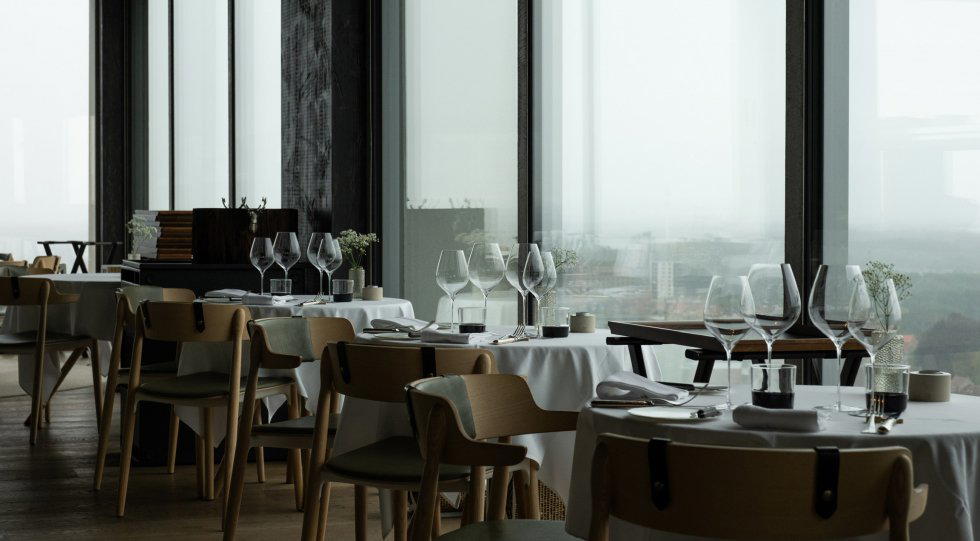
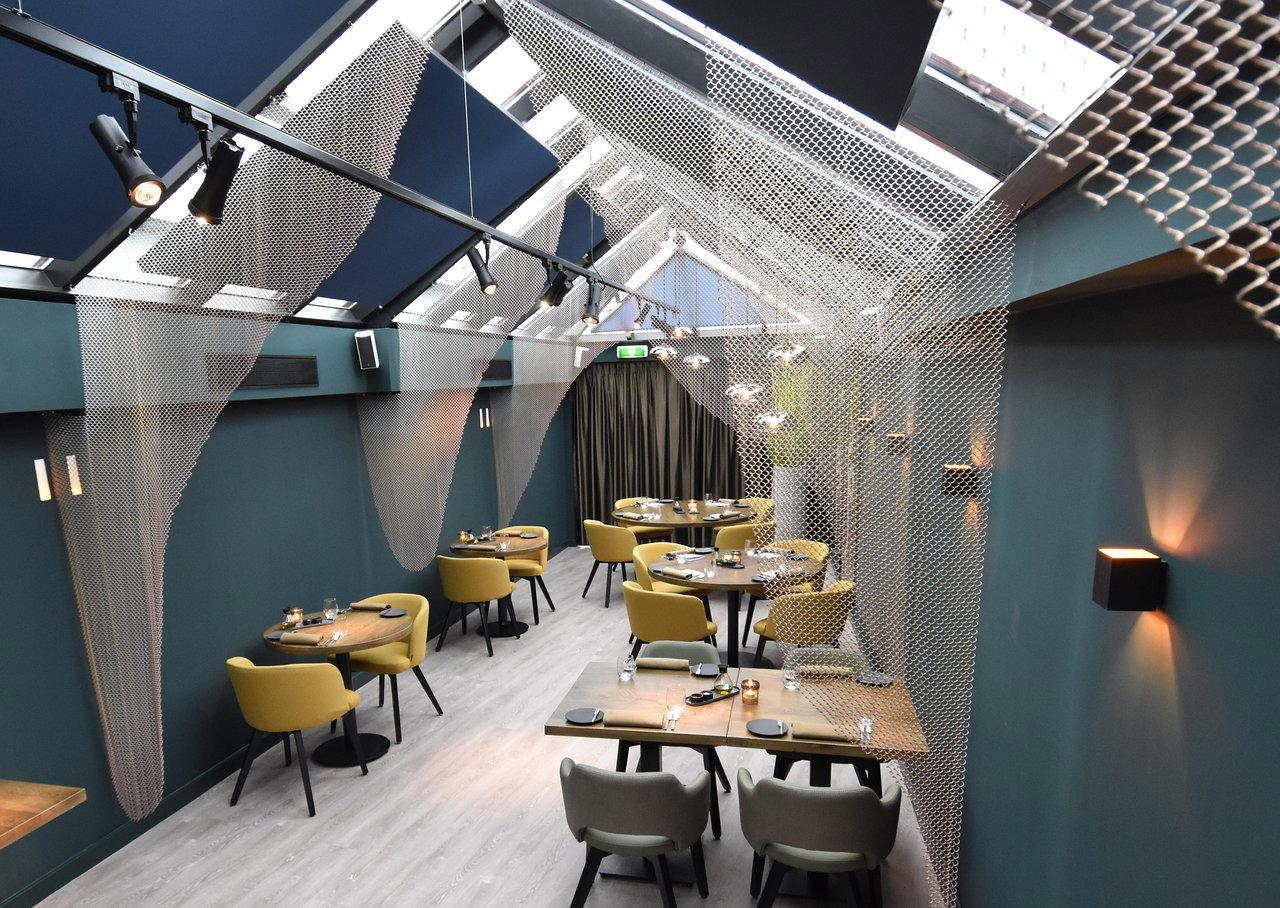
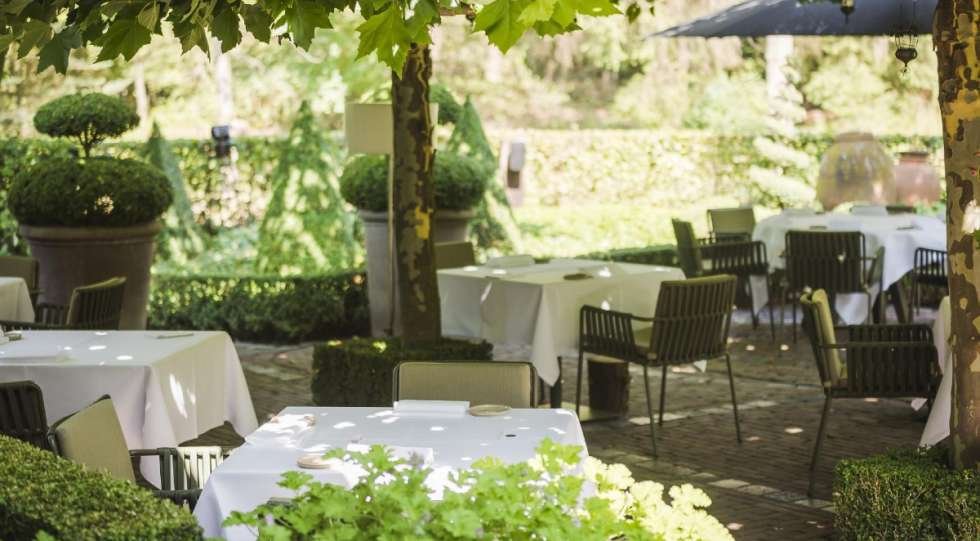
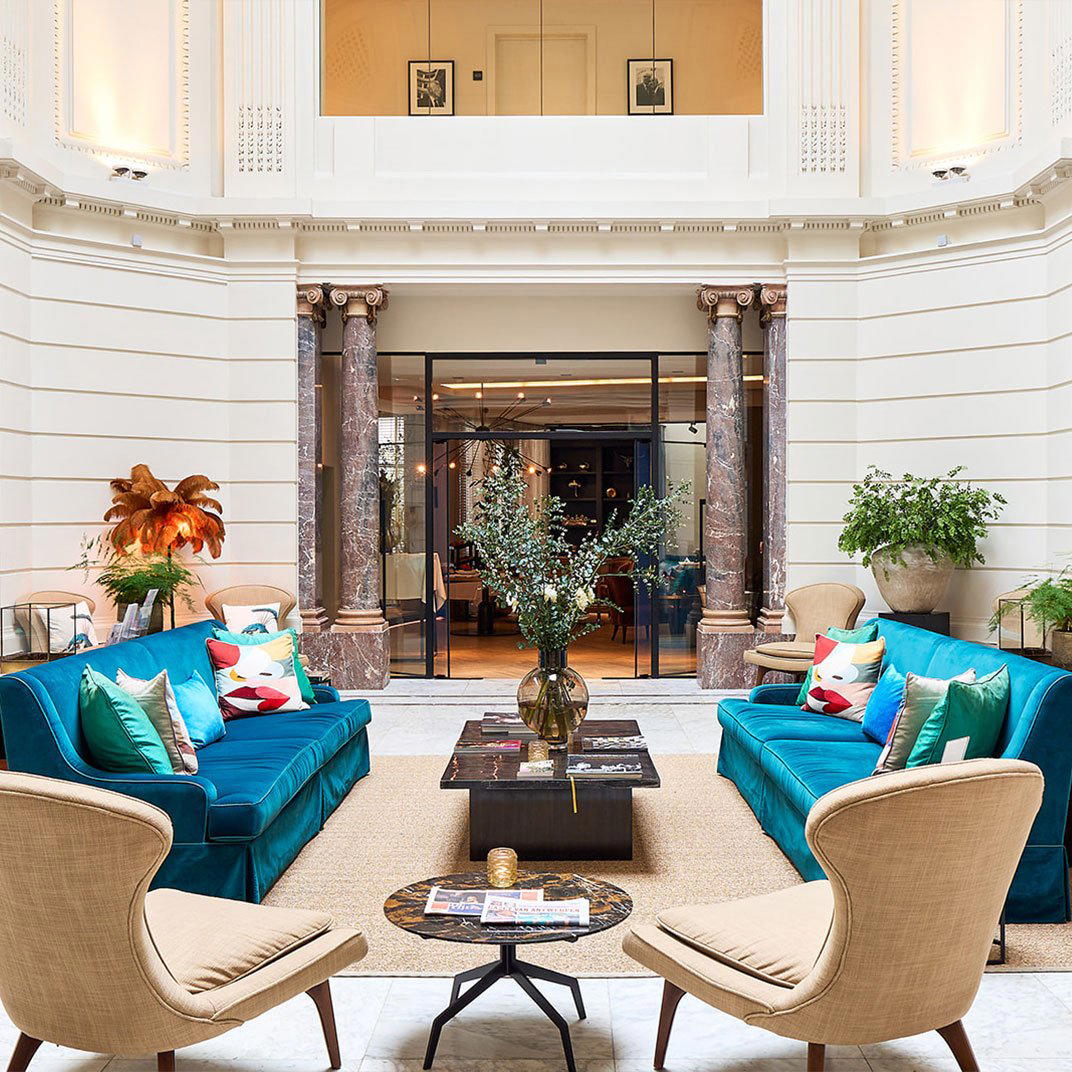
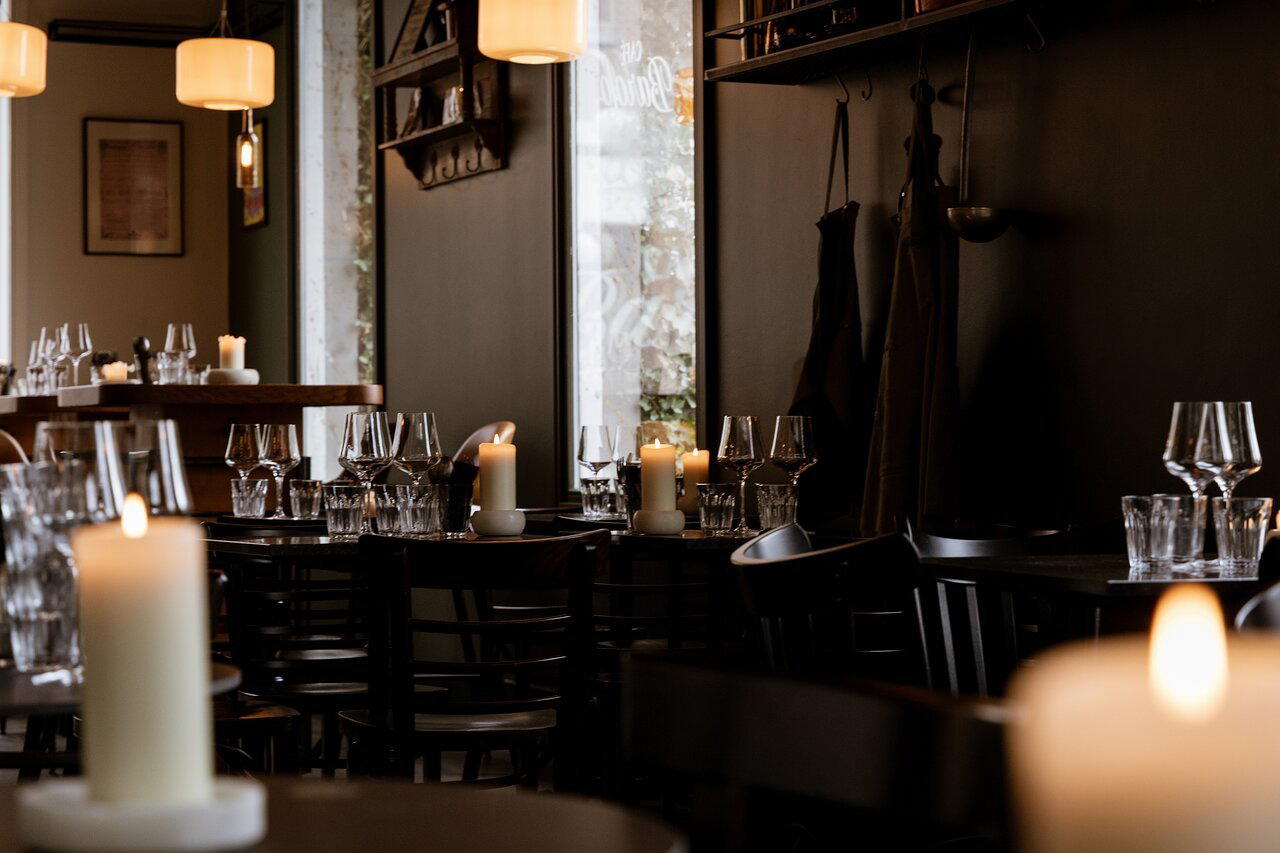
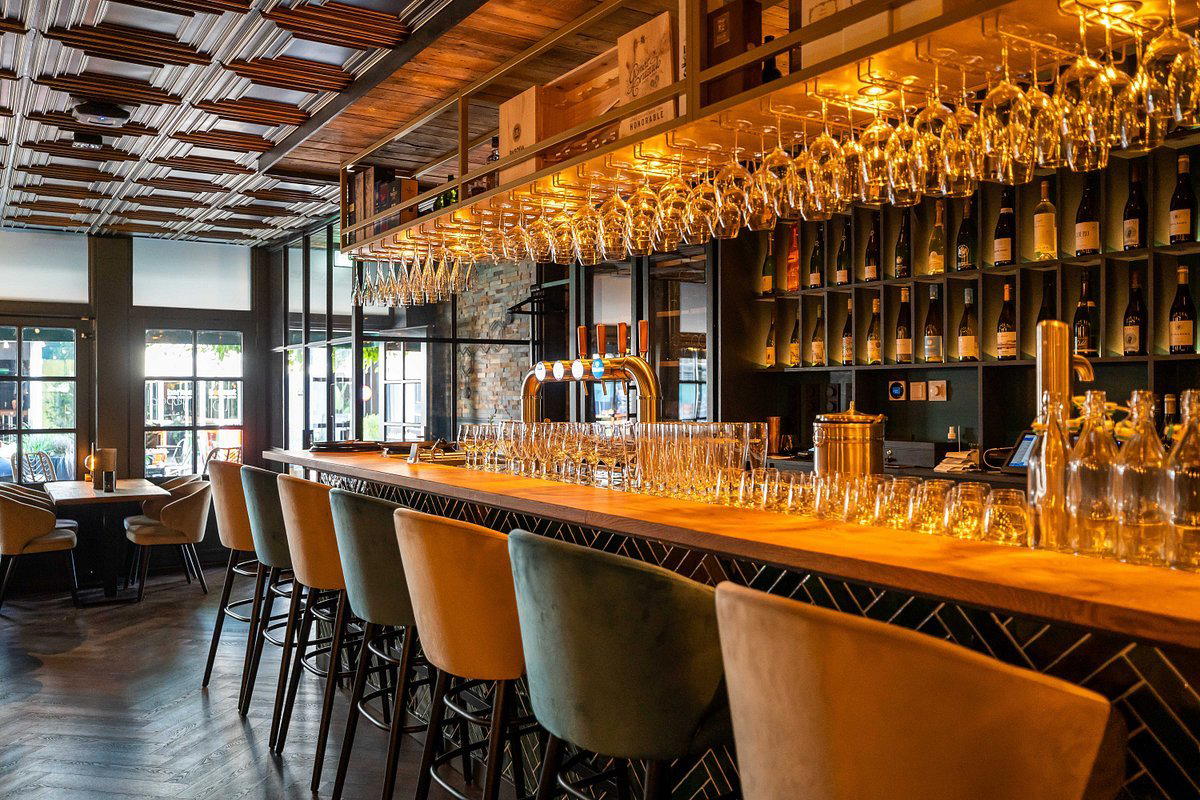
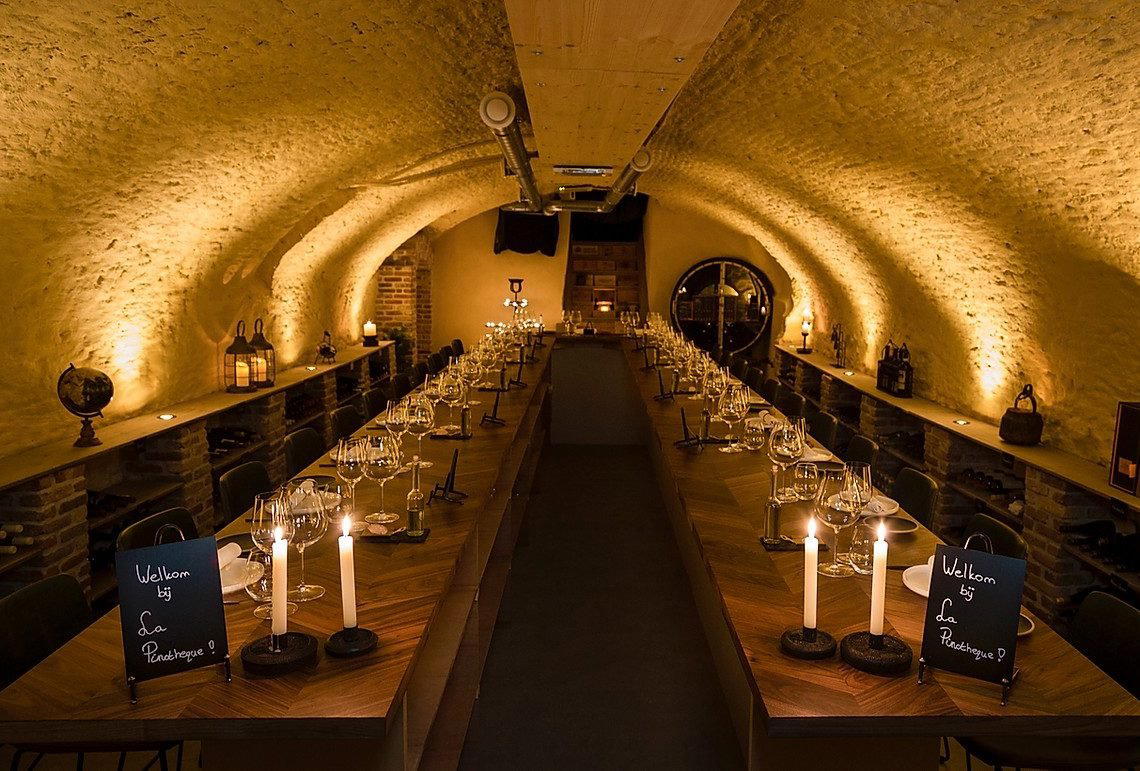
Intiem verlichte (intimately lit) atmosphere that is cozy and welcoming without being posh.