Bocadillo Market
Bocadillo Market sits on West Grand Avenue in Chicago's Noble Square corridor, occupying a stretch of the city where casual formats and serious cooking routinely share the same block. The address alone places it inside a dining conversation that extends well beyond its neighborhood, and the format rewards visitors who approach it as a starting point rather than a destination in isolation.
Pearl is the En Primeur Club membership app — saves, bookings, and concierge access live there. Same editors, same standards.
- Address
- 1117 W Grand Ave Ste1, Chicago, IL 60642
- Phone
- +13129292167
- Website
- bocadillomarket.com
- Directions
- Get directions
 Saves & bookings on Pearl
West Grand Avenue and the Logic of Casual Serious Eating
Noble Square has spent the better part of a decade becoming one of Chicago's more interesting addresses for daytime and early-evening eating. The strip along West Grand Avenue sits between the industrial-residential textures of Ukrainian Village and the denser commercial energy of River West, and it has attracted a cohort of operators who treat the casual format as a discipline rather than a compromise. Bocadillo Market, at 1117 W Grand Ave, lands inside that tradition. The address fits the part of the city, which has consistently supported places that do not require a reservation but reward the kind of attention visitors usually reserve for tasting-menu rooms.
Across American cities, one interesting shift in dining over the past decade has not happened at the summit of the price scale. It has happened in the middle register, where operators trained in serious kitchens chose formats that allow for repetition, iteration, and direct customer contact. Chicago has been particularly productive ground for this pattern, producing counter-service and market-style operations that sit comfortably in conversation with the city's more decorated establishments.
The Arc of a Meal at Bocadillo Market
The bocadillo as a format carries its own logic. In Spanish tradition, the sandwich built on a baguette-style roll is less about indulgence and more about structural integrity, the ratio of filling to bread is a technical question, not an afterthought. Markets that organize around this format in an American context tend to function as edited menus rather than exhaustive ones: the choice is narrowed on purpose, and the progression from arrival through ordering through eating follows a tighter arc than a full-service restaurant allows.
That compressed tasting arc is worth taking seriously. At Bocadillo Market, the sequence begins before the order is placed. The market format means you are reading a menu that has already made decisions for you, the ingredient combinations on offer reflect choices about sourcing, balance, and what the kitchen believes holds up across a service period. This is a different editorial act than a chef's tasting menu at Smyth or the structured progression at Alinea, but it is not an unrelated one. Both formats demand that the kitchen commit to a point of view before the guest arrives.
The middle section of the meal, the sandwich itself, is where the bocadillo format either justifies its premise or collapses into it. Bread quality is load-bearing in a way that plating rarely is in a full-service context. A roll that cannot hold moisture without disintegrating, or one that overwhelms rather than supports the filling, renders the rest irrelevant. This is the same principle that governs the sourcing decisions at places like Blue Hill at Stone Barns, where the ingredient beneath the ingredient is the actual subject. At the market scale, it simply plays out in a more compressed register.
The close of the meal, the moment after the last bite, is where the bocadillo format can surprise. A well-constructed sandwich eaten in an environment that takes its own premise seriously tends to produce a different kind of satisfaction than a multi-course progression. It is more immediate and less ceremonial, which suits a particular kind of eater and a particular kind of afternoon in a city as food-dense as Chicago.
Where Bocadillo Market Sits in Chicago's Broader Eating Order
Chicago's premium dining tier is populated by restaurants that have made international reputations in the tasting-menu format. Oriole and Next Restaurant occupy that upper bracket, as does Kasama, which has brought the Filipino tasting-menu conversation to a national audience. These are long-reservation, high-commitment experiences that demand a different kind of planning.
The restaurant operates at the other end of that spectrum, and the comparison is not meant to diminish it. Across the country, particularly durable casual formats have been those that drew on the same culinary seriousness as their full-service counterparts without replicating the format. Lazy Bear in San Francisco and Emeril's in New Orleans both represent versions of the argument that format and ambition need not be synonymous. The restaurant's position on West Grand Avenue suggests a similar conviction operating at a different price point and scale.
The comparison set for a market-format sandwich shop is also national. Spanish-inflected counter operations have proliferated in cities from New York to Los Angeles, and the better ones have staked out specific positions within their neighborhoods rather than attempting to compete across the full dining spectrum. The restaurant's Noble Square address is a positioning choice as much as a practical one: the neighborhood supports a customer who is not looking for the ceremony of The French Laundry or the technical ambition of Providence in Los Angeles, but who is not indifferent to quality either.
That middle position is one competitive one in American dining right now, and the operators who hold it successfully tend to be those with the clearest sense of what they are and are not trying to do. The bocadillo format, with its Spanish origins and its structural demands, is a clear enough thesis. The restaurant's appeal lies in that clear format and the discipline it demands from the kitchen.
Chicago in a Wider American Context
Chicago consistently punches above its weight in the casual-serious eating category, and Noble Square is one of the neighborhoods that explains why. The city's dining culture has always been more permissive about format than New York or San Francisco, which has allowed market and counter concepts to develop without the pressure to migrate upmarket that tends to distort them in higher-rent corridors. Visitors turning attention to Chicago's less formal registers will find Noble Square a productive starting point. The neighborhood rewards walking, and the density of options along West Grand means a single afternoon can cover multiple registers of the city's eating culture without requiring the advance planning of a tasting-menu booking.
For readers who want to place Chicago's casual eating within an international frame, the bocadillo tradition itself provides a clear reference point. Spanish bar and market culture has influenced casual-serious eating across Europe and, increasingly, across North America. Restaurants like Atelier Moessmer Norbert Niederkofler in Brunico and Atomix in New York City represent the far end of the ambition spectrum, but the logic of a tightly edited menu built around a specific cultural format connects them, at some level, to what a well-run the restaurant is attempting on a Chicago side street.
At-a-Glance Comparison
Comparable venues nearby, for context on price, style, and recognition.
| Venue | Cuisine | Price | Notes |
|---|---|---|---|
| Bocadillo MarketThis venue — the venue you are viewing | Modern Spanish Tapas & Paella | $$$$ | Not listed |
| Tavern On Rush | Contemporary American Steakhouse | $$$$ | Gold Coast |
| SHŌ Omakase | Modern Japanese Omakase | $$$$ | Old Town |
| Class Act | Avant-Garde Fusion Tasting Menu | $$$$ | Bucktown |
| Brasero | Wood-Fired Latin American | $$$$ | West Town |
| Butcher and the Bear | Modern Steakhouse Speakeasy | $$$$ | Lincoln Park |
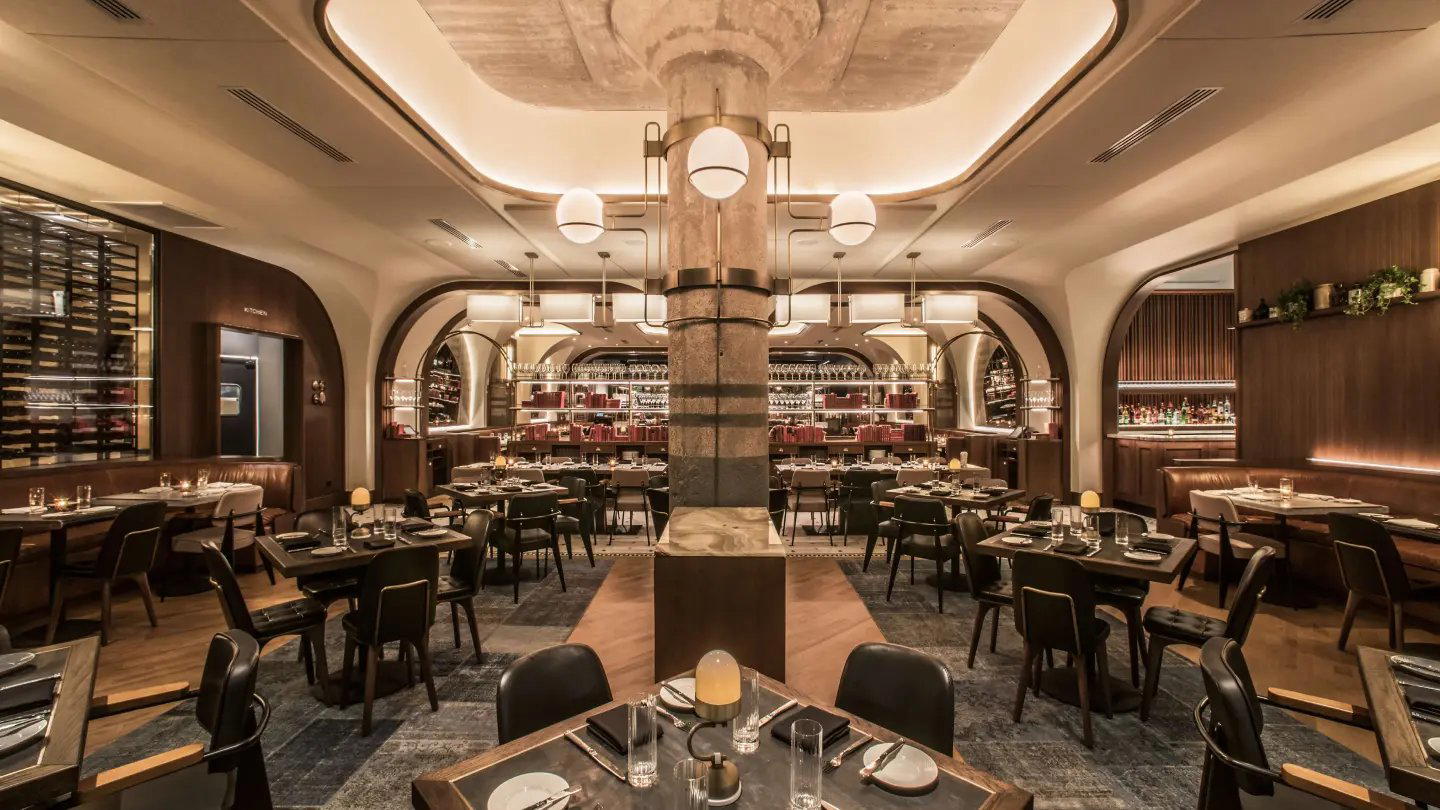
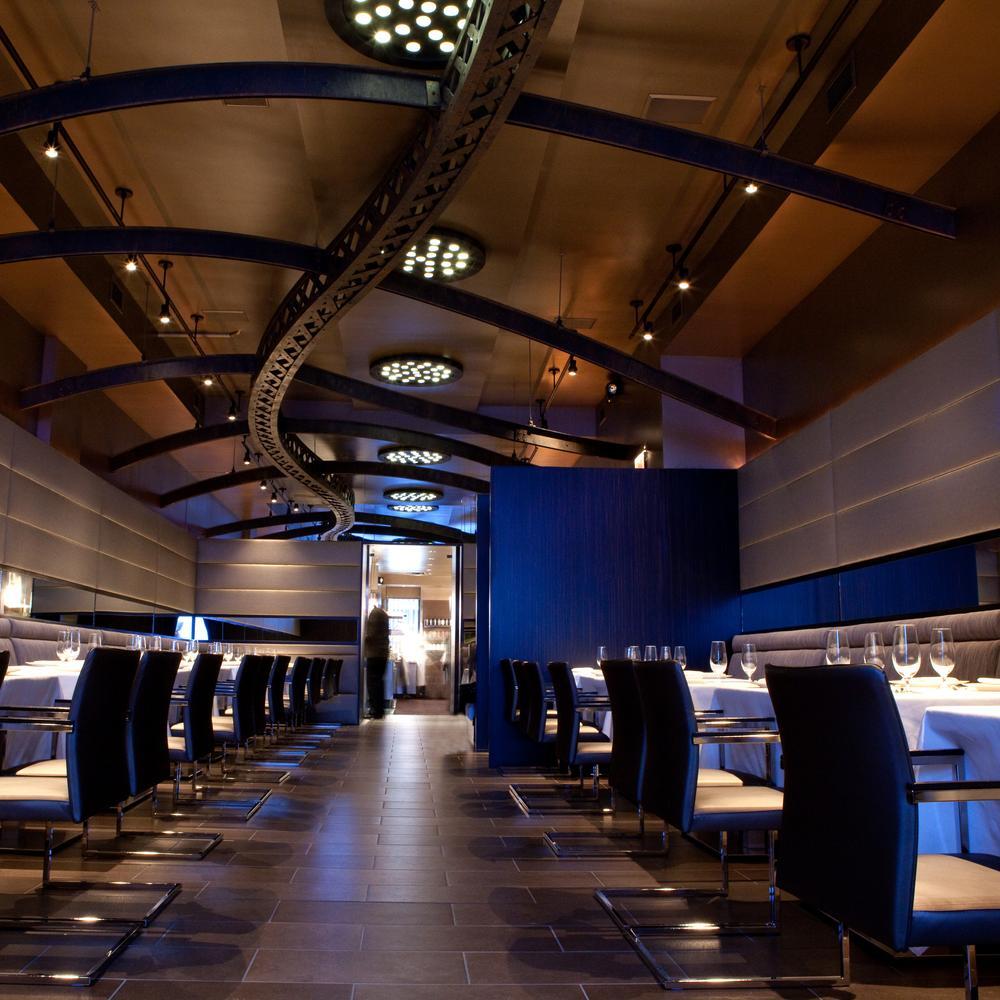
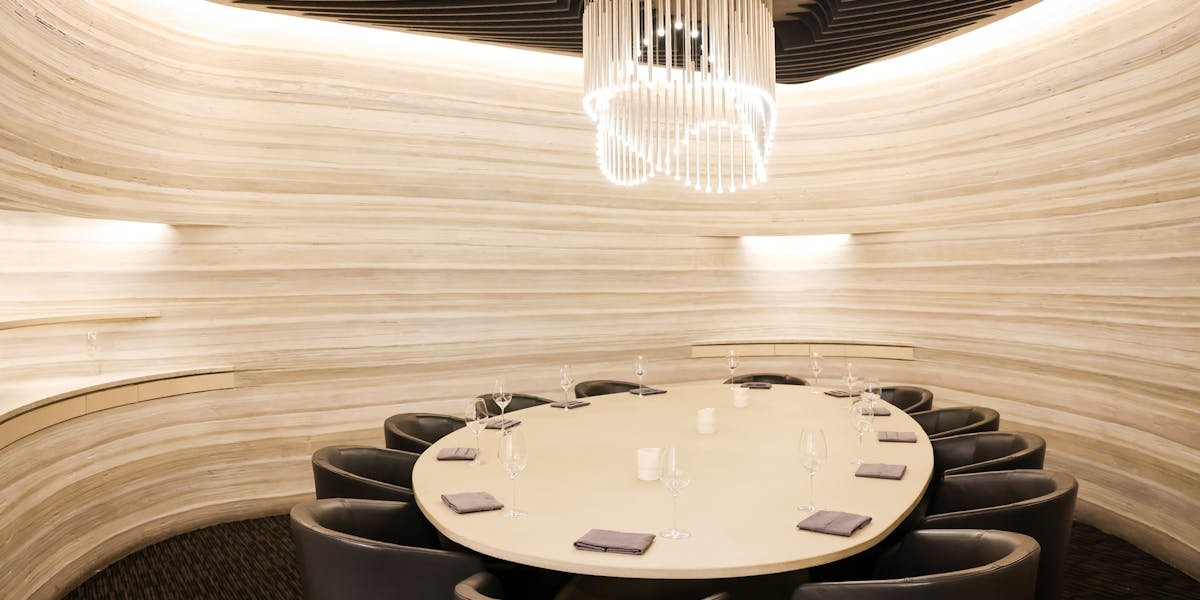


At a Glance
- Trendy
- Intimate
- Modern
- Special Occasion
- Group Dining
- Open Kitchen
- Byob
Current opening hours
- Monday
- 8 AM–4 PM
- Tuesday
- Closed
- Wednesday
- Closed
- Thursday
- 8 AM–4 PM
- Friday
- 8 AM–4 PM, 7–9 PM
- Saturday
- 8 AM–4 PM, 7–9 PM
- Sunday
- 8 AM–4 PM
Hours can change for holidays and private events. Last verified .
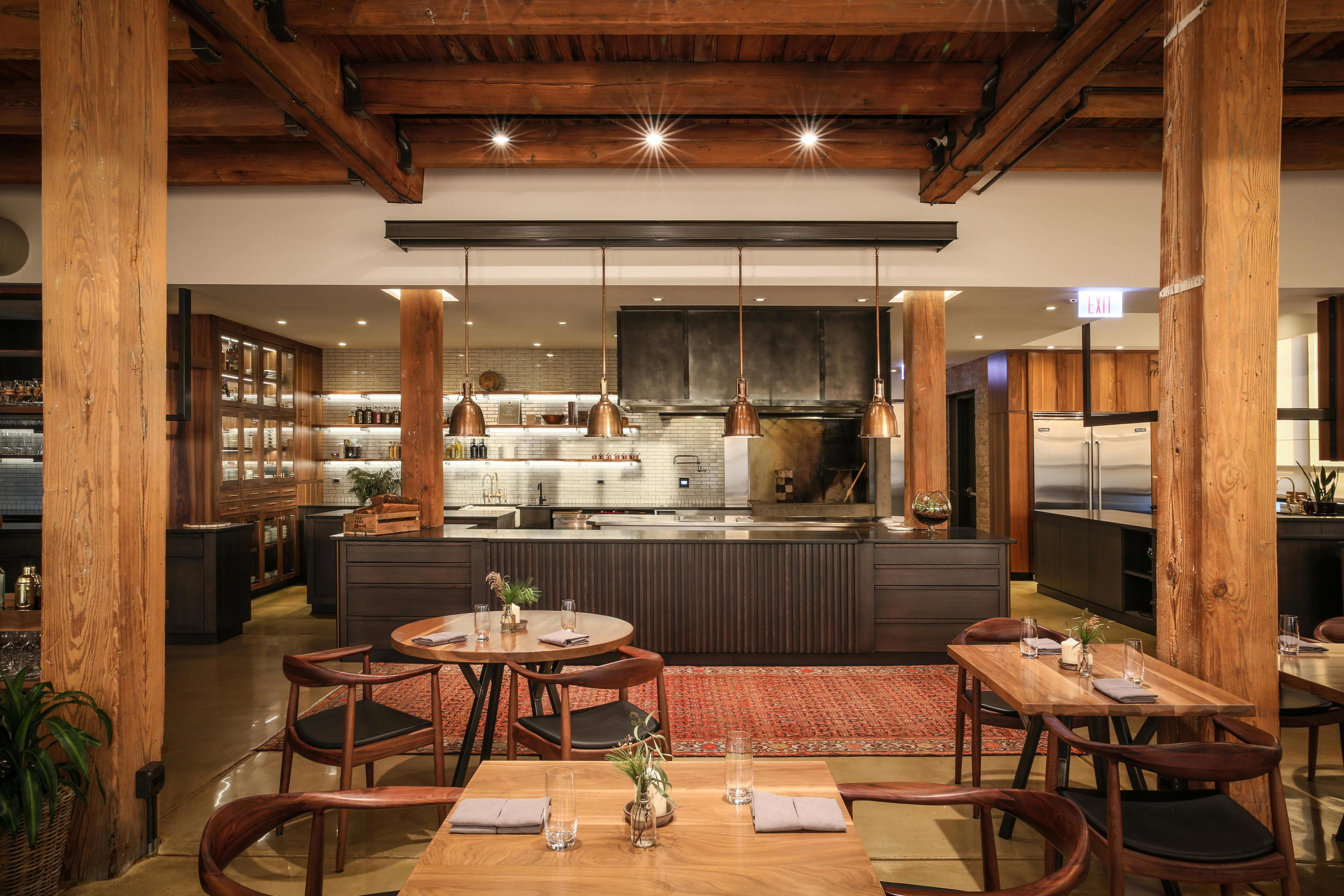
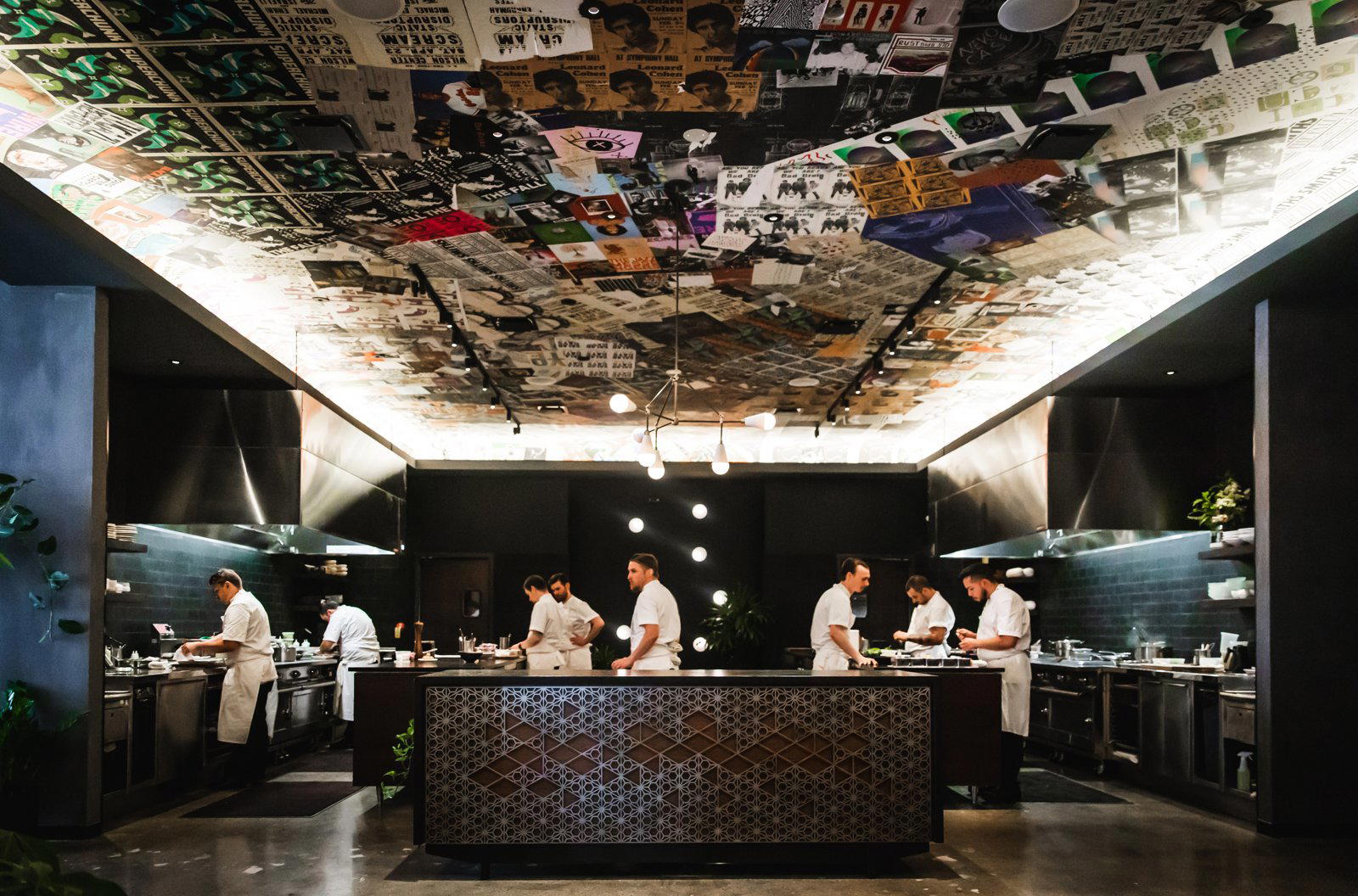
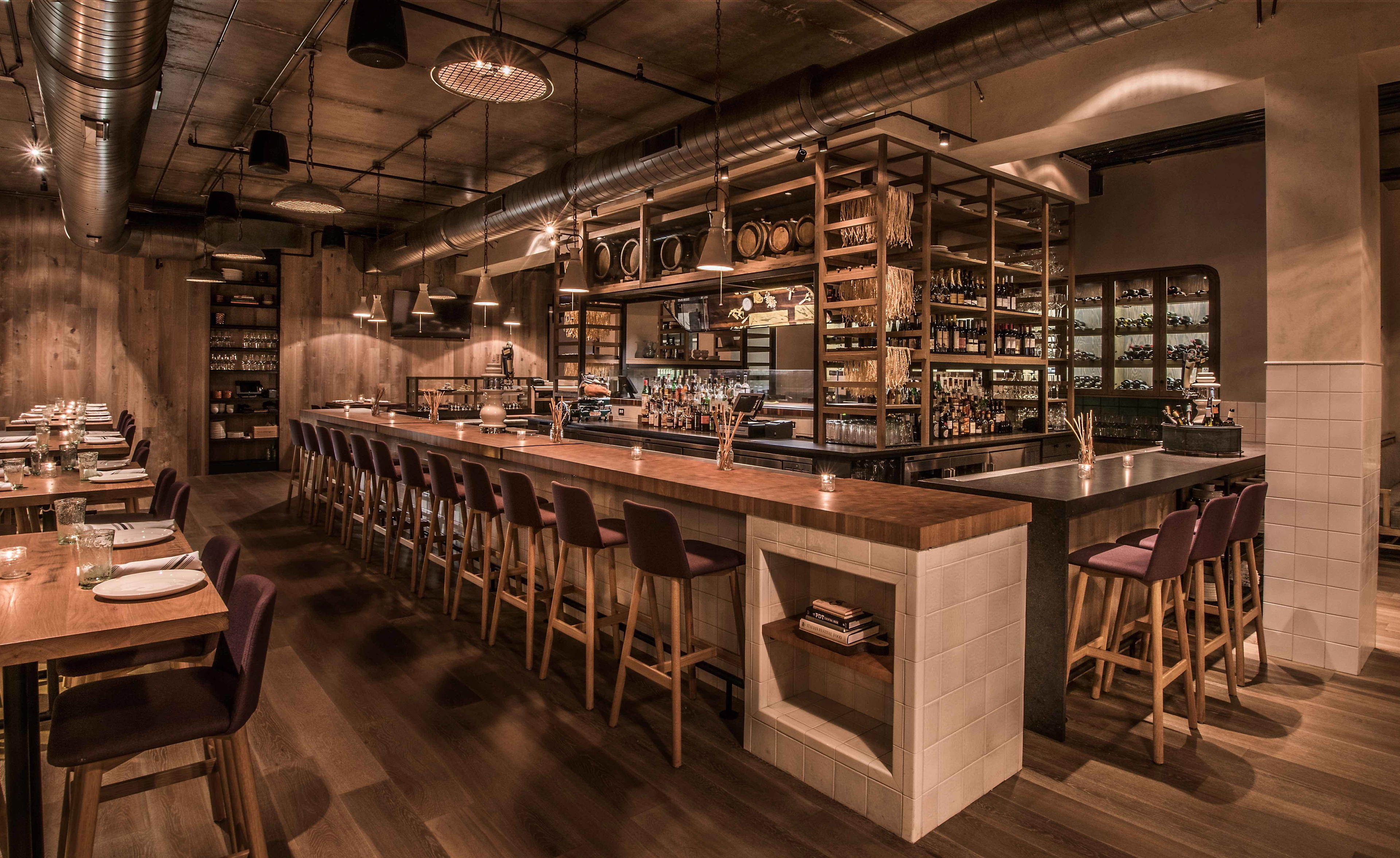
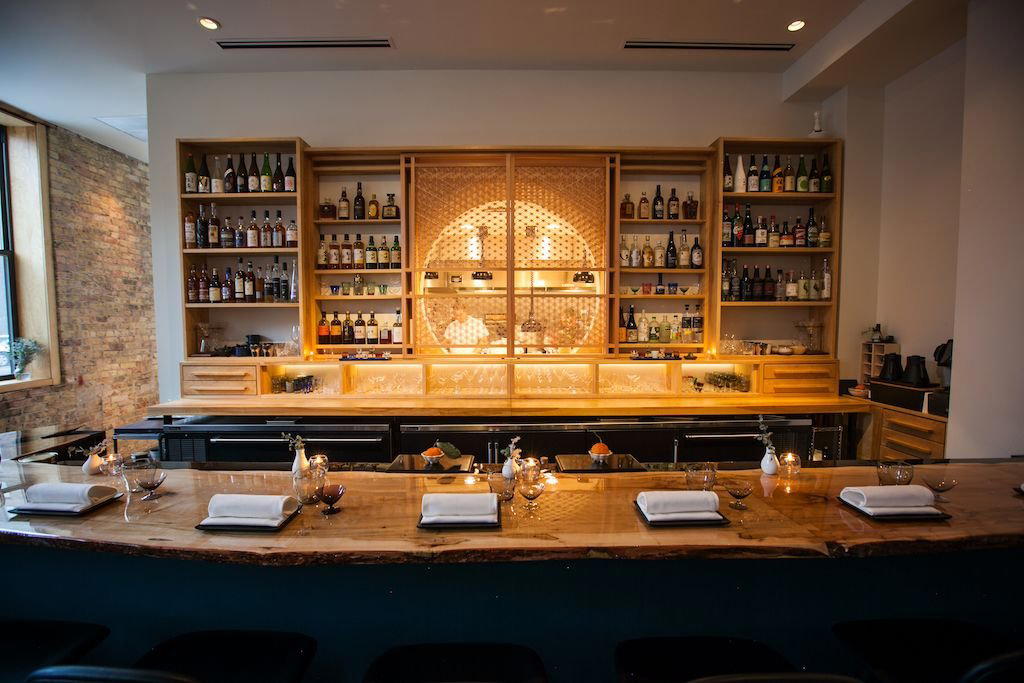
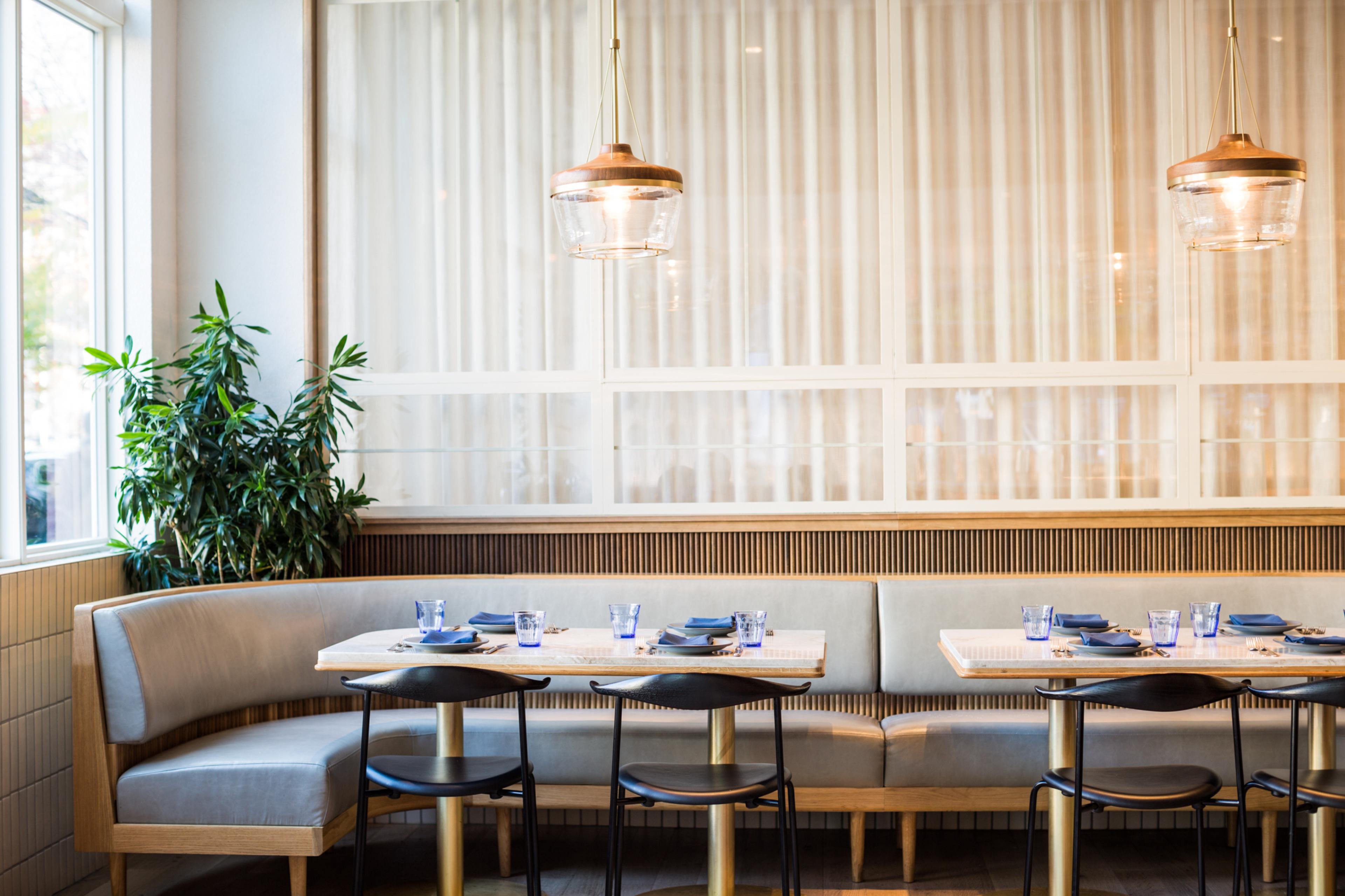
Cozy jewel box cafe by day transforming into an intimate, communal dining space with warm, conversational atmosphere for multicourse dinners.