Butcher and the Bear
On North Halsted in Lincoln Park, Butcher and the Bear occupies a specific register of Chicago dining where the ritual of the meal carries as much weight as what arrives on the plate. The address places it in a neighbourhood with a settled, local-first character, distinct from the downtown fine-dining corridor where venues like Alinea and Smyth operate. For Chicago restaurants at this level, the dining format and pacing are the product, as much as the food itself.
Pearl is the En Primeur Club membership app — saves, bookings, and concierge access live there. Same editors, same standards.
- Address
- 2721 N Halsted St, Chicago, IL 60614
- Phone
- +13129550306
- Website
- butcherandthebear.com
- Directions
- Get directions
 Saves & bookings on Pearl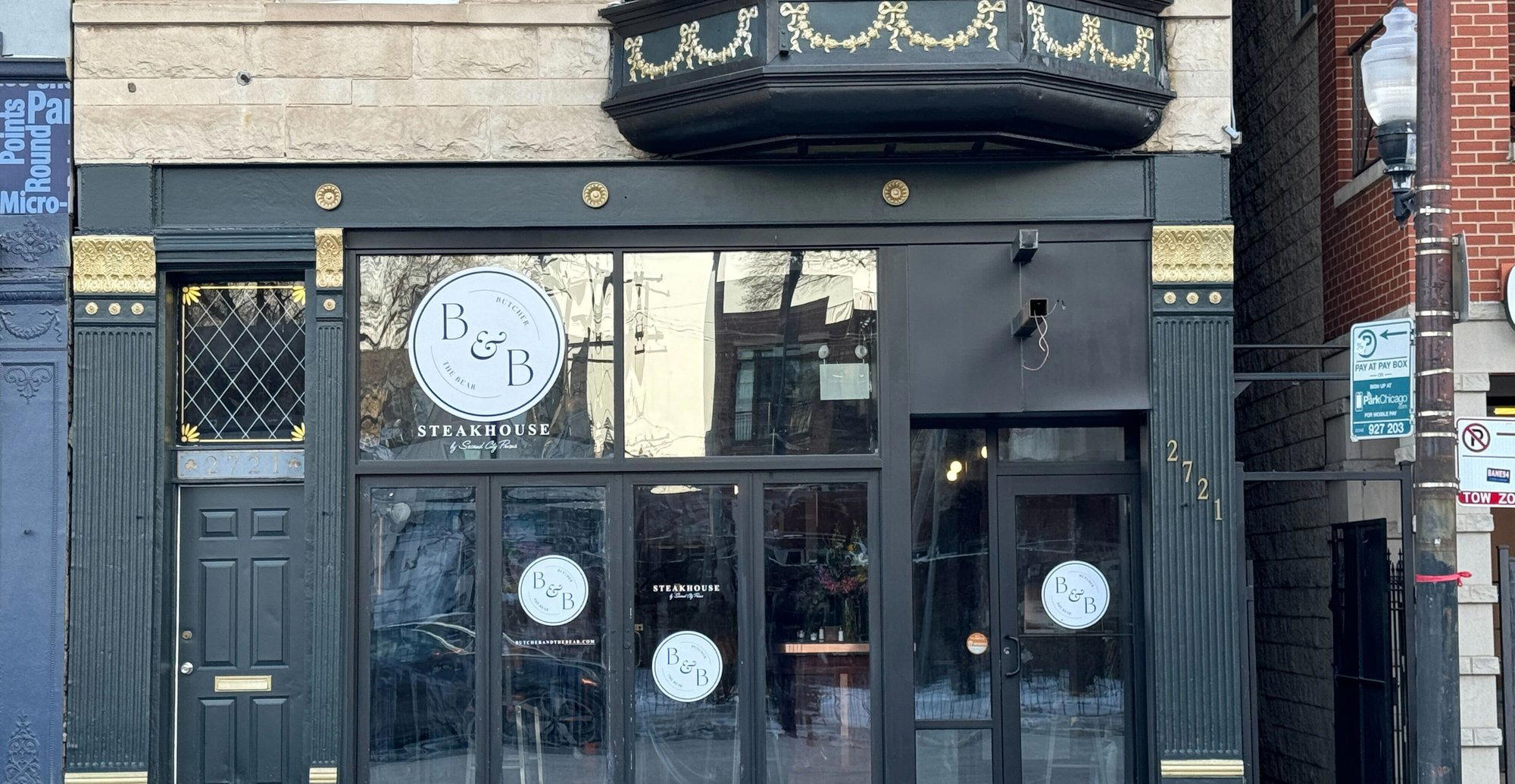
Lincoln Park and the Dining Ritual
Butcher and the Bear is a restaurant in Chicago, in Lincoln Park on North Halsted Street. The River North corridor carries the volume; the West Loop now holds much of the critical attention; but Lincoln Park has long maintained a quieter, more residential dining identity. On North Halsted Street, that character holds. The blocks around 2721 are not destination-dining territory in the way that the West Loop has become, they function more like the kind of neighbourhood where a serious restaurant can develop a local following without the pressure of tourist foot traffic or proximity to hotel dining clusters.
That context shapes expectations. Venues in this part of the city tend toward a certain directness of experience: the room is the room, the meal is the meal, and the performance of hospitality is compressed into the interaction between kitchen and table rather than into spectacle or theatrical service rituals. Butcher and the Bear sits in a different register, where the ritual is more intimate and less engineered.
The Shape of the Meal
The name signals a specific orientation: butchery-forward cooking, with its emphasis on animal knowledge, cut selection, and the kind of precision that comes from working close to the source. This is a tradition with deep roots in American cooking, and it has found renewed expression over the past decade as the farm-to-table movement matured into something more technically serious. At that level, the dining ritual becomes structured around the agricultural calendar as much as the kitchen's repertoire.
At Butcher and the Bear, the address on North Halsted places it in a different context: a city neighbourhood rather than a pastoral setting, which means the sourcing story, if present, is one component of the meal's identity rather than its entire frame. Chicago has a strong tradition of urban meat-focused restaurants operating at various price tiers, from the old-school steakhouse format that the city is historically associated with, to newer, more European-influenced approaches to whole-animal cookery. The name suggests the latter orientation, a knowing reference to the collaborative relationship between butcher and beast rather than the industrial supply chain that defines lower-tier meat cooking.
For the diner, this kind of format tends to organize the meal around a different sequence than a tasting-menu restaurant. The choices carry more weight; the pacing is less prescribed; the relationship with the server, who must translate the logic of the cuts and preparations, becomes more central. This is dining as dialogue rather than performance, a format that rewards the curious guest who engages rather than the passive one who observes.
Chicago's Competitive Set at This Address
Positioning the restaurant within Chicago's broader dining scene requires acknowledging what surrounds it in the city's critical conversation. Smyth and Oriole represent the tasting-menu tier with Michelin recognition. Kasama has brought a distinct Filipino-American sensibility to the top tier. These are venues where the format is fixed and the experience is fully choreographed. The restaurant operates in a space where the diner's agency is more present, where the structure of the meal is partly determined by what you choose, not only by what the kitchen decides to send.
That distinction matters for the kind of evening you're constructing. A reservation here is a different social contract than one at the city's tasting-menu houses. The meal is built around your participation in it. For groups with strong individual preferences, or for diners who find the locked-in nature of omakase and tasting formats constraining, the butchery-forward à la carte register offers more room to negotiate the experience.
Nationally, this type of restaurant occupies an interesting position. It is not as formally ambitious as The French Laundry in Napa or Le Bernardin in New York. It is closer in spirit to something like Lazy Bear in San Francisco, where the format is communal and the social dimension of eating is foregrounded, or Emeril's in New Orleans, where the product-forward approach and regional identity are the primary statements. Providence in Los Angeles, Addison in San Diego, and The Inn at Little Washington represent more formal, European-inflected American fine dining; the restaurant is positioned further from that register and closer to the serious-but-approachable middle of the American restaurant spectrum.
Internationally, the comparison points shift. Atelier Moessmer Norbert Niederkofler in Brunico represents the European tradition of terroir-driven cooking at the highest technical level; Atomix in New York shows how a non-Western culinary tradition can operate at the tasting-menu summit. The restaurant makes its argument from a different premise: that American meat cookery, taken seriously and applied with discipline, is its own coherent tradition deserving of a considered dining ritual.
Frasca Food and Wine in Boulder offers a useful comparison point for how a serious neighbourhood restaurant outside a major metro can develop deep local roots without losing critical credibility, a trajectory that Lincoln Park restaurants often follow.
Know Before You Go
- Address: 2721 N Halsted St, Chicago, IL 60614
- Neighbourhood: Lincoln Park, North Side Chicago
- Format: Reservations are recommended. Hours: Tue to Thu 4-9 PM, Fri to Sat 4-10 PM, Sun 4-8 PM; closed Monday.
A Tight Comparison
Comparable venues nearby, for context on price, style, and recognition.
| Venue | Cuisine | Price | Notes |
|---|---|---|---|
| Butcher and the BearThis venue — the venue you are viewing | Not listed | $$$$ | Not listed |
| Nisos Prime | West Loop, Mediterranean Steakhouse | $$$$ | Not listed |
| SuSu | West Loop, MediterrAsian Steakhouse | $$$$ | Not listed |
| Hawksmoor Chicago | River North, British Steakhouse | $$$$ | Not listed |
| Omakase on me | Wrigleyville, Modern Creative Omakase | $$$$ | Not listed |
| Tavern On Rush | Not listed | $$$$ | Gold Coast, Contemporary American Steakhouse |
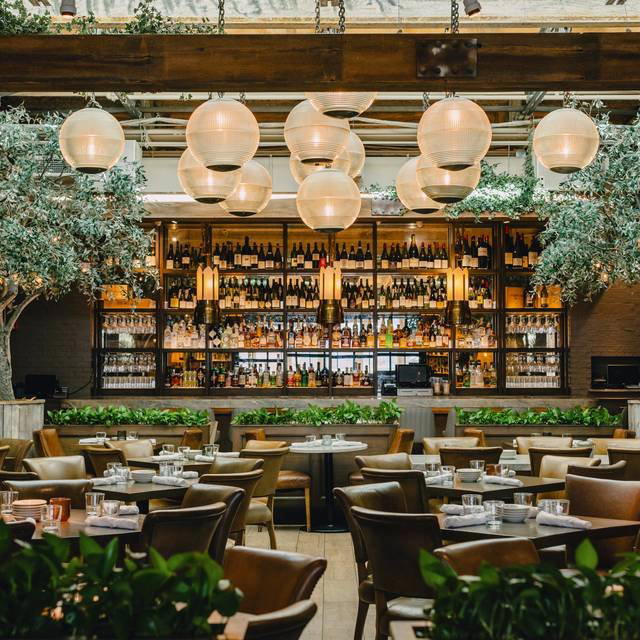
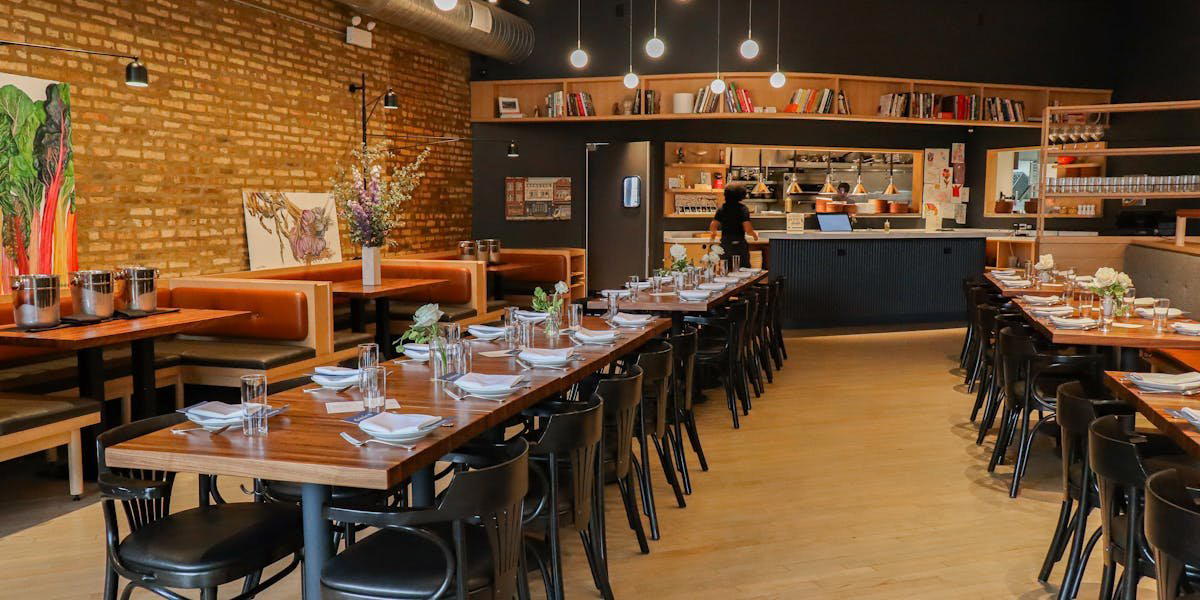
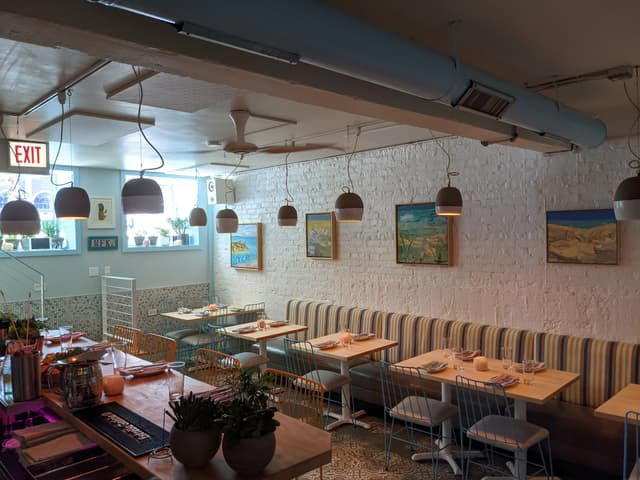
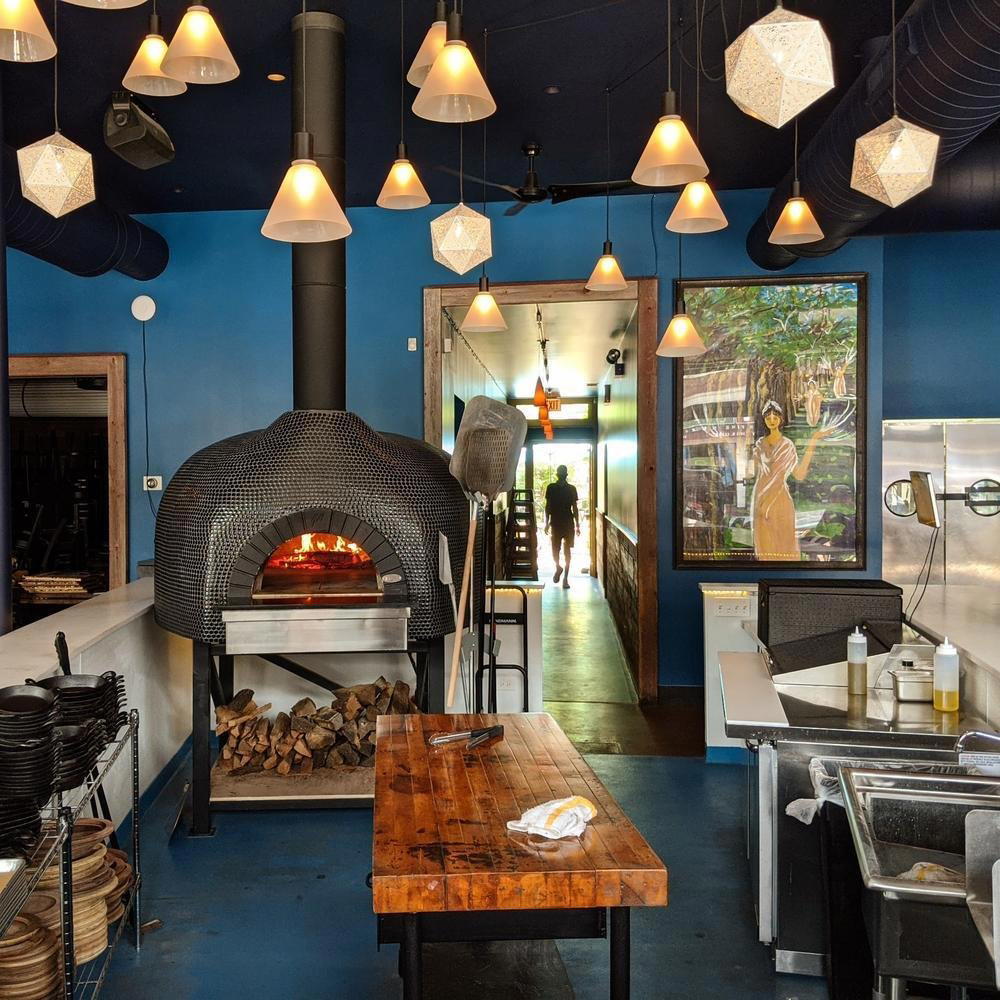

At a Glance
- Intimate
- Elegant
- Sophisticated
- Cozy
- Date Night
- Special Occasion
- Open Kitchen
- Craft Cocktails
Current opening hours
- Monday
- Closed
- Tuesday
- 4–9 PM
- Wednesday
- 4–9 PM
- Thursday
- 4–9 PM
- Friday
- 4–10 PM
- Saturday
- 4–10 PM
- Sunday
- 4–8 PM
Hours can change for holidays and private events. Last verified .
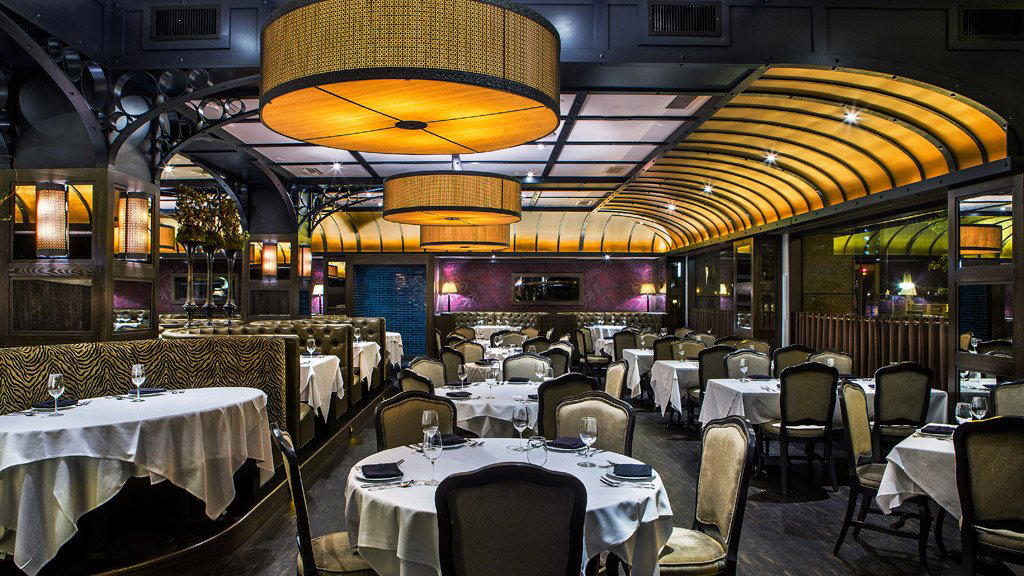
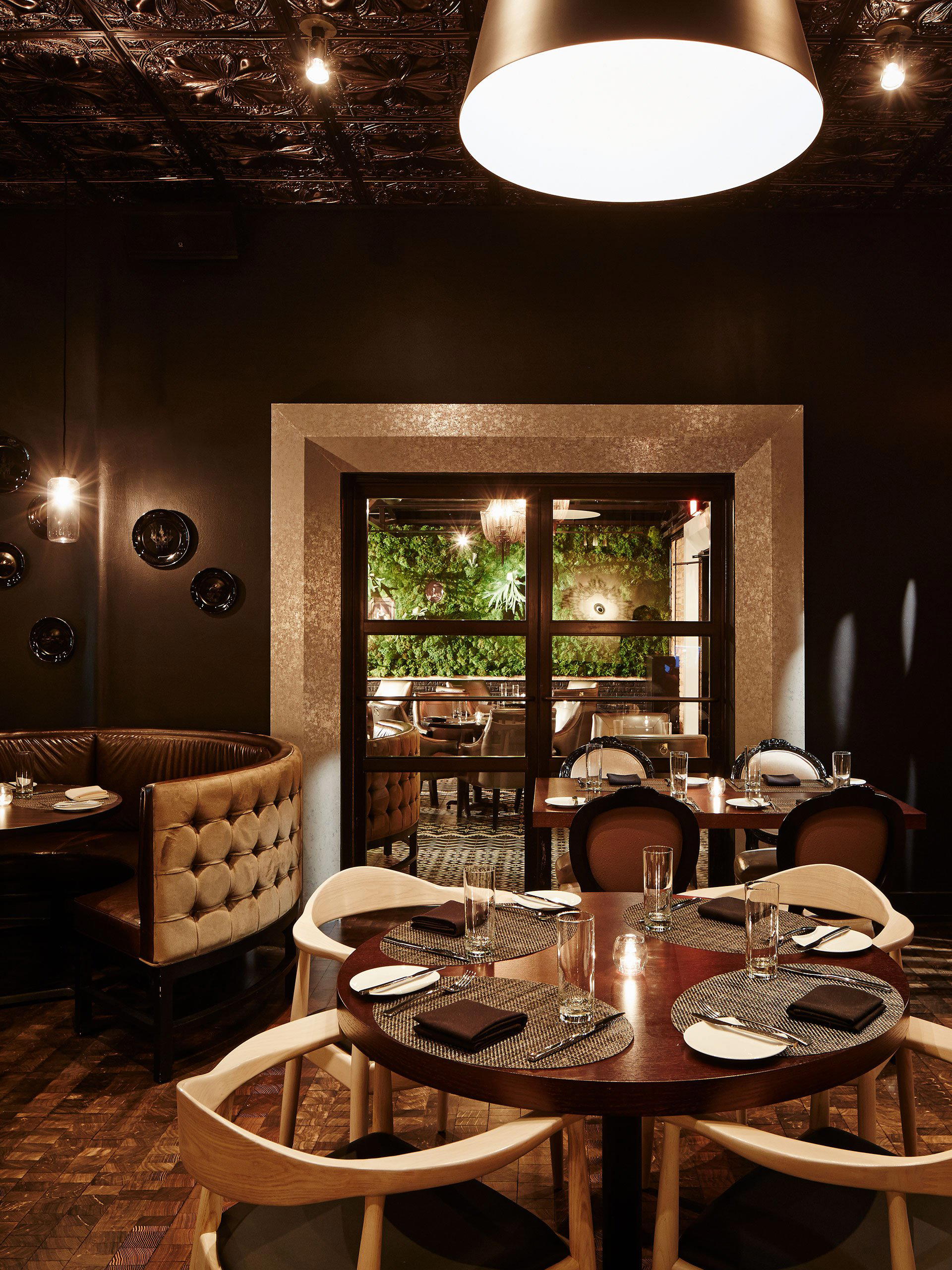
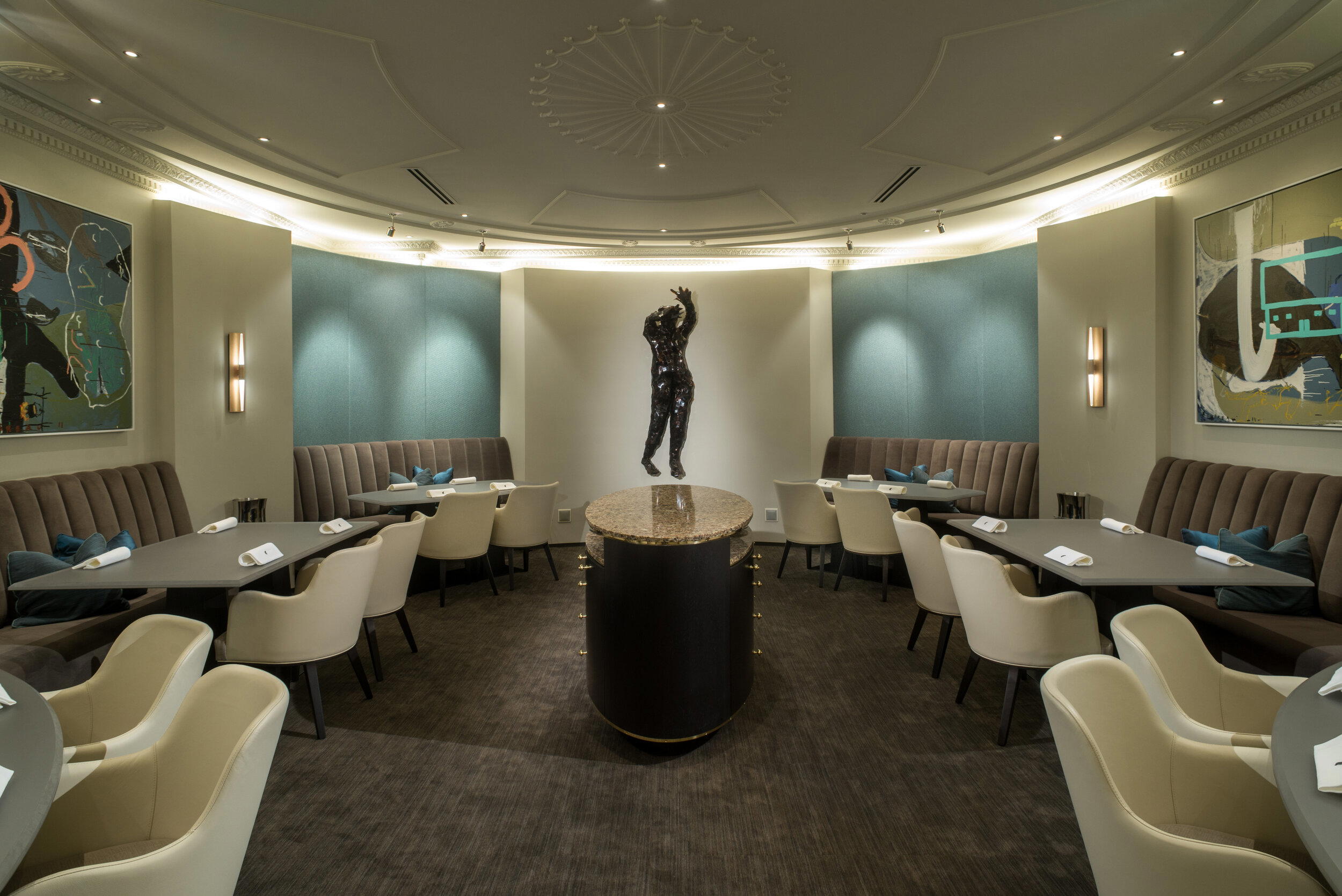
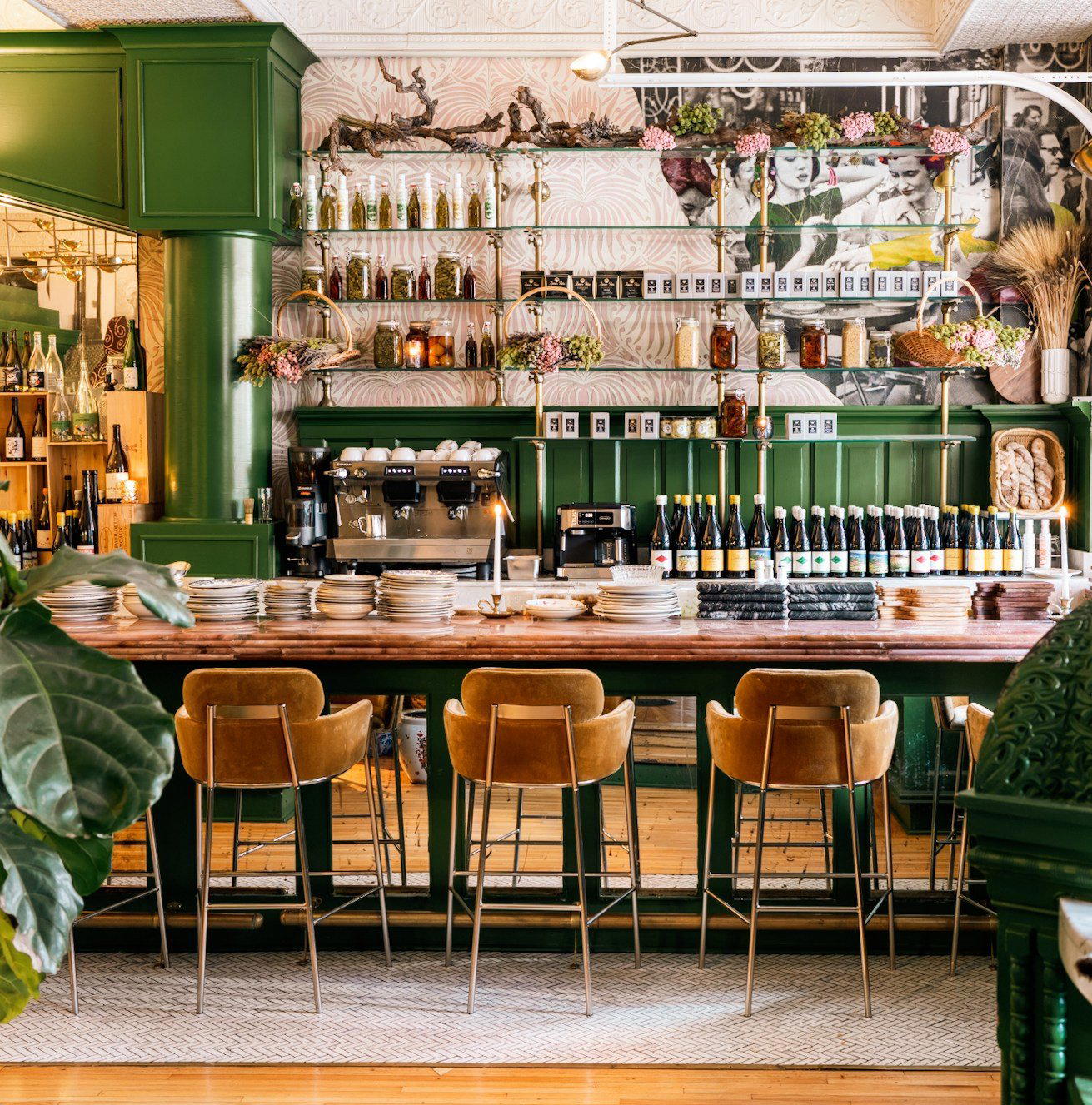
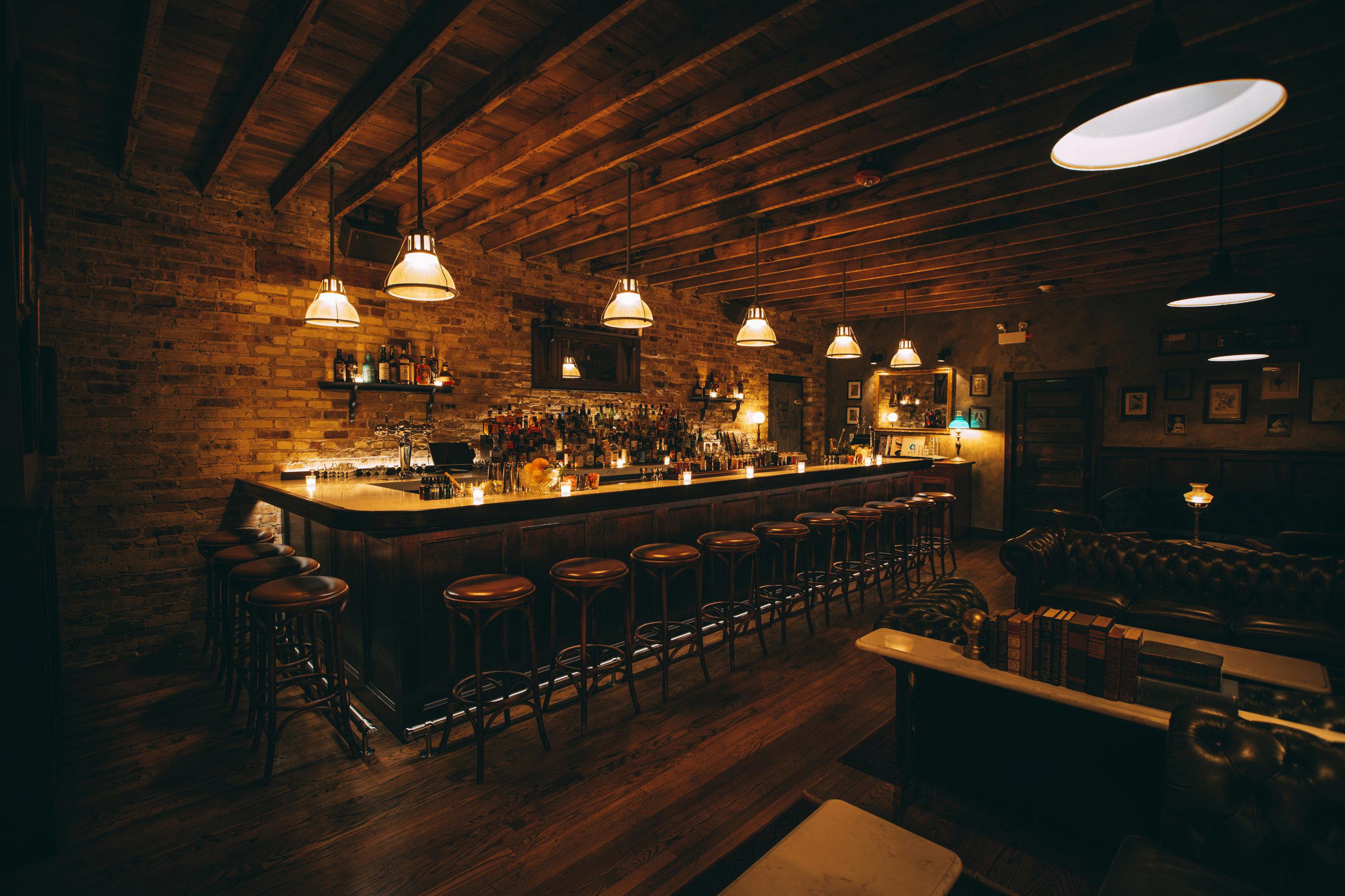
Dark wood, dimmed lighting, and plush leather banquettes creating an intimate, elegant speakeasy atmosphere.