BOBO & WILD
BOBO & WILD sits on Wanstead's High Street in east London, occupying a neighbourhood dining niche that contrasts sharply with the tasting-menu institutions of the city's centre. Where central London's ££££ rooms demand advance planning and formal dress codes, this E11 address operates on a different register, local in scale, less ceremonial in format, and worth understanding on its own terms.
Pearl is the En Primeur Club membership app — saves, bookings, and concierge access live there. Same editors, same standards.
- Address
- 39, 41 High St., London E11 2AA, United Kingdom
- Phone
- +442046196363
- Website
- boboandwild.co.uk
- Directions
- Get directions
 Saves & bookings on Pearl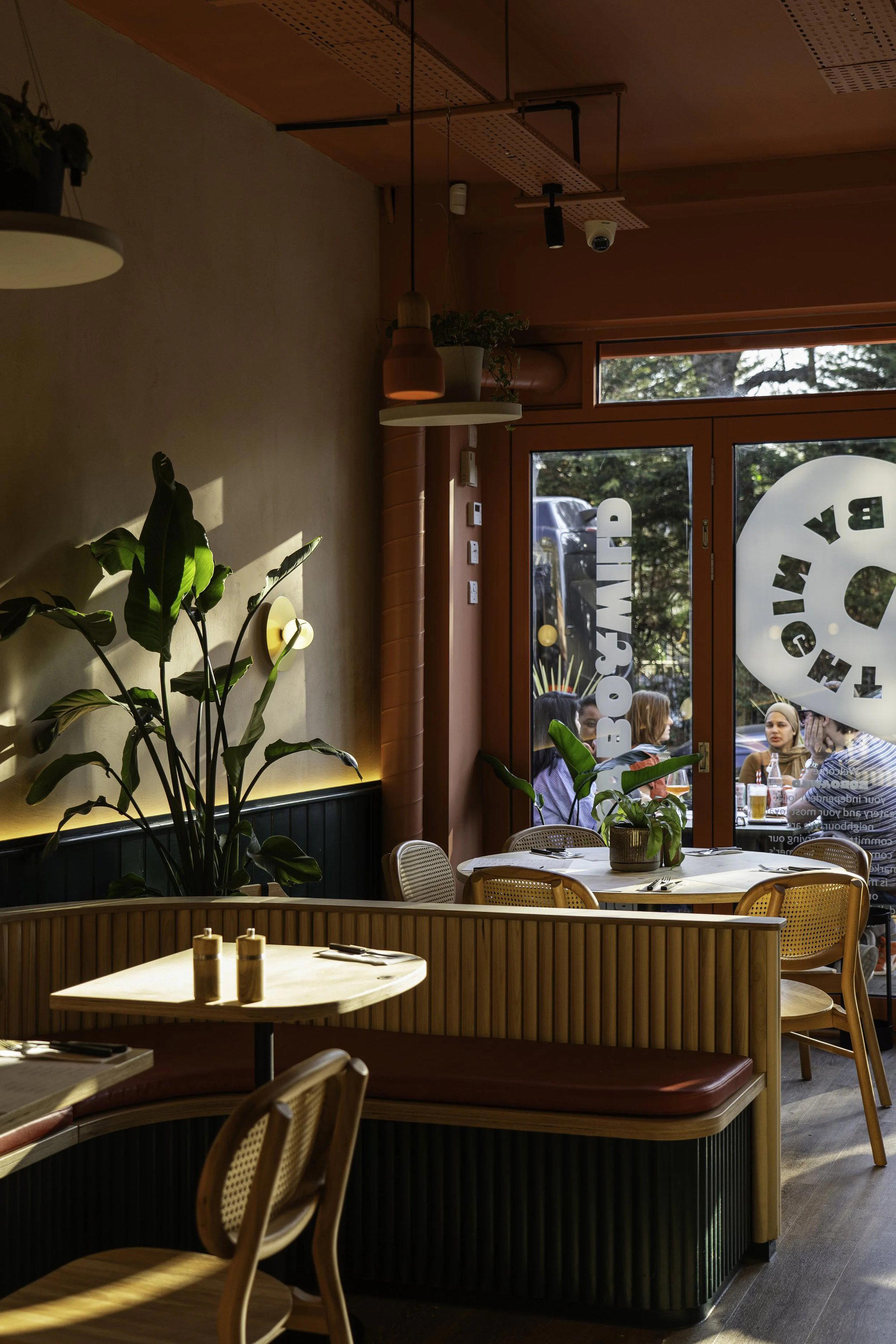
East London's Neighbourhood Dining, Placed in Context
London's premium dining conversation tends to concentrate within a narrow geographic band: Mayfair, Chelsea, Notting Hill, the City fringe. Restaurants like CORE by Clare Smyth, Restaurant Gordon Ramsay, and Sketch, The Lecture Room and Library anchor that central tier, each operating at ££££ price points with multi-course formats calibrated for occasion dining. East London tells a different story. The E11 postcode, Wanstead, on the outer edge of the Central line, has developed a quieter but genuine neighbourhood dining culture, where the relationship between a restaurant and its immediate community is less transactional and more embedded. BOBO & WILD is a restaurant in London's Wanstead, serving Modern European Brunch & Pizza at a casual price point of about $20 per person. BOBO & WILD, at 39-41 High Street, sits inside that pattern.
Understanding a place like BOBO & WILD means looking beyond the Michelin-centred framework that dominates coverage of British dining. Venues such as The Ledbury and Dinner by Heston Blumenthal operate with institutional weight behind them. Neighbourhood restaurants in zones four and five operate without that scaffolding, which means the quality signal comes from local repeat custom and word-of-mouth density rather than from award cycles. That is a different kind of credibility, and in some respects a more demanding one.
The Wanstead Setting
Wanstead High Street has the structure common to London's outer-zone village centres: a walkable strip of independent traders, some historic pub frontages, and a residential hinterland of families with disposable income and limited appetite for a forty-minute tube ride every time they want a serious dinner. It is precisely this geography that sustains places like BOBO & WILD. The name suggests a casual register, something between a brunch spot and a relaxed evening room, which is broadly how east London's better neighbourhood restaurants have positioned themselves over the past decade, as the sharp formality of central dining has either softened or priced out its natural audience.
The address, occupying a double-fronted space across two adjacent High Street numbers, gives the room more physical presence than a single shopfront would. In London's neighbourhood dining tier, physical scale matters: it signals enough covers to sustain a kitchen team, enough floor space to avoid the compressed seating plans that define cheaper operations, and enough visual weight to anchor the room's identity from the street.
How the Meal Tends to Build
The editorial focus here is not a single dish or headline ingredient, but how a meal sequences over an evening. London's neighbourhood dining has moved, across the past decade, toward formats that borrow structural logic from tasting menus without the formality or the price commitment. The result, at its leading, is a progression that moves from lighter, more acidic openers through richer mid-course work before landing in something that justifies the occasion. This arc is easier to sustain at a neighbourhood level, where the room is less performative and guests are typically more relaxed about pace.
At the central London tier, Waterside Inn in Bray, L'Enclume in Cartmel, Moor Hall in Aughton, the tasting progression is the point of the evening, engineered by teams whose sole focus is its execution. At neighbourhood level, the progression is more implicit, assembled by guests from a menu that rewards some editorial judgment about what to order and in what sequence. That responsibility shifting to the diner is not a weakness; it is a different kind of engagement with the room.
Positioning Against the Broader British Scene
British dining outside London's central postcode band has produced some of its most discussed addresses: Gidleigh Park in Chagford, Hand and Flowers in Marlow, hide and fox in Saltwood, Midsummer House in Cambridge. These venues have built national reputations from non-central positions, which demonstrates that geography is not a ceiling on ambition. The trajectory for a neighbourhood restaurant like BOBO & WILD is different: its reference set is local, its success metric is how well it serves its immediate community, and the standard it is measured against is whether it gives east Londoners a reason to stay east rather than commit to the tube journey into W1.
That is a genuinely competitive brief. East London's dining scene, from Hackney through Leyton and into Wanstead, has matured considerably. The gap between neighbourhood-tier cooking and central restaurant cooking has narrowed in technique and ingredient quality, even if it remains wide in price and ceremony. Venues like BOBO & WILD operate in that narrowed gap.
For international context, the neighbourhood-dining model BOBO & WILD fits has parallels in other cities with strong local dining cultures. Le Bernardin in New York City and Lazy Bear in San Francisco represent the opposite end of the formality spectrum, destination restaurants with deliberate booking systems and structured progressions. The neighbourhood model inverts that logic: accessibility is the point, and the relationship with regulars is the long-term asset.
The broader British scene also includes Opheem in Birmingham, Ynyshir Hall in Machynlleth, and Restaurant Andrew Fairlie in Auchterarder, all of which have secured national recognition from non-London bases. The path those rooms took began with exactly the kind of sustained local loyalty that east London neighbourhood restaurants are now building.
Planning Your Visit
The practical comparison below places BOBO & WILD against its central London peers to give a clear sense of where it sits in terms of commitment, cost, and format.
| Venue | Area | Price Tier | Format | Booking Lead |
|---|---|---|---|---|
| BOBO & WILD | Wanstead, E11 | Not confirmed | Neighbourhood restaurant | Likely short |
| CORE by Clare Smyth | Notting Hill, W11 | ££££ | Tasting menu | Weeks to months |
| The Ledbury | Notting Hill, W11 | ££££ | Tasting menu | Weeks to months |
| Dinner by Heston Blumenthal | Knightsbridge, SW1 | ££££ | À la carte / set | Days to weeks |
BOBO & WILD's hours run Mon: 7 AM-6 PM; Tue: 7 AM-9:30 PM; Wed: 7 AM-9:30 PM; Thu: 7 AM-10 PM; Fri: 7 AM-11 PM; Sat: 8 AM-11 PM; Sun: 8 AM-9 PM, and reservations are recommended. Wanstead is served by Wanstead station on the Central line.
For a broader view of where BOBO & WILD sits within London's dining options across all price tiers and neighbourhoods, see our full London restaurants guide.
Compact Comparison
Comparable venues nearby, for context on price, style, and recognition.
| Venue | Cuisine | Price |
|---|---|---|
| BOBO & WILDThis venue — the venue you are viewing | Not listed | $$ |
| Salut Restaurant Islington | Canonbury, Modern European | $$$ |
| Heddon Street Kitchen | Soho, Modern European Brasserie | $$$ |
| One Lombard Street | Cheapside, Modern European Brasserie | $$$ |
| The Don | Monument, Modern European | $$$ |
| The Fifth Floor Cafe | Hyde Park, Modern European Cafe | $$$ |
Continue exploring
More in London
Restaurants in London
Browse all →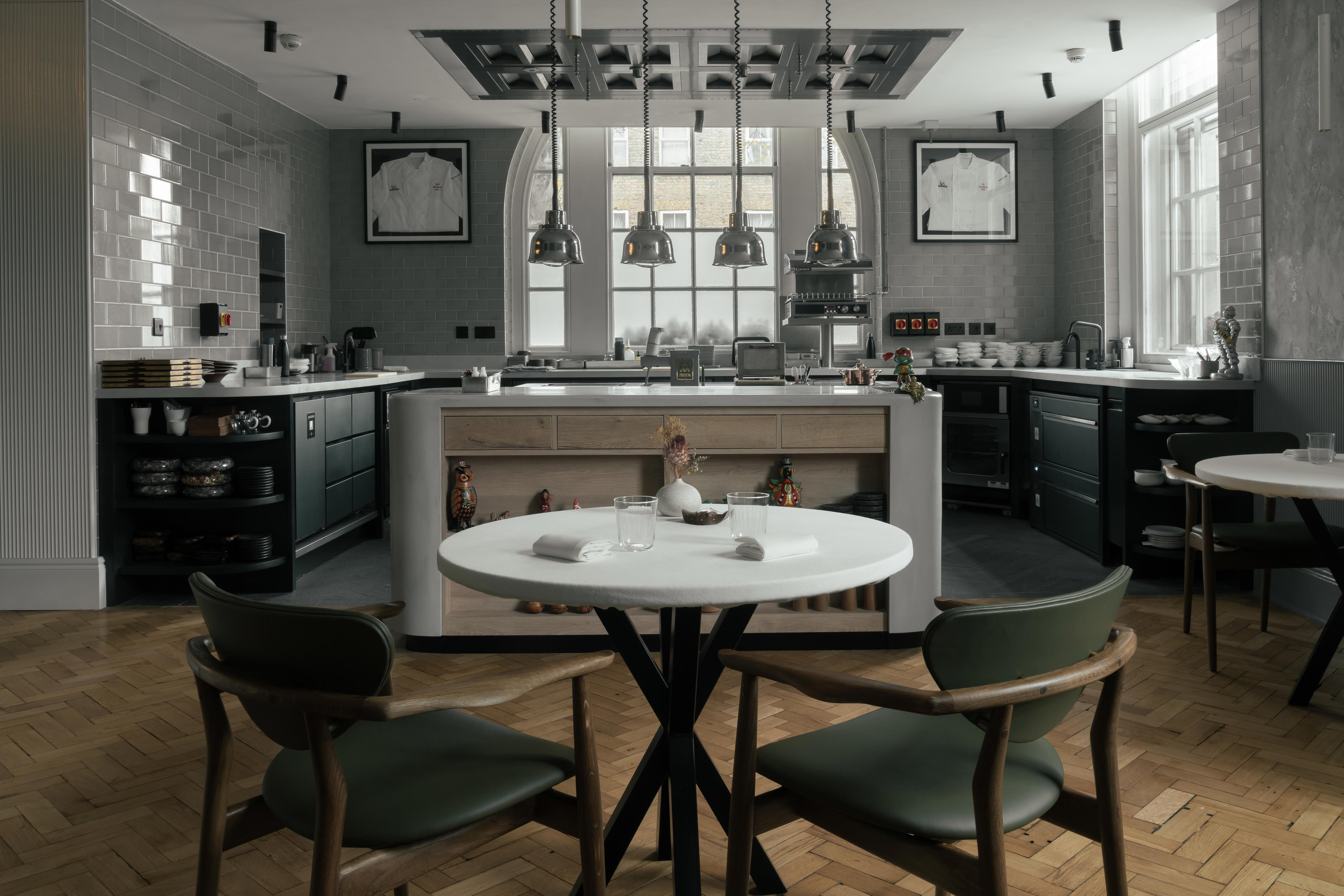
Bars in London
Browse all →
Hotels in London
Browse all →

At a Glance
- Cozy
- Trendy
- Lively
- Brunch
- Casual Hangout
- Date Night
- Open Kitchen
- Craft Cocktails
- Natural Wine
- Local Sourcing
- Organic
Current opening hours
- Monday
- 7 AM–6 PM
- Tuesday
- 7 AM–9:30 PM
- Wednesday
- 7 AM–9:30 PM
- Thursday
- 7 AM–10 PM
- Friday
- 7 AM–11 PM
- Saturday
- 8 AM–11 PM
- Sunday
- 8 AM–9 PM
Hours can change for holidays and private events. Last verified .
Laid-back and welcoming café atmosphere with a lively vibe during brunch, cozy for coffee and casual dining.