The Don
Housed in a Victorian banking hall on St Swithin's Lane in the City of London, The Don occupies a space where financial history and serious dining intersect. The restaurant sits within the former cellars and dining rooms of Sandeman's port house, giving it a provenance that most EC4 competitors cannot match. It draws a predominantly professional crowd and holds a credible position in the City's mid-to-upper dining tier.
Pearl is the En Primeur Club membership app — saves, bookings, and concierge access live there. Same editors, same standards.
- Address
- 20 St Swithin's Ln, London EC4N 8AD, United Kingdom
- Phone
- +44 20 7621 1148
- Website
- thedonlondon.com
- Directions
- Get directions
 Saves & bookings on Pearl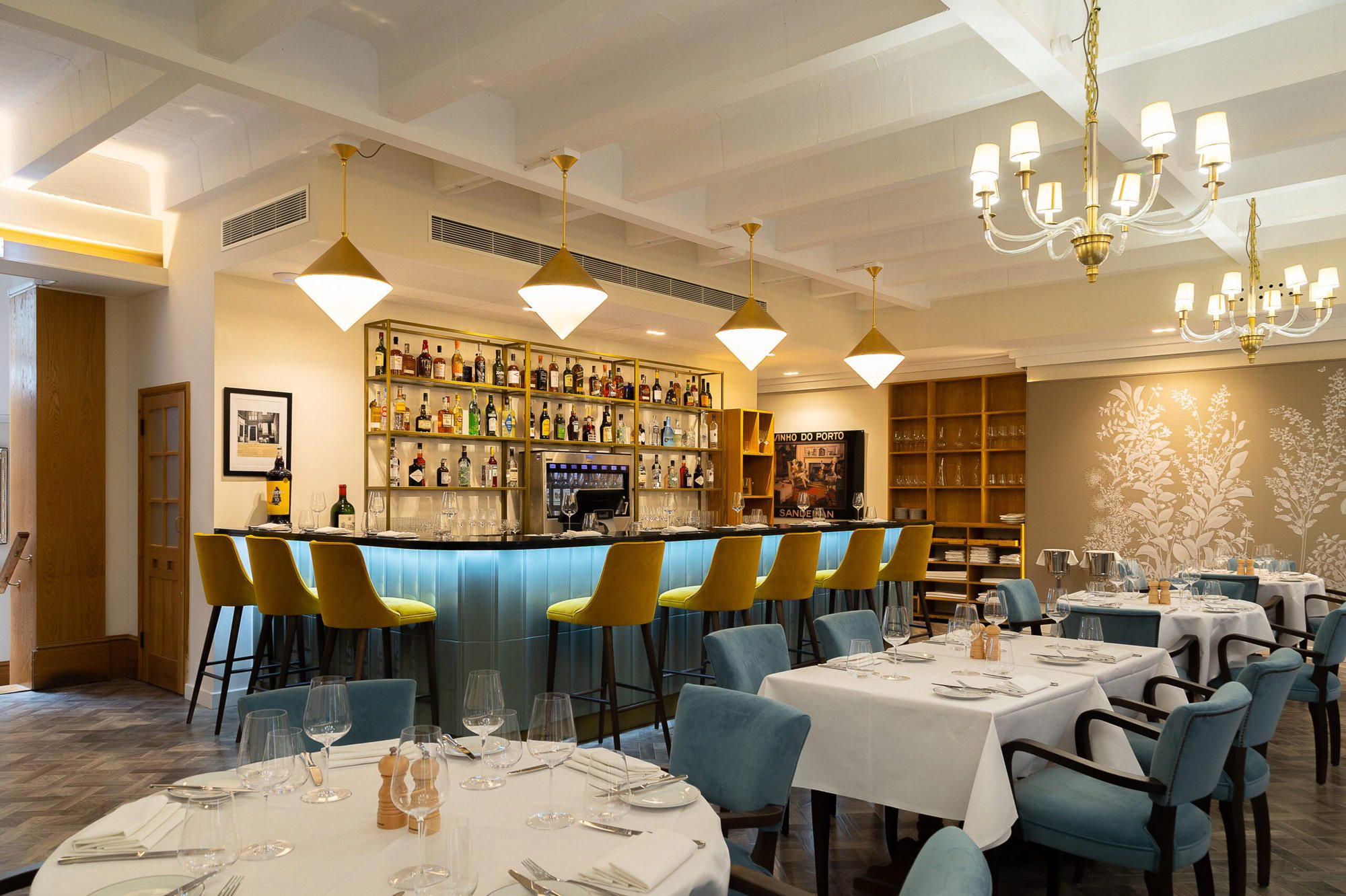
The Case for Dining in the City's Most Storied Postcode
If you are going to eat lunch in the City of London, the EC4 corridor between Bank and Monument offers a more concentrated argument for serious dining than most visitors expect. Amid the glass towers and Georgian lanes, a handful of restaurants have built reputations not on tourist footfall but on repeat custom from the financial and legal communities that work here.
The building has weight before you even consider the menu. The site was the London home of Sandeman's port and sherry operation, and the Victorian cellars that now house the restaurant's lower dining space carry that provenance visibly. In a city where heritage is frequently invoked and rarely earned, The Don sits on genuinely documented ground. That context matters because it shapes the kind of experience on offer: this is not a kitchen-as-theatre operation, nor a tasting-menu destination in the mode of CORE by Clare Smyth or Sketch, The Lecture Room and Library. It occupies a different, more durable register: a room where the food and wine are taken seriously without the performative apparatus of a destination tasting counter.
Sustainability in the City: What Ethical Sourcing Looks Like at This Price Point
London's most discussed sustainability stories tend to cluster in the west and east of the city, where restaurants with younger audiences and chef-patron models have more latitude to experiment with supply chains. That makes venues in EC4 that engage with provenance-led sourcing more noteworthy, not less, because the structural incentives push in the opposite direction.
Where it was once sufficient to note country of origin on a menu, the expectation at serious restaurants now extends to traceability, seasonal rotation, and waste reduction across service. Comparable operations in the broader London fine dining tier, including The Ledbury and Dinner by Heston Blumenthal, have each addressed this in different ways, from farm partnerships to documented supplier relationships. The Don's position in the City means its version of this commitment is worth tracking specifically, as a signal of how corporate-adjacent dining is or is not keeping pace with the wider industry shift.
Outside London, the UK's most rigorous examples of place-based sourcing sit at restaurants like L'Enclume in Cartmel and Moor Hall in Aughton, both of which have built supply chains around proximity to a specific landscape. The City model cannot replicate that, but it can engage with British producers, minimise plate waste, and make wine list decisions that reflect environmental consideration alongside commercial logic.
The Wine Cellars: A Provenance Argument in Themselves
The Sandeman connection gives The Don a wine identity that still shapes the experience. Port and sherry remain legitimate lenses through which to read a serious wine list, and a room with that heritage carries an implicit expectation of depth in Iberian bottles alongside the expected French and Italian range. London's fine dining wine culture has generally moved toward producer-transparency and lower-intervention options in recent years, a shift visible across the comparable set from Restaurant Gordon Ramsay to newer openings across the capital.
The cellars themselves, physically present beneath the restaurant, are a practical asset as much as a narrative one. Temperature-stable underground storage in central London is genuinely scarce, and venues that hold it have a structural advantage in list depth and older vintage availability. That is a concrete logistical point, not atmosphere: it means the by-the-glass programme and bottle selection can be drawn from stock held in better conditions than most competitors in the area can manage.
Where The Don Sits in London's Broader Dining Map
London's restaurant geography has a clear centre of gravity in the west, with Michelin-recognised addresses concentrated in W1, SW3, and W11. The City's dining scene operates on different rhythms, driven by weekday lunch and early dinner rather than weekend bookings, and by a clientele that values reliability and quality over novelty. That distinction is neither a criticism nor a consolation prize; it reflects a different use case, and venues that serve it well build durable reputations without competing directly for the same press attention as destination tasting rooms.
Planning Your Visit
| Venue | Location | Price Tier | Booking Lead Time | Format |
|---|---|---|---|---|
| The restaurant | City of London, EC4 | Mid-to-upper | Short to moderate | À la carte, room service |
| The Ledbury | Notting Hill, W11 | ££££ | Several weeks | Tasting menu |
| CORE by Clare Smyth | Notting Hill, W11 | ££££ | Several weeks | Tasting menu |
| Restaurant Gordon Ramsay | Chelsea, SW3 | ££££ | Several weeks | Set and tasting menus |
Peers in This Market
Comparable venues nearby, for context on price, style, and recognition.
| Venue | Cuisine | Price | Notes |
|---|---|---|---|
| The DonThis venue — the venue you are viewing | Modern European | $$$ | Not listed |
| 28-50 By Night | Modern European with Live Jazz | $$$ | Marylebone |
| One Lombard Street | Modern European Brasserie | $$$ | Cheapside |
| Half Cut Market | Modern European Small Plates | $$$ | Holloway |
| Slowburn | Modern Vegetable-Led European | $$$ | Higham Hill |
| Grain Store | Vegetable-Centric Modern European | $$$ | King's Cross |
Continue exploring
More in London
Restaurants in London
Browse all →
Bars in London
Browse all →
Hotels in London
Browse all →



At a Glance
- Elegant
- Sophisticated
- Classic
- Business Dinner
- Special Occasion
- Private Dining
- Historic Building
- Extensive Wine List
- Local Sourcing
- Street Scene
Current opening hours
- Monday
- 12–2:30 PM, 5:30–9 PM
- Tuesday
- 12–2:30 PM, 5:30–9 PM
- Wednesday
- 12–2:30 PM, 5:30–9 PM
- Thursday
- 12–2:30 PM, 5:30–9 PM
- Friday
- 12–2:30 PM, 5:30–9 PM
- Saturday
- Closed
- Sunday
- Closed
Hours can change for holidays and private events. Last verified .
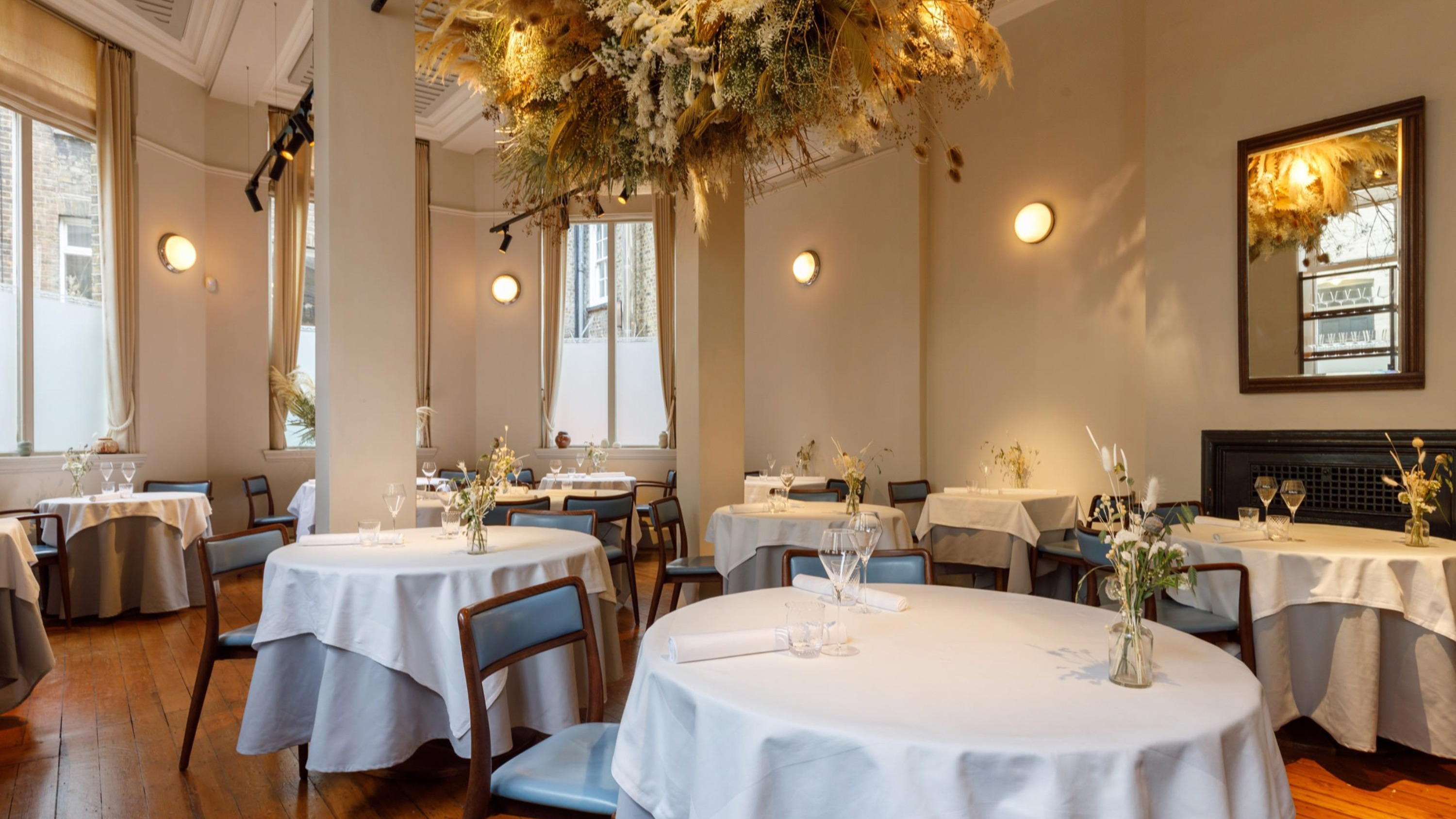
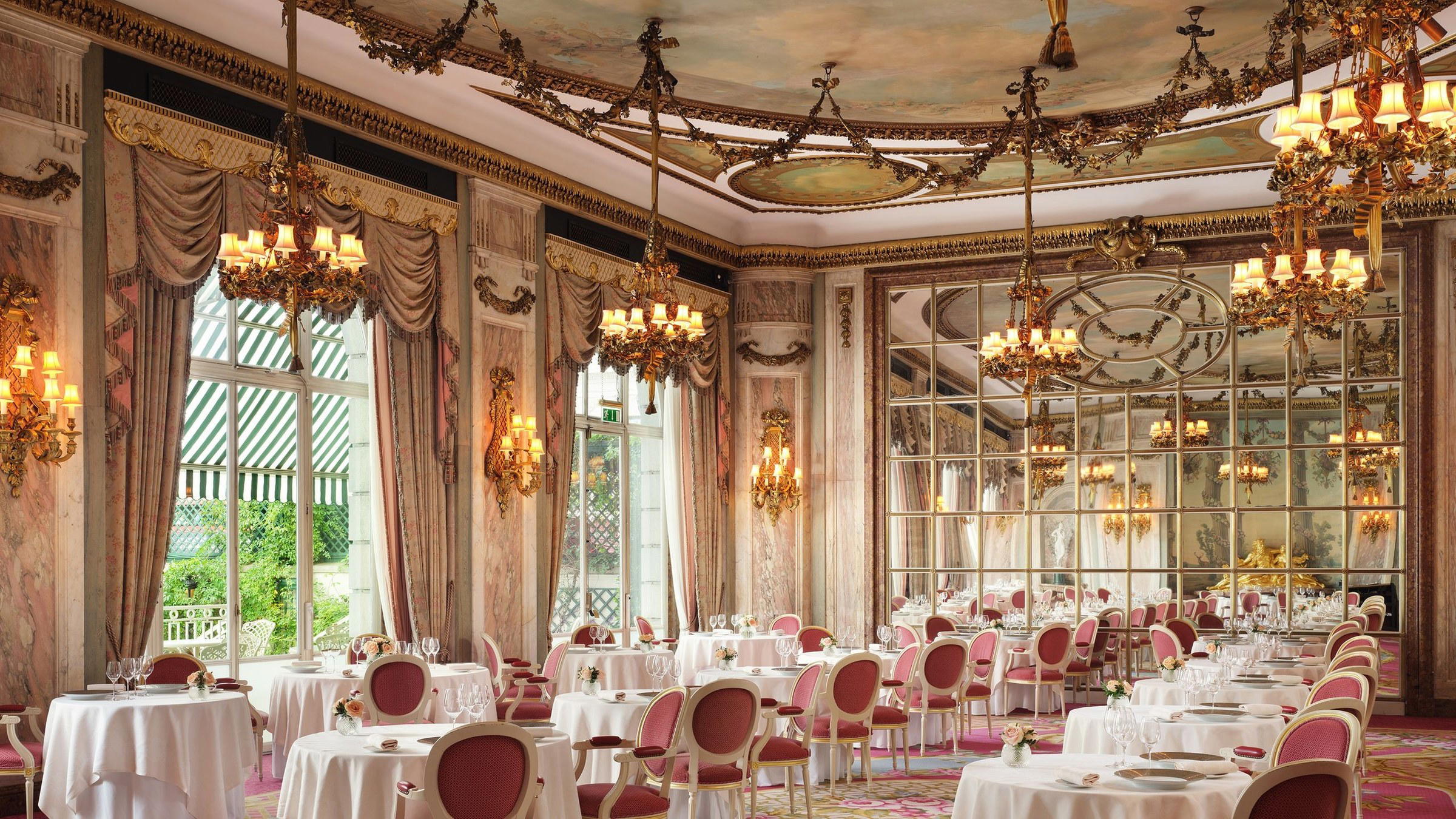
Relaxed elegant dining room with cool blues, plush velvets, ornate gold detailing, white tablecloths, and natural light from large street-facing windows.