One Lombard Street
One Lombard Street occupies a converted banking hall in the heart of the City of London, placing it among a small group of EC3 addresses where architectural heritage and serious dining overlap. The room's domed ceiling and central bar position it as much a venue for after-market drinks as for a structured meal, making it one of the Square Mile's more adaptable dining rooms for the finance crowd it serves.
Pearl is the En Primeur Club membership app — saves, bookings, and concierge access live there. Same editors, same standards.
- Address
- 1 Lombard St, London EC3V 9AA, United Kingdom
- Phone
- +44 20 7929 6611
- Website
- 1lombardstreet.com
- Directions
- Get directions
 Saves & bookings on Pearl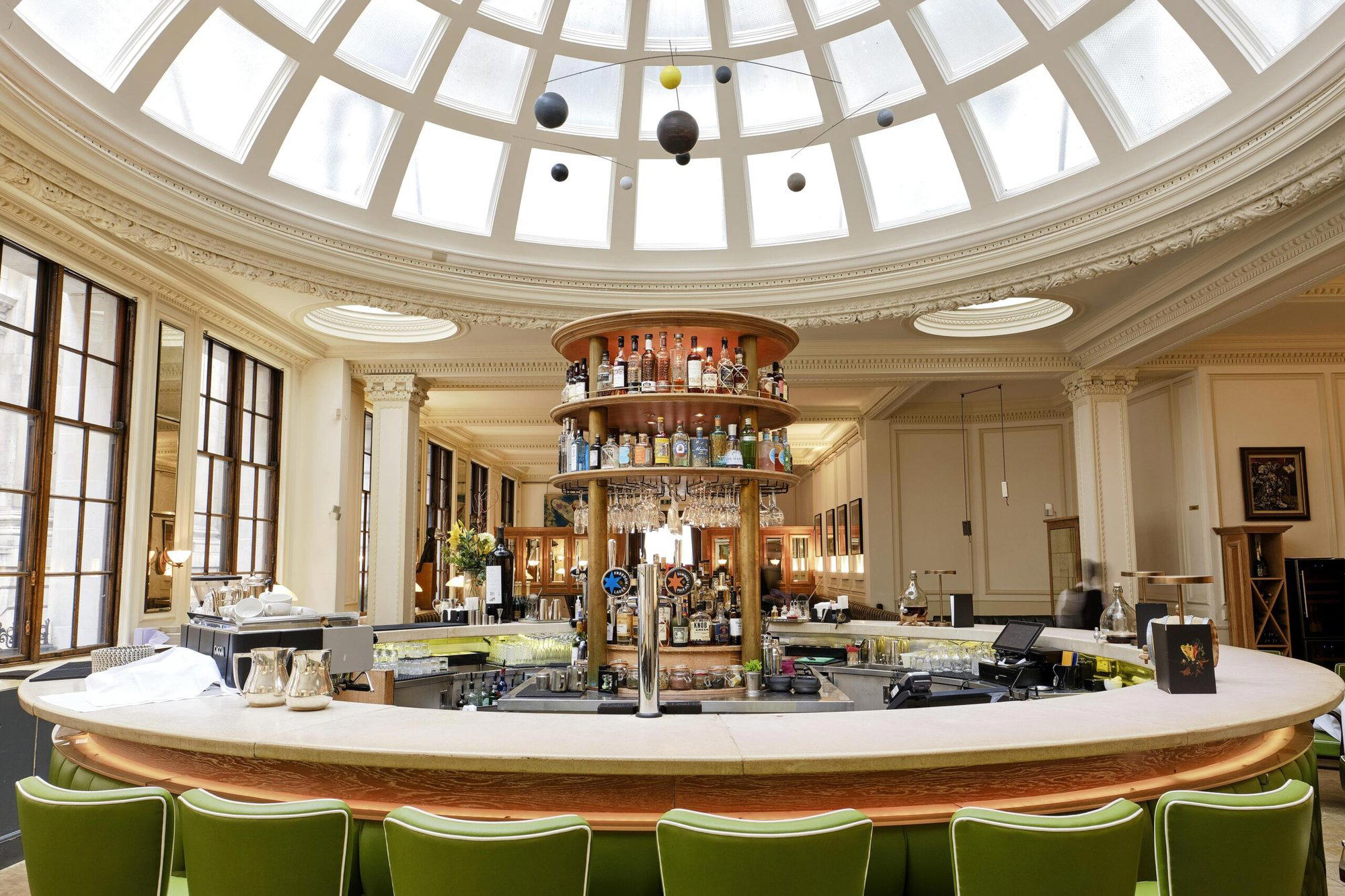
The City Dining Room That the Square Mile Built Around Itself
One Lombard Street is a Modern European Brasserie in London at 1 Lombard St, London EC3V 9AA, United Kingdom. Lunch runs to the market schedule, dinner is rare on a Friday, and the room you choose signals which tier of the finance ecosystem you occupy. Against that backdrop, a small number of addresses in EC3 and EC4 have carved out genuinely durable reputations, not by chasing the Michelin circuit that clusters in Mayfair and Notting Hill, but by delivering consistency, architectural gravitas, and a wine list that keeps pace with expense-account scrutiny. One Lombard Street sits in that cohort, operating out of a converted Victorian banking hall whose domed rotunda puts it in a different visual register from the glass-box restaurants that opened around it in the 2000s.
The broader context matters here. City dining has historically lagged the West End on culinary ambition, partly because its audience prioritises speed and reliability over experimentation, and partly because the density of offices rather than hotels means fewer visitors willing to commit to long tasting menus. The venues that have lasted in EC3 tend to offer a brasserie register, something between a grand café and a formal restaurant, rather than the hyper-tasting-menu format that drives the recognition economy at places like CORE by Clare Smyth or Sketch, The Lecture Room and Library. One Lombard Street fits that brasserie register and has done so consistently enough to become a reference point for the area.
Sustainability in the City: What Ethical Sourcing Looks Like at £££ Price Points
The sustainability conversation in London dining has largely been driven by the restaurant groups operating in residential neighbourhoods, where a younger, more values-conscious clientele has pushed sourcing decisions onto menus and into press releases. The City has been slower to follow, but the direction of travel is clear. Corporate clients increasingly run ESG criteria across supplier and hospitality choices, which means restaurants serving the finance sector now face procurement questions they did not a decade ago.
In this context, the sourcing story at any serious City restaurant carries weight beyond the plate. The shift toward British seasonal produce, reduced food miles, and waste-reduction protocols in kitchen operations has reached even the expense-account end of the market. At the level One Lombard Street occupies, this means the competitive pressure is not just from other EC3 addresses but from the broader London dining pool, including destination restaurants like The Ledbury and Dinner by Heston Blumenthal, where sourcing credentials are part of the editorial identity.
The UK's wider fine dining circuit has set a high bar on this front. Operations like L'Enclume in Cartmel and Moor Hall in Aughton have built their identities around hyper-local supply chains and kitchen garden programmes. City restaurants cannot replicate that model wholesale, the urban format and volume requirements make on-site growing impractical, but they can apply the same scrutiny to supplier relationships, seasonal menu rotation, and waste reduction in ways that translate to the corporate client's procurement checklist.
The Room: Banking Hall Architecture as Dining Asset
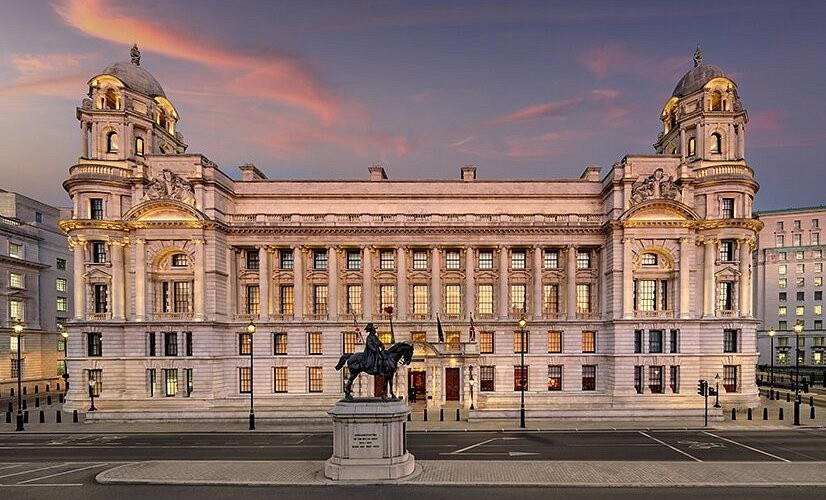
Converting Victorian and Edwardian banking halls into restaurants has produced some of London's most architecturally distinctive dining rooms. The formula works because the original buildings were designed to project financial confidence, high ceilings, quality materials, natural light through glazed domes, which translates directly into a dining environment that communicates seriousness without theatrical design intervention. The restaurant's rotunda is the anchor of this: it gives the bar and brasserie sections a sense of occasion that most purpose-built restaurant interiors struggle to achieve.
This architectural inheritance also shapes the venue's dual identity. The bar and brasserie work as a drop-in space for the post-market crowd, while the restaurant proper functions as a room for longer, more structured meals. That flexibility is genuinely useful in the City, where the transition from drinks to dinner often happens organically rather than by reservation. Among London's architectural dining rooms, the restaurant sits in a peer group that includes a handful of other converted institutions, each of which uses its building's history as a proxy for credibility in a neighbourhood where credibility is the primary currency.
Where It Sits in the London Dining Hierarchy
Placing the restaurant against London's wider restaurant hierarchy requires separating two different competitive sets. Against the Square Mile specifically, it operates near stronger examples from a thin field, there are few City addresses that combine the room, the wine program, and the cooking register at the same level. Against the broader London premium dining market, it occupies a different position: below the Michelin-decorated tier represented by Restaurant Gordon Ramsay and the destination end of the market, but clearly above the volume brasseries that serve the same postcode.
For international visitors comparing it against similar city-centre institutions elsewhere, the relevant references might include the grand brasserie format found in financial districts in Paris, New York, where Le Bernardin operates at a different tier but in a comparable professional-dining context, or Seoul, where Atomix demonstrates how a city's leading dining addresses can define a neighbourhood's culinary identity. The restaurant's role in EC3 is comparable in that locational function, even if the culinary register differs considerably. For the rural British fine dining circuit, the contrast is starker: Gidleigh Park in Chagford, Hand and Flowers in Marlow, and Le Manoir aux Quat' Saisons operate in a entirely different framework of occasion and expectation. The Fat Duck in Bray represents another axis entirely.
Planning Your Visit
The restaurant operates in the City of London at 1 Lombard St, EC3V 9AA, a short walk from Bank station on the Central and Northern lines. The City of London's dining rhythm means the room is busiest at weekday lunchtimes and quieter on weekends. First-time visitors planning a weekday dinner will find the room more relaxed than at lunch peak.
How One Lombard Street Compares for Planning Purposes
| Venue | Location | Price Tier | Format | Booking Pressure |
|---|---|---|---|---|
| The restaurant | City of London, EC3 | £££ | Brasserie + Restaurant | Moderate (weekday lunch) |
| CORE by Clare Smyth | Notting Hill, W11 | ££££ | Tasting menu | High (weeks ahead) |
| The Ledbury | Notting Hill, W11 | ££££ | Tasting menu | High |
| Restaurant Gordon Ramsay | Chelsea, SW3 | ££££ | Set / tasting menu | High |
Just the Basics
Comparable venues nearby, for context on price, style, and recognition.
| Venue | Cuisine | Price | Notes |
|---|---|---|---|
| One Lombard StreetThis venue — the venue you are viewing | Cheapside, Modern European Brasserie | $$$ | Not listed |
| Grain Store | Not listed | $$$ | King's Cross, Vegetable-Centric Modern European |
| Salut Restaurant Islington | Canonbury, Modern European | $$$ | Not listed |
| Frederick's | Angel, Modern European | $$$ | Not listed |
| Naughty Piglets | Tulse Hill, Modern European Small Plates | $$$ | Not listed |
| The Promenade | Mayfair, Contemporary European | $$$$ | Not listed |
Continue exploring
More in London
Restaurants in London
Browse all →
Bars in London
Browse all →
Hotels in London
Browse all →


At a Glance
- Elegant
- Classic
- Sophisticated
- Business Dinner
- Celebration
- Group Dining
- Historic Building
- Extensive Wine List
Current opening hours
- Monday
- 7 AM–11 PM
- Tuesday
- 7 AM–11 PM
- Wednesday
- 7 AM–11 PM
- Thursday
- 7 AM–11 PM
- Friday
- 7 AM–11 PM
- Saturday
- 12–6 PM
- Sunday
- 12–6 PM
Hours can change for holidays and private events. Last verified .
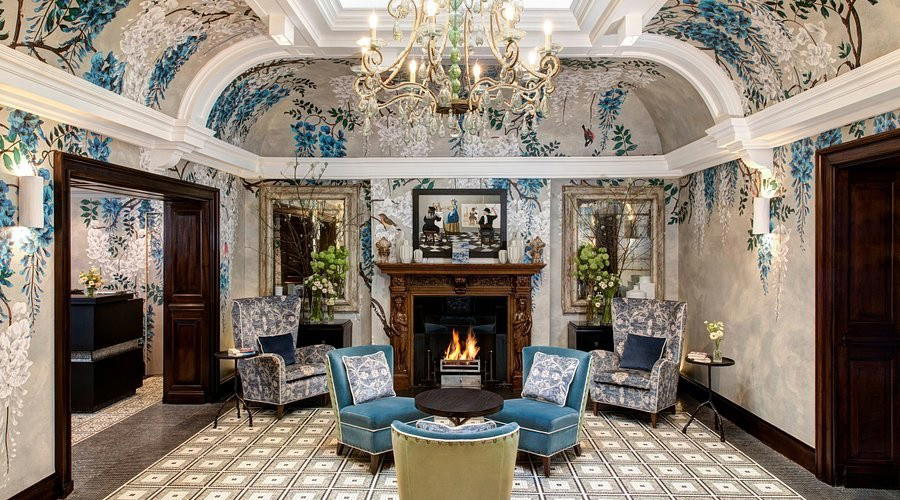
Formal and elegant with beautifully laid tables under a grand domed skylight, though can become lively and noisy during events like bottomless brunches.