Salut Restaurant Islington
On Essex Road in Islington, Salut sits within a north London dining corridor that has shifted steadily toward serious neighbourhood cooking over the past decade. The address places it among independent restaurants drawing on both imported culinary technique and locally sourced produce, a format that now defines much of the area's mid-to-upper dining tier. Advance booking is advisable, particularly for weekend sittings.
Pearl is the En Primeur Club membership app — saves, bookings, and concierge access live there. Same editors, same standards.
- Address
- 412 Essex Rd, London N1 3PJ, United Kingdom
- Phone
- +442034418808
- Website
- salut-london.co.uk
- Directions
- Get directions
 Saves & bookings on Pearl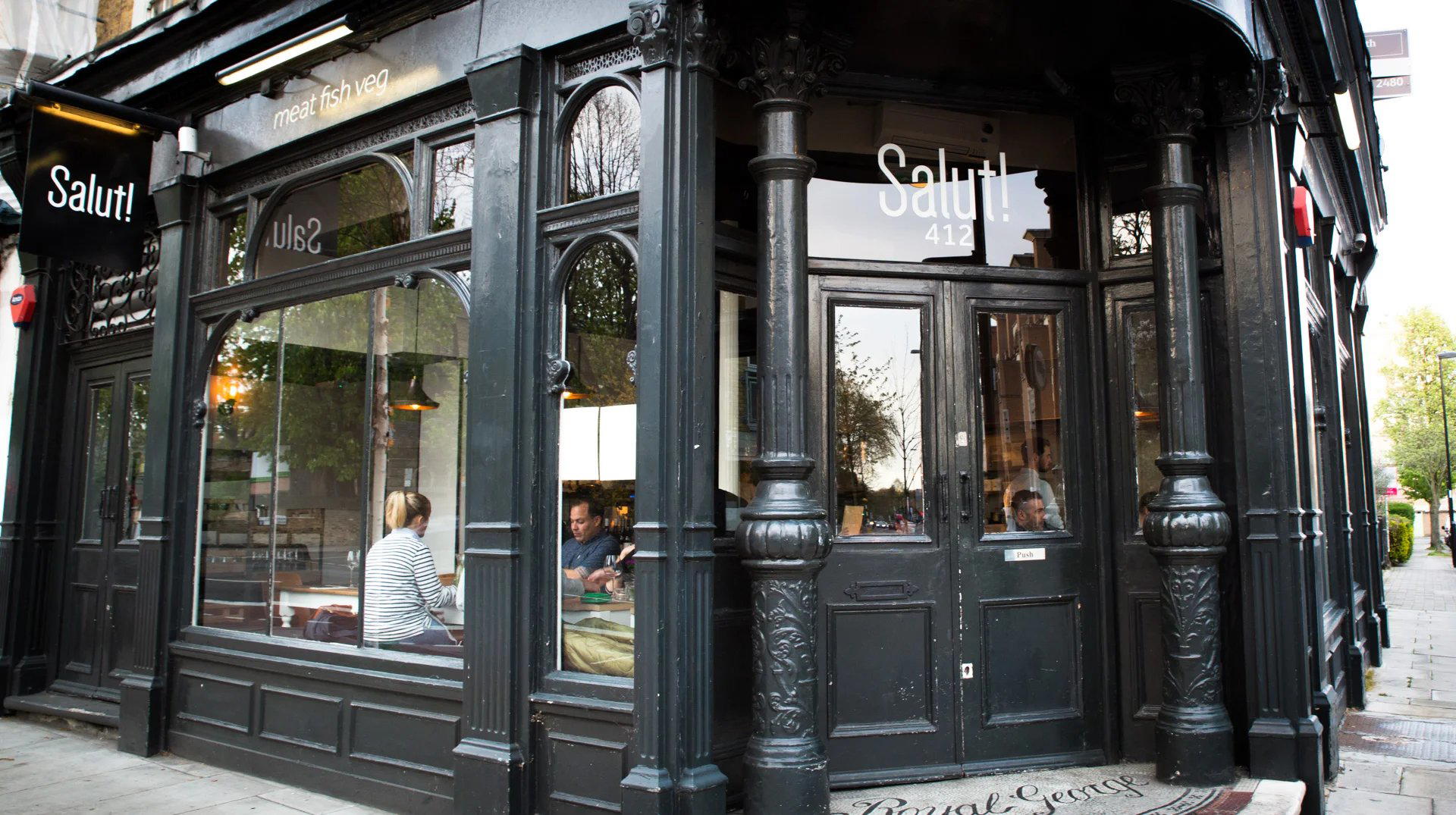
Essex Road and the Islington Independent Dining Tier
Essex Road has become a useful axis for reading how London's independent restaurant scene has matured. The stretch running north from Angel toward Newington Green carries a concentration of neighbourhood restaurants that operate well outside the Michelin-circuit pressure of central London, yet draw on training lineages and sourcing philosophies that would not look out of place in the capital's more decorated rooms. Salut Restaurant, at 412 Essex Road, sits within that corridor, part of a broader pattern in which north London postcodes have absorbed serious culinary ambition that once pooled almost exclusively in the West End or the City.
The shift is worth contextualising. A decade ago, the serious dining conversation in London ran almost entirely through venues like Restaurant Gordon Ramsay, Sketch, The Lecture Room and Library, and The Ledbury, formal rooms with tasting menus, wine lists built over decades, and the infrastructure that sustained Michelin attention. The neighbourhood tier existed, but largely as a convenience category. What has changed since is the movement of skilled cooks into smaller, lower-overhead rooms in inner-north and inner-east London, bringing technique without the ceremony. Islington has benefited from that migration in measurable ways.
The Local-Ingredients, Global-Technique Format in North London
The culinary model that now operates across much of Islington's independent tier is worth examining in its own right, because it explains why a restaurant on Essex Road can be worth a deliberate journey rather than simply a local convenience. The format draws on the same intersection of imported method and domestic product that has shaped ambitious British cooking since at least the 1990s, when chefs returning from French kitchens began applying classical European technique to produce sourced from British farms, fisheries, and dairies. That cross-pollination produced some of the country's most discussed restaurants over the past thirty years, from Le Manoir aux Quat'Saisons in Oxford to L'Enclume in Cartmel and, more recently, Moor Hall in Aughton.
At the neighbourhood level in London, the same logic applies but at a different scale. The kitchen is smaller, the menu shorter, the margin for waste narrower. Chefs working in rooms like Salut are making the same calculation that operators at hide and fox in Saltwood or Hand and Flowers in Marlow have made in their respective contexts: that rigorous sourcing combined with disciplined technique produces cooking that competes on quality rather than spectacle. In a city with the depth of London's dining options, that is a defensible and increasingly common position.
The application of global technique to British and European seasonal produce is not simply an aesthetic choice. It reflects the training routes available to London-based cooks, many of whom have passed through kitchens influenced by French classical foundations, Scandinavian product-focus, or East Asian precision. CORE by Clare Smyth and Dinner by Heston Blumenthal both illustrate, at the decorated end of the market, how British produce can be the vehicle for technically demanding cooking. The neighbourhood tier expresses the same principle with fewer resources and, often, more directness.
Positioning Within the Islington Scene
Islington as a dining destination is layered. Upper Street carries volume, a high density of restaurants covering multiple price points and cuisines, operating at throughput that prioritises accessibility. Essex Road, by contrast, runs at lower density and attracts a more locally rooted clientele. Restaurants here tend to rely on return visits more than tourist or destination traffic, which shapes how they operate: menus that change with season rather than trend, formats that reward familiarity, and a service register that is direct rather than performative.
In that context, Salut occupies the kind of position that London's broader independent tier has been building toward: serious enough to justify a deliberate booking, scaled appropriately to the neighbourhood, and positioned in a price bracket below the formal tasting-menu rooms that require significant advance planning and a different kind of commitment. For reference, the upper tier of London's dining scene, rooms like CORE or Sketch's Lecture Room, prices at ££££ and books weeks or months ahead. The neighbourhood tier that Salut represents functions on a different rhythm and a different set of expectations, which is precisely its appeal for a certain kind of diner.
Internationally, the model has clear parallels. Le Bernardin in New York City and Atomix show how a city's serious dining can split between high-ceremony destination rooms and technically rigorous formats operating at smaller scale. London's inner-north has absorbed a version of that split, with Essex Road sitting firmly in the latter category.
The Broader UK Fine-Dining Conversation
Understanding where Salut sits also means understanding where London's neighbourhood tier sits relative to the UK's broader decorated dining circuit. Outside London, the conversation runs through Waterside Inn in Bray, Gidleigh Park in Chagford, Midsummer House in Cambridge, Restaurant Andrew Fairlie in Auchterarder, and Opheem in Birmingham. These rooms represent the formal end of British cooking, where investment in produce, technique, and service is visible and verifiable through awards recognition.
London's neighbourhood tier does not compete directly with that circuit, nor does it need to. The value proposition is different: proximity, accessibility, and the kind of cooking that has absorbed serious influences without the overhead structures that formal rooms require. For diners who engage with both registers, a tasting menu at The Ledbury and a neighbourhood dinner in Islington in the same week, the contrast is part of how London's dining scene functions at its most interesting. See our full London restaurants guide for a mapped view of how these tiers connect across the city.
Planning Your Visit
Salut Restaurant is located at 412 Essex Road, London N1 3PJ. The nearest Underground station is Angel (Northern line), from which Essex Road is reachable on foot in approximately fifteen minutes, or by bus via the frequent 38 and 56 routes that run along Essex Road directly. Weekend sittings at neighbourhood restaurants of this type in Islington fill reliably, particularly Friday and Saturday evenings, so advance booking is the practical default rather than the exception.
Recognition, Side-by-Side
Comparable venues nearby, for context on price, style, and recognition.
| Venue | Cuisine | Price | Notes |
|---|---|---|---|
| Salut Restaurant IslingtonThis venue — the venue you are viewing | Modern European | $$$ | Not listed |
| One Lombard Street | Modern European Brasserie | $$$ | Cheapside |
| Picture Fitzrovia | Modern European | $$$ | Fitzrovia |
| Half Cut Market | Modern European Small Plates | $$$ | Holloway |
| 28-50 By Night | Modern European with Live Jazz | $$$ | Marylebone |
| Crispin at Studio Voltaire | Modern European Bistro | $$$ | Clapham |
Continue exploring
More in London
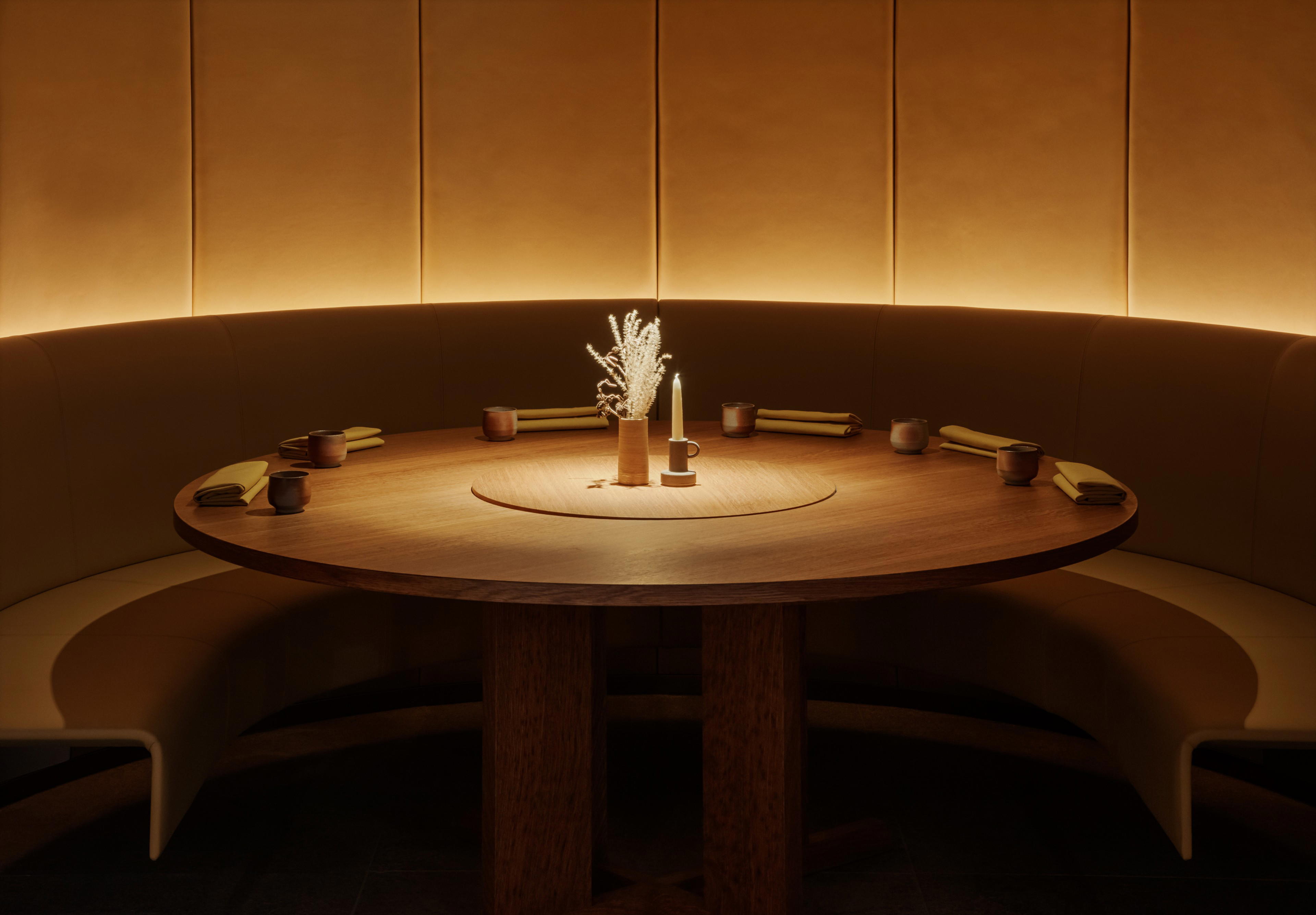
Restaurants in London
Browse all →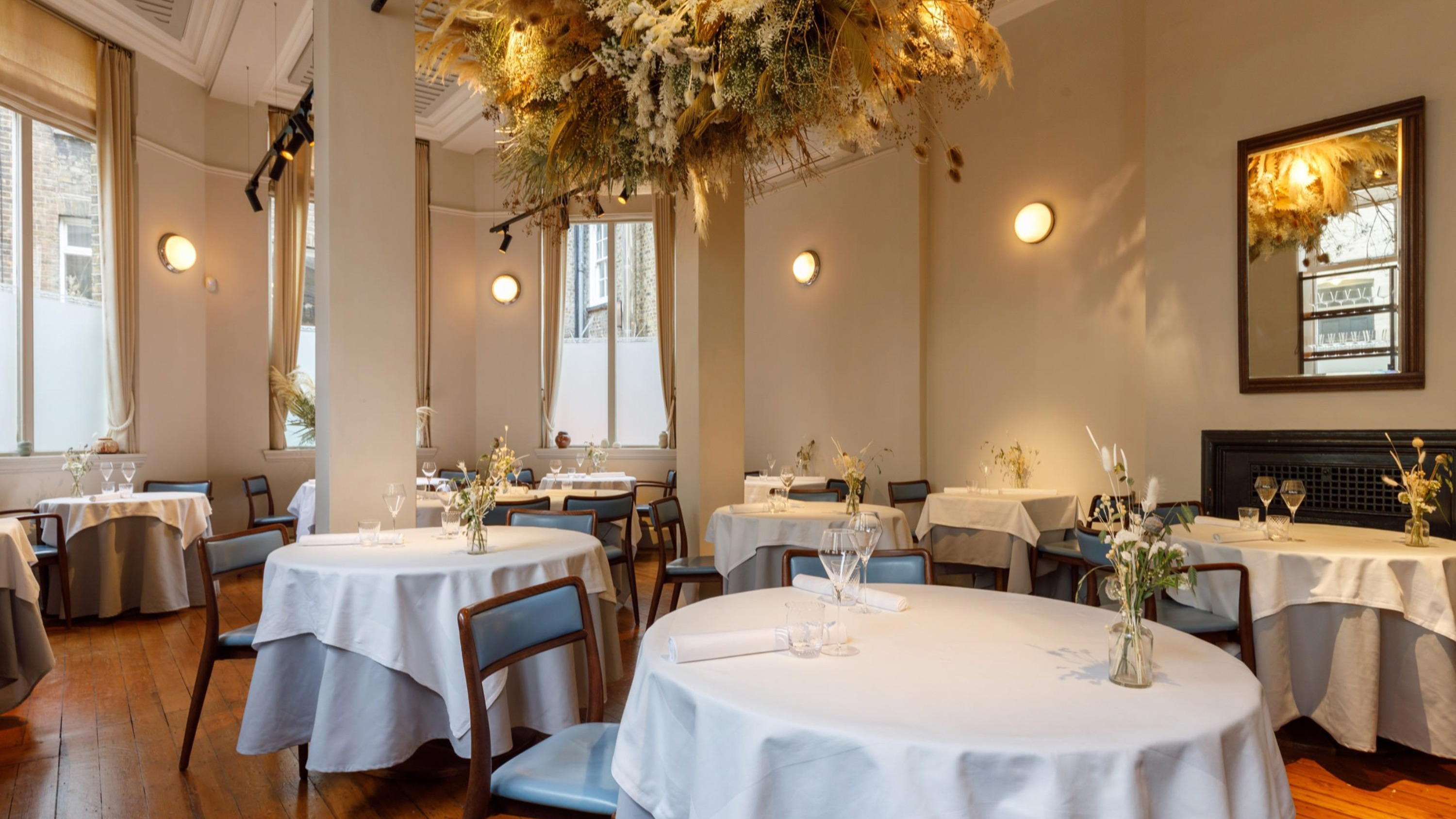
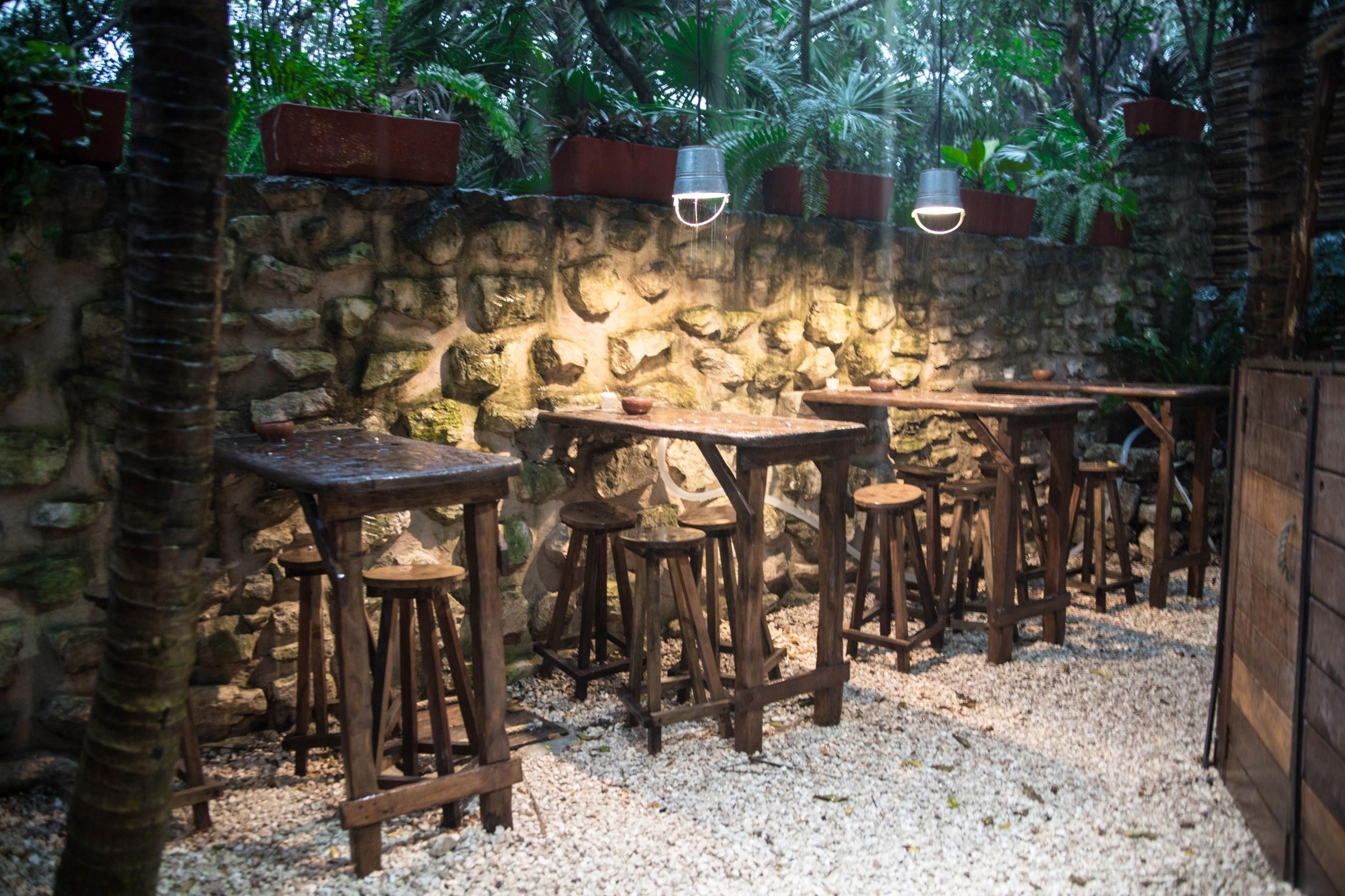
Bars in London
Browse all →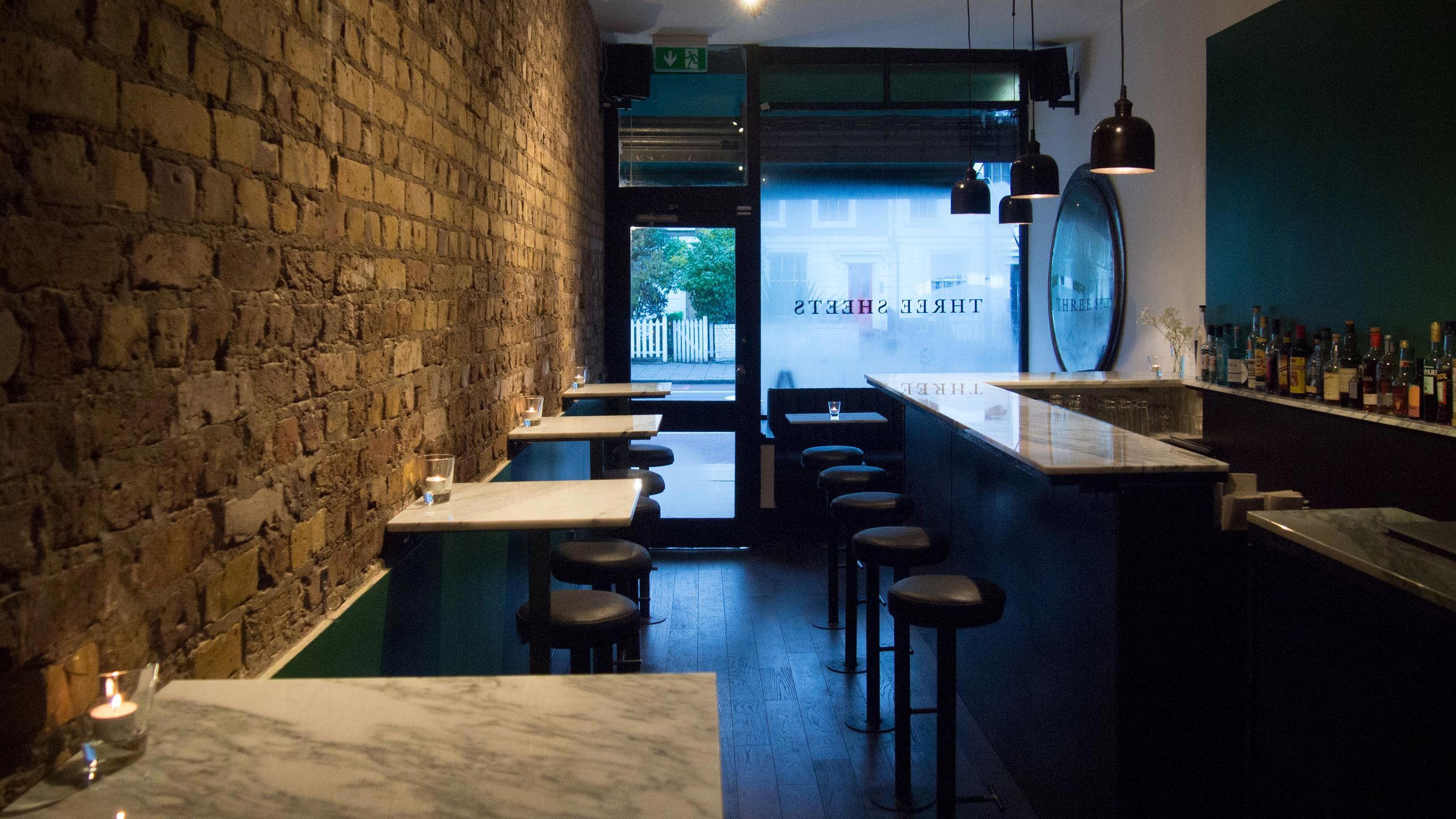
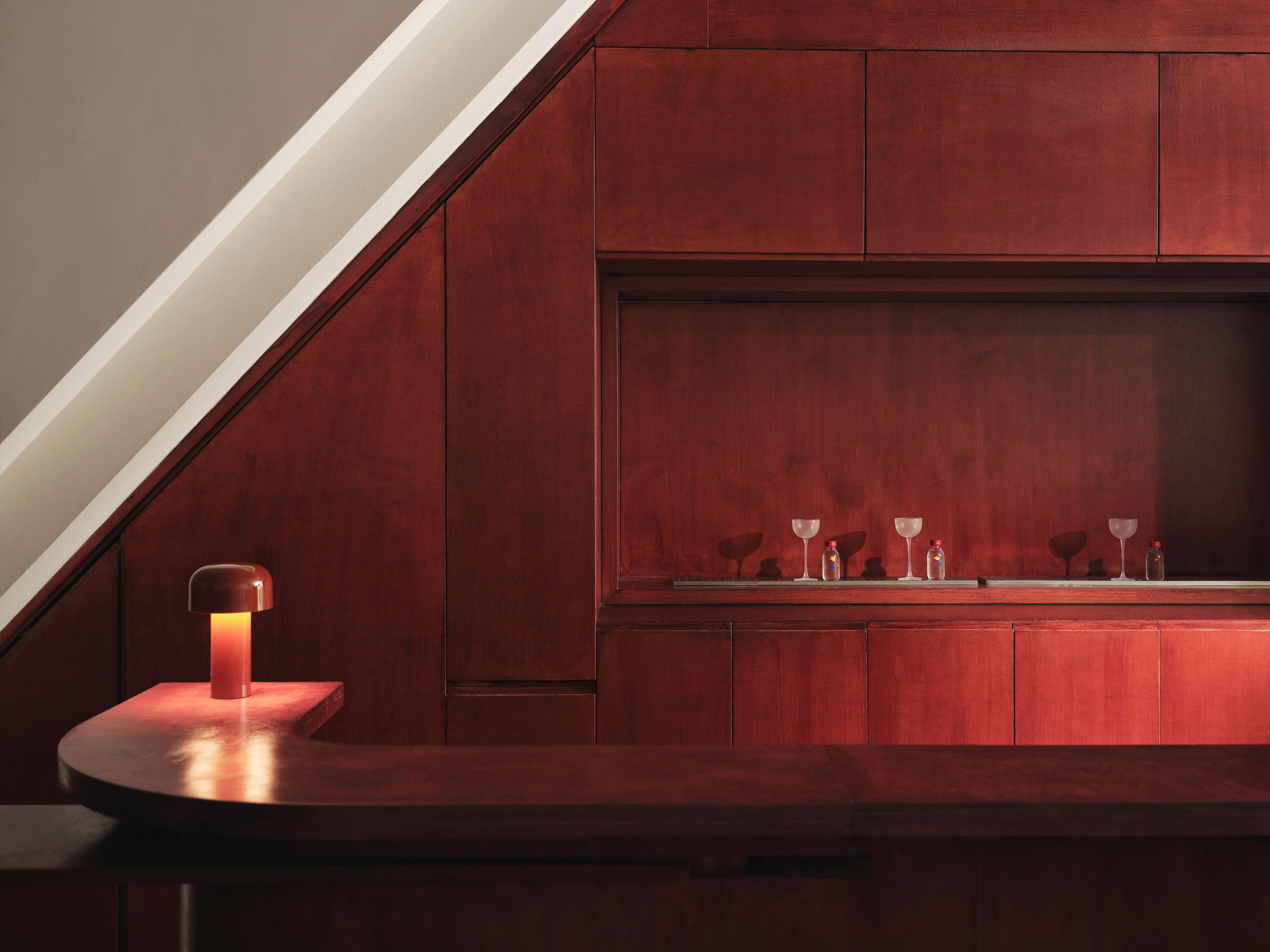
Hotels in London
Browse all →


At a Glance
- Romantic
- Cozy
- Intimate
- Date Night
- Special Occasion
- Open Kitchen
- Extensive Wine List
- Local Sourcing
- Sustainable Seafood
- Organic
Current opening hours
- Monday
- 5:30–10 PM
- Tuesday
- 5:30–10 PM
- Wednesday
- 5:30–10 PM
- Thursday
- 5:30–10 PM
- Friday
- 12–11 PM
- Saturday
- 12–11 PM
- Sunday
- 12–11 PM
Hours can change for holidays and private events. Last verified .
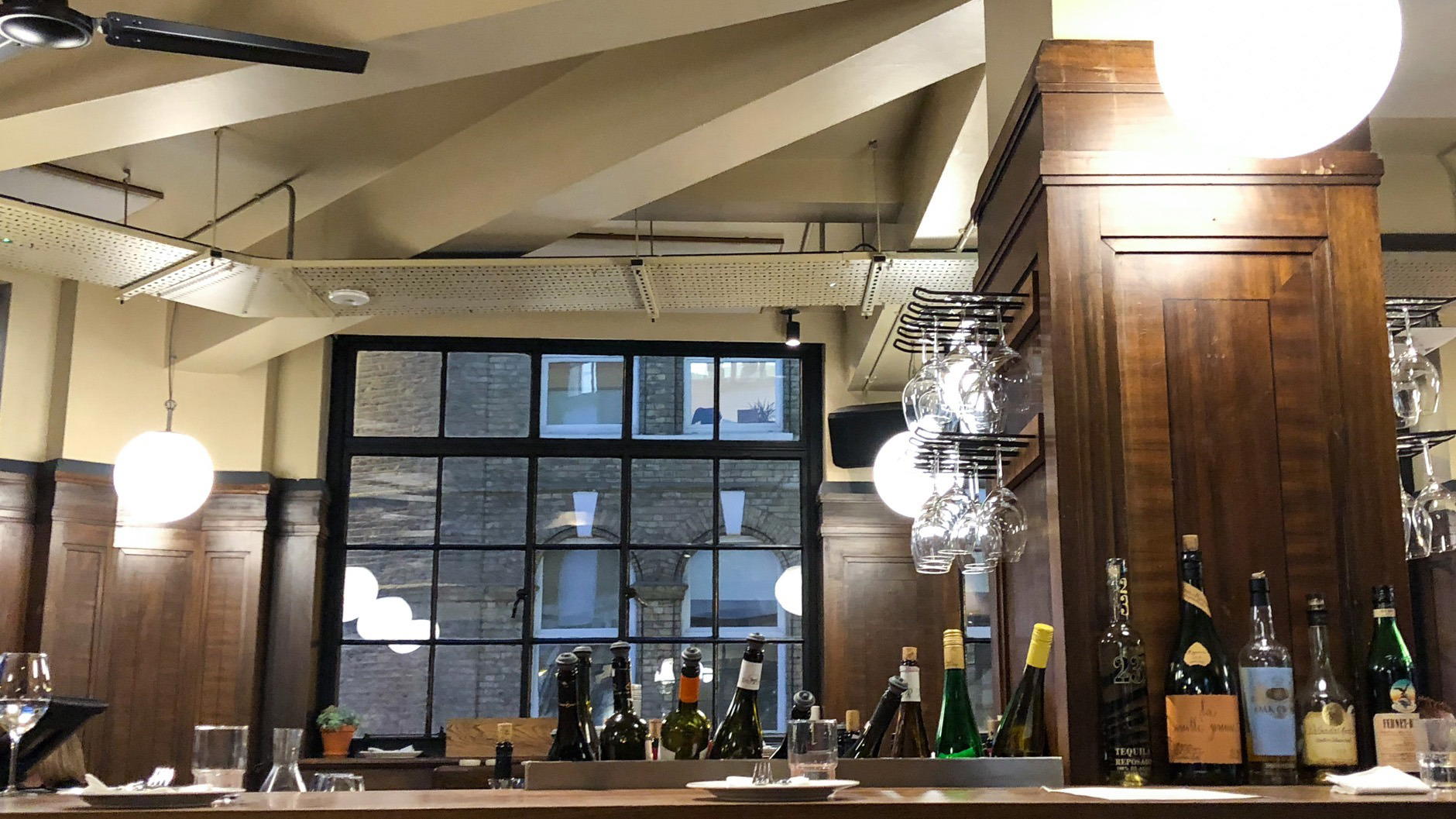
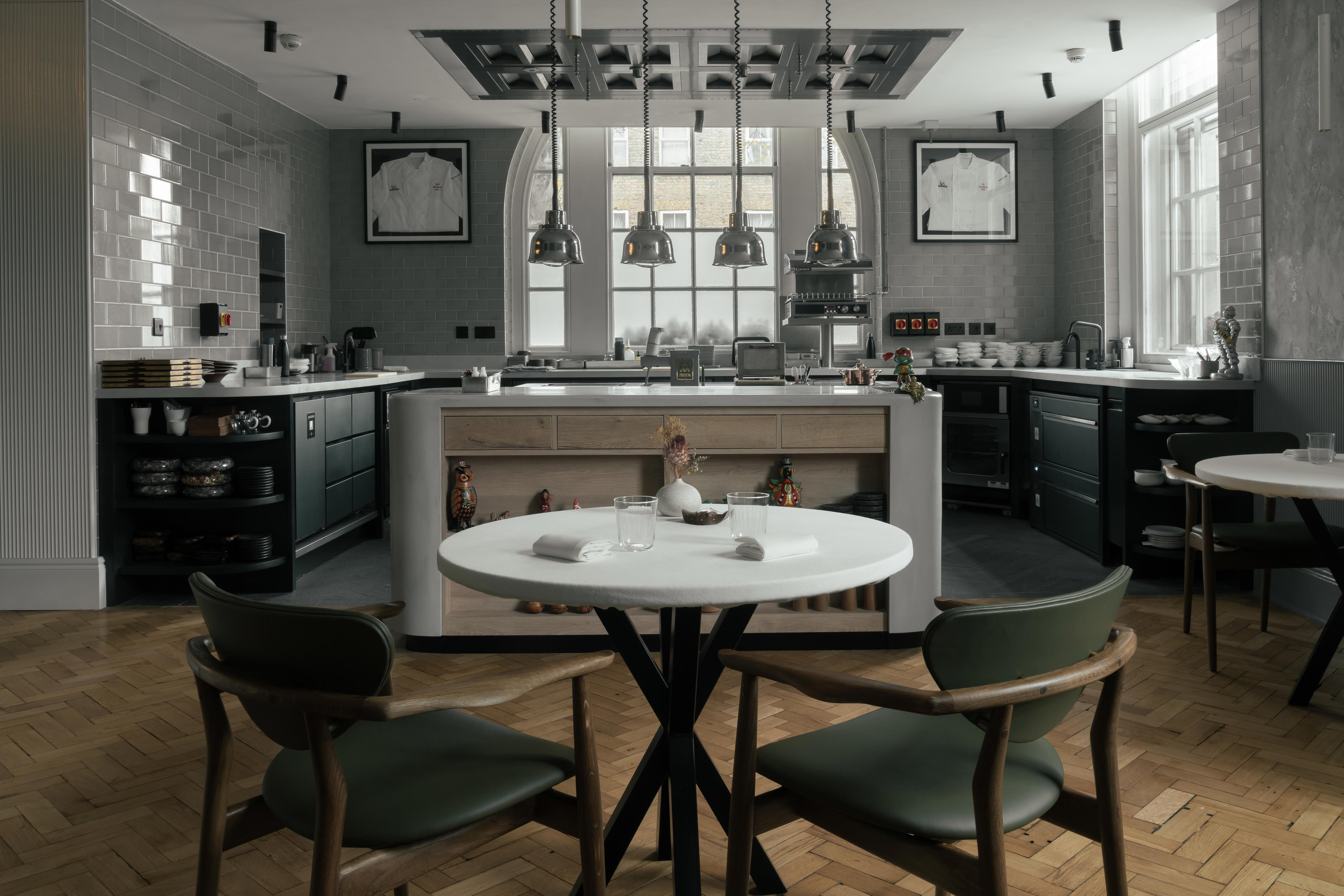
Warm and comfortable dining room with wooden tables, vintage furnishings, natural light, and a buzzy vibe from the open kitchen.