Blueberry occupies a quiet address on Rue du Sabot in Saint-Germain-des-Prés, one of Paris's most considered dining neighbourhoods. The venue sits within a Left Bank scene where wine curation and kitchen precision tend to define reputation more than size or spectacle. For those working through the sixth arrondissement's dining options, it warrants attention alongside the neighbourhood's more prominent tables.
Pearl is the En Primeur Club membership app — saves, bookings, and concierge access live there. Same editors, same standards.
- Address
- 6 Rue du Sabot, 75006 Paris, France
- Phone
- +33142222156
- Website
- blueberrymakibar.com
- Directions
- Get directions
 Saves & bookings on Pearl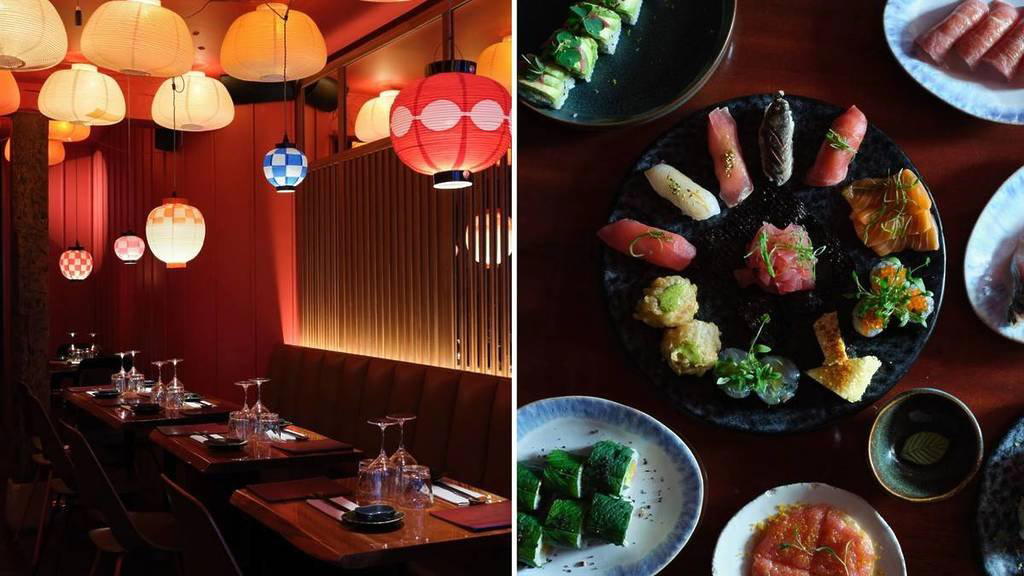
Saint-Germain-des-Prés and the Case for Understated Addresses
The sixth arrondissement has long operated on a different register from Paris's more theatrical dining quarters. Where the eighth produces grand rooms and formal ceremony, tables like Le Cinq at the Four Seasons Hôtel George V or Alléno Paris au Pavillon Ledoyen, the sixth tends toward rooms where the conversation is as important as the ceiling height. Rue du Sabot sits in the heart of that quieter tradition: a short street off Rue de Rennes where foot traffic is local rather than tourist-driven, and where a restaurant's reputation depends almost entirely on what arrives at the table and in the glass.
Blueberry is a Fusion Japanese Maki Bar at 6 Rue du Sabot, 75006 Paris, France. In a neighbourhood that has sustained serious wine bars, literary brasseries, and a handful of genuinely committed small kitchens for decades, a venue on this street is making a specific argument about its own priorities. The address alone signals something about the intended clientele and the operating philosophy, even before the menu is considered.
The Wine List as the Central Statement
In Paris's current dining scene, the wine list has become among the more reliable indicators of a restaurant's actual ambitions. The city's upper tier, Arpège, L'Ambroisie, Kei, each maintains cellars that function as editorial statements in their own right, reflecting the house's position on terroir, producer relationships, and the relationship between wine and cooking. Below that tier, particularly interesting rooms in the sixth tend to be the ones where the wine list is built with the same rigour as the kitchen.
What a serious wine program in a neighbourhood like Saint-Germain typically signals is a commitment to curation over volume: fewer labels chosen with specificity rather than a broad list assembled for coverage. The Loire and Burgundy regions historically dominate the shortlists of Left Bank rooms with genuine cellar ambition, though the past decade has seen a significant shift toward natural and low-intervention producers across Paris's more considered independent venues. France's broader dining geography reinforces this: destinations like Bras in Laguiole and Auberge de l'Ill in Illhaeusern have long demonstrated how regional wine programs, built around proximity and producer loyalty, can define a house's identity as much as any dish.
Blueberry's position on Rue du Sabot places it within this conversation. The address and neighbourhood context suggest a room where the list will reward those who engage with it rather than default to the obvious choices.
Where Blueberry Sits in the Left Bank Dining Pattern
The sixth arrondissement's dining character has shifted over the past fifteen years. Institutions that once defined the neighbourhood, long-running brasseries, the famous literary cafés, now share space with a younger cohort of independent kitchens that operate with considerably less room and considerably more technical ambition. This pattern mirrors what has happened in other French cities and regions: interesting cooking increasingly happens at addresses that require some effort to find, often on streets one removed from the main drag.
That broader French tradition of serious cooking in unassuming rooms has deep roots. Auberge du Vieux Puits in Fontjoncouse and Les Prés d'Eugénie in Eugénie-les-Bains built their reputations in villages that required a deliberate journey. In Paris, the equivalent logic plays out at the neighbourhood level: the room on the quiet street rather than the brasserie on the boulevard. Georges Blanc in Vonnas and Troisgros in Ouches similarly built their identities around destinations that rewarded the effort of arrival.
Blueberry sits within this pattern at the city scale. The name itself is deliberately informal, which in Paris's current dining climate is a considered choice. Venues operating at the serious end of the independent scene in the sixth, and there are several, tend to avoid the formality signals that might have defined an earlier generation of Left Bank restaurants. The informality is not indifference; it is a reframing of where the seriousness is concentrated.
Cuisine, Kitchen, and What the Address Implies
Blueberry is a Fusion Japanese Maki Bar. What can be said with confidence is that a venue at this address in this neighbourhood is unlikely to be operating in the middle ground. Saint-Germain's dining scene at the independent end has bifurcated: there are rooms with genuine kitchen and cellar ambition, and there are tourist-facing operations filling the commercial gaps. Rue du Sabot is not a tourist street.
The comparable tier of Paris venues, the rooms that sit below the three-Michelin-star ceiling but above the neighbourhood bistro baseline, includes addresses like the ones that have drawn consistent recognition from French and international critics for their balance of technique and accessibility. Mirazur in Menton and Flocons de Sel in Megève demonstrate how seriously the French dining public takes venues that operate outside the capital's formal hierarchy. In Paris itself, Paul Bocuse - L'Auberge du Pont de Collonges and La Table du Castellet represent the tradition of serious cooking built on regional conviction rather than metropolitan spectacle.
For international context, the same commitment to kitchen integrity in a low-ceremony room defines venues like Le Bernardin in New York and Lazy Bear in San Francisco, both of which operate with substantial critical recognition while resisting the conventions of formal fine dining. The global shift toward rooms where the food and drink carry the evening, rather than the room's architecture or the service's theatrics, is as visible in Paris's sixth arrondissement as anywhere.
Planning Your Visit
Blueberry is located at 6 Rue du Sabot, 75006 Paris. The street is walkable from Saint-Germain-des-Prés Métro (line 4) and Sèvres-Babylone (lines 10 and 12). Blueberry is open Monday through Wednesday 12-2:30 PM and 7-10:30 PM, Thursday and Friday 12-2:30 PM and 7-11 PM, Saturday 12:30-3 PM and 7-11 PM, and Sunday 12:30-3 PM and 7-10:30 PM. Reservations are essential.
Category Peers
Comparable venues nearby, for context on price, style, and recognition.
| Venue | Cuisine | Price | Notes |
|---|---|---|---|
| BlueberryThis venue — the venue you are viewing | Fusion Japanese Maki Bar | $$$ | Not listed |
| Nanaumi | Traditional Japanese | $$$ | Gaillon |
| AO Izakaya | Franco-Japanese Izakaya | $$$ | 9th Arr. |
| Momoka | Modern Japanese Tasting | $$$ | Pigalle |
| Azabu | Authentic Japanese Teppanyaki | $$$ | Saint-Michel |
| Udon Jubey | Authentic Japanese Udon | $$ | Louvre / Palais-Royal |
Continue exploring
More in Paris
Restaurants in Paris
Browse all →
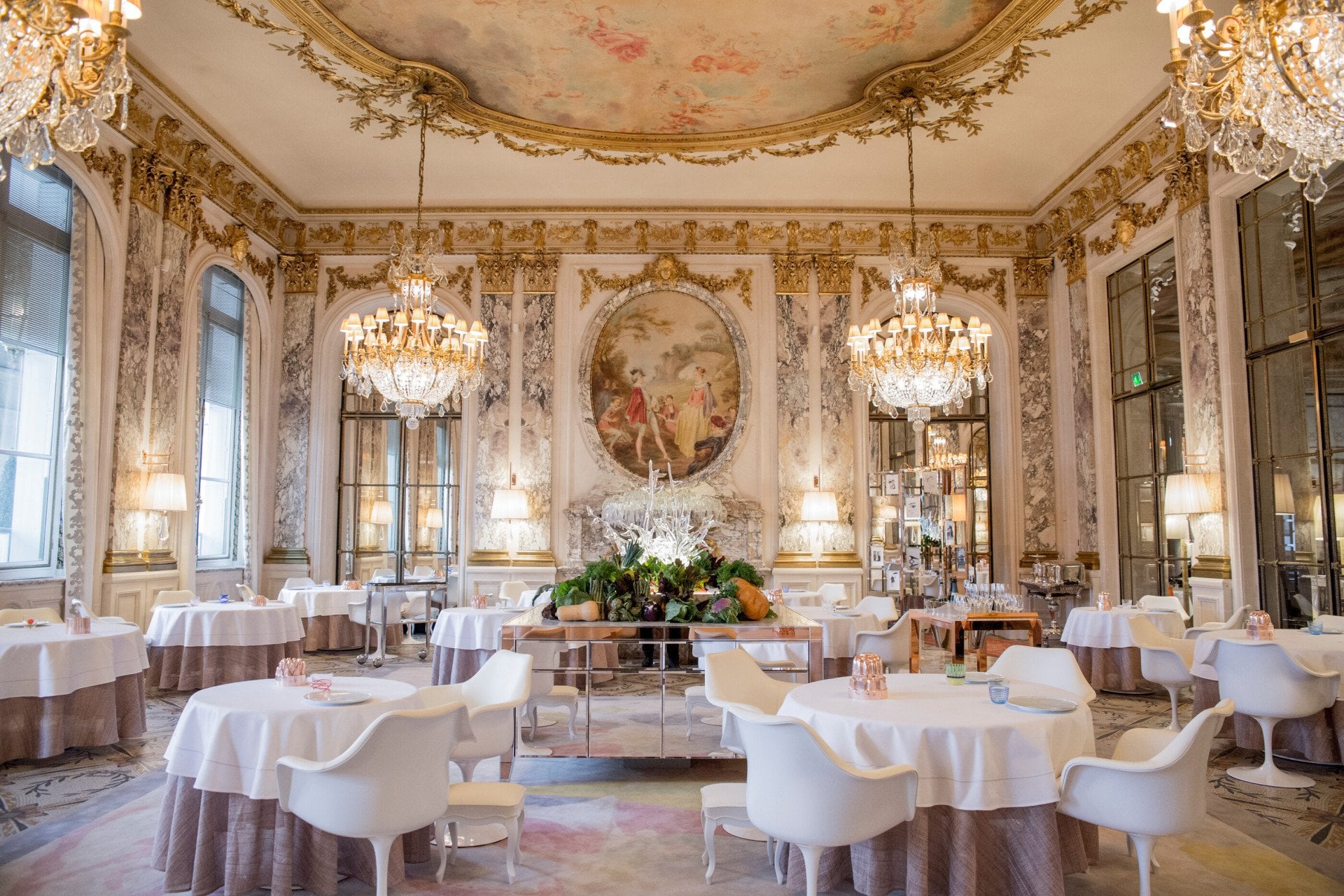
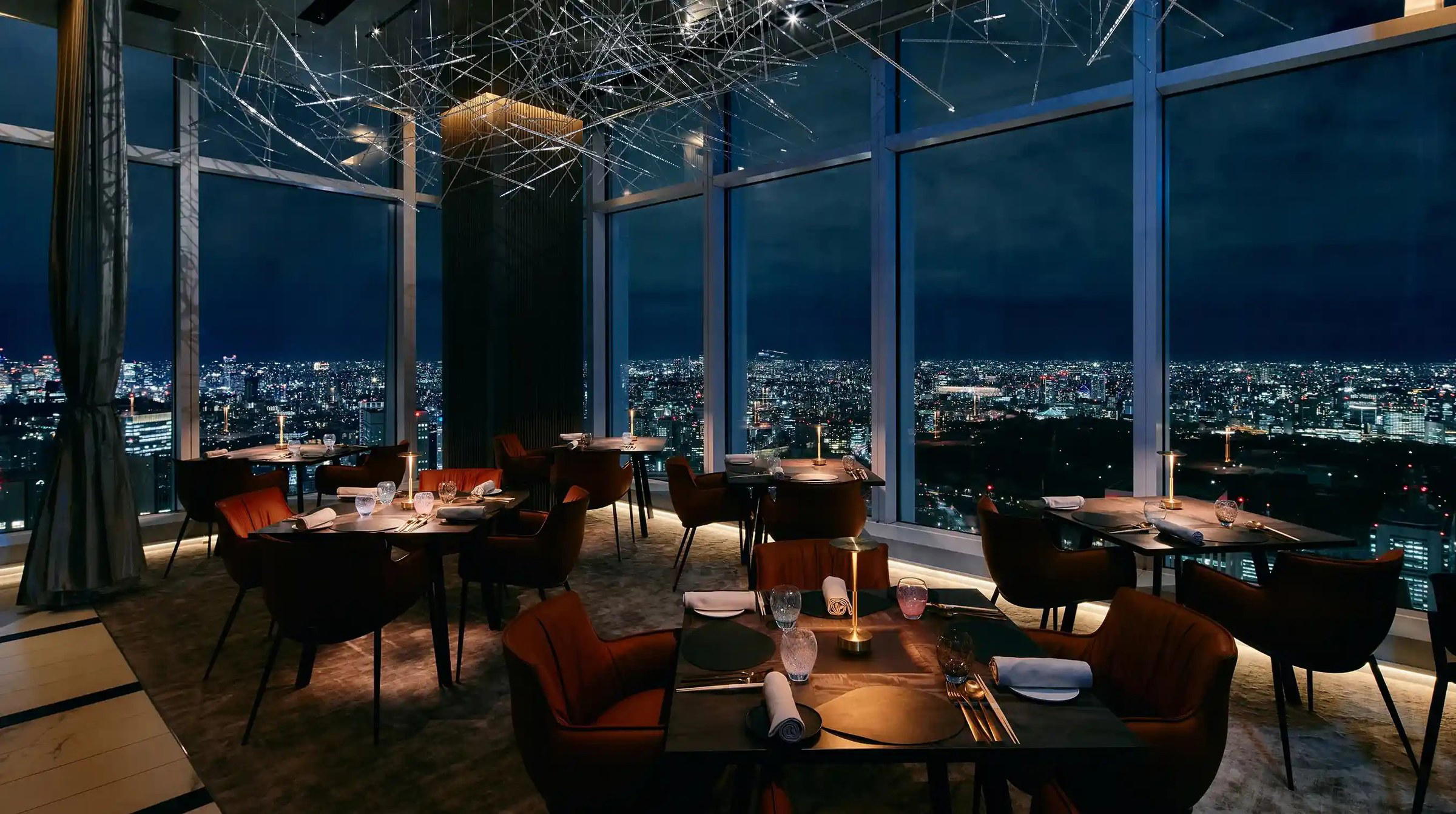
Bars in Paris
Browse all →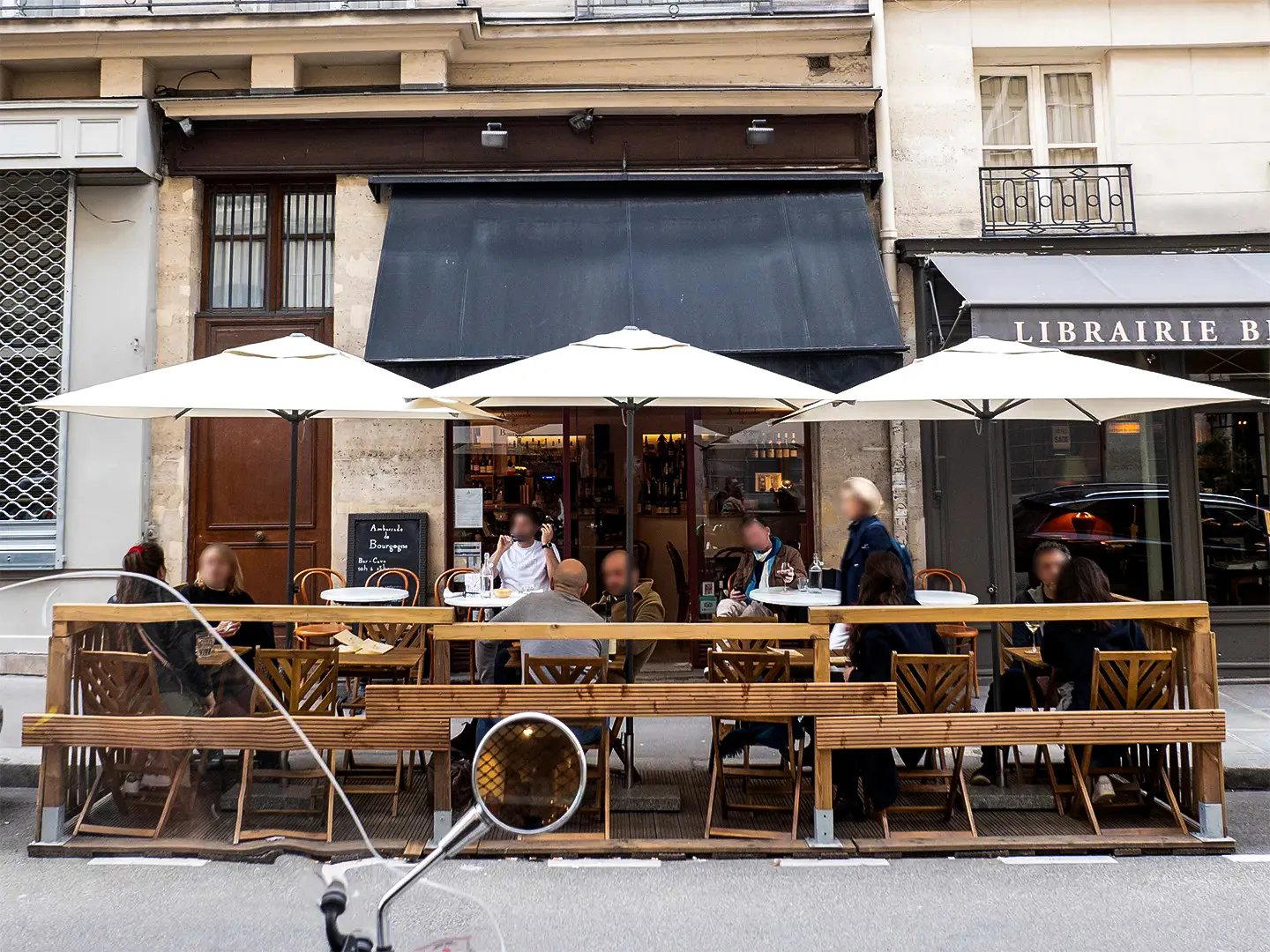
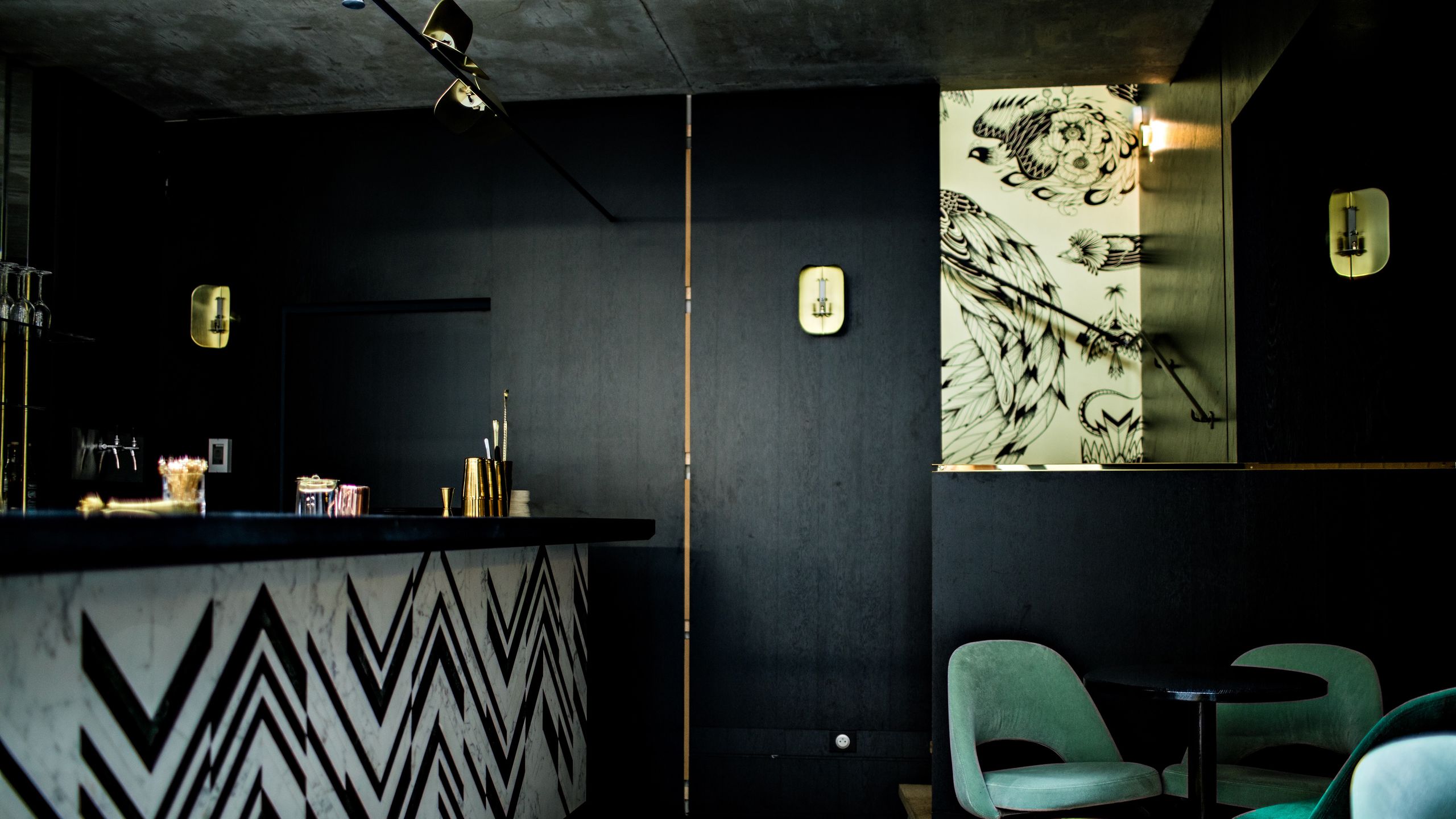
Hotels in Paris
Browse all →
Wineries in Paris
Browse all →
At a Glance
- Lively
- Trendy
- Modern
- Date Night
- Casual Hangout
- Open Kitchen
- Craft Cocktails
Current opening hours
- Monday
- 12–2:30 PM, 7–10:30 PM
- Tuesday
- 12–2:30 PM, 7–10:30 PM
- Wednesday
- 12–2:30 PM, 7–10:30 PM
- Thursday
- 12–2:30 PM, 7–11 PM
- Friday
- 12–2:30 PM, 7–11 PM
- Saturday
- 12:30–3 PM, 7–11 PM
- Sunday
- 12:30–3 PM, 7–10:30 PM
Hours can change for holidays and private events. Last verified .
Bright and playful with colorful lanterns, chandeliers, and flashy walls creating a lively Tokyo-inspired atmosphere.