Nanaumi occupies a quietly significant address at 9 Rue Volney in Paris's 2nd arrondissement, a neighborhood whose dining scene has shifted considerably over the past decade toward specialist, format-driven restaurants. Positioned in the same city tier as Michelin-recognized contemporaries like Kei and Alléno Paris, Nanaumi draws on cultural roots that reward visitors willing to look beyond the obvious grands addresses.
Pearl is the En Primeur Club membership app — saves, bookings, and concierge access live there. Same editors, same standards.
- Address
- 9 Rue Volney, 75002 Paris, France
- Phone
- +33140209668
- Website
- nanaumi.fr
- Directions
- Get directions
 Saves & bookings on Pearl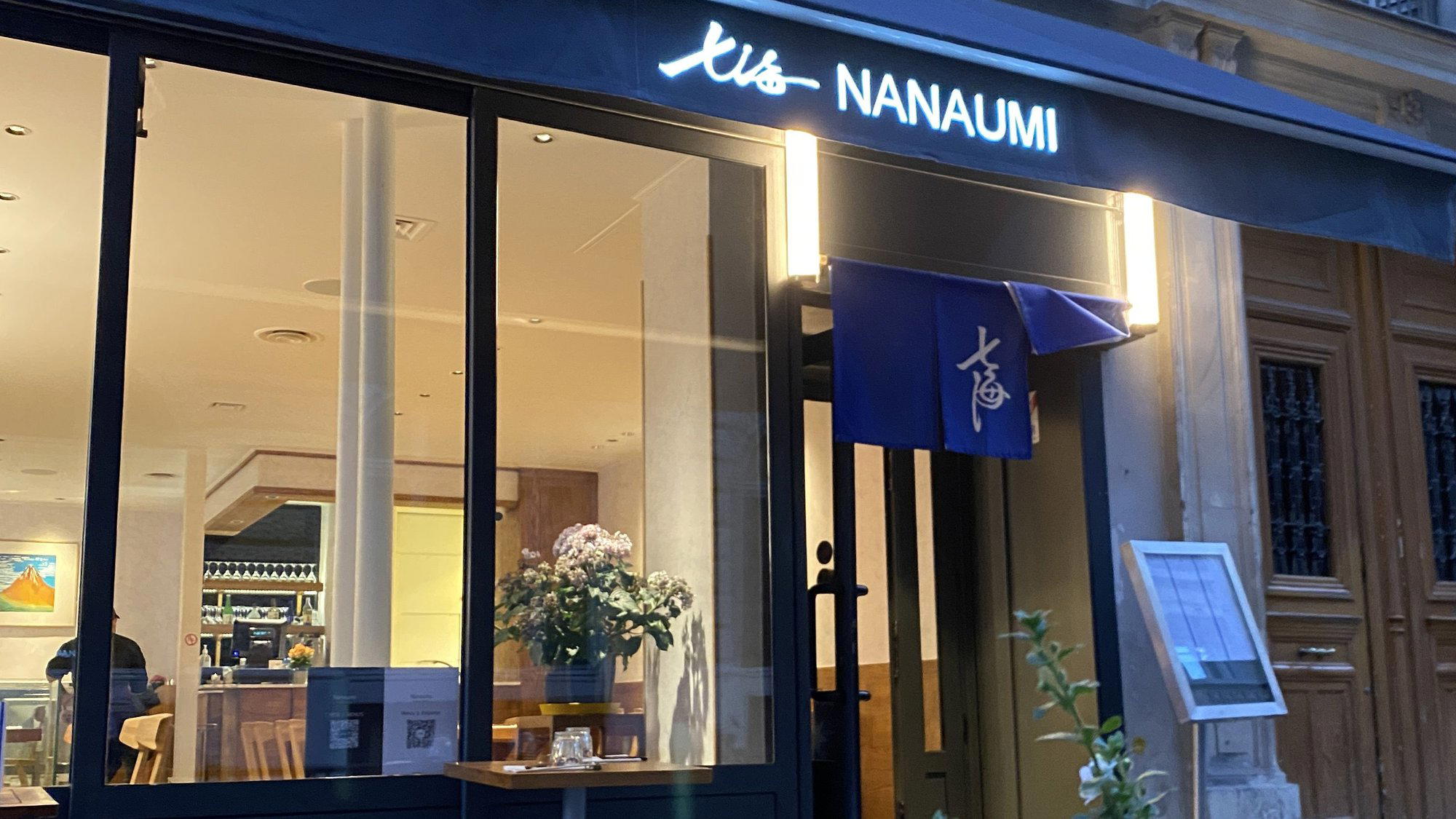
Rue Volney and the 2nd Arrondissement's Evolving Table
Paris's 2nd arrondissement has never been the city's most celebrated dining quartier, but that relative obscurity has made it one of the more interesting places to track how the capital absorbs culinary influence from outside its classical tradition. The streets between the Bourse and the Opéra have, over roughly the past fifteen years, accumulated a cohort of restaurants whose identities are defined less by French haute cuisine convention and more by the specificity of what they bring to it. It sits inside that broader shift, occupying an address that places it equidistant from the grand brasserie culture of the Grands Boulevards and the tighter, more considered room formats that have come to define mid-size serious dining in this part of the city.
The 2nd is not the 8th, where Alléno Paris au Pavillon Ledoyen and Le Cinq at the Four Seasons George V command palatial settings and price points to match. Nor is it the 7th, where Arpège has spent decades refining a vegetable-forward version of three-star classicism. The 2nd offers something structurally different: a neighborhood where ambition tends to express itself through precision and restraint rather than ceremony and scale.
The Cultural Roots of the Cuisine
Japanese culinary influence in Paris has followed a trajectory that few cities outside Tokyo can claim to match in depth or duration. The relationship began as a professional exchange, with French chefs traveling to Japan in the 1970s and 1980s while Japanese cooks moved in the opposite direction to train under the grandes maisons. What has emerged over the decades is not fusion in any casual sense, but something more disciplined: a set of shared values around seasonality, product hierarchy, and technical control that both traditions hold in common, expressed differently depending on which cultural grammar is doing the speaking.
Kei, which holds Michelin recognition and represents one of the clearest instances of Japanese-trained precision applied to a French fine dining format, demonstrates how thoroughly that cross-cultural grammar can be internalized. The success of that model has encouraged a second generation of addresses in Paris where the Japanese roots are less about fusion plating and more about a rigorous approach to sourcing, preparation, and restraint. Nanaumi operates in that territory, on Rue Volney, where the address keeps it accessible to visitors staying near the Palais-Royal or the Opéra quarter without requiring a deep dive into outer arrondissements.
The broader context matters here. French classical training has always placed product quality at the center of its value system, from the market-driven purchasing documented in Auguste Escoffier's kitchen records to the supplier relationships that define how three-star houses like L'Ambroisie on the Place des Vosges operate today. Japanese culinary culture applies a comparable but distinct version of that same obsession, particularly in the handling of fish and the relationship between temperature, texture, and timing. When those two traditions are brought into proximity by a kitchen that takes both seriously, the results tend to reward close attention.
Positioning Within the Paris Dining Tier
Paris maintains a recognizable fine dining hierarchy, anchored at the upper end by houses with multi-decade Michelin histories. The comparison set for a restaurant like Nanaumi is not that tier directly, but the layer immediately below it: chef-driven rooms with a specific culinary identity, where the absence of a three-star rating reflects format or scale rather than ambition. In that comparable set, Nanaumi's Rue Volney location gives it a practical advantage over destination addresses that require deliberate travel across the city.
The comparison table below maps Nanaumi against its most relevant comparable set by format and city tier.
| Venue | Arrondissement | Format | Price Tier | Recognition |
|---|---|---|---|---|
| Nanaumi | 2nd (Bourse/Opéra) | TBC | Not published | Not confirmed |
| Kei | 1st (Louvre) | Japanese-French | €€€€ | Michelin-recognized |
| L'Ambroisie | 4th (Marais) | Classic French | €€€€ | Three Michelin stars |
| Alléno Paris | 8th (Champs-Élysées) | Creative French | €€€€ | Three Michelin stars |
France's Broader Specialist Dining Circuit
Understanding Nanaumi's place in Paris also means placing Paris itself within the wider context of French fine dining, which has always been a distributed network rather than a purely capital-centric one. Particularly technically rigorous cooking in France happens well outside Paris: Mirazur in Menton has held the leading position on the World's 50 Best list, while houses like Flocons de Sel in Megève, Troisgros in Ouches, and Bras in Laguiole have defined distinct regional approaches to haute cuisine. The Alsatian tradition represented by Auberge de l'Ill and Au Crocodile in Strasbourg, and the Mediterranean register explored by AM par Alexandre Mazzia in Marseille, each represent a different answer to the question of what French fine dining can be when it stops defaulting to Paris as the only reference point.
Nanaumi, by contrast, makes its argument from within the capital. For visitors building a Paris itinerary around serious eating, it represents an option at the 2nd arrondissement address that can anchor the Opéra-to-Palais-Royal corridor of a day rather than requiring a dedicated cross-city expedition. Readers planning multi-city itineraries that extend to the US might also cross-reference Le Bernardin in New York or Atomix, where a comparable cross-cultural precision has been applied to different culinary traditions in a different city context. For the fullest picture of what Paris offers across all price tiers and neighborhoods, our full Paris restaurants guide maps the current scene in detail.
Planning Your Visit
Nanaumi's address at 9 Rue Volney places it a short walk from the Opéra Garnier and within easy reach of stations on lines 3, 7, 8, and 14. The surrounding streets are well served by taxis and the city's Vélib' cycle-share network. For visitors staying near the 1st or 9th arrondissements, the location removes the need for any significant transit planning.
Booking is recommended, and the restaurant opens Monday to Friday from 12 to 2:30 PM and 7 to 10:30 PM, Saturday from 7 to 10:30 PM, and is closed on Sunday. Confirming reservation availability directly with the venue before building a dining itinerary around this address is advisable, particularly for weekend evenings when competition for tables at specialist rooms in this price tier tends to run highest.
Compact Comparison
Comparable venues nearby, for context on price, style, and recognition.
| Venue | Cuisine | Price | Notes |
|---|---|---|---|
| NanaumiThis venue — the venue you are viewing | Gaillon, Traditional Japanese | $$$ | Not listed |
| Ojii | Not listed | $$$ | Saint-Germain-des-Prés, Modern Japanese Fine Dining |
| Benkay | Not listed | $$$ | Front de Seine, Traditional Japanese Teppanyaki and Washoku |
| Azabu | Not listed | $$$ | Saint-Michel, Authentic Japanese Teppanyaki |
| Ramen Wagaya | Oberkampf, Authentic Japanese Ramen | $$ | Not listed |
| Ito Izakaya | Saint-Georges, Seasonal Japanese Izakaya | $$ | Not listed |
Continue exploring
More in Paris
Restaurants in Paris
Browse all →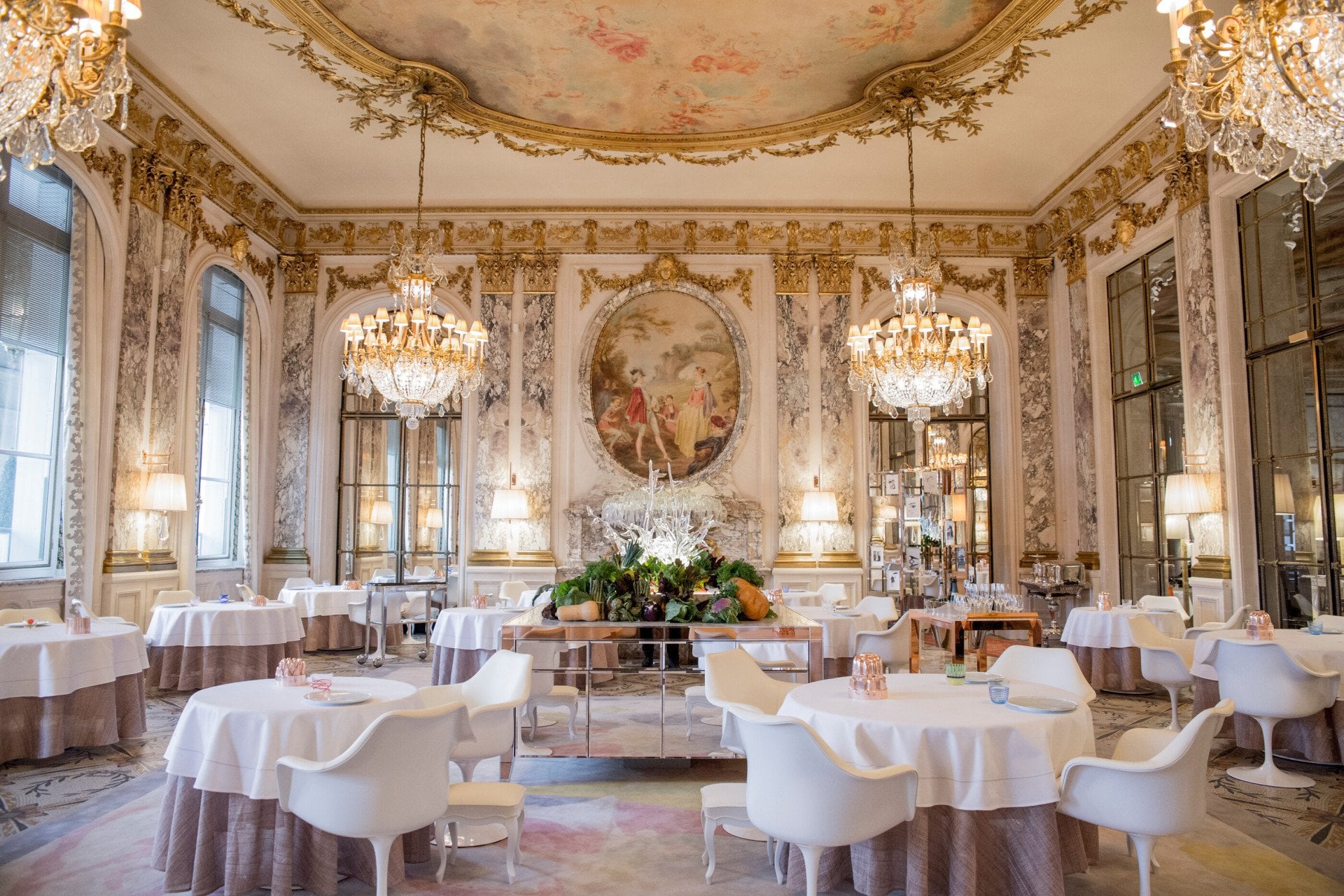
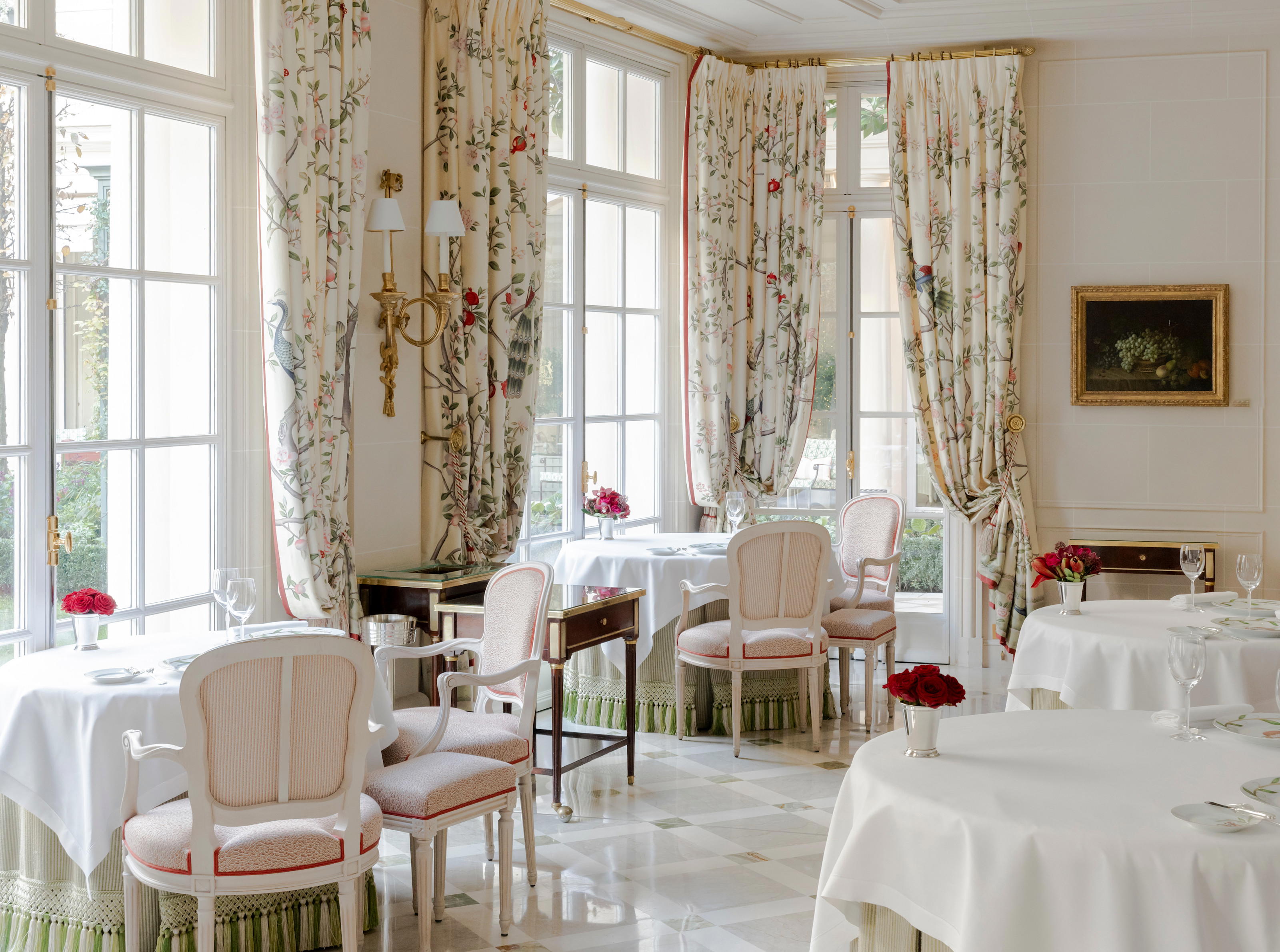
Hotels in Paris
Browse all →
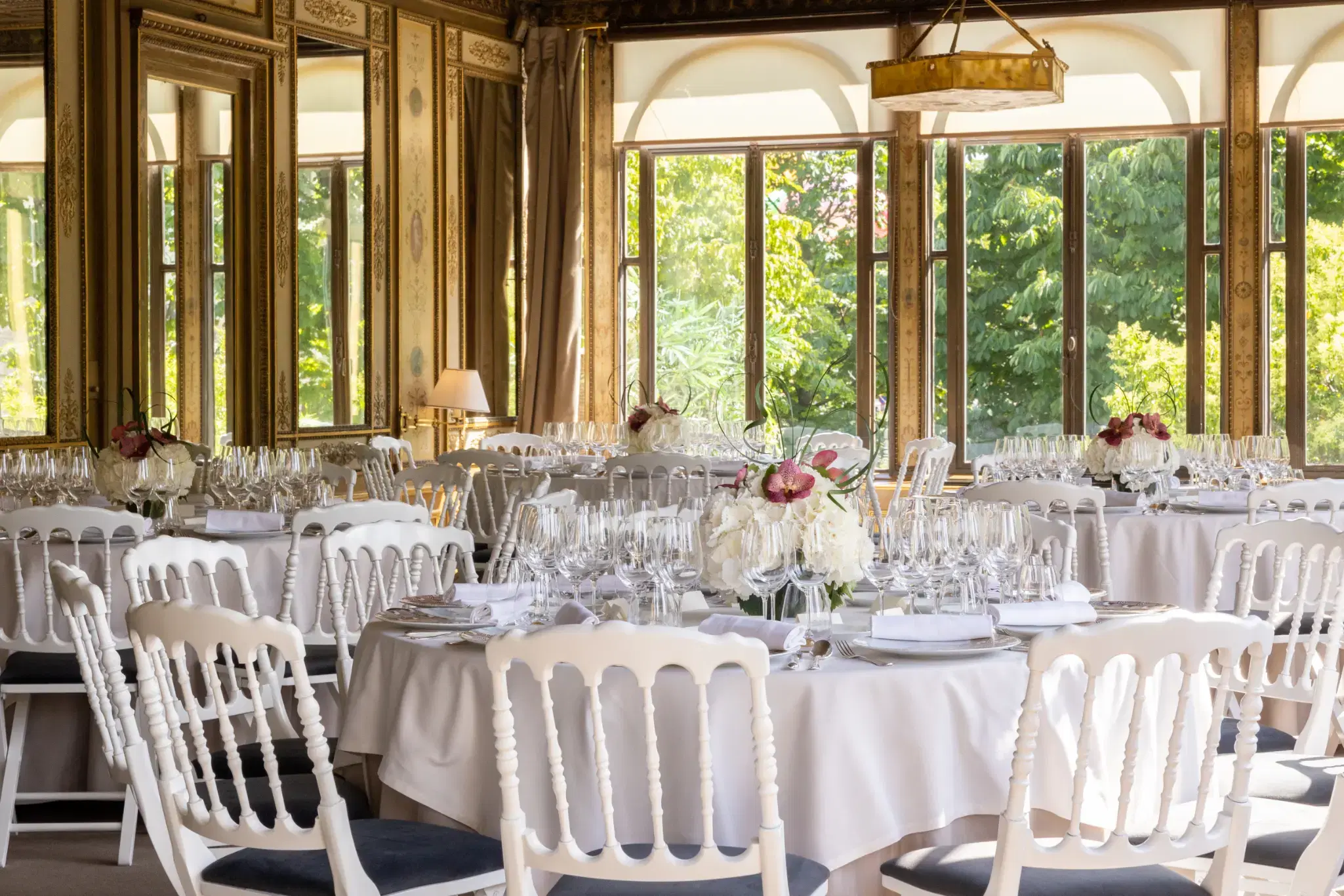
Wineries in Paris
Browse all →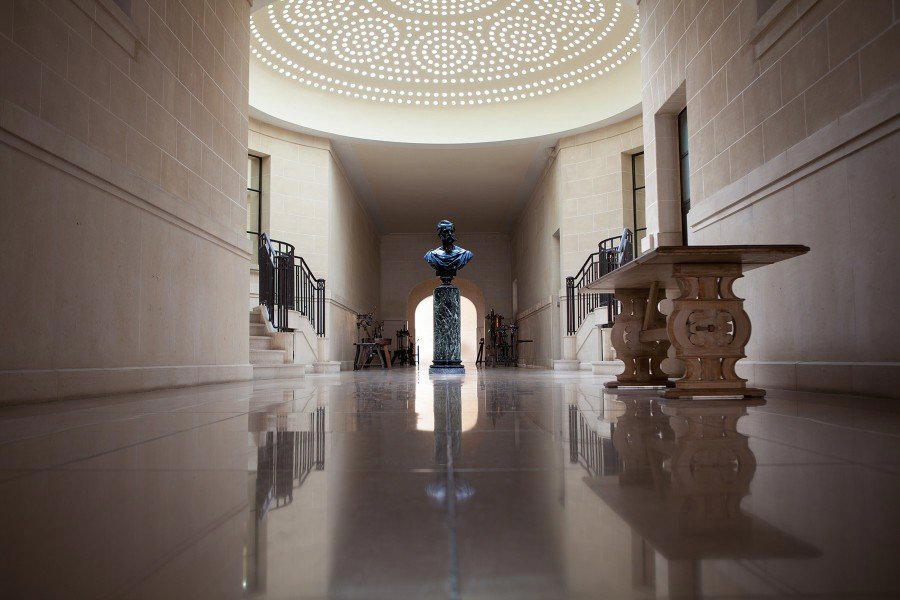
At a Glance
- Elegant
- Sophisticated
- Date Night
- Terrace
- Sake Program
Current opening hours
- Monday
- 12–2:30 PM, 7–10:30 PM
- Tuesday
- 12–2:30 PM, 7–10:30 PM
- Wednesday
- 12–2:30 PM, 7–10:30 PM
- Thursday
- 12–2:30 PM, 7–10:30 PM
- Friday
- 12–2:30 PM, 7–10:30 PM
- Saturday
- 7–10:30 PM
- Sunday
- Closed
Hours can change for holidays and private events. Last verified .
Monastic and fluid hall with a classic Japanese atmosphere.