
World's 50 Best #44
Our verdict
Blue Lagoon sits at the intersection of geothermal spectacle and Nordic table, placing it in a category that few dining destinations anywhere can claim. The restaurant earned a place on the World's 50 Best list in 2002 and continues to draw visitors making the short drive from Reykjavík. It is one of two serious dining options at the site, alongside the Michelin-recognised Moss.

Pearl is the En Primeur Club membership app — saves, bookings, and concierge access live there. Same editors, same standards.
- Address
- Víkurbraut 62, 240 Grindavík, Iceland
- Phone
- +354 426 8760
- Website
- bluelagoon.com
- Directions
- Get directions
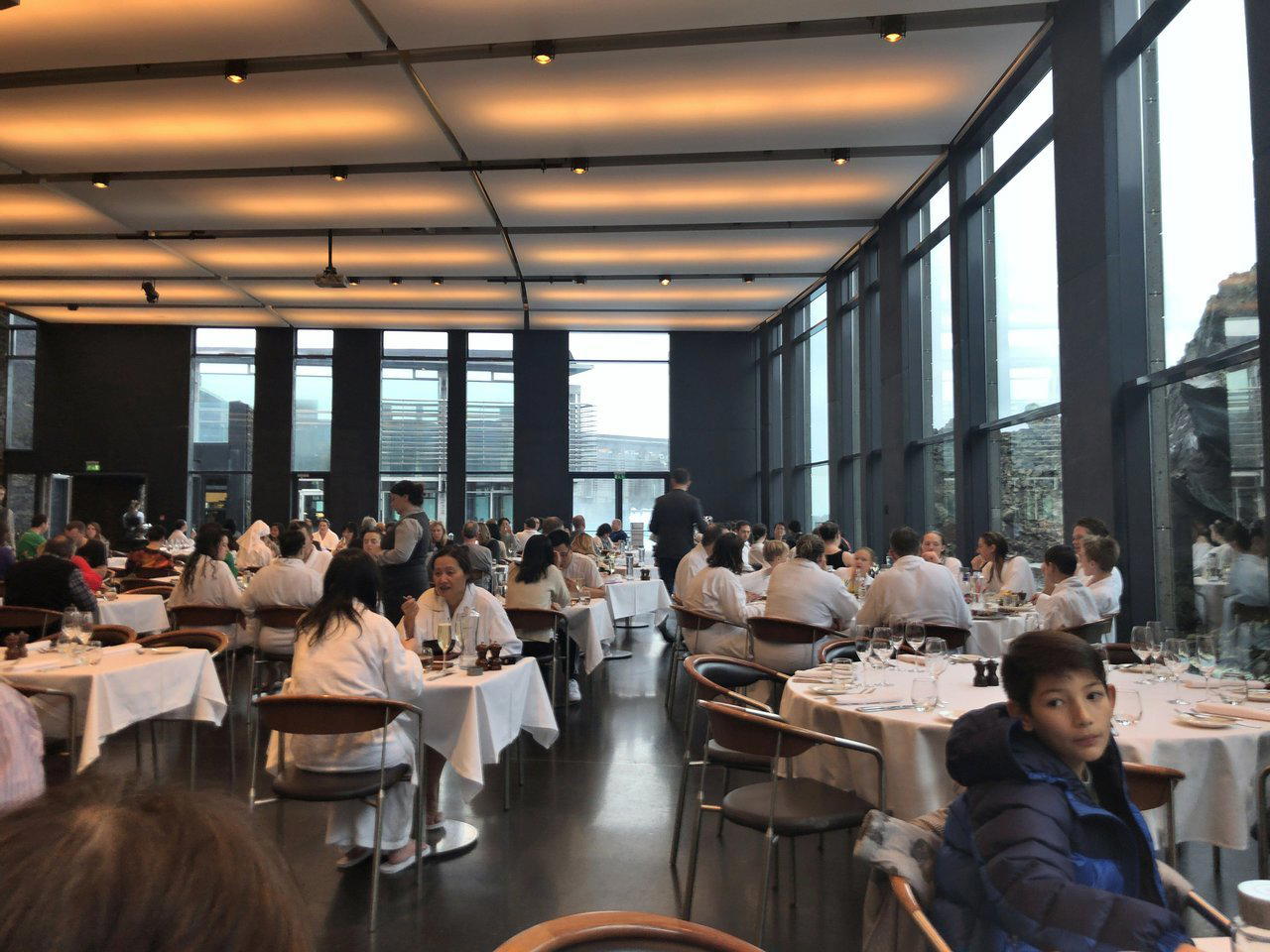
Where the Lava Field Sets the Table
The approach to the Blue Lagoon complex tells you something important before you sit down to eat. The Reykjanes Peninsula stretches out in a volcanic stillness that is unlike anything in the European dining belt — no cultivated vineyard slopes, no medieval town squares, no curated pastoral softness. The ground here is raw basalt, steam rises from fissures, and the silhouettes of geothermal infrastructure cut across a flat, mineral sky. What the New Nordic movement identified as a philosophy — that the land itself should determine the plate, has rarely found a more literal backdrop than this one. At Blue Lagoon, the environment is not a backdrop for decoration. It is the argument.
The site sits roughly 45 minutes southwest of Reykjavík, close to Keflavík International Airport, which places it logistically between arrival and city entry for many visitors. That geography shapes the audience: this is not the kind of table that fills with repeat neighbourhood regulars. It draws from a different pool, international travellers, pre-flight diners, guests of the on-site hotel, and those who have built itineraries around the geothermal experience itself.
A 50 Best Credential in the Right Context
World's 50 Best recognition Blue Lagoon received in 2002 requires some calibration. That era of the list captured a different cross-section of global dining than the award does today, and a placement at number 44 in the early 2000s does not map neatly onto the current Michelin-weighted conversation around Icelandic fine dining. What it does confirm is that the site's culinary ambition had international credibility at a formative moment for Nordic cuisine broadly, years before the Noma generation reframed what Scandinavian kitchens could mean. For context, restaurants like Le Bernardin in New York City and Alain Ducasse at Louis XV in Monte Carlo occupied that same list in the same period, which signals the tier the placement was reaching toward.
Nordic dining conversation in Iceland has since shifted considerably. DILL in Reykjavík now holds the Michelin star that anchors the city's fine-dining credibility, and the Blue Lagoon site itself houses Moss, a Michelin-recognised Modern Cuisine restaurant that occupies the upper tier of the destination's food offering. Blue Lagoon and Moss represent two different scales of engagement with the same geothermal site, one a broader, more accessible Nordic table, the other a tighter, more ceremony-led format. Understanding that split matters when choosing how to spend time on the Reykjanes Peninsula.
Nordic Cuisine as Landscape Logic
New Nordic framework, as it has developed across Scandinavian kitchens over the past two decades, rests on a specific discipline: ingredients sourced from the immediate region, techniques that preserve rather than transform, and menus that change when the land does. Iceland operates at the edge of that framework's reach. Its growing season is short, its coastline is extraordinarily productive, and the geothermal environment creates growing conditions, greenhouse cultivation warmed by volcanic heat, that exist almost nowhere else in northern Europe. Those conditions produce ingredients with unusual character: tomatoes grown in geothermal greenhouses, lamb that grazes on the moss-covered lava fields, Arctic char from glacial rivers, and seaweed harvested from the cold North Atlantic.
Nordic cuisine in this context is less a style than a geography. The discipline of restraint that defines the movement's leading expressions, found also at destinations like Koks at Ilimanaq Lodge in Ilulissat, where Faroese and Greenlandic ingredients anchor a remote tasting format, emerges here from actual scarcity and specificity rather than philosophical posture. When the plate carries Arctic char or Icelandic lamb, the sourcing is not a marketing claim. It is a statement of what grows and lives here.
The Site Itself as Context
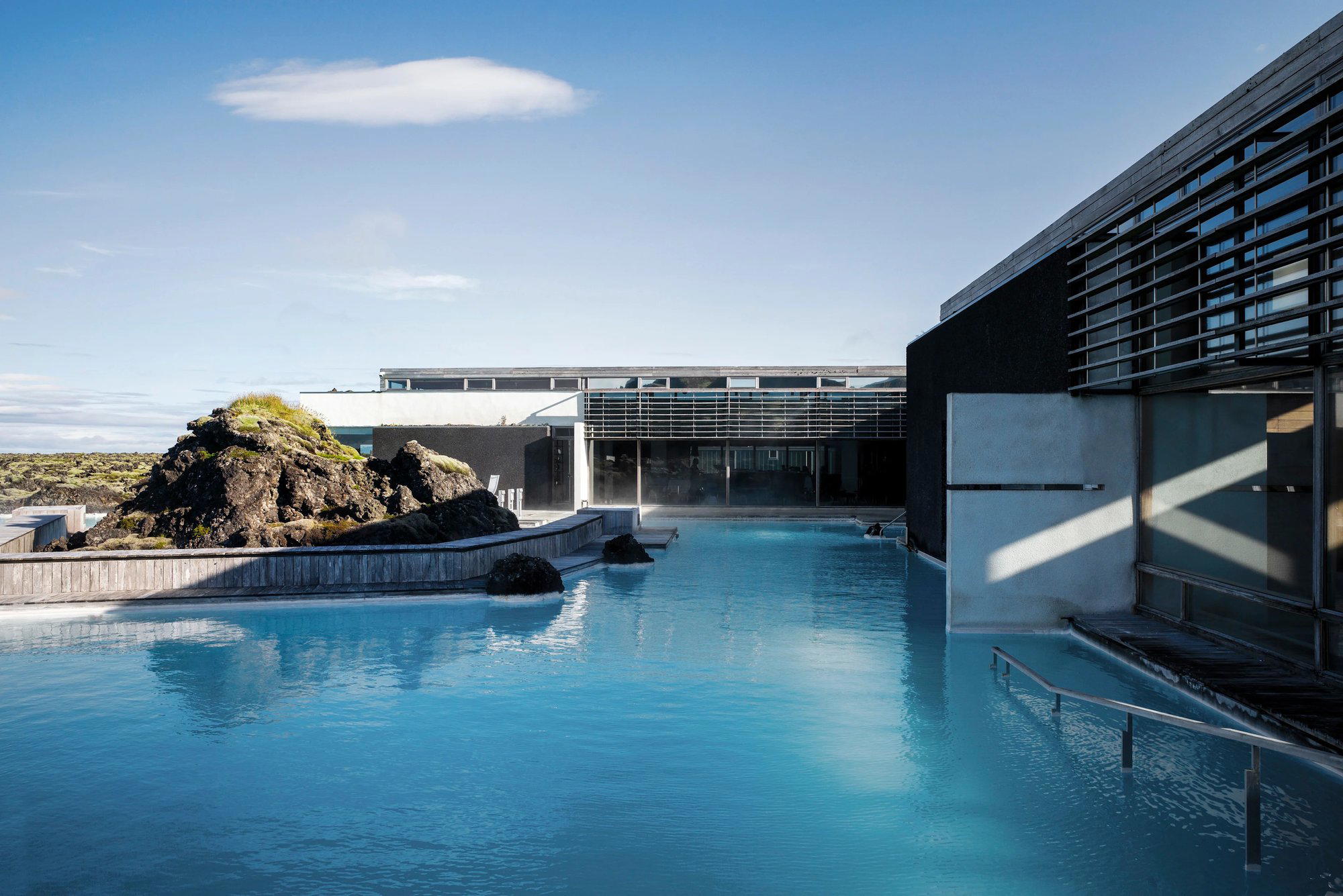
Blue Lagoon operates as a complex rather than a standalone restaurant, and that distinction changes the visitor calculus. The geothermal spa, the hotel, the retail experience, and the dining venues function as a layered destination. For the dining component, that layering is both an advantage and a complication. The advantage is that the physical environment is genuinely arresting, the milky blue water, the steam, the lava field visible through glass at certain vantage points, in a way that few dining environments anywhere can claim on purely natural terms. Restaurants like Alinea in Chicago or Atomix in New York City achieve total environment through design and control; Blue Lagoon achieves something similar through geology.
The complication is scale. A site that handles significant visitor volume, the Blue Lagoon complex receives hundreds of thousands of visitors annually, necessarily runs its dining differently from a sixteen-seat counter. The intimacy and pacing of a Nordic tasting table at that scale require genuine operational discipline. Lava, the other dining option within the complex, offers a different register again, completing a three-tier structure across the site that spans accessible Nordic, ambient dining, and the Michelin-tier Moss format.
Grindavík in the Broader Icelandic Dining Picture
Grindavík, the nearest town, sits a short distance from the Blue Lagoon complex on Iceland's southwestern tip. The town itself is a fishing community rather than a dining destination, which means the complex functions as a self-contained culinary node rather than a point on a broader neighbourhood dining circuit. Travellers building Reykjavik-based itineraries who want to extend into the peninsula's dining options will find the Blue Lagoon site the primary anchor, with the city's more concentrated restaurant scene, from Michelin-starred counters to traditional Icelandic fermented and cured preparations, serving as the complementary half of any serious eating trip.
For a broader view of what Grindavík offers across restaurants, hotels, bars, wineries, and experiences, the full Grindavík restaurants guide, hotels guide, bars guide, wineries guide, and experiences guide provide the full picture. The dining comparisons that matter most for positioning Blue Lagoon sit at the Reykjavík level: venues like DILL and the city's growing roster of New Nordic practitioners represent the benchmark against which the peninsula's ambitions are measured. For further international reference points in the 50 Best tier from comparable eras, Emeril's in New Orleans and Lazy Bear in San Francisco illustrate how a restaurant's cultural moment can precede, or outlast, its formal recognition.
Planning a Visit
The Blue Lagoon complex is located at Víkurbraut 62, 240 Grindavík, Iceland, roughly 20 kilometres from Keflavík International Airport and approximately 50 kilometres from central Reykjavík, making it a logical stop on either an arrival or departure route. The site's dining options span different commitment levels: Moss operates as the reservation-forward, higher-format experience, while the broader dining offering at Blue Lagoon is more accessible to walk-in visitors integrated within the spa visit. Booking through the official Blue Lagoon website is the standard approach for securing access to the dining venues alongside the spa, particularly in peak summer months when the complex sees its highest visitor concentration. The shoulder seasons, late spring and early autumn, offer a different atmospheric register, with longer daylight hours fading into early dusk over the lava fields in a way that changes how the surroundings read from a dining room window.
Frequently asked questions
Where is Blue Lagoon in Grindavík?
Blue Lagoon is located at Víkurbraut 62, 240 Grindavík, Iceland, Grindavík.
What's Blue Lagoon known for in terms of accolades?
Blue Lagoon has received recognition including: World's 50 Best Best Restaurants #44 (2002).
What's the best thing to order at Blue Lagoon?
Blue Lagoon operates within the Nordic cuisine framework, which means the kitchen's logic typically follows regional sourcing and seasonal availability across Iceland's southwestern coast. The 2002 World's 50 Best ranking at #44 was awarded during a period when the restaurant was drawing serious critical attention, which suggests the kitchen has structural ambition beyond the spa complex's pull. Cross-reference the official Blue Lagoon site before visiting for the current menu offer.
Side-by-Side Snapshot
| Venue | Cuisine | Price | Awards | Notes |
|---|---|---|---|---|
| Blue LagoonThis venue — the venue you are viewing | Modern Icelandic Seafood & Grill | $100–150 | World's 50 Best #44 | Not listed |
| DILL | New Nordic, Creative | Not listed | Michelin 1 Star | Not listed |
| Matur og Drykkur | Icelandic, Traditional Cuisine | Not listed | Not listed | Not listed |
| Moss | Modern Icelandic Fine Dining | $300–500 | 1 Michelin Star · Star Wine List | Modern Cuisine |
| ÓX | Nordic, Modern Cuisine | Not listed | Michelin 1 Star | Not listed |
| Lava | Modern Icelandic Fine Dining | Not listed | Not listed | Nordic |
Recognition history
Dated appearances from independent guides and award organizations, with the underlying list record or original source where available.
World's 50 Best Restaurants #44
World's 50 Best
Continue exploring
More in Grindavík
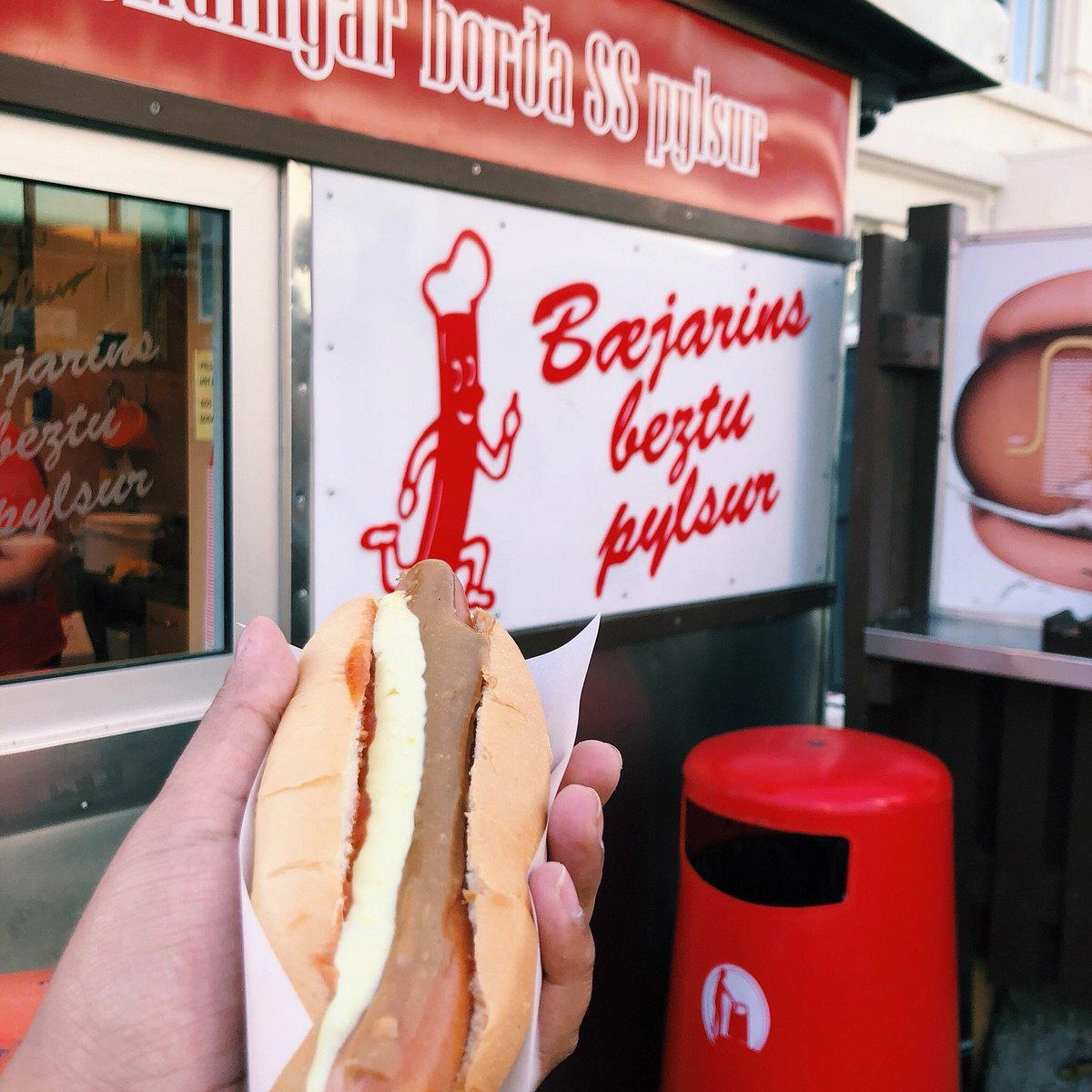
Restaurants in Grindavík
Browse all →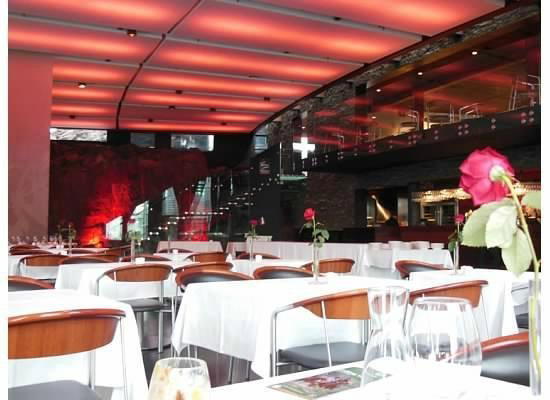

Bars in Grindavík
Browse all →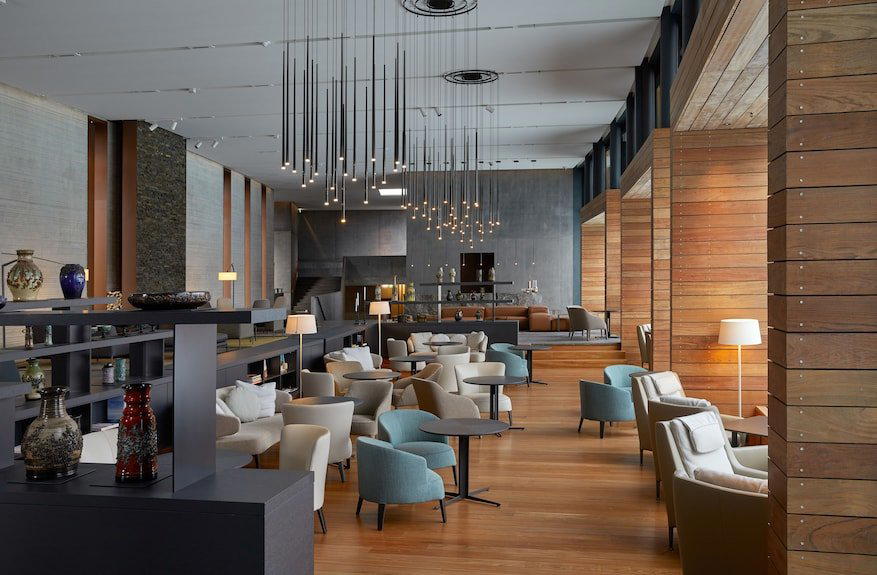
Hotels in Grindavík
Browse all →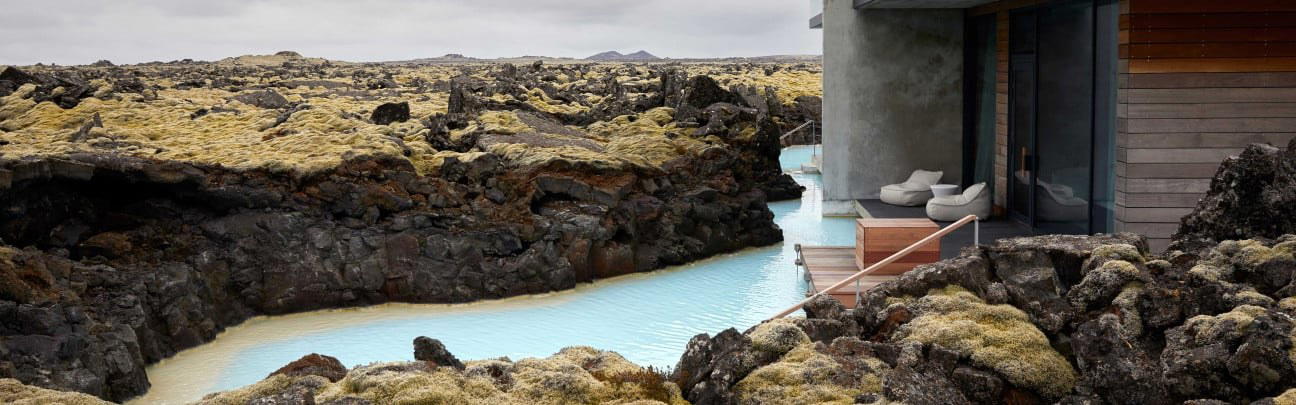
Blue Lagoon
The wine
- Wine program
- Curated wine list
- Extensive wine list
Details
- Scenic
- Elegant
- Special Occasion
- Date Night
- Waterfront
- Panoramic View
- Extensive Wine List
- Local Sourcing
- Waterfront
- A La Carte
- Prix Fixe
- Cocktails
- Vegetarian Friendly
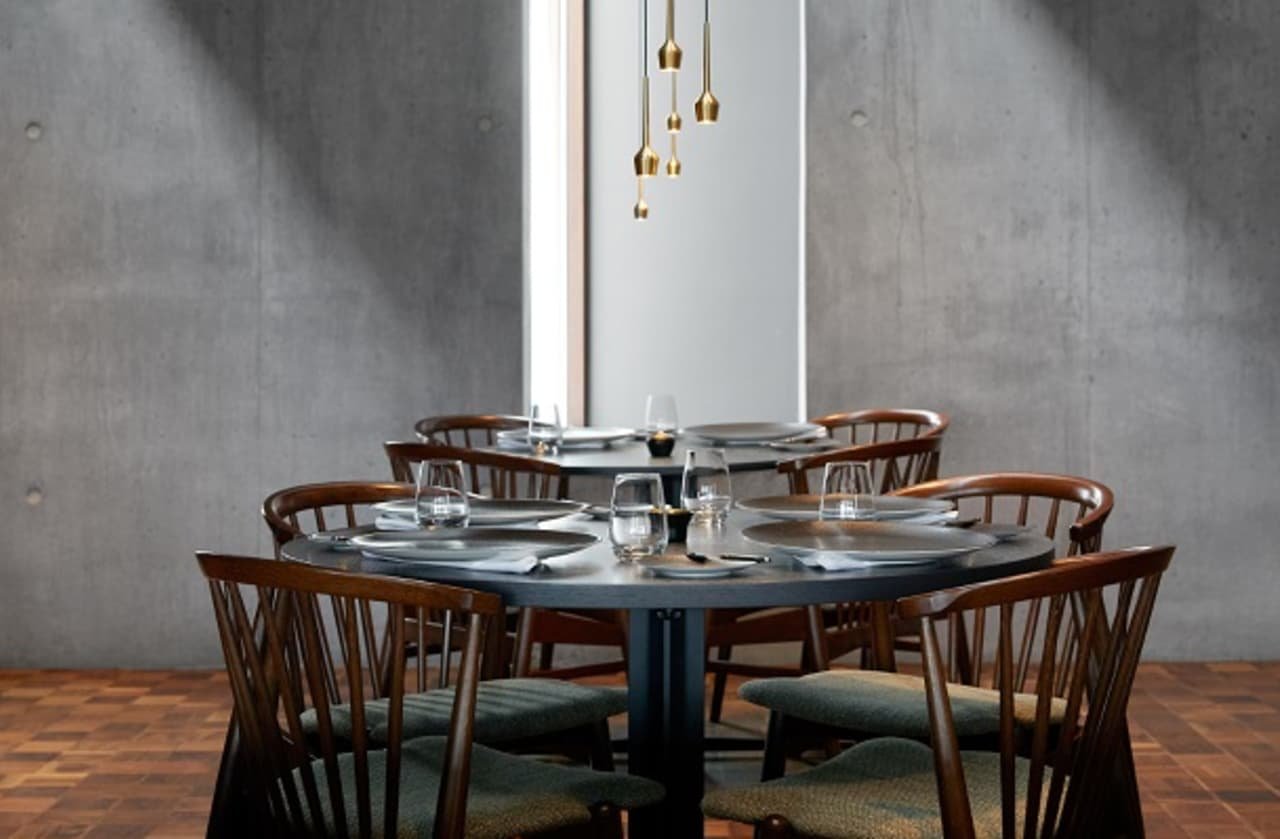
Enchanting setting with beautiful lagoon views, refined décor, and magical atmosphere.