Moss
.png)
On St Stephen Street in Edinburgh's Stockbridge, Moss operates from a discipline that most Modern Cuisine restaurants only gesture at: every ingredient is Scottish, every drink is British, and much of the produce arrives from the owner's family farm in Angus. Awarded a Michelin Plate in 2025, the restaurant pairs pared-back interiors with cooking that treats provenance as structure, not decoration.
 Discover on Pearl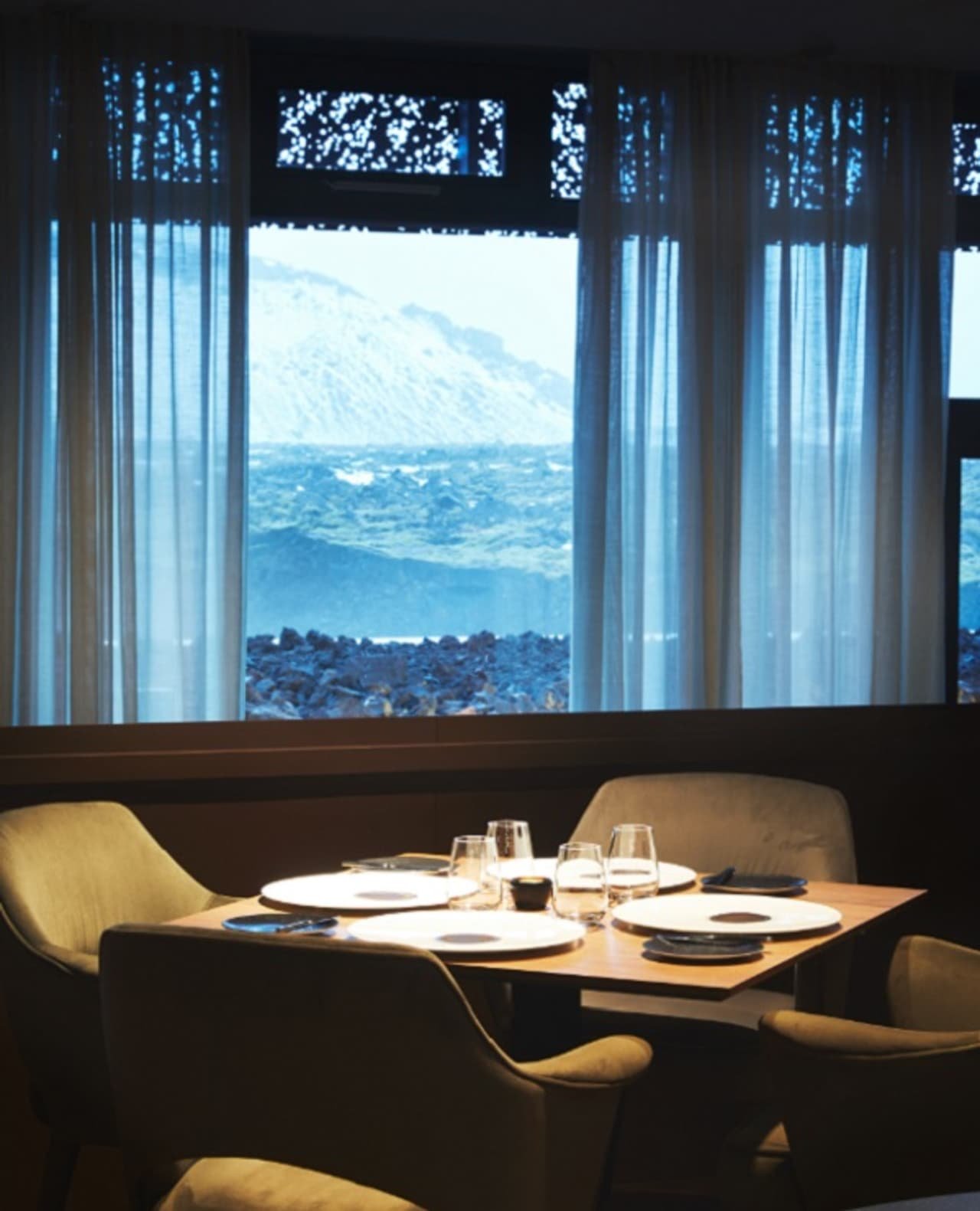
St Stephen Street in Winter: When the Sourcing Story Matters Most
Stockbridge has spent the past decade repositioning itself as the quieter, more considered alternative to Edinburgh's Old Town dining corridor. The neighbourhood's independent character — Georgian terraces, a Saturday farmers' market, a walkable scale — has made it a natural home for restaurants whose identity depends on knowing exactly where things come from. Moss, on St Stephen Street, sits inside that tendency and presses it further than most.
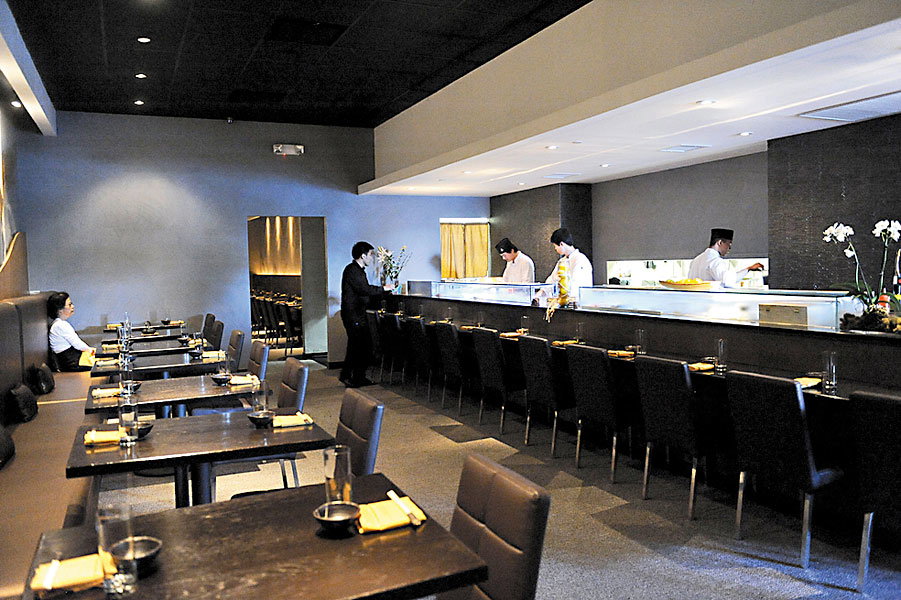
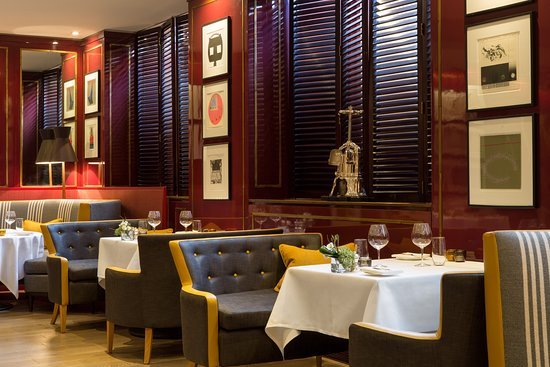
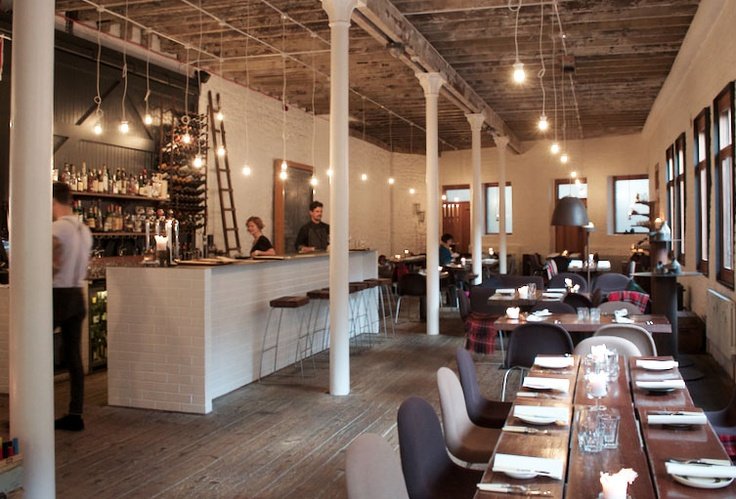
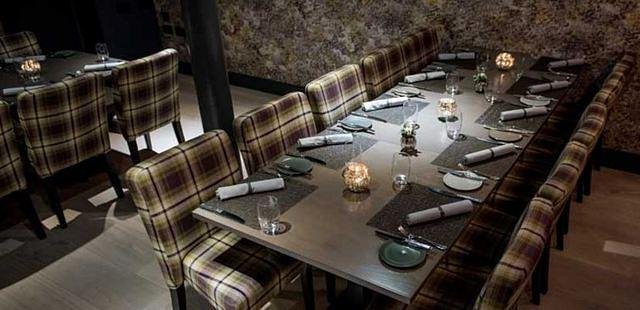
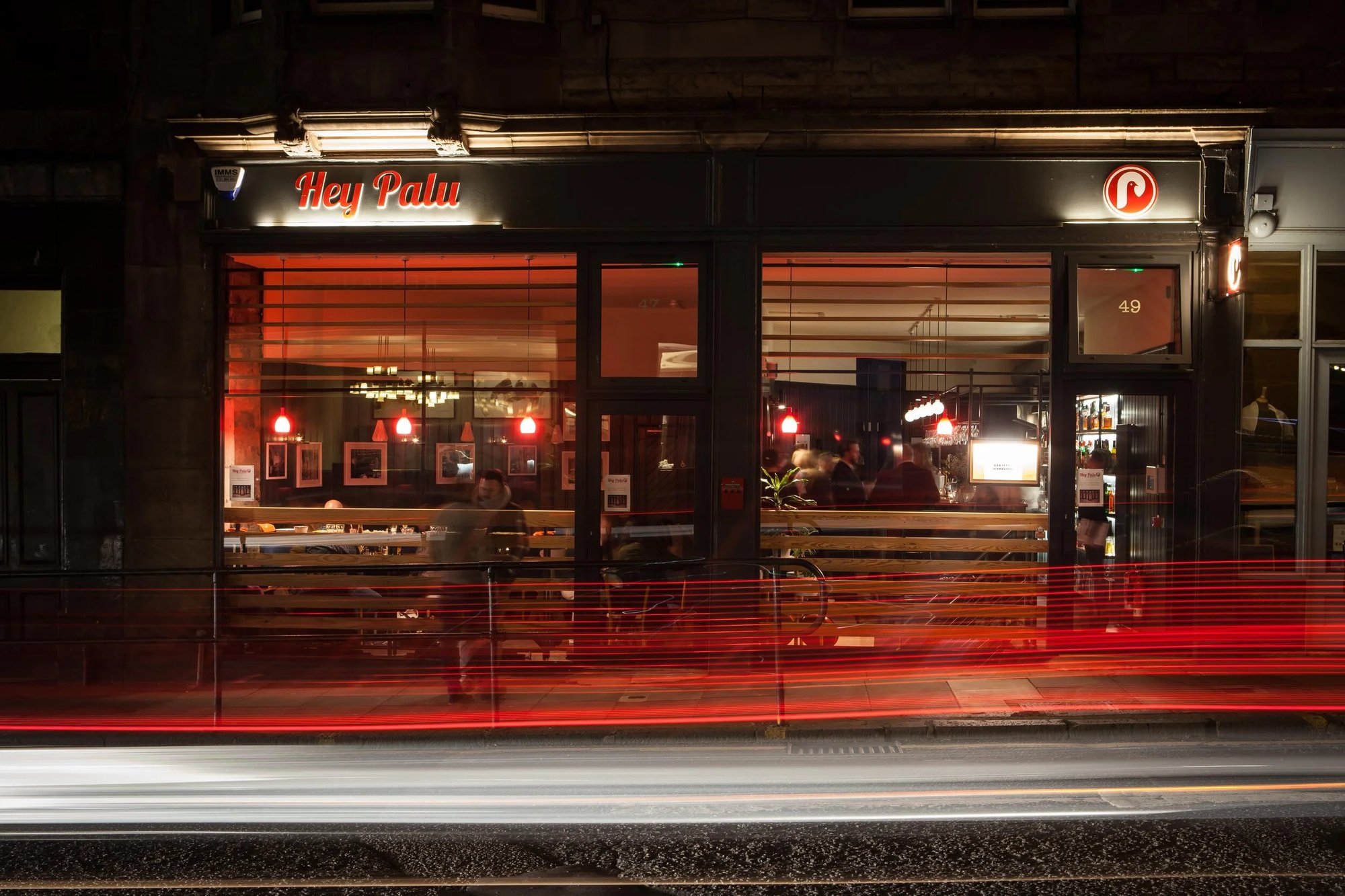
Arriving on a cold evening, the pared-back frontage signals something deliberate: no theatrical signage, no menu board crowding the window. The dining room continues that restraint. Natural materials, minimal ornamentation, the kind of interior that asks the food to carry the weight. In Edinburgh's current restaurant moment , where several venues are competing on technical complexity and international reference points , the visual language at Moss reads as a statement about priorities.
What Scottish-Only Sourcing Actually Means in Practice
The sustainability argument in Modern Cuisine is frequently diluted by half-measures: a locally sourced main, imported wines, a kitchen herb garden photographed for the website. Moss takes a structurally different position. The menu operates exclusively on Scottish produce, and the drinks list is limited to British producers. That constraint is not a marketing angle grafted onto an existing menu; it determines what can appear on the plate in the first place.
The direct supply line from the owner's family farm in Angus is where that commitment becomes most concrete. Farm-to-table language has been so thoroughly absorbed into restaurant marketing that the phrase has lost most of its meaning, but a supply relationship with family land in Angus represents a different kind of accountability than a supplier listed in small print. Ingredient seasonality at Moss is not a chef's preference , it is a structural condition of the sourcing model. What the farm and the Scottish landscape yield in a given season is what the kitchen works with.
That discipline places Moss in an interesting position relative to Edinburgh's broader fine dining tier. Condita, The Kitchin, and Timberyard all engage with Scottish provenance to varying degrees, but the all-Scottish-produce rule at Moss is more absolute than most of its peers operate under. For comparison, venues like Number One and Martin Wishart at the ££££ tier draw on broader European sourcing frameworks. Moss, priced at £££, makes the geographic constraint a core part of its value proposition rather than an add-on.
The Cooking Style and What the Michelin Recognition Signals
A Michelin Plate, awarded in 2025, indicates food worth stopping for , the entry tier of Michelin recognition, sitting below Bib Gourmand and star awards, but representing a quality threshold that most Edinburgh restaurants do not cross. In context, the Plate positions Moss as a venue the guide considers worth noting without yet placing it in the company of Edinburgh's starred houses. That gap matters: Condita, Argile, and Cardinal occupy different points on the Edinburgh recognition spectrum, and Moss at its current price point and recognition level is accessible compared to the city's ££££ tasting-menu operators.
The cooking style is described as pure and natural, a characterisation that aligns with the sourcing logic. When your ingredient geography is fixed to Scotland and your supply chain runs through family farmland, the cooking that makes sense is one that does not obscure provenance beneath heavy technique. The dishes are built to show where things came from. That is a different approach from the maximalist Modern Cuisine seen at internationally oriented venues like Frantzén in Stockholm or FZN by Björn Frantzén in Dubai, where global ingredient sourcing and technical density are part of the identity. Moss is operating from a smaller, more specific canvas , and that specificity is precisely what makes it coherent.
The complimentary Irn Bru candyfloss served at the end of the meal functions as punctuation: a Scottish cultural reference delivered in a fine dining format, light enough to avoid becoming a gimmick. It is the kind of detail that lands when the rest of the meal has been entirely serious, and it implies a kitchen confident enough in its own position not to need to hold that seriousness all the way to the door.
Stockbridge and the Edinburgh Dining Moment
Edinburgh's restaurant scene has been moving in two directions simultaneously. At one end, there is continued investment in destination tasting-menu formats , long, expensive evenings anchored by Michelin ambition, comparable in structure (if not in scale) to what L'Enclume in Cartmel or Moor Hall in Aughton represent in the English fine dining context. At the other end, there is a quieter movement toward lower-key, provenance-first cooking that does not require three hours or a ££££ spend. Moss sits in that second current, in a neighbourhood that reinforces it.
Stockbridge's farmers' market, running on Sundays year-round on Saunders Street, has helped shape local expectations around seasonal and regional produce. Diners arriving from that market context are already primed for the Moss proposition. The neighbourhood's independent retail character , distinct from the Old Town tourist circuit , means the restaurant's audience is largely local and returning rather than transient. That dynamic tends to produce more honest menus: kitchens cooking for people who come back are held to a different standard than those catering primarily to once-only visitors.
For a fuller picture of where Moss sits in Edinburgh's dining options, see our full Edinburgh restaurants guide. Broader Edinburgh planning, including where to stay and what else is worth your time, is covered in our Edinburgh hotels guide, Edinburgh bars guide, Edinburgh wineries guide, and Edinburgh experiences guide. For regional British fine dining context beyond Edinburgh, Gidleigh Park in Chagford, Hand and Flowers in Marlow, and The Fat Duck in Bray and The Ledbury in London represent different points on the British Modern Cuisine spectrum.
Planning Your Visit
Moss is at 112 St Stephen Street, Edinburgh EH3 5AD, in the heart of Stockbridge , walkable from the New Town and well-served by bus routes along Raeburn Place. The £££ pricing puts it clearly below the ££££ bracket that dominates Edinburgh's Michelin-recognised houses, making it a more accessible entry point into the city's serious cooking. Given the 2025 Michelin Plate recognition and the restaurant's growing profile in the neighbourhood, booking ahead is advisable , Stockbridge restaurants at this level tend to fill a week or more in advance, particularly on weekends. Phone and website details are not listed in our current data; checking recent review platforms for current booking channels is the most reliable approach.
Comparable Spots
Comparable options at a glance, pulled from our tracked venues.
| Venue | Cuisine | Price | Notes |
|---|---|---|---|
| Moss | Modern Cuisine | £££ | This venue |
| Martin Wishart | Modern European, Modern Cuisine | ££££ | Modern European, Modern Cuisine, ££££ |
| The Kitchin | Modern British, Modern Cuisine | ££££ | Modern British, Modern Cuisine, ££££ |
| Timberyard | Modern British - Nordic, Modern British | ££££ | Modern British - Nordic, Modern British, ££££ |
| AVERY | Creative | ££££ | Creative, ££££ |
| Condita | Modern Cuisine | ££££ | Modern Cuisine, ££££ |
Continue exploring