
Michelin Plate
Our verdict
A Michelin Plate-recognised address in the Inn Valley village of Erl, Blaue Quelle works within the regional cuisine tradition that defines serious Austrian country cooking: produce sourced close, preparations tied to season, and a setting that reflects the Alpine surroundings rather than performing them. it occupies an accessible but credible position in the Tyrolean dining scene.

Pearl is the En Primeur Club membership app, where members save venues, book tables and use the concierge.
Where the Inn Valley Comes to the Table
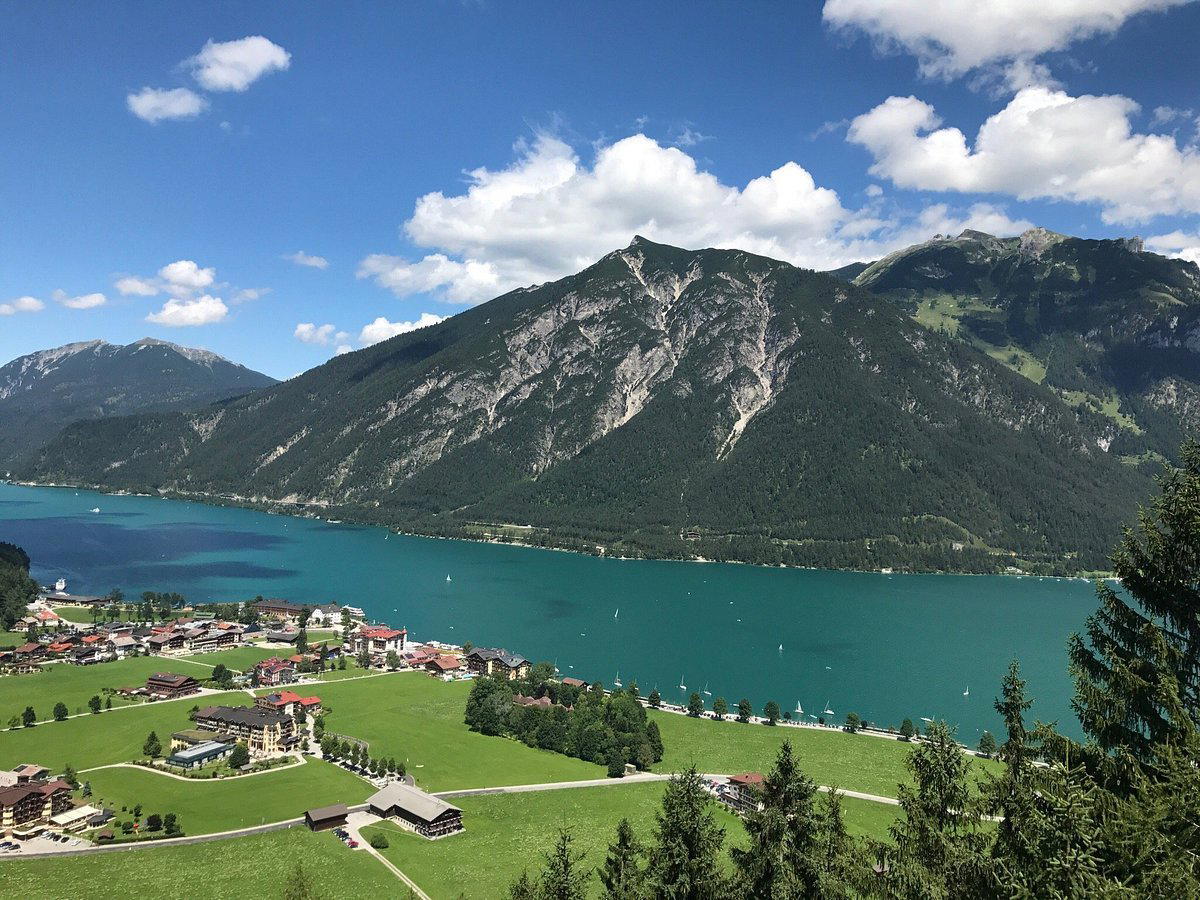
Erl sits in the lower Inn Valley, roughly equidistant between Kufstein and the German border, better known internationally for its Passionsspiele and summer festival opera than for its restaurants. That relative obscurity is part of what gives a place like Blaue Quelle its specific character. In small Austrian market towns and villages, the restaurants that endure are not the ones chasing broader recognition but the ones that have made a working argument for cooking from the land immediately around them. The address at Mühlgraben 52 is consistent with that pattern: a village-scale setting where the natural environment is close enough to be a direct supplier, not just a backdrop.
Austrian regional cuisine at this level operates from a different set of priorities than the creative-modernist kitchens further up the awards ladder. At Steirereck im Stadtpark in Vienna or Ikarus in Salzburg, the kitchen uses regional identity as one ingredient among many in a broader creative vocabulary. Here, the regional frame is the kitchen's whole argument. The season, the valley, the nearby farms and forests, these are the menu.
The Case for Alpine Sourcing
The Michelin Plate recognition, held across both 2024 and 2025, signals that the cooking meets a consistent standard of quality and execution. In the context of Michelin's Austrian coverage, a Plate at a €€ address in a small Tyrolean village is a meaningful signal: the guide's inspectors consider the cooking worth seeking out, which in a settlement the size of Erl is not a given. What the Plate does not indicate is culinary ambition in the modernist sense. What it does indicate is reliable craft.
Regional cuisine in the Alpine corridor between Salzburg and Innsbruck has its own logic. The larder includes cold-water river fish, mountain herbs, wild game in season, dairy from high-altitude grazing, and preserved or fermented goods that function as pantry staples rather than novelty. Kitchens working honestly in this tradition are not reaching for these ingredients as a gesture toward locality; they are cooking the way that makes sense when the supply chain is short and the climate dictates what is available. Döllerer in Golling an der Salzach is the most documented example of this sourcing philosophy pushed to a two-Michelin-star level. Blaue Quelle operates in the same tradition at a different price tier and a quieter scale.
Further into the Tyrolean mountains, kitchens like Gourmetrestaurant Tannenhof in Sankt Anton am Arlberg and Griggeler Stuba in Lech work the same Alpine sourcing logic into premium resort settings, where the cost of the room subsidises the cost of the kitchen. Without that resort infrastructure, a village restaurant sustaining Michelin recognition across consecutive years is making its case on the food alone.
The 4.5 Rating and What It Measures
That combination is a reasonable proxy for consistency: a kitchen that only performs for occasion visitors tends to generate fewer reviews and more variable scores. A stable 4.5 over that sample size suggests the cooking holds across both populations.
The €€ price positioning matters here too. In the Austrian market, €€ at a Michelin Plate address typically means a meal that delivers quality above its price tier. Peer regional cuisine addresses at comparable recognition levels, such as Ois in Neufelden or Gannerhof in Innervillgraten, occupy similar positioning: serious kitchens in small communities, priced for locals as much as for destination visitors, with awards recognition that outpaces the price point.
Erl as a Dining Destination
Erl's broader pull for visitors centres on its cultural calendar. The Festspielhaus Erl, which hosts both winter and summer opera, draws audiences from across the German-speaking world, and for those visitors a credible local restaurant becomes part of the itinerary by default. Outside festival periods, the village functions as a quiet staging point in a stretch of the Inn Valley that sees through-traffic toward the Kaiserbachtal and the ski areas further south. In that context, a restaurant with consecutive Michelin Plate recognition and a strong review base functions as a reliable anchor, not a speculative detour.
For those planning around the Erl festival calendar, the restaurant's position in the village makes pre- or post-performance dining logical. Visitors combining cultural and culinary reasons to visit the region might also consider Obauer in Werfen or Landhaus Bacher in Mautern an der Donau as part of a wider Austrian itinerary, both representing the classic-cuisine end of the regional tradition at higher price points. Closer in spirit to Blaue Quelle's scale are Schwarzer Adler in Hall in Tirol and Restaurant 141 by Joachim Jaud in Mieming, which serve the Tyrolean regional tradition from similarly modest settings with awards recognition.
For herb-forward regional cooking pushed into a more elaborate format, Kräuterreich by Vitus Winkler in Sankt Veit im Pongau and Fahr in Künten-Sulz represent what regional cuisine looks like when the sourcing philosophy is foregrounded more explicitly. Blaue Quelle works within the same philosophical territory without the same degree of programmatic emphasis.
Planning a Visit
Erl is accessible by road from Kufstein (approximately 15 kilometres south) and sits close to the A12 Inn Valley motorway, making it reachable from Innsbruck and Salzburg without requiring a significant detour. Booking ahead is advisable, particularly during the Festspielhaus season when local demand spikes. The €€ pricing means the financial commitment is modest; the planning commitment is higher. For a broader picture of what the area offers beyond the restaurant, our full Erl restaurants guide, our full Erl hotels guide, our full Erl bars guide, our full Erl wineries guide, and our full Erl experiences guide cover the full range of options in the village and immediate surrounds.
Frequently asked questions
What does dinner at Blaue Quelle typically cost?
Pricing at Blaue Quelle is listed as €€.
Fast Comparison
| Venue | Cuisine | Price | Awards | Notes |
|---|---|---|---|---|
| Blaue QuelleThis venue (the venue you are viewing) | Traditional Austrian with International Influences | $30–50 | Michelin Plate | Not listed |
| Steirereck im Stadtpark | Modern Austrian Fine Dining | $200–300 | 3 Michelin Stars · World's 50 Best #33 | Creative |
| Döllerer | Modern Alpine Cuisine | $100–150 | 2 Michelin Stars · La Liste Top Restaurants | Contemporary Austrian, Innovative |
| Ikarus | Guest Chef Fine Dining | $200–300 | 2 Michelin Stars · La Liste Top Restaurants | Modern European, Creative |
| Mraz & Sohn | Contemporary Austrian Fusion | $150–200 | 2 Michelin Stars · La Liste Top Restaurants | Modern Austrian, Creative |
| Obauer | Modern Austrian Fine Dining | $50–100 | 2 Michelin Stars · La Liste Top Restaurants | Classic Cuisine |
Recognition history
Dated appearances from independent guides and award organizations, with the underlying list record or original source where available.
Michelin Plate
Michelin
Full recognition history (3 entries)
Michelin Plate
Michelin
Michelin Plate
Michelin
Continue exploring
More in Erl
Restaurants in Erl
All restaurants in Erl →
Bars in Erl
Browse all →

Details
- Rustic
- Cozy
- Classic
- Date Night
- Family
- Celebration
- Terrace
- Historic Building
- Extensive Wine List
- Local Sourcing
- A La Carte
- Wine
- Vegetarian Friendly
- Vegan Options
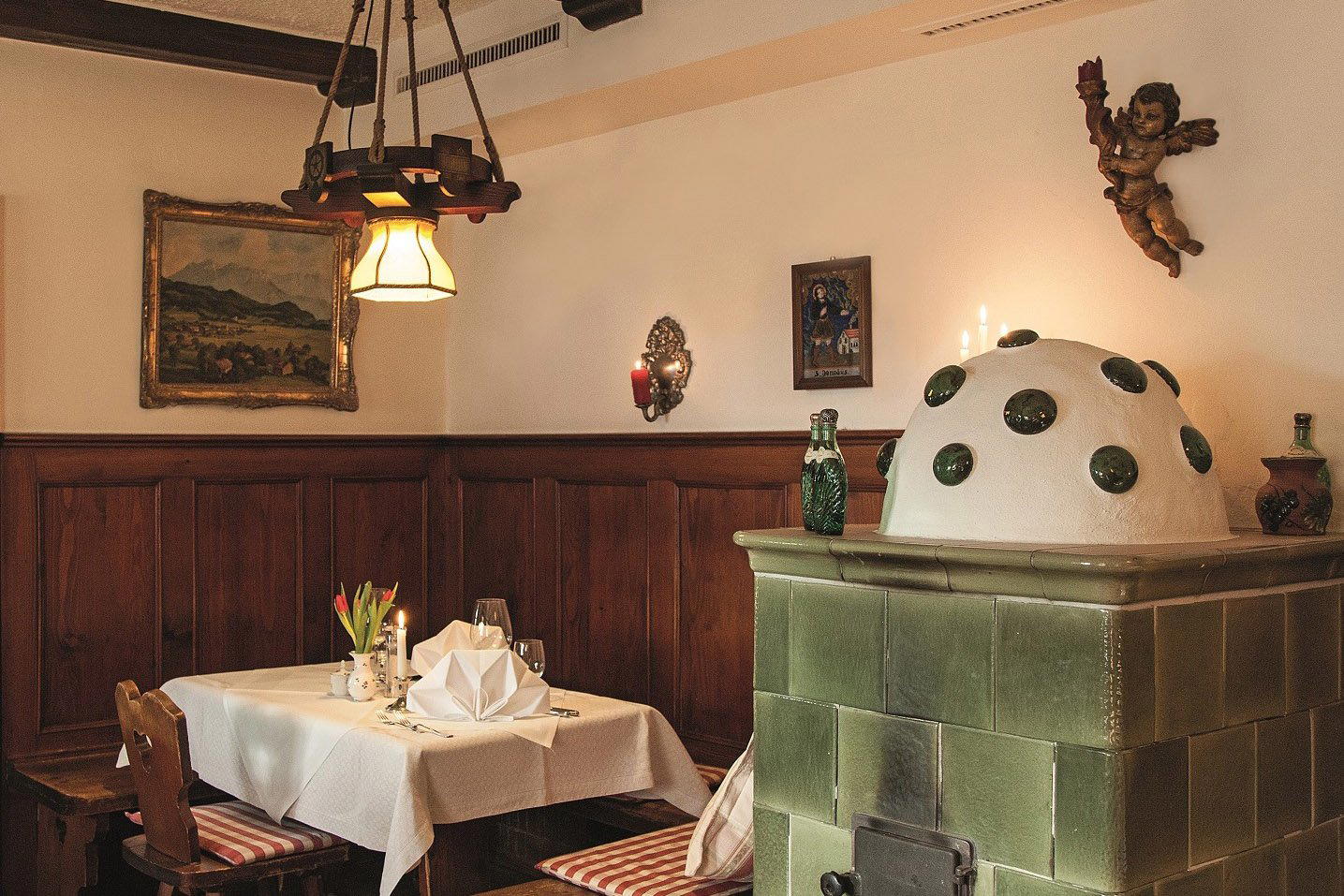
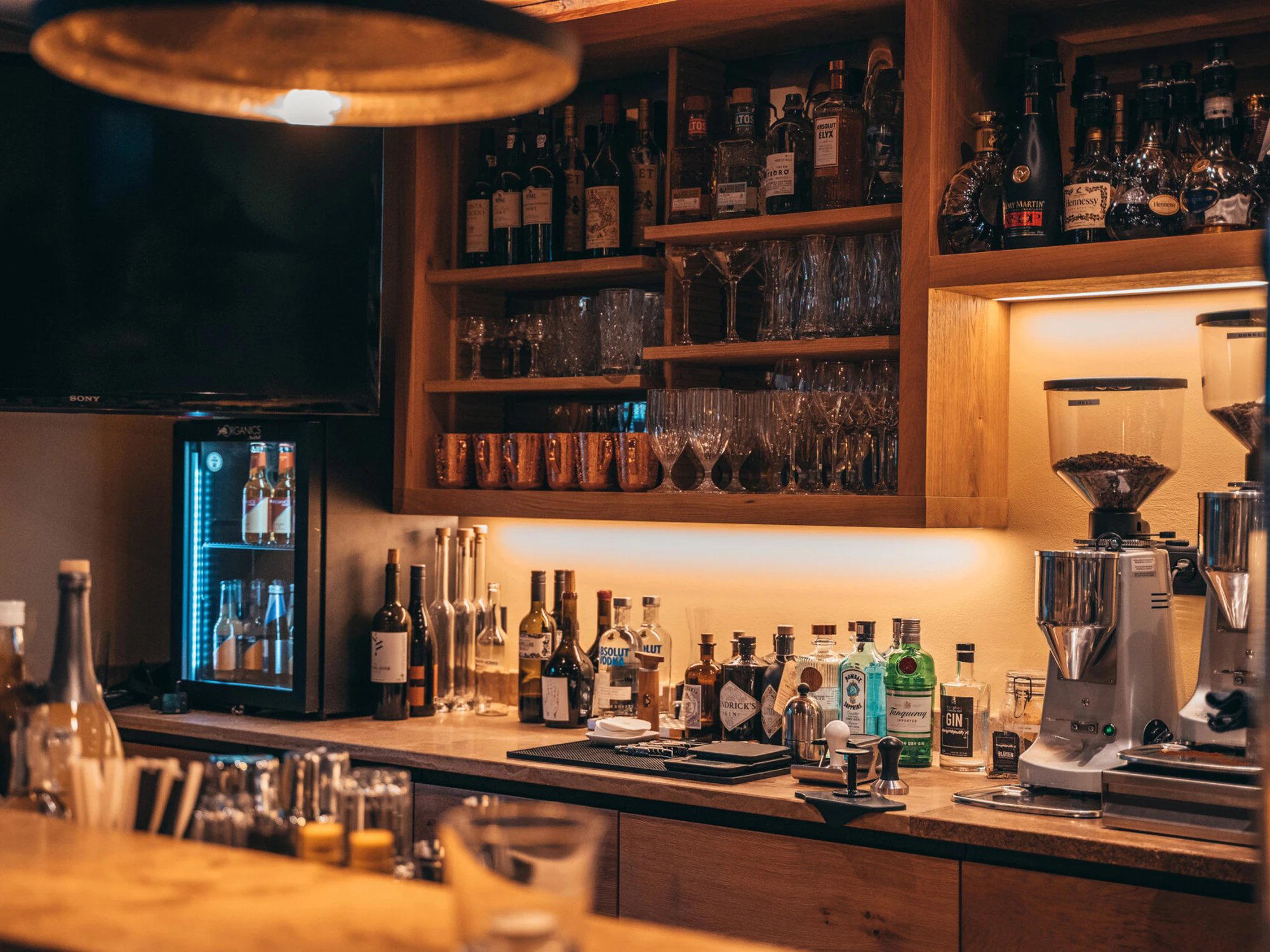
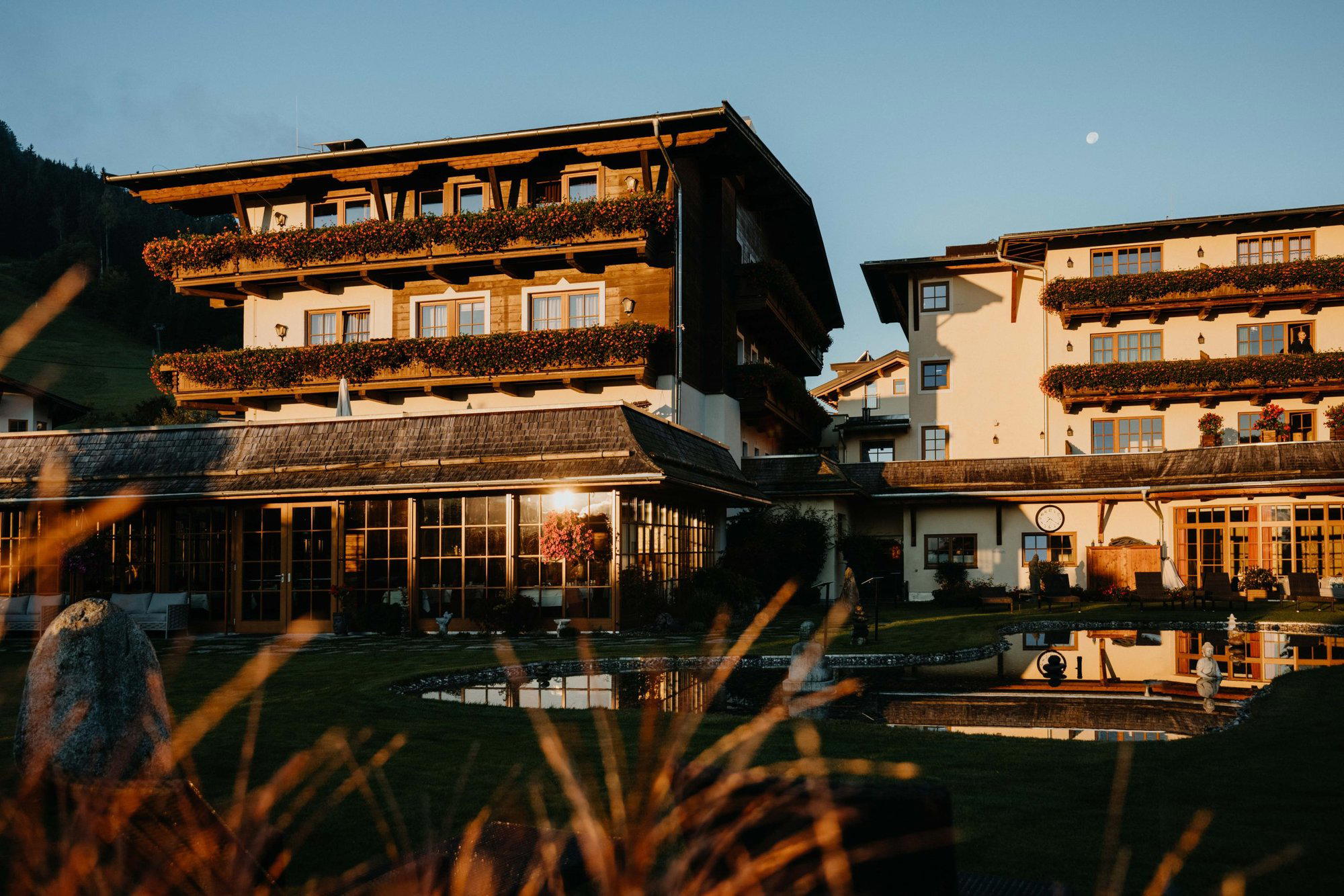
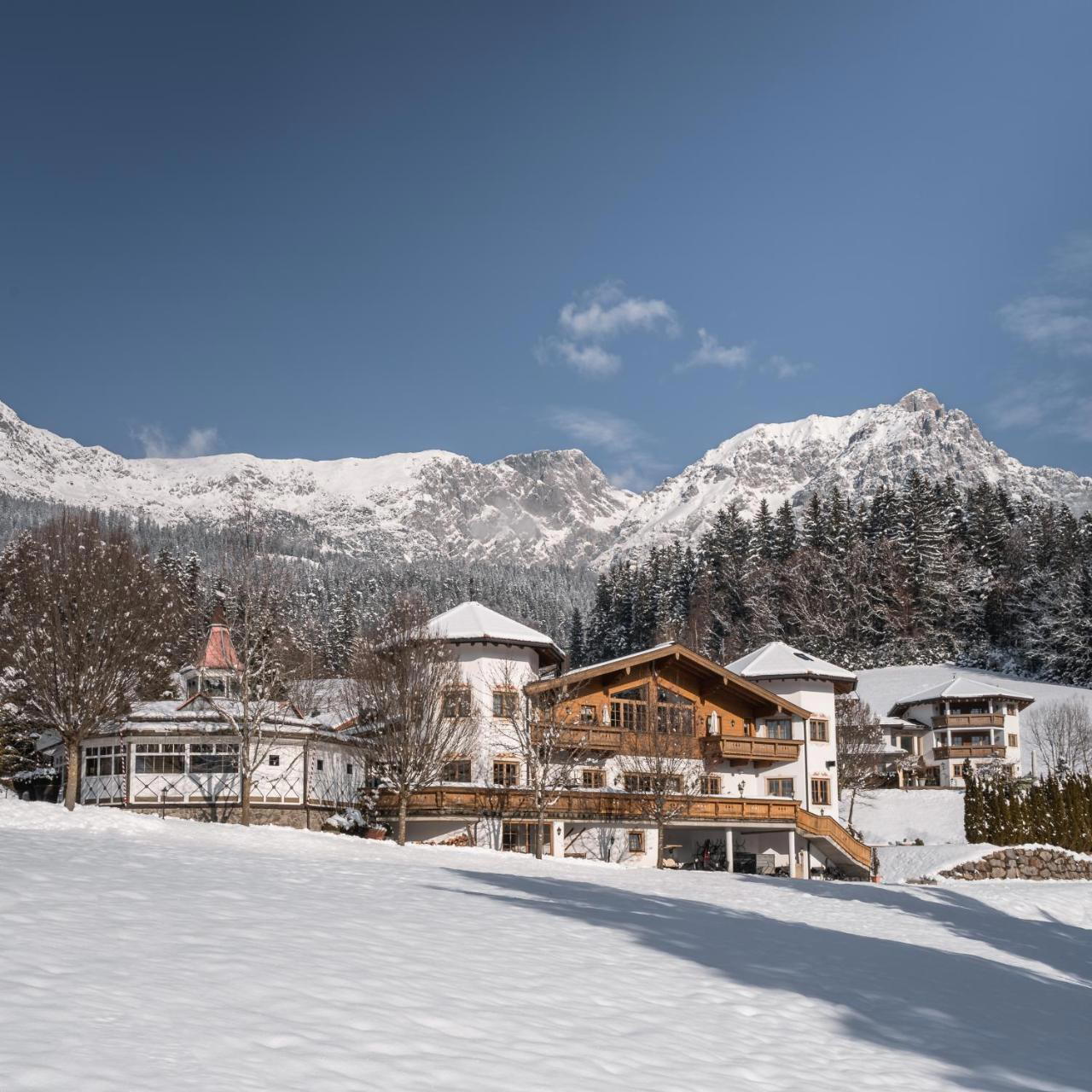
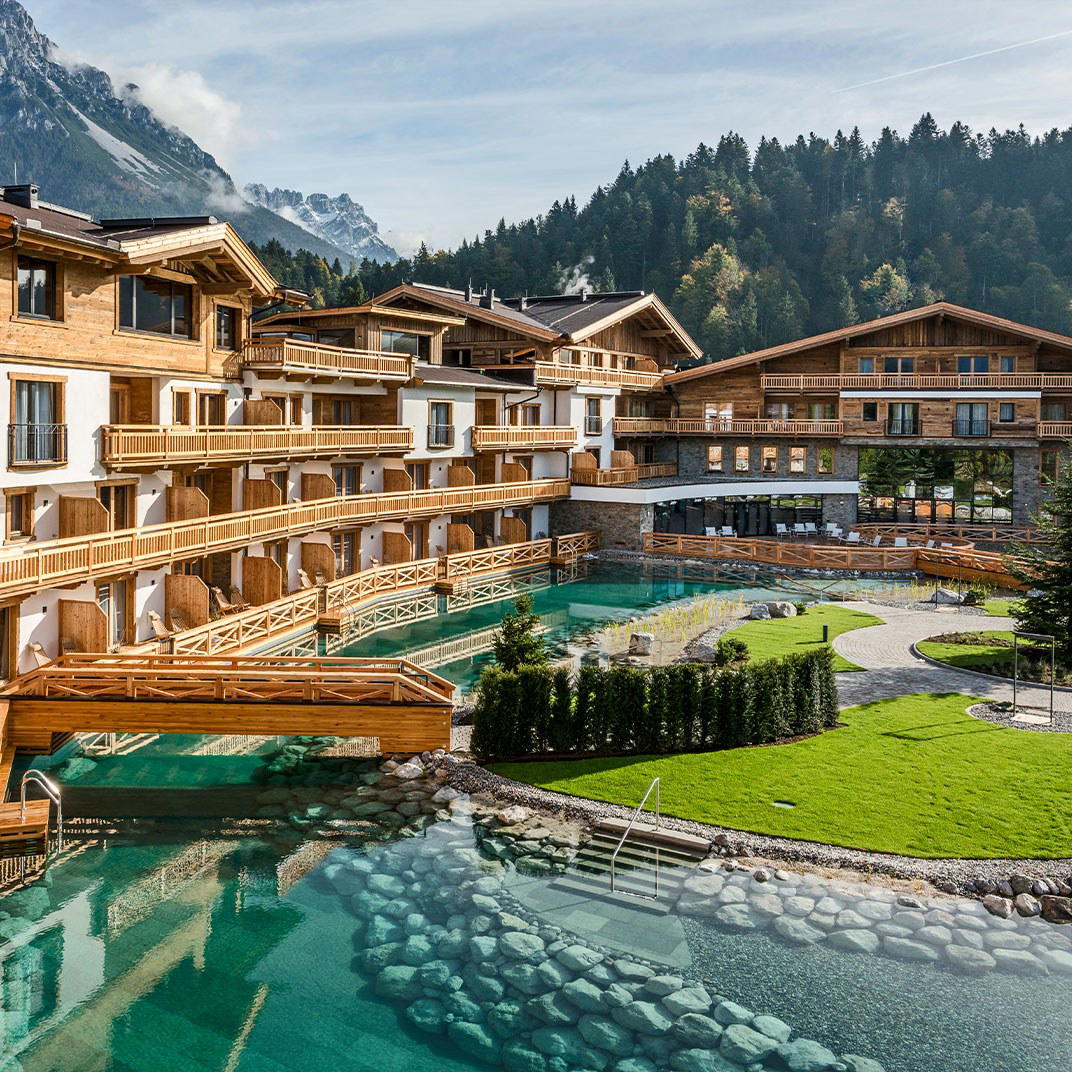
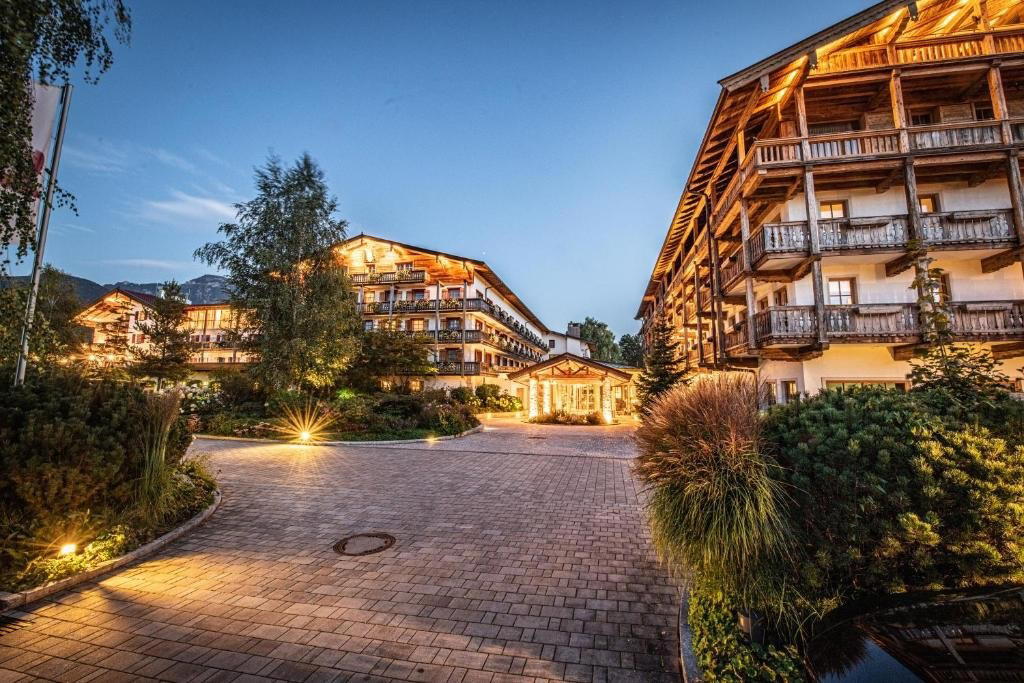
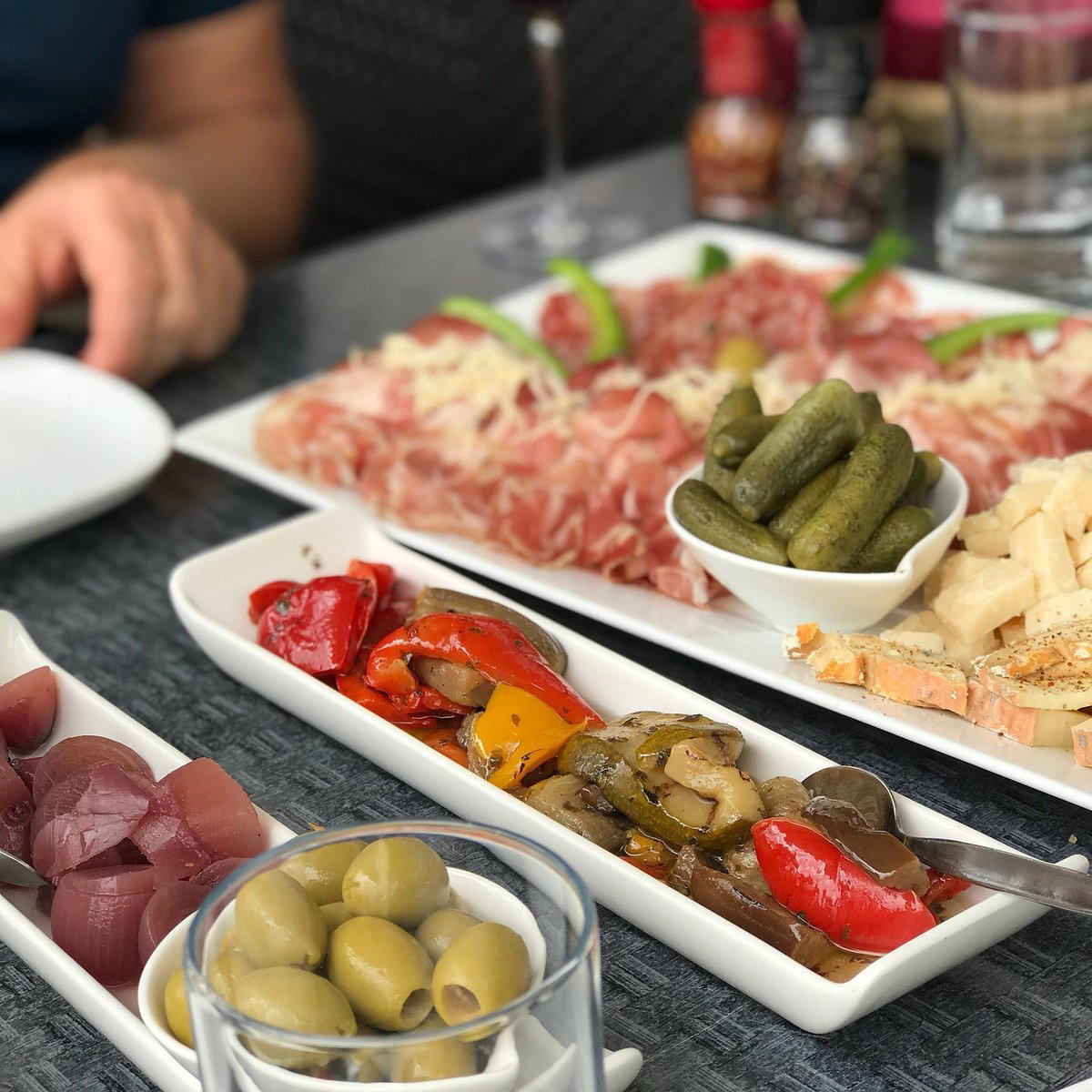
Cozy rustic stuben with traditional charm, warm lighting, and a welcoming family atmosphere, plus a beautiful terrace.