Black Briar
Our verdict
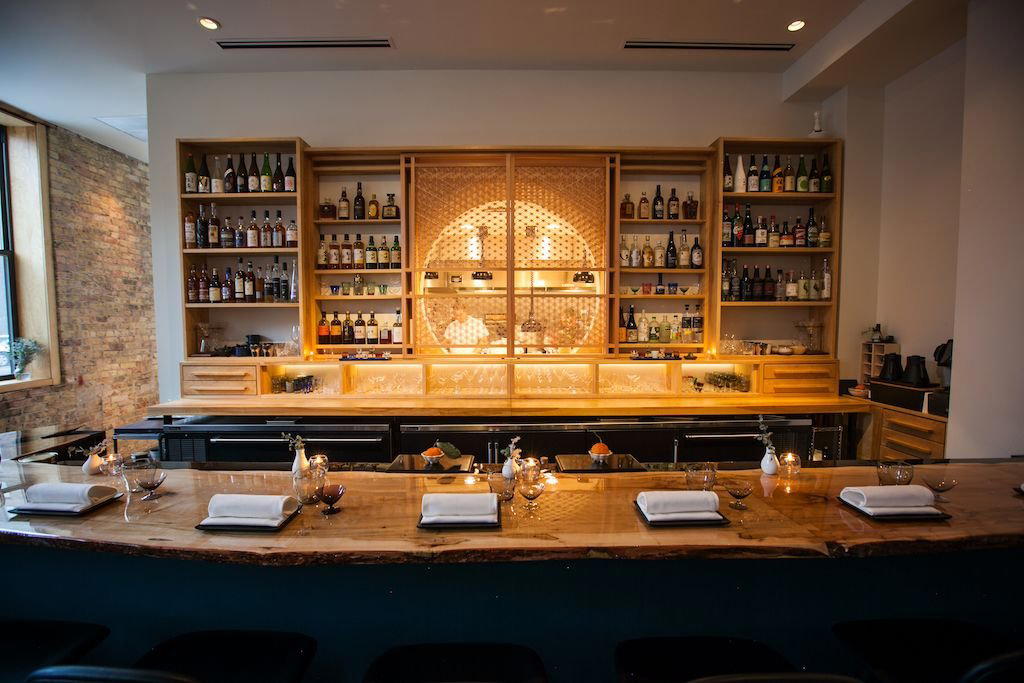
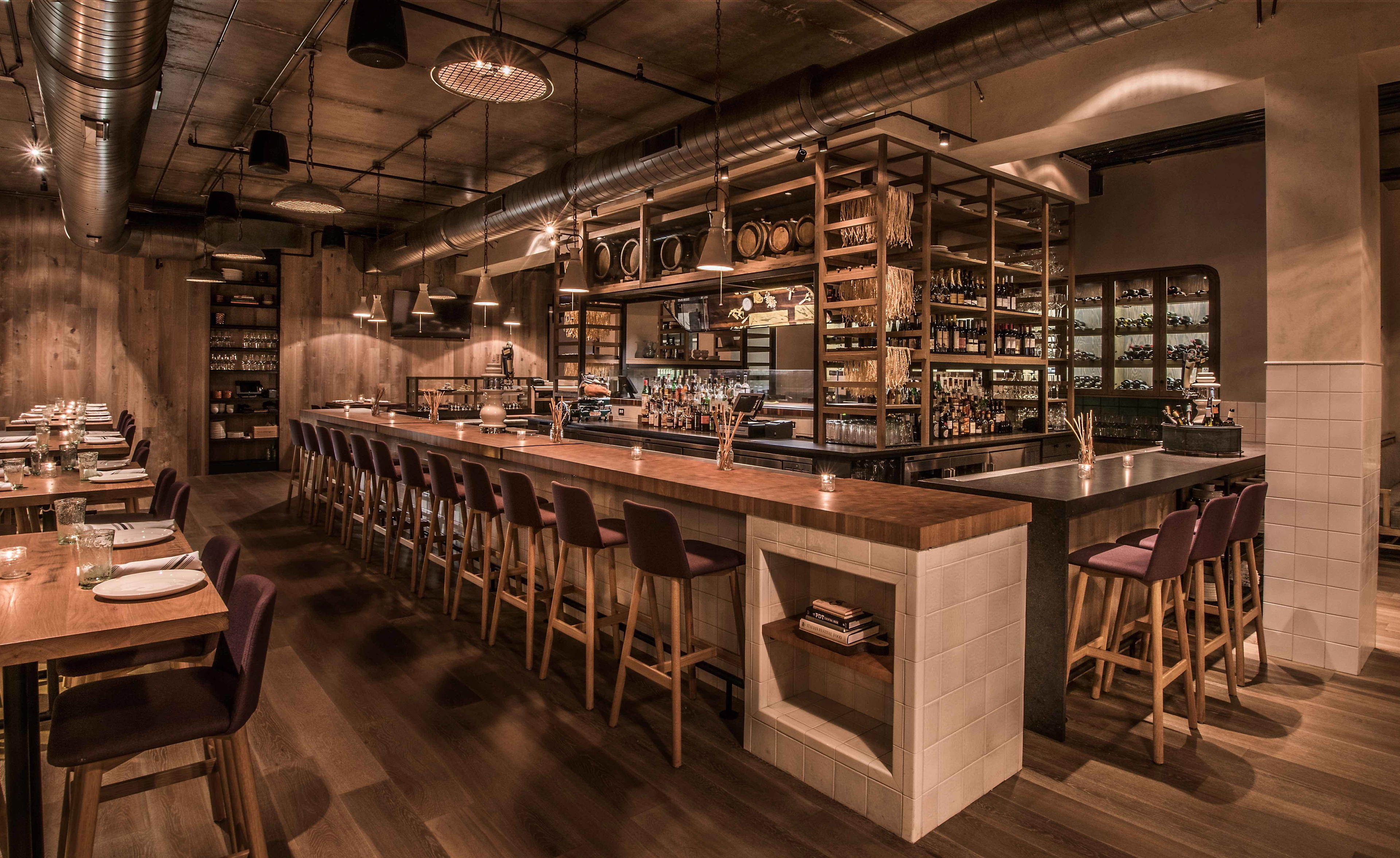
Black Briar occupies a West Loop address at 201 N Morgan St, placing it inside Chicago's most competitive block for contemporary dining. The kitchen works a contemporary format in a neighbourhood where the bar for technical ambition runs high. Booking ahead is advisable given the area's consistent demand across price tiers.

Pearl is the En Primeur Club membership app — saves, bookings, and concierge access live there. Same editors, same standards.
- Address
- 201 N Morgan St, Chicago, IL 60607
- Website
- blackbriarchi.com
- Directions
- Get directions
West Loop, Where the Neighbourhood Sets the Standard
The stretch of Morgan Street running through Chicago's West Loop has become one of the more closely watched corridors in American contemporary dining over the past decade. What was an industrial district of meatpacking facilities and cold-storage warehouses has reorganised itself around a dense cluster of serious restaurants, many of them operating at the upper end of the price spectrum and drawing national attention. That concentration matters because it sets expectations at the door: diners arriving in this neighbourhood are not browsing. They have usually planned, and they arrive with a specific appetite for technical cooking and considered hospitality.
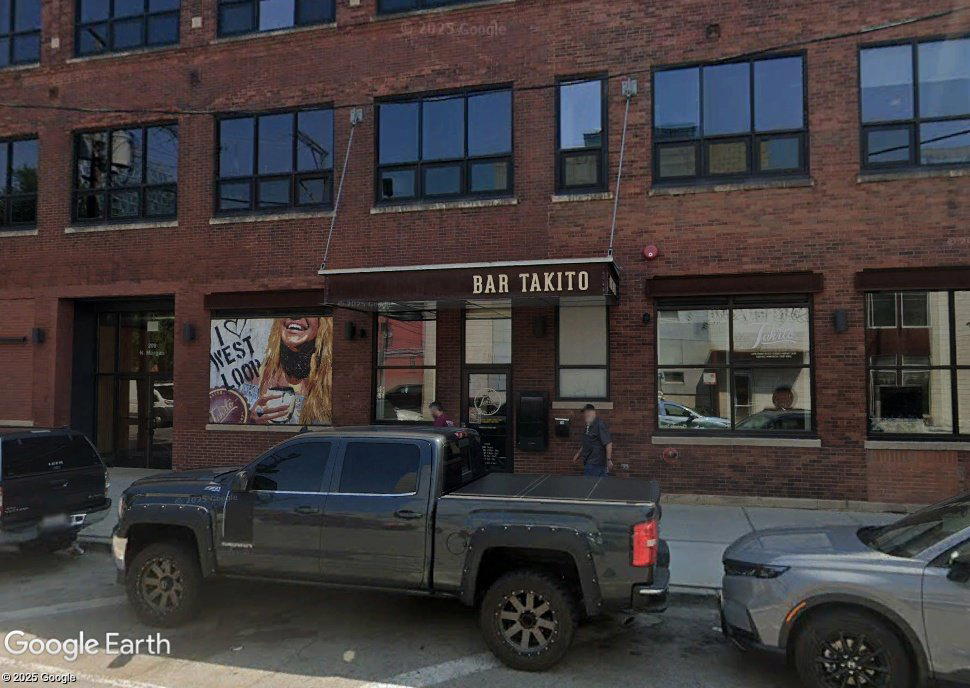
Black Briar sits at 201 N Morgan St, which places it directly inside that competitive zone. The address alone signals something about the peer group. Within a few blocks, Chicago's most discussed contemporary kitchens operate side by side, and the proximity shapes how each individual restaurant is read.
Contemporary American Cooking and What That Label Carries
The term "contemporary" in a Chicago context carries more freight than it might in other cities. Chicago has been the site of some of the more consequential experiments in American fine dining over the past twenty years. Alinea reshaped what progressive American cooking could look like at the format level, not just at the plate level, and its influence on how the city's kitchens think about structure and presentation has been significant. Next Restaurant made menu concept itself a variable, cycling through cuisines and historical periods on a ticketed model that changed the economics of reservation-holding in Chicago. Kasama demonstrated that a Filipino-rooted tasting menu could hold a Michelin star and command the same planning commitment as any European-influenced fine dining room in the city.
What this history produces is a dining public that reads contemporary cooking with some sophistication. Technique is expected, not celebrated as an end in itself. Sourcing transparency has become a baseline rather than a differentiator. The more interesting question for any contemporary kitchen in Chicago is what it is saying through its format choices, and what culinary tradition it is drawing on or departing from. Those questions sit at the centre of how the city's food critics and regular diners evaluate new entries in the category.
For context on the broader American fine dining scene, the same conversation plays out in different registers at Lazy Bear in San Francisco, where a communal tasting format redefined what a fine dining room could feel like, and at The French Laundry in Napa, which remains the institutional reference point against which American tasting menus are often measured. Closer to the West Loop's register, Le Bernardin in New York City offers a parallel case study in how a contemporary kitchen sustains authority over decades by staying focused on what it does rather than expanding its format.
The West Loop as a Planning Unit
Diners planning a West Loop evening should think in terms of the whole neighbourhood rather than a single reservation. The area supports a full evening's movement, with strong bar programming available within walking distance of most restaurant addresses. EP Club's full Chicago bars guide covers the options in detail, and several of the neighbourhood's more considered cocktail programs are within a short walk of the Morgan Street corridor. The Chicago hotels guide covers accommodation options across the city's neighbourhoods, including properties that position themselves close enough to the West Loop to make a dinner reservation walkable.
For those building a longer Chicago itinerary around food and drink, the full Chicago restaurants guide maps the city's dining scene by neighbourhood and price tier, and includes coverage of both the West Loop's established names and the newer openings that are reshaping the city's culinary geography. The Chicago experiences guide and Chicago wineries guide round out the picture for visitors who want to move beyond restaurant reservations.
International Comparisons for Calibration
The question of how a contemporary American kitchen positions itself relative to international reference points is useful for readers arriving from other cities or building cross-border itineraries. Single Thread Farm in Healdsburg works a Japanese kaiseki-influenced format within a Northern California agricultural setting, representing one direction American contemporary cooking has taken. Providence in Los Angeles anchors its contemporary identity in seafood sourcing and technique with sustained Michelin recognition. Internationally, 8 1/2 Otto e Mezzo Bombana in Hong Kong and Alain Ducasse at Louis XV in Monte Carlo represent the European classical pole against which American contemporary kitchens are often implicitly measured, while Emeril's in New Orleans shows how a distinctly American regional identity can anchor a contemporary format over the long term.
Planning Your Visit
Black Briar's address at 201 N Morgan St puts it in the heart of the West Loop, accessible by the CTA Green and Pink lines at Morgan station, a short walk from the restaurant. The neighbourhood's demand profile means reservations at serious contemporary kitchens in this area tend to fill several weeks out, particularly on Thursday through Saturday evenings. Arriving with a booking is the safer assumption. Full details on hours, booking method, and current format are best confirmed directly with the venue before planning travel around a specific date.
Frequently asked questions
What part of town is Black Briar in?
Black Briar is located at 201 N Morgan St, Chicago, IL 60607, Chicago.
How does Black Briar compare to other contemporary restaurants in Chicago's West Loop?
The West Loop is one of the most concentrated blocks of contemporary American cooking in the country, with Black Briar at 201 N Morgan St positioned inside that core corridor rather than on its periphery.
What should I order at Black Briar?
Black Briar's menu specifics shift with season and sourcing, so the most reliable move is to ask the floor staff what is driving the kitchen that week. The restaurant operates within Chicago's contemporary American tradition, a category where tasting formats and market-driven plates tend to define the experience. Calling ahead or checking the venue directly at 201 N Morgan St will give you the current picture.
Do they take walk-ins at Black Briar?
Morgan Street in the West Loop runs at high occupancy most Thursday through Saturday evenings, and venues at this address typically fill reservation blocks well in advance. Walk-in availability at Black Briar is not guaranteed on weekend service. Contacting the restaurant directly before arriving is the practical approach for anyone without a booking.
What's the defining dish or idea at Black Briar?
Black Briar operates under a contemporary American framework, a designation that in Chicago's West Loop context usually signals ingredient-led cooking with some structural ambition. The restaurant's specific signature preparations are best confirmed through direct contact, since menu composition at this level shifts regularly. What is consistent is the address: 201 N Morgan St places Black Briar inside the corridor that has driven Chicago's modern dining conversation for the past decade.
Price and Recognition
Comparable venues nearby, for context on price, style, and recognition.
| Venue | Cuisine | Price | Awards | Notes |
|---|---|---|---|---|
| Black BriarThis venue — the venue you are viewing | Fulton Market, Dining | Not listed | Not listed | Not listed |
| Bocaditos Chicago | Authentic Mexican | $20–30 | Not listed | West Loop, Authentic Mexican |
| La Scarola | Classic Italian Trattoria | $30–50 | Diners, Drive-Ins and Dives Featured Restaurant | West Town, Classic Italian Trattoria |
| India House, Chicago | Authentic North Indian Tandoori | $30–50 | Not listed | River North, Authentic North Indian Tandoori |
| About Last Knife | Modern American Bistro with Global Flair | $30–50 | Not listed | Loop/Theater District, Modern American Bistro with Global Flair |
| Little Wok - Wicker Park | Asian Fusion (Chinese, Japanese, Thai) | $20–30 | Not listed | Wicker Park, Asian Fusion (Chinese, Japanese, Thai) |