About Last Knife
About Last Knife occupies a prominent address on North Michigan Avenue in Chicago's Loop, positioning itself within a city dining scene defined by serious culinary ambition. Details on the current format, cuisine type, and booking approach are best confirmed directly with the venue, placing it alongside Chicago's broader fine-dining conversation at one of the city's most recognizable addresses.
Pearl is the En Primeur Club membership app — saves, bookings, and concierge access live there. Same editors, same standards.
- Address
- 168 N Michigan Ave, Chicago, IL 60601
- Phone
- +13123922440
- Website
- arlohotels.com
- Directions
- Get directions
 Saves & bookings on Pearl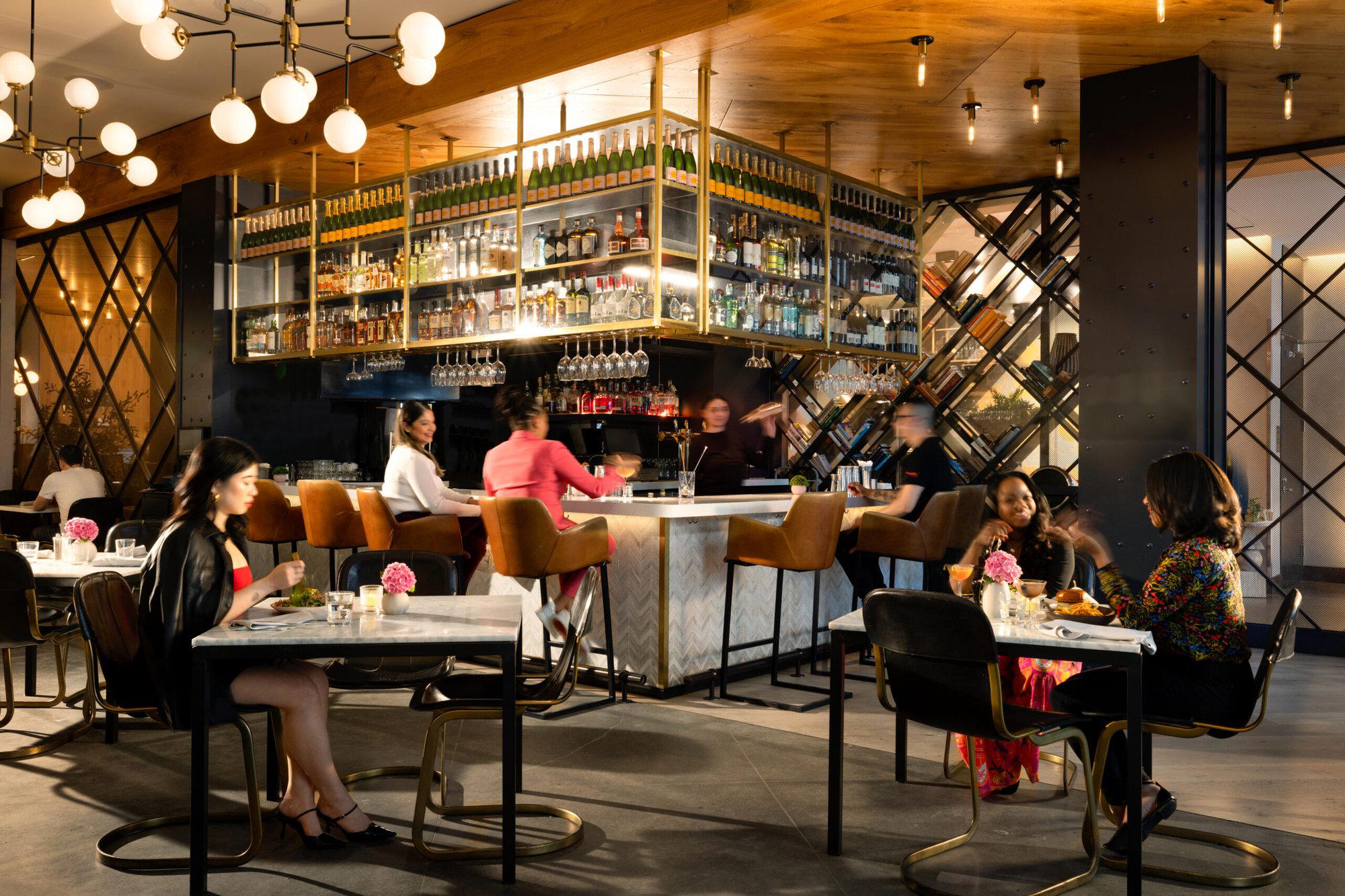
Michigan Avenue and the Architecture of Anticipation
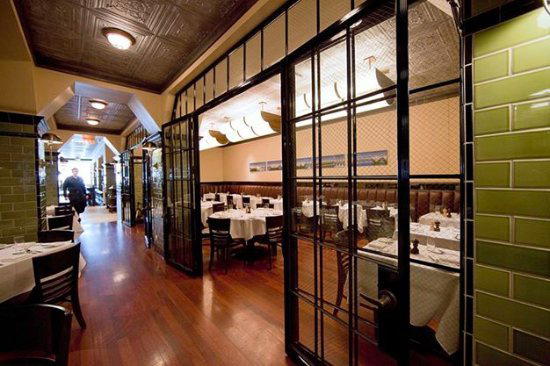
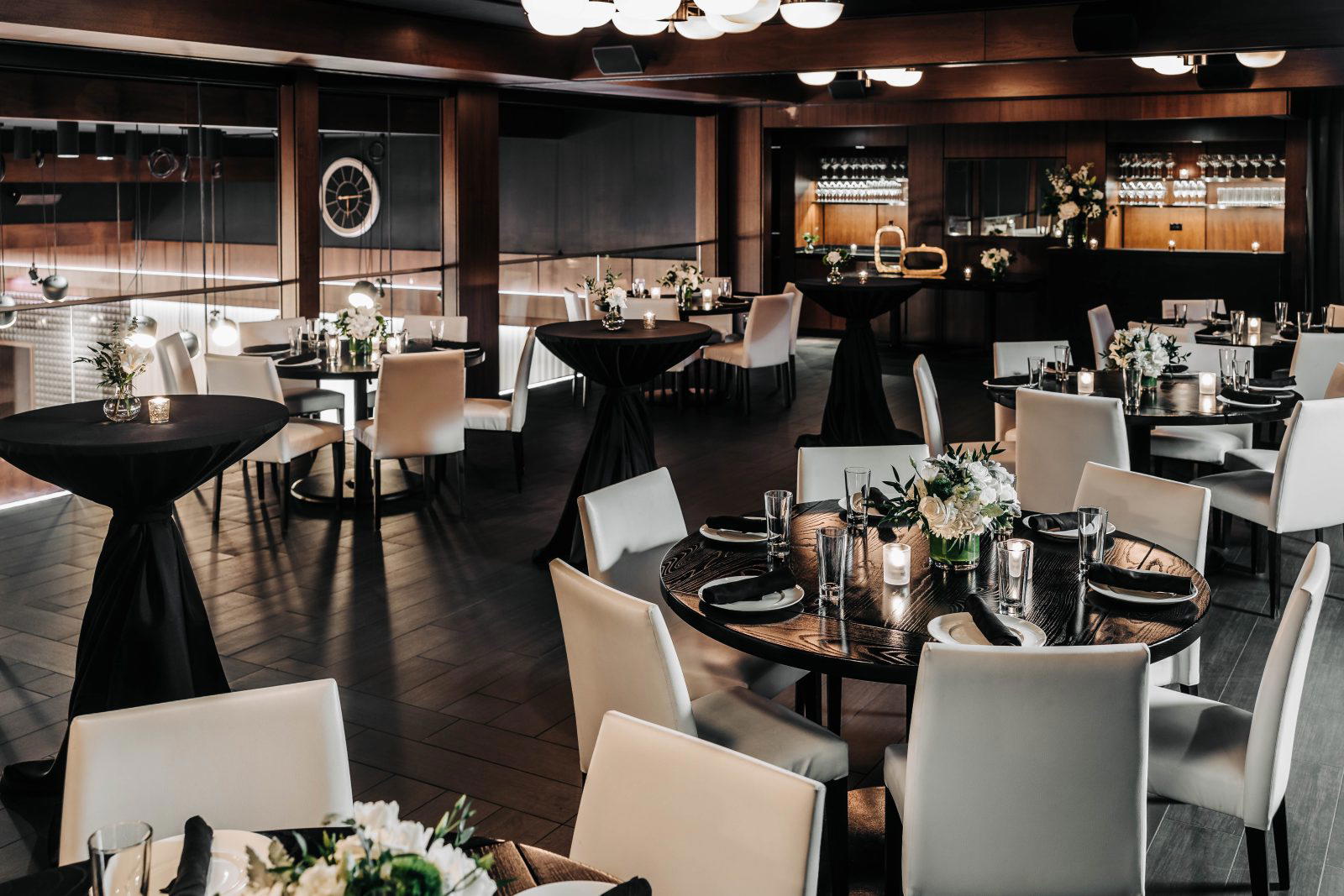
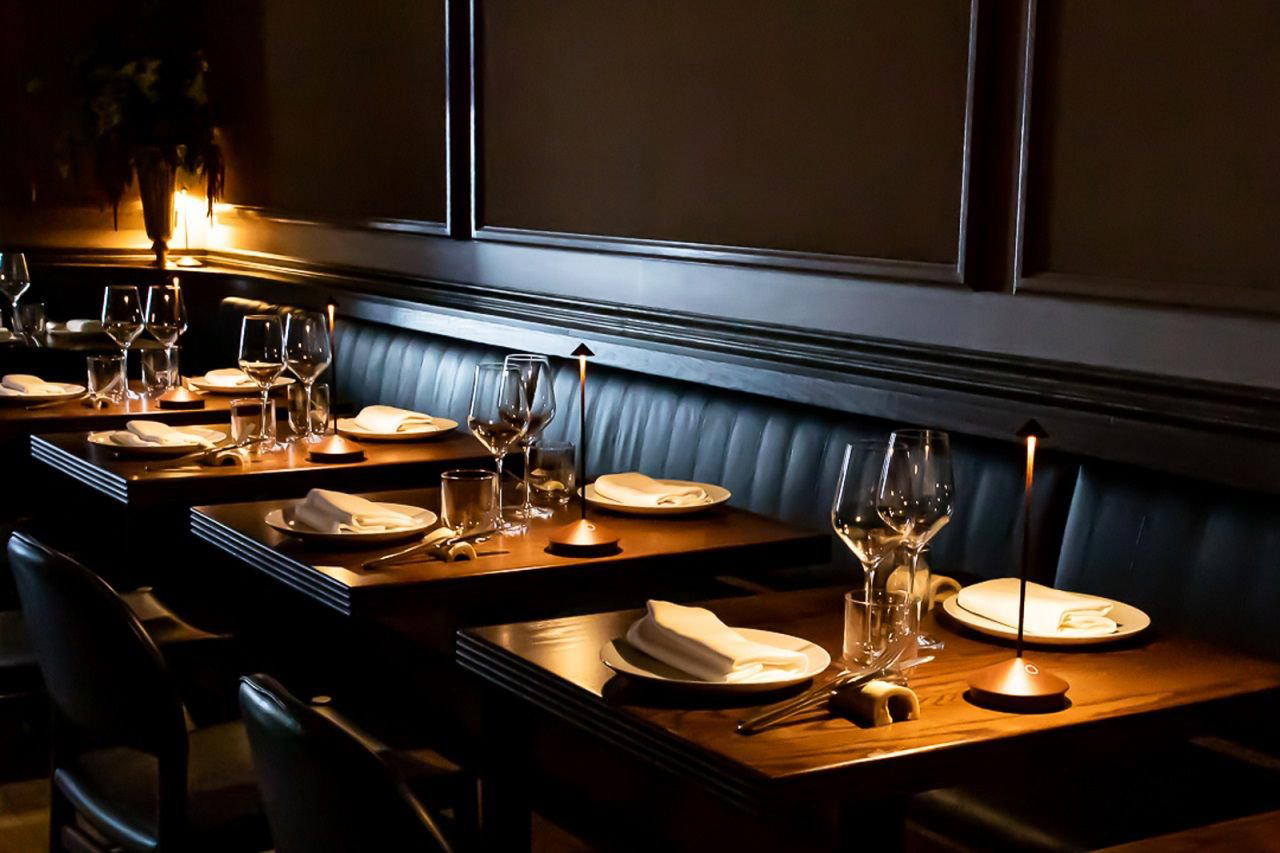
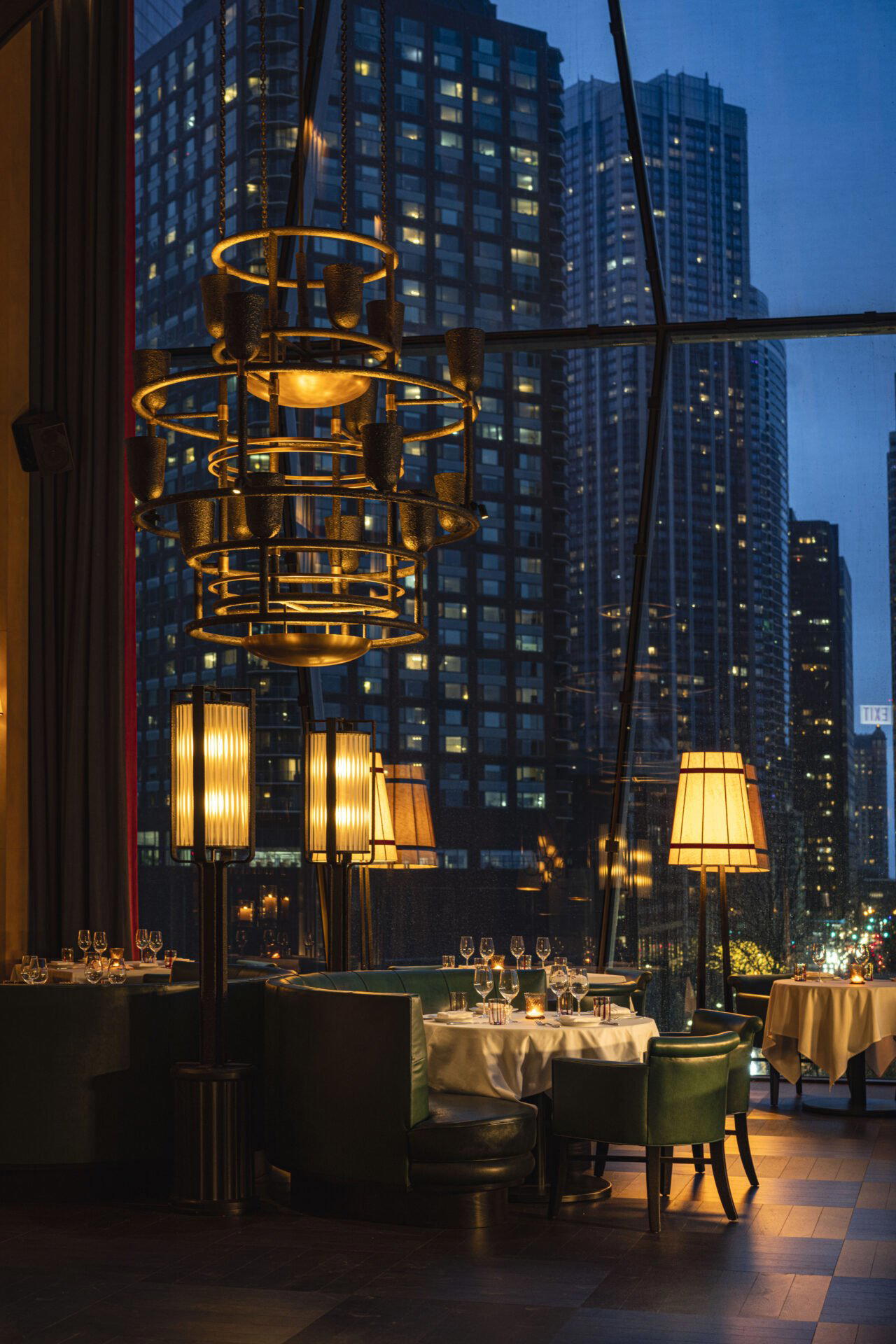
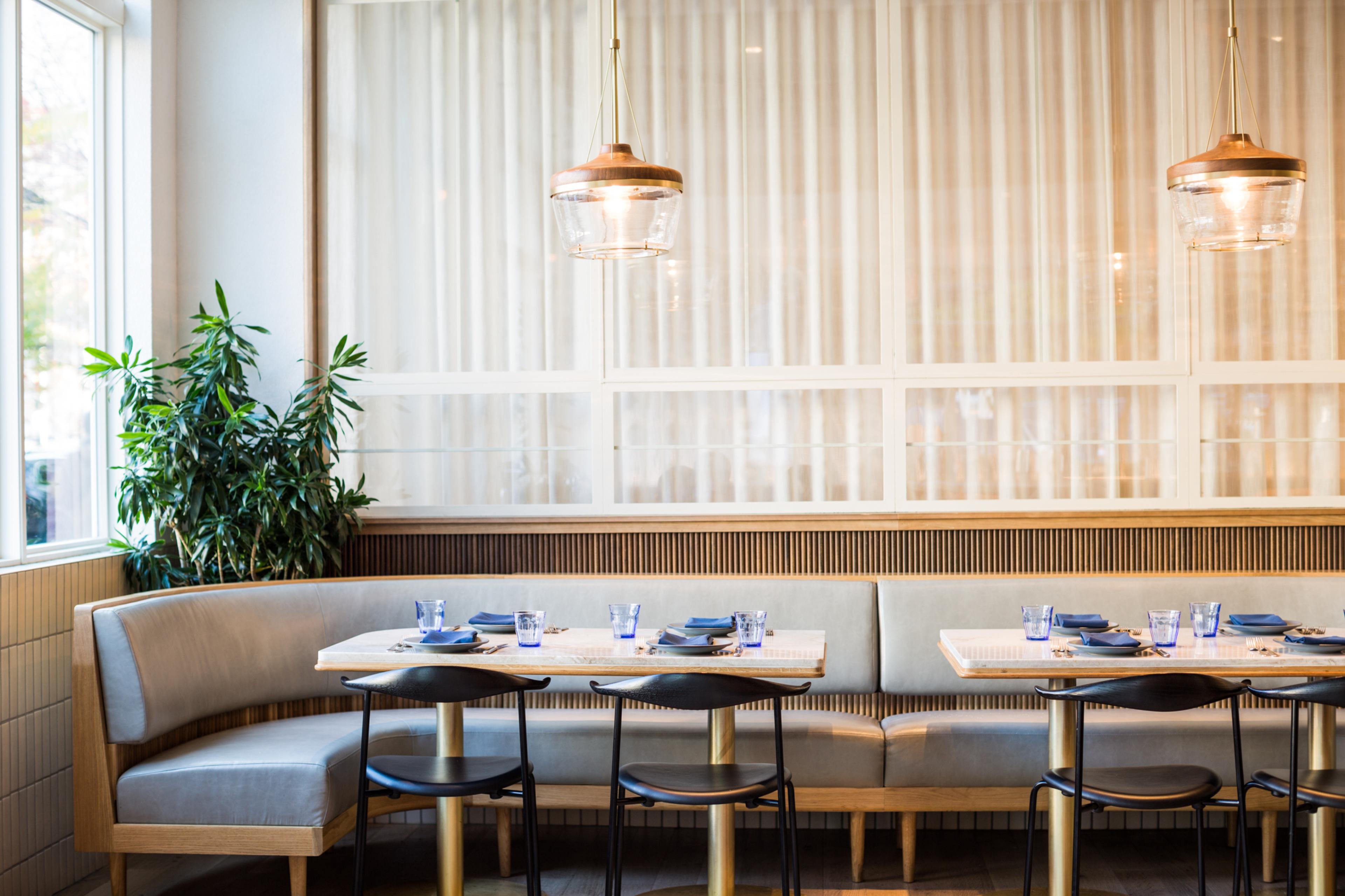
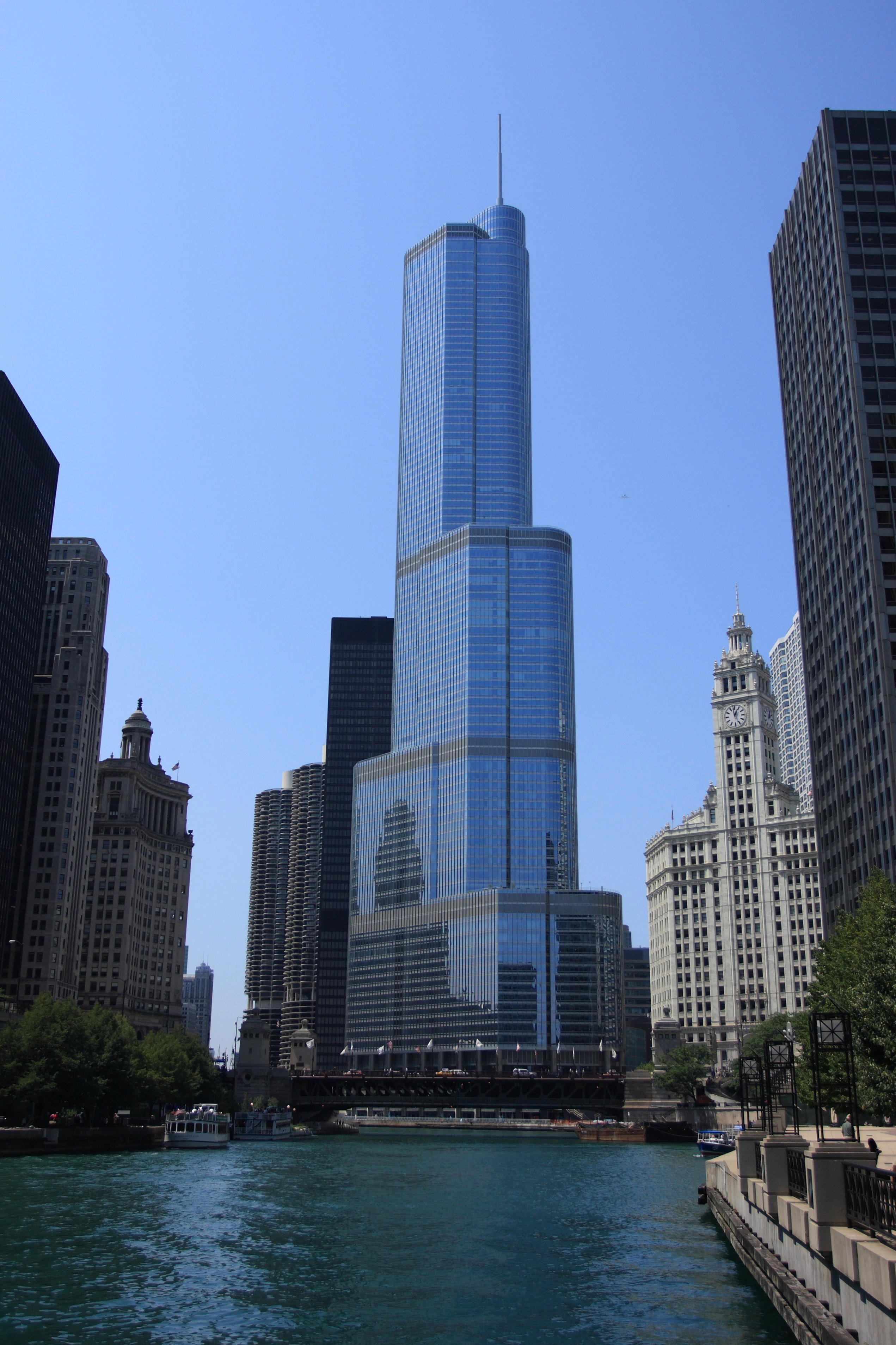
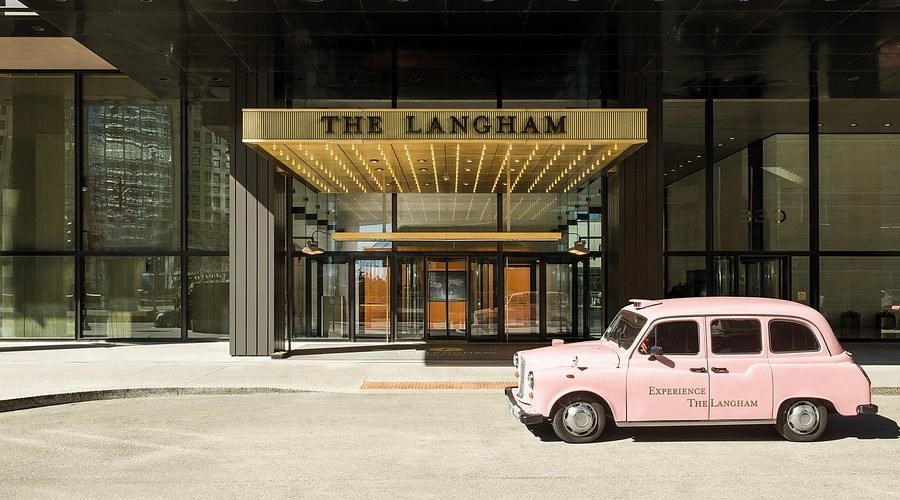
168 North Michigan Avenue is not a quiet address. The Magnificent Mile corridor draws foot traffic in volumes that most restaurant designers treat as a problem to solve: how do you create interior gravity strong enough to pull a diner's attention away from one of the most kinetic streetscapes in the American Midwest? The answer, at properties that work in this location, is almost always spatial. You design inward. You give the room a weight and a logic that makes the city outside feel incidental rather than intrusive. About Last Knife occupies that address, and the question the space must answer is the same one every serious restaurant on a high-visibility boulevard has to answer: does the interior earn its own attention?
Chicago has a long tradition of treating dining rooms as architectural statements. The city that produced the steel-frame skyscraper and the Prairie School interior has, over time, developed a dining culture that reads physical space as part of the hospitality argument. A counter, a banquette arrangement, the ceiling height relative to table density — these are not decorative decisions in Chicago's serious restaurant tier. They are editorial ones. Properties like Alinea in Lincoln Park and Smyth in the West Loop both use spatial sequencing as part of the dining proposition, controlling how a guest moves through an experience before a single plate arrives.
The Loop's Fine-Dining Position
The Loop and Michigan Avenue corridor occupy a specific position in Chicago's dining geography. They attract high-spend visitors, corporate accounts, and pre-theatre traffic in a way that Fulton Market or the West Loop does not. This shapes the competitive set. Restaurants at this address are pricing and programming against a different baseline expectation than the destination-driven rooms farther west. The guest arriving on Michigan Avenue often carries a different brief: occasion dining, client entertainment, the kind of meal that needs to be legible as serious without requiring the advance planning that a counter seat at Oriole demands.
That context matters when reading About Last Knife. A venue at this address is operating inside a set of expectations about format, scale, and hospitality register that differ from Chicago's more intimate destination rooms. The peer comparison is less Kasama on the North Side — where the tasting menu format and Filipino-American cuisine draw a specifically motivated diner, and more the kind of polished, full-service American dining room that has historically anchored the city's downtown hotel and business districts.
Nationally, the category About Last Knife belongs to sits in interesting tension. American cities have watched their downtown fine-dining corridors either consolidate around hotel restaurants or give ground to destination rooms in secondary neighbourhoods. In San Francisco, Lazy Bear operates as a communal-table ticketed experience far from the tourist core. In New York, Le Bernardin holds its Midtown position through decades of accumulated authority. The venues that survive on high-traffic urban addresses tend to do so through either genuine culinary distinction or consistent execution at volume, and the two are not mutually exclusive.
Chicago's Progressive American Tier and Where This Room Fits
Chicago's most decorated dining rooms in recent years have clustered around a loosely defined Progressive American mode: technically serious, sourcing-conscious, format-flexible. Next Restaurant made the rotating-concept format a signature. Alinea has held three Michelin stars through multiple evolutions of its dining format. These rooms sit at the top of a credentialing structure that filters down through a wide range of serious cooking. About Last Knife, at its Michigan Avenue address, sits within reach of that conversation geographically, even if its precise position in the hierarchy requires current data to map accurately.
For the diner building a Chicago itinerary, the practical question is one of sequencing. The city's dining week has a logic: tasting-menu rooms tend to anchor evenings when time and budget allow maximum commitment. A room on Michigan Avenue offers a different kind of accessibility, proximity to Loop hotels, ease of pre- or post-theatre positioning, the ability to extend a business day into an evening without complex logistics. That is not a secondary value. It is a specific utility, and the leading rooms in these corridors understand it and programme accordingly.
Comparable venues in other American cities have found durable positions in exactly this register. Providence in Los Angeles holds two Michelin stars in a Melrose address that balances destination dining with accessibility. Addison in San Diego has achieved a similar calibration. The Inn at Little Washington built its entire identity around the idea that the right room, correctly designed and consistently executed, can anchor a destination regardless of address. The physical container, the space itself, is always part of the case being made.
Planning a Visit
About Last Knife is located at 168 North Michigan Avenue in Chicago's Loop, a short walk from Millennium Park and within easy reach of the city's main Loop transit infrastructure. For confirmed comparable experiences at the high end of Chicago's dining scene, the full roster of reviewed rooms is covered in our full Chicago restaurants guide.
Diners interested in the broader American fine-dining conversation beyond Chicago will find useful reference points at The French Laundry in Napa, Single Thread Farm in Healdsburg, Blue Hill at Stone Barns in Tarrytown, Frasca Food & Wine in Boulder, and internationally at Atomix in New York City, Emeril's in New Orleans, and Atelier Moessmer Norbert Niederkofler in Brunico.
Pricing, Compared
A quick peer check to anchor this venue’s price and recognition.
| Venue | Cuisine | Price | Awards |
|---|---|---|---|
| About Last KnifeThis venue — the venue you are viewing | Not listed | Not listed | Not listed |
| Smyth | Progressive American, Contemporary | $$$$ | Michelin 3 Star |
| Alinea | Progressive American, Creative | $$$$ | Michelin 3 Star |
| Kasama | Filipino | $$$$ | Michelin 1 Star |
| Next Restaurant | American Cuisine | $$$$ | Michelin 1 Star |
| Moody Tongue | Contemporary | $$$$ | Michelin 1 Star |
At a Glance
- Sophisticated
- Lively
- Cozy
- Modern
- Date Night
- Business Dinner
- Group Dining
- Casual Hangout
- After Work
- Brunch
- Hotel Restaurant
- Open Kitchen
- Craft Cocktails
- Beer Program
- Street Scene
Current opening hours
- Monday
- 7 AM–11 PM
- Tuesday
- 7 AM–11 PM
- Wednesday
- 7 AM–11 PM
- Thursday
- 7 AM–11 PM
- Friday
- 7 AM–11 PM
- Saturday
- 7 AM–11 PM
- Sunday
- 7 AM–11 PM
Hours can change for holidays and private events. Last verified .
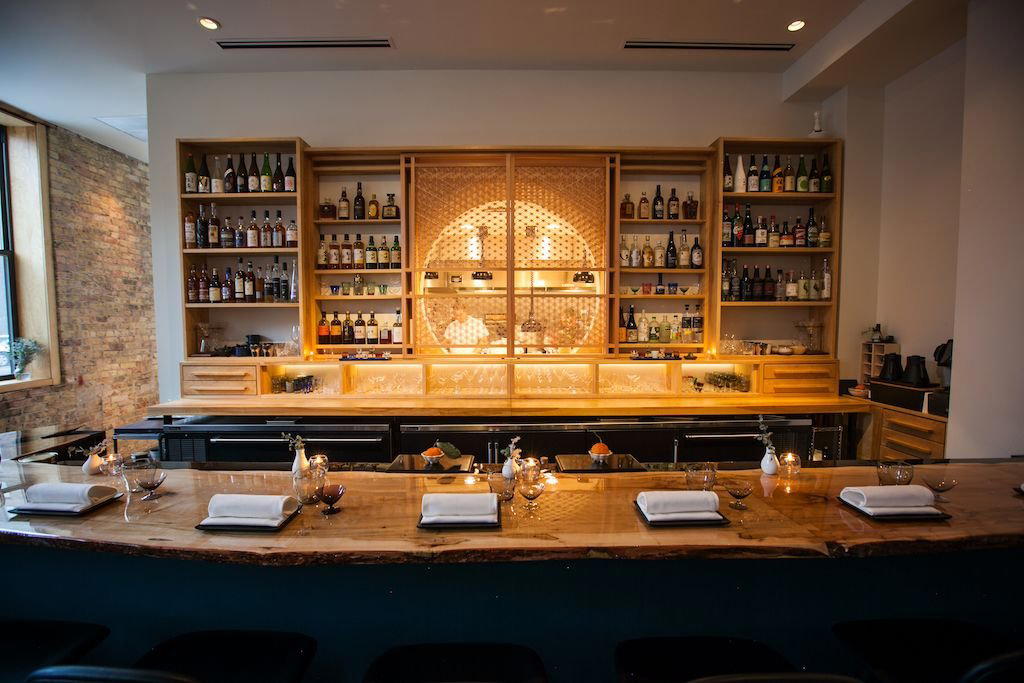
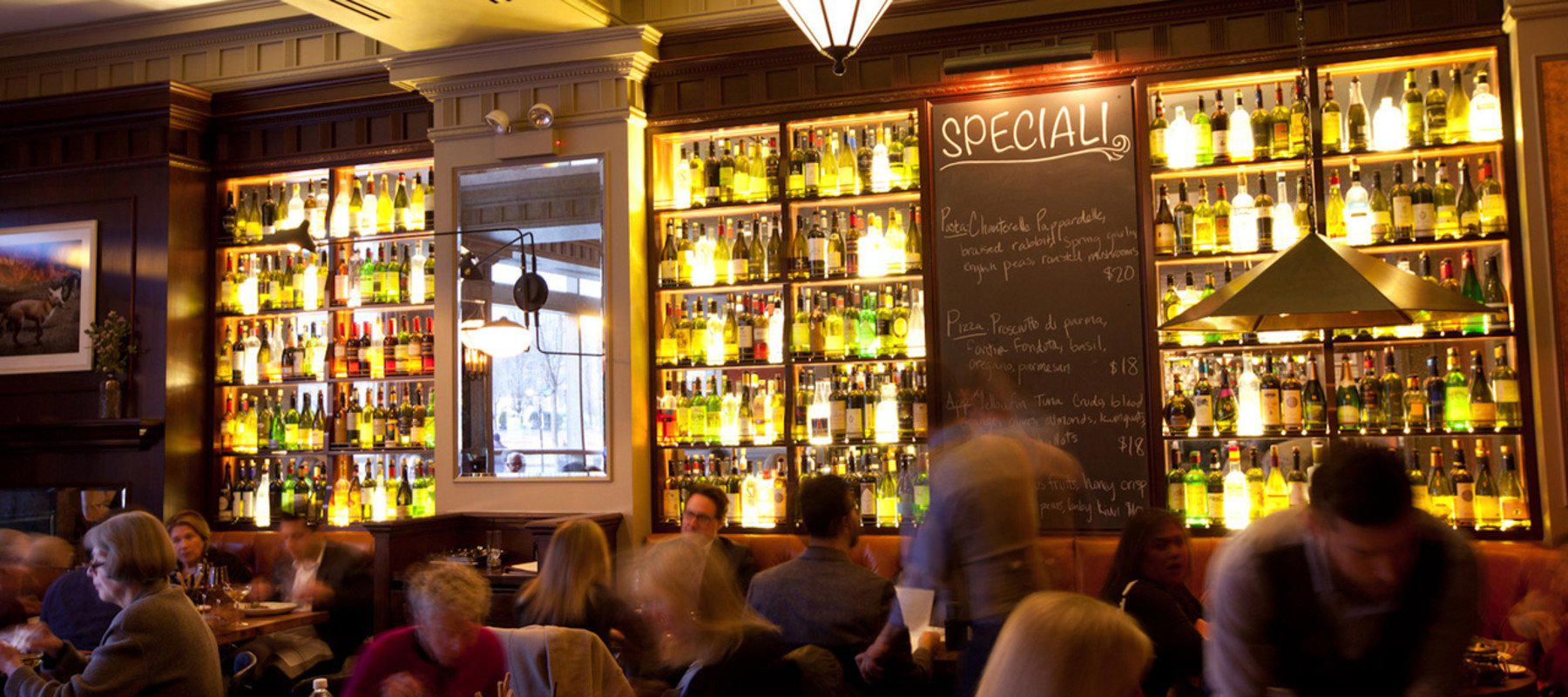
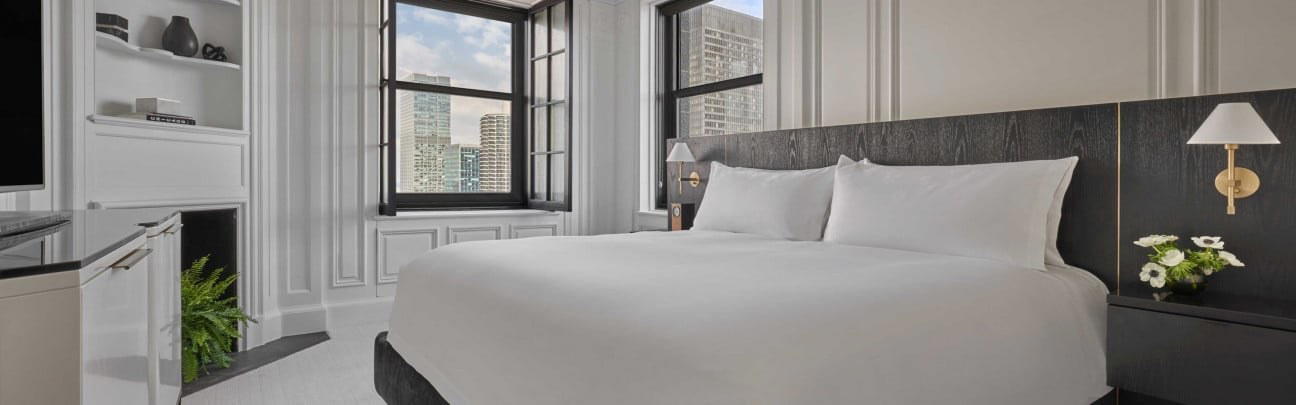
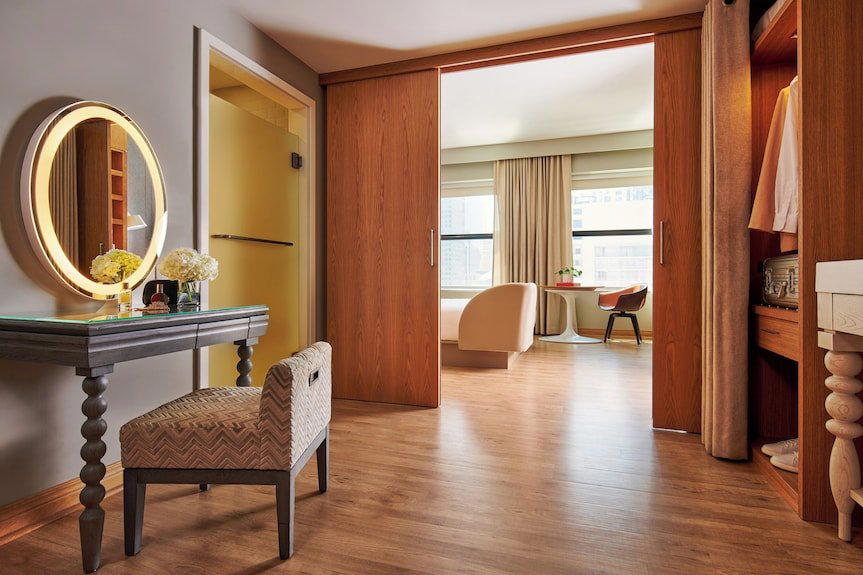
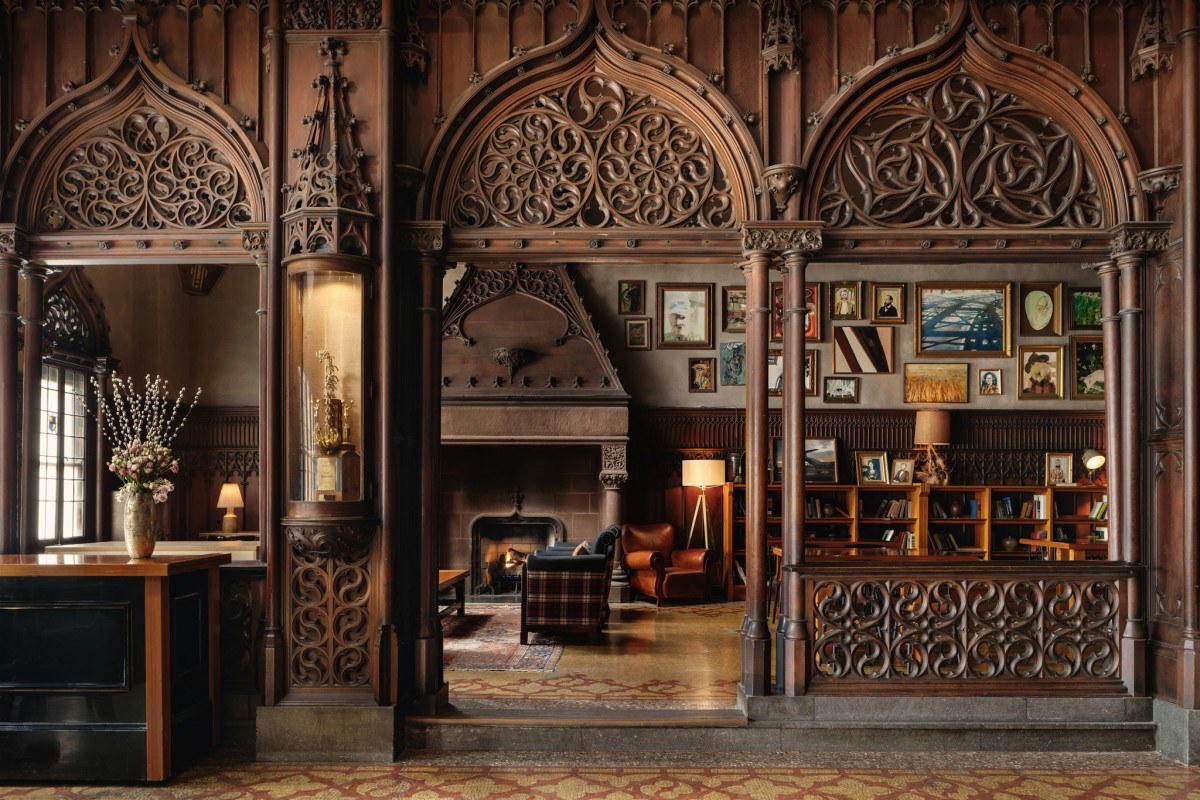
Warm and stylish with exposed brick walls, soft lighting, interesting art, and pleasant music levels that encourage lingering; described as quaint and sophisticated with a relaxed vibe
Know Before You Go
- Getting there
- 168 N Michigan Ave, Chicago, IL 60601