
Hertebos sits along the Oelegemsteenweg in Wommelgem, on the rural fringe between Schilde and the Antwerp agglomeration. The address places it within a dining corridor where several serious kitchens have established a collective identity distinct from the city's more publicised restaurant scene. Concrete details on format, price, and cuisine type are limited, but the venue's presence in this particular stretch of Flemish Brabant is itself a starting point.
Pearl is the En Primeur Club membership app — saves, bookings, and concierge access live there. Same editors, same standards.
- Address
- Oelegemsteenweg 14, 2160 Wommelgem, Belgium
- Phone
- +3233441427
- Website
- hertebos.be
- Directions
- Get directions
 Saves & bookings on Pearl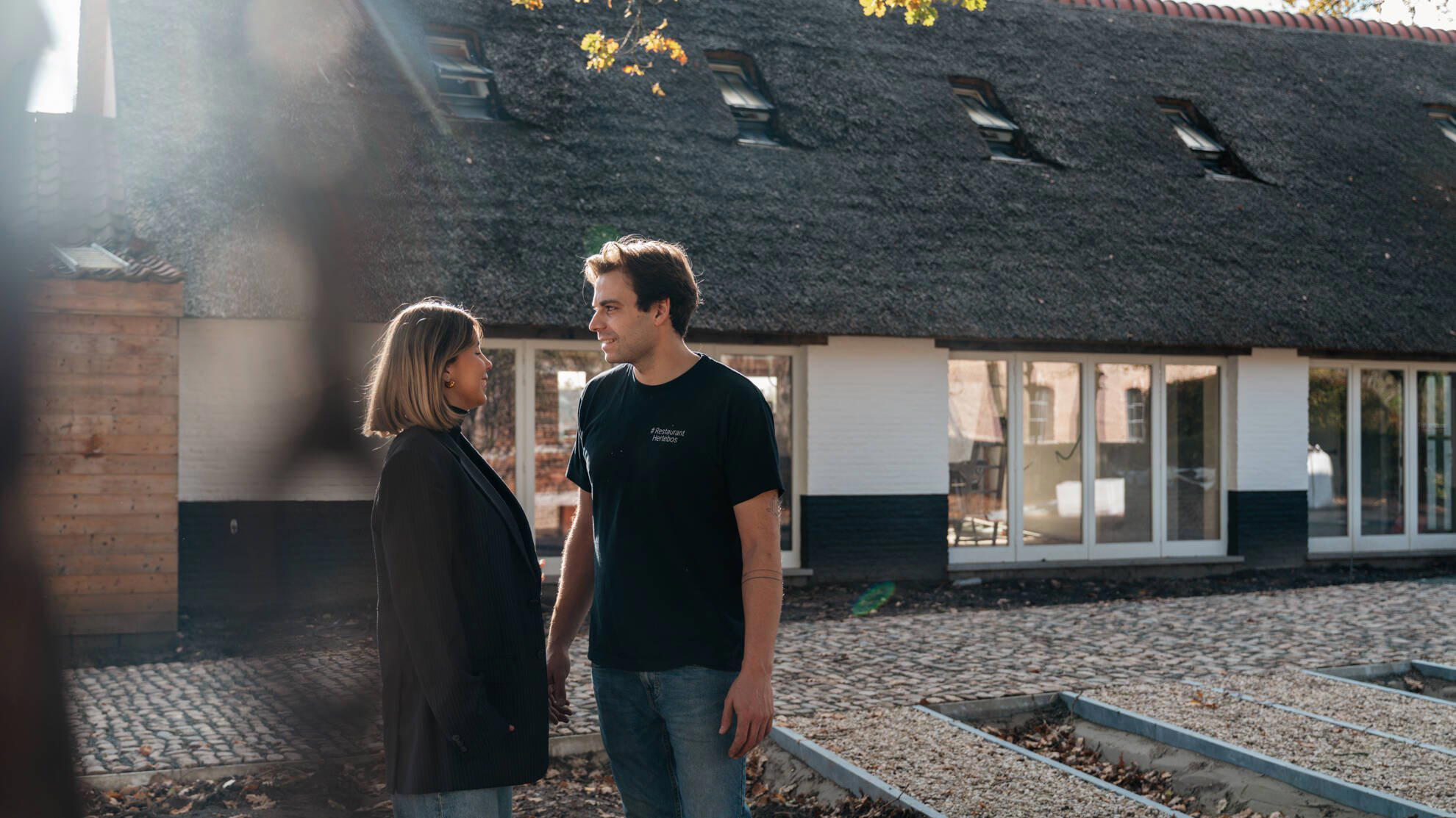
A Corridor Worth Knowing: Dining Between Schilde and Antwerp
The stretch of road connecting Wommelgem to the broader Schilde commune does not announce itself the way a city dining district does. There are no dense rows of signage, no clusters of terraces competing for pavement space. What this part of the Antwerp periphery offers instead is a slower, more deliberate dining culture, one that has developed in step with the residential character of the villages rather than against it. Hertebos, addressed at Oelegemsteenweg 14 in Wommelgem, belongs to this geography, sitting at a point where Schilde's culinary ambition and Antwerp's broader influence meet without quite merging.
Belgium's provincial restaurant scene has, over the past two decades, produced some of the country's most considered cooking in settings that sit well outside urban centres. Hof van Cleve in Kruishoutem and Boury in Roeselare both operate from towns that would not register on most international dining itineraries, yet they anchor serious culinary reputations that pull well beyond their postcodes. The pattern is consistent enough to be a structural feature of how Belgium sources and sustains fine dining talent: the countryside, or its edge, is where a significant share of the country's kitchen ambition resides.
Schilde itself, a commune of around 20,000 residents in the Antwerp province, has developed a small but coherent cluster of dining addresses that sit above casual neighbourhood territory. Brabohoeve operates in the Modern French register at the €€€ tier, while Casello covers Modern Cuisine at the same price point. Jones and Thijm complete the local roster. For the full picture of what the commune currently offers, the EP Club Schilde restaurants guide maps these addresses against each other.
What makes this cluster interesting from an editorial standpoint is less any individual venue and more the fact that the area supports multiple kitchens operating above the entry level simultaneously. That kind of density, modest by urban standards but real by provincial ones, suggests a local diner base with both the appetite and the means to sustain it. Hertebos, positioned at the Wommelgem end of this loose geography, occupies a distinct physical address from the other Schilde entries, which may reflect a deliberate positioning or simply the pragmatics of available real estate in a low-density area.
Flemish Cooking and Its Cultural Anchors
To understand what a venue in this part of Belgium is likely drawing on, it helps to understand the broader Flemish culinary tradition and the way it has evolved. Flemish cooking has historically centred on produce from the polders and farmland of the northern Belgian lowlands: waterzooi, stoofvlees, game from the Kempen forests, North Sea fish brought in through Ostend and Nieuwpoort. Restaurants like Bartholomeus in Heist and Willem Hiele in Oudenburg have shown how that coastal and agricultural lineage can be rendered in a contemporary idiom without dissolving into generic European fine dining.
The Kempen region, of which the Schilde area is part, has its own character within this tradition: more forested, more inland, with a larder that runs toward game, root vegetables, and mushrooms rather than the maritime ingredients that define the coast. A kitchen working from this geography, even one that draws on broader European technique, will find its most convincing material in that local stock. The restaurants that have succeeded in comparable Flemish provincial settings tend to be the ones that treat local sourcing not as a marketing position but as a practical culinary logic.
For comparison, Zilte in Antwerp and Bozar Restaurant in Brussels represent what Belgium's urban fine dining tier looks like when it operates at sustained recognition levels. Venues like Castor in Beveren, De Jonkman in Sint-Kruis, and L'air du temps in Liernu illustrate how that ambition disperses across the country's provinces. Hertebos enters a context shaped by both registers.
What the Address Tells You
The Oelegemsteenweg is not a destination street in the way that central Antwerp's restaurant corridors are. Reaching Hertebos requires a deliberate decision to go there, which is itself a signal about the likely dining experience. Restaurants in this kind of location, requiring a car journey from central Antwerp or a considered public transport connection, tend to operate on a different social contract than city-centre venues: longer meals are assumed, the journey is factored into the occasion, and the setting usually does some of the atmosphere work that urban venues achieve through proximity to city life.
The broader Belgian dining culture supports this model well. Flemish diners, particularly those in the Antwerp province, have a well-documented appetite for the extended weekend lunch or dinner that turns a meal into an afternoon or evening event. Venues positioned along rural or semi-rural roads like Oelegemsteenweg 14 are calibrated for precisely that occasion. The physical context, away from parking pressure, ambient noise, and the rhythms of a city street, tends to produce a different kind of hospitality rhythm than urban formats allow.
For those who want to extend a Schilde-area day into other corners of Belgium's dining geography, d'Eugénie à Emilie in Baudour, La Durée in Izegem, and international references like Le Bernardin in New York City and Atomix in New York City provide useful comparison points for understanding where Belgian provincial dining sits in a wider frame.
Planning a Visit
Hertebos is located at Oelegemsteenweg 14, 2160 Wommelgem, which places it in the commune of Wommelgem rather than Schilde proper, though it sits within the dining orbit of both. Given the address, a car is the most practical way to arrive. The Schilde-area restaurants listed above, including Brabohoeve and Casello, can be used as price and format anchors while researching the area's dining options as a whole.
How Hertebos Schilde compares with similar nearby venues.
| Venue | Cuisine | Price |
|---|---|---|
| Komaf | French Contemporary | €€€€ |
| Casello | Modern Cuisine | €€€ |
Recognition history
Dated appearances from independent guides and award organizations, with the underlying list record or original source where available.
Michelin Plate
Michelin
At a Glance
- Intimate
- Cozy
- Elegant
- Date Night
- Special Occasion
- Private Dining
Current opening hours
- Monday
- Closed
- Tuesday
- 6:30 PM–12 AM
- Wednesday
- 12–1:30 PM, 6:30–8 PM
- Thursday
- 12–1:30 PM, 6:30–8 PM
- Friday
- 12–1:30 PM, 6:30–8 PM
- Saturday
- 6:30–8 PM
- Sunday
- Closed
Hours can change for holidays and private events. Last verified .
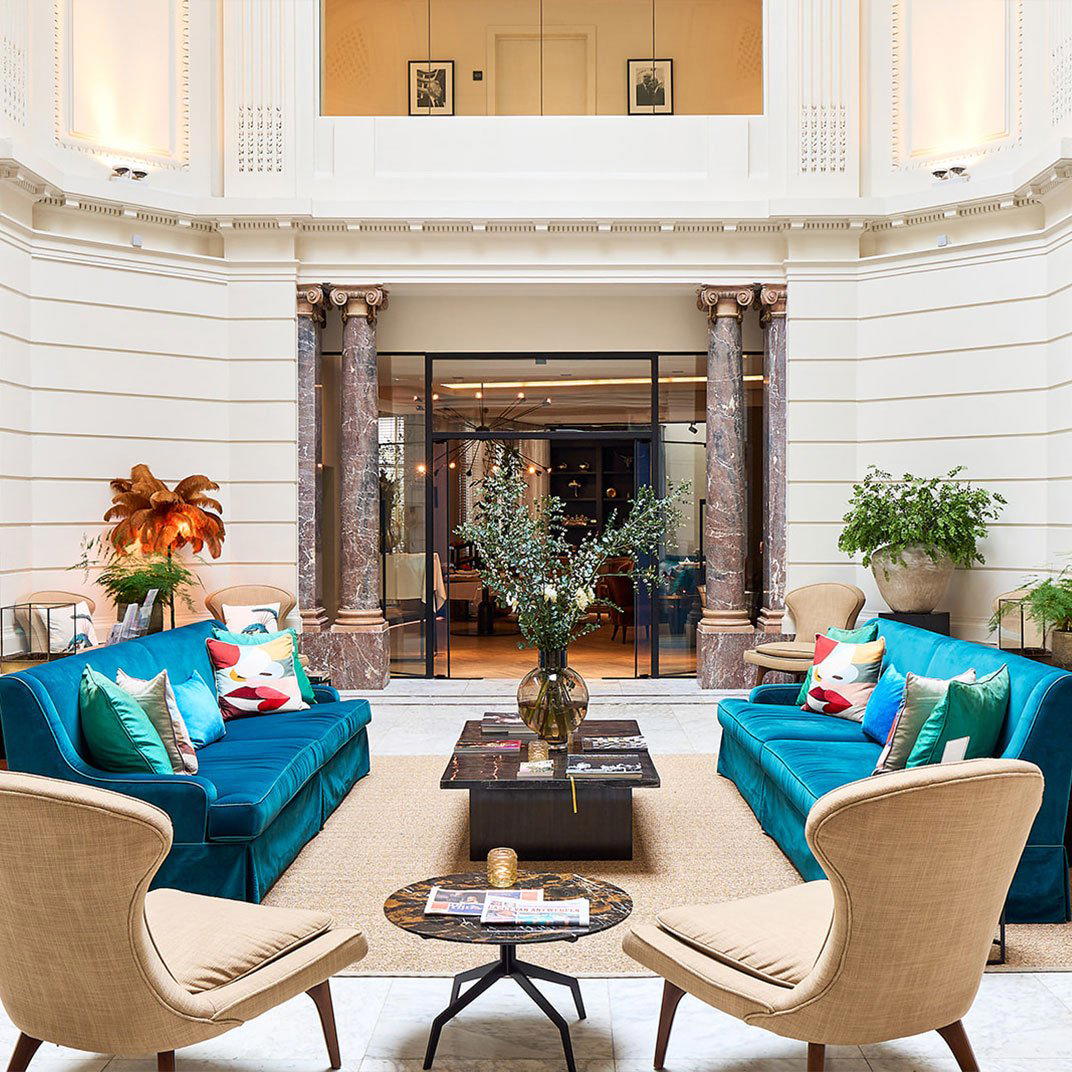
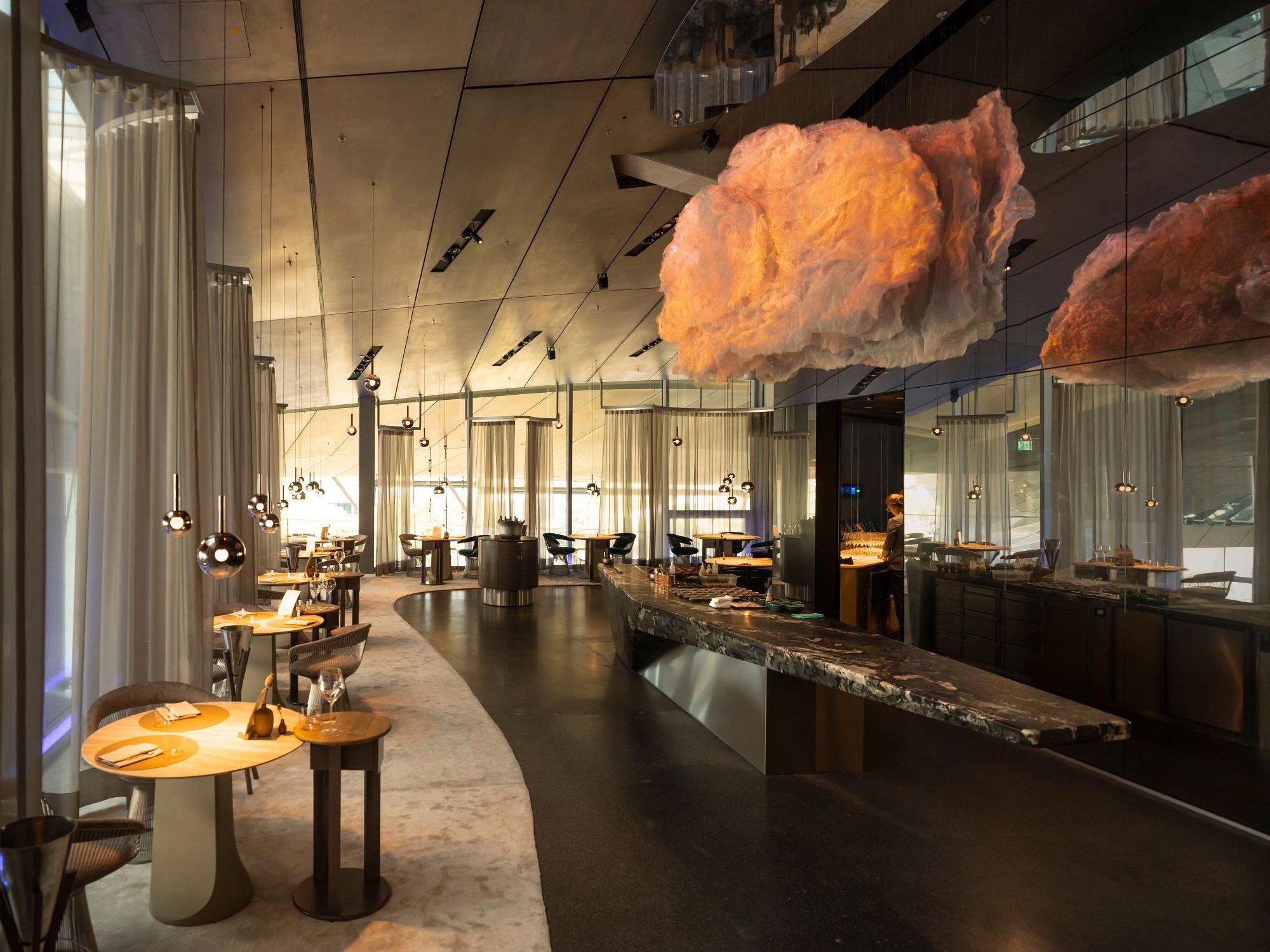
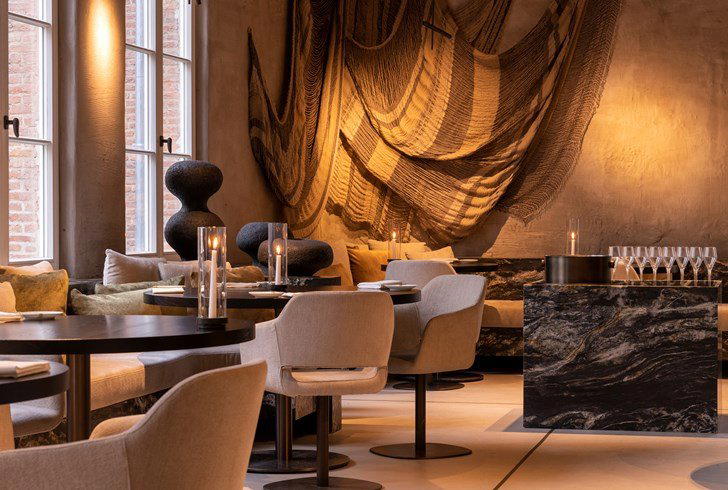
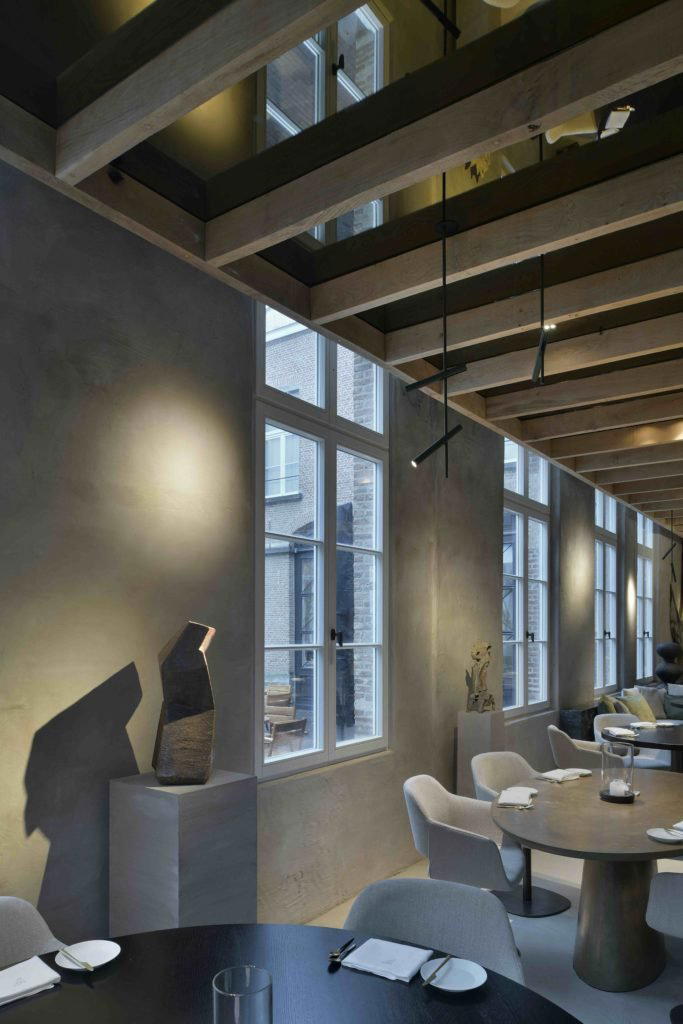
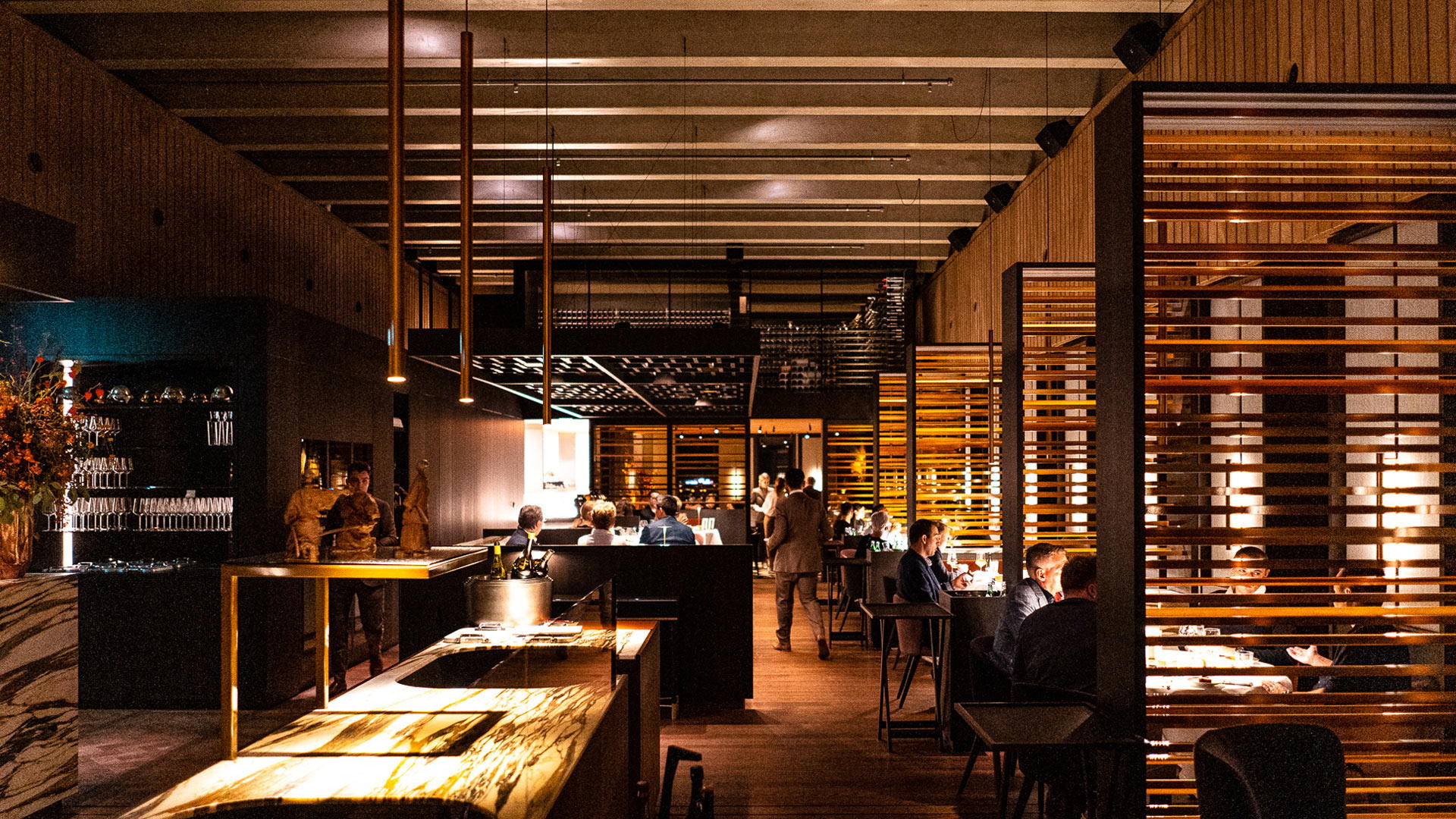
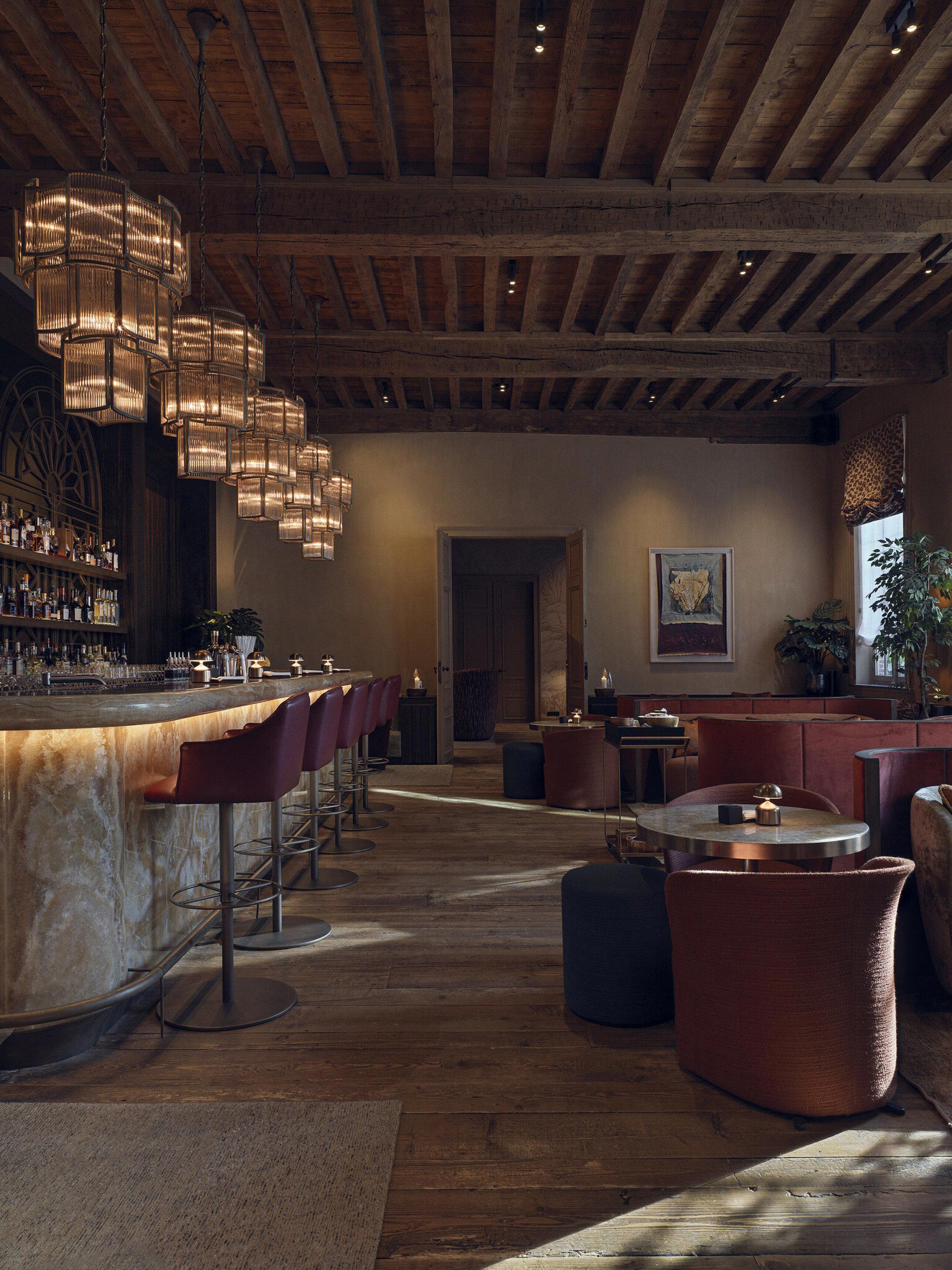
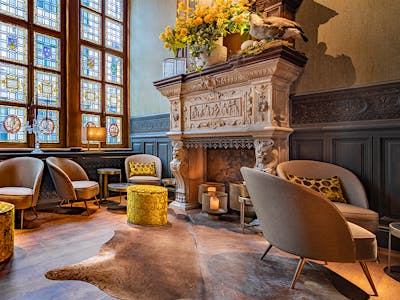
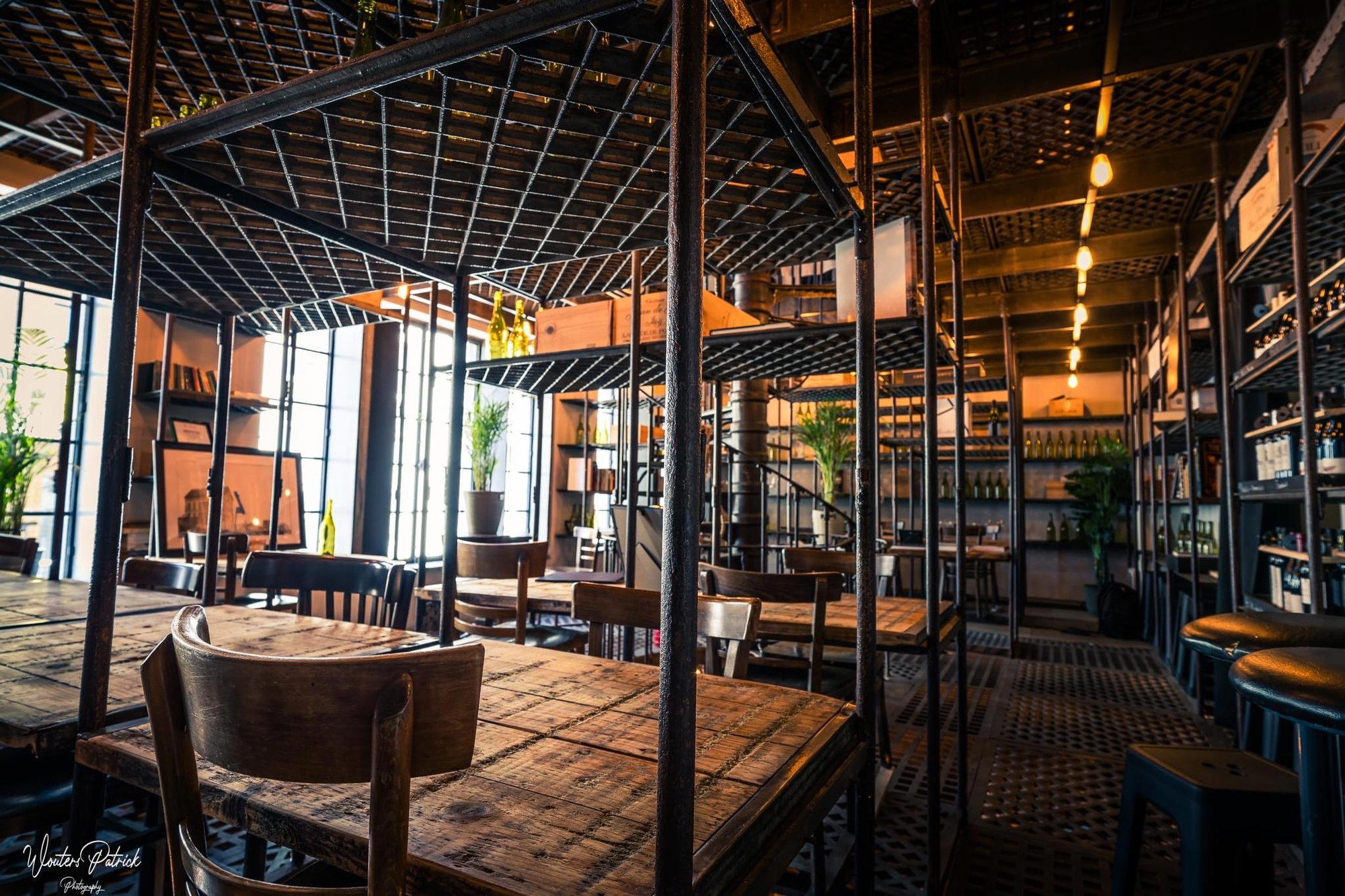
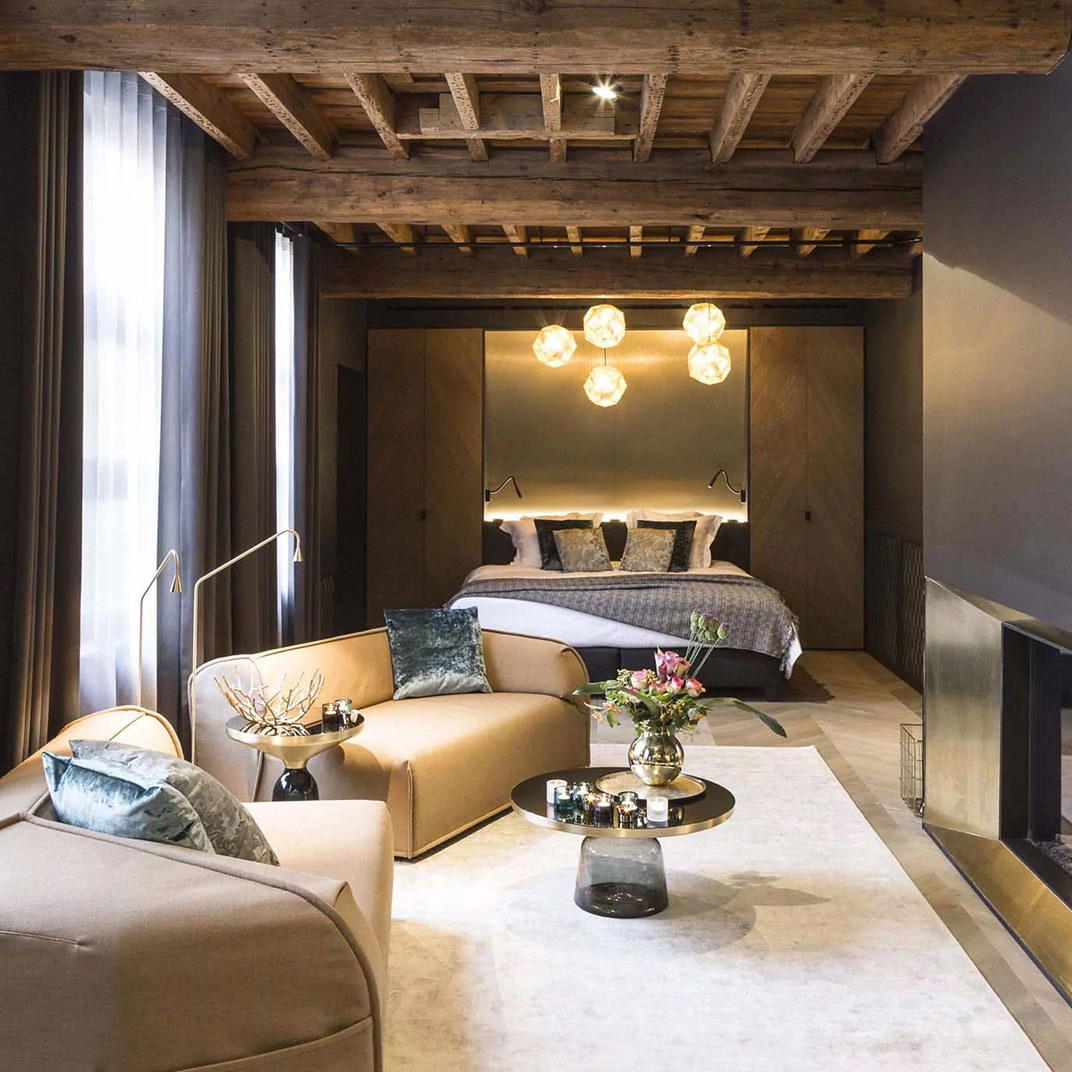
Warm homely living room atmosphere with pleasantly warm furnishing and old tiles.
Know Before You Go
- Getting there
- Oelegemsteenweg 14, 2160 Wommelgem, Belgium