
Tabelog 100 #93
Our verdict
Bistrot L'Ampoule sits in Nagoya’s Chiyoda area near Yaba-cho, working in the tighter, daytime-friendly end of the city’s French-leaning dining scene. Its Tabelog 100 French EAST selections in 2023 and 2025 give it a recognition signal beyond casual café territory, while the compact room keeps the experience closer to a neighborhood bistrot than a formal grand restaurant.

Pearl is the En Primeur Club membership app, where members save venues, book tables and use the concierge.
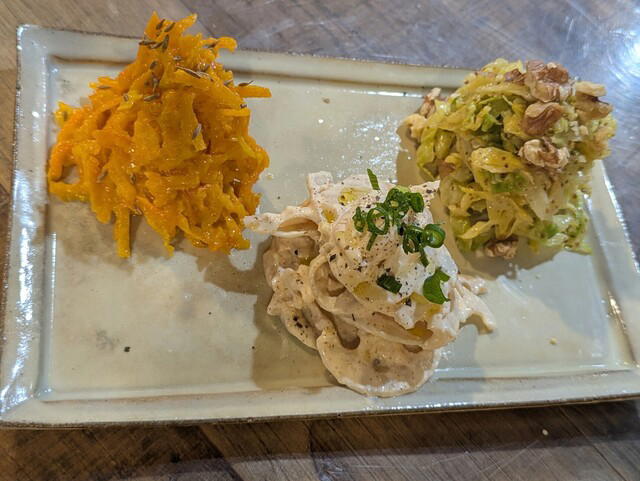
On the Chiyoda side of central Nagoya, the restaurant scene thins into smaller rooms, mixed-use buildings, and places built less on theatrical arrival than repeat confidence. Bistrot L'Ampoule fits that register: compact counter and table seating, wine, and a format that now reads as daytime bistrot-café rather than formal dinner destination. In a city where French dining often splits between occasion restaurants and casual yoshoku-adjacent comfort, it occupies a useful middle lane.
That lane matters. Nagoya has a strong appetite for structured European cooking, but not always through grand tasting menus. A smaller French room can succeed by getting the handoff right between kitchen, wine, and floor: not a chef’s monologue, not an undisciplined café, but coordinated service that can flex from lunch to snacks with wine. The 2025 Tabelog 100 French EAST selection, following a 2023 selection, places the restaurant inside a regional French conversation, not merely a neighborhood café circuit.
A compact French-café format in a city that prizes practical polish
Nagoya rewards places that understand use case. Business lunches, solo counter meals, family outings, and low-friction wine stops each have rhythm, and stronger small restaurants do not force one ceremony on every guest. Bistrot L'Ampoule is useful because it supports several rhythms without abandoning a French frame. The category may read café, but French EAST recognition suggests a kitchen held to a more demanding standard than the label implies.
The comparison set is instructive. Siculamente and Link sit in a higher-priced Italian-leaning bracket in Nagoya, while 日本のイタリア料理店 sai, SHUHARI, and Table For Tomorrow show the city’s broader taste for small-format European dining. Against that field, this restaurant’s appeal is not scale or luxury signaling; it is accessibility with enough recognition to draw travelers who usually filter Nagoya for sushi, hitsumabushi, or station-area convenience. The smarter reading is not “casual equals lesser,” but that Nagoya’s European rooms often express seriousness through restraint, modest capacity, and repeatable service rather than spectacle.
The team dynamic is the quiet test. In a small room, front-of-house cannot hide behind distance, and the kitchen cannot rely on a long menu to dilute weak choices. Wine service, pacing, counter awareness, family friendliness, and takeout pull against one another unless tightly managed. Here, the format signals collaboration: a kitchen producing French-leaning daytime food, a drinks offer built around wine, and service for solo diners as well as families. That mix is harder than it looks, because the room must feel relaxed without becoming loose.
Why the Tabelog French EAST signal matters here
Tabelog’s Hyakumeiten lists are not Michelin stars and should not be read as such. Their value is different: they capture sustained attention from a broad Japanese dining audience across category and region. A place selected for French EAST in both 2023 and 2025 has crossed a visibility threshold among users who compare restaurants with unusual intensity. For Nagoya, where national attention often centers on fewer luxury counters and regional specialties, that category-specific recognition is a practical marker.
The 3.54 score also needs Japanese context. Tabelog scores are compressed; numbers that look modest by international review-platform habits can signal meaningful local confidence. A mid-3 score attached to a Hyakumeiten selection says less about universal acclaim than category fit, consistency, and enough enthusiasm to break through a crowded field. That is useful intelligence for a traveler deciding whether to spend a limited Nagoya meal on French cooking rather than the city’s better-known local canon.
The January 2026 move toward daytime service sharpens the positioning. Rather than compete directly with higher-ticket dinner rooms, the restaurant now sits closer to lunch, café, snack, and wine-apéritif use. That makes it more compatible with a Nagoya itinerary around Sakae and Yaba-cho, Osu shopping, or an afternoon between hotel check-in and evening plans. It also changes expectations: the value lies in a nimble French format, not a long ceremonial night.
How to place it in a Nagoya itinerary
For travelers, the strongest case is daytime precision. Nagoya can be transit-heavy, and many visitors underuse its central neighborhoods by treating them as connectors between the station, museums, and regional day trips. A compact French-café stop near Yaba-cho gives the day a different shape: less destination-dining pressure, more neighborhood reading. It works especially well for diners who want a recognized restaurant without committing the evening to a formal room.
The practical personality is unusually broad for a small place. Family-friendly details, solo-dining suitability, non-smoking status, counter seating, and takeout support several visit types. The perfume request is worth respecting because small rooms concentrate everything: food, wine, conversation, and scent. That policy is not fussiness; it is how compact Japanese restaurants protect the dining room for everyone present.
Use the wider EP Club Nagoya edit to build around it. For nearby restaurant planning, start with Our full Nagoya restaurants guide, then compare other city entries such as 1022, 451, Aaron, Alan., and All Day Dining Montmartre. For the rest of the trip architecture, pair the meal with Our full Nagoya hotels guide, Our full Nagoya bars guide, Our full Nagoya wineries guide, and Our full Nagoya experiences guide.
Travelers continuing through Japan can keep the same lens: small rooms, clear formats, and category discipline often tell more than luxury cues. For broader comparison, see -Grilled beef Sukiyaki- KAMAKURA TANUKIAN 鎌倉 たぬき庵 in Kamakura. 鮪と炭火焼き うお炭 秋葉原店 in Tokyo.cafe in Osaka.know in Kumamoto, (Shoku) Vietnam in Kawasaki, and [Curry Senmon Ten] Maruyama Kyoju. in Sapporo. Outside Japan, the same compact-format logic appears in focused specialist venues such as Jōdo Saké Bar in Los Angeles and Onigiri Time in Pasadena.
Frequently asked questions
Is Bistrot L'Ampoule good for families?
Yes. The venue lists children welcome, strollers welcome, and children's chairs, with 14 seats overall in Nagoya's Naka Ward. It suits a family lunch more than a long, formal dinner.
What's the vibe at Bistrot L'Ampoule?
It runs as a compact 14-seat cafe-bistro with counter seating and table seating, and it now focuses on daytime service from 11:30 AM to 6 PM. The setup suits lunch, wine, and appetizers rather than a heavy, drawn-out meal.
What's the price range at Bistrot L'Ampoule?
Pricing at Bistrot L'Ampoule is listed as JPY 2,000 - JPY 2,999.
What are the operating hours at Bistrot L'Ampoule?
Hours at Bistrot L'Ampoule: Mon: 11:30 AM–6 PM; Tue: Closed; Wed: Closed; Thu: 11:30 AM–6 PM; Fri: 11:30 AM–6 PM; Sat: 11:30 AM–6 PM; Sun: 11:30 AM–6 PM.
Compact Comparison
Comparable venues for cuisine and category context.
| Venue | Cuisine | Price | Awards | Notes |
|---|---|---|---|---|
| Bistrot L'AmpouleThis venue (the venue you are viewing) | Seasonal French Bistrot with Natural Wine | $50–100 | Tabelog 100 #93 | Not listed |
| L'atelier K | French Teppanyaki | $100–150 | Tabelog 100 #58 | Higashi, French Teppanyaki |
| ブブ | Seasonal French Bistro | $50–100 | Not listed | Mizuho, Seasonal French Bistro |
| ル・タン・ペルデュ | Modern Natural French | $50–100 | Tabelog 100 #90 | Naka, Modern Natural French |
| Salamanger de Casino | French bistro | Not listed | Tabelog 100 #59 | Nakamura, French bistro |
| Bon Kichi | Seasonal French course restaurant | $50–100 | Tabelog 100 #34 | Higashi, Seasonal French course restaurant |
Recognition history
Dated appearances from independent guides and award organizations, with the underlying list record or original source where available.
Tabelog 100 #93 · No. 93
Tabelog · Tabelog 100 - French - EAST - 2025
Continue exploring
More in Nagoya
Details
- Cozy
- Romantic
- Intimate
- Rustic
- Date Night
- Casual Hangout
- After Work
- Solo
- Standalone
- Design Destination
- Natural Wine
- Extensive Wine List
- Local Sourcing
- Organic
- Natural Wine
- A La Carte
- Small Plates
- Natural Wine
- Organic Focus
Current opening hours
- Monday
- 11:30 AM–6 PM
- Tuesday
- Closed
- Wednesday
- Closed
- Thursday
- 11:30 AM–6 PM
- Friday
- 11:30 AM–6 PM
- Saturday
- 11:30 AM–6 PM
- Sunday
- 11:30 AM–6 PM
Hours can change for holidays and private events. Hours as of .
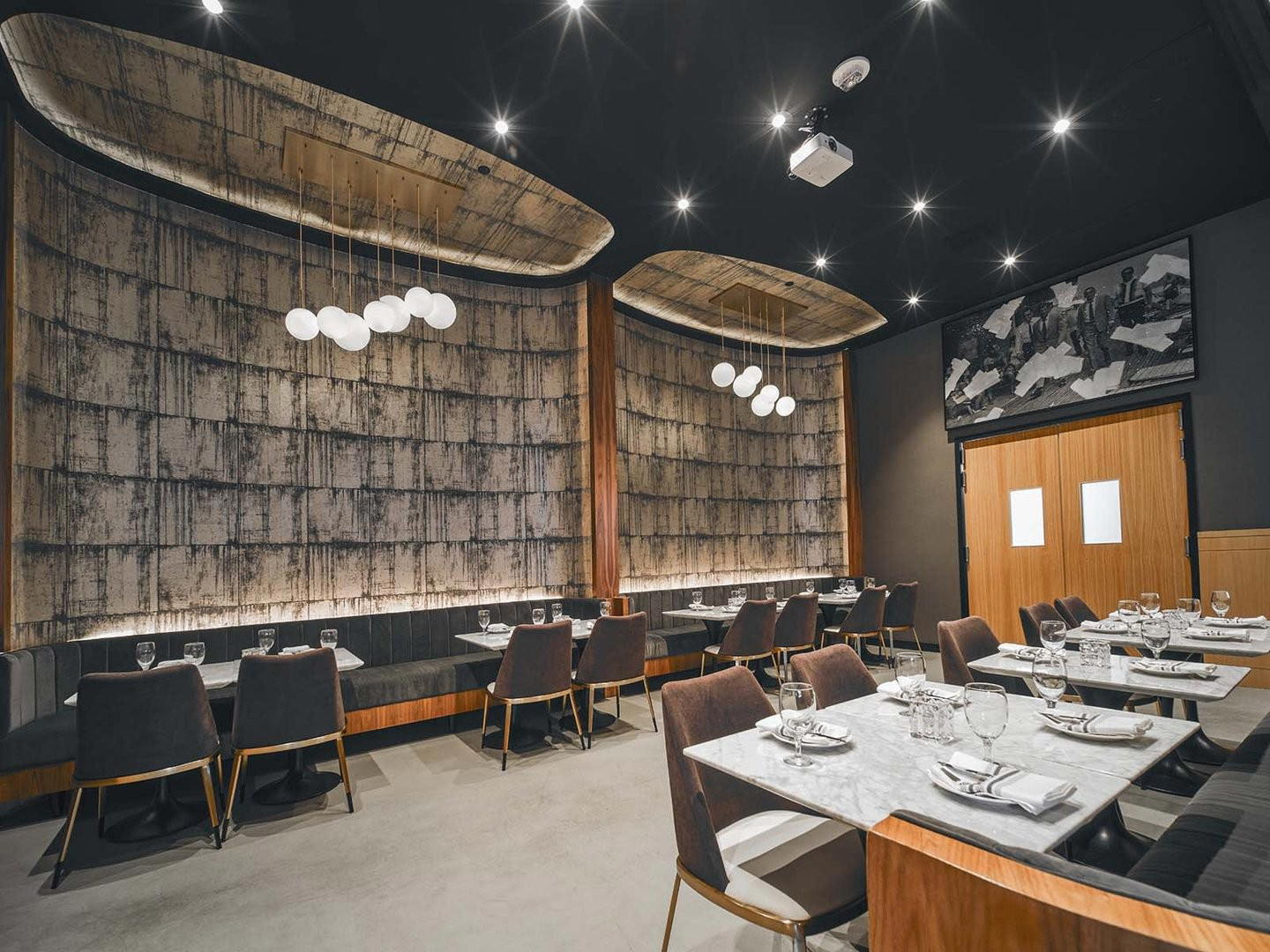
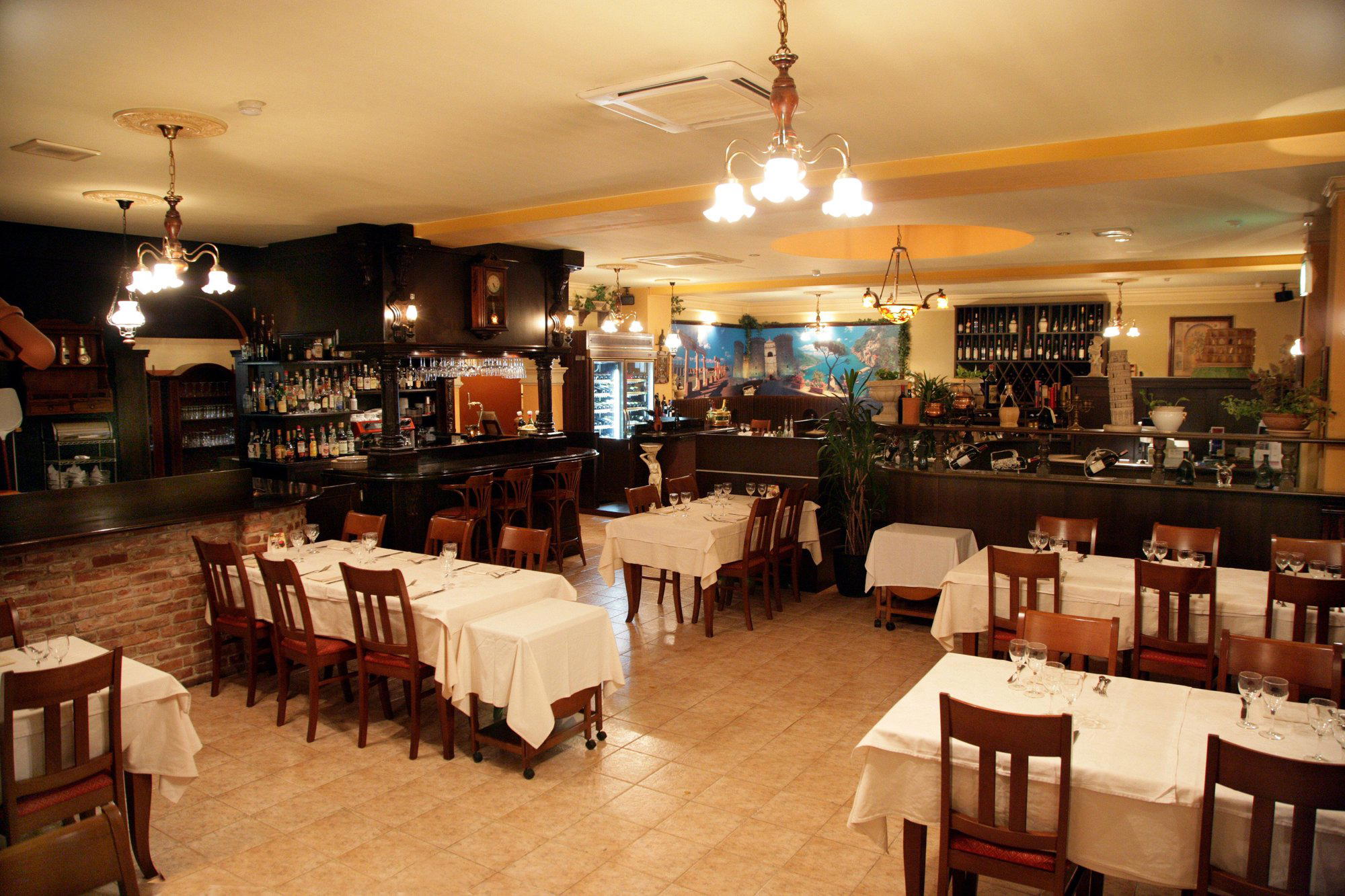
Warm, low-lit and cozy, with just 14 seats split between a small counter and a few tables, creating an intimate, relaxed atmosphere that feels like a neighborhood hideaway rather than a formal restaurant.