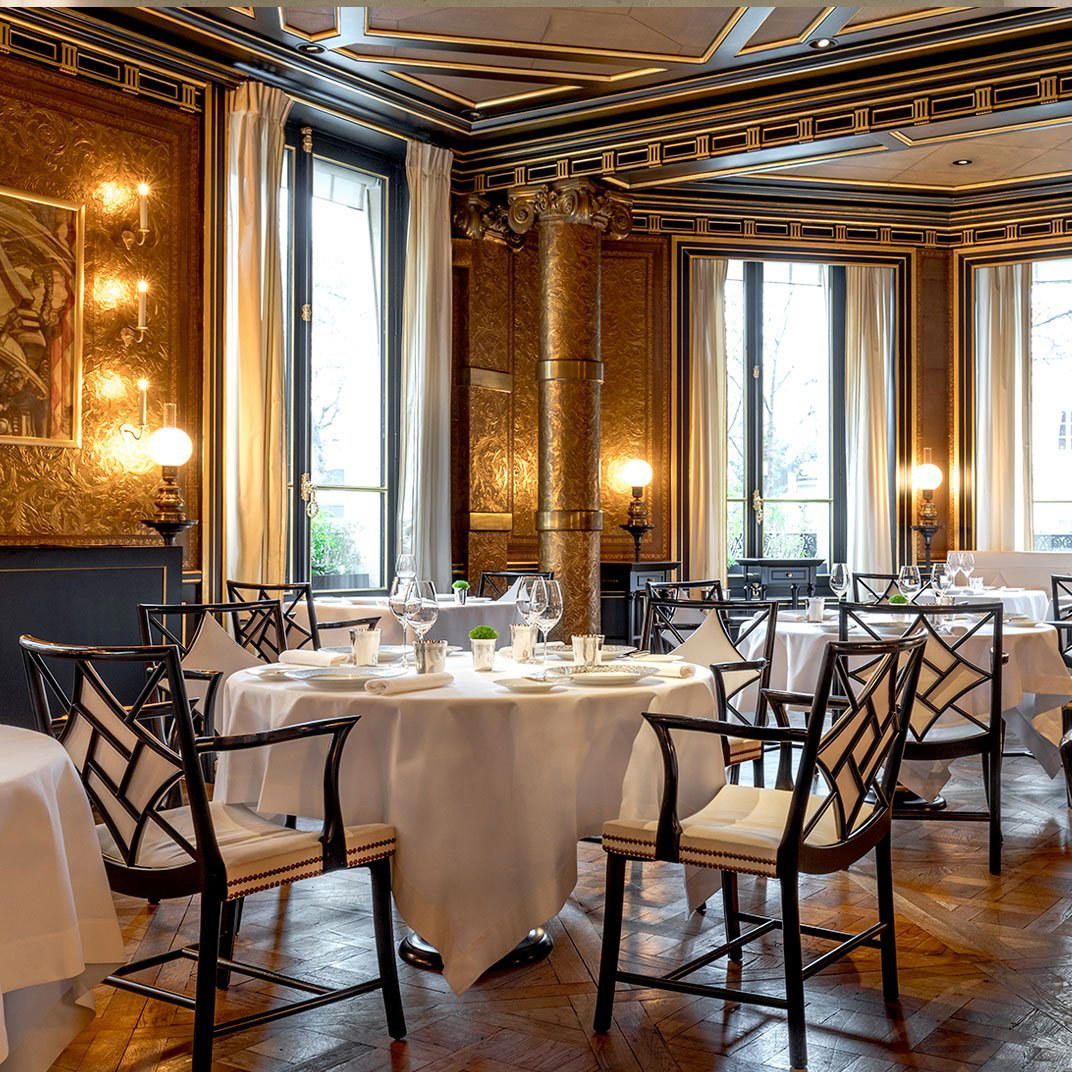
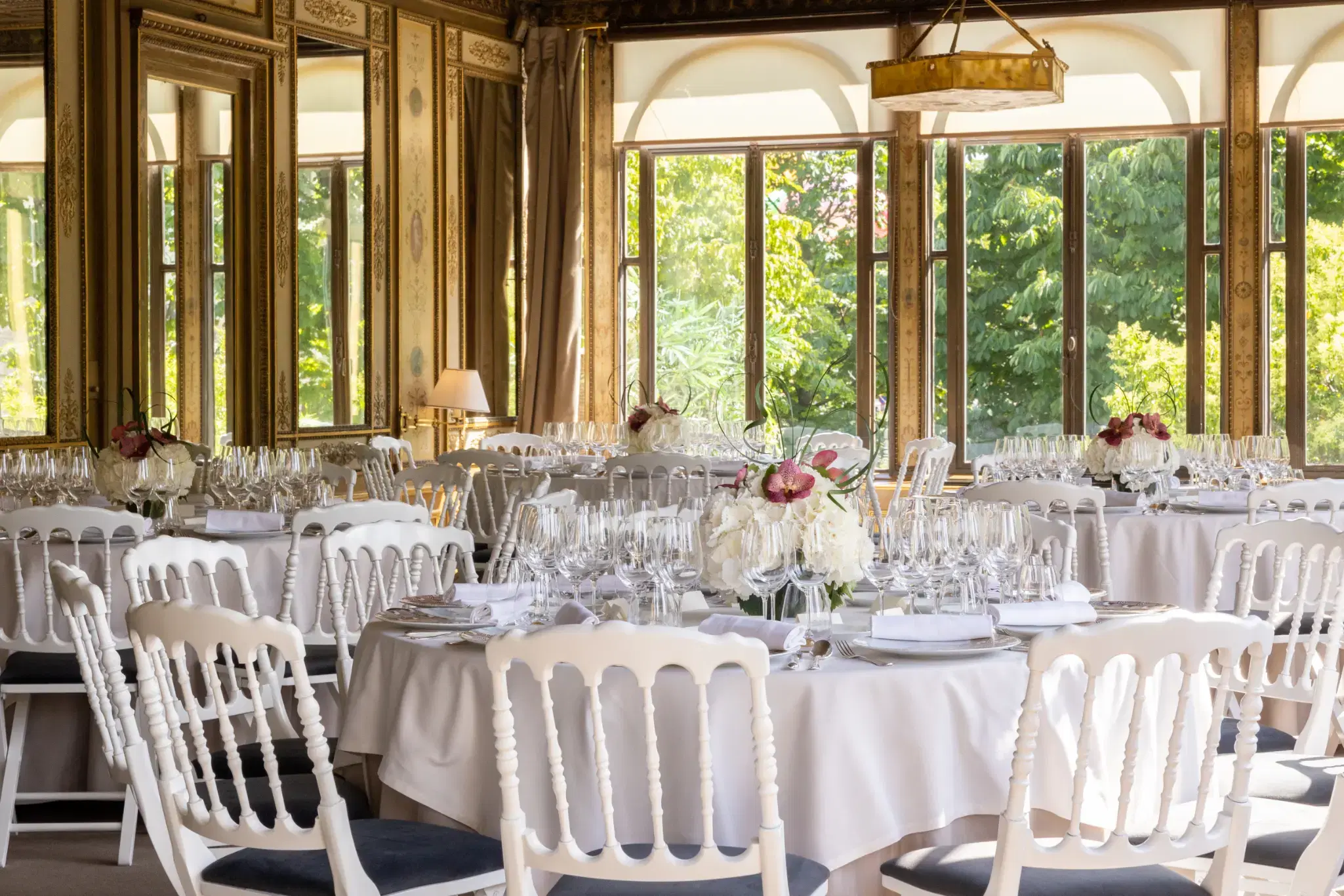
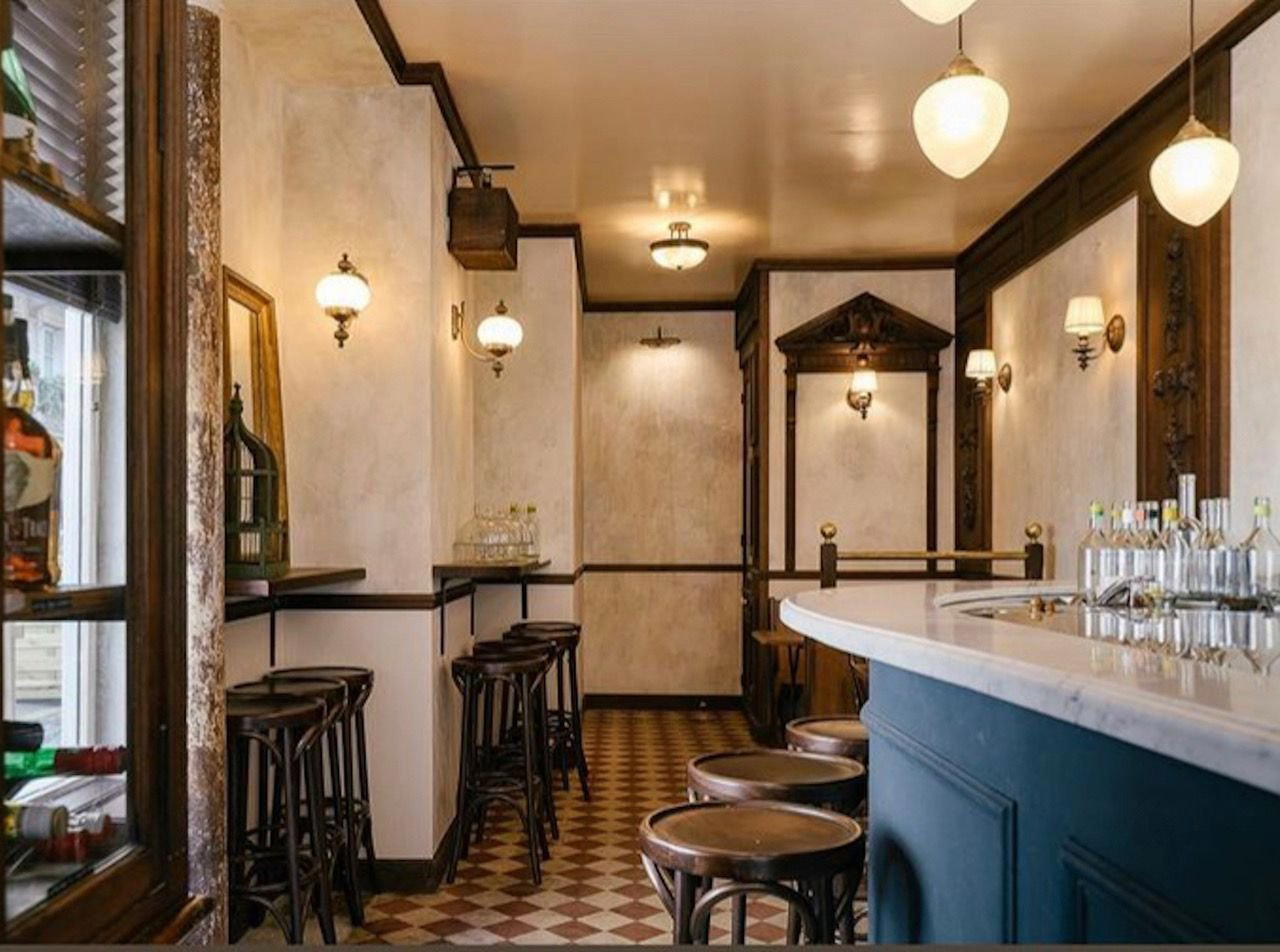
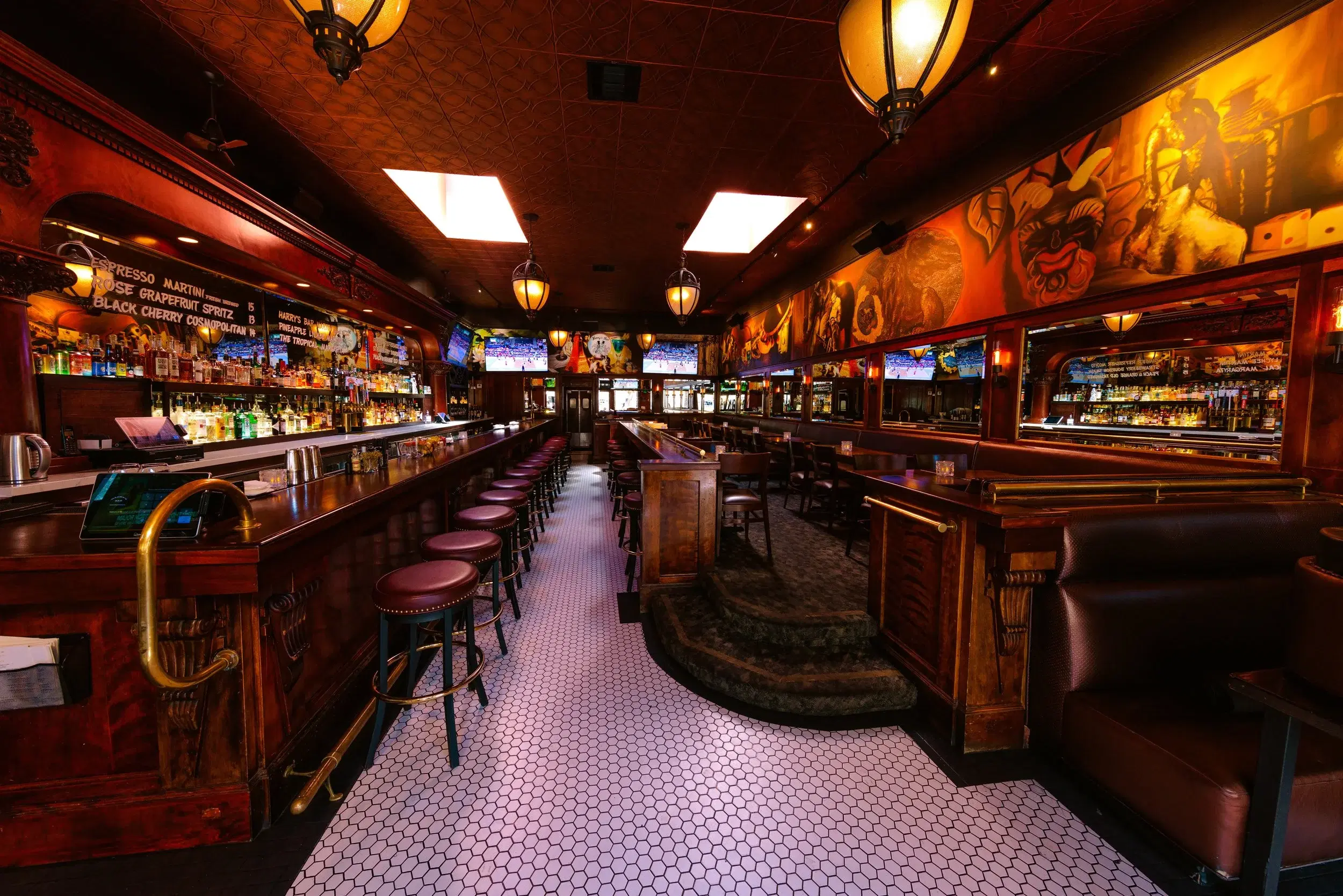
At 83 Rue Lepic in Montmartre, Le Moulin de la Galette occupies a site that has fed Parisians and their guests for well over a century, sitting at the foot of the windmills that Renoir painted in 1876. The restaurant trades on that deep sense of place, offering a French dining experience shaped by the neighbourhood's working-class bistro tradition and its later reinvention as an artists' quarter.
Pearl is the En Primeur Club membership app — saves, bookings, and concierge access live there. Same editors, same standards.
- Address
- 83 Rue Lepic, 75018 Paris, France
- Phone
- +33146068477
- Website
- moulindelagaletteparis.com
- Directions
- Get directions
 Saves & bookings on Pearl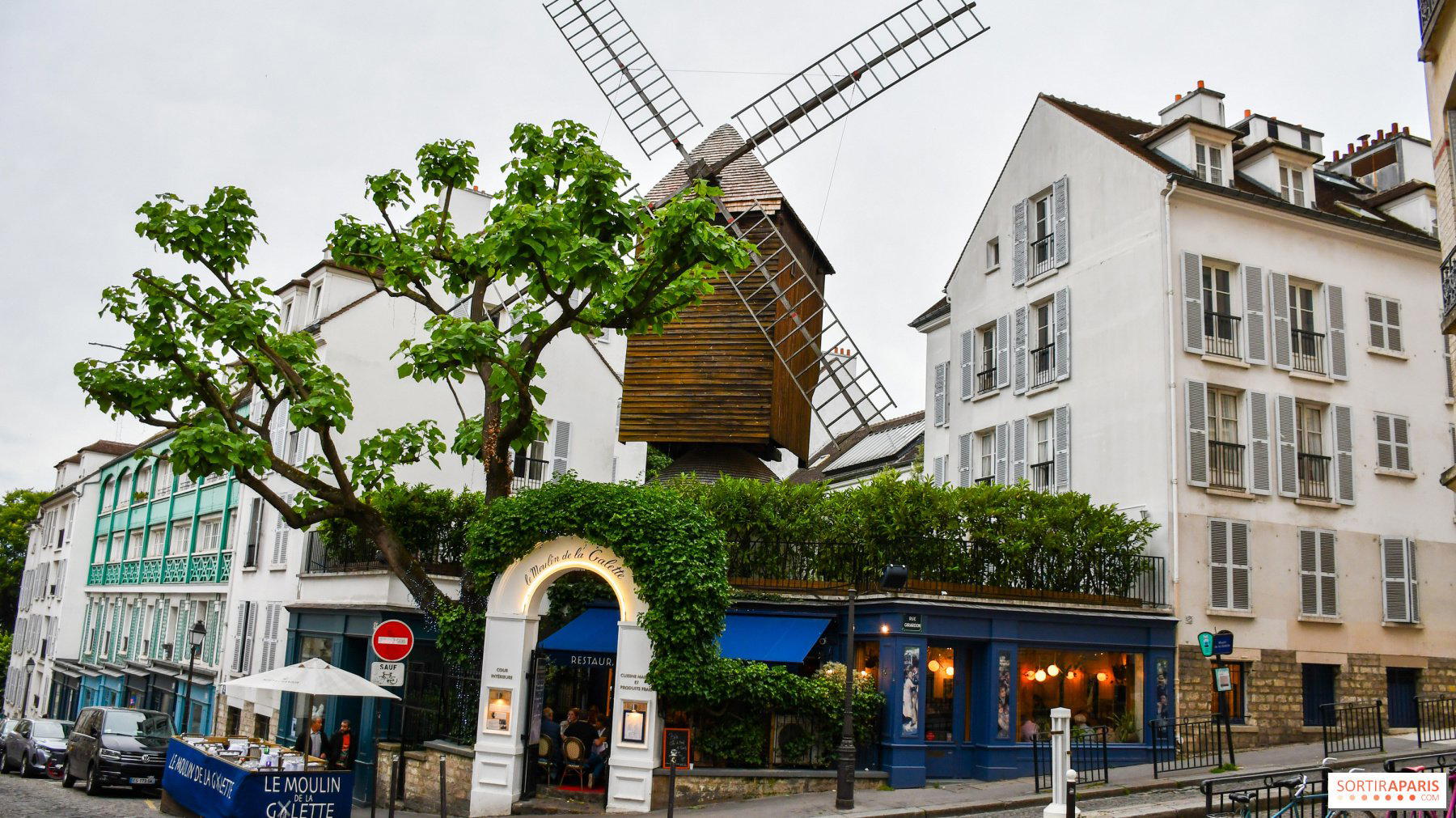
Rue Lepic and the Weight of Place
Montmartre's eastern slope has a particular quality in the late afternoon. The light angles differently up here than it does along the Seine, and the streets narrow in ways that force a slower pace. By the time you reach 83 Rue Lepic, the city below feels at a remove. The windmill structure that gives Le Moulin de la Galette its name is not decorative: the Moulin Radet, one of the last surviving mills on the Butte, has stood on this ridge since the seventeenth century, and the guinguette that grew around it became among the more documented gathering places in nineteenth-century Parisian life. Pierre-Auguste Renoir fixed the scene in oil in 1876, a canvas now held at the Musée d'Orsay, and the association between this address and a certain idea of convivial French leisure has never fully dissolved.
That weight of place shapes the experience before a single dish arrives. Dining at this address sits within a tradition that predates the modern restaurant category entirely. The guinguette format, in which working Parisians paid a fee to dance and drink house wine on open ground beside the mills, was the predecessor to what eventually became the neighbourhood bistro. What Le Moulin de la Galette offers today is a contemporary French table set against that layered backdrop, in a part of Paris where the street grid itself reads as living cultural record.
How a Meal Here Tends to Move
French restaurants at this price tier in Paris generally follow one of two logics: either the tasting menu with its imposed sequencing, or the carte blanche approach that lets the table set its own rhythm. The bistro tradition from which this address draws its character belongs firmly to the second camp. A meal at Le Moulin de la Galette is more likely to begin with something small and bread-adjacent while the table reads the room, move through a considered first course that leans on whatever the season is putting forward, and then settle into a main that reflects the kitchen's relationship with French classical technique rather than its departures from it.
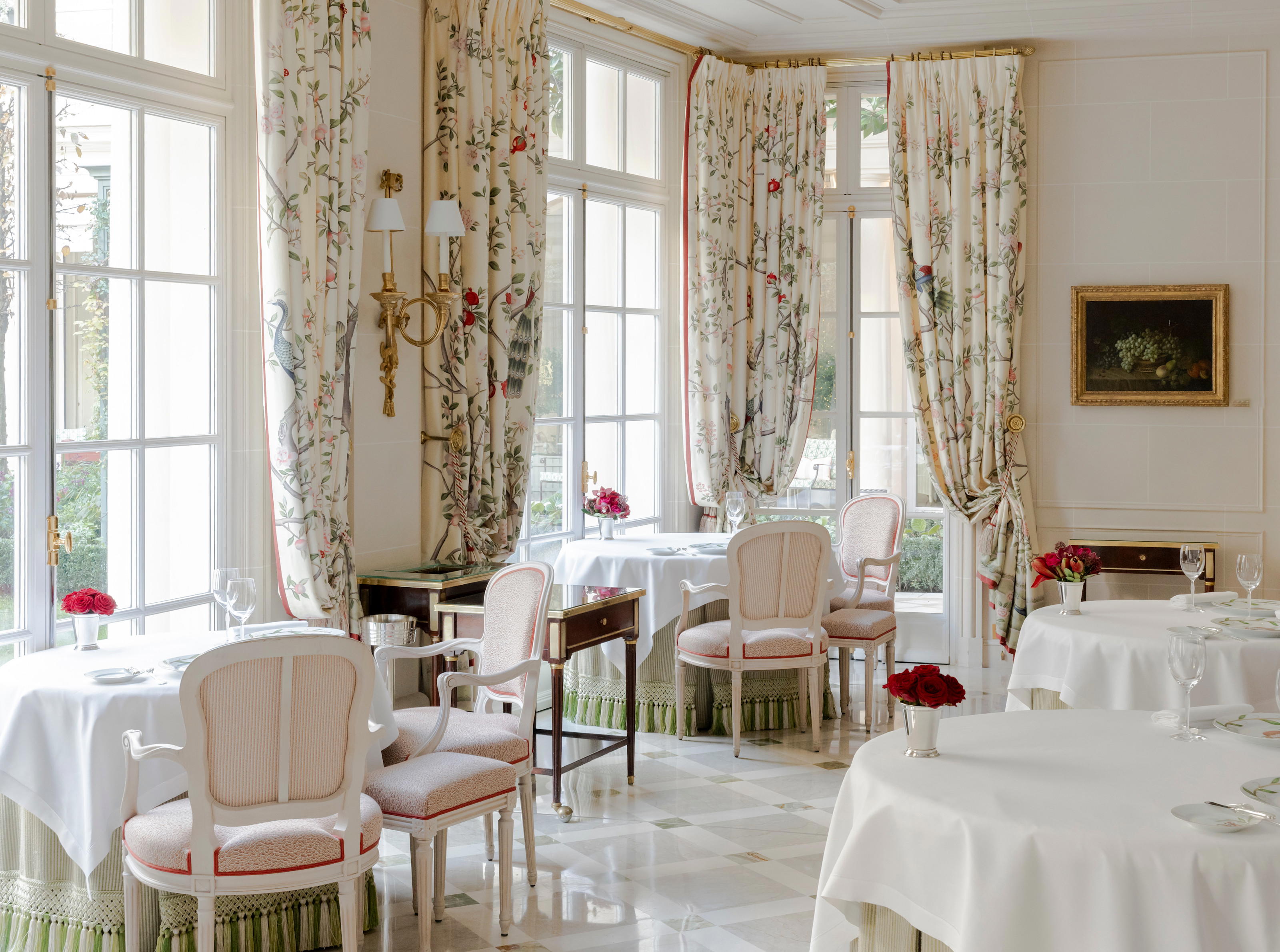
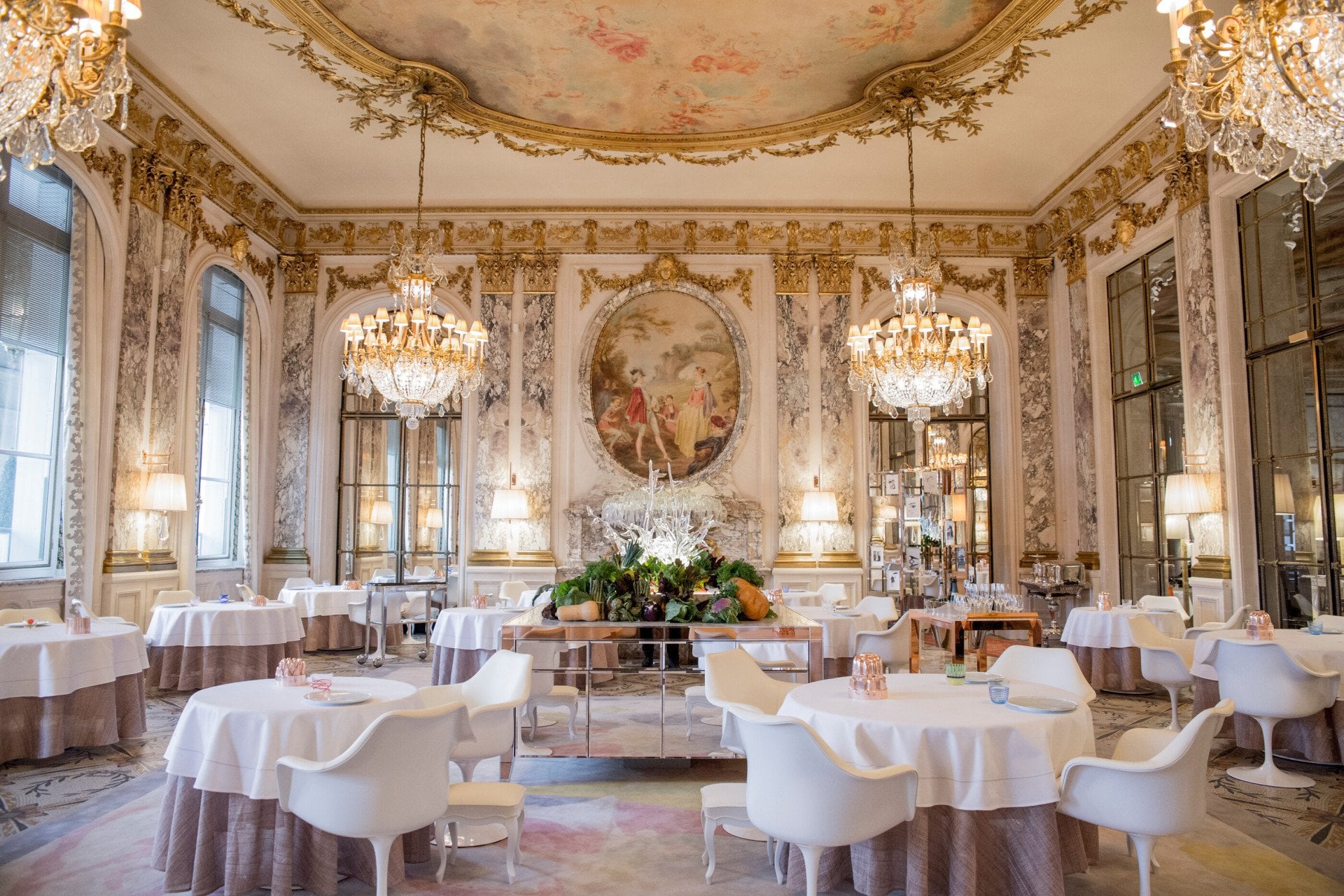
That arc matters because it differs meaningfully from what you encounter at the high-end Paris addresses that draw international attention. At three-star operations like Alléno Paris au Pavillon Ledoyen or Arpège, the kitchen controls the sequence entirely, often across fifteen or more courses. At L'Ambroisie on the Place des Vosges, the carte is short and the kitchen's authority is implicit but absolute. Le Moulin de la Galette occupies a different register, one where the meal's shape is a negotiation between guest and kitchen rather than an authored statement. That is not a lesser position, just a different one, and in certain moods it is exactly the right one.
The French provinces offer useful comparisons in tone, if not in geography. The unhurried sequencing at Auberge de l'Ill in Illhaeusern or the deeply rooted sense of place at Bras in Laguiole share something with the Montmartre address in that both ask the diner to arrive at the table's pace rather than their own. The scale is different, but the underlying philosophy of letting place lead the experience has a common thread.
Montmartre as Dining Context
Understanding the restaurant means understanding the neighbourhood it sits inside. Montmartre is not the tourist-facing caricature of its most crowded moments near the Sacré-Coeur. The streets below and east of the Butte, particularly around Rue Lepic and the Abbesses metro stop, support a genuine local dining scene that has resisted the wholesale displacement that affected much of central Paris over the past two decades. The market stalls on Rue Lepic itself remain active; the fromageries and wine shops that line the route between Abbesses and the mill are working businesses rather than set dressing.
This matters for how a visitor should approach the neighbourhood. A meal at the restaurant fits most naturally inside a longer Montmartre itinerary, one that begins in the morning at the street market, moves through the Musée de Montmartre on Rue Cortot, and arrives at the table at lunch or in the early evening rather than as a standalone destination trip from the Right or Left Bank. The restaurant's position on the Rue Lepic slope means arrival on foot from Abbesses is the default, a ten-minute walk that functions as a useful decompression from the metro.
For context against other French addresses outside Paris, the meal-as-place-experience logic is well established at Flocons de Sel in Megève and at Mirazur in Menton, where geography does significant narrative work before the first course. The restaurant applies the same principle within Paris itself, which is rarer than it sounds. Most Paris restaurants of note are defined by their kitchen programmes rather than their addresses. This one is defined by both in roughly equal measure.
Where This Sits Against the Paris Field
Paris's restaurant field at the formal end runs from the grand palace dining rooms, represented by addresses like Le Cinq at the Four Seasons George V, through the mid-tier of serious bistros and contemporary French tables, down to the neighbourhood canteen. The restaurant positions itself in the middle band, where the cooking is taken seriously but the room is not performing ceremony. That is a crowded tier in Paris, and the address's clearest differentiator is the historical and physical specificity of its location rather than a particular kitchen signature. Addresses like Kei or Au Crocodile in Strasbourg build their case on kitchen identity; the restaurant builds it on site identity.
For travellers whose Paris restaurant list runs to institutions with longer international profiles, Paul Bocuse's Auberge du Pont de Collonges near Lyon and Troisgros in Ouches remain the reference points for French classical dining as institution. Within Paris itself, the full Paris restaurant picture covers a wider range of price points and kitchen philosophies than any single district can represent. The restaurant is best understood as one specific answer to the question of where to eat in Montmartre rather than a general answer to where to eat in Paris.
Tasting menu Several weeks minimum L'Ambroisie Marais (4th) €€€€ Short carte Weeks to months Le Cinq Golden Triangle (8th) €€€€ Tasting and carte Several weeks
Recognition Snapshot
Comparable venues nearby, for context on price, style, and recognition.
| Venue | Cuisine | Price | Notes |
|---|---|---|---|
| Le Moulin de la GaletteThis venue — the venue you are viewing | Traditional French Bistro | $$$ | Not listed |
| Bien Élevé | French Steakhouse with Aged Meats | $$$ | 9th Arr. |
| Les Éléphants | French Bistro with Market-Driven Cuisine | $$$ | Batignolles-Monceau |
| Le Grand Colbert | Traditional French Brasserie | $$$ | 2nd arrondissement |
| Beauvau Saint-Honoré | French Bistro with Corsican Influences | $$$ | Faubourg Saint-Honoré |
| Momen | Modern French Bistronomy | $$$ | Paris 08 |
At a Glance
- Classic
- Rustic
- Well Known
- Cozy
- Historic
- Special Occasion
- Date Night
- Terrace
- Courtyard
- Historic Building
- Extensive Wine List
- Garden
- Street Scene
Current opening hours
- Monday
- 8 AM–12 AM
- Tuesday
- 8 AM–12 AM
- Wednesday
- 8 AM–12 AM
- Thursday
- 8 AM–12 AM
- Friday
- 8 AM–12 AM
- Saturday
- 8 AM–12 AM
- Sunday
- 8 AM–12 AM
Hours can change for holidays and private events. Last verified .
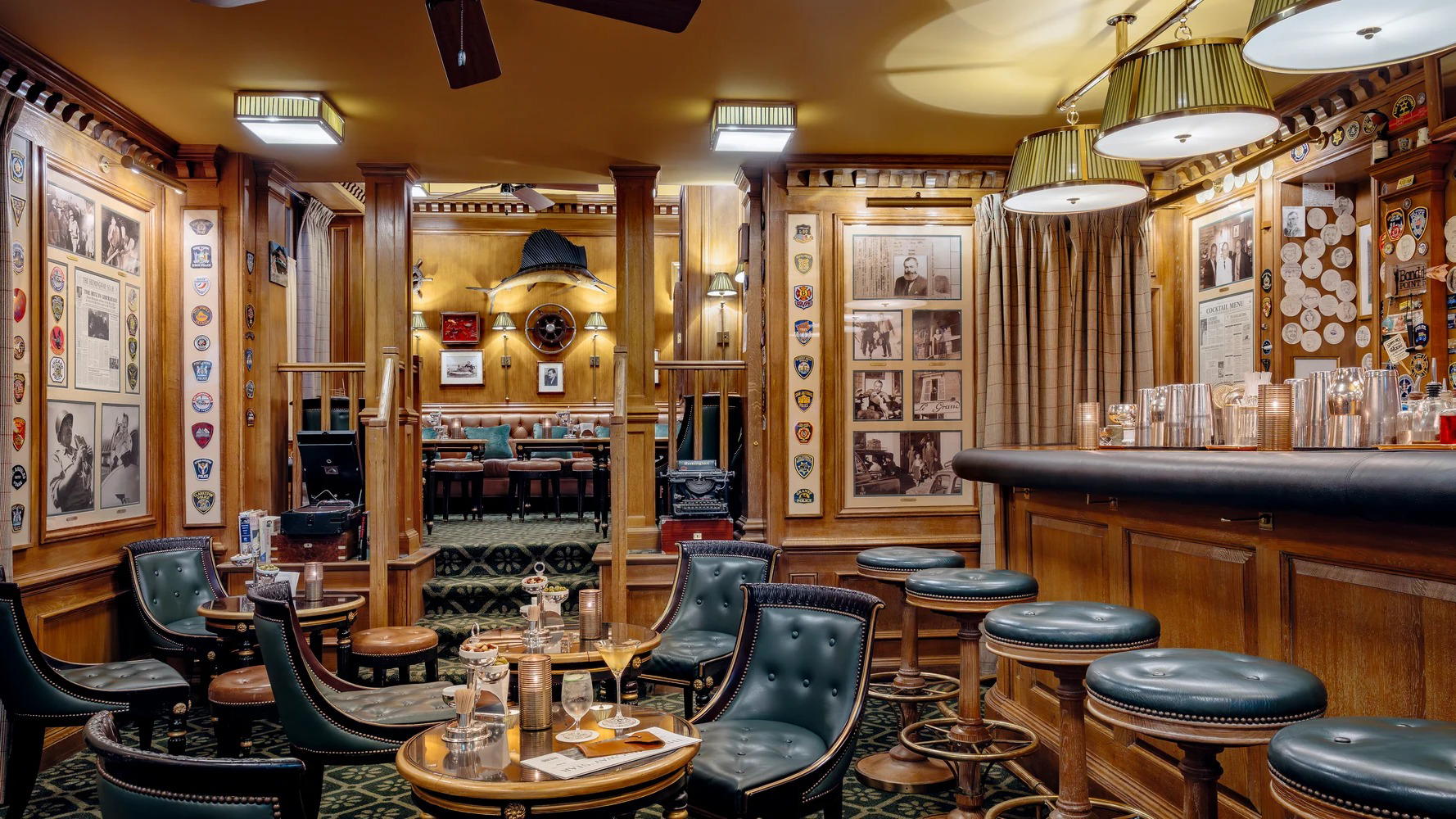
Chaleureuse et bucolique ambiance with cozy dining room and shaded terraces evoking guinguette charm.