
Dateya places Fukushima ramen in the serious regional conversation: modest in price, small in scale, and repeatedly selected for Tabelog Ramen EAST “Tabelog 100” from 2017 through 2025. Its value lies less in spectacle than in the local ramen grammar of broth, noodles, and everyday access, the kind of shop that explains why Japan’s ramen culture is strongest outside the obvious city circuits.
Pearl is the En Primeur Club membership app — saves, bookings, and concierge access live there. Same editors, same standards.
- Address
- Shimobanshoden-22-22 Minamisawamata, Fukushima, 960-8254, Japan
- Website
- fukulabo.net
 Saves & bookings on Pearl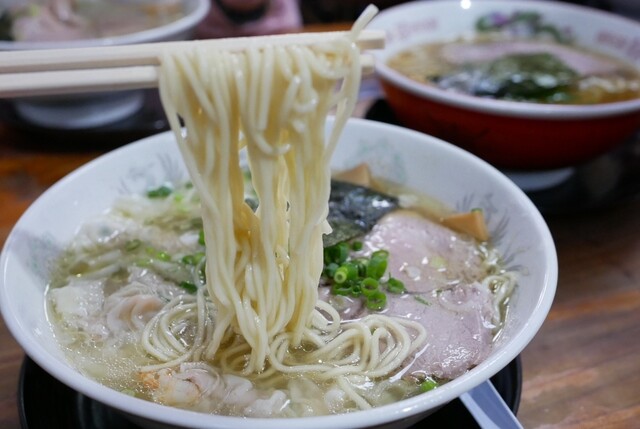
Approach a serious provincial ramen shop in Japan and the signals are rarely theatrical. The room is compact, the meal is built around speed and concentration, and the decision-making happens before the bowl arrives: broth style, noodle weight, seasoning, fat, toppings. Dateya belongs to that grammar. In Fukushima, ramen is not a late-night novelty or a tourist performance; it is a lunch culture with local regulars, small rooms, and a tight relationship between price, sourcing, and repetition.
That matters because ramen’s reputation is often flattened by the big-city queue. Tokyo turns ramen into taxonomy, with micro-genres, ticket-machine precision, and chefs competing through refinement. Regional shops work differently. They carry the habits of their prefecture: local appetite, local suppliers where available, and a rhythm shaped by weekday lunch rather than destination dining. Dateya’s repeated inclusion in Tabelog Ramen EAST “Tabelog 100” from 2017, 2018, 2019, 2020, 2022, 2023, 2024, and 2025 places it in a category where consistency counts more than novelty.
Fukushima ramen rewards restraint, sourcing, and repeatability
Ingredient sourcing in ramen is rarely visible in the way it is at sushi counters or farm-driven tasting rooms, but it is just as decisive. A bowl depends on extraction, balance, and supply discipline: bones or seafood, soy or salt seasoning, rendered fat, noodles made to hold texture, and toppings that do not blur the broth. In a regional city such as Fukushima, the strongest shops tend to win loyalty by keeping that equation stable over years, not by adding complications.
Dateya’s case is useful because its recognition sits in the EAST ramen category rather than a general restaurant list. That narrows the comparison to specialists, not to restaurants with broader service models or higher check averages. The Tabelog score of 3.75 and the long run of Ramen EAST selections point to a shop that has been judged within the ramen field, where small differences in broth clarity, noodle handling, and portion economics carry weight. This is not luxury dining language; it is craft measured through repetition.
Fukushima’s broader dining scene gives that reading more context. The city supports casual specialist counters, coffee rooms, bistros, and higher-spend formats without forcing them into the same lane. A ramen lunch here sits far below the spend of Tempura Hirai and below the middle tier occupied by places such as Kacchan, while Cow Burgers, Lincoln, and Bistro Mikasa occupy different casual categories. The point is not that ramen is cheaper by default; it is that a low-ticket bowl can still belong to a serious competitive set when recognition comes from a ramen-specific award list.
A small-room format built for focused eating
The physical format reinforces the category. Dateya has 17 seats, with counter seating and two tables, a scale that suits ramen’s short service arc: order, eat while the noodles are at their intended texture, leave the seat for the next party. Reservations are unavailable, which keeps the experience closer to the everyday ramen tradition than to appointment dining. The shop opened in 2001, and that length of operation matters in a genre where attention can swing quickly toward new openings.
For travelers, the editorial value is not only the bowl but the setting. Fukushima is not usually treated as a first-stop dining city for international visitors, yet that is exactly why its ramen scene is instructive. Away from the capital’s hype cycle, a shop must speak to local repeat custom as much as to list-chasing diners. That gives the meal a different kind of credibility: not anonymity, but durability.
Dateya is also a useful counterpoint to how Japan’s restaurant coverage often over-indexes on formal dining. A city’s food culture is not explained only by tasting menus and hotel dining rooms. It is also explained by where people eat on a normal day, how much a meal costs, and which formats can sustain attention for two decades. The strongest reading here is as a benchmark Fukushima ramen stop, not as a luxury detour.
How to place it in a Fukushima itinerary
Build the meal into a food-led day rather than treating it as a stand-alone pilgrimage. The better comparison is with other Fukushima rooms that show different registers of the city: age, Agu Buta Shabushabu Senmon Ten Toriou Bettei, Asia Shokudo Chouku, and CAFE BAHNHOF. For the wider city edit, use Our full Fukushima restaurants guide, then pair the meal with Our full Fukushima hotels guide, Our full Fukushima bars guide, Our full Fukushima wineries guide, or Our full Fukushima experiences guide depending on how much time is in the prefecture.
Readers mapping Japanese casual dining beyond Fukushima can also compare formats across the country: -Grilled beef Sukiyaki- KAMAKURA TANUKIAN 鎌倉 たぬき庵 in Kamakura for beef sukiyaki,. 鮪と炭火焼き うお炭 秋葉原店 in Tokyo for tuna and charcoal grilling,.cafe in Osaka for café culture,.know in Kumamoto, (Shoku) Vietnam in Kawasaki, and [Curry Senmon Ten] Maruyama Kyoju. in Sapporo. Outside Japan, Jōdo Saké Bar in Los Angeles and Onigiri Time in Pasadena show how Japanese dining formats change when transplanted abroad.
The recommendation is clear: treat Dateya as a concise lesson in Fukushima ramen culture. It does not need ceremony to make its case. The evidence is in the specialist recognition, the small-seat format, the long operating history, and the way a modestly priced bowl can carry enough local identity to justify attention from serious travelers.
A Quick Peer Check
Comparable venues by cuisine and price in the same metro.
| Venue | Cuisine | Price | Awards | Notes |
|---|---|---|---|---|
| DateyaThis venue — the venue you are viewing | Traditional Fukushima ramen shop | $$ | , | |
| Bistro Mikasa | Yoshoku (Japanese-style Western) Bistro | $$ | , | Fukushima |
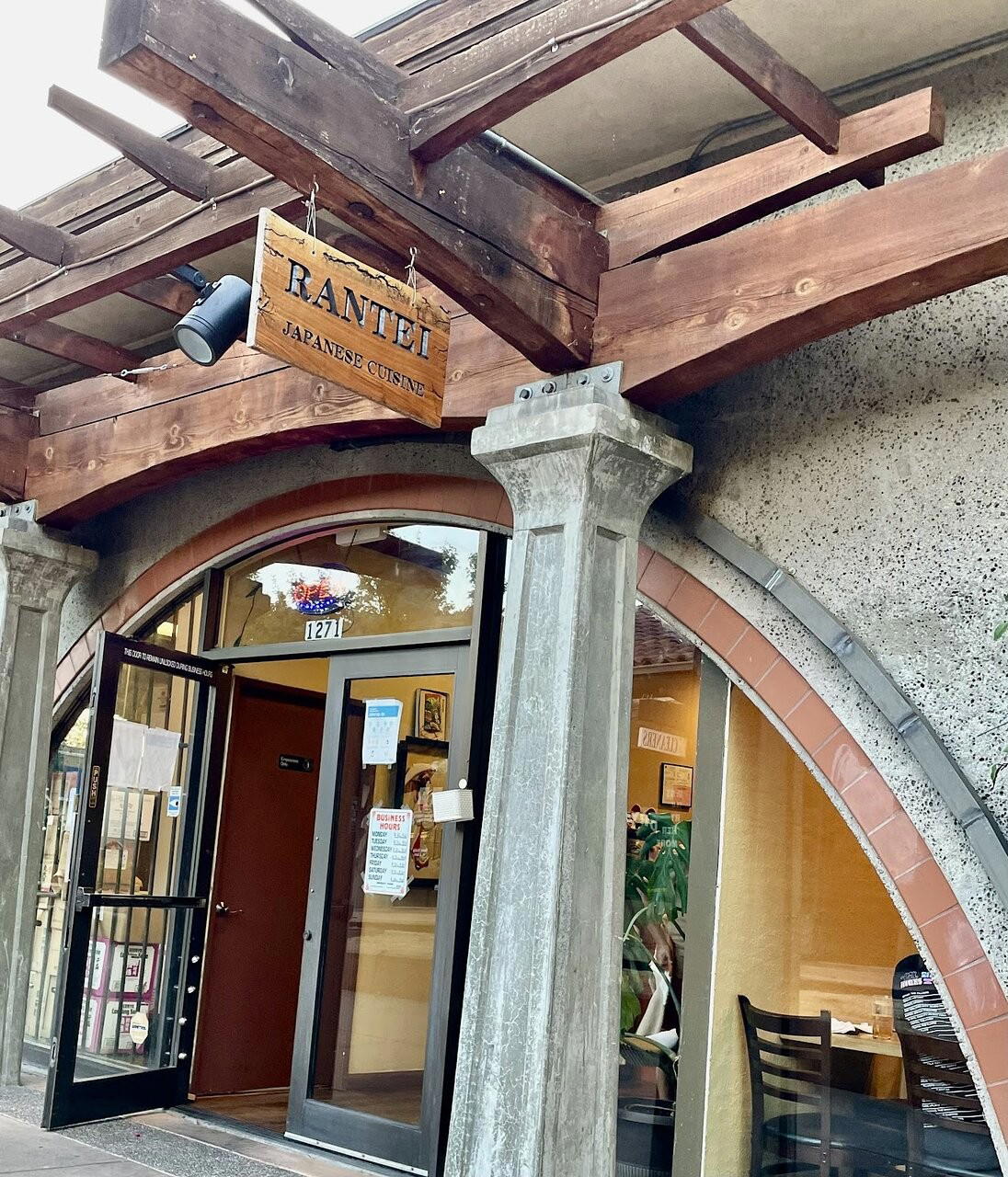
| Rantei Vivian | Seasonal Kaiseki Omakase | $$$ | Koriyama | |
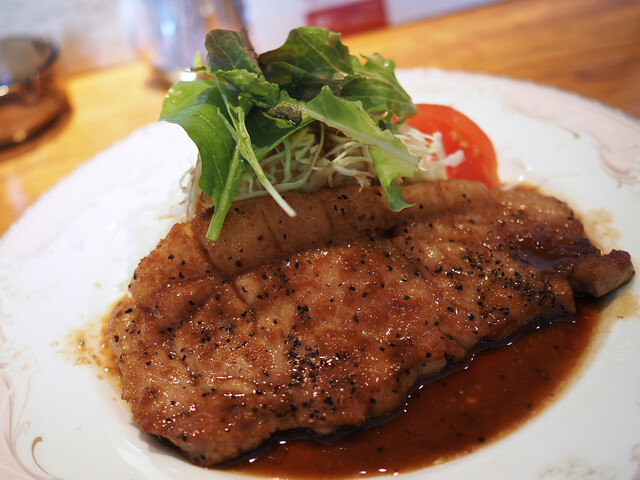
| Hachi no Ki | Japanese ginger pork set-meal diner | $ | , | Fukushima |
| Lincoln | Dining | , | , | Fukushima |
| Cow Burgers | Burger Restaurant | $$ | , | Fukushima |
Continue exploring
More in Fukushima
Restaurants in Fukushima
Browse all →

Hotels in Fukushima
Browse all →
At a Glance
- Cozy
- Hidden Gem
- Classic
- Intimate
- Solo
- Casual Hangout
- After Work
- Family
- Chefs Counter
- Standalone
A very small, homey ramen counter with a warm, lived-in feel; lighting is simple and bright enough to focus on the food, and the atmosphere is calm, friendly, and quietly enthusiastic thanks to regulars and ramen pilgrims rather than loud crowds.