BISTRO MAI LIABBA
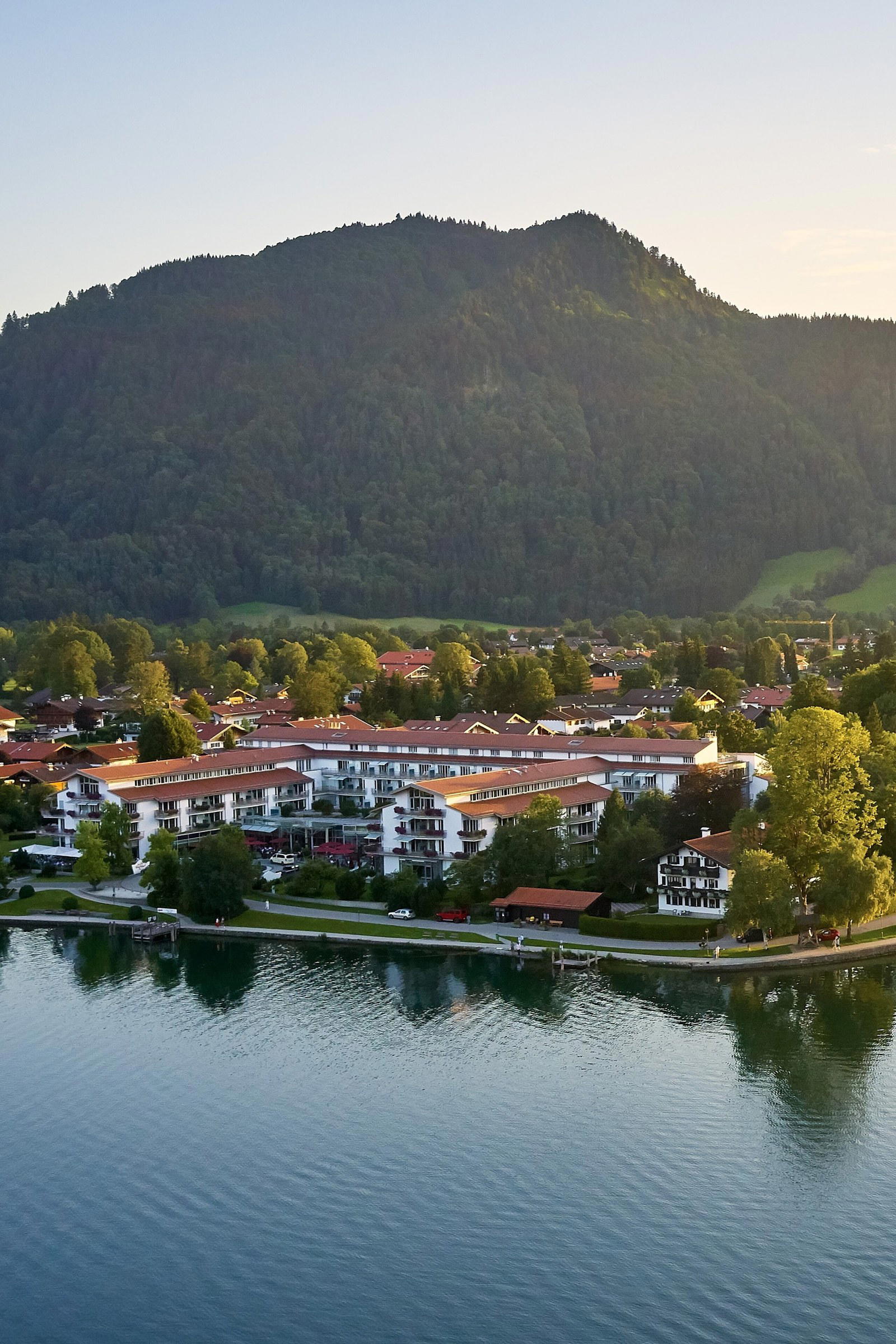
Bistro Mai Liabba sits on Überfahrtweg 15 in Bad Wiessee, a small Bavarian spa town on the southern shore of Tegernsee where the Alps frame every approach to the water. The bistro occupies a position in the casual-to-mid register of a dining scene shaped by lake produce, regional tradition, and a informed local clientele. For Bad Wiessee restaurant options, see our full guide.
Pearl is the En Primeur Club membership app — saves, bookings, and concierge access live there. Same editors, same standards.
- Address
- Überfahrtweg 15, 83707 Bad Wiessee, Germany
- Phone
- +498022857495
- Website
- fischerei-tegernsee.com
- Directions
- Get directions
 Saves & bookings on Pearl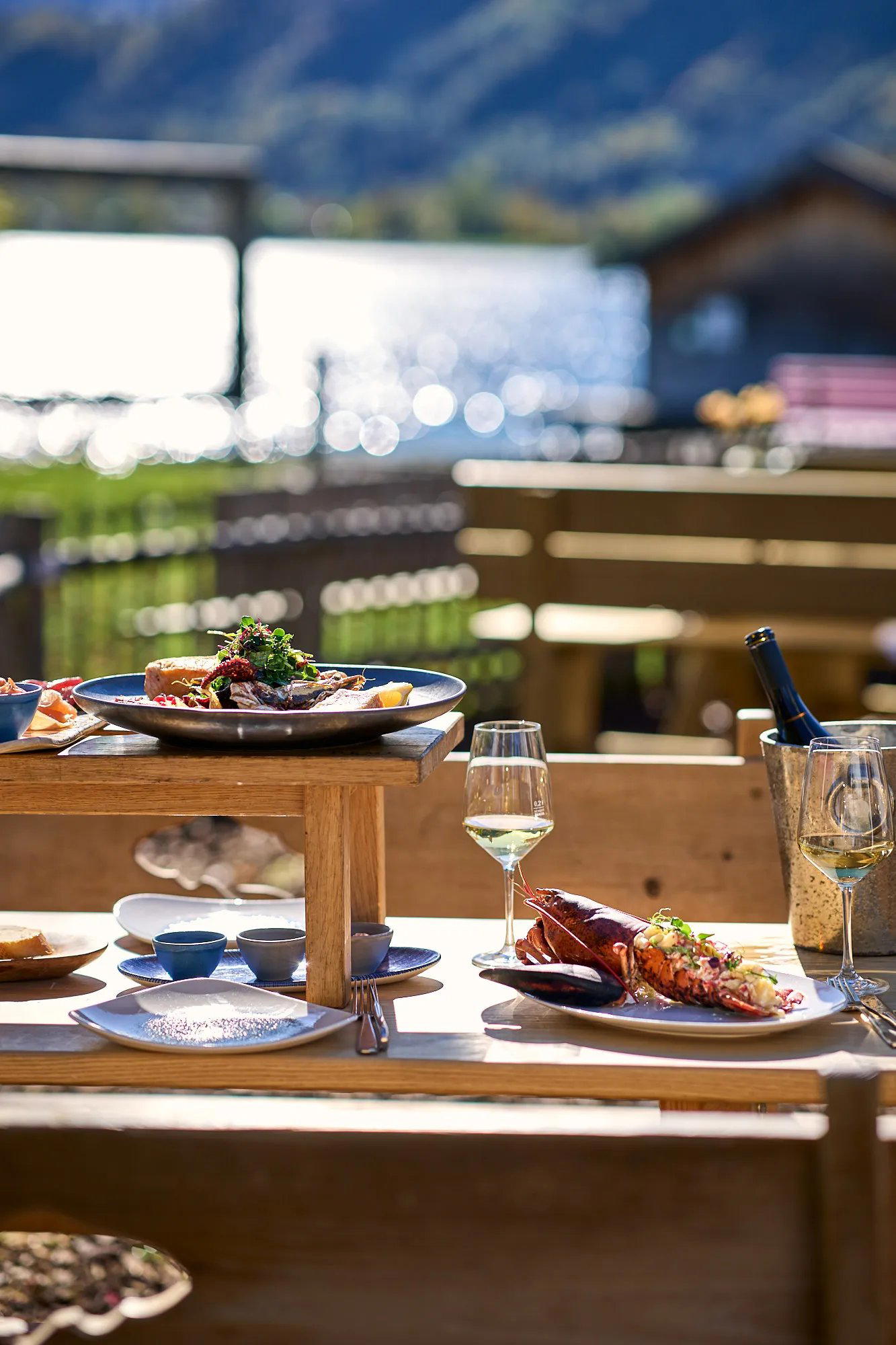
Where Lake Tegernsee Meets the Table
The road into Bad Wiessee from the north follows the lake's western shore, and by the time you reach Überfahrtweg the water is close enough that the light off it changes the quality of the afternoon. The Tegernsee basin sits at roughly 740 metres above sea level, ringed by peaks that hold snow well into spring, and the town itself has long operated as a retreat for Müncheners who want altitude, clean air, and a table that respects where it is. That last part matters: the dining culture around Tegernsee is rooted in a specific kind of Bavarian regionalism, one that leans on the lake, the mountain pastures above it, and the agricultural hinterland between here and the Inn Valley. Bistro Mai Liabba, at Überfahrtweg 15, sits inside that tradition rather than apart from it.
Bad Wiessee's restaurant scene is smaller and more coherent than Munich's, which is both its limitation and its asset. There are no sprawling international corridors here, no hotel restaurant arms race. What the town produces, culinarily, tends to reflect what the surrounding land and water actually yield. Felchen, the delicate whitefish native to Alpine lakes, appears on tables around Tegernsee with a frequency you won't find two hours north in the city. Dairy from high-pasture farms, pork from smaller regional producers, herbs from gardens that benefit from the microclimate sheltered by the surrounding ridgelines: these are the raw materials that give southern Bavarian lake-town cooking its character.
The Sourcing Logic of Alpine Lake Cooking
In a region where proximity to the source is the baseline expectation rather than a marketing distinction, the credibility of any bistro depends heavily on whether it is buying from the right places. The Tegernsee has its own fishing operations, and the lake's cold, clear water produces fish with a specific textural quality, firmer, less fatty than lowland farmed equivalents, that rewards simple preparation over saucing. The broader culinary tradition in this part of Upper Bavaria treats that fish as a primary ingredient, not a garnish, and measures kitchens partly by how they handle it.
Meat sourcing follows a similar regional logic. The pastures above the lake towns, particularly in the slopes behind Bad Wiessee and Rottach-Egern, support cattle and sheep at elevations that produce leaner, more mineral-forward meat than intensively farmed alternatives. Bavarian farmers' markets and direct-supply relationships with local producers have long been a structural feature of how smaller restaurants in this area operate, partly out of tradition and partly because the supply chain for quality regional produce is genuinely shorter here than almost anywhere else in Germany. That compression of distance between producer and plate is not incidental to the food's quality; it is the mechanism that makes it possible.
For a contrasting point of reference, the kind of sourcing discipline that characterises Germany's highest-rated kitchens, places like Schwarzwaldstube in Baiersbronn or Aqua in Wolfsburg, operates at a different level of elaboration and abstraction. At the fine dining tier, sourcing becomes technique, and technique becomes credential. At the bistro register around Tegernsee, sourcing remains closer to its agricultural root: the point is freshness and provenance, not transformation. That distinction is not a hierarchy so much as a difference of intention. Bistro Mai Liabba belongs to the latter mode, and that mode has its own rigour.
Bad Wiessee in the Wider German Dining Picture
Germany's serious restaurant conversation tends to concentrate on urban addresses and a handful of destination-kitchen villages. Munich's own high-end dining, represented by addresses like JAN, sits one hour north. Closer to Tegernsee, ES:SENZ in Grassau represents the award-carrying end of Alpine Bavarian cooking, with Michelin recognition for its approach to regional ingredients at a more technically ambitious register.
Bad Wiessee itself is not positioned as a destination-dining town in the way that Baiersbronn or Piesport (home to Schanz) are understood. It draws visitors primarily for the lake, the spa infrastructure, and the walking above the treeline. The restaurants serve that visitor base and a year-round local clientele that has its own demanding standards, shaped by long familiarity with quality regional produce. The bistro format, informal enough for a post-swim lunch, substantive enough for an evening meal, is well-suited to that dual audience. Other Bad Wiessee addresses worth knowing include Berghotel Sonnebichl for its refined setting and Freihaus Brenner for country cooking with regional depth.
Internationally, the bistro-by-the-water register has its own distinguished examples. Le Bernardin in New York City and the communal-format precision of Lazy Bear in San Francisco represent different points on the same spectrum of restaurants that take ingredient origin seriously. In Germany, Hamburg's Restaurant Haerlin, Bagatelle in Trier, L.A. Jordan in Deidesheim, GästeHaus Klaus Erfort in Saarbrücken, and Berlin's CODA Dessert Dining each represent the country's dining range at higher registers. Bistro Mai Liabba occupies a quieter, more grounded position, the sort of place the wider system depends on, even if it does not generate the same volume of critical commentary.
Planning a Visit
Bad Wiessee is accessible by car from Munich in approximately an hour via the A8 and B307, or by the Bayerische Oberlandbahn train to Miesbach followed by a bus along the lake road. The restaurant is at Überfahrtweg 15, and reservations are recommended.
A Quick Peer Check
Comparable venues nearby, for context on price, style, and recognition.
| Venue | Cuisine | Price | Awards | Notes |
|---|---|---|---|---|
| BISTRO MAI LIABBAThis venue — the venue you are viewing | Seafood Bistro | $$$ | Not listed | Not listed |
| Berghotel Sonnebichl | Bavarian & Haute Cuisine | $$$ | Not listed | Bad Wiessee |
| Freihaus Brenner | Alpine | $$ | Bib Gourmand | Bad Wiessee |
| Pescheria | Mediterranean Seafood Tavern | $$$ | Not listed | Isarvorstadt |
| Oceana Gauting | Seafood & Fine Fish | $$$ | Not listed | Gauting |
| Fisch Witte | Fresh Seafood Bistro | $$ | Not listed | Isarvorstadt |
Continue exploring
More in Bad Wiessee
Restaurants in Bad Wiessee
Browse all →
Bars in Bad Wiessee
Browse all →
At a Glance
- Scenic
- Cozy
- Elegant
- Date Night
- Group Dining
- Celebration
- Waterfront
- Terrace
- Open Kitchen
- Extensive Wine List
- Local Sourcing
- Waterfront
- Mountain
Current opening hours
- Monday
- Closed
- Tuesday
- Closed
- Wednesday
- Closed
- Thursday
- 11 AM–5 PM
- Friday
- 11 AM–5 PM
- Saturday
- 11 AM–5 PM
- Sunday
- 11 AM–5 PM
Hours can change for holidays and private events. Last verified .
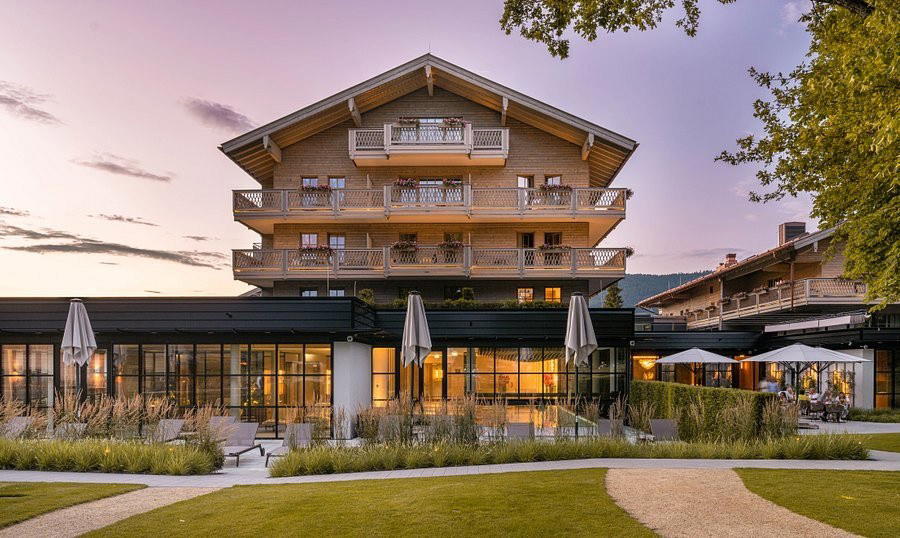
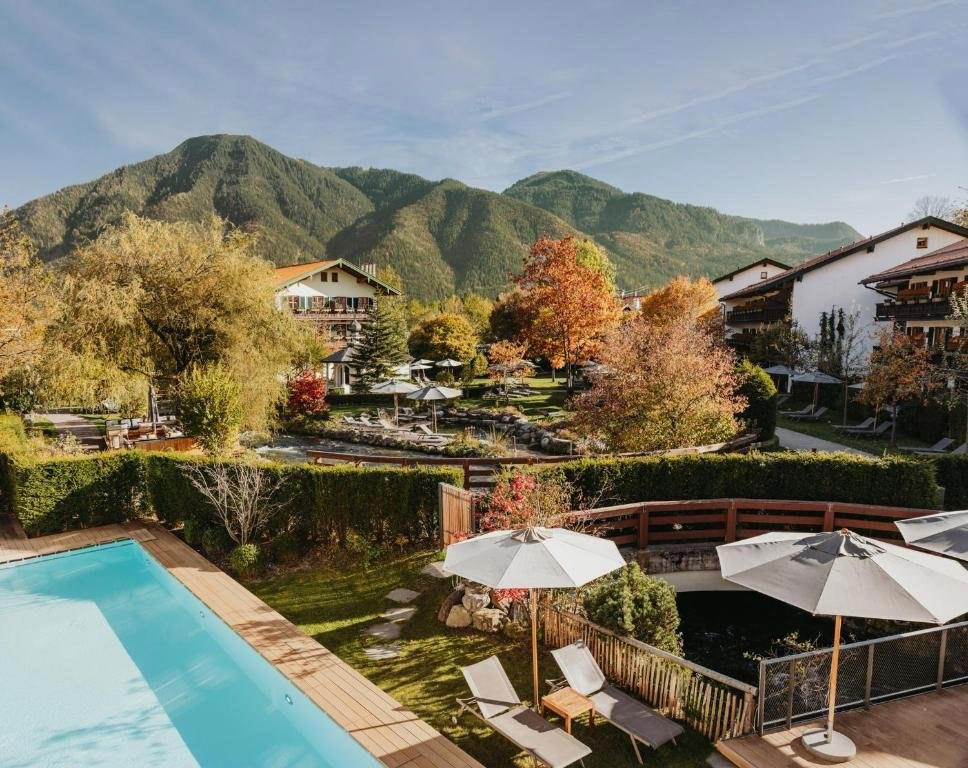
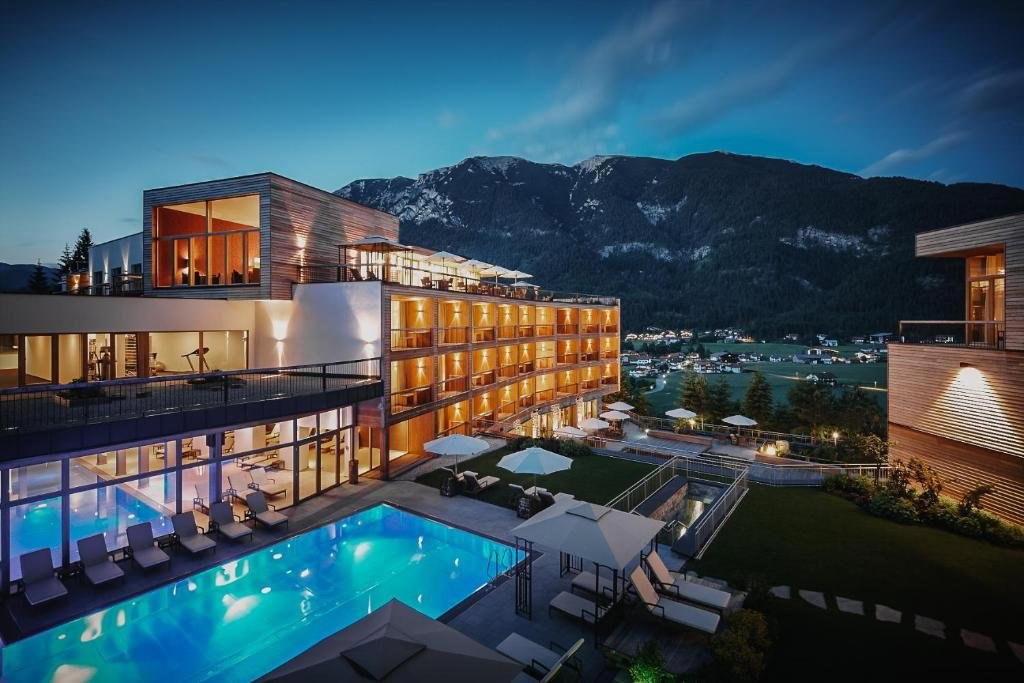
Relaxed outdoor seating with dramatic lake and mountain views, rustic tables, cozy blankets, and a lively yet elegant atmosphere.