Our verdict
Bistro de l'Arte sits on Piața George Enescu in the heart of Brașov's medieval old town, placing it squarely in the conversation about the city's more thoughtful mid-tier dining options. The address alone signals intent: a square named for Romania's most celebrated composer, steps from baroque facades and Saxon guild halls, sets a cultural register that few bistros in the city match by location alone.

Pearl is the En Primeur Club membership app — saves, bookings, and concierge access live there. Same editors, same standards.
- Address
- Piața George Enescu 11Bis, Brașov 500031, Romania
- Phone
- +40720535566
- Hours
- Daily 12–11 PM
- Website
- bistrodelarte.ro
- Directions
- Get directions
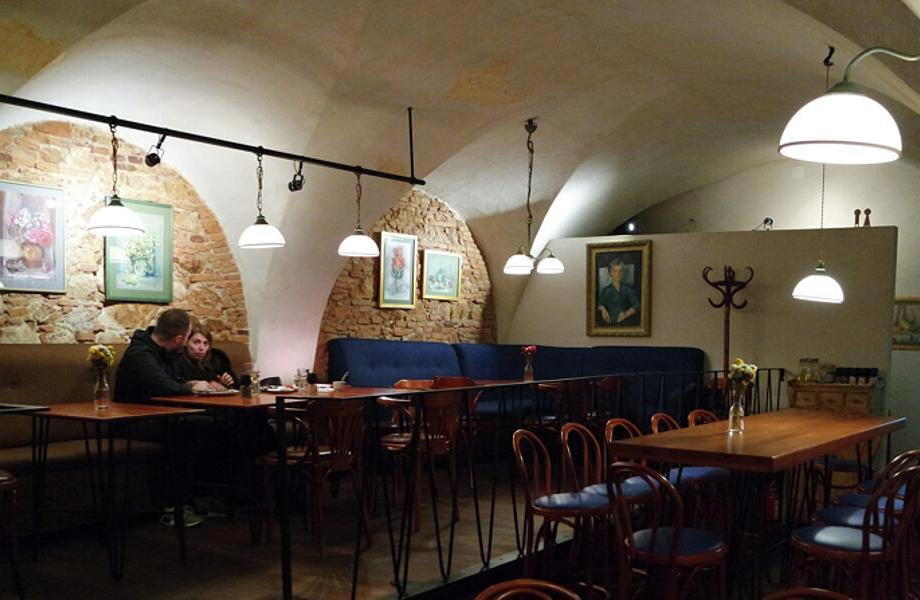
A Square With a Point of View
Piața George Enescu is not one of Brașov's tourist-first addresses. Named for Romania's most consequential composer, the square sits at the quieter edge of the old town's pedestrian core, between the baroque Council Square and the residential streets that locals actually use. Restaurants that position themselves here are making a deliberate choice: less footfall, more intentionality. Bistro de l'Arte, at number 11Bis, reads that context clearly from the outside. The address puts it within walking distance of the Black Church and the old Saxon fortifications, but the square itself offers a degree of remove from the selfie-and-schnitzel circuit that defines Brașov's most trafficked corners.
That physical placement matters because Brașov's dining scene has spent the last decade sorting itself into two broad camps: venues built around tourist throughput, and a smaller cohort oriented toward residents and returning visitors who know the difference. Bistro de l'Arte sits in the second category by address, by name, and by the kind of deliberate cultural framing that the Enescu reference implies. Whether the kitchen lives up to that positioning is a question the room itself begins to answer before the menu arrives.
Cultural Framing: What a Bistro Means in Transylvania
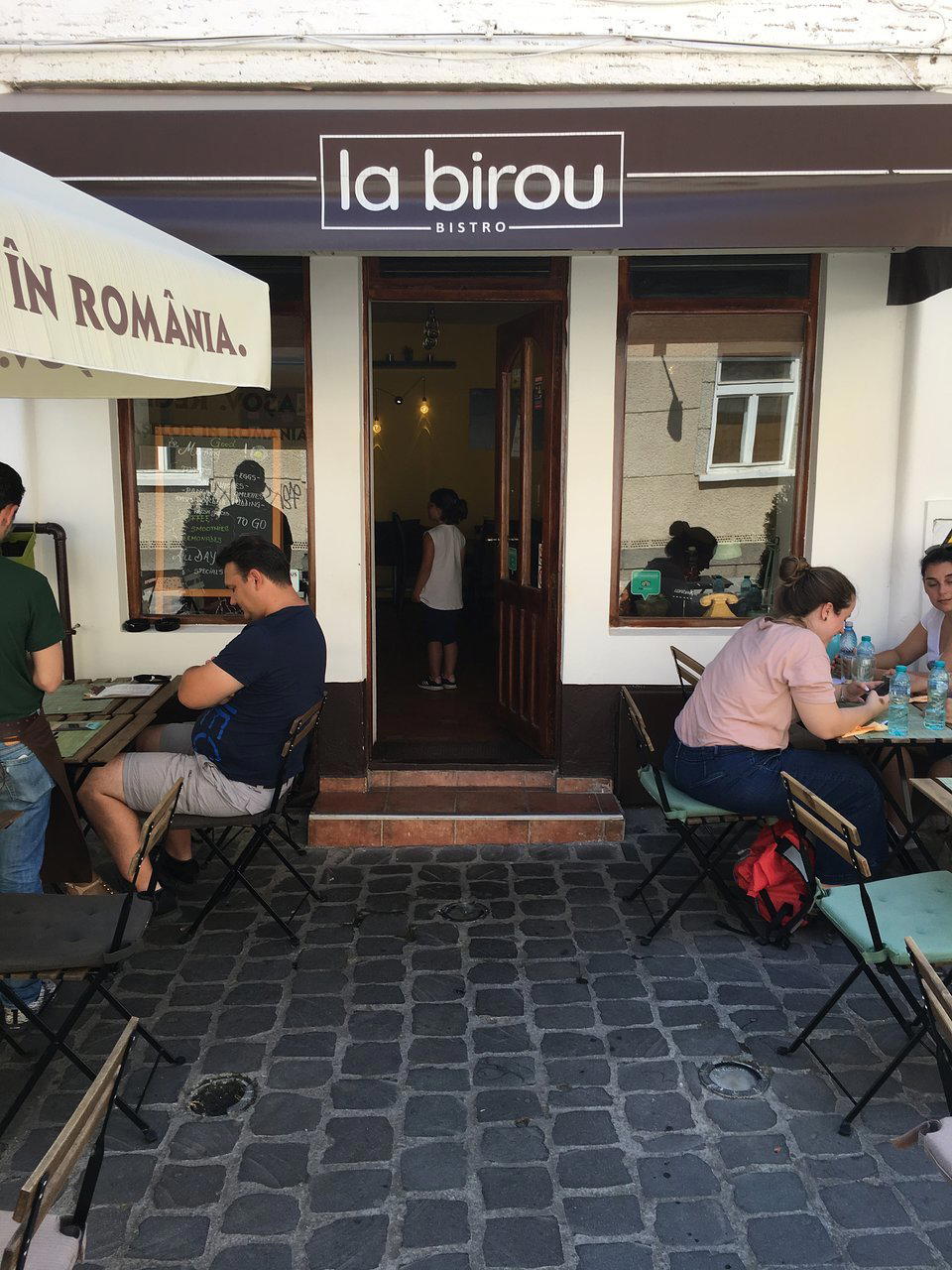
The word "bistro" carries different weight in Romania than it does in Paris or Lisbon. In Brașov specifically, the term has been adopted by a wave of mid-tier restaurants attempting to bridge the gap between fast-casual Romanian comfort food and the more technically ambitious cooking emerging from Bucharest and Cluj-Napoca. The bistro format in this context tends to mean: a shorter menu than a full restaurant, a room that prioritises atmosphere over scale, and a price point that sits above the pizza-and-grill category without reaching into tasting-menu territory. Venues like La Birou Bistro operate in this same register, as does Artegianale, which leans more heavily into a craft-production identity. Bistro de l'Arte occupies that middle space where cultural signaling and everyday hospitality are expected to coexist.
The "Arte" suffix is doing meaningful work here. Brașov has historically positioned itself as Romania's most Central European city: Saxon architecture, a German-speaking minority tradition, and a bourgeois cultural life that predates Communist-era standardisation. An arts-referencing name in this setting draws on a genuine local heritage rather than importing a cosmopolitan affectation. It places the venue in the same cultural register as the city's theatrical and musical institutions, which is either an ambitious claim or a useful shorthand depending on how rigorously the room sustains it.
Brașov's Dining Tier in National Context
Romania's restaurant scene has developed unevenly across cities. Bucharest leads on volume and ambition, with venues like L'ATELIER in Bucharest representing the capital's more technically serious tier. Cluj-Napoca has developed a distinct identity around wine-led dining, visible in places like Kupaj Fine Wines and Gourmet Tapas in Cluj-Napoca. Brașov sits in a different position: a city whose dining ambition is shaped primarily by tourism rather than by a large resident professional class, which tends to produce strong mid-tier options rather than a deep top tier.
That context is relevant to how Bistro de l'Arte should be read. In a Bucharest or Cluj frame, it would be assessed against technically ambitious peers. In Brașov, it competes with a mixed field that includes fast-casual specialists like Cartofisserie and Egg & Smash House, international-leaning casual options like K Food, and the broader old-town restaurant strip. Within that field, a bistro with cultural ambition and a thoughtful address occupies a position toward the upper end of the mid-tier, which is where most visitors to the city should be looking for their most satisfying meal.
Comparable cultural positioning is visible elsewhere in Romanian dining. Andalu Gastrobar in Iasi and Cafeneaua Nației in Ploiesti both attempt a similar synthesis of local identity and bistro format. Further afield, STUP in Simon, just outside Brașov, represents a more rurally rooted version of the same ambition. Bistro Caffe Moțu in Baia Sprie shows that the format travels well across Transylvania's smaller cities.
The Bistro Format as Cultural Argument
What separates a good bistro from a competent one in this market is usually the degree to which the room makes a coherent argument. The physical environment, the menu range, the service register, and the price-to-ambition ratio all need to point in the same direction. In Brașov's old town, the background is already set: Saxon guild architecture, cobblestones, the shadow of the Tâmpa mountain above the rooflines. A bistro operating in this environment either leans into the historical density around it or ignores it. A name like Bistro de l'Arte, on a square named for Enescu, suggests the former approach. For international visitors comparing this to bistro experiences elsewhere in Europe, it is worth noting that the pricing expectations in Brașov differ substantially from Paris or Vienna: the mid-tier here is affordable by Western European standards, which means the cost of testing a venue's ambition is lower. For reference points at the far end of the global bistro spectrum, venues like Le Bernardin in New York City and Lazy Bear in San Francisco illustrate how far the format can stretch when ambition and execution align fully.
On the Romanian side, steakhouse-format alternatives like Epoca Steak house in Craiova and event-focused venues such as Butterfly Events in Chiscani show the range of dining formats that exist at similar price tiers across the country. The Cartofisserie brand, which operates in Suceava and Timisoara as well as Brașov, is the clearest example of a Romanian dining format that has succeeded by narrowing its focus rather than broadening its cultural claims.
Planning Your Visit
Bistro de l'Arte is located at Piața George Enescu 11Bis, in the pedestrian old town area of Brașov, and is reachable on foot from most central accommodation. The square is a short walk from Piața Sfatului (Council Square) and the Black Church, making it a natural stop on any circuit of the historic centre. Specific hours, current pricing, and reservation requirements are not available in verified form at time of writing; visiting the venue directly or checking current listings is the reliable approach. For a broader orientation to what Brașov's dining scene offers across categories and price points, the full Brașov restaurants guide maps the field in more detail.
Frequently asked questions
Can I bring kids to Bistro de l'Arte?
The bistro format and position on a pedestrian square in Brașov's old town both point toward a relaxed room rather than a formal or high-ceremony environment. Bistros at this scale in Romanian cities tend to accommodate families without issue, though confirming current seating arrangements directly with the venue before arrival is advisable.
What's the vibe at Bistro de l'Arte?
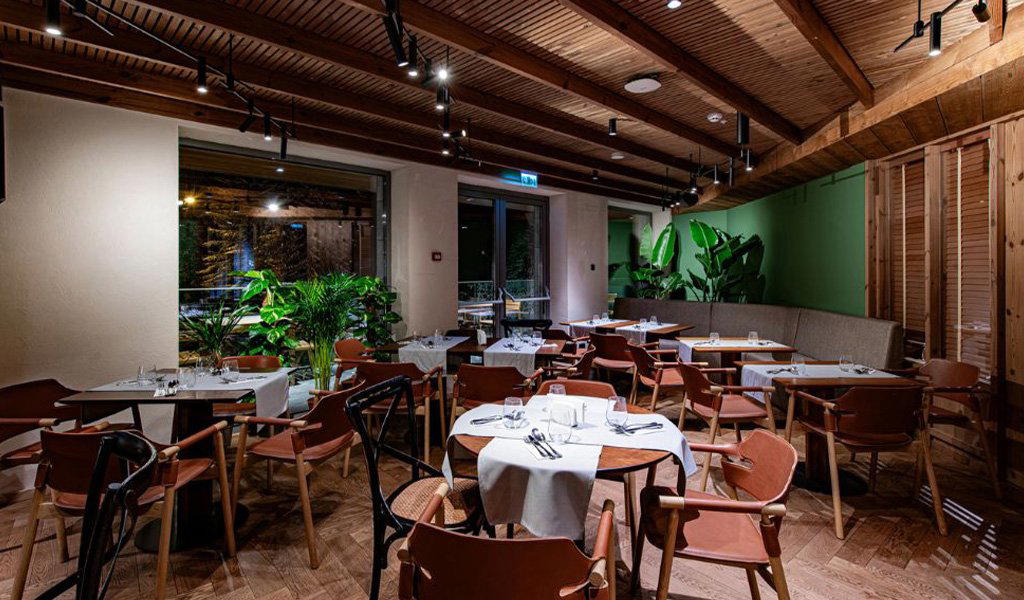
The address on Piața George Enescu — a square named for Romania's most significant classical composer — and the arts reference built into the name together set a cultural rather than purely gastronomic tone. Expect a room oriented around atmosphere and conversation, closer to a Brașov neighbourhood haunt than a destination-dining address.
Is Bistro de l'Arte a good option for a date night in Brașov's old town?
A bistro on a quieter named square — Piața George Enescu sits away from Brașov's highest-traffic tourist corridors — offers more ambient calm than venues directly on Piața Sfatului. The cultural framing of the address and name suggests a room with some intentionality about its environment, which tends to suit an evening that prioritises mood over spectacle.
What dish is Bistro de l'Arte famous for?
Transylvanian bistros in this tier of the Brașov old town typically anchor menus around regional Romanian ingredients, though specific menu details should be confirmed with the venue directly.
Price and Positioning
Comparable venues nearby, for context on price, style, and recognition.
| Venue | Cuisine | Price | Notes |
|---|---|---|---|
| Bistro de l'ArteThis venue — the venue you are viewing | Romanian Bistro with French Influences | $10–20 | Not listed |
| Cartofisserie | Belgian Fries Street Food | $10–20 | City Center, Belgian Fries Street Food |
| Artegianale | Authentic Italian Bistro & Wine Bar | $20–30 | Brasov Old Town, Authentic Italian Bistro & Wine Bar |
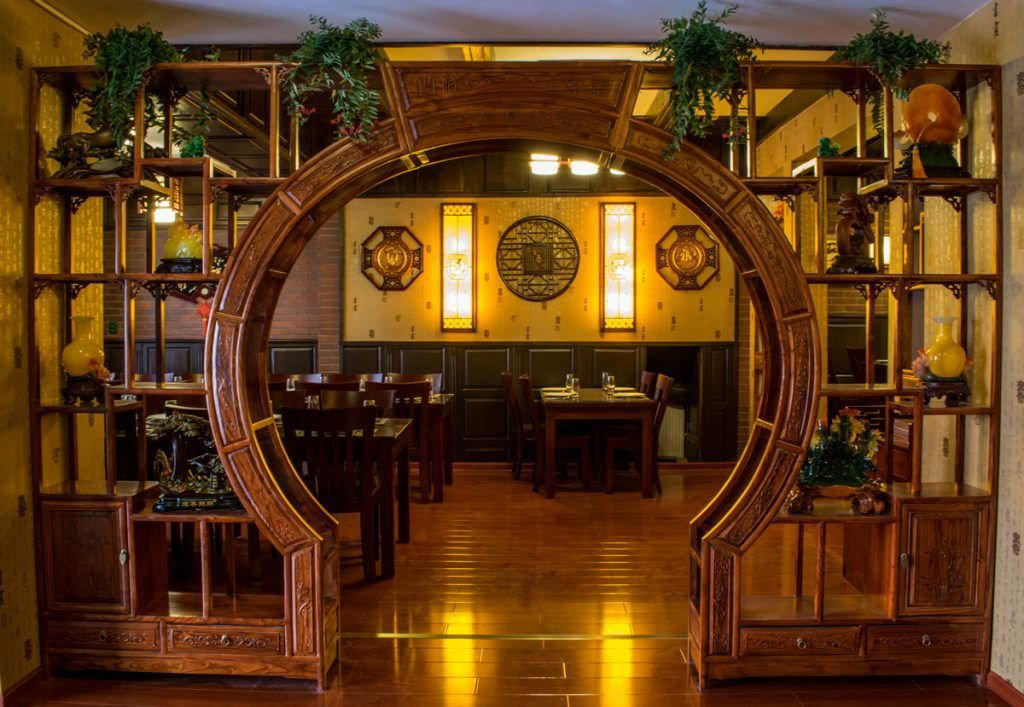
| Old Shanghai Restaurant | Authentic Shanghai Chinese | $10–20 | Centru, Authentic Shanghai Chinese |
| La Birou Bistro | European Breakfast Bistro | $10–20 | old town, European Breakfast Bistro |
| K Food | Korean | Not listed | Centru, Korean |
Continue exploring
More in Brasov
Restaurants in Brasov
Browse all →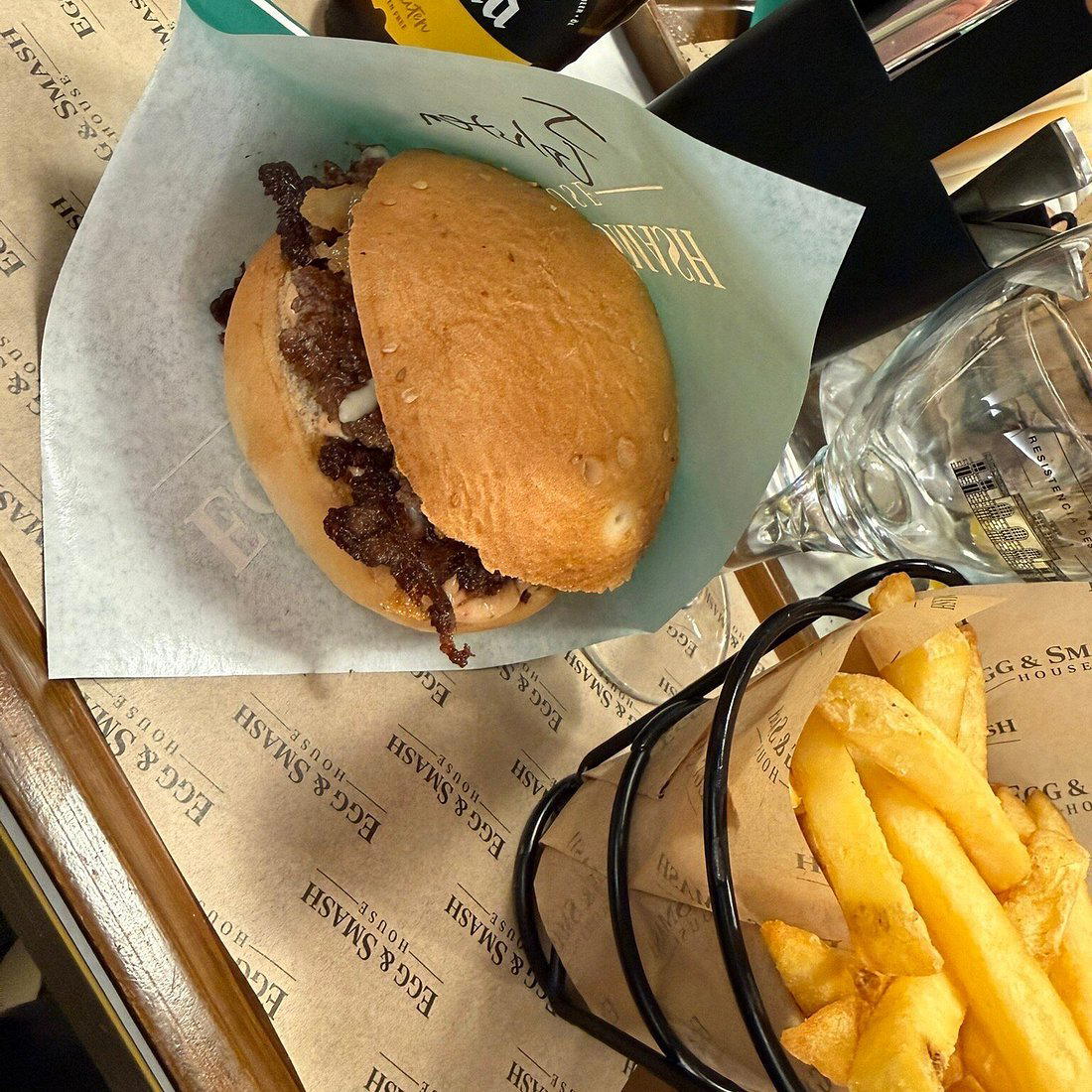
Details
- Cozy
- Classic
- Intimate
- Date Night
- Brunch
- Casual Hangout
- Live Music
- Historic Building
- Local Sourcing
- Mountain
- A La Carte
- Vegetarian Friendly
- Vegan Options
- Gluten Free Options
Current opening hours
- Monday
- 12–11 PM
- Tuesday
- 12–11 PM
- Wednesday
- 12–11 PM
- Thursday
- 12–11 PM
- Friday
- 12–11 PM
- Saturday
- 12–11 PM
- Sunday
- 12–11 PM
Hours can change for holidays and private events. Last verified .
Warm colors, nice artwork on walls, vaulted brick and stone interiors like a cozy wine cellar, with good music and occasional live performances.