Our verdict
Bird in Hand brings Hobart’s winery-restaurant instinct into a wood-fired register: ingredient-led cooking, smoke, and a format that makes sense in a city where producers shape the table as much as chefs do. The appeal is not ceremony; it is the clarity of a kitchen built around fire, wine, and Tasmanian supply lines.

Pearl is the En Primeur Club membership app — saves, bookings, and concierge access live there. Same editors, same standards.
- Address
- Hobart, Australia
- Website
- birdinhand.com
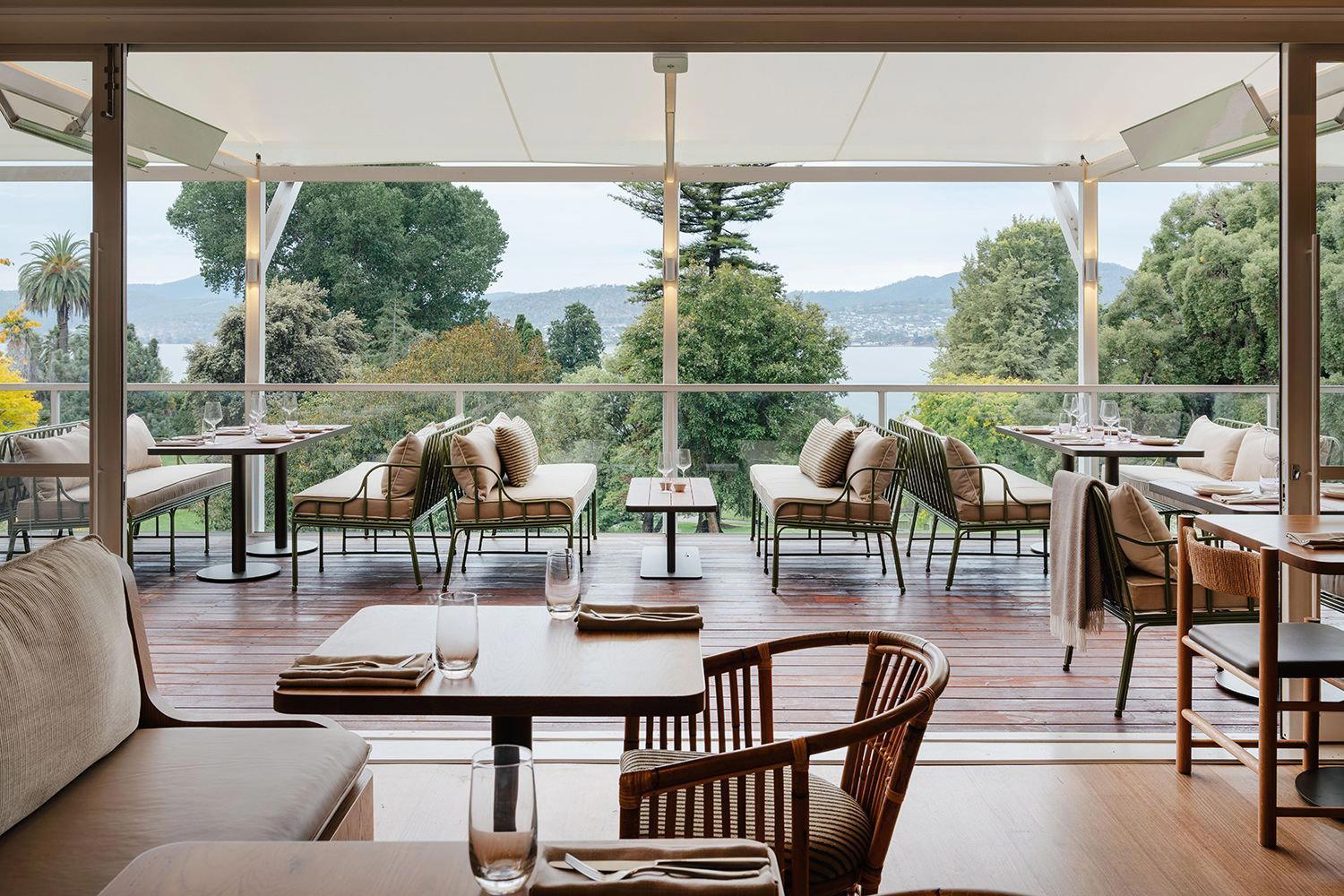
Hobart dining often begins before the plate arrives: cold air, produce moving in from farms and fisheries, and a city scale small enough for growers, winemakers, bakers, and cooks to remain in close conversation. Bird in Hand belongs to that Tasmanian mode. Its stated frame, a winery restaurant built around wood-fired dishes, places it in a category where the source of the ingredient matters as much as the technique applied to it.
That matters in Hobart because the city’s restaurant culture has never been defined by a single grand dining script. It works through proximity. The island’s cool-climate produce, seafood, dairy, orchard fruit, and small-scale farming all encourage kitchens to cook with less disguise. Fire suits that grammar. Wood-fired cooking is direct, but not simple: it exposes weak sourcing quickly and rewards ingredients that can take heat, smoke, char, and restraint.
Wood fire fits Tasmania's producer-led style
The winery-restaurant format has a particular logic in Australia. It asks food to sit beside wine rather than dominate it. In Tasmania, that balance is sharper because the wine conversation is tied to acidity, cool-climate freshness, and lighter extraction rather than sheer weight. A wood-fired kitchen can meet that with vegetables, seafood, meats, and breads that carry smoke without turning the meal into theatre.
Bird in Hand’s useful signal is its category, not a list of named dishes. A restaurant built around wood-fired cooking tends to reward seasonal variation and ingredient availability; the point is the relationship between flame and produce, not a fixed signature plate. For diners used to tasting-menu formality, this style reads looser. For those interested in Tasmania’s food culture, it can be more revealing: the cooking method leaves less room for technical camouflage.
Hobart has become a city where provenance is not a decorative word. The strongest kitchens tend to communicate place through supply chains rather than ornament: what was grown nearby, what was landed cold, what was fermented, milled, aged, or fired with care. Bird in Hand sits in that conversation through its combination of wine and wood-fired food, a pairing that naturally pushes the meal toward season, smoke, and texture.
The case for a winery restaurant in Hobart
A winery restaurant in Hobart carries different expectations from a capital-city dining room built around imported luxury cues. The value is in context. Wine gives the meal an agricultural spine; fire gives it a tactile one. Together, they suit a city where premium dining often feels more convincing when it stays close to weather, growers, and regional appetite.
That does not make the format rustic by default. Wood-fired restaurants can be highly controlled rooms, especially when the kitchen uses heat zones, resting time, and careful seasoning rather than smoke as a blunt instrument. The better version of this genre avoids the predictable drift into charred-everything sameness. It uses the oven or grill to sharpen contrast: sweetness against bitterness, fat against acidity, softness against crust.
For Hobart visitors, the venue’s appeal is strongest when read as part of a wider Tasmanian food itinerary rather than as a standalone trophy booking. The city rewards diners who connect restaurants, bars, producers, and hotels into a compact few days. For the broader map, start with our full Hobart restaurants guide, then cross-check drinking and accommodation through our full Hobart bars guide, our full Hobart hotels guide, our full Hobart wineries guide, and our full Hobart experiences guide.
How to read it within a wider itinerary
Hobart’s dining strength is range at a human scale. A trip can move from producer-led regional cooking to waterfront dining, from more experimental rooms to spirits-led programming or the comfort of hotel restaurants. Bird in Hand adds the winery-and-fire lane to that mix.
Travellers building an Australia-wide food route can use Hobart as the colder-climate counterpoint to mainland city dining. The contrast is useful beside other Australian dining styles, from urban pizza and Japanese formats to coastal Queensland meals, Adelaide rooftops, regional Italian cooking, and North American casual-bar or snack-led itinerary logic. Compare the itinerary logic, not the venues: Bird in Hand’s role is the Hobart stop where wine, fire, and Tasmanian produce do the work.
The editorial read is clear: choose Bird in Hand when the priority is Tasmanian produce seen through wine and fire rather than a chef-driven performance. In a city where ingredients carry unusual weight, that is a credible reason to give the table a place in the schedule.
Frequently asked questions
Is Bird in Hand good for families?
Specific family facilities or policies are not provided. Bird in Hand in Hobart is described as a winery restaurant built around wood-fired dishes, so mixed groups should check the venue's official channels for current suitability and booking details.
What's the vibe at Bird in Hand?
Expect a wine-led dining room built around wood-fired cooking, with the focus on Tasmania's producer-driven style rather than luxury theatrics. In Hobart, that points to a direct link between the winery-restaurant format and the kitchen.
Is Bird in Hand focused on a specific cuisine style?
Bird in Hand is described as a winery restaurant built around wood-fired dishes.
How hard is it to get a table at Bird in Hand?
Those details are not published. Wine-led dining rooms can vary in availability around weekends and peak travel periods. Check the venue's official channels for the latest details.
What has Bird in Hand built its reputation on?
Bird in Hand is identified by its winery restaurant format and wood-fired dishes in Hobart. That combination gives it a clear identity: food designed to sit beside wine, not compete with it.
In Context
Comparable venues nearby, for context on price, style, and recognition.
| Venue | Cuisine | Price | Awards | Notes |
|---|---|---|---|---|
| Bird in HandThis venue — the venue you are viewing | Wine-led modern Australian fine dining in the Royal Tasmanian Botanical Gardens | Not listed | Not listed | Not listed |
| Agrarian Kitchen | Modern Farm-to-Table Degustation | $150–200 | Tatler Listed in Best Restaurants Asia-Pacific · Gourmet Traveller State Winner Tasmania | New Norfolk, Modern Farm-to-Table Degustation |
| Lost in Asia | Pan-Asian Share Plates | Not listed | Not listed | Hobart CBD, Pan-Asian Share Plates |
| The Tasmanian Juice Press | Healthy Cold-Pressed Juices & Light Eats | $10–20 | Not listed | Hobart, Healthy Cold-Pressed Juices & Light Eats |
| Omotenashi Hobart | Japanese Kaiseki Omakase | $300–500 | Not listed | Hobart CBD, Japanese Kaiseki Omakase |
| Scholé | Japanese-inspired Tasmanian | $100–150 | Gourmet Traveller State Winner Tasmania | Hobart CBD, Japanese-inspired Tasmanian |
Continue exploring
More in Hobart
Restaurants in Hobart
Browse all →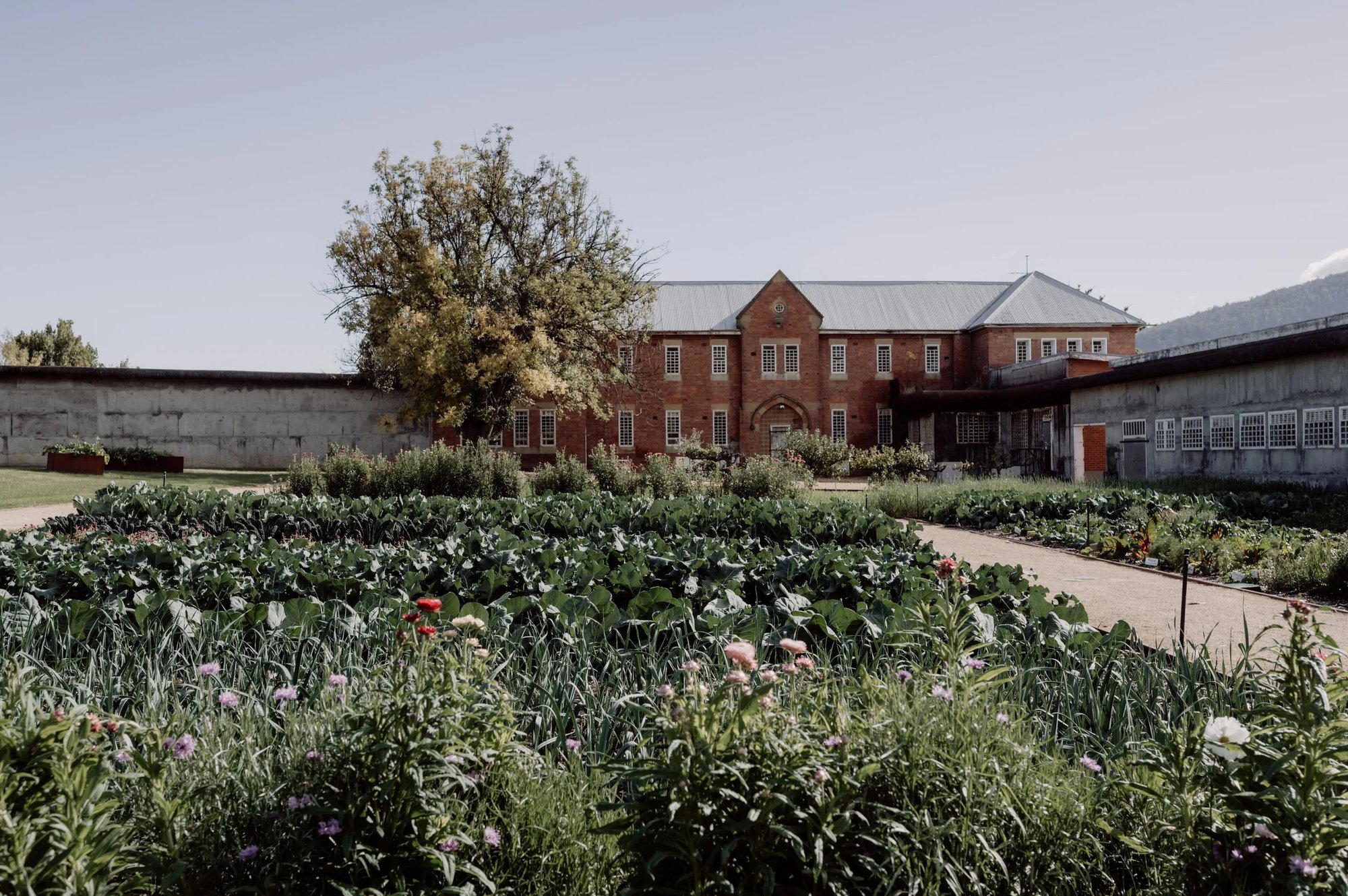
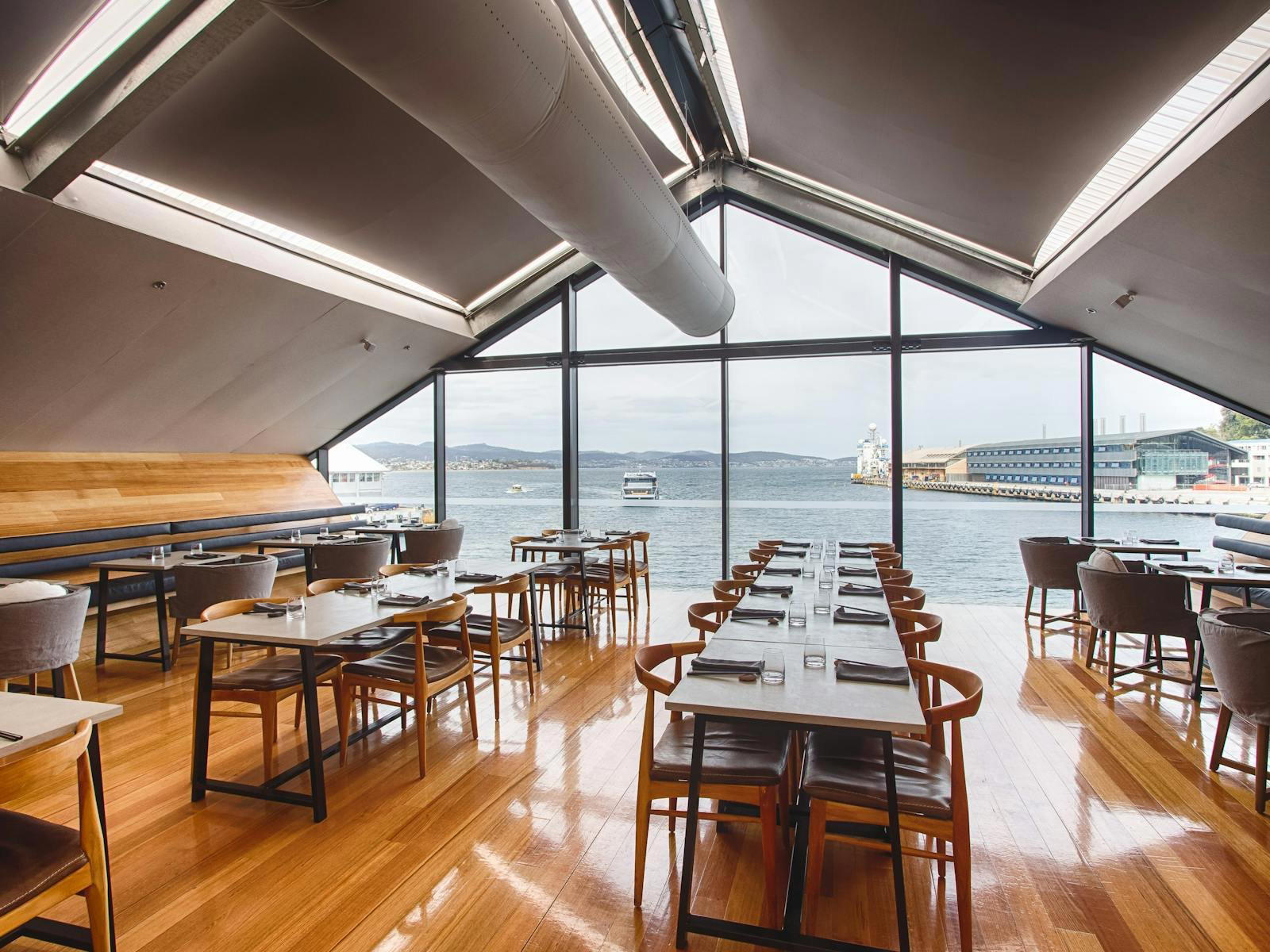
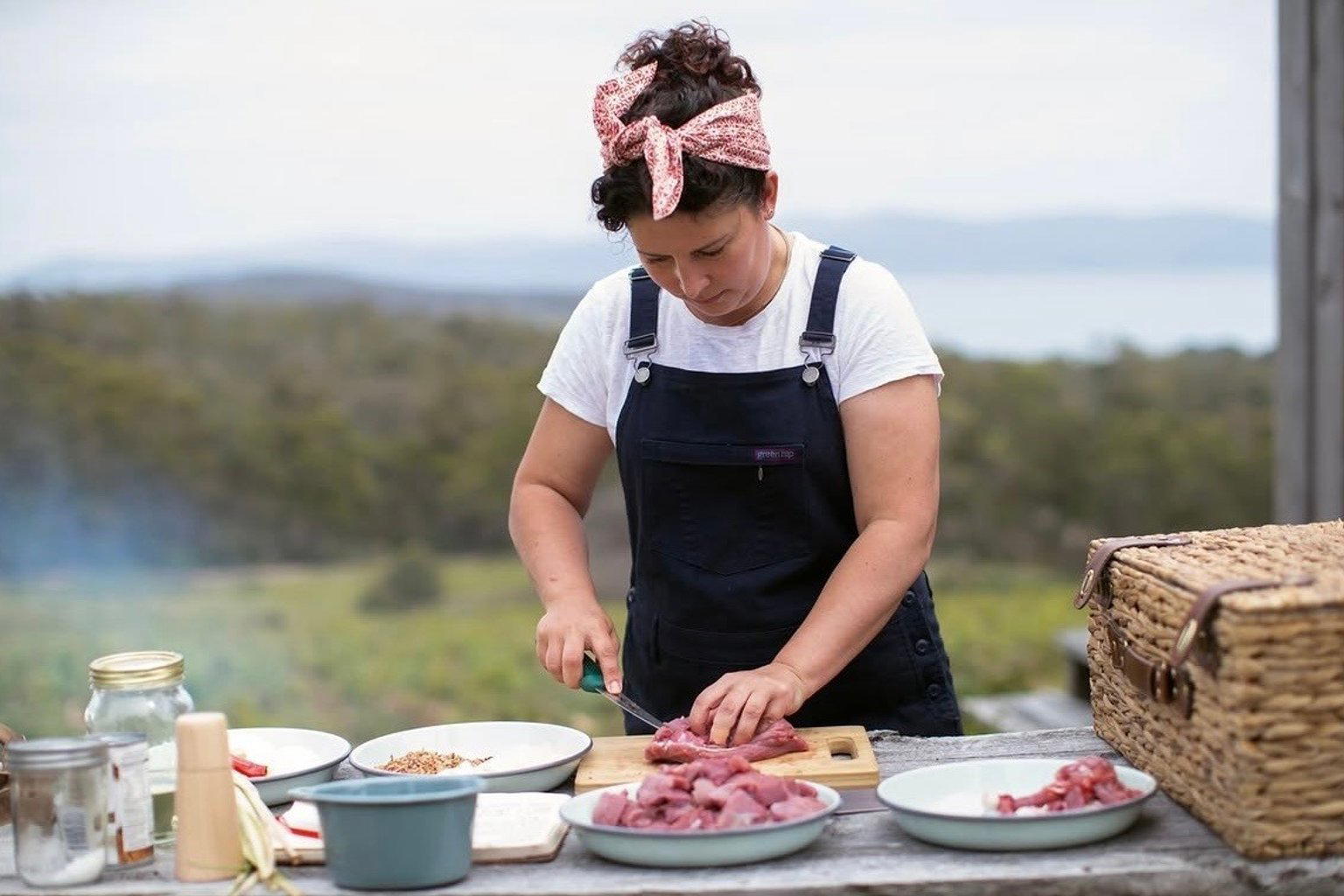
Bars in Hobart
Browse all →
Hotels in Hobart
Browse all →



Wineries in Hobart
Browse all →

Details
- Scenic
- Elegant
- Romantic
- Sophisticated
- Date Night
- Special Occasion
- Celebration
- Business Dinner
- Group Dining
- Private Event
- Garden
- Wine Cellar
- Private Dining
- Design Destination
- Historic Building
- Extensive Wine List
- Sommelier Led
- Local Sourcing
- Sustainable Seafood
- Garden
- Tasting Menu
- A La Carte
- Set Menu
- Wine
Refined yet relaxed winery-inspired setting overlooking the historic botanical gardens, pairing polished wine-focused hospitality with tranquil garden views and a pace that ranges from leisurely fine dining to casual kiosk visits.