Our verdict
Hobart’s serious dining conversation is increasingly shaped by cold-water seafood, small-farm produce, fermentation, hunting, diving, and a shorter line between cook and source. Analiese Gregory’s anti-restaurant belongs to that context: less a conventional restaurant profile than a lens on Tasmania’s ingredient culture, where the question is not how polished a room can be, but how directly a place can translate its terrain.

Pearl is the En Primeur Club membership app — saves, bookings, and concierge access live there. Same editors, same standards.
- Address
- Hobart, Australia
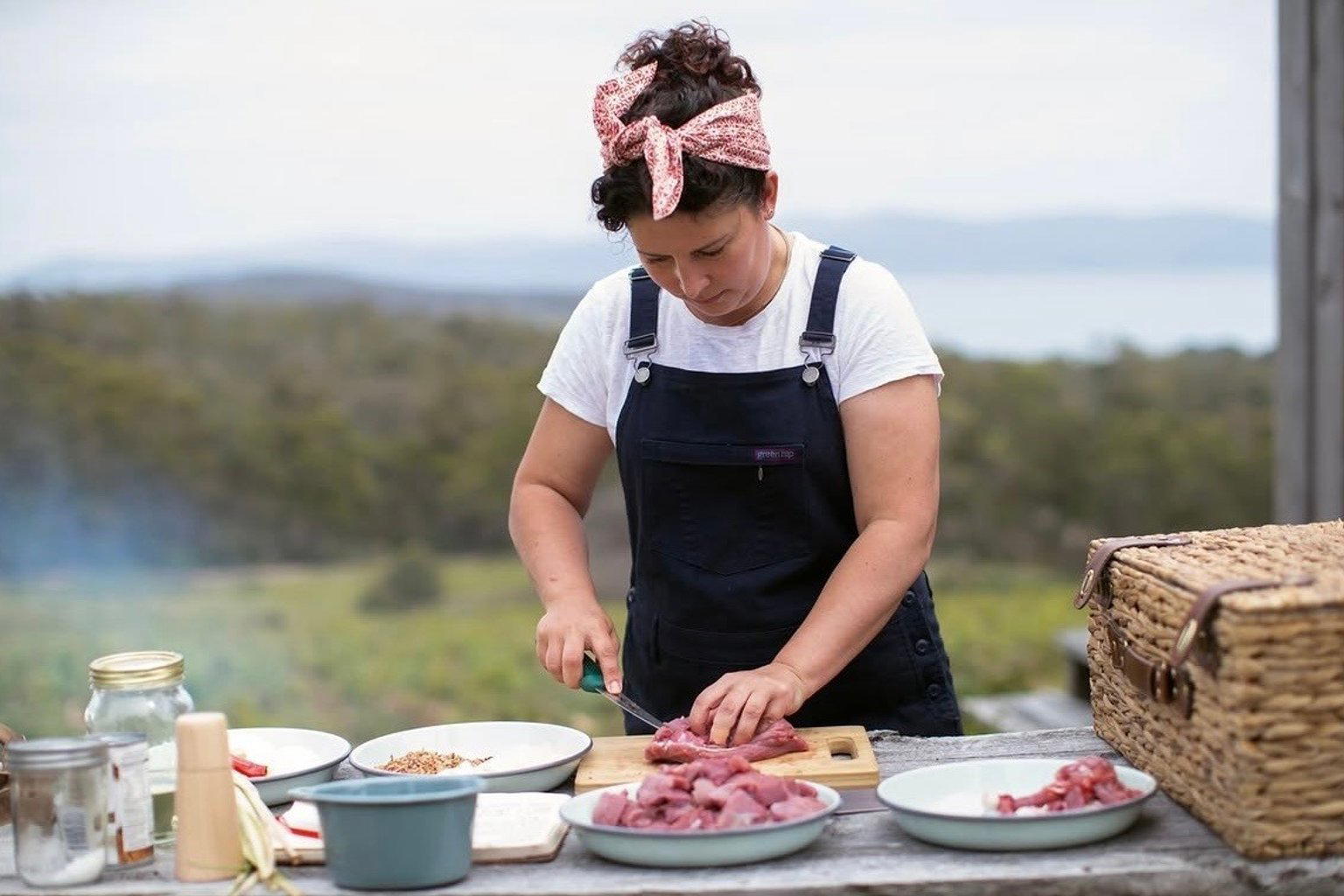
Hobart announces itself through weather before it announces itself through dining: salt air, low cloud, boats, markets, and a produce culture that feels less mediated than in larger Australian capitals. The city’s serious food scene has become inseparable from that geography. Local supply, seasonal rhythms, small-scale producers, and a close relationship between land and water are not decorative talking points here; they are part of the operating system. Analiese Gregory’s anti-restaurant sits inside that wider Hobart argument, where provenance carries more weight than polish and the distance between ingredient and plate is part of the point.
The phrase “anti-restaurant” matters because Hobart already has enough conventional dining categories: waterfront rooms, hotel dining, wine-led counters, distillery-adjacent drinking, and rural-produce destinations within reach of the city. This format signals a different expectation. The interest is not a fixed cuisine label or a predictable luxury script. It is the Tasmanian pantry treated as a living supply chain, shaped by season, weather, access, and the cook’s relationship to land and water. That makes the experience closer to a field note on place than a standard restaurant proposition.
Tasmania's pantry, not restaurant theatre, is the main event
Ingredient-led dining in Tasmania has a sharper edge than the phrase suggests elsewhere in Australia. On the mainland, “local produce” can become a menu preface. In Hobart, it is often the reason the table exists at all. The island’s scale allows direct relationships with producers, while its climate gives cooks a larder that does not need to imitate Sydney or Melbourne. Analiese Gregory’s anti-restaurant belongs to that school: the sourcing is the editorial line, and the meal is a way of reading Tasmania through what can be gathered, grown, caught, preserved, or coaxed from a short season.
That sourcing emphasis also changes how value should be judged. The useful comparison is not against restaurants that trade on ceremony. The more relevant question is whether the format gives a diner access to Tasmanian ingredients with less interference than a standard dining room would allow. Its inclusion in coverage of the best new bars and restaurants in Hobart and beyond for winter gives it a clear place in the city’s current dining conversation.
For a broader read on how the city expresses that same produce logic in more conventional formats, look to other Hobart dining rooms that frame the Tasmanian table through cultivation, craft, and sharper urban energy. Fire-led cooking, drinks culture, and hotel dining all appear elsewhere in the city’s orbit. Those settings add useful context, but the point here is different: less rebellion against Hobart than a more concentrated way of asking what a Tasmanian meal can be when the usual restaurant signals are stripped back.
The format rewards diners who care where food comes from
Hobart is not short on scenery, but the city’s more interesting dining lesson is practical: the further a kitchen moves from generic luxury signals, the more the ingredient has to carry the argument. An anti-restaurant format sharpens that test. There is less room for scripted grandeur, and more pressure on the sourcing, preservation, and cooking decisions to make sense. This is where Tasmania has an advantage. Its raw materials have enough identity to support restraint, and its dining culture has enough confidence to let irregularity read as truth rather than inconvenience.
That does not make the format universally easy. Diners looking for a fully legible restaurant experience, with published structure and familiar cues, may find Hobart’s looser ingredient-first end of the spectrum demanding. Travellers who understand the city through its markets, working food culture, farms, and cold-climate produce will read it differently. The appeal lies in proximity: food that feels accountable to the island rather than to a national luxury template.
Planning a Hobart trip around this kind of table works better when the rest of the itinerary is built with the same logic. The city’s restaurants, hotels, bars, producers, and experiences all help place the meal within the wider Hobart context rather than treating it as an isolated booking. Analiese Gregory’s anti-restaurant is best understood as part of that broader ecosystem: a dining idea that makes most sense when the city, its weather, and its produce are allowed into the frame.
How this fits into Australia's wider dining map
Across Australia, premium dining has split into two visible paths. One path prizes recognisable formats: polished dining rooms, counters, rooftops, coastal dining, and neatly branded neighbourhood restaurants. The other path moves closer to place, where the menu is less a category than a response to land, sea, and supply. Hobart has become an unusually strong setting for the second path because the island’s identity is tangible enough to guide the plate.
That contrast is clear when the Tasmanian approach is set beside other city formats across Australia. Metropolitan rooms often signal themselves through cuisine, service style, view, neighbourhood, or a clearly legible brand. Hobart’s anti-restaurant idea pushes in the opposite direction: fewer fixed signals, more dependence on source, season, and place. That does not make it automatically better than conventional dining; it simply asks diners to pay attention to a different set of clues.
The verdict is practical rather than romantic. Analiese Gregory’s anti-restaurant is for travellers who want Tasmania’s food culture without the insulation of a standard luxury frame. Its significance comes from the city around it: a compact capital where land, water, producers, and kitchen sit close enough for sourcing to become the story.
Frequently asked questions
Is Analiese Gregory’s anti-restaurant child-friendly?
There is no venue data here confirming a family policy, so the safest reading is that Analiese Gregory’s anti-restaurant in Hobart is aimed at adults who are comfortable with a less conventional dining format. Hobart itself has a broad dining scene, but this concept is built around the restaurant idea being stripped back.
Is Analiese Gregory’s anti-restaurant formal or casual?
It reads as neither standard formal nor relaxed casual. The name Analiese Gregory’s anti-restaurant in Hobart signals a concept-led room, so guests should expect something closer to an alternative dining format than a conventional white-tablecloth setup.
How hard is it to get a table at Analiese Gregory’s anti-restaurant?
Those details are not published. What can be said is that Analiese Gregory’s anti-restaurant in Hobart sits in a city where small, ingredient-led formats tend to attract steady interest. Check the venue's official channels for the latest details.
What do critics highlight about Analiese Gregory’s anti-restaurant?
Critics are likely to focus on the concept itself: Analiese Gregory’s anti-restaurant in Hobart pushes against familiar restaurant theatre. That matters in a city where the more serious dining conversation often centres on format, provenance, and restraint rather than showy service.
How It Compares
Comparable venues nearby, for context on price, style, and recognition.
| Venue | Cuisine | Price | Awards | Notes |
|---|---|---|---|---|
| Analiese Gregory’s anti-restaurantThis venue — the venue you are viewing | Intimate seasonal fusion by Analiese Gregory | Not listed | Not listed | Not listed |
| Aloft | Modern Australasian Fine Dining | $100–150 | We're Smart World 2 Radishes | Hobart CBD |
| The Glass House Hobart | Japanese-inspired Tasmanian Small Plates | Not listed | Not listed | Hobart CBD |
| Bird in Hand | Wine-led modern Australian fine dining in the Royal Tasmanian Botanical Gardens | Not listed | Not listed | Royal Tasmanian Botanical Gardens |
| Scholé | Japanese-inspired Tasmanian | $100–150 | Gourmet Traveller State Winner Tasmania | Hobart CBD |
| Lost in Asia | Pan-Asian Share Plates | Not listed | Not listed | Hobart CBD |
Continue exploring
More in Hobart
Restaurants in Hobart
Browse all →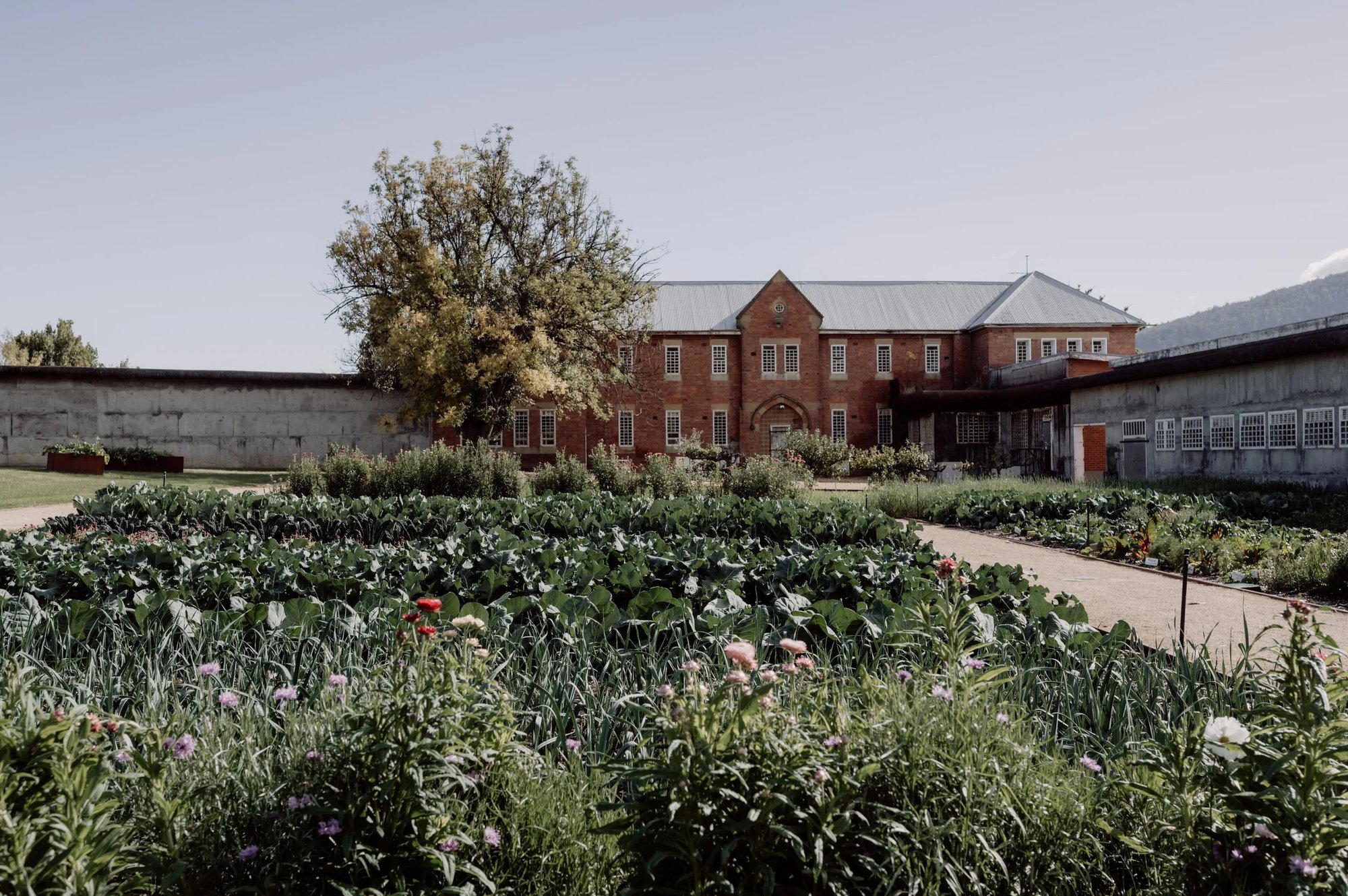
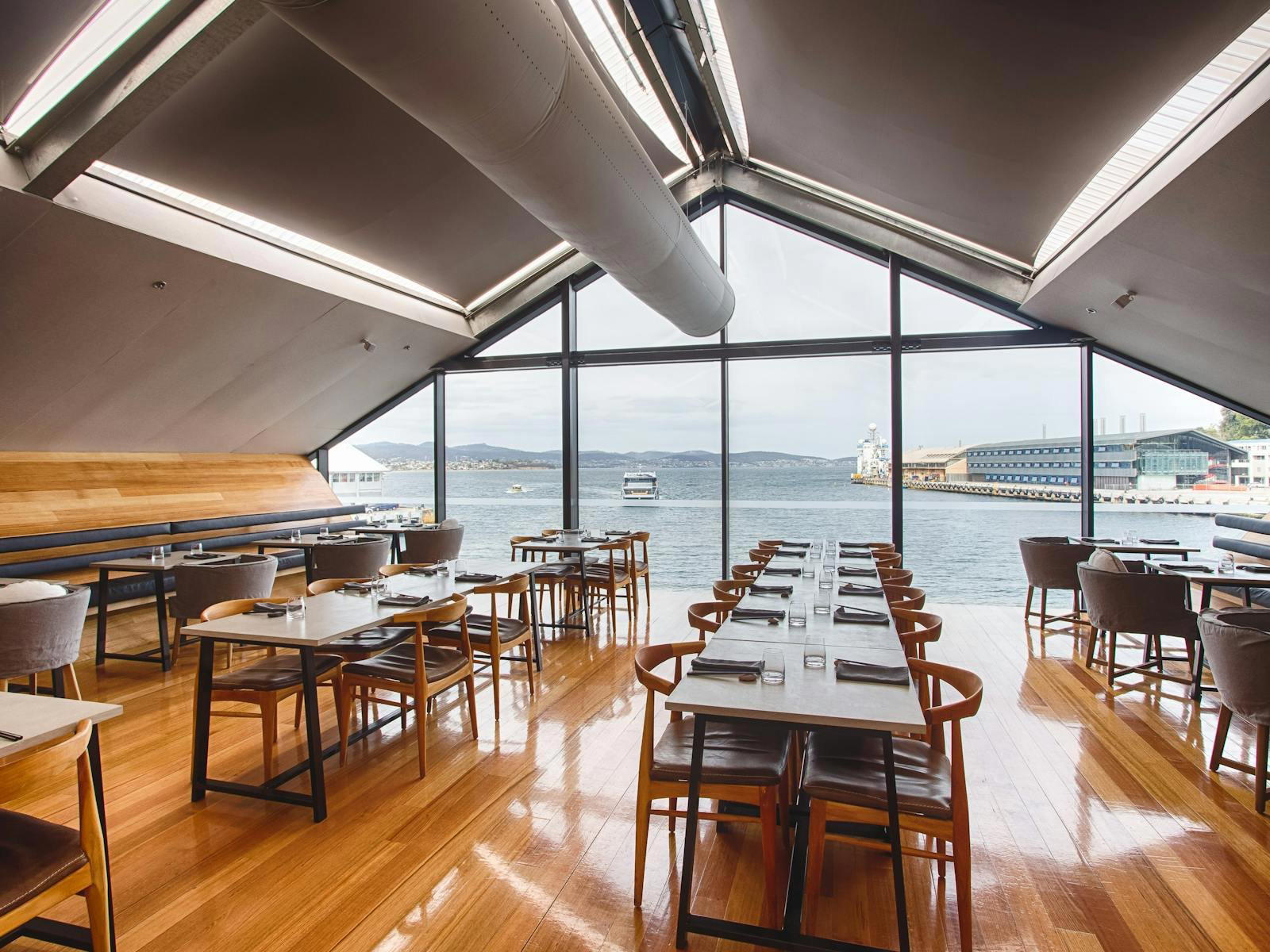
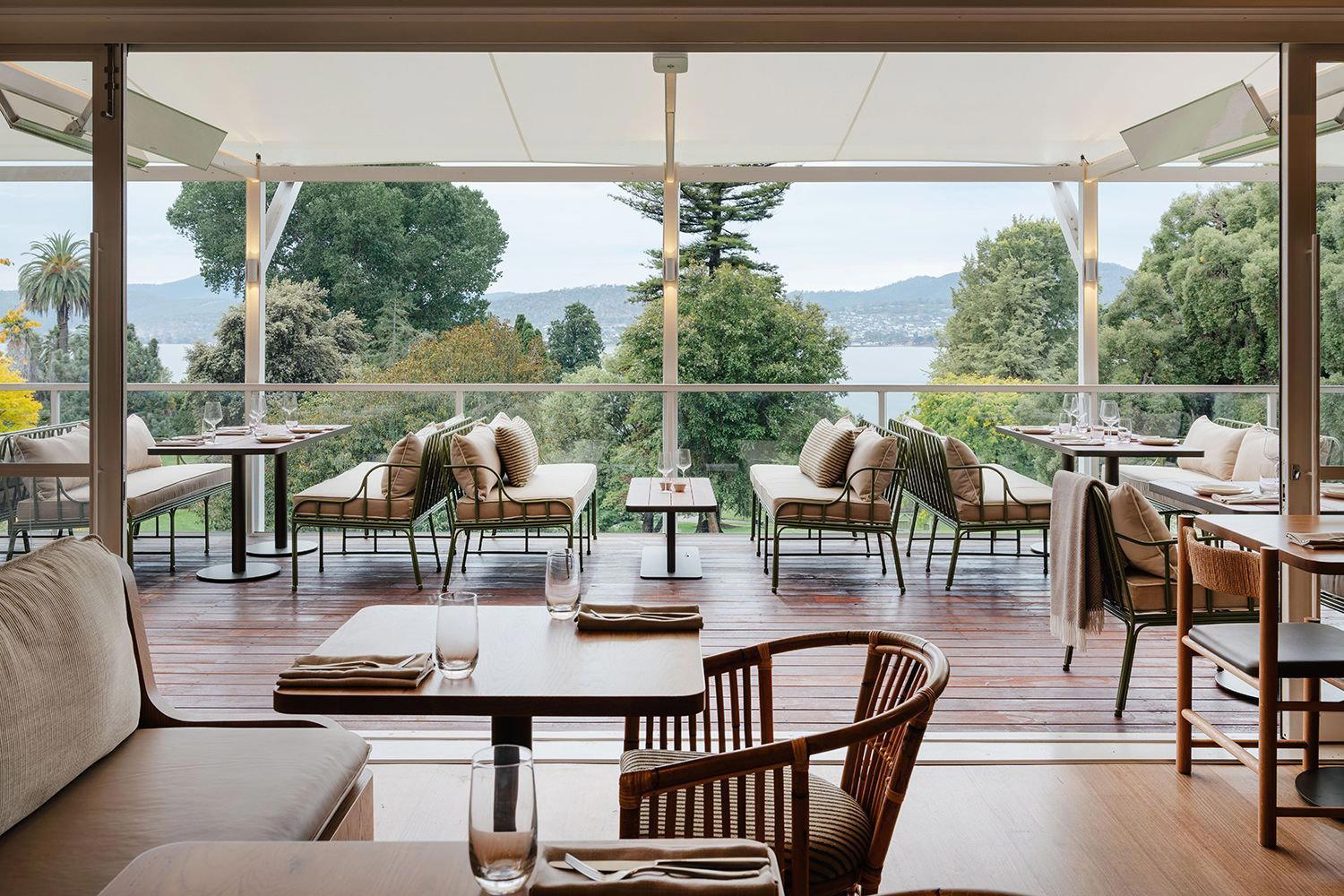
Bars in Hobart
Browse all →
Hotels in Hobart
Browse all →
Wineries in Hobart
Browse all →

Details
- Intimate
- Rustic
- Cozy
- Date Night
- Special Occasion
- Solo
- Chefs Counter
- Standalone
- Farm To Table
- Local Sourcing
- Sustainable Seafood
- Tasting Menu
- Set Menu
- Counter Dining
- Pescatarian Friendly
A small, home-like space that feels more like being cooked for in a friend’s kitchen than a formal restaurant, with a calm, cozy and rustic atmosphere focused on closeness to the chef and the ingredients rather than formality or theatrics.