Birch Coffee
Birch Coffee at 750 Columbus Ave sits in the heart of the Upper West Side, a neighbourhood where independent coffee culture has held its own against national chain saturation. The menu is structured around craft preparation methods, positioning Birch within the wave of New York specialty coffee operators that treat sourcing and technique as editorial statements rather than background hospitality.
 Discover on Pearl
Pearl is the En Primeur Club membership app — saves, bookings, and concierge access live there. Same editors, same standards.
- Address
- 750 Columbus Ave, New York, NY 10025
- Phone
- +12126861444
- Website
- shop.birchcoffee.com
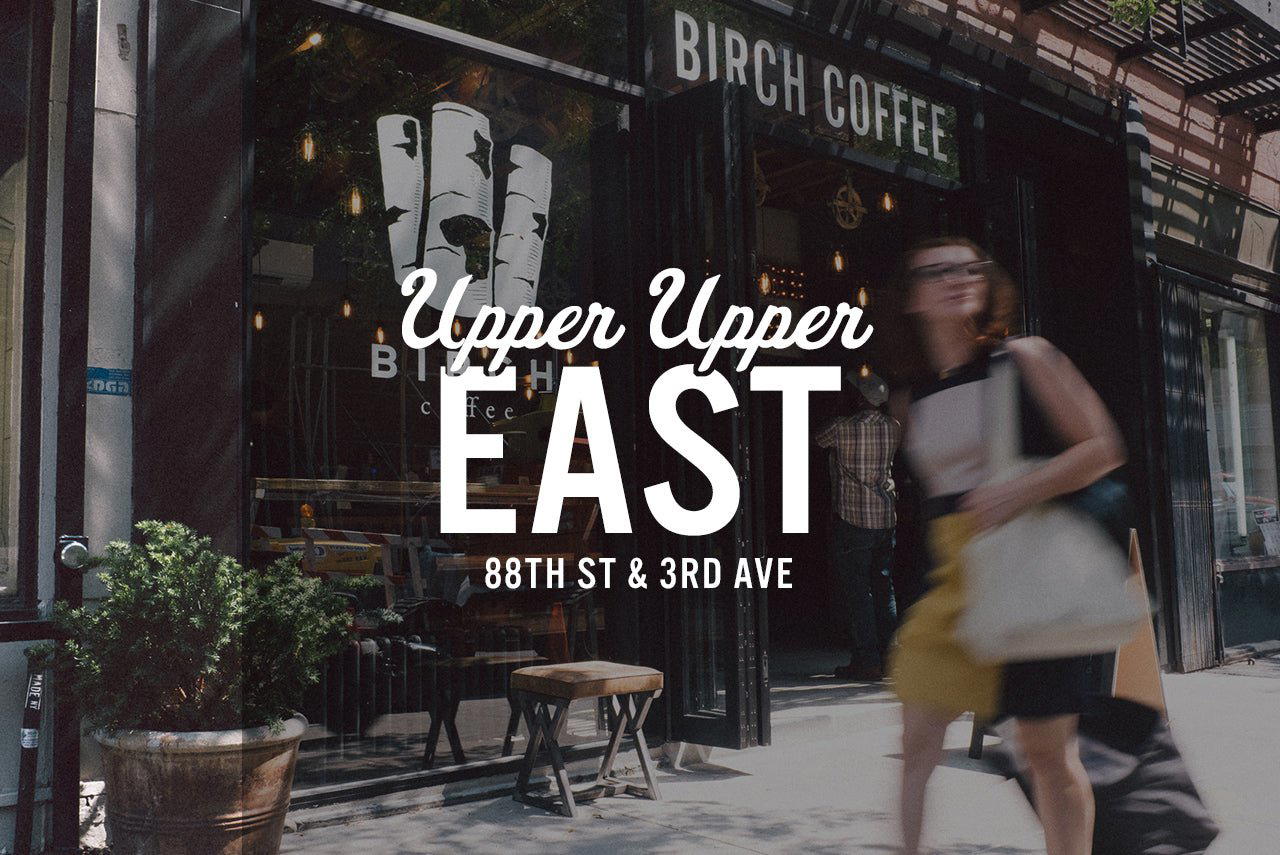
Independent Coffee on the Upper West Side
New York's specialty coffee scene split decisively in the 2010s. On one side, third-wave operators built entire identities around single-origin sourcing, precise extraction parameters, and minimal-intervention roasting profiles. On the other, the city's neighbourhood cafés continued to serve utility coffee to commuters who prioritised speed and familiarity. Birch Coffee, which has operated across multiple Manhattan locations since the early 2010s, belongs firmly to the former category. The Columbus Avenue address at 750 Columbus Ave places it in the Upper West Side, a stretch of Manhattan that has historically supported a more civic, residential coffee culture than, say, the roaster-heavy blocks of Williamsburg or the espresso-counter density of the West Village.
That neighbourhood positioning matters. The Upper West Side is not where coffee operators typically launch flagship concepts or generate press. The trade-off is a steadier, repeat-visitor base: residents, Columbia University-area professionals, and regulars who treat the space as a working annex rather than a destination. Birch has built its multi-location presence around exactly that kind of durable local relationship rather than the destination-pilgrimage model favoured by some of the city's more media-visible specialty operators.
How the Menu Is Structured
Specialty coffee menus are rarely neutral documents. Their architecture signals which customer the operator is actually writing for. A menu that leads with single-origin pour-overs and lists processing methods is speaking to extraction-literate regulars. One that leads with flavoured lattes and seasonal specials is writing for a broader, occasion-based audience. Birch Coffee's menu structure has consistently occupied a middle register: the technical framework of a specialty program, delivered without the gatekeeping aesthetic that can make some third-wave spaces feel inhospitable to anyone without prior vocabulary.
In practical terms, this means espresso-based drinks are present alongside manual brew options, with enough menu legibility that a newcomer can order confidently while an extraction-minded regular can go deeper if they choose. That double-facing quality is harder to execute than it sounds. Many specialty operators resolve the tension by going fully minimalist (two or three options, no explanations) or fully populist (an extensive menu that buries the quality signal). Birch's approach holds the middle, which is one reason the brand has sustained multiple Manhattan locations rather than the single-site attrition that hits more brittle specialty concepts.
The physical menu architecture also reflects how Birch thinks about its spaces. The Columbus Avenue location functions as a neighbourhood anchor, which means the offering is calibrated for daily visits rather than single-occasion exploration. Coffee programs designed for frequency tend to reward consistency over novelty: the house espresso blend needs to perform reliably on a Tuesday morning in February, not just during the seasonal release cycle that drives social engagement elsewhere.
Birch in Context: New York's Specialty Coffee Tier
Positioning Birch Coffee accurately requires looking at the broader tier it occupies. New York's specialty coffee market now runs from entry-level third-wave (quality sourcing, basic extraction competence) through to micro-roaster operations where the coffee itself is the primary editorial subject and the hospitality is secondary. Birch sits in the established middle tier: a multi-location operator with genuine craft credentials, accessible pricing by Manhattan standards, and a consistent program that doesn't depend on rotating single-origin releases to sustain interest.
That position sits some distance from the city's fine-dining beverage programs. When Le Bernardin or Per Se consider their post-meal coffee service, they draw on a different tier of sourcing and preparation entirely, one where the coffee is integrated into a four-figure dining experience. At Atomix or Eleven Madison Park, coffee appears as a carefully considered closing note in a long tasting progression. These are different products solving different problems. The specialty café format Birch operates in is about daily ritual and neighbourhood belonging, not the punctuation of a special-occasion meal.
For travellers building a New York itinerary around the city's serious dining, Birch represents the daytime infrastructure that supports those evenings. A morning visit before lunch at Masa, or an afternoon stop between exploring the Upper West Side and heading downtown for dinner, is the natural use case. For a broader map of where Birch fits in New York's hospitality picture, our full New York City restaurants guide covers the full range from neighbourhood anchors to destination dining.
Beyond New York, the independent-café-as-neighbourhood-anchor model has parallels across American cities. In San Francisco, Lazy Bear demonstrates how a city's dining identity can be built from committed independent operators. In Chicago, Smyth represents a similar ethos applied to the fine-dining tier. The through-line in each case is an operator who has built local credibility through consistency rather than national publicity cycles.
The Upper West Side Setting
Columbus Avenue between the 70s and 90s has a particular daytime character. The street-level retail is dominated by services and food, with coffee shops functioning as de facto community rooms for a dense residential population. The Birch location at 750 Columbus Ave sits within walking distance of Central Park's western edge and the American Museum of Natural History, giving it a dual audience of locals and visitors on a more exploratory pace than the midtown rush.
That spatial context shapes how the space is used. Unlike the fast-turnover espresso bars of Midtown or the scene-driven all-day cafés of lower Manhattan, Upper West Side coffee shops tend to reward longer stays. Laptop workers, readers, and people between appointments make up a significant share of the daily traffic. A café that can hold that audience through the mid-morning and afternoon lull has a different operational profile than one that spikes at the 8am commuter rush and quiets by 10.
Planning Your Visit
Birch Coffee at 750 Columbus Ave operates as a walk-in café format with no reservation requirement. The morning window between 8am and 10am draws the highest density of regular neighbourhood traffic; mid-morning and early afternoon tend to be quieter and better suited to longer stays. The Upper West Side location is accessible via the B and C trains at 81st Street or the 1 train at 79th Street, placing it within a short walk from either line. For visitors anchoring a day around Central Park, the location functions well as a pre- or post-park stop. For further context on where this fits within New York's wider food and drink picture, see our New York City guide. Visitors planning extended American itineraries around serious dining can also consider Blue Hill at Stone Barns in nearby Tarrytown, The French Laundry and Single Thread Farm on the West Coast, or Providence in Los Angeles for the full range of what American fine dining currently covers. Regional references extend further to Smyth in Chicago, Addison in San Diego, Emeril's in New Orleans, The Inn at Little Washington, Frasca Food and Wine in Boulder, and internationally to Atelier Moessmer Norbert Niederkofler in Brunico and Dal Pescatore in Runate.
Quick reference: Walk-in only, no reservation required. 750 Columbus Ave, Upper West Side. Nearest subway: B/C at 81st St or 1 at 79th St.
Price and Positioning
Comparable venues nearby, for context on price, style, and recognition.
| Venue | Cuisine | Price | Awards | Notes |
|---|---|---|---|---|
| Birch CoffeeThis venue — the venue you are viewing | $$ | , | ||
| Westville Hells Kitchen | $$ | , | Hell's Kitchen, American Comfort Food with Fresh Market Vegetables | |
| Little Ruby's SoHo | $$ | , | SoHo-Little Italy-Hudson Square, Australian Café & American Comfort Food | |
| The Grey Dog, Flatiron | $$ | , | Midtown South-Flatiron-Union Square, American Comfort Food & Brunch | |
| Dallas BBQ Chelsea | Chelsea-Hudson Yards, American BBQ | $$ | , | |
| Apartment 138 | $$ | , | Downtown Brooklyn-DUMBO-Boerum Hill, American |
Continue exploring
More in New York City
Restaurants in New York City
Browse all →
Bars in New York City
Browse all →
Hotels in New York City
Browse all →


At a Glance
- Cozy
- Modern
- Trendy
- Casual Hangout
- Brunch
- After Work
- Open Kitchen
- Beer Program
- Local Sourcing
Cozy neighborhood cafe with an efficiently utilized, hip and bustling space featuring small tables and communal benches.