Little Ruby's SoHo
Little Ruby's SoHo occupies a corner of Mulberry Street where NoLIta's residential calm meets the older grain of SoHo's cast-iron blocks. The room operates in a register that separates it from the high-volume downtown dining circuit, with a format and address that reward the kind of planning more typically associated with uptown tasting-menu rooms. A considered stop for anyone mapping the fuller range of New York's neighbourhood dining.
Pearl is the En Primeur Club membership app — saves, bookings, and concierge access live there. Same editors, same standards.
- Address
- 219 Mulberry St, New York, NY 10012
- Phone
- +1 212 925 5755
- Website
- rubyscafe.com
- Directions
- Get directions
 Saves & bookings on Pearl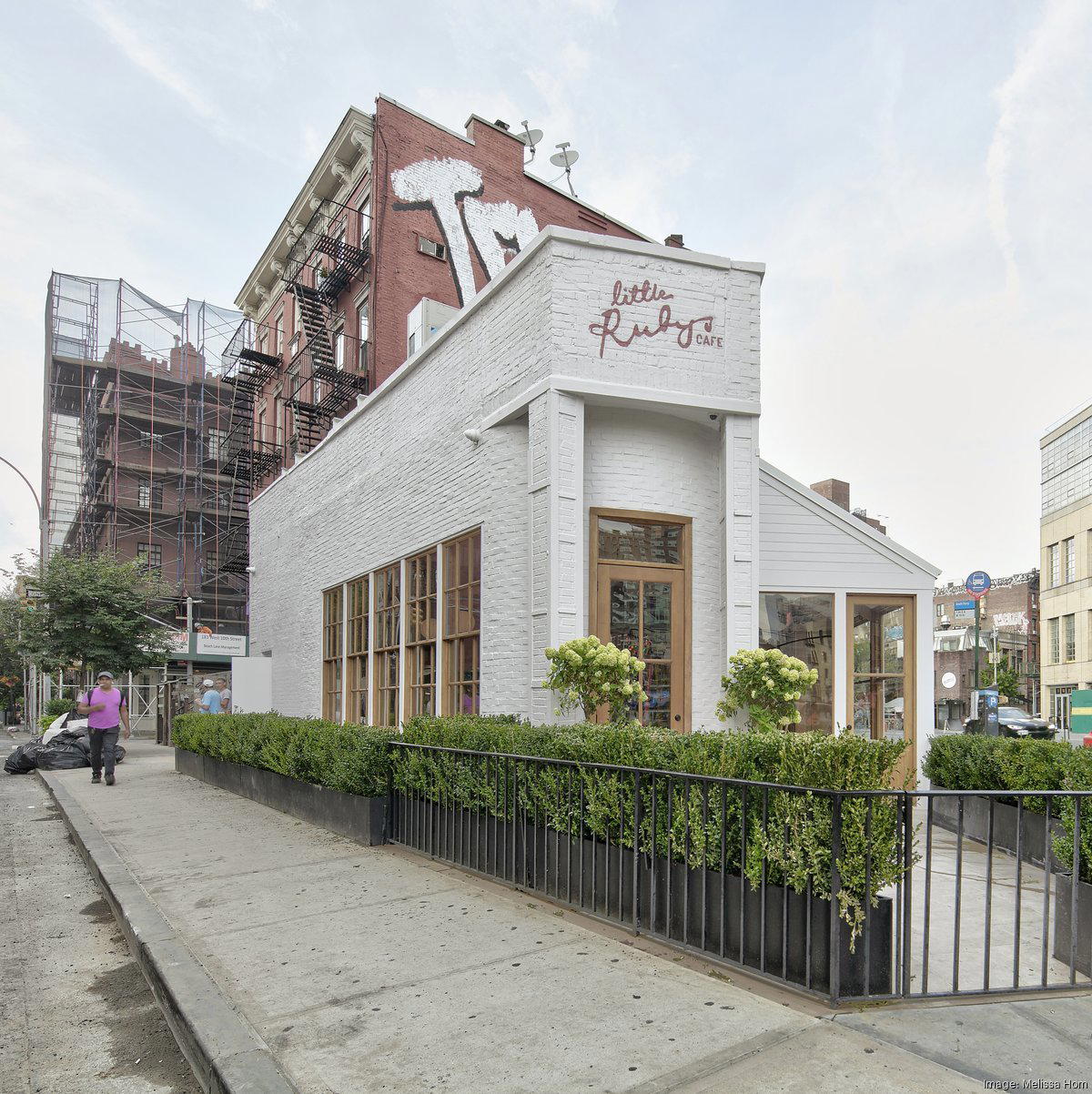
Mulberry Street and the Quieter Side of Downtown Dining
The stretch of Mulberry Street between Spring and Prince sits in a transitional zone that New York's dining geography rarely classifies cleanly. It belongs neither to the tourist-facing bustle of Little Italy's southern blocks nor to the concentrated fine-dining corridor that runs north through NoLIta toward the Bowery. That ambiguity is precisely what makes addresses here interesting. Restaurants on this block operate with less foot-traffic pressure than their Canal Street-adjacent neighbours and, as a result, tend to develop a room identity shaped more by repeat custom than by passing trade. Little Ruby's SoHo, at 219 Mulberry, sits inside that dynamic.
Downtown Manhattan has spent the last decade sorting itself into two broad categories: venues engineered for volume and social visibility, and smaller rooms that trade on format discipline and neighbourhood loyalty. The former cluster around the Meatpacking District and the West Village's busier arteries; the latter tend to occupy the quieter cross-streets of SoHo, NoLIta, and the lower reaches of the East Village. Little Ruby's address places it firmly in the second category, and the expectations that come with that positioning differ significantly from what you'd bring to a table at, say, Le Bernardin or Per Se.
The Arc of a Meal: How the Progression Reads
The dining format has become a primary lens through which serious dining in New York is now evaluated. It isn't simply a matter of sequencing courses; it's a question of whether the kitchen has a point of view that sustains itself across an entire sitting. At the tier occupied by places like Atomix or eleven-madison-park, that arc is carefully engineered, with each course acting as a deliberate argument about ingredient, technique, or cultural reference. Smaller neighbourhood rooms on Mulberry operate with a different ambition, but the principle of progression still applies: how does a meal open, how does it build, and how does it close?
In practical terms, a meal at a room of Little Ruby's scale and address tends to reward linear rather than scattershot ordering. The logic of starting with lighter, brighter preparations and moving toward richer, more textured courses is as applicable here as it is at the reference-point rooms that define New York's upper tier. What distinguishes the neighbourhood format from the destination tasting-menu format is that the decision-making authority rests with the diner rather than the kitchen, which places greater weight on how the room communicates its range at the point of ordering.
This is the part of downtown dining that the city's broader reputation sometimes obscures. New York's most-discussed restaurants, from Masa to Blue Hill at Stone Barns in nearby Tarrytown, operate with prescribed formats that remove the sequencing burden from the diner entirely. A room like Little Ruby's, on a residential block with lower ambient pressure, asks more of the person sitting down. That isn't a weakness; it's a different contract.
Placing Little Ruby's in New York's Neighbourhood Dining Pattern
The SoHo and NoLIta dining scene has consolidated around a recognisable typology over the past several years: ground-floor rooms with exposed brick or plaster walls, natural light at lunch, candlelight at dinner, and menus oriented toward European-influenced cooking with a selective eye on seasonal sourcing. This template is common enough that the interesting question is rarely whether a room fits the pattern, but what it does within it that earns return visits.
Across American cities, the venues that have proven most durable in this format, from Smyth in Chicago to Frasca Food and Wine in Boulder and Providence in Los Angeles, tend to hold a position in their respective cities through a combination of consistent technical execution and a room atmosphere that makes regulars feel the space belongs to them rather than to passing visitors. New York's equivalent rooms follow the same pattern. The question for any specific address in SoHo or NoLIta is whether the room has developed that kind of constituency.
Little Ruby's location on Mulberry gives it the structural conditions to do exactly that. The street is not a destination block in the way that, say, the Bowery or Hudson Street are, which means the clientele arriving here is making a more deliberate choice. That self-selection tends to produce dining rooms with higher average engagement from the people in them, which in turn creates the atmosphere that makes neighbourhood restaurants worth the trip.
For context on how New York's neighbourhood rooms compare to destination-format venues further afield, consider the difference in register between a Mulberry Street room and something like The French Laundry in Napa, Single Thread in Healdsburg, or Lazy Bear in San Francisco. Those venues require advance planning of a different order and deliver a prescribed experience with little variation. A SoHo neighbourhood room offers something more contingent and, on its leading nights, more alive. The same contrast holds when you compare against European reference points like Atelier Moessmer Norbert Niederkofler in Brunico or Dal Pescatore in Runate, where the destination format is inseparable from the dining proposition. In New York, the neighbourhood room operates on different terms entirely.
Additional American reference points for the neighbourhood-room format include Emeril's in New Orleans, Addison in San Diego, and The Inn at Little Washington, each of which illustrates a different version of how a room can hold a stable identity over time without requiring the infrastructure of a destination tasting-menu operation.
Planning Your Visit
Little Ruby's SoHo is at 219 Mulberry St, New York, NY 10012, in SoHo. Reservations: walk-in friendly. Dress: casual. Budget: about $25 per person. Timing: open daily from 9 AM to 11 PM.
Quick Comparison
Comparable venues nearby, for context on price, style, and recognition.
| Venue | Cuisine | Price | Notes |
|---|---|---|---|
| Little Ruby's SoHoThis venue — the venue you are viewing | Australian Café & American Comfort Food | $$ | Not listed |
| Deux Luxe | Gourmet Wagyu Burgers | $$ | SoHo-Little Italy-Hudson Square |
| Sarabeth's Tribeca | Contemporary American Brunch | $$ | Tribeca-Civic Center |
| Kitchen | Modern American Brasserie | $$ | Gramercy |
| Westville Dumbo | Market-Driven American Comfort Food | $$ | Downtown Brooklyn-DUMBO-Boerum Hill |
| Joe Allen | Classic American Brasserie | $$ | Hell's Kitchen |
Continue exploring
More in New York City
Restaurants in New York City
Browse all →
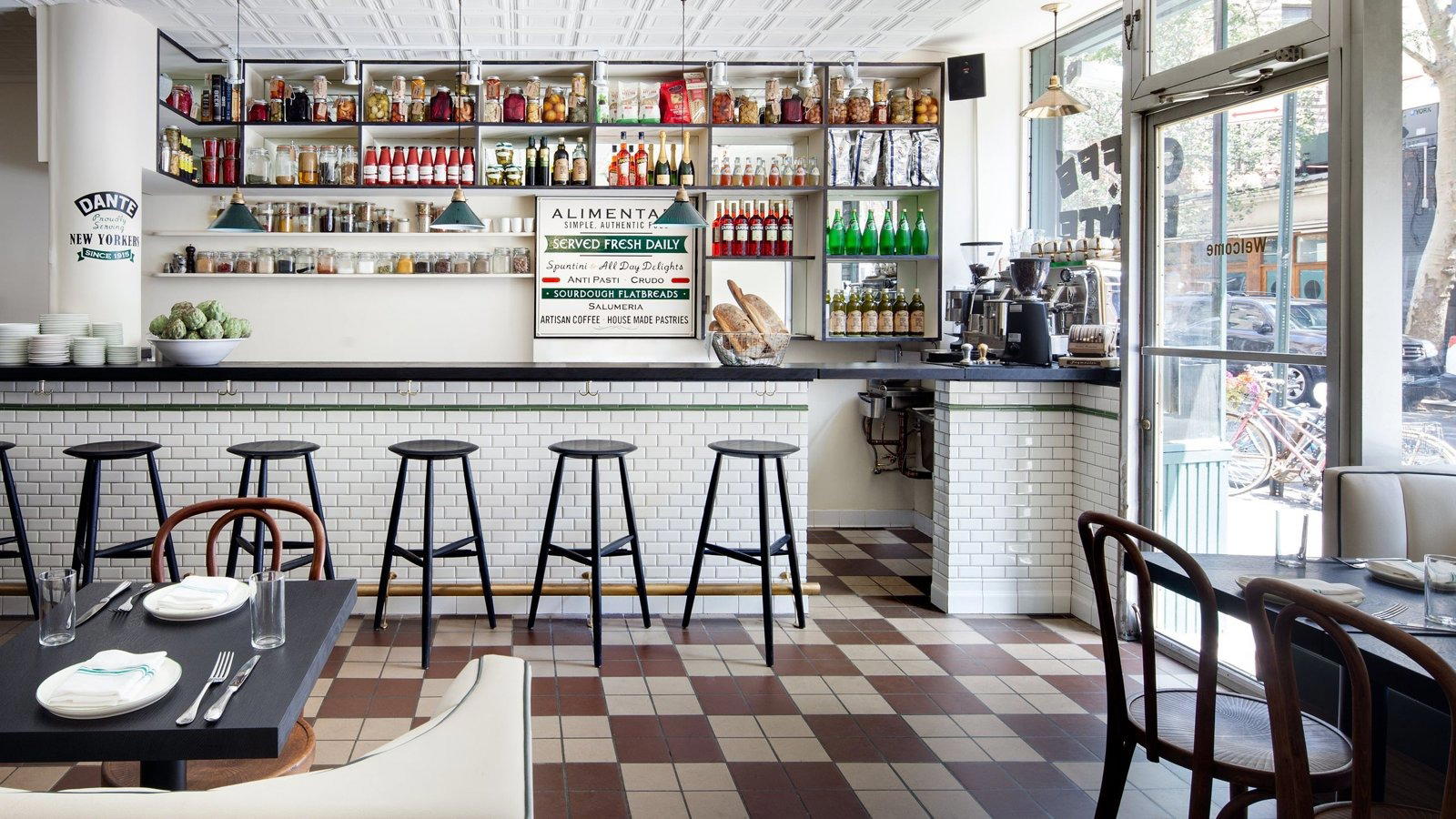
Bars in New York City
Browse all →
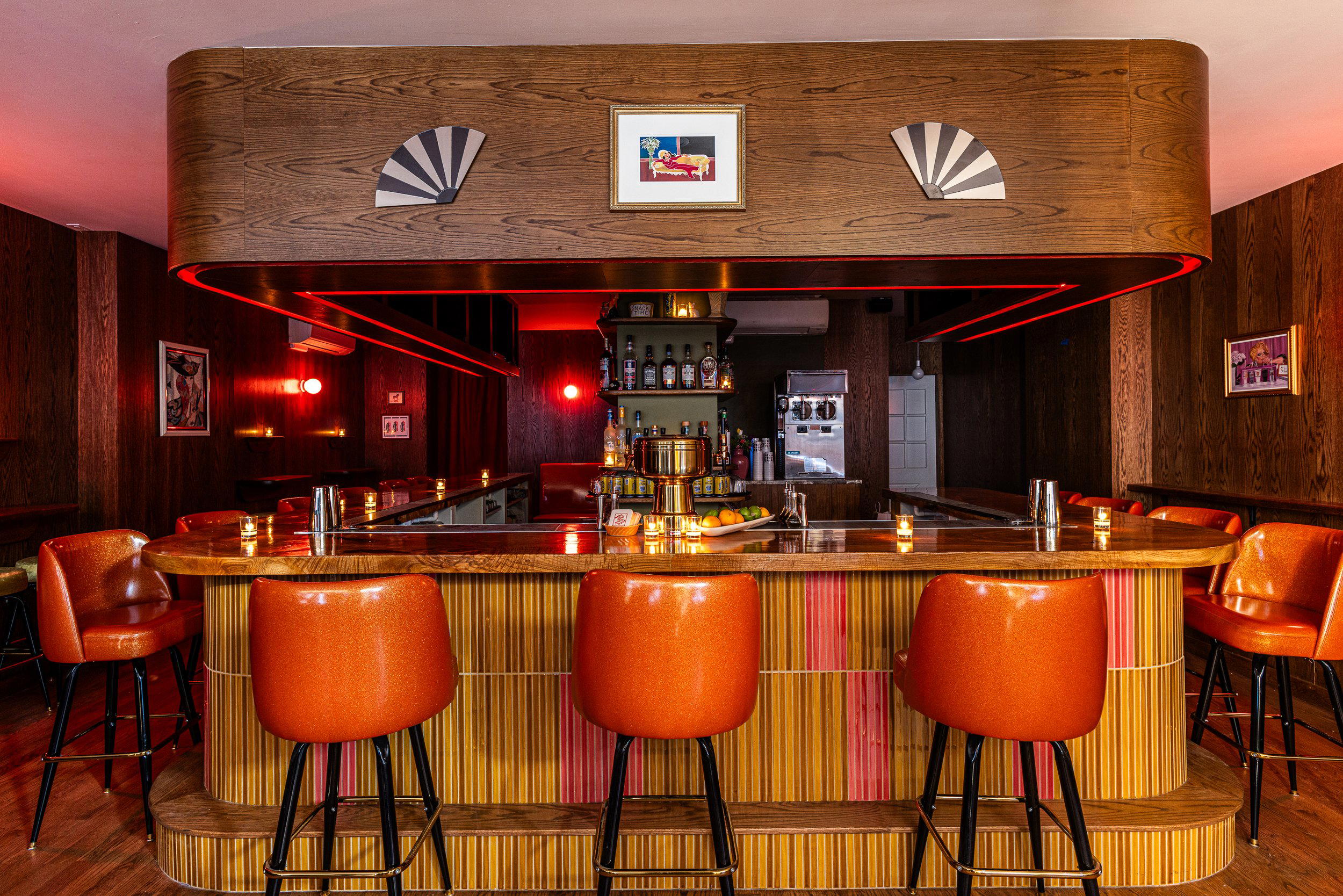
Hotels in New York City
Browse all →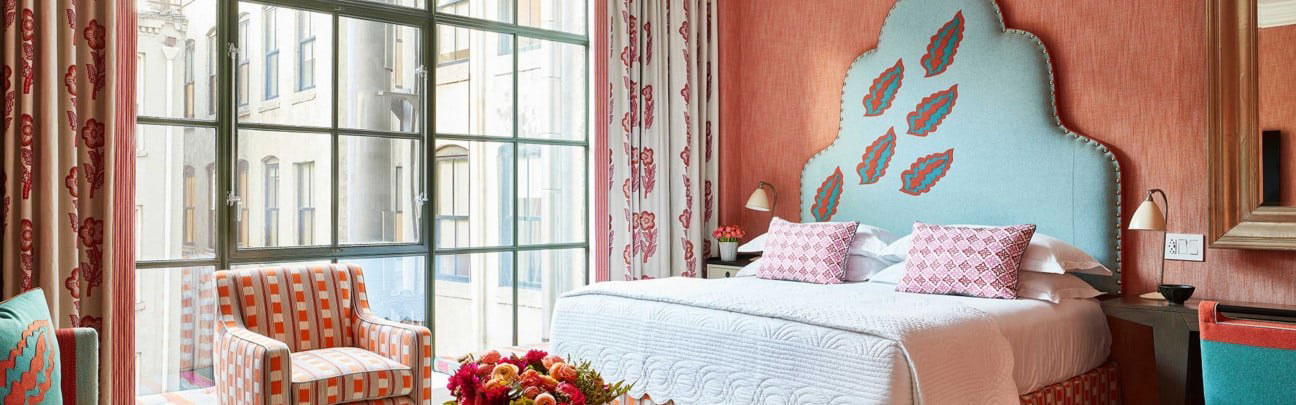
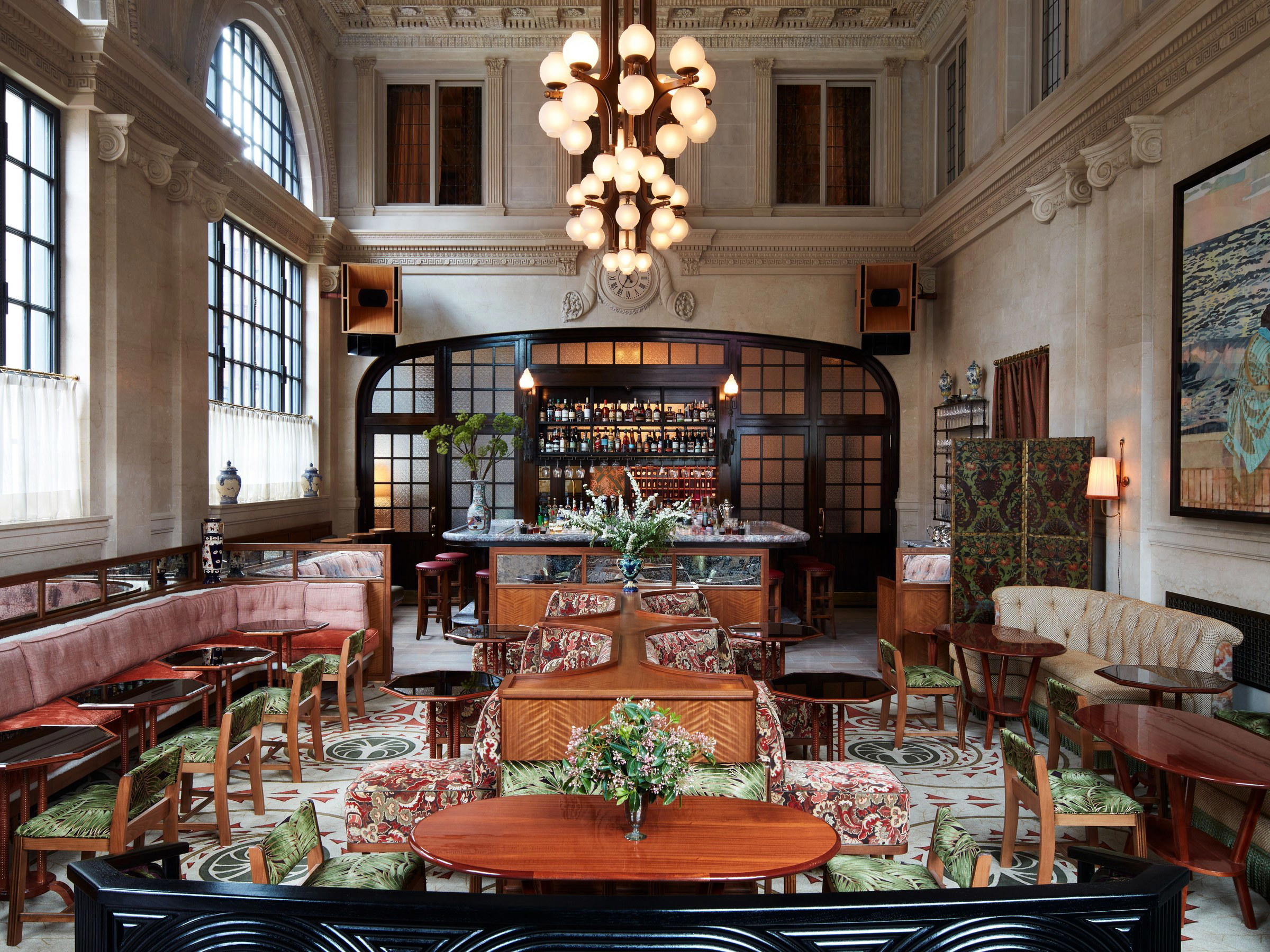





At a Glance
- Cozy
- Casual
- Trendy
- Brunch
- Casual Hangout
- Solo
- Group Dining
- After Work
- Standalone
- Open Kitchen
- Craft Cocktails
- Beer Program
- Local Sourcing
Current opening hours
- Monday
- 9 AM–11 PM
- Tuesday
- 9 AM–11 PM
- Wednesday
- 9 AM–11 PM
- Thursday
- 9 AM–11 PM
- Friday
- 9 AM–11 PM
- Saturday
- 9 AM–11 PM
- Sunday
- 9 AM–11 PM
Hours can change for holidays and private events. Last verified .
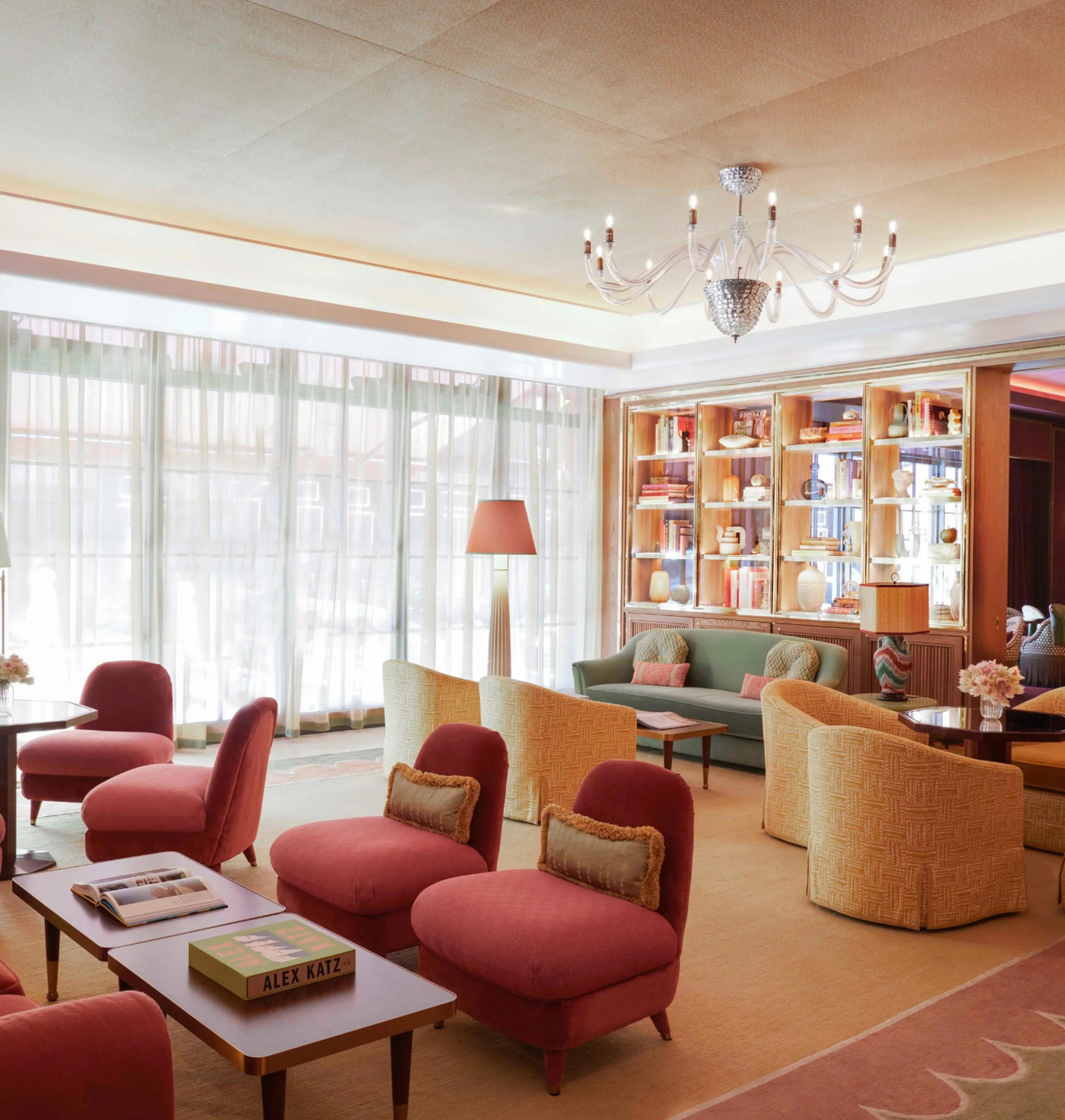
Warm, welcoming, and relaxed with a beachy Australian aesthetic blended with NYC energy; cozy interior and outside eating area ideal for casual dining.