Biohotel Mohren
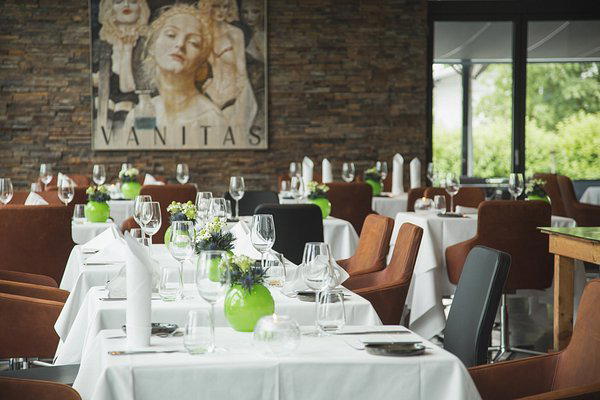
Biohotel Mohren serves organic German cooking at Kirchgasse 1 in Deggenhausertal, with mountain views and an organic, local-sourcing focus.
Pearl is the En Primeur Club membership app — saves, bookings, and concierge access live there. Same editors, same standards.
- Address
- Kirchgasse 1, 88693 Deggenhausertal, Germany
- Phone
- +494975559300
- Website
- mohren.bio
- Directions
- Get directions
 Saves & bookings on Pearl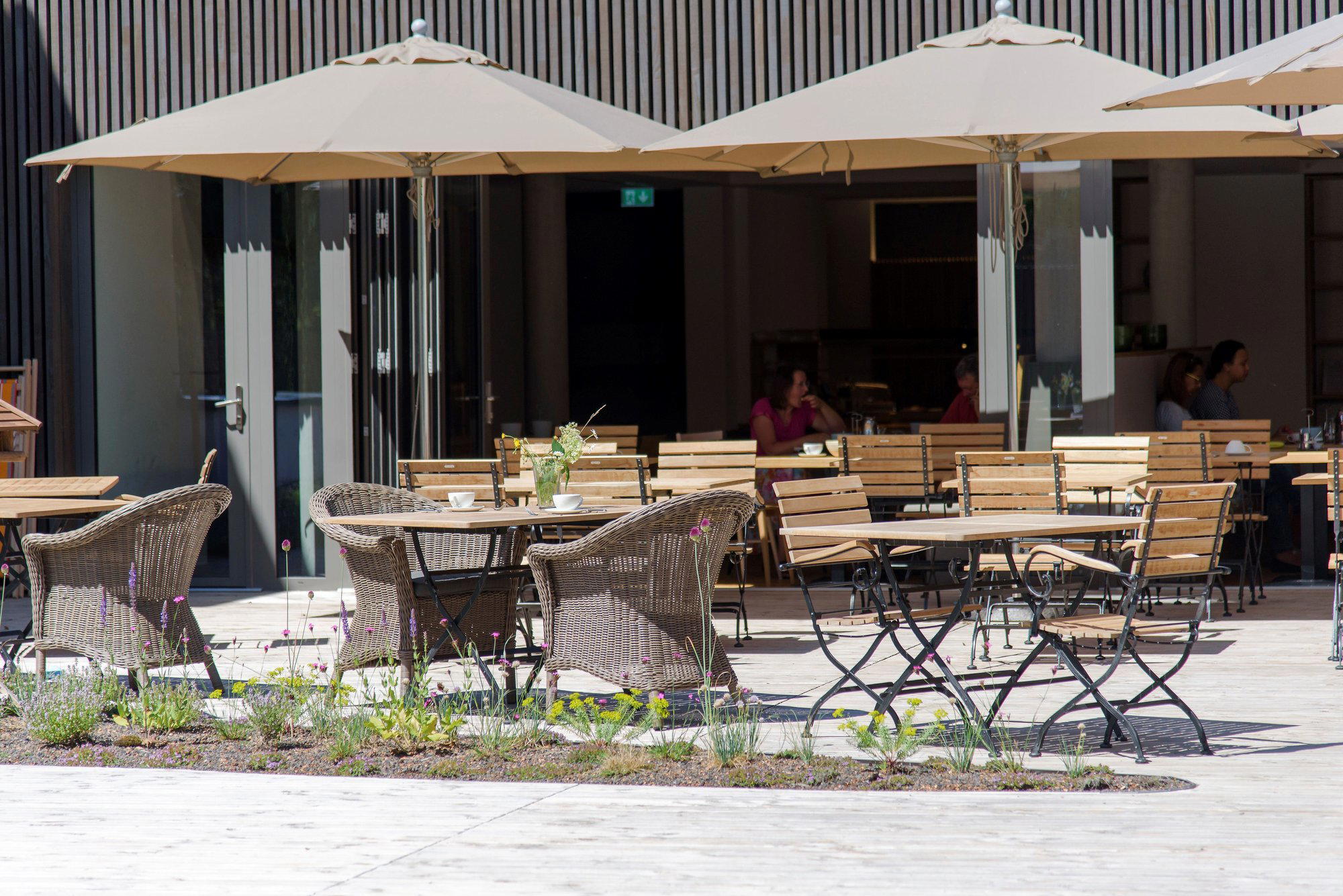
Where the Lake District Meets Organic Agriculture
The countryside around Deggenhausertal sits in the Bodensee hinterland, a stretch of Upper Swabia where apple orchards and dairy farms occupy the same gentle hills that slope toward Lake Constance. This is agricultural country in a literal sense: the land produces food, and the region's identity has long been tied to what grows and grazes here. It is in this context that Biohotel Mohren, at Kirchgasse 1 in the village centre, positions itself within a European hospitality tradition that treats certified organic sourcing not as a marketing point but as a structural commitment embedded in the building's operation.
The village of Deggenhausertal is itself a federation of small hamlets rather than a conventional town, and arriving at the Mohren reinforces a sense of deep rural remove. The physical approach is through a range of farms and hedgerows rather than resort infrastructure, which sets an immediate expectation about the register of the experience on offer. Properties operating under the Biohotel certification standard occupy a distinct niche within German hospitality, one that intersects with the broader shift toward provenance-led travel across Central Europe.
Sourcing as Architecture
Germany's organic hotel category has matured into a more integrated approach where sustainable sourcing and considered cooking occupy the same frame. At properties operating under certified organic standards in agricultural regions like the Bodensee, the supply chain is typically short by design: local farms, seasonal calendars, and minimal processing sit at the centre of the kitchen's logic rather than at its edges. This contrasts with the approach at urban fine-dining houses, where sourcing transparency functions more as narrative than constraint. Compare the latitude available to a kitchen at, say, Aqua in Wolfsburg or Vendôme in Bergisch Gladbach, both operating in the €€€€ bracket with global supply access, against a certified biohotel in an agricultural valley, where the calendar and the certificate govern the shopping list.
Bodensee region itself produces a wide range of ingredients: Apfel (apple) varieties from the Bodensee-Obstregion, freshwater fish from the lake, dairy from the surrounding valleys, and soft fruit through summer. A kitchen embedded in this geography, working within organic certification, draws on a pantry that changes meaningfully by month rather than by season in the broad sense. That operational constraint tends to produce menus with genuine regional character, as distinct from the European-regional aesthetic that large resort hotels adopt as style without the underlying supply logic.
For travellers accustomed to the tasting-menu format at destination restaurants across Germany, Schwarzwaldstube in Baiersbronn, Schanz in Piesport, or Waldhotel Sonnora in Dreis, a certified biohotel represents a different proposition. The ambition here is not culinary acrobatics but coherence between place and plate, between the certification framework governing the building and the food served inside it. That coherence has its own integrity, one that sits closer to the agriturismo tradition of northern Italy than to the Michelin ecosystem.
The Bodensee Hinterland as a Dining Region
Upper Swabia and the Lake Constance fringe do not carry the same culinary reputation as Baden's southern corridor or the Moselle valley, but the agricultural density of the area supports serious ingredient culture. The lake itself has a fishing tradition that dates back centuries, and the fruit-growing belt around the Bodensee is one of Germany's most productive horticultural zones. Hotels and restaurants drawing on this infrastructure can build menus with strong local identity without the artifice of importing regionality from elsewhere.
That said, the area is not well-served by high-profile fine dining relative to its agricultural wealth. Travellers looking for Michelin-recognised cooking within reasonable distance tend to look southwest toward Ösch Noir in Donaueschingen or further afield to ES:SENZ in Grassau in Bavaria. Within Deggenhausertal itself, the draw is of a different order: it is about the density and quality of what the land produces, not about accumulated critical recognition. For travellers calibrated to the latter,
Planning a Stay
Biohotel Mohren is located at Kirchgasse 1 in central Deggenhausertal, a village best reached by car from Überlingen or Friedrichshafen, both of which have rail connections. The Bodensee region draws visitors most heavily in summer, when the lake and the cycling routes are at their most accessible, and again in autumn during apple harvest, when the agricultural character of the valley is most apparent. Spring arrivals benefit from lighter occupancy and the beginning of the local growing season.
Travellers comparing this type of stay against urban alternatives should note the register difference clearly: this is not a city-hotel experience transported to the countryside. The appeal is proximity to the agricultural systems that underpin the stay, the certified supply chain, the valley setting, the seasonal calendar, rather than the amenity density of a resort. Those looking for the latter alongside fine dining should consider properties like JAN in Munich or, for international reference, Lazy Bear in San Francisco. Germany's broader certified organic hotel sector also overlaps with the philosophy visible at destination dining addresses like Jante in Hanover or CODA Dessert Dining in Berlin.
How It Stacks Up
Comparable venues nearby, for context on price, style, and recognition.
| Venue | Cuisine | Price | Notes |
|---|---|---|---|
| Biohotel MohrenThis venue — the venue you are viewing | Organic German | $$$ | Not listed |
| Traube am See | Refined German with Regional and International Influences | $$$ | Fischbach |
| Linde Post | Swabian German | $$$ | Zimmern ob Rottweil |
| InselMühle | Traditional Bavarian with Beer Garden | $$$ | Allach |
| Heimatküche | Traditional Swabian German | $$ | Bechingen |
| Kühners Landhaus | Modern Bavarian Steakhouse | $$$ | Kissing |
Continue exploring
More in Deggenhausertal
Restaurants in Deggenhausertal
Browse all →
Bars in Deggenhausertal
Browse all →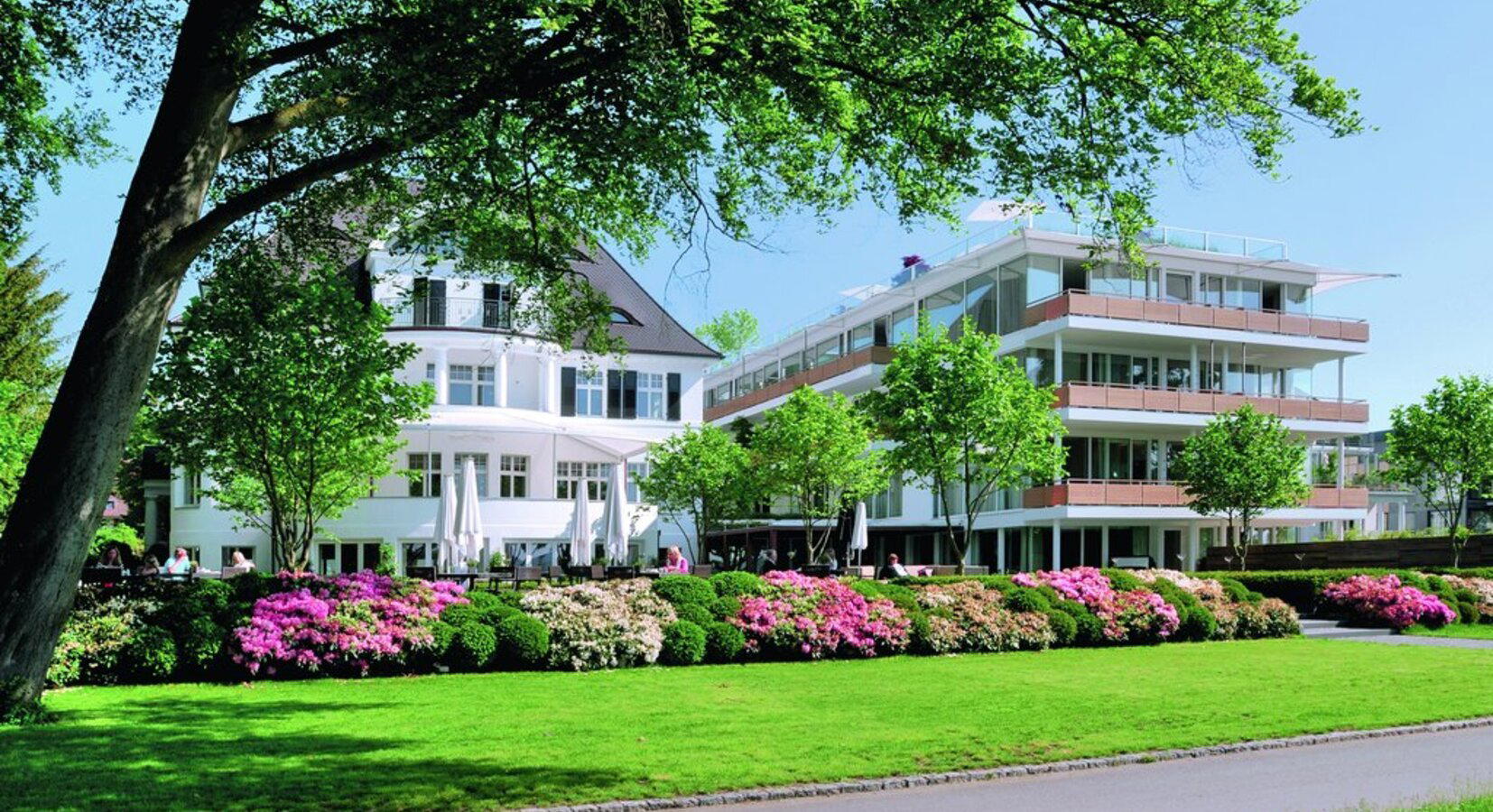

Hotels in Deggenhausertal
Browse all →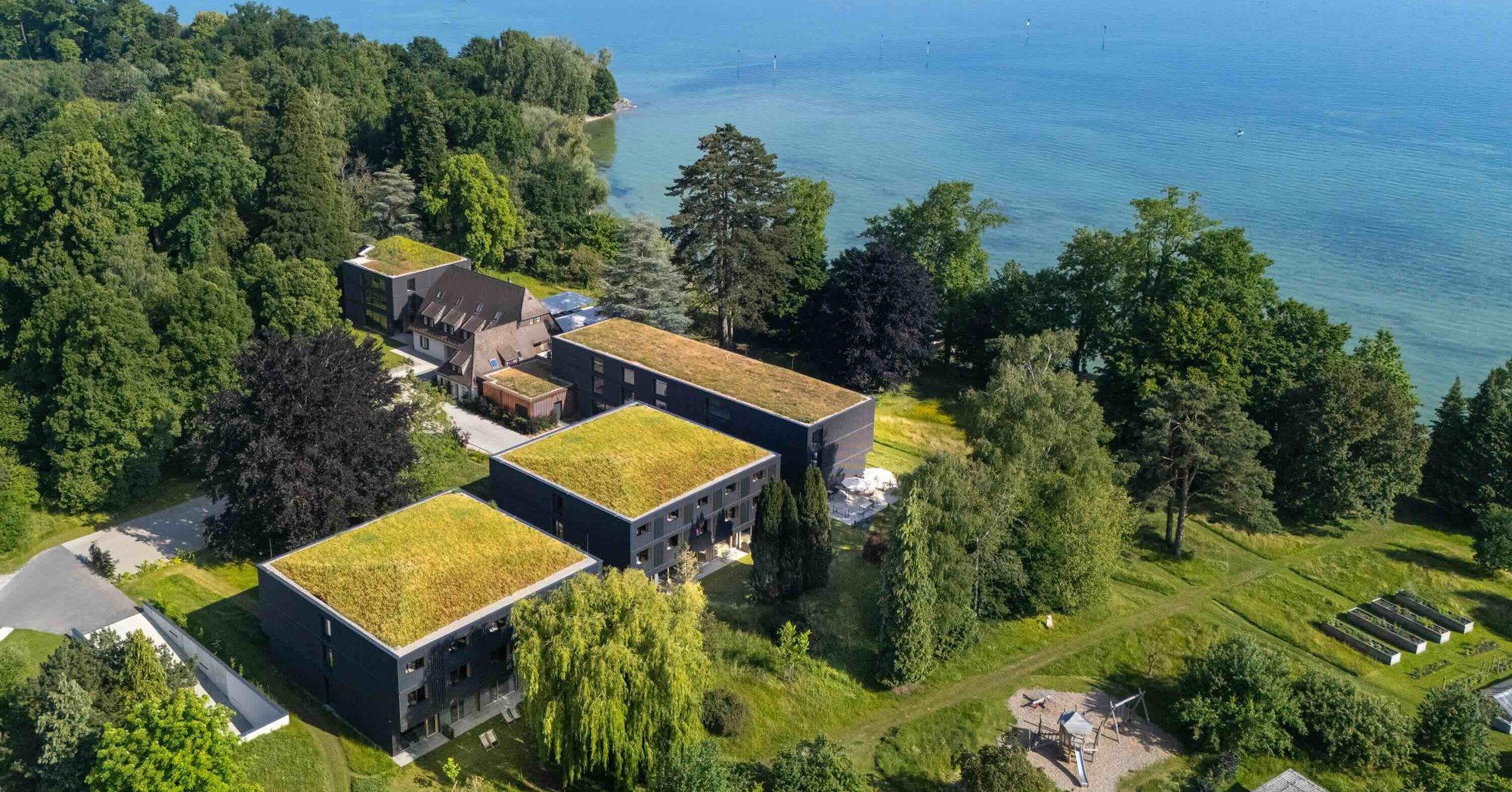

At a Glance
- Cozy
- Quiet
- Scenic
- Rustic
- Special Occasion
- Hotel Restaurant
- Organic
- Local Sourcing
- Mountain
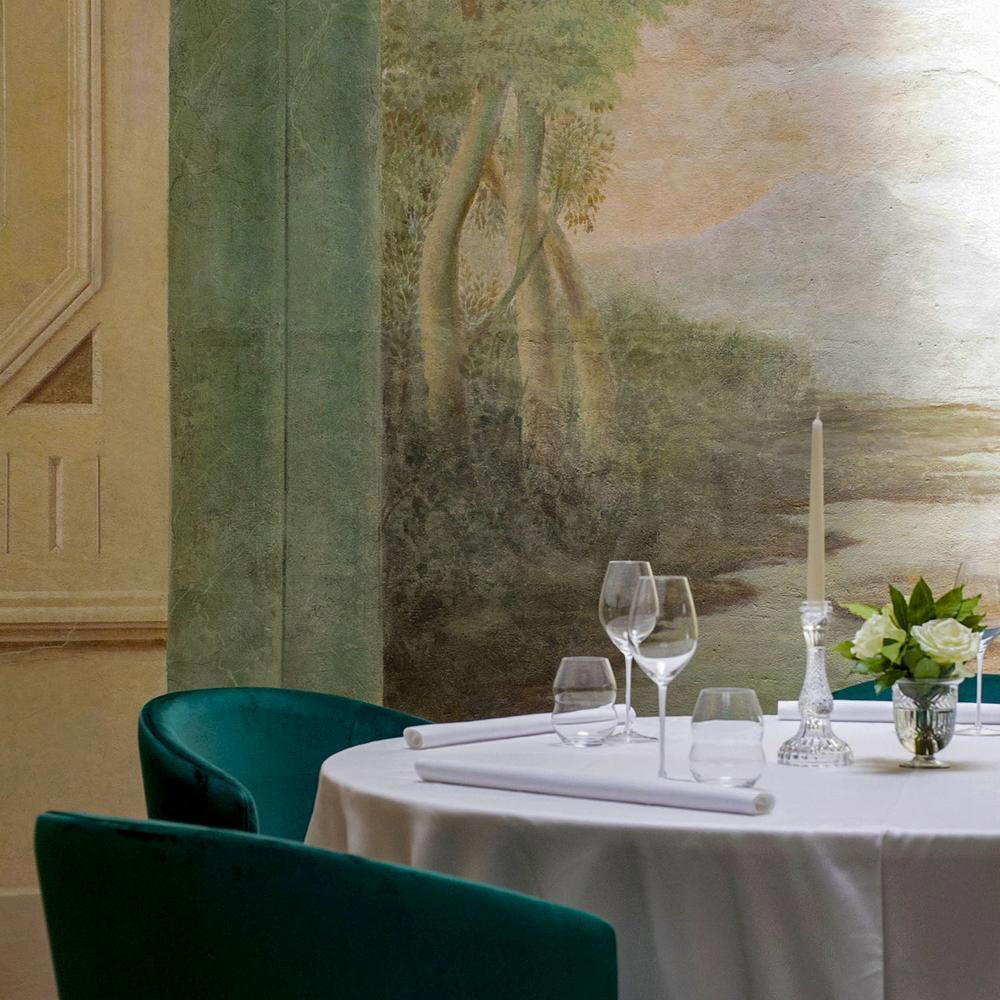
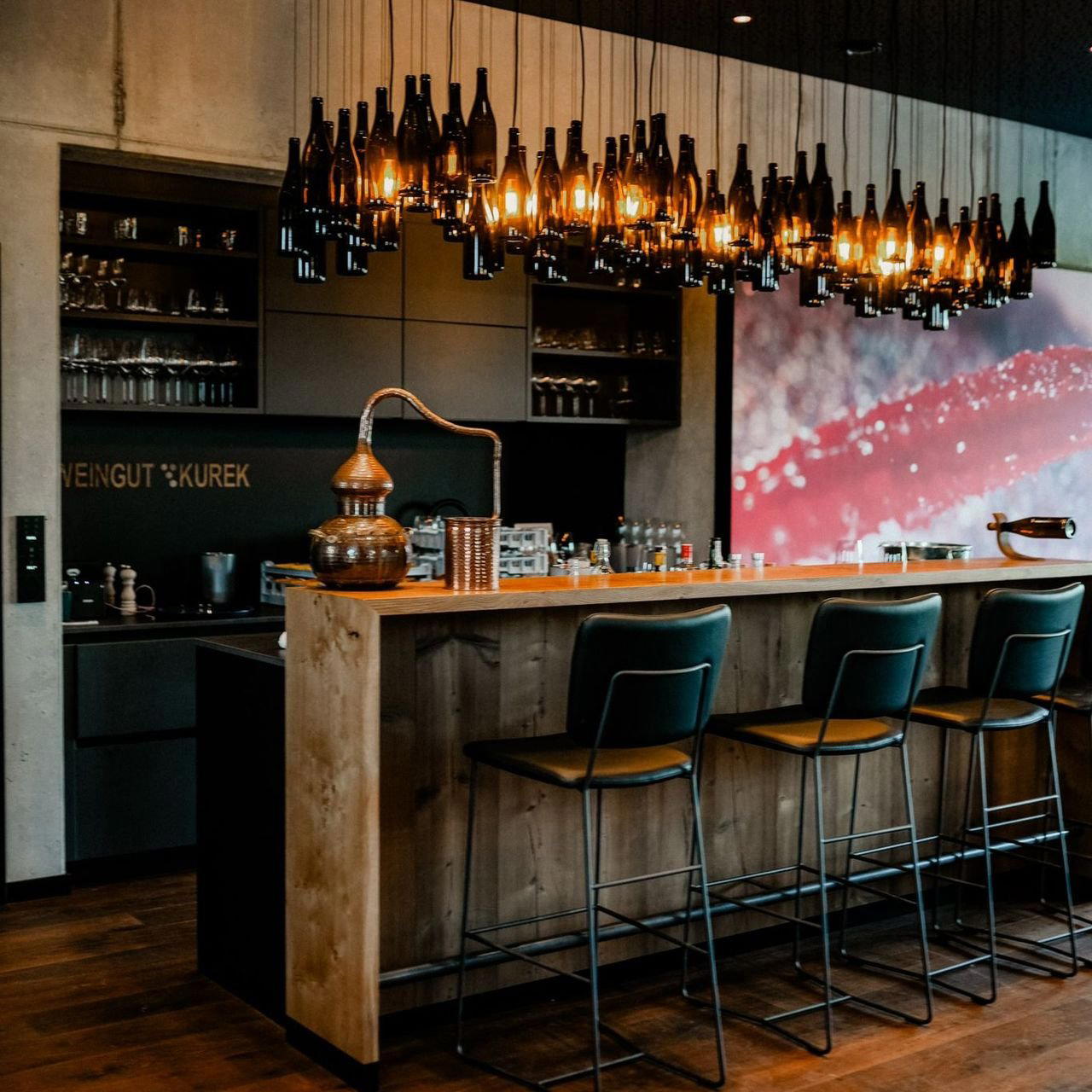
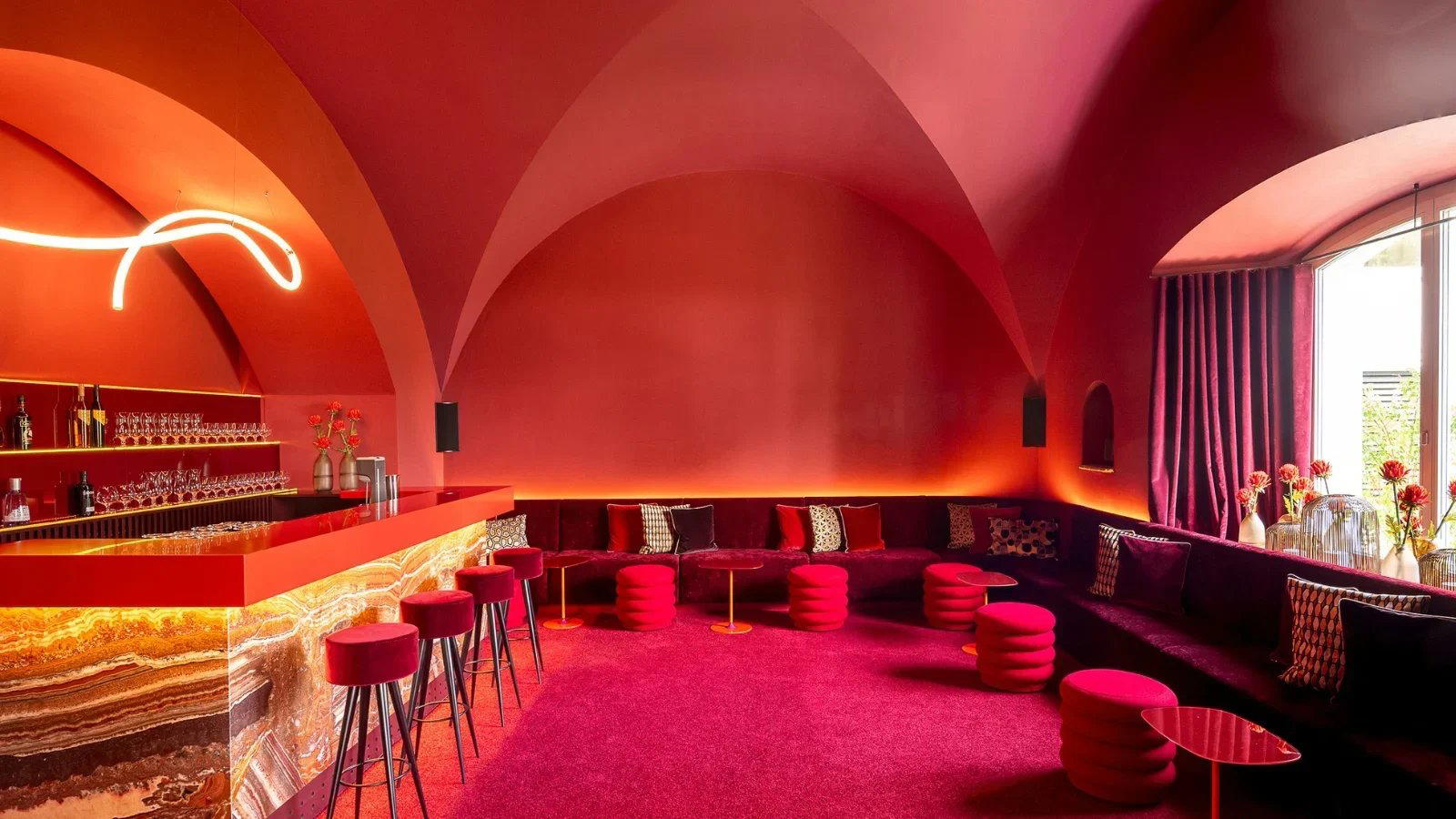
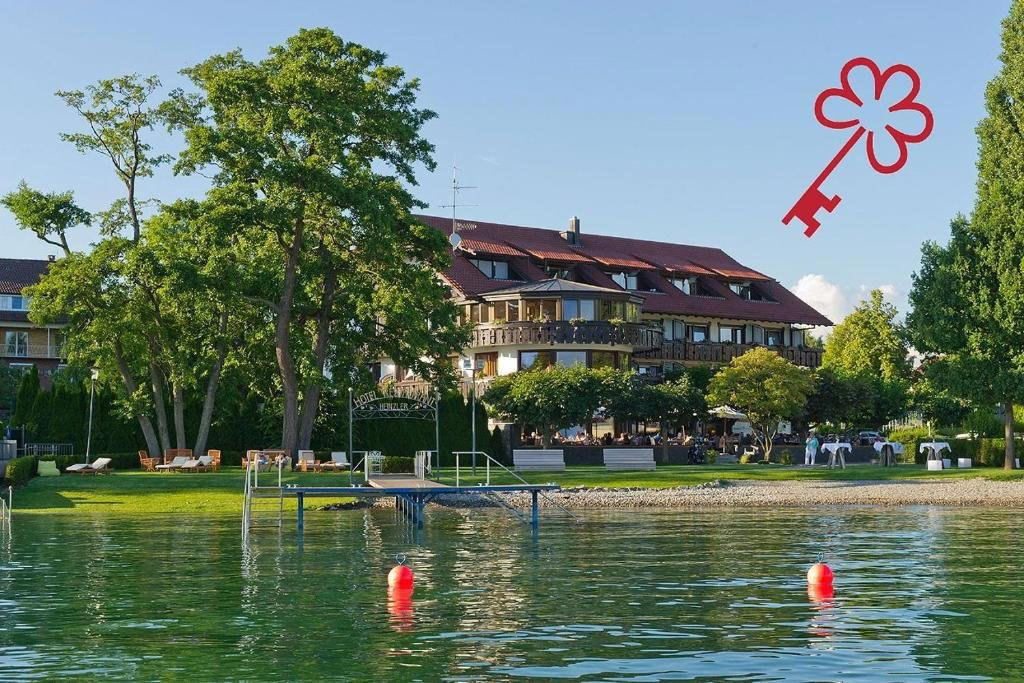
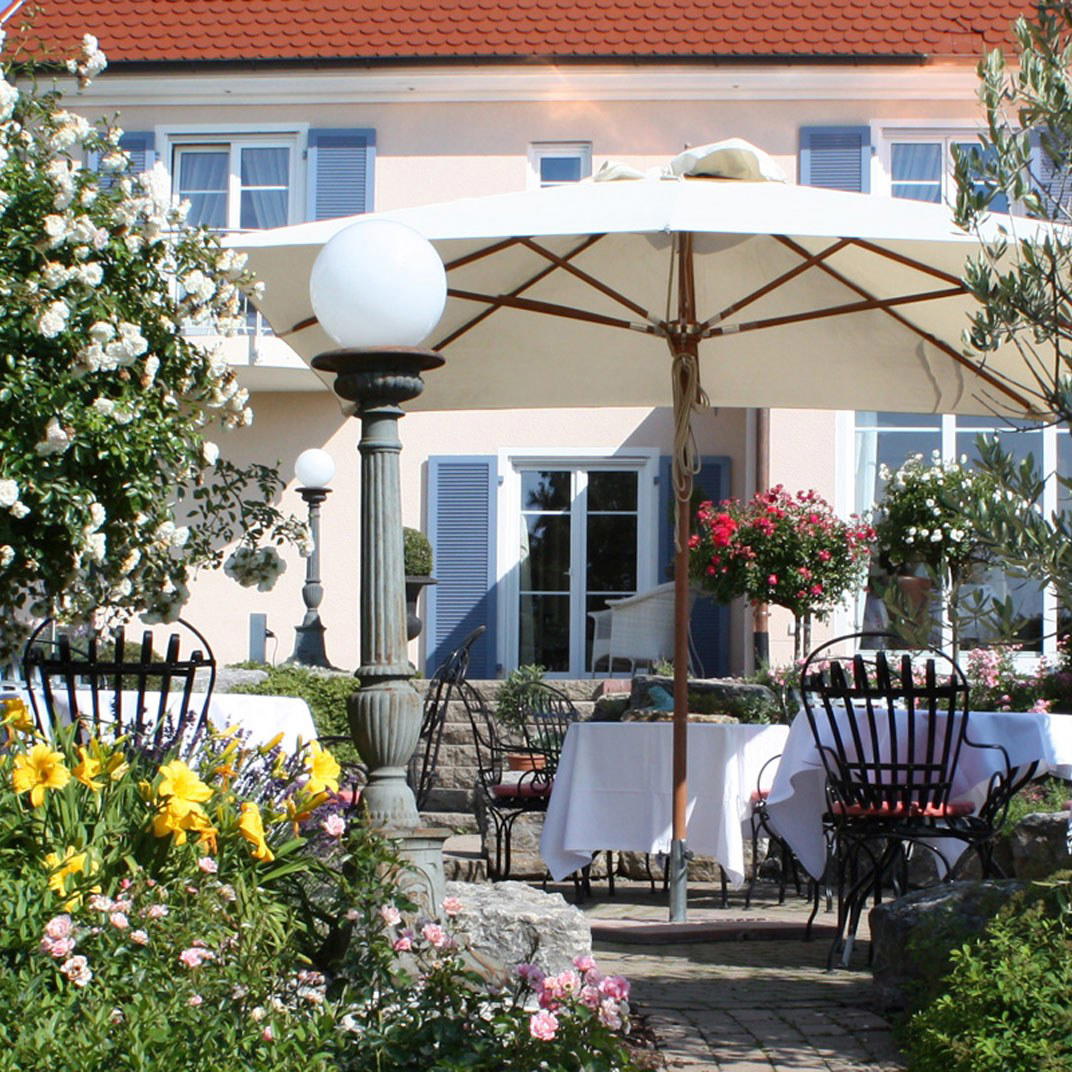
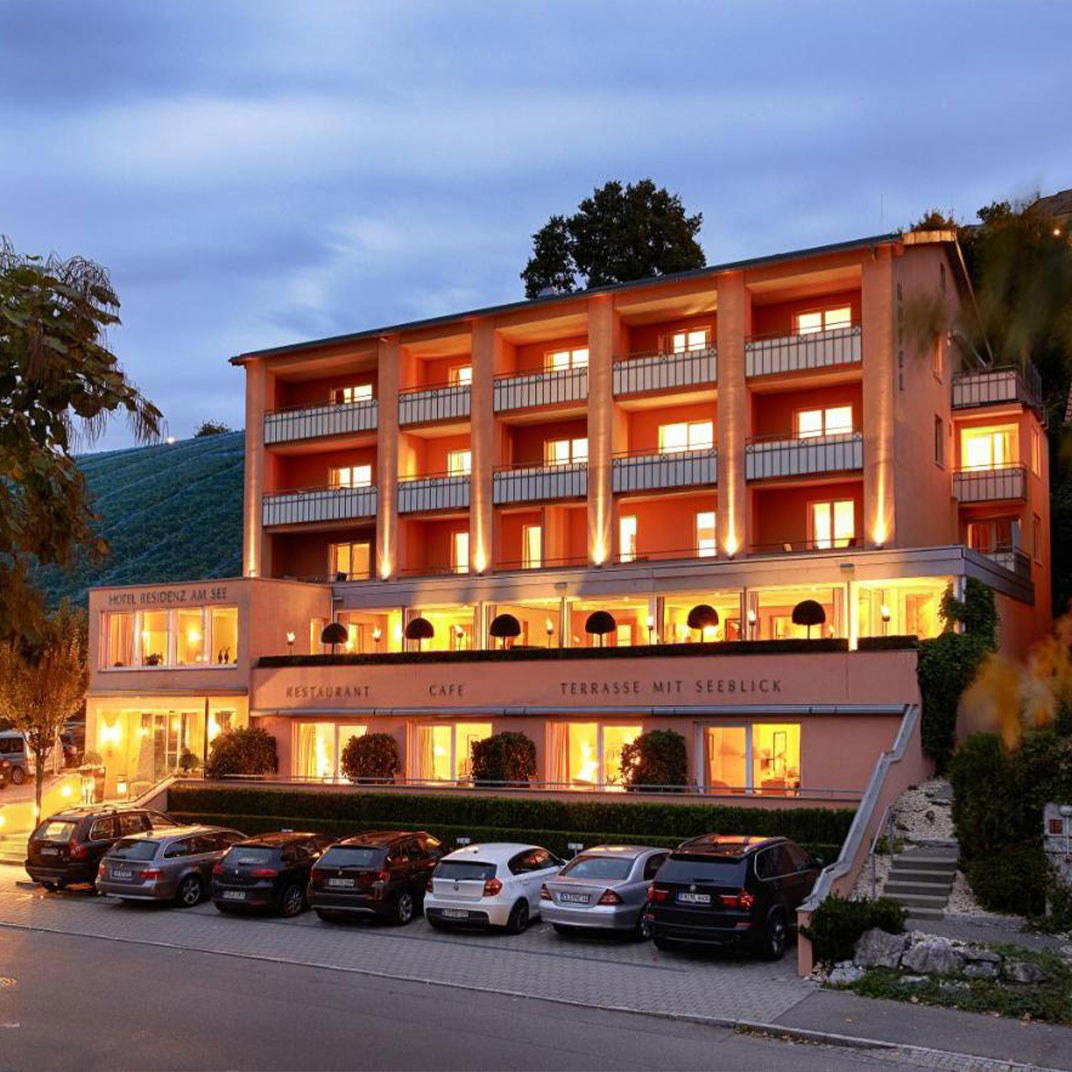
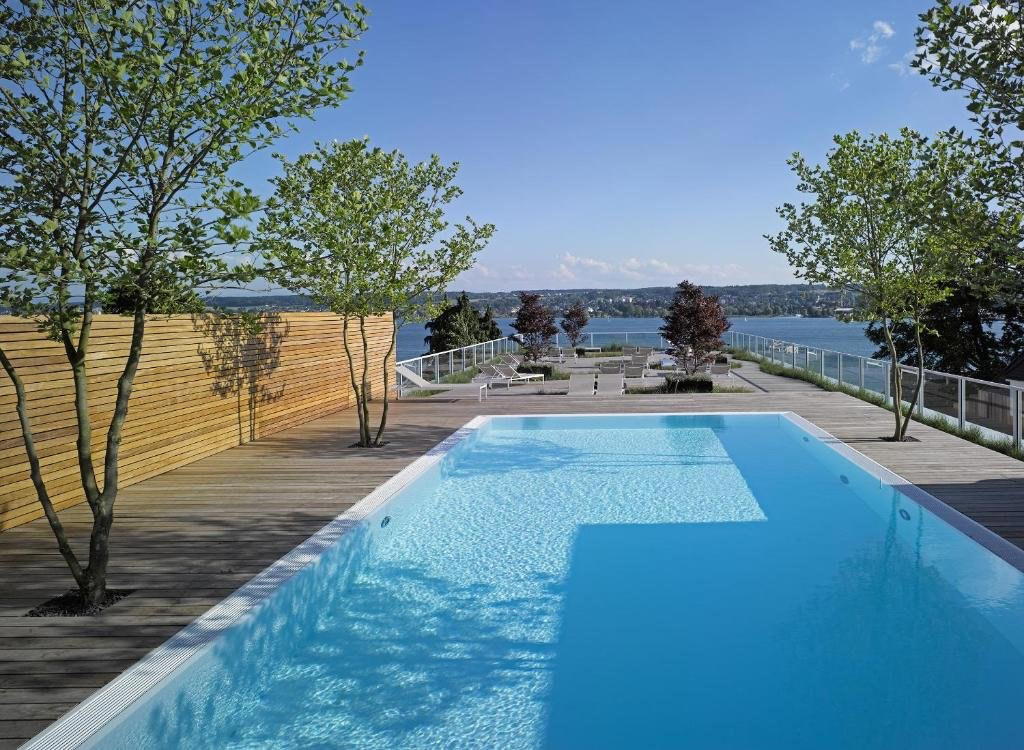
Cozy and quiet with thoughtful design, offering a loving ambience amid nature's peace and greenery views.