Bill Peyto's Cafe sits in the Lake Louise village at 203 Village Rd, serving as a reliable base-camp canteen for one of Canada's most visited alpine destinations. The cafe draws from the broader tradition of mountain-town dining, where hearty, ingredient-driven plates meet a clientele that has spent the day on trails or skis. For travellers moving through the Rockies, it occupies a practical and culturally grounded stop in the Lake Louise dining scene.
Pearl is the En Primeur Club membership app — saves, bookings, and concierge access live there. Same editors, same standards.
- Address
- 203 Village Rd, Lake Louise, AB T0L 1E0, Canada
- Phone
- +1 403 522 2200
- Website
- hihostels.ca
- Directions
- Get directions
 Saves & bookings on Pearl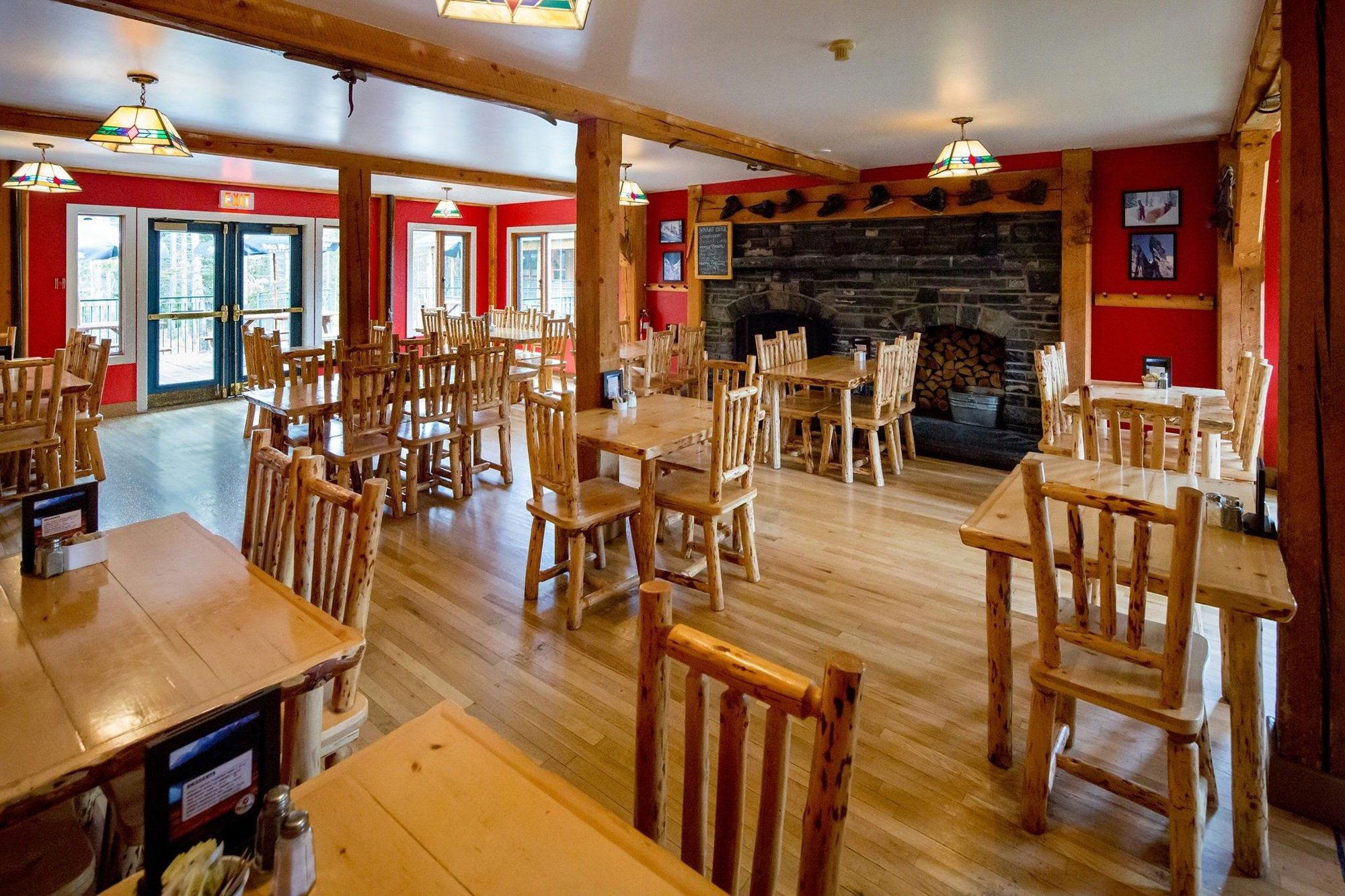
Eating at Altitude: The Mountain Canteen Tradition in Lake Louise
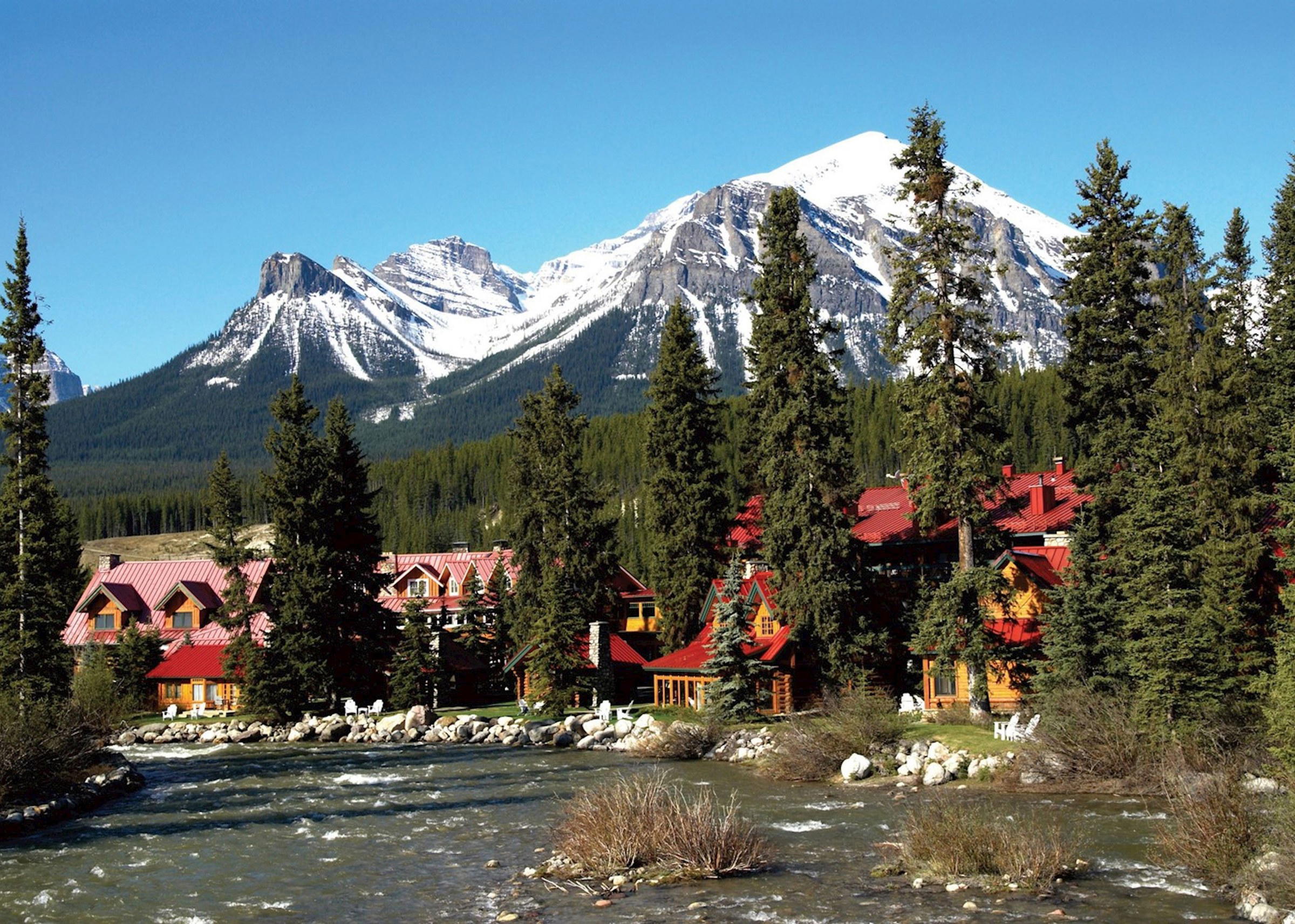
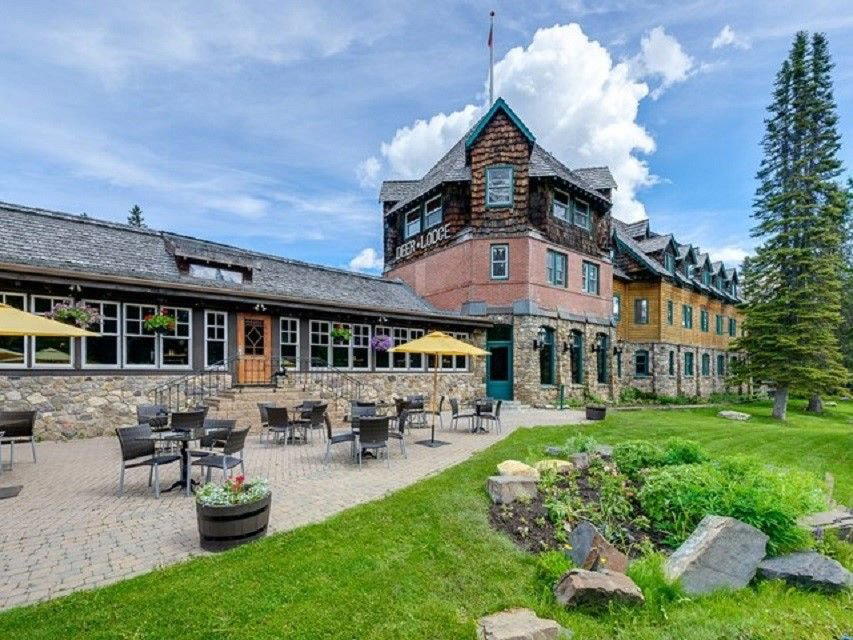
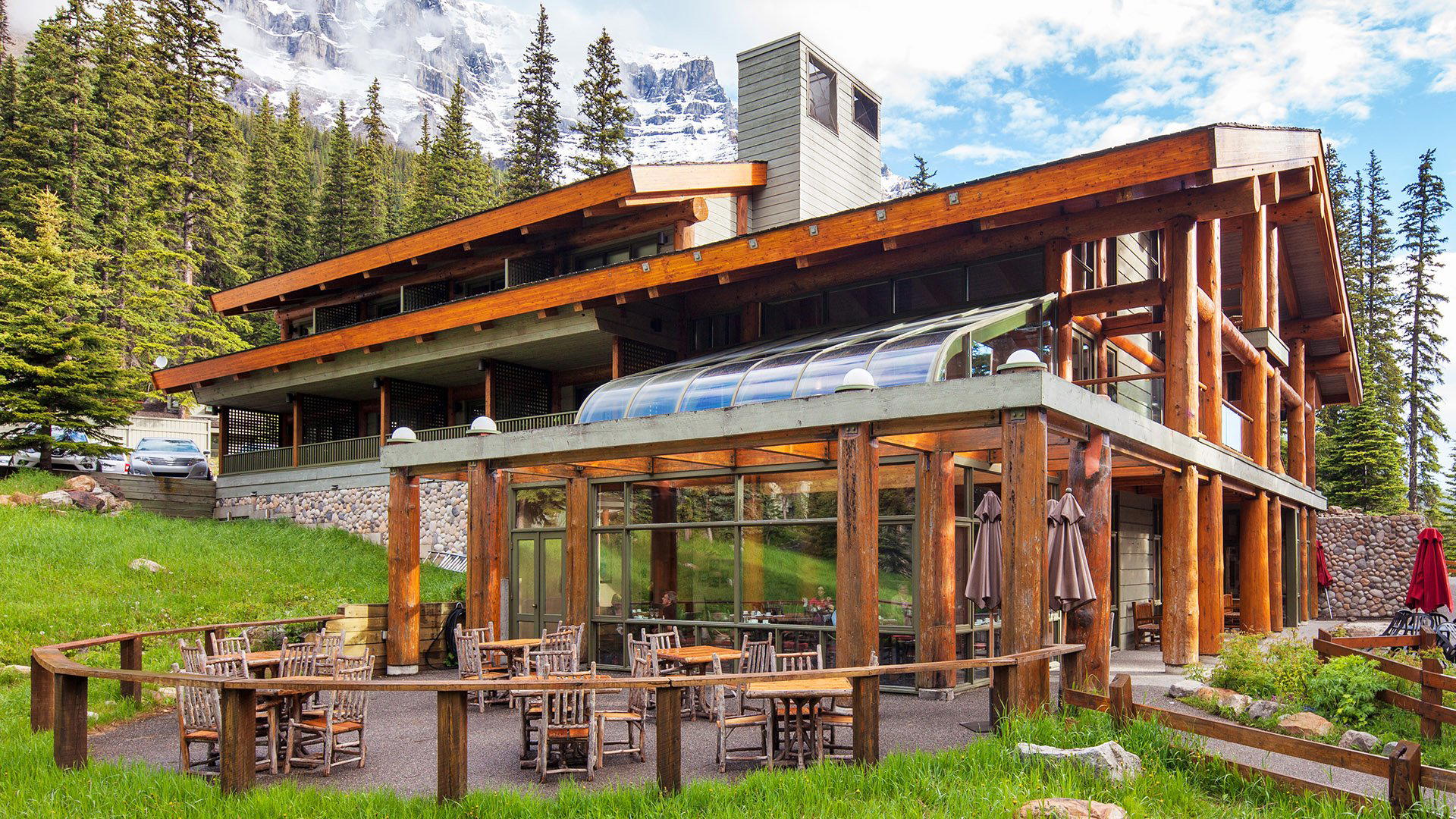
There is a particular type of dining that belongs to high-elevation resort villages, and it has little in common with the destination restaurant formats found at places like Alo in Toronto or Tanière³ in Quebec City. In mountain towns, the dining room answers first to the rhythm of the outdoors: early starts, long days on trail or snow, and an appetite that arrives blunt and non-negotiable. Bill Peyto's Cafe is a restaurant serving Canadian Comfort Cafe in Lake Louise, Alberta, at 203 Village Rd,494 reviews and a casual, walk-in-friendly setup. It sits within the HI Lake Louise Alpine Centre, the hostel complex that has served as a waypoint for hikers, skiers, and backpackers moving through Banff National Park for decades. The setting shapes everything about what the cafe is and is not.
Lake Louise itself is among the more-visited sites in the Canadian Rockies, drawing visitors year-round to the glacial lake and the surrounding trail network. The village, though, is small, and the dining options within walking distance of the hostel are limited. That concentration of foot traffic, combined with a clientele that skews toward the budget-conscious and the physically active, creates a specific dining context: food needs to be filling, affordable relative to the area's resort pricing, and fast enough to accommodate people catching early shuttles or post-ski buses. Bill Peyto's Cafe has occupied that functional niche for years, making it a reference point for travellers who want something more grounded than the hotel dining rooms commanding resort prices nearby.
Ingredient Sourcing in a National Park Setting
The ingredient question in a place like Lake Louise is not trivial. Banff National Park's regulatory environment means that local foraging and farm-gate sourcing work differently here than they do in, say, the agricultural corridors around Lincoln, Ontario, where Restaurant Pearl Morissette draws directly from surrounding vineyards and farms. The Rockies do not offer the same agricultural density. Kitchens in this region rely on supply chains running through Calgary, roughly two hours east, and the seasonal availability of Alberta-raised proteins, grain-fed beef, and cold-climate produce.
What that means in practice is that a cafe like Bill Peyto's operates at the intersection of logistical pragmatism and regional identity. Alberta beef is a genuine anchor for mountain-town menus across the province, carrying the same geographic weight that Maritime seafood carries at a place like Catch22 Lobster Bar in Moncton or that hyper-local sourcing carries at Fogo Island Inn Dining Room in Newfoundland. The sourcing story in the Rockies is less about proximity to farms and more about the broader Alberta agricultural identity, which gives mountain cafes a regional character even when the supply chain is not farm-gate short.
This is the context in which mountain canteen dining carries its own legitimacy. The format does not aspire to the tasting-menu discipline of Eigensinn Farm in Singhampton or the produce-forward precision of AnnaLena in Vancouver. It answers to a different contract with the diner, one built around sustenance, value, and a sense of place that comes from the landscape outside the window rather than the sourcing notes on the menu.
Where Bill Peyto's Sits in the Lake Louise Dining Scene
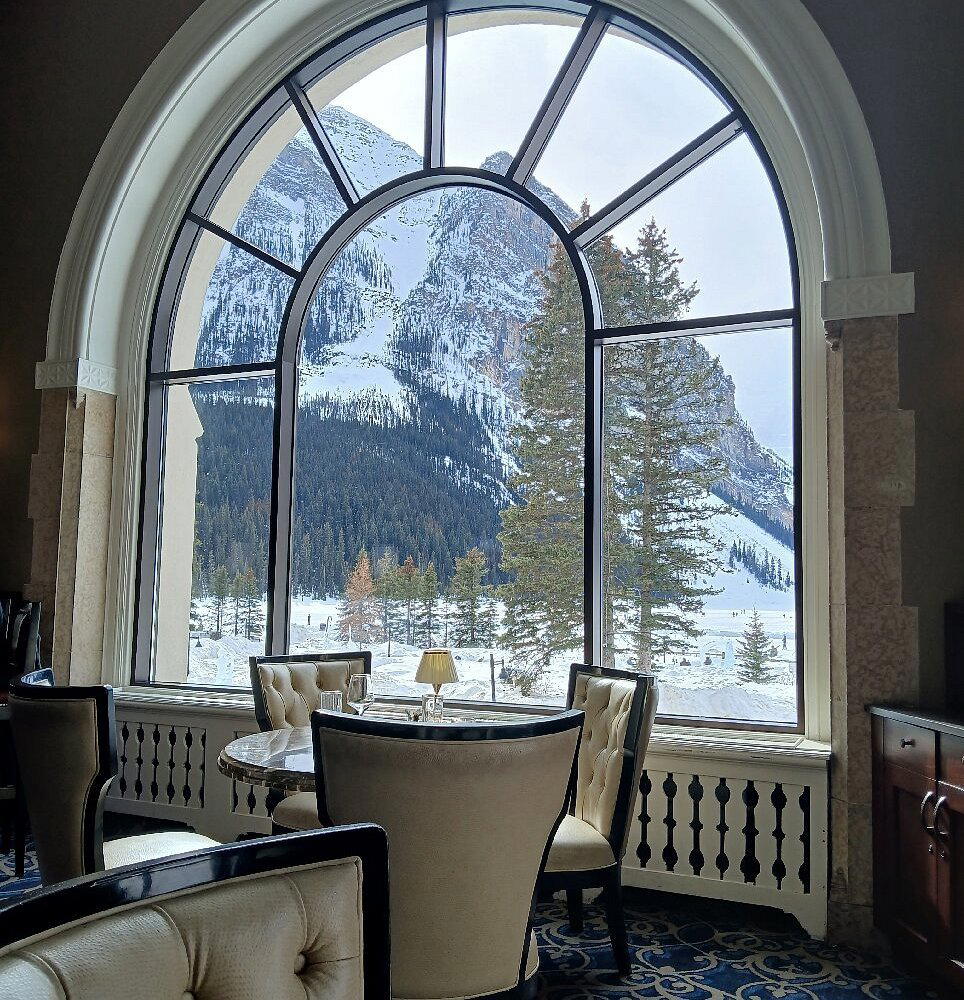
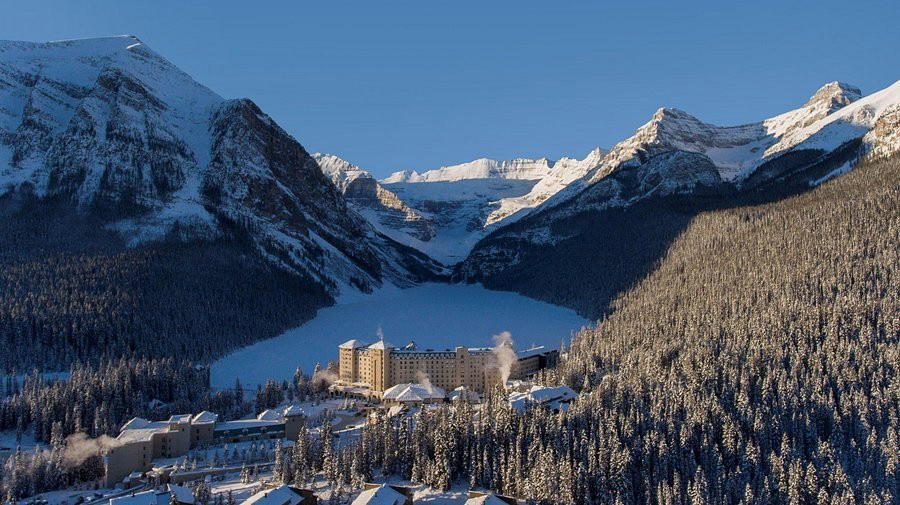
For context, Lake Louise's dining falls into two broad tiers. The upper tier is anchored by the Fairmont Chateau Lake Louise and other resort properties, where dining is priced to match the room rates and the views. The lower tier is thinner: a handful of casual spots in the village serving hikers, hostel guests, and day-trippers. Bill Peyto's Cafe sits firmly in the second category, making it one of the few options in the village that does not require a resort budget.
That positioning matters because Lake Louise attracts a genuinely international visitor base, including travellers who arrive by bus from Banff or Calgary and are spending carefully across the whole Rockies circuit. The cafe's location inside the HI Alpine Centre gives it a captive audience but also a consistent identity: it is the place where people who are here for the landscape, not the luxury, tend to eat. Compared to the community-embedded informality of a place like Charlene's Family Restaurant in Inverness or the regional specificity of Narval in Rimouski, Bill Peyto's operates in a visitor-facing mode, but the clientele's physical engagement with the place, they are here to hike, ski, and move through the landscape, gives it a character that feels earned rather than manufactured.
Planning Your Visit
The restaurant is located at 203 Village Rd, Lake Louise, AB T0L 1E0, within the HI Lake Louise Alpine Centre. Lake Louise village is accessible by car from Banff (approximately 57 kilometres west on the Trans-Canada Highway) and by Roam Transit bus service, which connects Banff and Lake Louise seasonally. For travellers arriving without a car, the bus is the practical option, and the cafe's hostel location makes it an easy on-foot stop from the bus drop-off point in the village. The venue's hours, current menu, and pricing are best confirmed directly through the HI Canada website or the hostel front desk, as mountain-town cafes in this region adjust service seasonally based on visitor volumes and staffing.
Cafe Brio in Victoria, Busters Barbeque in Kenora, or Chafe's Landing Restaurant for regional casual dining comparisons. Those planning trips anchored around high-end destination dining may find the reference points at Le Bernardin in New York City or Lazy Bear in San Francisco more relevant as contrast cases. For a Canadian fine-dining comparison, Jérôme Ferrer - Europea in Montreal represents the opposite end of the formality and price spectrum. Closer to home, Cat's Fish and Chips in Ottawa and The Pine in Creemore each illustrate how regional Canadian dining builds identity from place and product in ways that resonate with what mountain-town cafes attempt at a more utilitarian scale.
In Context: Similar Options
Comparable venues nearby, for context on price, style, and recognition.
| Venue | Cuisine | Price | Notes |
|---|---|---|---|
| Bill Peyto's CafeThis venue — the venue you are viewing | Canadian Comfort Cafe | $$ | Not listed |
| Crave | Contemporary Canadian Grill | $$ | Banff National Park |
| Fleetwood | Modern Canadian Small Plates & Cocktails | $$ | Downtown Commercial Core |
| Flower & Wolf | Modern Canadian Gastro | $$ | Eau Claire |
| Where The Buffalo Roam Saloon | Canadian Gastropub | $$$ | Main Street |
| CRAFT Beer Market Southcentre | Canadian Gastropub | $$ | Willow Park |
At a Glance
- Cozy
- Rustic
- Casual Hangout
- Family
- Brunch
- Beer Program
Current opening hours
- Monday
- 7:30 AM–9:30 PM
- Tuesday
- 7:30 AM–9:30 PM
- Wednesday
- 7:30 AM–9:30 PM
- Thursday
- 7:30 AM–9:30 PM
- Friday
- 7:30 AM–9:30 PM
- Saturday
- 7:30 AM–9:30 PM
- Sunday
- 7:30 AM–9:30 PM
Hours can change for holidays and private events. Last verified .
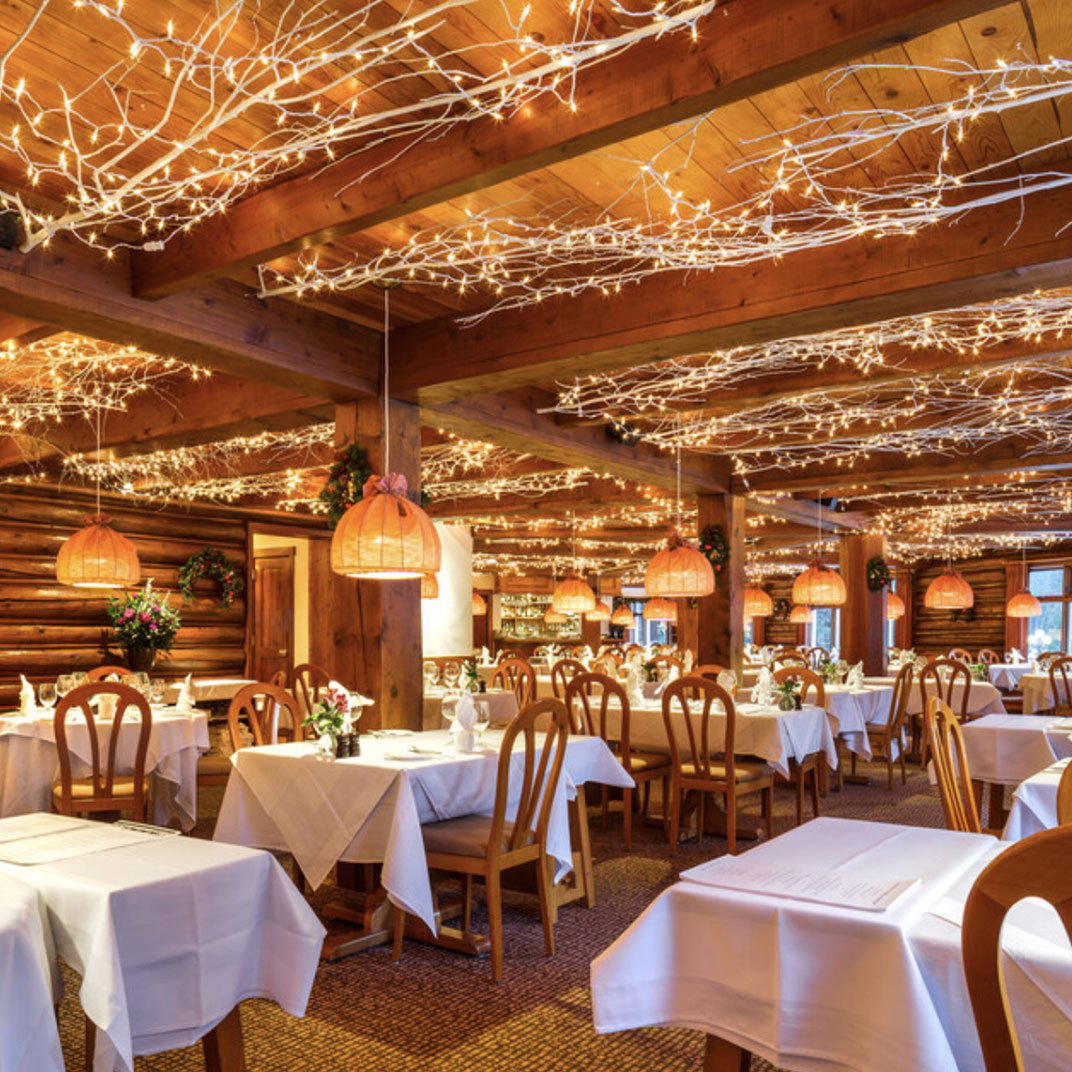
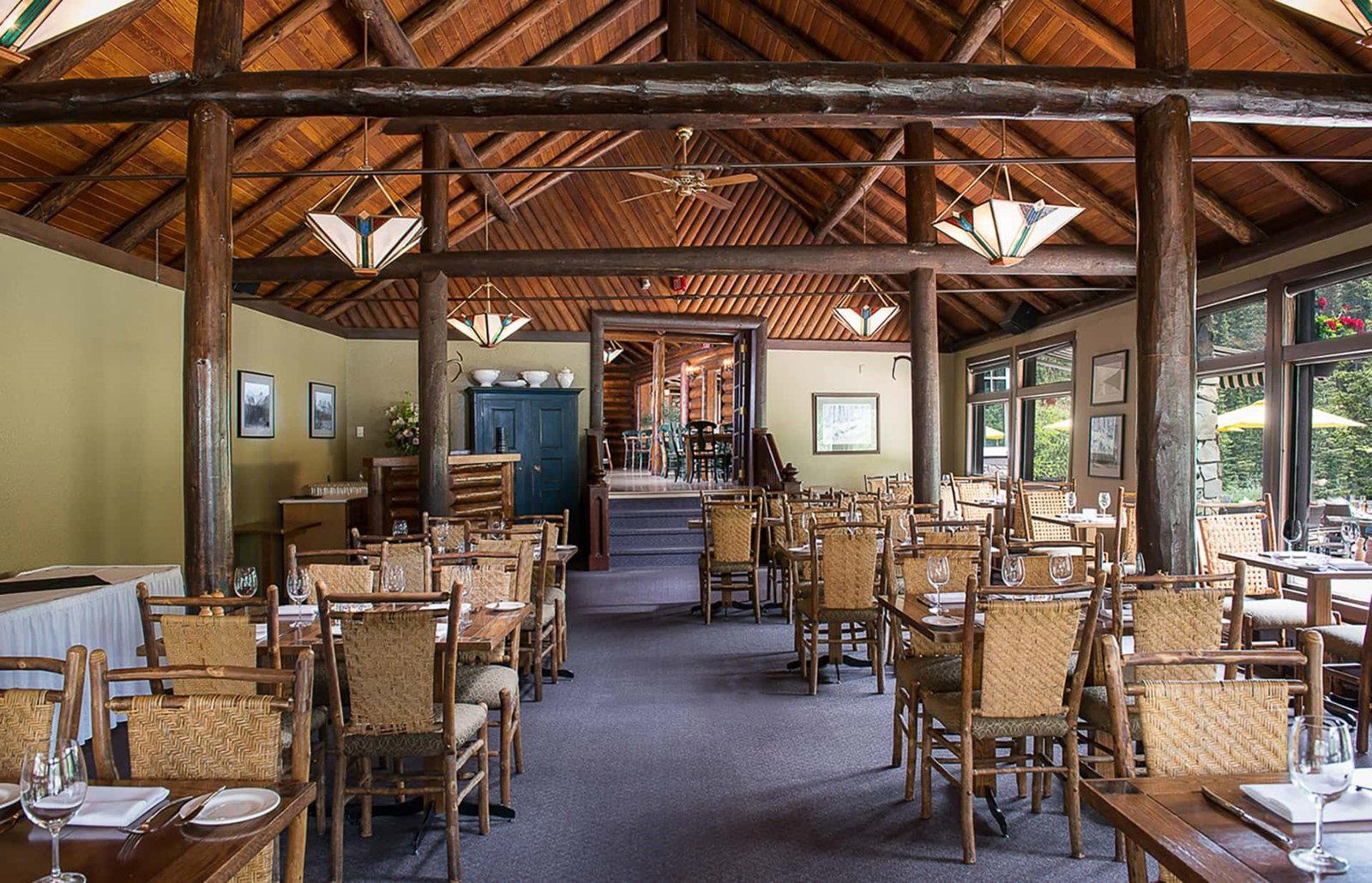
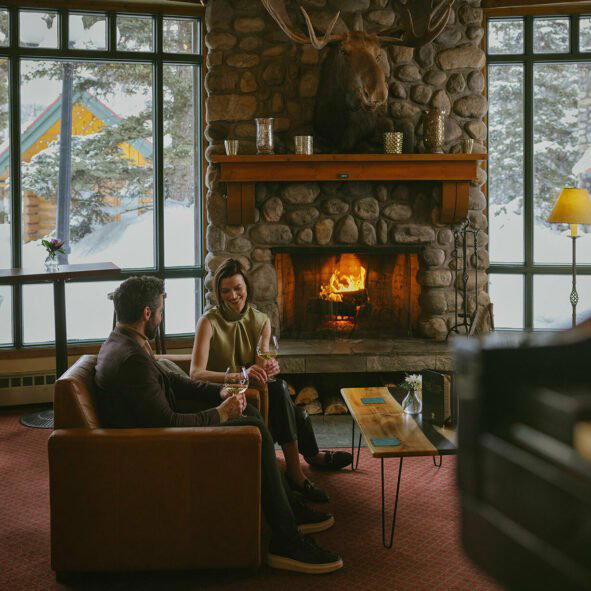
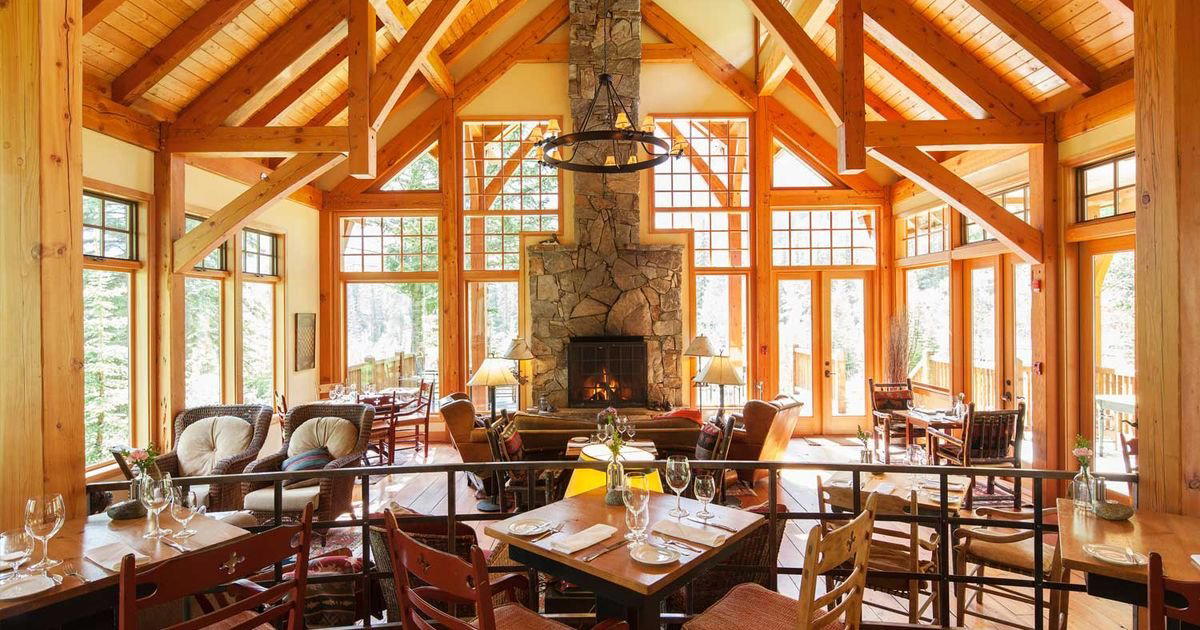
Warm, inviting, and relaxed come-as-you-are atmosphere with mountain hospitality.