Deer Lodge sits at 109 Lake Louise Drive, a century-old timber property that occupies a quieter position in the Lake Louise accommodation tier than its larger neighbours. The lodge-style architecture, hewn log construction, and proximity to the lakeshore place it within a tradition of Canadian mountain hospitality that predates the modern resort era. For travellers who find the Fairmont Chateau Lake Louise too large, this is the more contained alternative.

Pearl is the En Primeur Club membership app, where members save venues, book tables and use the concierge.
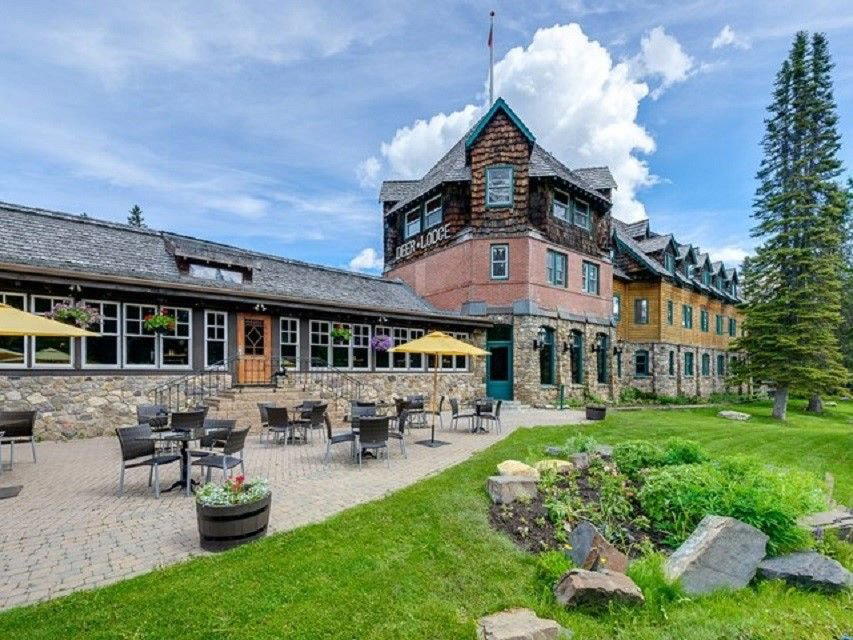
Stone, Timber, and the Logic of the Mountain Lodge
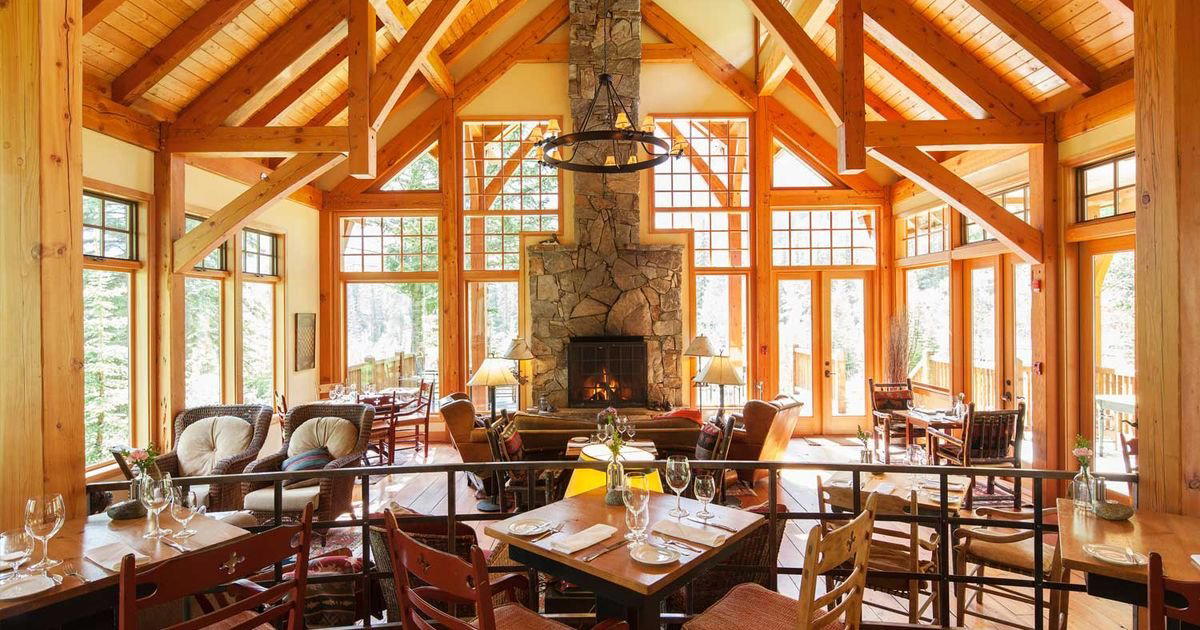
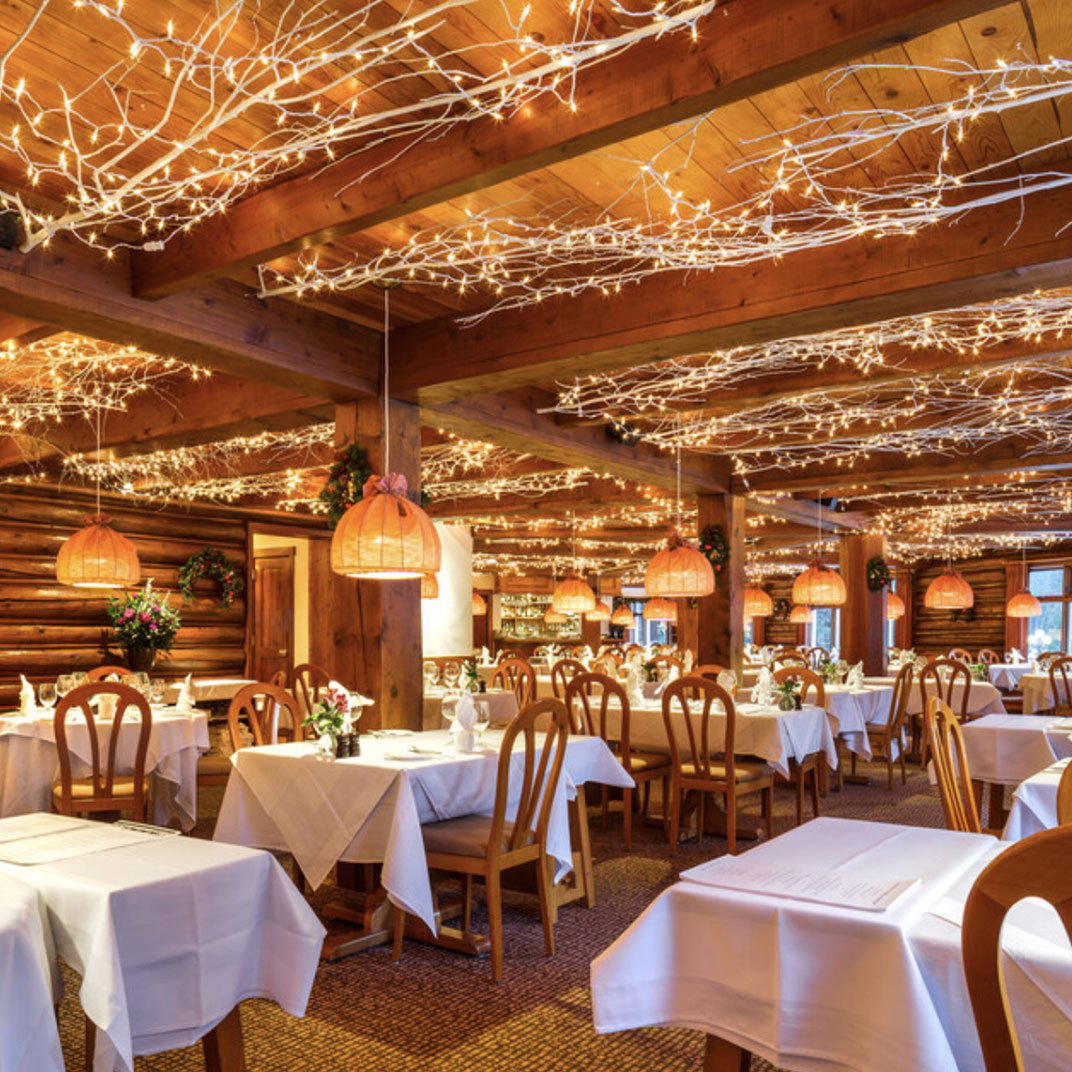
Lake Louise has two dominant hospitality registers. The first is grand railway-hotel scale: vast stone facades, hundreds of rooms, and a civic self-importance that dates to the Canadian Pacific Railway's ambition to anchor tourism in the Rockies. The second is the older, quieter tradition of the mountain lodge, where the architecture defers to the landscape rather than competing with it. Deer Lodge, at 109 Lake Louise Drive, belongs to the second category. Its hewn-log and heavy-timber construction recalls the early twentieth century approach to wilderness hospitality, when the priority was shelter and access rather than spectacle. In a corridor where the Fairmont Chateau Lake Louise dominates the skyline, Deer Lodge reads as the counterargument: smaller in footprint, older in character, and deliberately unmonumental.
That distinction matters because Lake Louise sits within the broader Banff National Park accommodation market, where options range from the baronial scale of the Fairmont Banff Springs in Banff to more contained properties at various price tiers. The lodge format, with its emphasis on communal hearth spaces and structural honesty, occupies a specific niche inside that spectrum. Travellers who have stayed at properties like Moraine Lake Lodge will recognise the design logic immediately: wood that shows its grain, ceilings that reveal structure, and a deliberate absence of the polished-marble neutrality that defines international hotel brands.
What the Architecture Communicates
The heavy-timber vernacular of properties like Deer Lodge belongs to a Canadian mountain building tradition that draws from both Arts and Crafts influence and practical necessity. Logs were local, abundant, and thermally effective. The aesthetic that emerged from those constraints has since become its own idiom, one that signals authenticity in the mountain hospitality market in roughly the same way that stone and slate do in Scottish Highland properties. When a traveller chooses this type of property over a full-service resort, they are partly choosing a physical argument: that the building should feel like an extension of the forest edge rather than an imposition on it.
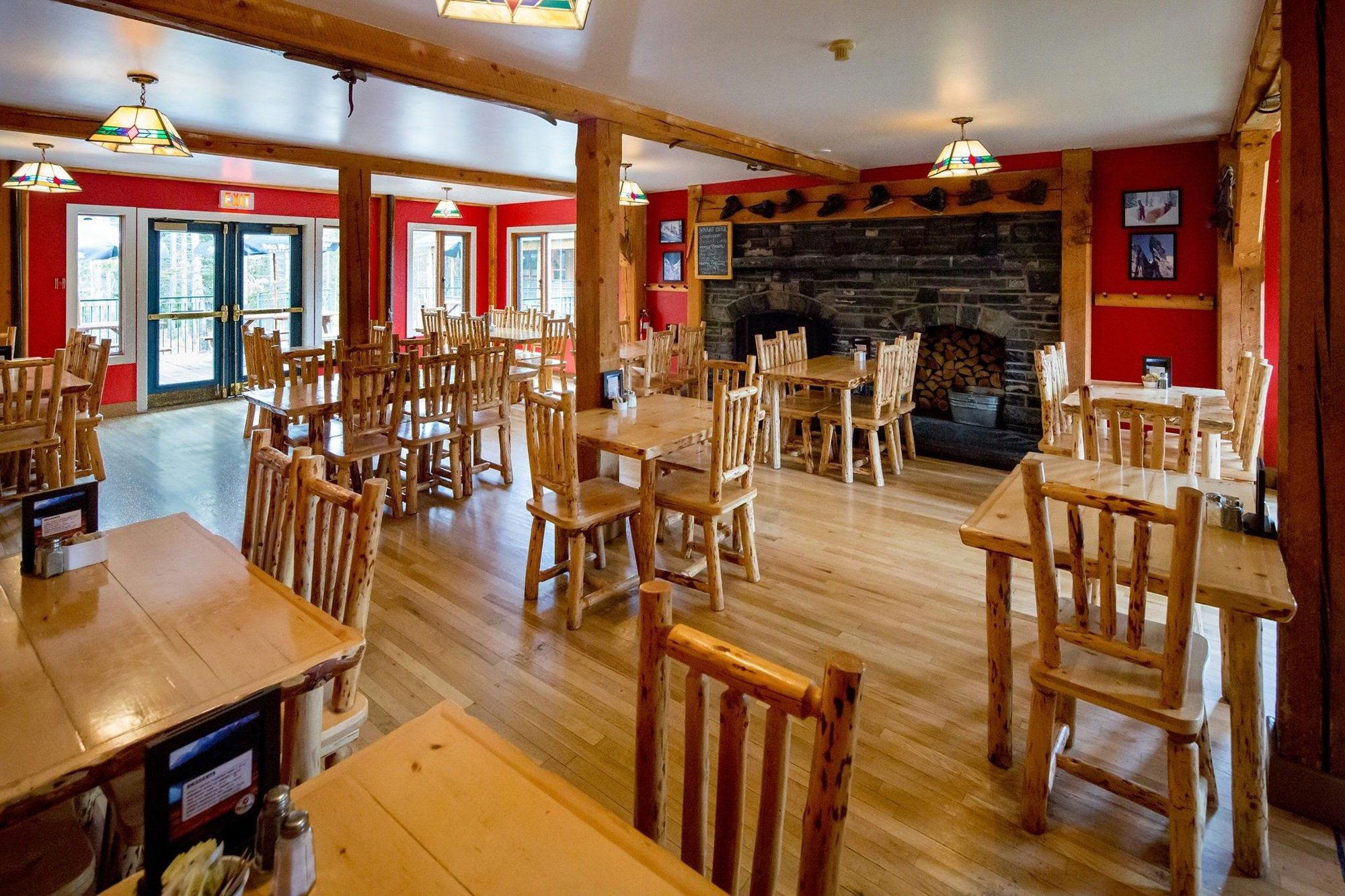
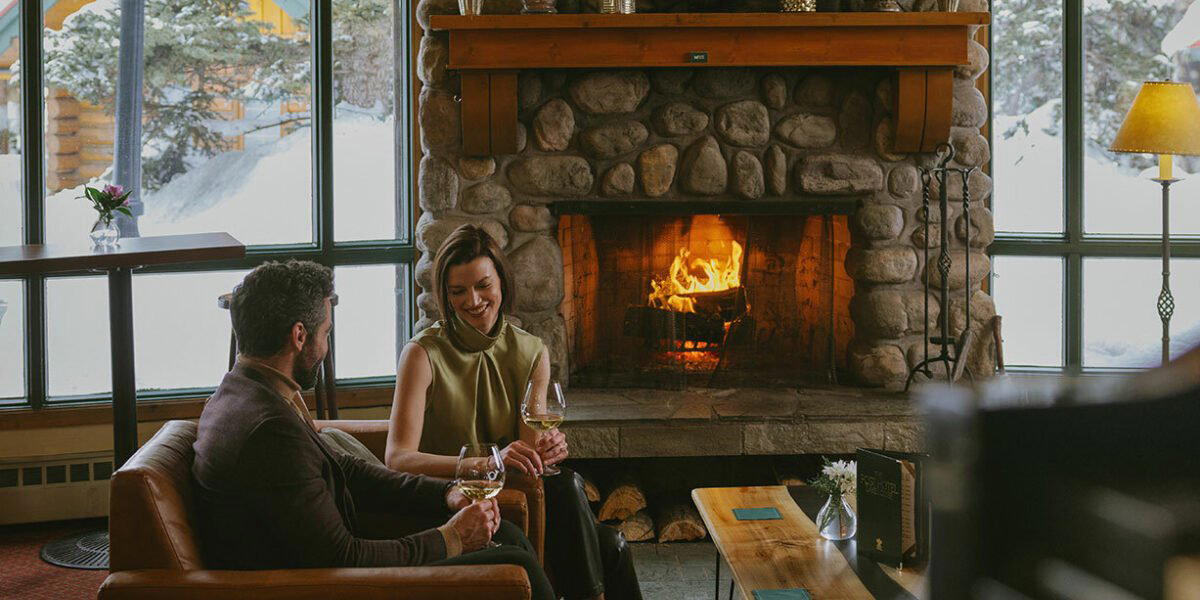
This matters most in how the interior spaces function. Lodge-format properties in the Canadian Rockies typically organise around a central gathering space anchored by a large stone fireplace, with corridors that feel closer to residential than to hotel-corridor standardisation. That format rewards evenings in, which is appropriate given that Lake Louise at night, particularly outside peak summer, offers little in the way of walkable town infrastructure. The lodge itself becomes the social and thermal centre of the stay. Compare this to the urbane bar culture at the Rosewood Hotel Georgia in Vancouver, where the city provides the animation, and the structural difference in what each property type asks of its guest becomes clear.
The Lake Louise Position
Lake Louise functions as a destination rather than a transit point. Visitors arrive specifically for the lake, the hiking access, and in winter the skiing at Banff Sunshine Village Ski and Snowboard Resort and the Lake Louise ski area. The accommodation question is therefore less about which neighbourhood and more about which scale and format suits the trip. A large property offers dining variety, amenities, and the insulation of multiple service touchpoints. A lodge-format property offers proximity to the trailhead and a lower noise floor, both literal and social.
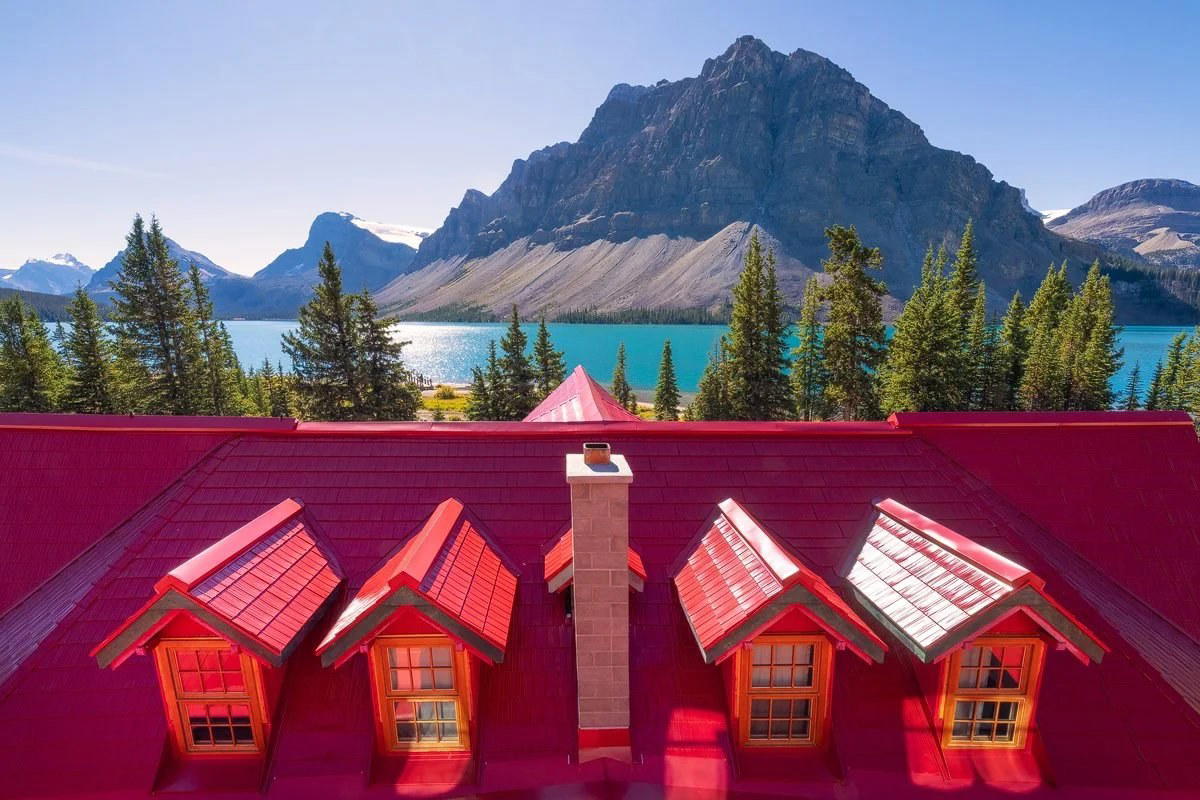
Deer Lodge's address on Lake Louise Drive places it within walking distance of the lake itself, which is the primary reason most people make the journey to this part of Alberta. That proximity is a practical advantage in summer, when the lake's turquoise water draws large crowds and early-morning access before tour groups arrive rewards guests who can walk rather than drive. In winter, the same proximity shifts in character: the lake freezes and becomes a skating surface, and the snowpack on the surrounding trails makes snowshoeing and cross-country skiing the dominant activity mode. The property's scale means it is better suited to that quieter seasonal register than a large resort with hundreds of guests generating internal activity. For the full mountain wilderness lodge experience in Canada, properties at this end of the scale dial, alongside options like Clayoquot Wilderness Lodge in Tofino or the more remote Fogo Island Inn in Joe Batt's Arm, represent a different set of priorities than a branded resort stay.
Placing Deer Lodge in the Broader Canadian Hotel Context
Canada's premium lodging market has consolidated significantly around two poles: international brand flags, which include both the Fairmont portfolio and city-centre properties like the Four Seasons Hotel Toronto, and independent or semi-independent properties that derive their authority from architectural specificity and location scarcity rather than brand recognition. Deer Lodge sits in the second category. Without the brand infrastructure of a Fairmont Chateau Whistler in Whistler, it competes on different terms: age of structure, authenticity of material, and a quieter, more self-contained guest experience.
That positioning resonates with a specific traveller cohort, one that gravitates toward properties with demonstrated history rather than manufactured heritage. The lodge-format Canadian mountain property carries genuine age in its timbers in a way that a recently opened design hotel in Calgary, such as The Dorian, Autograph Collection, cannot replicate by intention alone. The comparison is not a value judgment; both property types serve real purposes. But for travellers whose primary interest is the landscape and whose accommodation preference is structural honesty over full-service convenience, the older lodge format addresses something that the modern hotel, however well-executed, does not.
Planning a visit to Deer Lodge requires acknowledging the limited town infrastructure at Lake Louise. There is no walkable urban core, no concentration of independent restaurants, and no public transit of consequence. A car, or a coordinated shuttle arrangement, is the practical reality. Summer weekends at the lake draw significant day-tripper volume, so lodge guests who want access to the water or the lower trails without crowds are better positioned arriving midweek or at the shoulder of the season, late May and October carrying the advantage of thinner crowds without full winter closure conditions. See our full I D No 9 restaurants guide for eating options beyond the property itself, though self-sufficiency is the smarter operating assumption at this altitude and distance from Banff town.
At-a-Glance Comparison
| Venue | Cuisine | Price | Awards |
|---|---|---|---|
| Deer LodgeThis venue (the venue you are viewing) | This venue | $200–300 | Not listed |
| Four Seasons Hotel Toronto | Michelin 2 Key | $200–300 | 2 Michelin Keys · La Liste Top Hotels |
| Fairmont Chateau Whistler | Michelin 2 Key | Not listed | 2 Michelin Keys · Forbes Recommended |
| Four Seasons Resort Whistler | Michelin 2 Key | $300–500 | 2 Michelin Keys · La Liste Top Hotels |
| Rosewood Hotel Georgia | Michelin 2 Key | Not listed | 2 Michelin Keys · La Liste Top Hotels |
| Fairmont Banff Springs | Michelin 1 Key | $300–500 | 1 Michelin Key · Forbes 4-Star |
Continue exploring
More in I D No 9
Hotels in I D No 9
All hotels in I D No 9 →
Bars in I D No 9
Browse all →
Details
- Rustic
- Cozy
- Scenic
- Historic
- Romantic Getaway
- Weekend Escape
- Historic Building
- Panoramic View
- Wi Fi
- Hot Tub
- Restaurant
- Garden
- Mountain
- Wheelchair Accessible
Cozy rustic atmosphere with original hand-hewn log structure, fireplace in lobby, and mountain views from lounge.