Moraine Lake Lodge
Moraine Lake Lodge sits at the edge of one of the Canadian Rockies' most photographed lake basins, offering cabin-style accommodation within walking distance of the water at an elevation where road access closes entirely each winter. The property represents a rare format in Alberta: small-scale, wilderness-adjacent lodging that trades resort scale for proximity to a landscape that draws visitors from across the world.
Pearl is the En Primeur Club membership app — saves, bookings, and concierge access live there. Same editors, same standards.
- Address
- 1 Moraine Lake Rd, Lake Louise, AB T0L 1E0, Canada
- Phone
- +1 403-522-3733
- Website
- morainelake.com
- Directions
- Get directions
 Saves & bookings on Pearl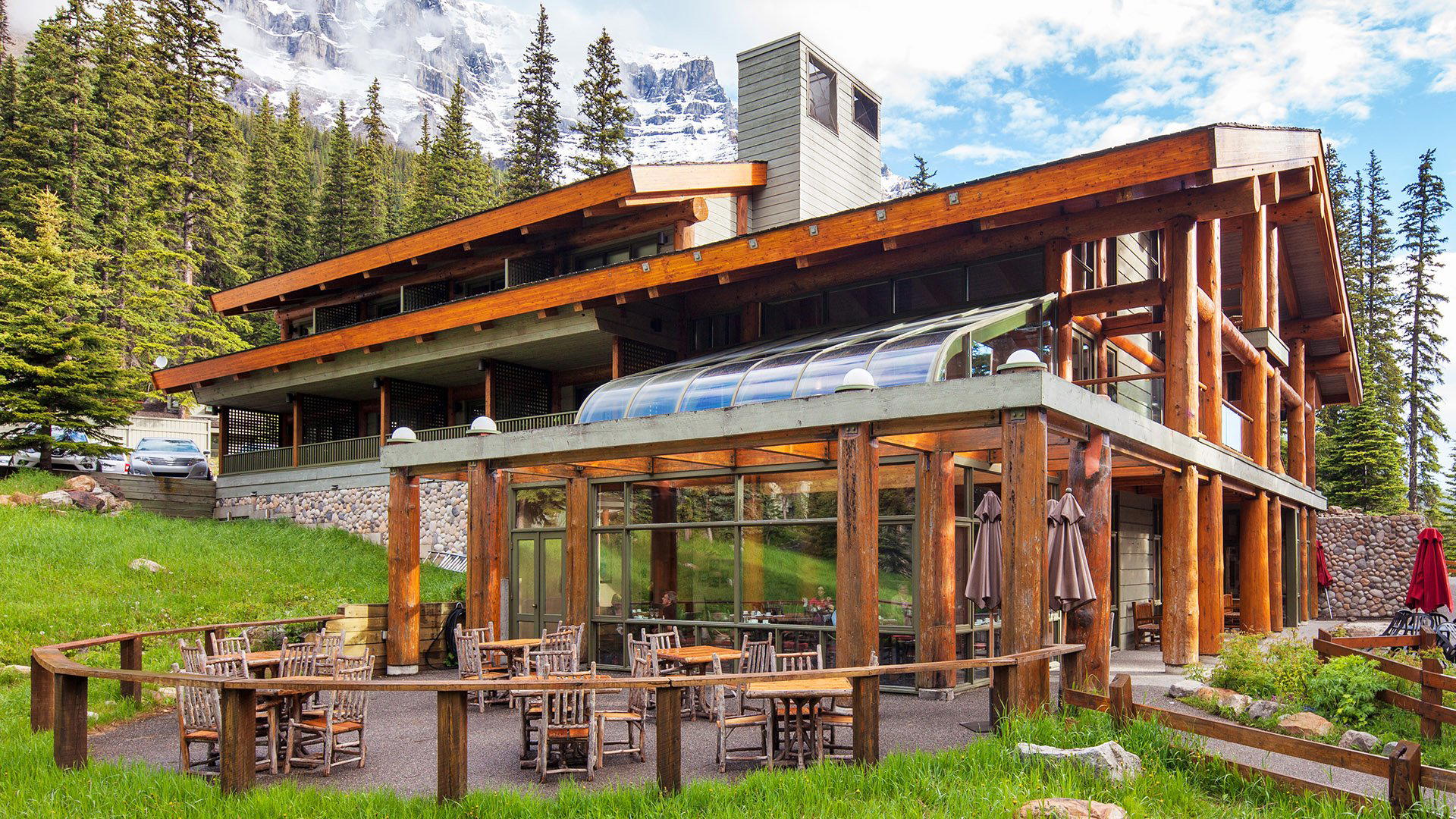
At the Edge of the Valley of the Ten Peaks
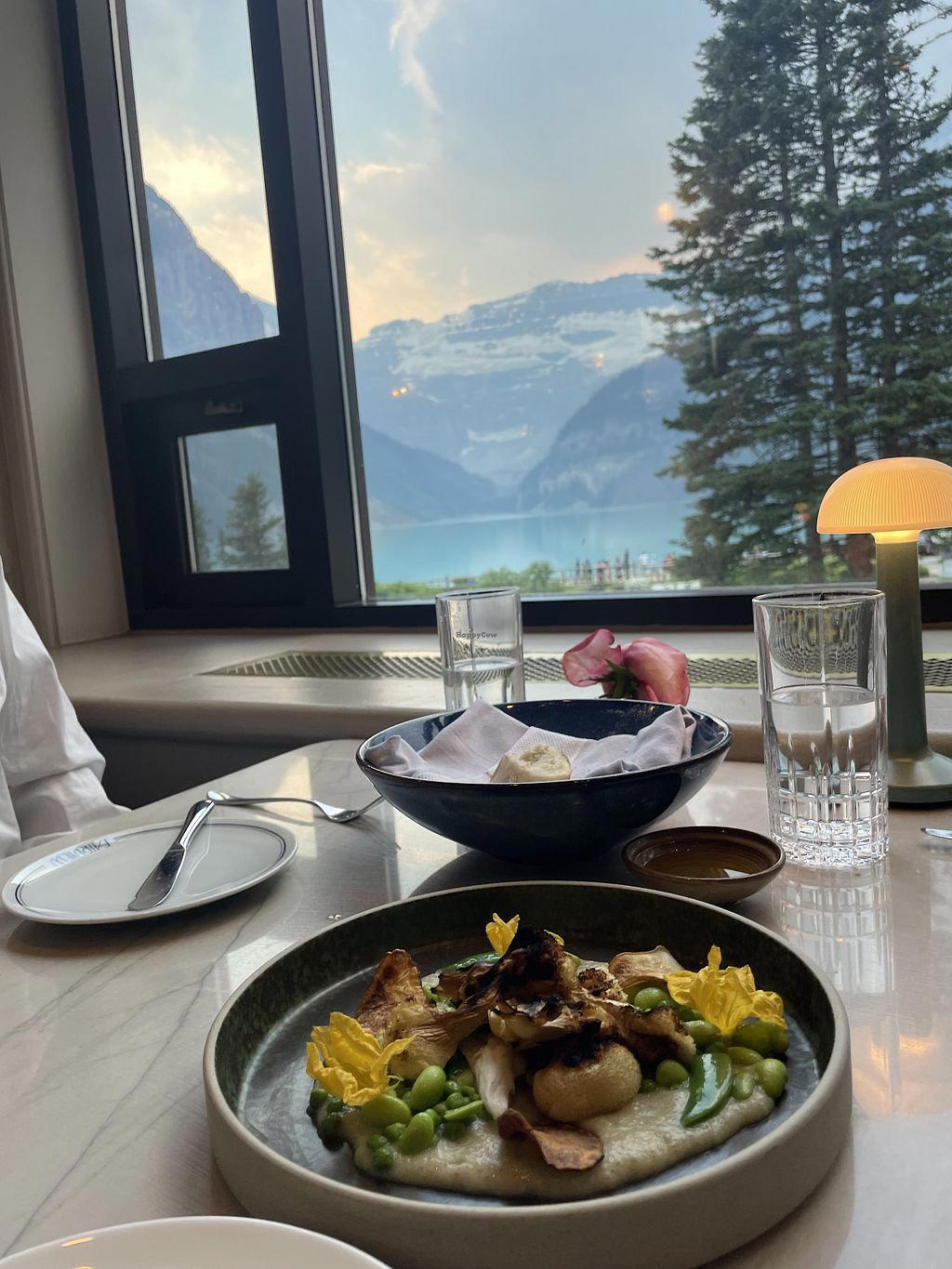
The approach to Moraine Lake Lodge tells you most of what you need to know about the category it occupies. Moraine Lake Road climbs from the Lake Louise village junction through subalpine forest before opening onto one of the most recognizable lake basins in the Canadian Rockies, the Valley of the Ten Peaks framing a body of water whose glacial flour gives it a blue-green intensity that changes register depending on time of day and cloud cover. The lodge sits directly at that shoreline, which places it in a fundamentally different relationship to the landscape than properties further down the valley. This is not a hotel that looks toward a view; it is accommodation built into the view itself.
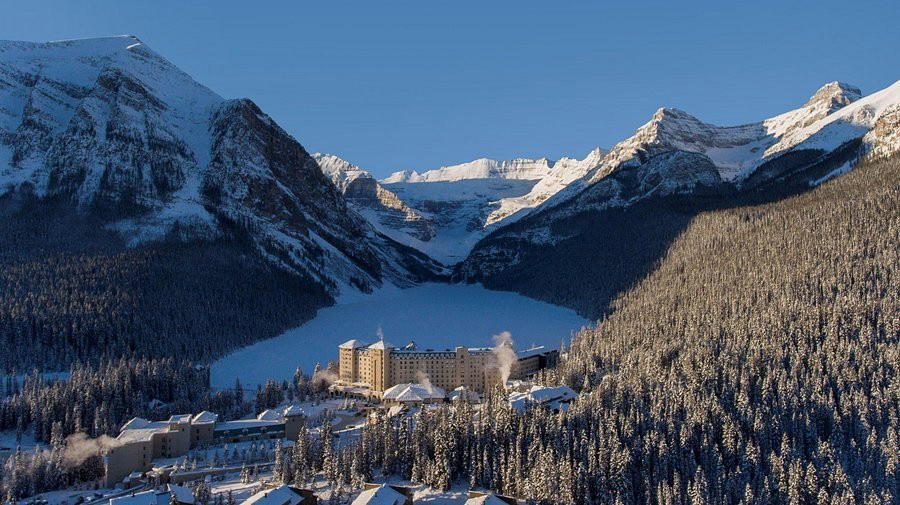
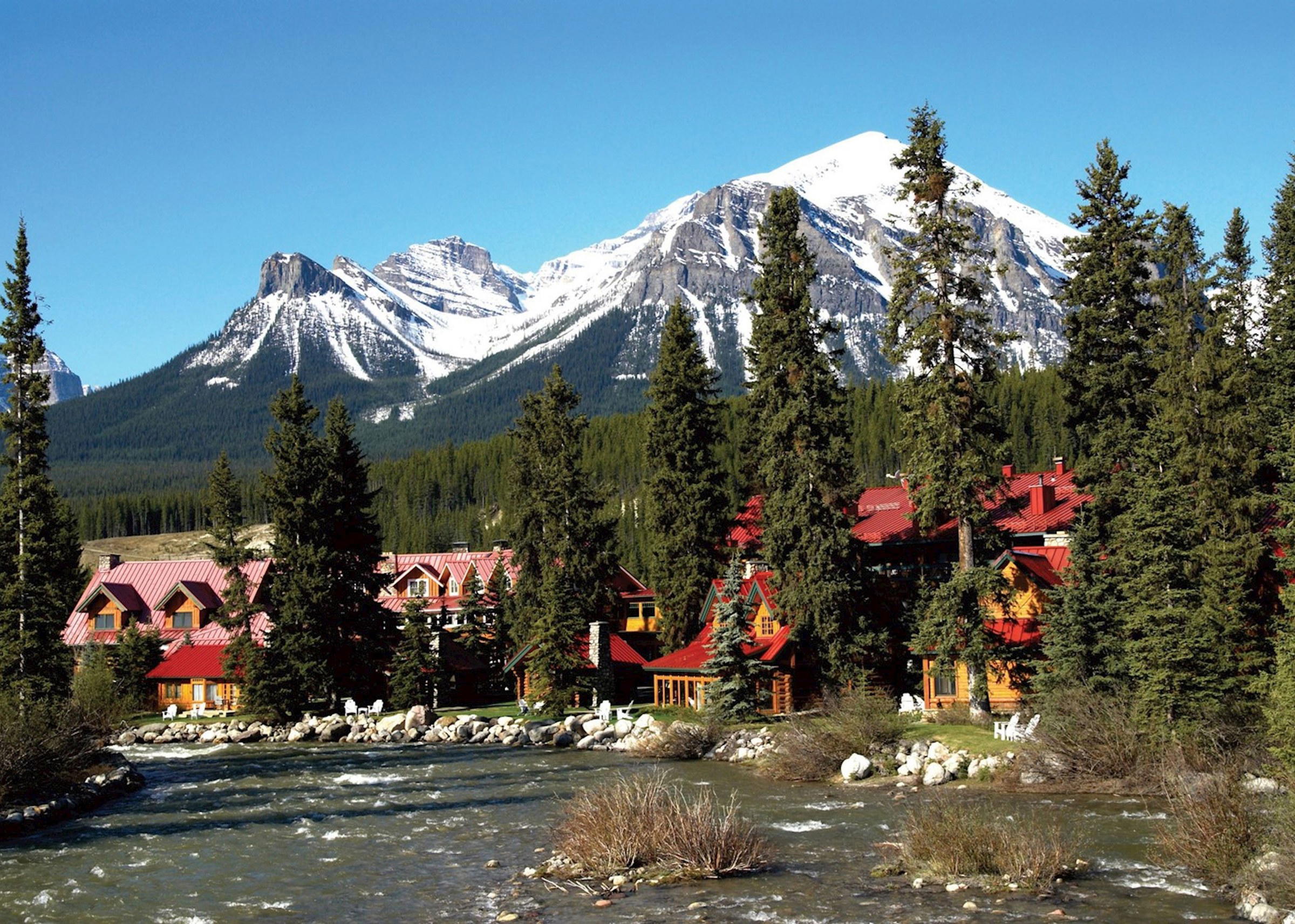
In the broader geography of Canadian mountain lodging, this positioning is increasingly scarce. The park boundaries and Parks Canada permitting structures that govern Banff National Park have, over decades, constrained new construction near the most-visited lake sites. What exists at Moraine Lake has therefore become fixed: a small-scale property that benefits from a location no new competitor can replicate. For comparison, the Fairmont Chateau Lake Louise operates at the Lake Louise shoreline with considerably more keys and a resort-scale operation, while the Post Hotel & Spa sits in the village itself, trading proximity for a broader amenity program. Moraine Lake Lodge occupies a third position: fewer guests, no large public infrastructure, and a location that requires guests to commit to the site once the day-tripper crowds have cleared.
The Architecture of Restraint
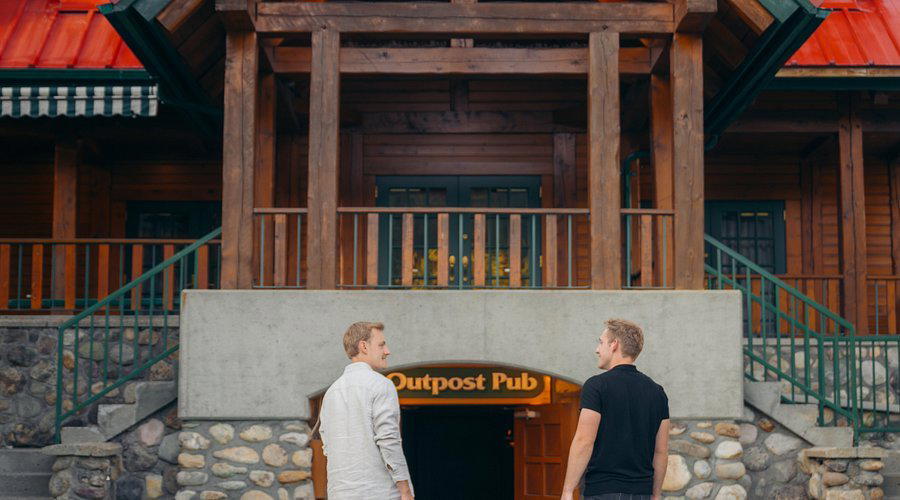
The physical structure of Moraine Lake Lodge reflects a design logic common to the Canadian wilderness lodge tradition: build with the materials and silhouettes of the surrounding forest, keep the footprint contained, and let the exterior landscape carry the weight that a grander interior might otherwise be expected to provide. Log construction, steeply pitched rooflines, and covered walkways connect the main lodge building to cabin-style accommodation units distributed across the property. The scale reads deliberately small against the peaks behind it.
This approach, which Canadian wilderness properties from The Lodge at Bow Lake to Clayoquot Wilderness Lodge in Tofino and Fogo Island Inn in Joe Batt's Arm each interpret in distinct regional registers, positions the architecture as a frame rather than an object. At Moraine Lake, where the competing visual force is the lake basin and the ten glaciated peaks above it, the argument for architectural modesty is especially clear. A larger or more assertive building would create friction with a site that draws visitors precisely because it has not been overdeveloped.
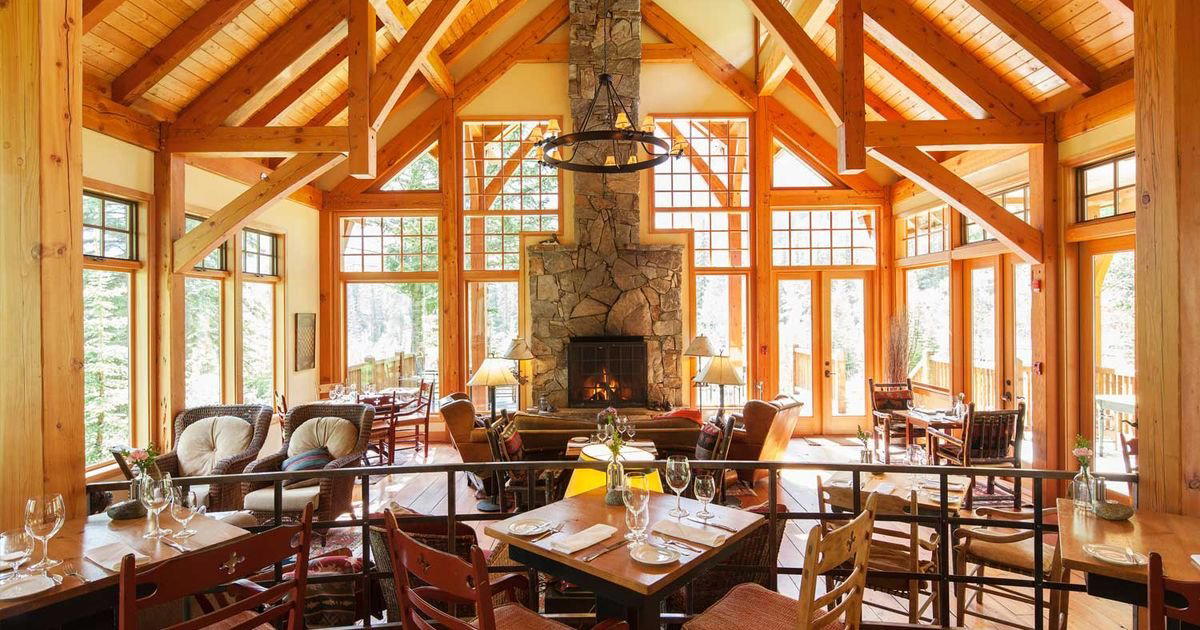
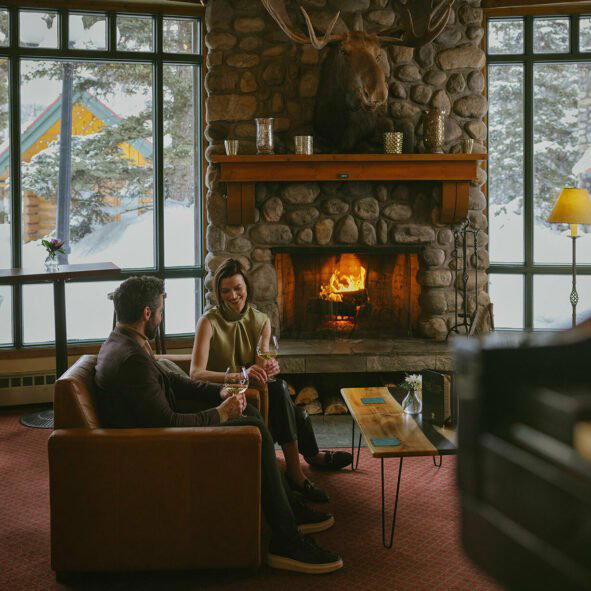
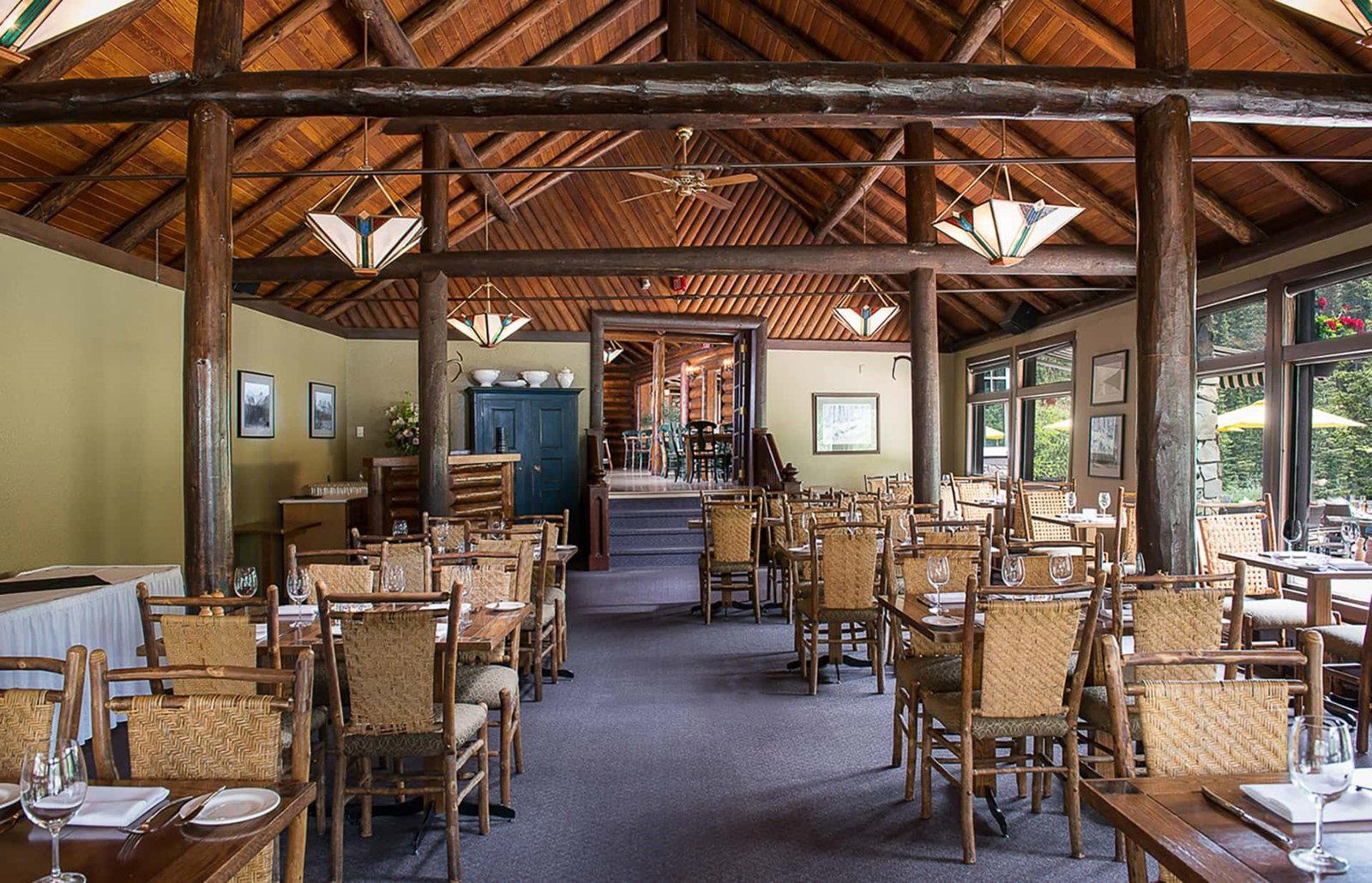
The interior sensibility follows the same logic. Common areas in wilderness lodges of this type typically feature exposed timber beams, stone fireplaces, and furnishings that lean toward functional warmth rather than decorative polish. The fireplace becomes a social anchor in the evenings when the day's hiking parties return, and the shorter distance between guest rooms and the lake edge means that the circulation pattern of the property naturally orients guests outward rather than in.
Seasonal Access and What It Implies
Moraine Lake Road closes to private vehicles each year, typically from mid-October through late May or early June, depending on snowpack. Parks Canada has in recent years also restricted private vehicle access during peak summer months, requiring visitors arriving by car to use park-and-ride shuttle services from Lake Louise. For lodge guests, this creates a dynamic that separates the Moraine Lake experience from drive-up resort visits: the property becomes, in practical terms, a destination that requires planning and commitment to access. Early morning and evening hours, when shuttle services have thinned and day visitors have departed, belong more fully to those sleeping on-site.
This is the defining logistical argument for staying at the lodge rather than day-tripping. The Rockpile viewpoint above the lake, the Consolation Lakes trail, and the shoreline path are all within immediate reach. At dawn, before the first shuttle arrivals, the basin can be quiet enough that wildlife sightings become probable rather than merely possible. The lodge's seasonal operating window runs roughly from late May through mid-October, aligning with the period of road access and the main hiking season for the Ten Peaks trails. Guests considering a late-season stay should note that conditions above the treeline change quickly in September, and some high trails become snow-affected before the lodge closes for winter.
For context on the broader Lake Louise accommodation picture, the full Lake Louise restaurants and hotels guide covers the village options alongside the lake-adjacent properties. The Fairmont Banff Springs in Banff operates year-round with skiing infrastructure, which makes it a genuinely different product category for winter travel. Properties at a comparable wilderness-immersion pitch elsewhere in Canada include Deerhurst Resort in Huntsville and Elora Mill in Centre Wellington, though neither operates in a national park environment with equivalent access constraints.
Where Moraine Lake Lodge Sits in the Canadian Wilderness Tier
Properties including Manoir Hovey in North Hatley, Hôtel Quintessence in Mont-Tremblant, and Le Germain Charlevoix Hotel & Spa in Baie-St-Paul represent eastern Canadian interpretations of the intimate nature-adjacent format. In the Rockies corridor, Moraine Lake Lodge competes against the argument that larger resort infrastructure at Fairmont Chateau Whistler in Whistler or the Chateau Lake Louise provides better value at scale. The counterargument is location specificity: no other property in Canada gives guests overnight access to the Moraine Lake basin.
Guests arriving from major urban bases should allow for travel logistics. Calgary International Airport is the practical gateway, with the drive to Lake Louise running approximately two hours under normal conditions. From there, the additional road section to Moraine Lake adds time and, during peak season, requires shuttle coordination. Booking accommodation well in advance of the intended stay is essential during July and August, when demand across all Lake Louise properties outpaces supply by a significant margin. For city-side accommodation before or after a Rockies visit, The Dorian, Autograph Collection in Calgary provides a design-forward base in the city center. Those travelling from the east coast or internationally may stage through Toronto, where Four Seasons Hotel Toronto or Rosewood Hotel Georgia in Vancouver offer transition points before heading into the mountain corridor.
Practical Planning Notes
Access to the lodge is subject to Parks Canada regulations that change seasonally; the shuttle-only vehicle restriction during summer peak hours means guests should confirm current access protocols directly with the property before arrival. The operating season runs from approximately late May to mid-October. Given the elevation and the alpine environment, temperatures drop sharply after sunset even in summer months, and guests should pack for a wider temperature range than the midday conditions would suggest. Compared to village-based alternatives, dining and retail infrastructure on-site is limited to what the lodge itself provides, which makes the property a better fit for guests who want concentrated access to the lake basin rather than town-adjacent flexibility.
At-a-Glance Comparison
| Venue | Cuisine |
|---|---|
| Moraine Lake LodgeThis venue — the venue you are viewing | This venue |
| Fairmont Chateau Lake Louise | Michelin 1 Key |
| Post Hotel & Spa | Michelin 1 Key |
Continue exploring
More in Lake Louise
Hotels in Lake Louise
Browse all →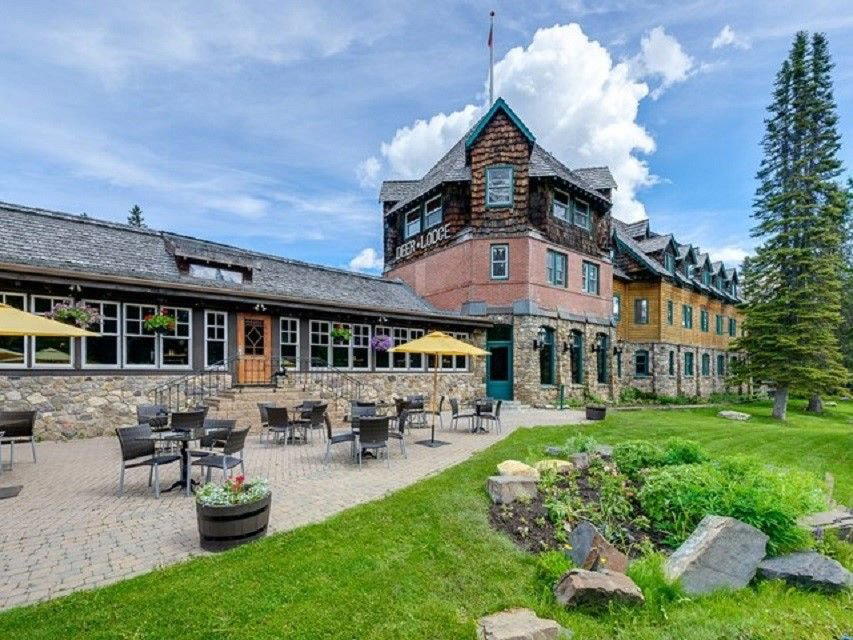
Bars in Lake Louise
Browse all →

At a Glance
- Romantic
- Quiet
- Rustic
- Scenic
- Cozy
- Elegant
- Honeymoon
- Romantic Getaway
- Anniversary
- Weekend Escape
- Waterfront
- Panoramic View
- Wi Fi
- Concierge
- Room Service
- Waterfront
- Mountain
- Wi Fi
- Concierge
- Room Service
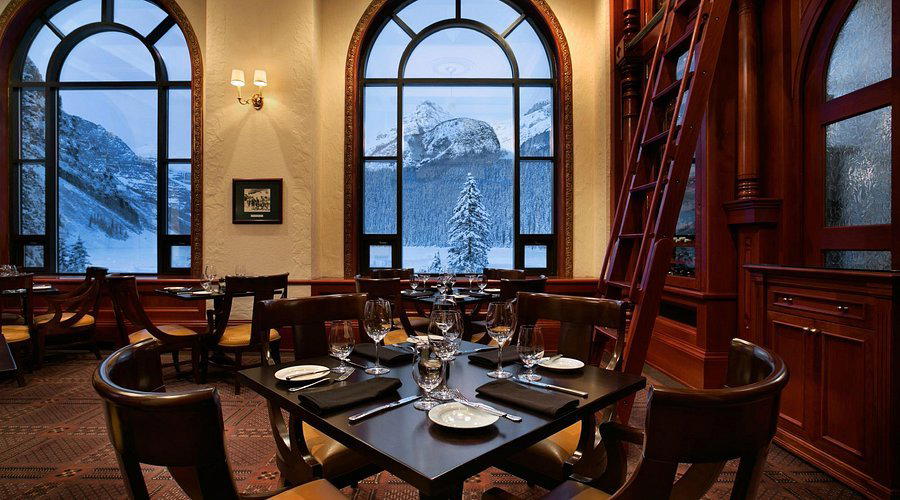
Cozy and tranquil with rich earth tones, log furniture, wood-burning fireplaces, and serene lighting that enhances the romantic Rocky Mountain retreat atmosphere.
Know Before You Go
- Getting there
- 1 Moraine Lake Rd, Lake Louise, AB T0L 1E0, Canada