BEZEL
Our verdict
BEZEL occupies a downtown Denver address at 1550 Court Place, positioning itself within a city that has rapidly recalibrated its fine-dining expectations over the past decade. Denver's most serious restaurants now compete on sourcing discipline and kitchen craft rather than altitude novelty, and BEZEL sits inside that shift. Expect a room shaped by intention, where what arrives on the plate traces back to a specific point of origin.

Pearl is the En Primeur Club membership app, where members save venues, book tables and use the concierge.

Downtown Denver's Sourcing-Driven Dining Scene
Denver's fine-dining tier has undergone a quiet but consequential transformation. A city once defined by steakhouses and après-ski comfort has produced a generation of kitchens that treat ingredient provenance as a primary design decision rather than a marketing footnote. That shift mirrors what has happened in cities like San Francisco and Chicago, where restaurants such as Lazy Bear in San Francisco and Smyth in Chicago built their reputations around hyper-local supply chains before the language of farm-to-table became exhausted. Denver arrived at this conversation slightly later, but the commitment, in its most serious rooms, runs deep.
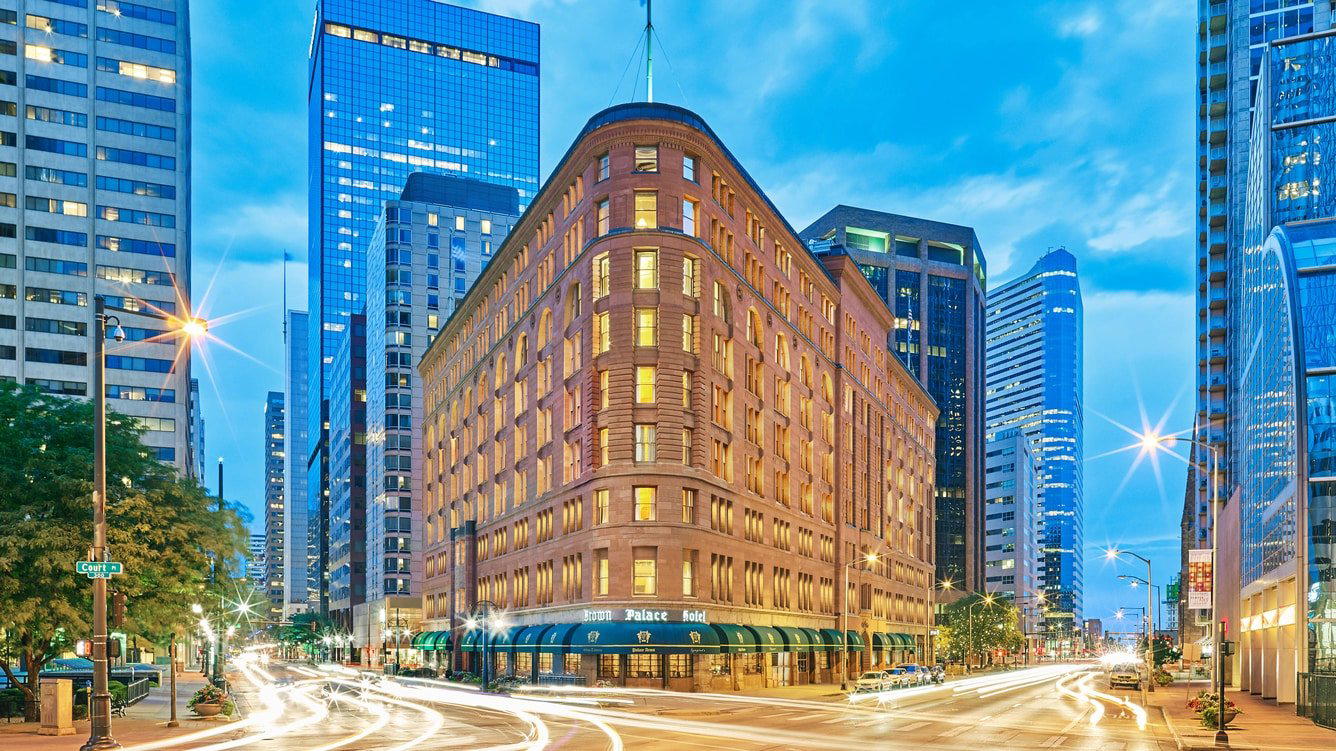
BEZEL sits at 1550 Court Place in the downtown core, a block geometry that places it within walking distance of the city's civic and business infrastructure rather than tucked into a residential neighbourhood. That location matters because downtown Denver's dining identity is still consolidating. The area attracts expense-account dinners and pre-theatre tables, but the restaurants that have earned sustained critical attention here tend to be the ones that refuse to soften their proposition for convenience. BEZEL's address puts it in that conversation from the first reservation.
The Physical Environment and What It Signals
Approaching a room tells you something before a single plate arrives. Downtown Denver's newer fine-dining spaces have trended toward materials with local resonance: reclaimed timber, exposed concrete, references to the high-desert palette that begins just outside the city. The best of these interiors avoid the staging that made mid-2000s fine dining feel like theatre set design, favouring instead a quiet material confidence. Whether BEZEL lands in that tradition or carves a different visual register, its Court Place setting places it in a part of the city where the physical environment of a restaurant carries extra weight, because the street itself offers little atmosphere to borrow from.
In Denver's current fine-dining moment, the rooms that hold attention are those where the design choices and the kitchen philosophy read as the same sentence. Brutø and The Wolf's Tailor both demonstrate that coherence between aesthetic and culinary intent. BEZEL operates in that same expectational field.
Sourcing as the Kitchen's Architecture
The most durable restaurants in the American farm-to-table tradition, from Blue Hill at Stone Barns in Tarrytown to Single Thread Farm in Healdsburg, share a structural logic: the supply chain is not supplementary to the menu, it is the menu's skeleton. Dishes exist to express an ingredient at a particular moment, from a particular place, rather than to showcase technique for its own sake. Colorado sits within a geography that makes this approach unusually credible. The San Luis Valley produces potatoes and grains under conditions that create distinct flavour profiles. The Western Slope carries stone fruit and livestock. The Front Range farmers' market network feeds kitchens year-round with seasonal specificity that would be impossible to replicate through a national distributor.
A sourcing-led kitchen in Denver has access to supply chains that can hold their own against comparable programs at Addison in San Diego or Providence in Los Angeles, both of which built their identities around ingredient integrity in coastal markets. The landlocked position that once made Denver seem like a secondary dining city is, in this framework, an advantage: proximity to ranches, farms, and mountain foragers creates sourcing relationships built on geography rather than logistics.
Annette operates with a strong seasonal commitment on Denver's east side. Beckon has built a tasting-menu format around produce-forward discipline. Alma Fonda Fina roots its Mexican kitchen in heritage ingredients and regional specificity. These restaurants do not compete with each other so much as collectively establish what serious Denver dining looks like in the 2020s. BEZEL enters that conversation at an address that requires it to earn its place through kitchen conviction rather than neighbourhood charm.
Denver in the National Fine-Dining Picture
Placing Denver restaurants in a national frame is a useful exercise because it clarifies what is genuinely ambitious versus what is ambitious relative to local expectation. Le Bernardin in New York City, The French Laundry in Napa, and The Inn at Little Washington occupy a tier defined by decades of accumulated recognition, kitchen depth, and supply-chain architecture that took generations to build. A younger city's fine dining operates differently, with kitchens that are still establishing the relationships and reputations that make that tier accessible.
What Denver has, and what restaurants like Atomix in New York City and Atelier Moessmer Norbert Niederkofler in Brunico demonstrate internationally, is that sourcing-led kitchens can build credibility quickly when the philosophy is coherent and the supply chain is genuinely local rather than aspirationally described. Denver's geography gives its leading kitchens a structural advantage in making that case. Closer to home, Emeril's in New Orleans showed early that a regional ingredient identity could anchor a national reputation. The same logic applies here.
Planning a Visit
BEZEL's downtown location at 1550 Court Place, Denver, CO 80202 is accessible from most of the city's central neighbourhoods by a short cab or rideshare ride, and the Court Place address sits within the 16th Street Mall corridor's broader walkable zone. For those visiting Denver as part of a broader trip, our full Denver restaurants guide maps the city's dining geography and places BEZEL alongside the wider field of options across cuisines and price tiers. Given the sourcing-driven format common to Denver's serious fine-dining rooms, seasonal timing matters: the months between late spring and early autumn bring Colorado's agricultural output to its peak, and kitchens that source locally adjust their menus accordingly.
Frequently asked questions
at BEZEL?
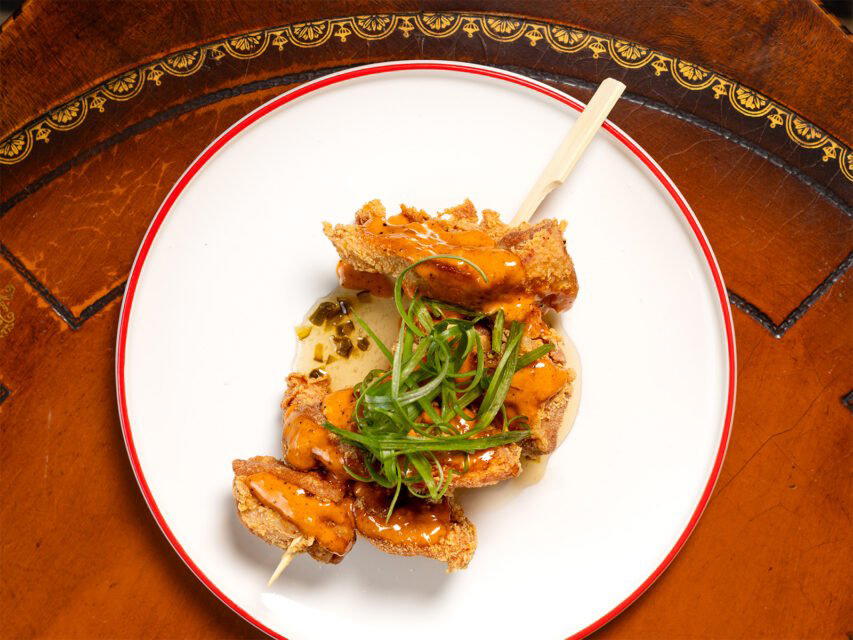
BEZEL's kitchen operates within Denver's sourcing-driven fine-dining tier, where the most considered dishes tend to reflect what is in season from Colorado's regional farms and ranches rather than a fixed signature. In rooms like this, the most rewarding approach is to follow the kitchen's current emphasis rather than arrive with a specific dish in mind. Ask your server which preparations reflect the most recent sourcing relationships.
Is BEZEL reservation-only?
Denver's serious fine-dining rooms, particularly those in the downtown core, operate almost universally on a reservation basis. For a restaurant at BEZEL's address and within its competitive set, booking ahead is the expected approach. Walk-in availability at the bar, if it exists, tends to be limited on weekend evenings.
What has BEZEL built its reputation on?
BEZEL sits within Denver's emerging cluster of kitchens that treat ingredient sourcing as a foundational rather than decorative commitment. Its Court Place location places it in the downtown fine-dining conversation alongside rooms like Brutø and Beckon, where the kitchen's relationship to Colorado's agricultural geography is central to what the restaurant argues it is.
How does BEZEL fit into Denver's broader fine-dining evolution?
Denver's fine-dining tier has shifted decisively toward sourcing-led kitchen programs over the past decade, and BEZEL occupies a position within that current rather than outside it. The city's proximity to Colorado's ranching, farming, and foraging networks gives downtown kitchens like BEZEL access to a supply chain that is genuinely regional, not merely described as such. For visitors comparing Denver to other American fine-dining cities, the relevant frame is the same produce-forward discipline seen at nationally recognised rooms, applied to a high-altitude, landlocked geography with its own seasonal logic.
Where the Accolades Land
A quick peer check to anchor this venue’s price and recognition.
| Venue | Cuisine | Price | Awards | Notes |
|---|---|---|---|---|
| BEZELThis venue (the venue you are viewing) | Contemporary American Small Plates & Cocktails | $30–50 | Not listed | Not listed |
| The Wolf's Tailor | Modern Fusion Tasting Menu | $150–200 | 2 Michelin Stars · La Liste Top Restaurants | New American, Contemporary |
| Tavernetta | Contemporary Italian | $50–100 | Michelin Bib Gourmand · Star Wine List | Italian |
| Brutø | Contemporary American Tasting Menu | $150–200 | 1 Michelin Star · Star Wine List | Contemporary |
| Alma Fonda Fina | Modern Mexican Fine Dining | $50–100 | 1 Michelin Star · World's 50 Best #45 | Mexican |
| Safta | Modern Israeli & Mediterranean Small Plates | $50–100 | Michelin Plate · Star Wine List | Israeli Cuisine |
Continue exploring
More in Denver
Restaurants in Denver
All restaurants in Denver →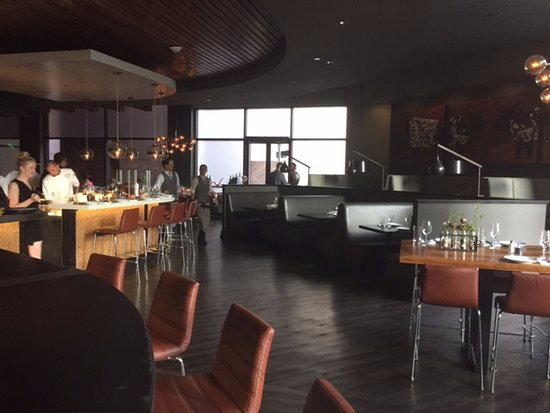
Bars in Denver
All bars in Denver →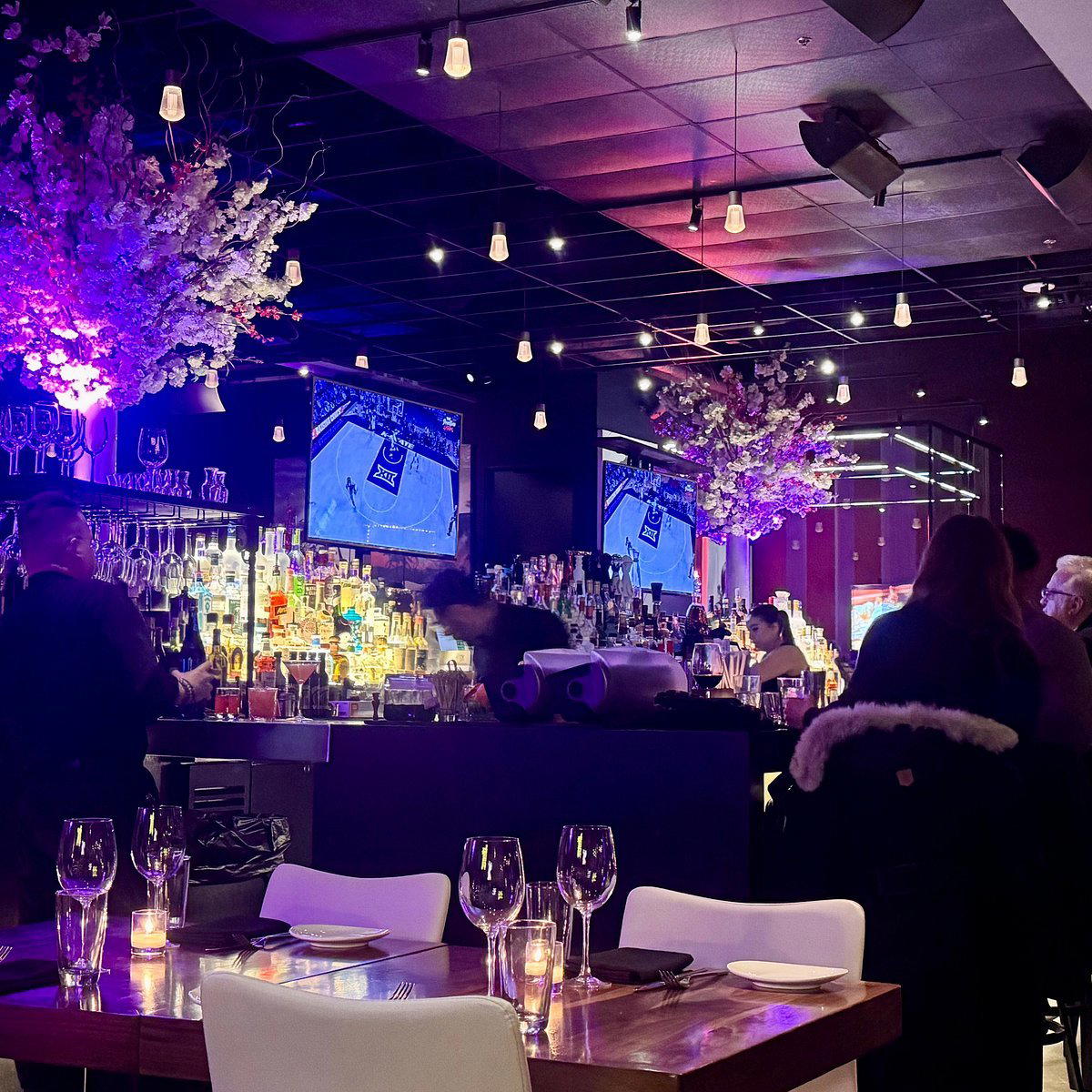


Details
- Sophisticated
- Trendy
- Modern
- Intimate
- Elegant
- Date Night
- After Work
- Special Occasion
- Open Kitchen
- Craft Cocktails
- Small Plates
- A La Carte
- Craft Cocktails
Current opening hours
- Monday
- Closed
- Tuesday
- 4–11 PM
- Wednesday
- 4–11 PM
- Thursday
- 4–11 PM
- Friday
- 4 PM–12 AM
- Saturday
- 5 PM–12 AM
- Sunday
- Closed
Hours can change for holidays and private events. Hours as of .
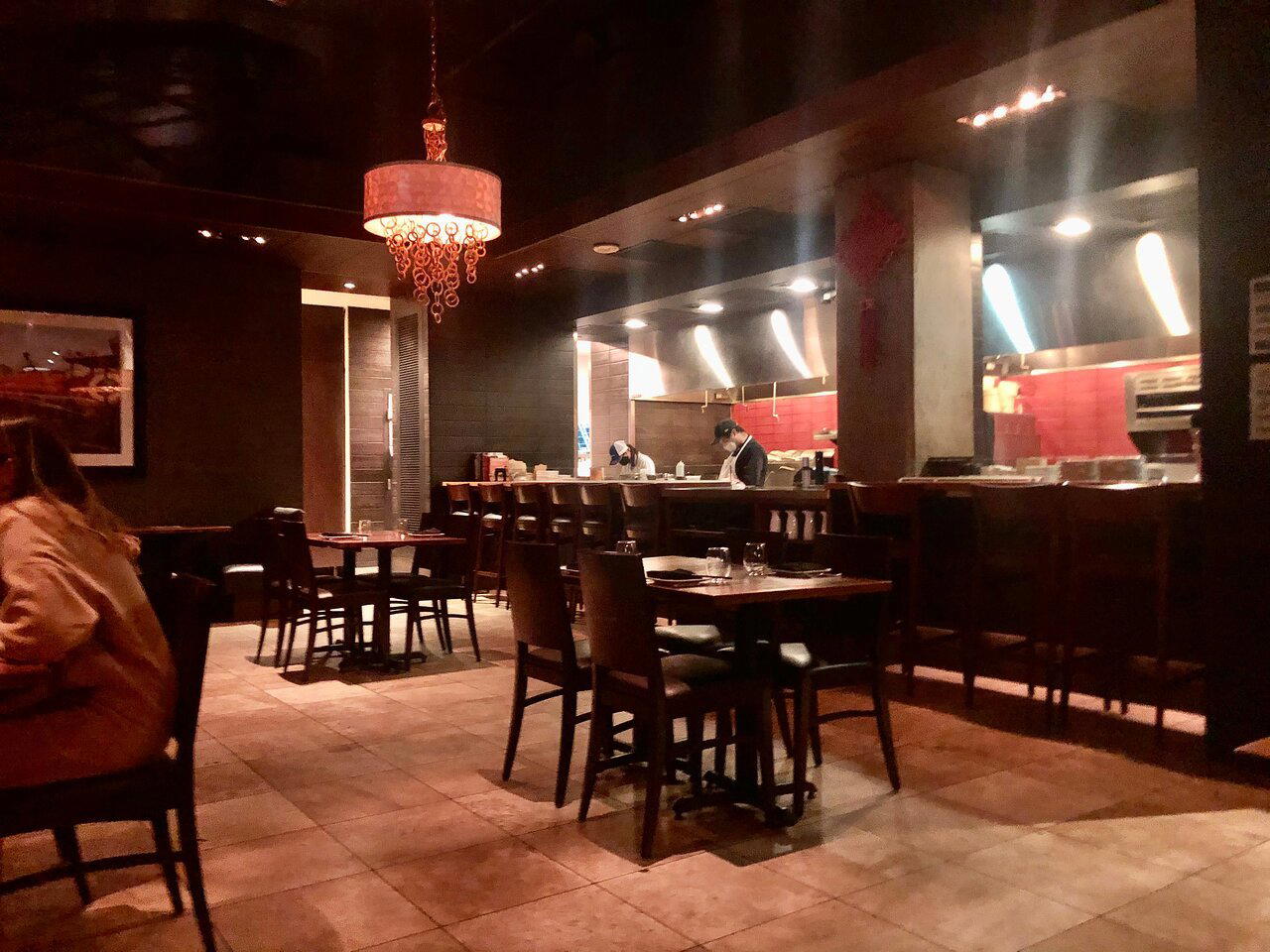
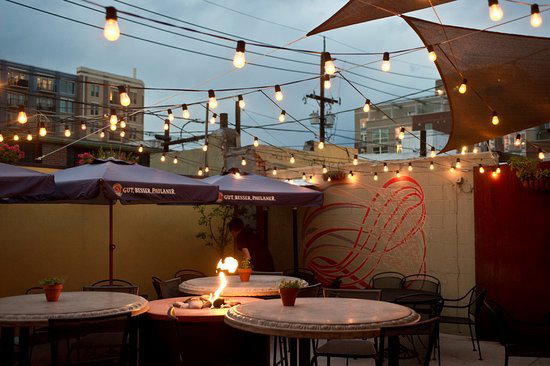
Elegant setting with dramatic lighting, intimate lounge seating, and cozy outdoor fire pit, blending business district refinement with progressive vibes.