Botticelli Ristorante on Sutelstraße 70 occupies Hanover's Italian dining bracket, where cuisine tradition and front-of-house coordination carry more weight than star tallies. The address sits in the city's northern residential stretch, a setting that tends to reward regulars over tourists.
Pearl is the En Primeur Club membership app — saves, bookings, and concierge access live there. Same editors, same standards.
- Address
- Sutelstraße 70, 30659 Hannover, Germany
- Phone
- +4951127018360
- Website
- botticelli-hannover.de
- Directions
- Get directions
 Saves & bookings on Pearl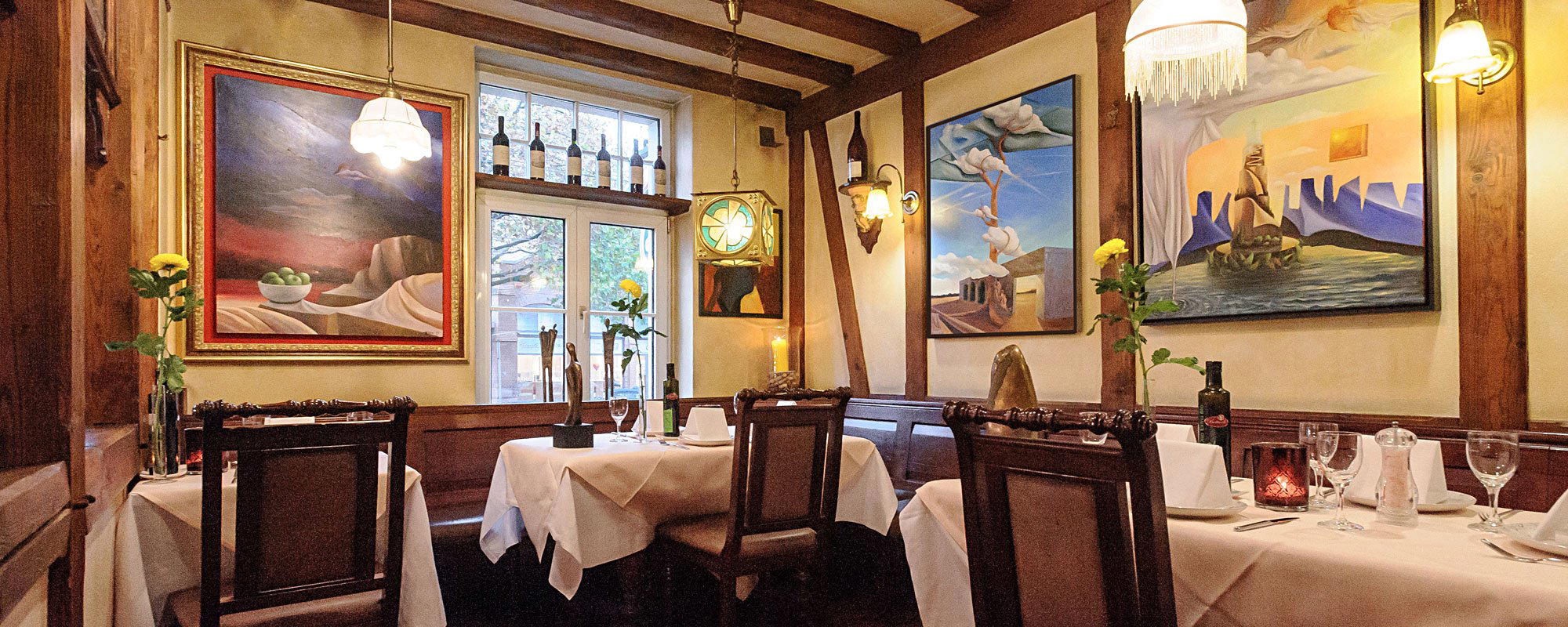
Italian Dining in a City That Prefers Precision
Hanover's restaurant culture runs toward the methodical. Botticelli Ristorante is an Italian restaurant at Sutelstraße 70, 30659 Hannover, Germany, with. The city's most-discussed tables, Jante at the creative end, Marie holding the French flank, Handwerk working modern cuisine at the €€€ tier, share a common seriousness about technical execution and composed service. Italian restaurants occupy a different position in this hierarchy: they carry the weight of a cuisine that Germans know well enough to have opinions about, which means the bar for credibility is set by regulars who eat Italian food regularly, not occasional visitors looking for novelty.
Botticelli Ristorante, addressed at Sutelstraße 70 in Hanover's northern residential band, operates within that context. The neighbourhood is not a dining destination in the way that central Hanover's streets are; it is the kind of address that accrues a loyal local following rather than a tourist surge. That positioning shapes everything about how an Italian restaurant here functions: the room is read by people who will return, the service team is judged by consistency over first impressions, and the kitchen earns its reputation slowly, dish by dish across many visits.
What the Room Communicates Before the Menu Arrives
In Italian restaurant design across Germany, a meaningful split has opened between two approaches. The first is the trattoria-coded interior: exposed brick, wooden surfaces, candles, and the accumulated warmth of a space that looks like it has been there for decades regardless of when it actually opened. The second is the more contemporary Italian format: cleaner lines, a wine display that signals program seriousness, and lighting calibrated for dinner rather than lunch. Both approaches communicate something real to the guest who is paying attention, the first says this place is about comfort and repetition, the second says there is a considered hand behind the room.
An Italian restaurant on a residential Hanover street, where the surrounding architecture is domestic and unhurried, has reason to lean toward warmth. The approach you encounter walking toward Sutelstraße 70, the scale of the building, the street-level signage, the way the entrance reads from the pavement, sets expectations before any food arrives. Restaurants that hold long-term neighbourhood loyalty in German cities tend to offer interiors that do not feel designed to impress on a first visit so much as to sustain a relationship over many visits. The physical environment is calibrated for return, not spectacle.
The Coordination at the Centre of Italian Service
The editorial angle most relevant to assessing a restaurant like this is not the kitchen alone. In Italian dining tradition, the division of responsibility between the kitchen, the floor, and the wine program is where quality actually lives or fails. A good Italian meal depends on timing that is genuinely felt, pasta should not wait, secondi should follow at a pace the guest controls, and the person managing the room should be reading the table rather than executing a fixed script.
In Hanover's mid-to-upper Italian tier, this coordination is where restaurants differentiate themselves from the city's many competent but undistinguished Italian options. Albertz. and the broader set of neighbourhood dining that Hanover supports across its residential districts all compete partly on the quality of this in-room experience. The sommelier or front-of-house lead at any serious Italian restaurant in Germany now carries a wine brief that has expanded considerably: German guests are more fluent in Italian regional wines than they were fifteen years ago, and a wine list that only covers Chianti Classico and Barolo reads as underprepared to anyone with moderate engagement with the category. Botticelli Ristorante sits in this environment, where the wine conversation at the table is part of what the kitchen's cooking is measured against.
Italian Cuisine in the German Fine-Dining Orbit
Germany's most-discussed Italian-adjacent tables operate well outside Hanover. Aqua in Wolfsburg holds three Michelin stars and works at a level of technical ambition that places it in a completely different competitive tier. Schwarzwaldstube in Baiersbronn and Vendôme in Bergisch Gladbach operate in the high-formality bracket where cuisine identity is almost secondary to technical execution. JAN in Munich and CODA Dessert Dining in Berlin show how far the German dining scene has moved toward concept-led formats that operate well beyond traditional cuisine categories.
Botticelli Ristorante is not in competition with any of those. Its comparable set is Hanover's neighbourhood Italian tier, a group where the relevant questions are about ingredient sourcing credibility, pasta technique, the length and intelligence of the wine list, and whether the service team is reading the room or working through a checklist. Internationally, this kind of restaurant is assessed alongside places like Le Bernardin in New York City not because the format or price point is comparable, but because the principle of coordinated, craft-led hospitality is the same measure applied at different scales. Lazy Bear in San Francisco similarly demonstrates that reputation in the neighbourhood tier is built on the quality of the team dynamic, not the size of the dining room or the height of the bill.
Votum represents the creative bracket that sits a category above the traditional Italian format. Further afield, Waldhotel Sonnora in Dreis, ES:SENZ in Grassau, Schanz in Piesport, Victor's Fine Dining by Christian Bau in Perl, and Restaurant Haerlin in Hamburg define the regional high end and provide useful calibration for anyone assessing where a neighbourhood Italian table sits in the broader German dining picture.
Planning a Visit
The restaurant's address at Sutelstraße 70 in Hanover's northern residential districts places it a meaningful distance from the city centre, which means arriving by car or a short taxi ride from central Hanover is the practical approach for visitors. Neighbourhood restaurants at this address type typically observe evening service hours with limited or no midday service on weekdays; specific hours are Mon to Sat, 6 to 10 PM, with Sunday closed, and reservations are recommended. Given the residential setting and the regulars-first dynamic that tends to characterise long-standing Italian neighbourhood restaurants in Germany, booking ahead is advisable for weekend evenings in particular.
Cost and Credentials
Comparable venues nearby, for context on price, style, and recognition.
| Venue | Cuisine | Price | Notes |
|---|---|---|---|
| Botticelli RistoranteThis venue — the venue you are viewing | List, Authentic Italian | $$$ | Not listed |
| Roy's | Oststadt, Italian Mediterranean | $$$ | Not listed |
| Va Bene | Not listed | $$ | List, Authentic Italian with Pizza and Pasta |
| ristorante gianni | Kirchrode, Authentic Italian Trattoria | $$ | Not listed |
| Restaurant Tropeano Di-Vino GmbH | Not listed | $$$ | Kirchrode, Northern Italian in Historic Setting |
| Leonardo | Mitte, Authentic Italian Fine Dining | $$$ | Not listed |
Continue exploring
More in Hanover
Restaurants in Hanover
Browse all →
Bars in Hanover
Browse all →

Hotels in Hanover
Browse all →

At a Glance
- Cozy
- Elegant
- Intimate
- Classic
- Date Night
- Special Occasion
- Business Dinner
- Historic Building
- Extensive Wine List
Current opening hours
- Monday
- 6–10 PM
- Tuesday
- 6–10 PM
- Wednesday
- 6–10 PM
- Thursday
- 6–10 PM
- Friday
- 6–10 PM
- Saturday
- 6–10 PM
- Sunday
- Closed
Hours can change for holidays and private events. Last verified .
Warm, cozy, and stylish with a family atmosphere in small rooms.