Our verdict
Bergwolf occupies a Fraunhoferstraße address in Munich's Gärtnerplatzviertel, a neighbourhood that sits at the crossroads of the city's creative and culinary scenes. Where Munich's €€€€ fine-dining tier — represented by counters like Tantris and Atelier — pursues formal precision, Bergwolf operates in a register that feels closer to the quarter's own tempo: considered, unhurried, and rooted in its immediate surroundings.

Pearl is the En Primeur Club membership app — saves, bookings, and concierge access live there. Same editors, same standards.
- Address
- Fraunhoferstraße 17, 80469 München, Germany
- Phone
- +498923259858
- Hours
- Mon 6 PM–12 AMTue–Wed 12–2:30 PM, 6 PM–12 AMThu 12–2:30 PM, 6 PM–2 AMFri 12–2:30 PM, 6 PM–4 AMSat 12 PM–4 AMSun 3–9 PM
- Website
- facebook.com
- Directions
- Get directions
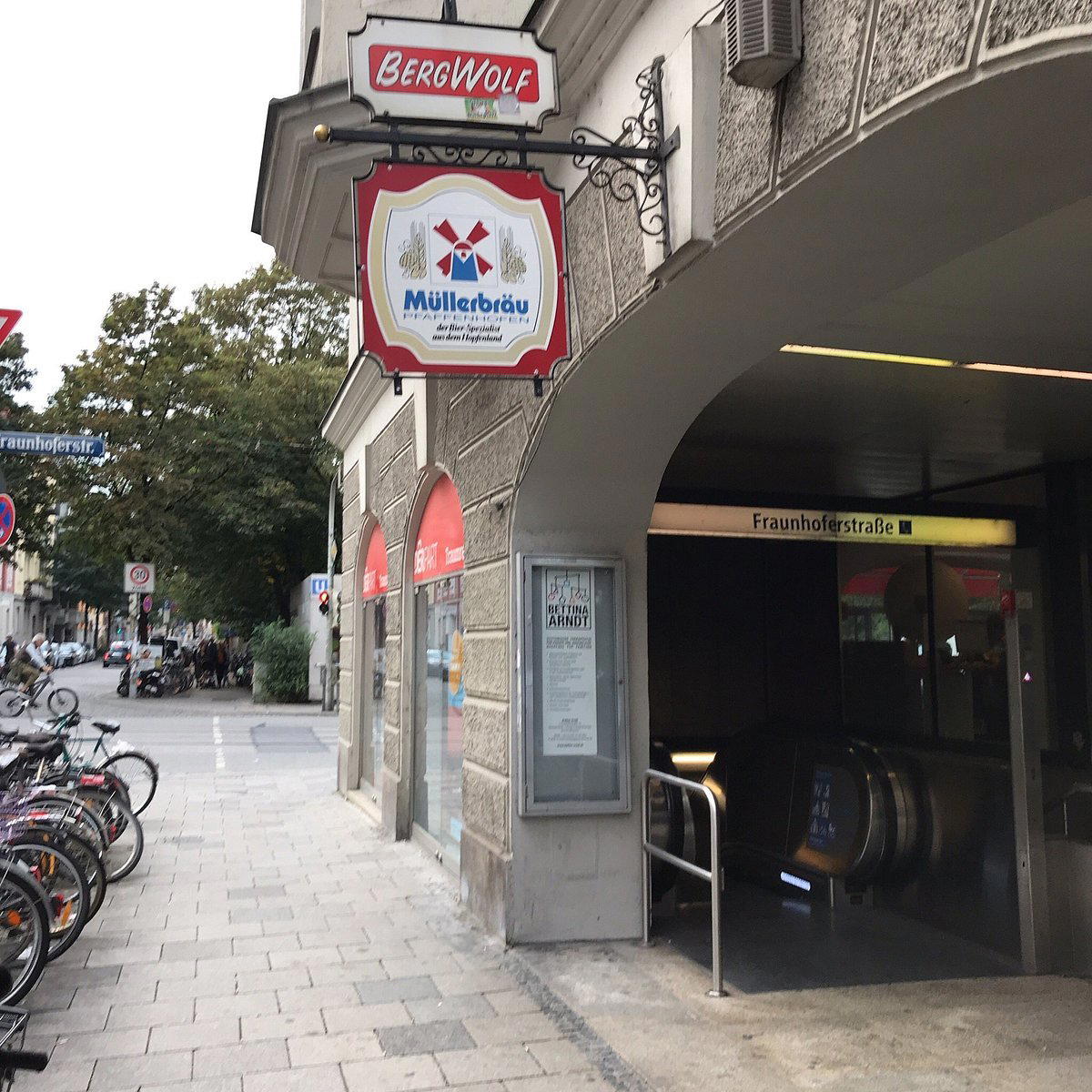
Gärtnerplatzviertel and the Restaurants That Belong to It
There is a particular kind of Munich restaurant that announces itself through its postcode before it announces itself through its menu. Fraunhoferstraße 17 sits in the Gärtnerplatzviertel, the wedge of the city south of the Sendlinger Tor that has spent the last decade becoming the address of choice for restaurants that resist the formal codes of the Maxvorstadt or Schwabing fine-dining belt. The streets here are low-rise and tree-lined, the bars open late, and the dining rooms — when they work — feel like they were built for the neighbourhood rather than airlifted into it. Bergwolf belongs to this context. Its address alone places it in a competitive set that runs on atmosphere and specificity rather than ceremony.
Munich's premium dining tier is well-documented: Tantris, Atelier, Tohru in der Schreiberei, and Alois - Dallmayr Fine Dining occupy the €€€€ bracket with Michelin recognition and tasting-menu formats that require advance planning and a degree of formal commitment. JAN takes a creative approach that sits closer to personal statement than institution. Bergwolf operates on Fraunhoferstraße, in a quarter where the expectation is different: the room should feel lived-in, the energy should match the street outside, and the food should give you a reason to stay.
What the Room Does Before the Food Arrives
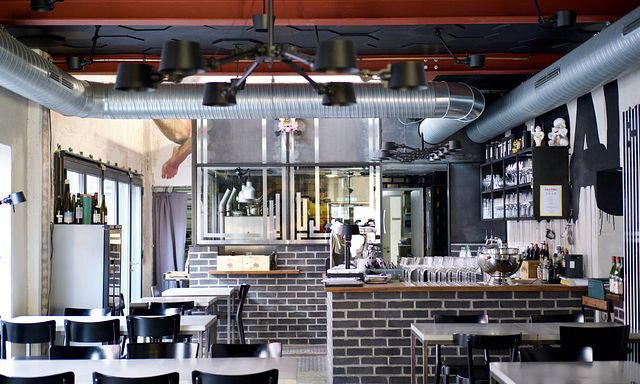
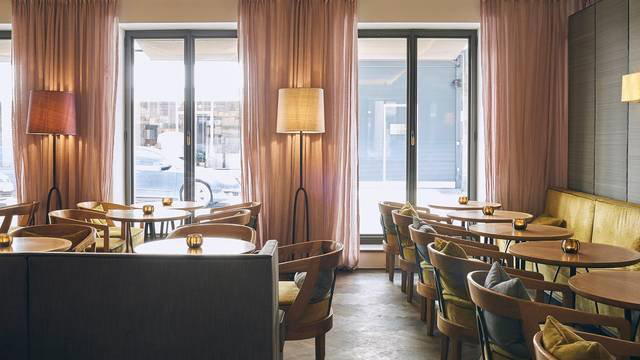
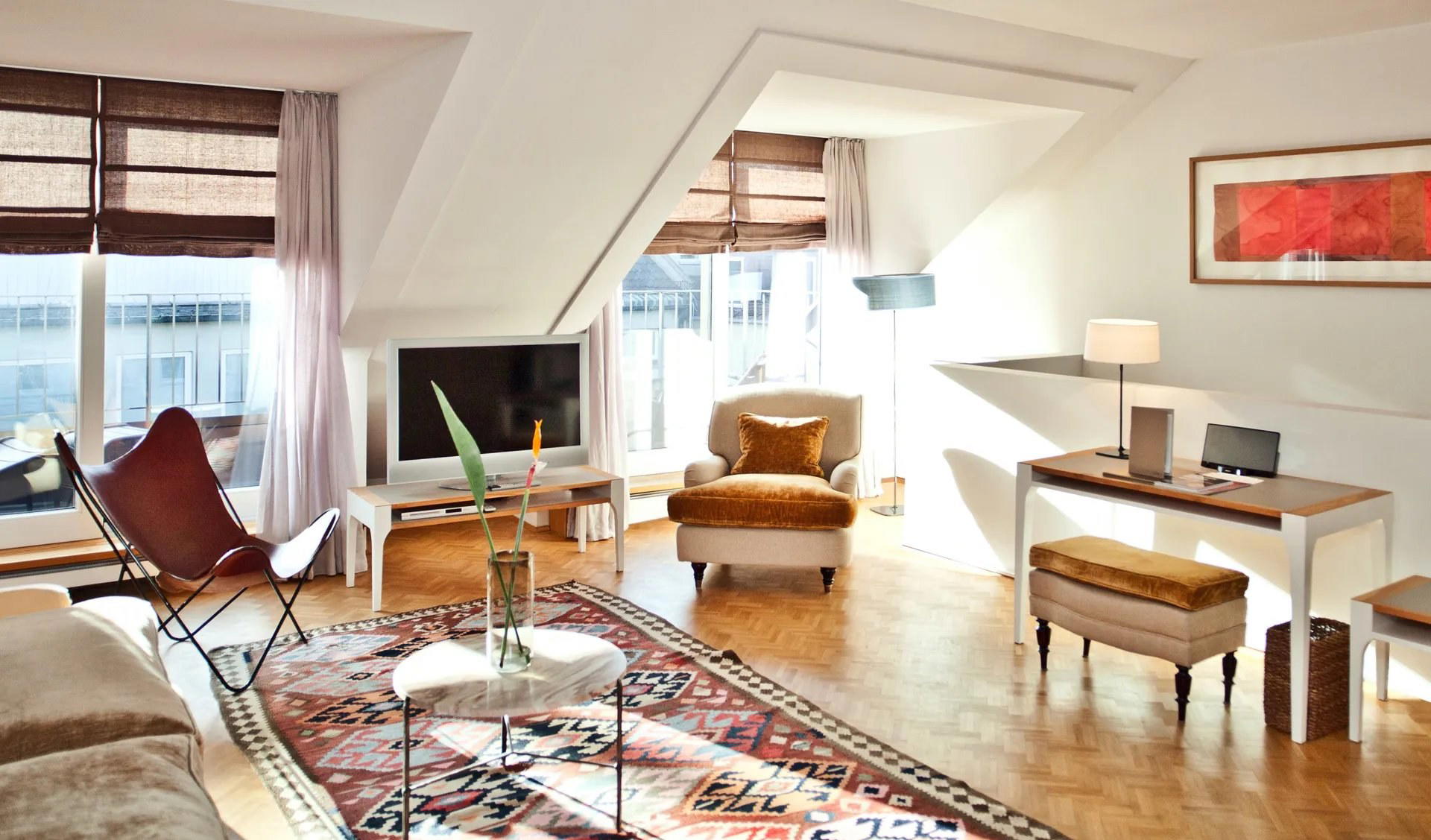
In Munich's Gärtnerplatzviertel, the interior of a restaurant does a significant amount of the editorial work. The neighbourhood attracts an audience that has eaten widely and prefers environments that communicate a point of view without overstating it. Bergwolf's address on Fraunhoferstraße places it among venues where materials, light, and acoustic texture matter as much as the menu, where the experience of sitting in the room is understood to be part of the offering, not a backdrop to it.
This is a posture more common in cities like Copenhagen or Berlin than in Munich, which has historically preferred either the high-formality codes of its Michelin tier or the deep-rooted conviviality of its beer hall and brasserie culture. The middle register, relaxed but considered, casual in atmosphere but specific in execution, is smaller and more contested. Venues like CODA Dessert Dining in Berlin have demonstrated how strongly a format with a clear conceptual identity can perform within that register. Bergwolf's location suggests it is competing in the same space.
The Broader German Scene It Fits Into
Germany's fine-dining geography has always been more distributed than France's or Spain's. Three-star performance emerges from places like Schwarzwaldstube in Baiersbronn, Aqua in Wolfsburg, and Vendôme in Bergisch Gladbach, towns and mid-sized cities that would be afterthoughts on the international dining circuit were it not for single restaurants pulling significant weight. Munich sits within this pattern as the country's wealthiest city by most measures, yet its Michelin footprint does not dominate the national conversation the way one might expect.
Bavaria's restaurant culture has its own logic. The region's food identity pulls hard toward tradition, the Brotzeit, the Wirtshaus, the Biergarten, and restaurants that depart from that tradition tend to either go fully international (the Tantris model, the Atelier model) or find a middle path that references regional material without replicating regional format. ES:SENZ in Grassau and Schanz in Piesport demonstrate how German restaurants can develop serious culinary identities outside the major urban centres. Within Munich itself, the Gärtnerplatzviertel represents an interesting pressure point: a neighbourhood affluent and curious enough to support ambitious food, but resistant to the codes that govern the city's formal fine-dining tier.
The Sensory Logic of a Room on Fraunhoferstraße
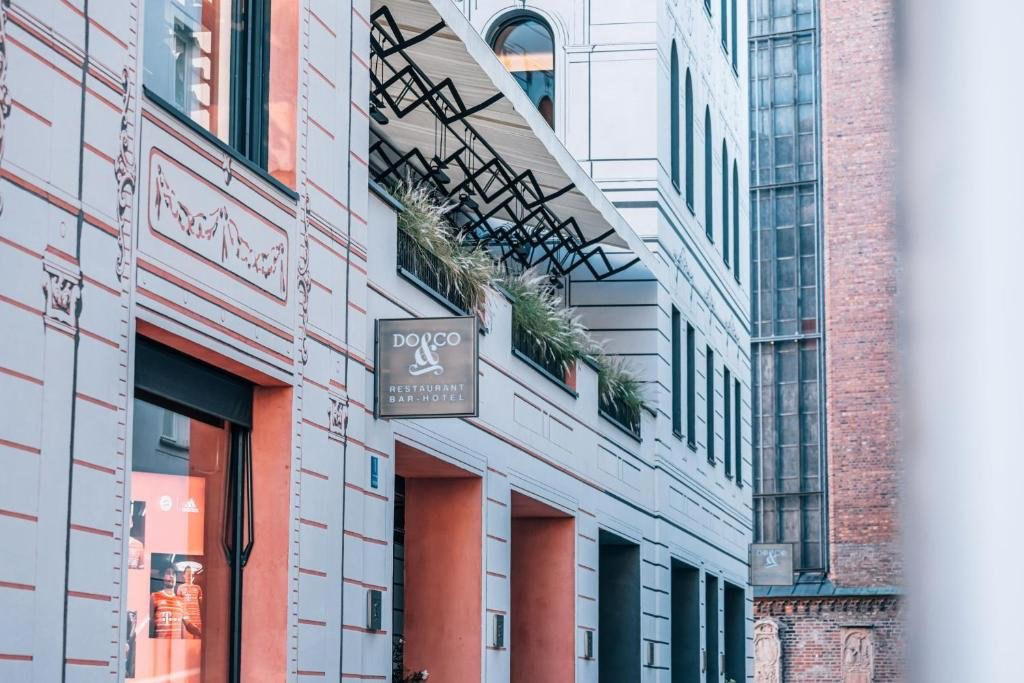
Fraunhoferstraße in the evening operates on a specific frequency. The street connects the Gärtnerplatz theatre square to the quieter residential blocks beyond, and the foot traffic shifts over the course of a night from early-dinner to late-bar without a hard break. Restaurants here absorb that rhythm. The ambient sound level tends toward conversation rather than performance; the lighting does not announce itself. This is a street where you notice the smell of a kitchen before you notice a sign, where the quality of light through a window functions as an invitation.
For a restaurant in this position, atmosphere is not decoration, it is argument. The venues that work on Fraunhoferstraße tend to do so because they understand that their immediate physical presence communicates something to a passerby before a menu is ever seen. Sound, warmth, the movement of people inside: these are the first signals. The food confirms or contradicts what the room promises. This dynamic is not unique to Munich, Waldhotel Sonnora in Dreis and Restaurant Haerlin in Hamburg both demonstrate how strongly a physical setting frames expectation, but it is particularly acute in a neighbourhood like the Gärtnerplatzviertel, where the competition for attention is horizontal (across the street) rather than vertical (across a price tier).
Planning a Visit
Bergwolf is located at Fraunhoferstraße 17, 80469 München, in the Gärtnerplatzviertel. The neighbourhood is walkable from the Fraunhoferstraße U-Bahn station on the U1 and U2 lines, and the surrounding streets hold a concentration of bars and restaurants that make the area worth an evening rather than a single booking. Contact details and current hours are best confirmed directly, as published information can shift. For visitors building a broader Munich programme, our full Munich restaurants guide maps the city's dining options by neighbourhood and price tier. Those extending their Germany itinerary toward the Rhineland or the southwest should note that Bagatelle in Trier and Victor's Fine Dining by Christian Bau in Perl represent the western anchor of the country's serious dining circuit. For international context on what format clarity and sensory consistency can produce at the highest level, Le Bernardin in New York City and Lazy Bear in San Francisco offer useful reference points on how atmosphere and precision can operate simultaneously.
Frequently asked questions
Is Bergwolf formal or casual?
at Bergwolf?
How far ahead should I plan for Bergwolf?
What's the standout thing about Bergwolf?
What if I have allergies at Bergwolf?
Does Bergwolf suit solo diners visiting Munich for the first time?
Just the Basics
A quick snapshot of similar venues for side-by-side context.
| Venue | Cuisine | Price | Awards | Notes |
|---|---|---|---|---|
| BergwolfThis venue — the venue you are viewing | German Currywurst Fast Food | $10–20 | Not listed | Not listed |
| Tantris | Modern French Fine Dining | $300–500 | 2 Michelin Stars · World's 50 Best #73 | Modern French, French Contemporary |
| Tohru in der Schreiberei | Modern Japanese-European Fusion Fine Dining | $300–500 | Michelin Plate · La Liste Top Restaurants | Modern German - Japanese, Modern Cuisine |
| Alois - Dallmayr Fine Dining | Modern Bavarian Fine Dining with French and Nordic Influences | $300–500 | 2 Michelin Stars · La Liste Top Restaurants | Creative |
| Atelier | Modern German with Asian Influence | $200–300 | 2 Michelin Stars · La Liste Top Restaurants | Creative French |
| Acquarello | Modern Italian Fine Dining | $100–150 | 1 Michelin Star | Italian - Mediterranean, Italian |
Continue exploring
More in Munich
Restaurants in Munich
Browse all →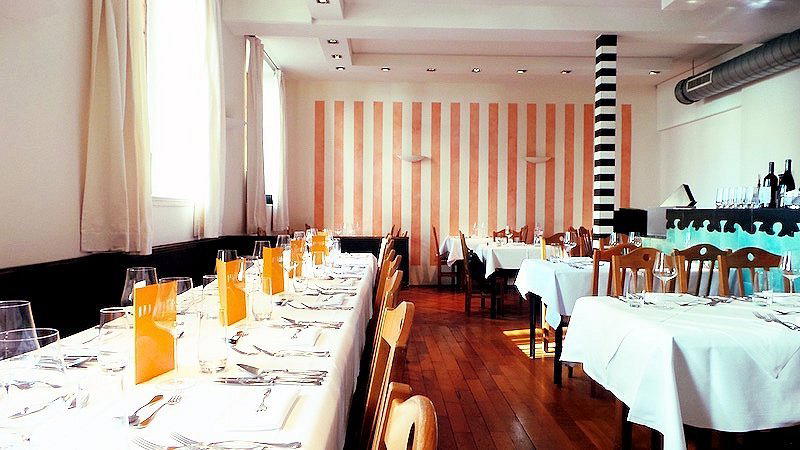
Details
- Lively
- Casual
- Late Night
- Casual Hangout
- Standalone
- Beer Program
- A La Carte
- Beer
- Vegan Options
Current opening hours
- Monday
- 6 PM–12 AM
- Tuesday
- 12–2:30 PM, 6 PM–12 AM
- Wednesday
- 12–2:30 PM, 6 PM–12 AM
- Thursday
- 12–2:30 PM, 6 PM–2 AM
- Friday
- 12–2:30 PM, 6 PM–4 AM
- Saturday
- 12 PM–4 AM
- Sunday
- 3–9 PM
Hours can change for holidays and private events. Last verified .
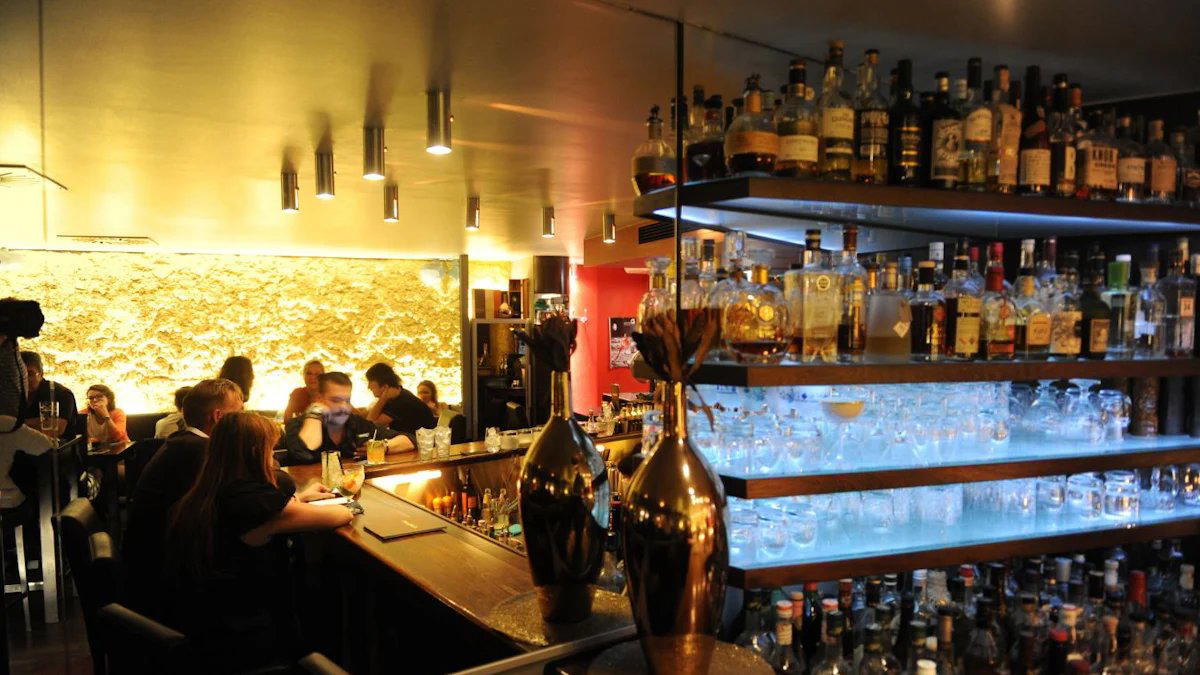
Bustling, no-frills late-night spot with a casual, energetic atmosphere well-suited for post-party cravings.