Berenjak Abu Dhabi
Our verdict
Berenjak Abu Dhabi brings Persian cooking into a city where shared plates suit the rhythm of long, social meals. The draw is the mezze logic: dips, herbs, bread and grilled dishes arranged for the table rather than plated as isolated courses, making it a useful address for groups tracking the capital’s broader Middle Eastern dining culture.

Pearl is the En Primeur Club membership app, where members save venues, book tables and use the concierge.

The menu
What to order
- Hummus made with black chickpeas and sunflower seed tahini
- Kashk-e Bademjoon
- Koobideh Kabab
Persian dining announces itself before the main plates arrive: bread, herbs, pickles, cool dairy, smoke, char and the slow build of a table filling in layers. In Abu Dhabi, where dinner often works as a social format rather than a quick transaction, that opening spread matters. Berenjak Abu Dhabi belongs to that tradition, with the early part of the meal doing much of the work: shared starters set the pace before charcoal-grilled kebabs and larger family-style plates enter the conversation.
The city’s dining scene has enough hotel dining rooms and polished international imports to make informality feel deliberate when it is handled with discipline. Persian food, at its strongest, does not need ceremony to signal seriousness. It relies on contrast: warm bread against cooler elements, acid against fat, herbs against smoke, and the communal grammar of passing plates across the table. That is the reason the opening spread is not a warm-up act here. It is the structure that tells the table how to eat.
The mezze spread carries the meal's argument
Across the Gulf, shared starters have become a lingua franca of group dining, but Persian cooking brings its own emphasis. Herbs, dairy, grill culture and acidity all matter, and the point is not simply abundance. In a city such as Abu Dhabi, where restaurants often serve mixed groups with different appetites, this style has practical value: the table can begin broadly, then narrow toward grilled dishes or other shared plates without forcing every diner into the same sequence.
That makes Berenjak Abu Dhabi more interesting as part of a dining pattern than as a single-room story. The restaurant sits within a capital that has become increasingly fluent in regional specificity, not just generic “Middle Eastern” cooking. Persian food gives that conversation another register. The starters are not simply familiar opening orders; they are a way to measure balance, seasoning and pace. A heavy hand shows quickly in this format. So does a kitchen that understands how shared food should build rather than blur.
For readers mapping the city by cuisine rather than hotel district, the broader directory is useful: Our full Abu Dhabi restaurants guide tracks the capital’s dining range, while category pages for Abu Dhabi hotels, Abu Dhabi bars, Abu Dhabi wineries and Abu Dhabi experiences help place dinner inside a wider trip plan.
Persian cooking suits Abu Dhabi's long-table culture
Abu Dhabi rewards restaurants that understand tempo. Business dinners, family meals and late-evening social tables often need food that can sit at the centre, not disappear course by course. Persian dining is built for that rhythm. The first plates allow conversation to start before the meal has declared a main event, and the grill element gives the table weight without turning dinner into a tasting-menu performance.
This is also where the city’s international dining map becomes useful context. Other Abu Dhabi dining rooms show how the capital has moved beyond a single luxury-hotel dining model. Berenjak Abu Dhabi adds a regional counterweight: less about spectacle, more about the mechanics of shared food and the cultural authority of a table built from bread, herbs, smoke and grill.
The same regional thread extends across the UAE in different forms, from polished hotel restaurants to more casual neighbourhood dining rooms. Berenjak Abu Dhabi’s particular value is that it brings a London-born, award-winning Persian kababi name to the capital, following acclaimed openings elsewhere in the UAE and making its Abu Dhabi debut with charcoal-grilled kebabs and family-style sharing plates.
How to read the room before ordering
The smart approach is to treat the opening spread as the anchor, not a preface. Begin with shared plates, then add dishes that bring heat, char or deeper savoury weight to the table. That order respects the cuisine’s internal logic: freshness first, smoke later, heft as a stabiliser rather than an afterthought. It also works better for groups, because the table can adjust volume without committing to a fixed progression.
For solo diners or pairs, the risk with this cuisine is over-ordering the middle of the meal and losing the contrast that makes Persian food compelling. A smaller set of starters followed by one or two warmer plates usually reads more clearly than a crowded table where every texture competes. For families and mixed-age groups, the format is forgiving: shared dishes, bread and grilled kebabs create entry points without requiring every diner to know the cuisine in advance.
The critical point is simple. Abu Dhabi has many restaurants that speak the language of polish; Persian dining is more persuasive when it speaks the language of hospitality, pacing and balance. Berenjak Abu Dhabi is valuable in that frame, especially for diners who want a meal built around the table rather than the plate.
Frequently asked questions
What type of food is Berenjak Abu Dhabi known for?
Berenjak Abu Dhabi serves Persian cuisine, with charcoal-grilled kebabs and family-style sharing plates.
Is Berenjak Abu Dhabi reservation-only?
Berenjak Abu Dhabi is a Persian restaurant in Abu Dhabi. For Persian dining in the city, advance planning is sensible.
What do critics highlight about Berenjak Abu Dhabi?
Coverage highlights Berenjak Abu Dhabi as the Abu Dhabi debut of a London-born, award-winning Persian kababi, following acclaimed openings elsewhere in the UAE. The appeal lies in charcoal-grilled kebabs and family-style sharing plates.
Is Berenjak Abu Dhabi good for families?
Yes, Persian cuisine suits shared dining, which makes Berenjak Abu Dhabi a practical choice for family meals in Abu Dhabi. The restaurant’s format works especially well when the table wants to order several dishes and pass them around.
What kind of setting is Berenjak Abu Dhabi?
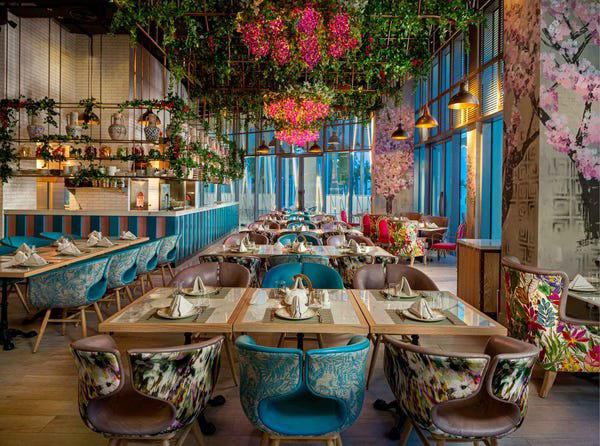
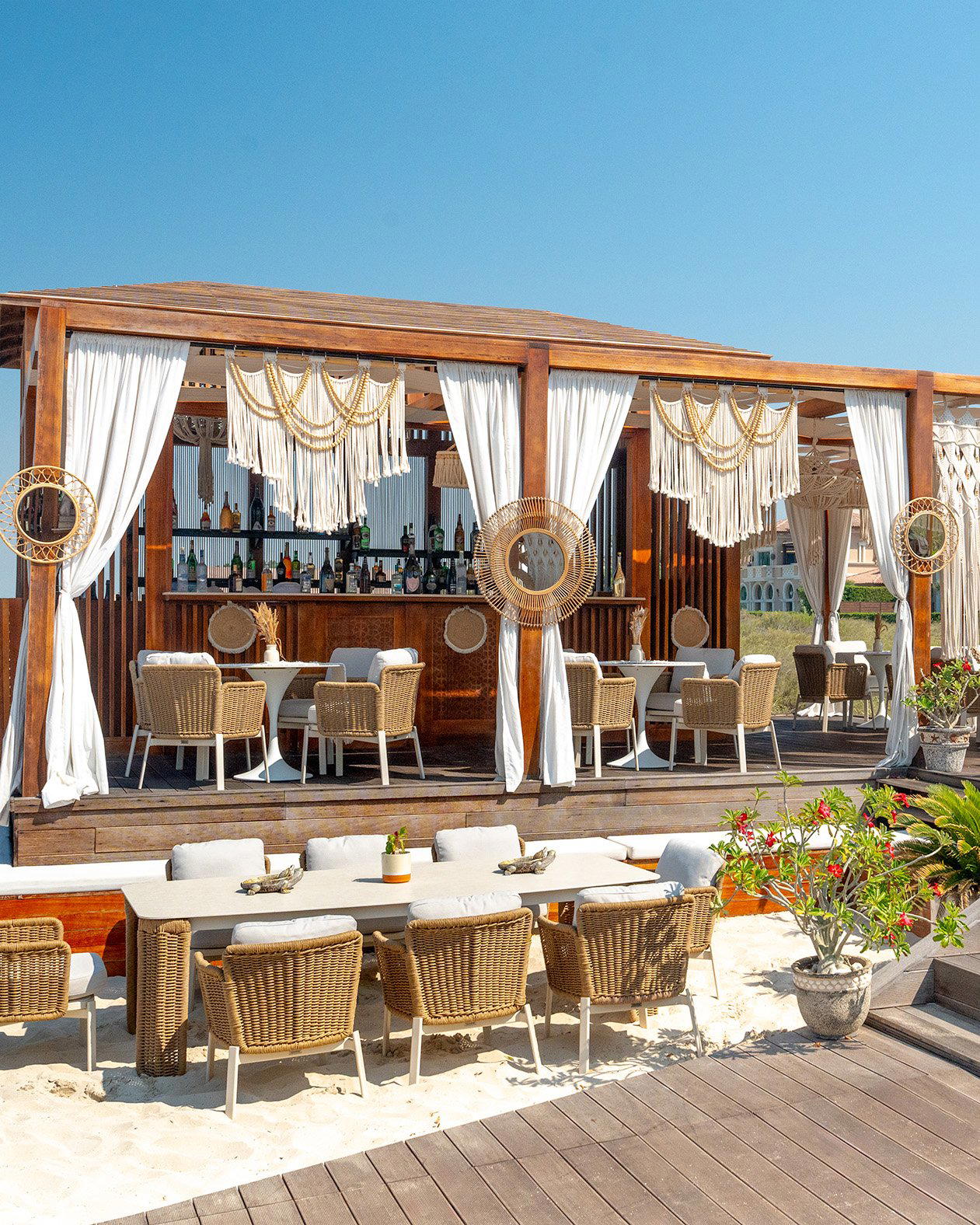
It is a Persian dining room in Abu Dhabi, shaped for family-style sharing plates and group conversation rather than a chef’s counter. The setting suits dinners that unfold over shared dishes and grilled kebabs.
How It Compares
Comparable venues nearby, for context on price, style, and recognition.
| Venue | Cuisine | Price | Notes |
|---|---|---|---|
| Berenjak Abu DhabiThis venue (the venue you are viewing) | Persian | Not listed | Not listed |
| Amara | Contemporary Lebanese | $30–50 | Yas Island |
| Flavors Grill Abu Dhabi | Middle Eastern Grill | $30–50 | Al Meena |
| Mezlai | Fine Emirati and Middle Eastern Cuisine | $50–100 | Al Ras Al Akhdar |
| Abd El Wahab | Authentic Lebanese | $30–50 | Al Saadiyat Island |
| Em Sherif Café | Authentic Lebanese Café | $30–50 | Al Kasir |
Continue exploring
More in Abu Dhabi
Restaurants in Abu Dhabi
All restaurants in Abu Dhabi →
Bars in Abu Dhabi
All bars in Abu Dhabi →




Details
- Intimate
- Sophisticated
- Modern
- Classic
- Date Night
- Business Dinner
- Group Dining
- Special Occasion
- Open Kitchen
- Chefs Counter
- Design Destination
- Standalone
- A La Carte
- Small Plates
Current opening hours
- Monday
- 12–4 PM, 6–11:30 PM
- Tuesday
- 12–4 PM, 6–11:30 PM
- Wednesday
- 12–4 PM, 6–11:30 PM
- Thursday
- 12–4 PM, 6–11:30 PM
- Friday
- 12 PM–12:30 AM
- Saturday
- 12 PM–12:30 AM
- Sunday
- 12–11:30 PM
Hours can change for holidays and private events. Hours as of .
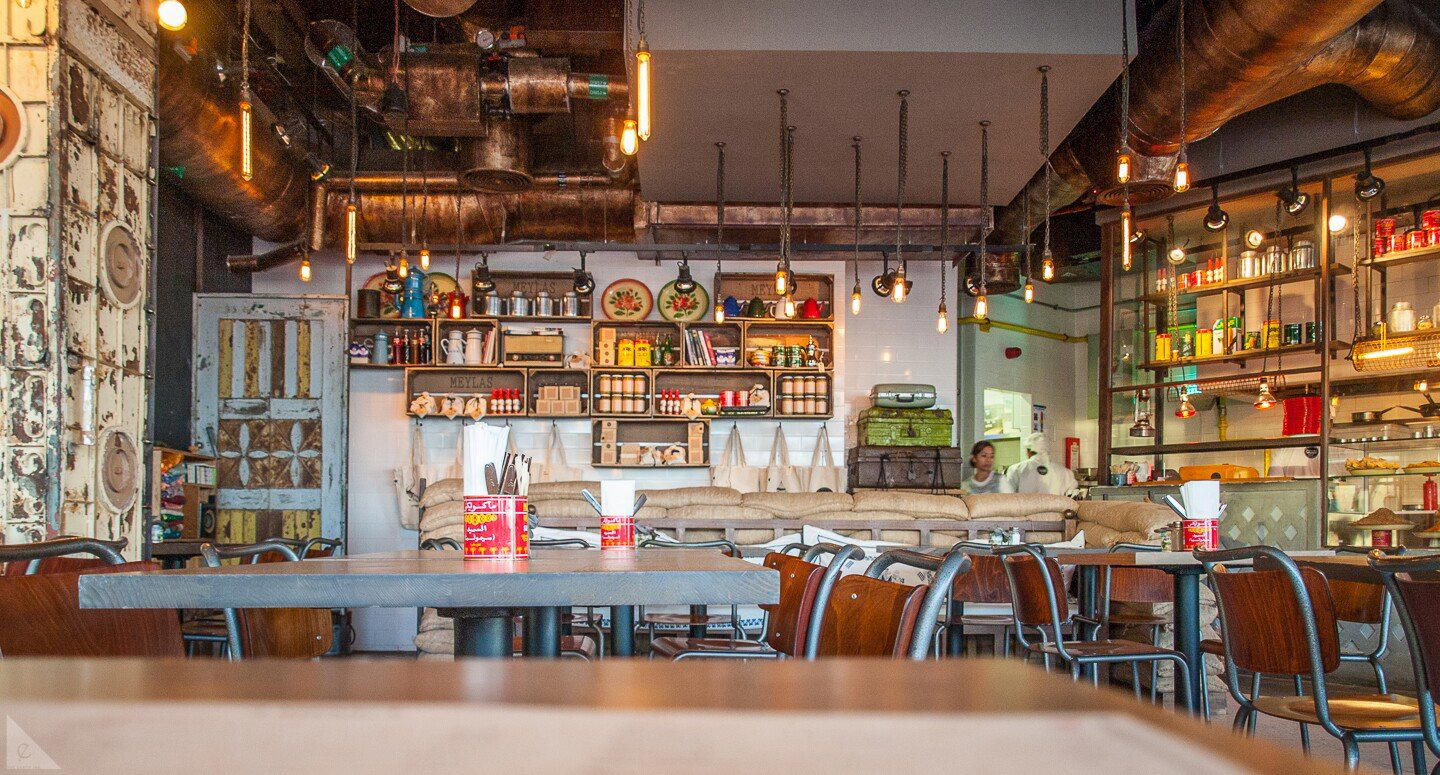
Warm, heritage-driven, and design-forward, with dark oak, aged brass, timber veneers, hand-painted details, and a refined but lively open-kitchen energy.