Em Sherif Café
Em Sherif Café brings the acclaimed Lebanese dining brand to Abu Dhabi's Al Bateen waterfront on W Corniche Road. The café format sits within the Em Sherif family's broader regional expansion, translating the brand's reputation for precise Lebanese cooking into a more accessible register. For visitors to the UAE capital, it represents one of the more recognisable names in Eastern Mediterranean dining operating in the city.
Pearl is the En Primeur Club membership app — saves, bookings, and concierge access live there. Same editors, same standards.
- Address
- W Corniche Rd - Al Bateen - W10 01 - Abu Dhabi - United Arab Emirates
- Phone
- +97126919999
- Website
- emsherif-cafe.com
- Directions
- Get directions
 Saves & bookings on Pearl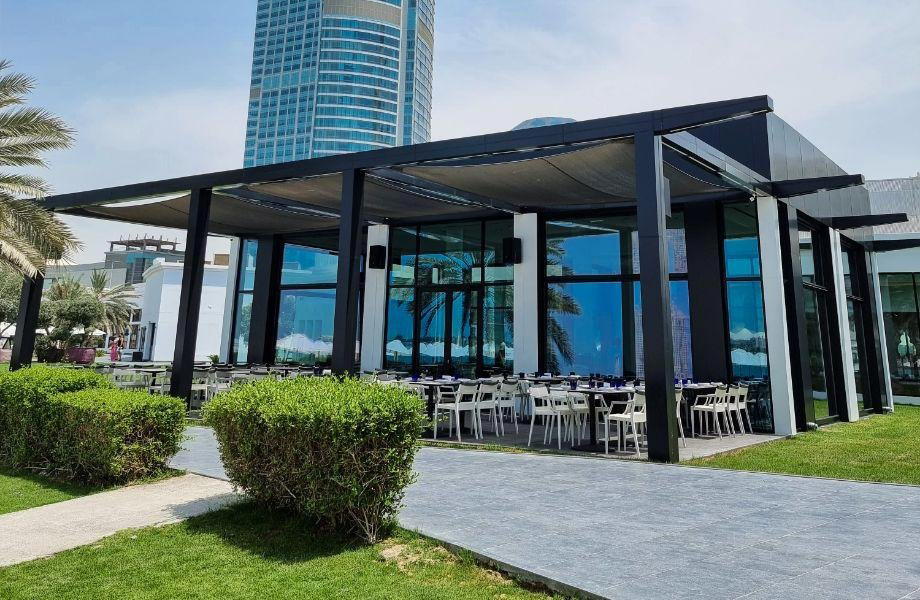
Lebanese Dining Culture and the Café Format in Abu Dhabi
The Gulf's premium dining scene has, over the past decade, developed a clear appetite for Lebanese cuisine at multiple price points. What began as a category dominated by informal mezze houses has stratified into a more complex field: high-end Lebanese restaurants with tasting menus and wine programs sit alongside neighbourhood spots and fast-casual offshoots of established brands. The café model, in particular, has become a vehicle through which recognisable regional names test new markets or extend their reach without committing to a full-service restaurant footprint. Em Sherif Café on W Corniche Road in Abu Dhabi's Al Bateen district fits squarely into that pattern, representing the brand's move toward a lighter, more accessible format in a city that has absorbed several waves of upmarket Lebanese dining over the years.
The Em Sherif Brand and Its Regional Arc
The Em Sherif name originates in Beirut, where the flagship restaurant built a reputation for precise, generously portioned Lebanese cooking in a setting that borrowed from traditional Lebanese domestic aesthetics. The brand's expansion into the Gulf tracked the region's growing demand for high-credibility Lebanese dining, a category where provenance and brand heritage carry significant weight with a dining public that often has firsthand familiarity with Beirut's restaurant culture. That familiarity creates a particular kind of scrutiny: diners who know the Beirut original arrive at Gulf outposts with a calibrated reference point rather than a blank slate.
Café iteration of the brand represents a deliberate evolution from the full-service flagship model. Where the flagship format leans into ceremony, abundance, and extended dining occasions, the café version compresses the experience, favouring the kind of drop-in accessibility that suits a waterfront location in a city where dining patterns shift between formal occasions and more spontaneous outings. This is a recognisable pivot in regional hospitality: brands that built their identity on occasion dining adapt a lighter format to capture daily-spend customers without diluting the core identity. Comparable dynamics play out across the international dining world, from the way starred kitchens in Europe launch adjacent bistros to how chef-led restaurants in cities like New York develop café arms.
Al Bateen and the Corniche Context
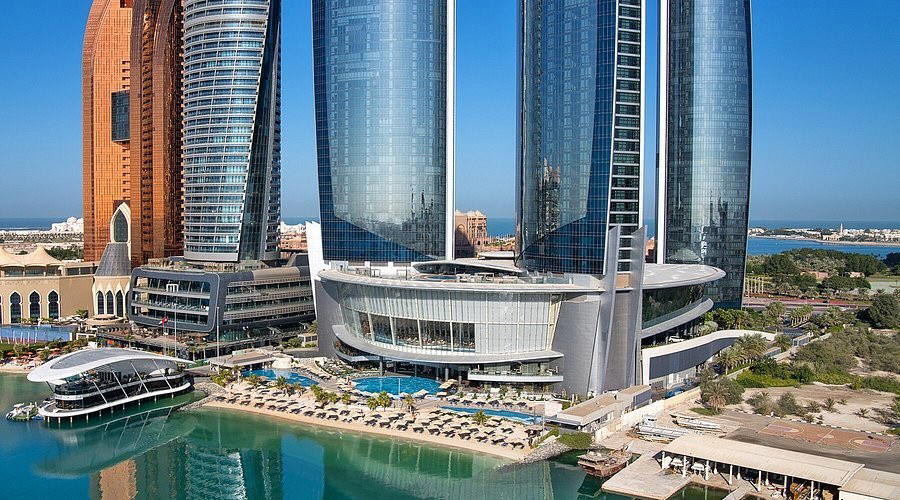
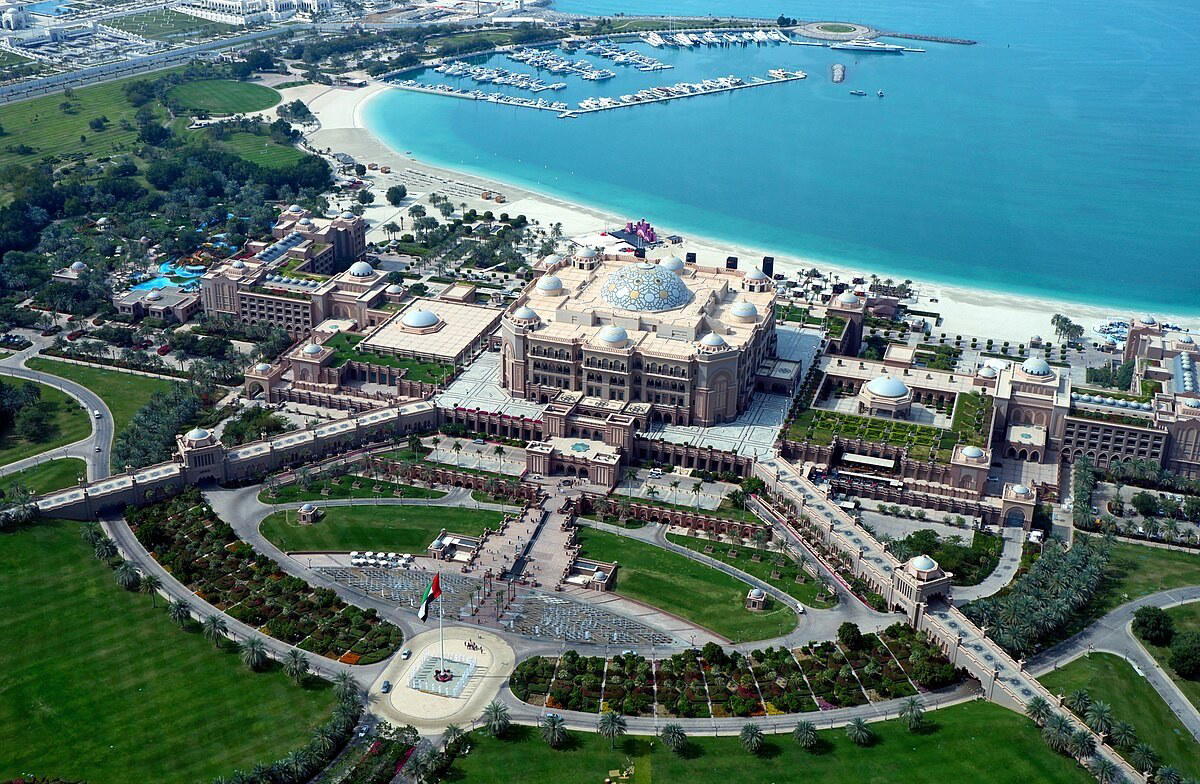
W Corniche Road address places Em Sherif Café in Al Bateen, a district that functions as one of Abu Dhabi's more composed waterfront zones, distinct from the denser commercial energy around the city centre. The area draws a mix of hotel guests, residents, and visitors spending time along the waterfront, which makes the café format particularly well-suited to its location. A full-service restaurant in this position would compete with the city's hotel dining rooms, several of which operate at the summit of the market. The café positioning sidesteps that competition and targets a different moment in the day.
Abu Dhabi's waterfront dining has grown more varied over the years. At the formal end, restaurants like Talea by Antonio Guida and Hakkasan anchor the leading price tier, while mid-market operators including LPM Abu Dhabi occupy the zone between occasion dining and regular-use restaurants. The Lebanese café category sits in a different band altogether, one where frequency of visit matters as much as occasion quality. That positioning makes sense for a brand trying to establish daily relevance in a competitive market rather than relying on the infrequent, high-spend visits that sustain formal restaurants.
The Lebanese café model and the modern Emirati format represent two distinct trajectories in how the city's restaurant scene is expanding its identity beyond international hotel dining.
What the Café Format Signals About Lebanese Dining's Evolution
Lebanese cuisine in the Gulf has undergone a quiet but meaningful shift over the past several years. The mezze spread, once the default format for Lebanese eating out, now competes with a more varied set of approaches: counter service, bakery-café hybrids, and brand extensions like the Em Sherif Café model. This evolution mirrors what has happened to other regional cuisines as they mature within a cosmopolitan market. Particularly compelling Lebanese operators are those that have found a way to preserve the essential qualities of the cuisine, the freshness of the ingredients, the layering of flavour in dips and grills, the hospitality register, while adapting the format to suit contemporary dining behaviour.
Across the Gulf, this has produced a spectrum running from stripped-back traditional houses, such as AL NAWAB RESTAURANT LLC in Sharjah, to the more polished Lebanese-adjacent operators found in Abu Dhabi and Dubai. The café format occupies an interesting middle ground in that spectrum: it carries brand recognition and a degree of quality expectation, without demanding the full commitment, in time and spend, of a formal restaurant visit. In that sense, the restaurant functions as a bridge between the brand's aspirational positioning and a wider, more casual audience.
For comparison, Abu Dhabi's mid-market Lebanese scene includes Almayass, which operates as a more traditional sit-down restaurant, while bakery-café operators like Marmellata Bakery show how the café format can anchor a neighbourhood dining identity without the overhead of a full kitchen program. The restaurant sits in a distinct tier from both, carrying the weight of an established brand identity into a format that is still finding its register in the Abu Dhabi market.
The broader regional picture shows similar brand-extension dynamics at work across the innovation-forward dining scene. From Trèsind Studio in Dubai to Italian institutions like Dal Pescatore in Runate or Uliassi in Senigallia, durable dining brands are those that manage format evolution without losing the core identity that earned their reputation in the first place.
Planning a Visit
The restaurant is located at W Corniche Road in the Al Bateen area of Abu Dhabi. Given the waterfront setting and the brand's established following among Lebanese cuisine enthusiasts in the Gulf, it is worth contacting the venue directly to confirm current hours and any reservation requirements, as café-format operations in this part of the city can shift their service patterns seasonally.
Reputation First
Comparable venues nearby, for context on price, style, and recognition.
| Venue | Cuisine | Price | Notes |
|---|---|---|---|
| Em Sherif CaféThis venue — the venue you are viewing | Authentic Lebanese Café | $$$ | Not listed |
| Flavors Grill Abu Dhabi | Middle Eastern Grill | $$$ | Al Meena |
| Amara | Contemporary Lebanese | $$$ | Yas Island |
| Berenjak Abu Dhabi | Persian | $$$ | Al Bateen |
| Mezlai | Modern Emirati Fine Dining | $$$$ | Al Ras Al Akhdar |
| Cabana Beach Bar & Grill | Contemporary European Beach Grill | $$$ | Al Khubeirah |
Continue exploring
More in Abu Dhabi
Restaurants in Abu Dhabi
Browse all →
Bars in Abu Dhabi
Browse all →
At a Glance
- Elegant
- Cozy
- Sophisticated
- Business Dinner
- Group Dining
- Terrace
- Waterfront
- Craft Cocktails
- Waterfront
Current opening hours
- Monday
- 12 PM–12 AM
- Tuesday
- 12 PM–12 AM
- Wednesday
- 12 PM–12 AM
- Thursday
- 12 PM–12 AM
- Friday
- 12 PM–12 AM
- Saturday
- 12 PM–12 AM
- Sunday
- 12 PM–12 AM
Hours can change for holidays and private events. Last verified .
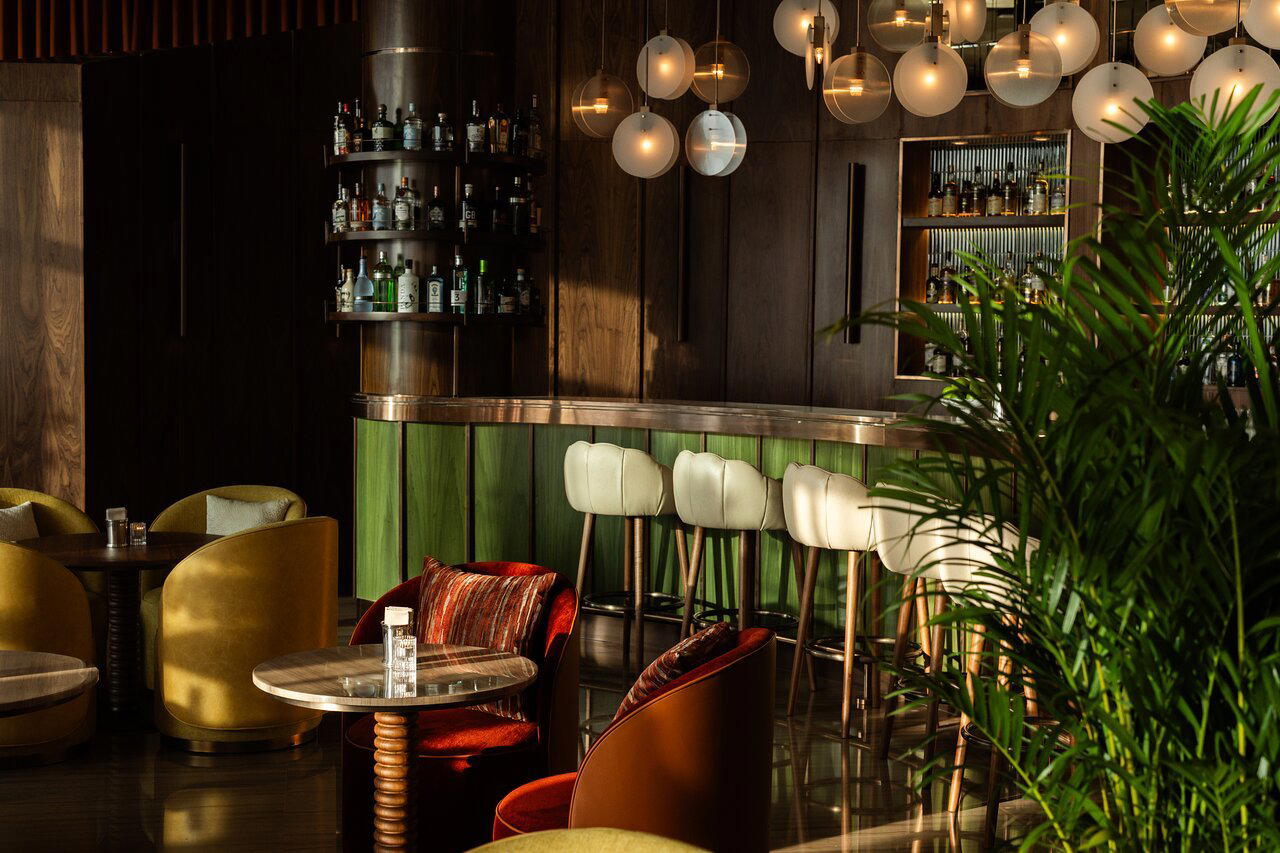
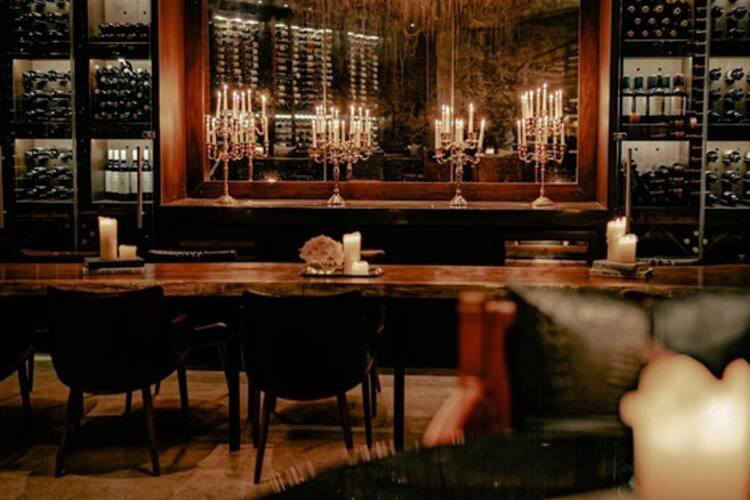
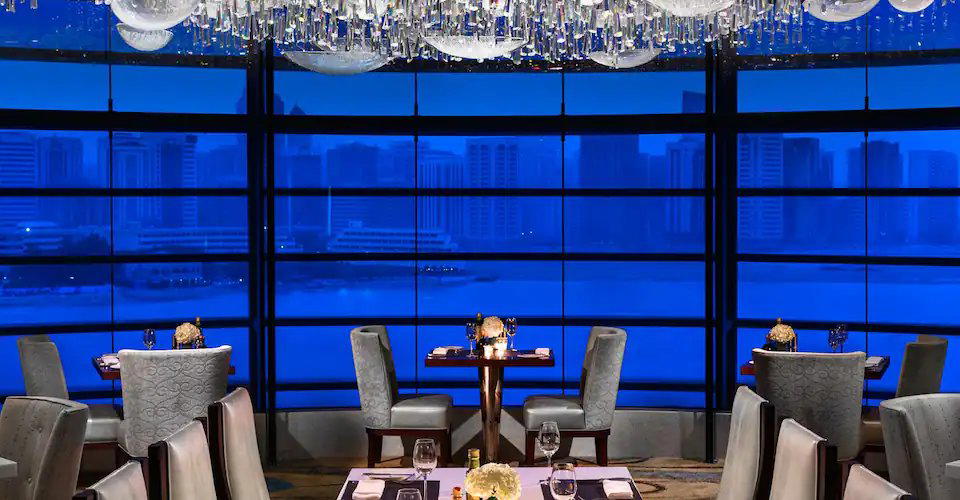
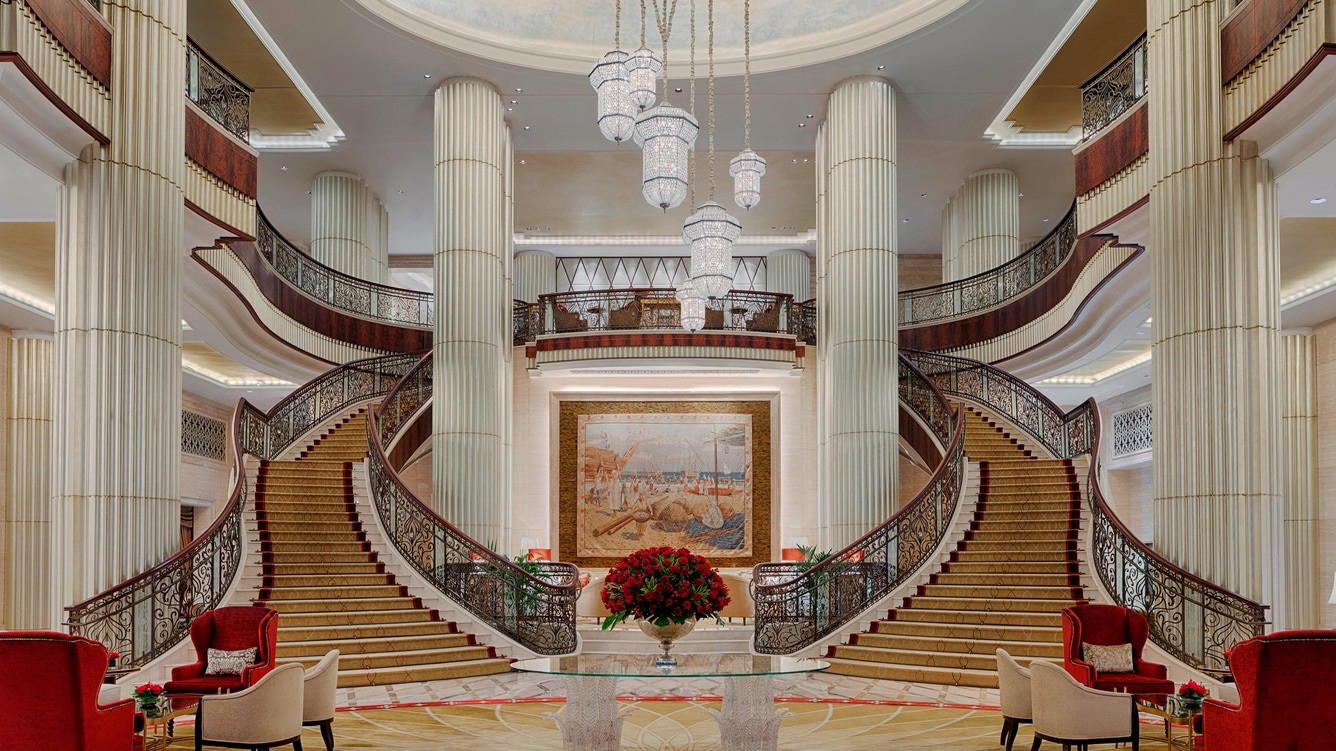
Lively yet cozy atmosphere blending modern aesthetic with traditional Arabic design elements and terrace seating.