Our verdict
Amara brings Lebanese cooking into Abu Dhabi’s broad Levantine dining circuit, where charcoal, skewers, herbs and shared plates define the table more than ceremony. The draw is the cuisine category itself: grilled meats, mezze, bread, pickles and citrus-led salads in a city where Lebanese restaurants serve both weeknight family meals and polished social dinners.

Pearl is the En Primeur Club membership app, where members save venues, book tables and use the concierge.

The menu
What to order
- Mixed grills (chicken and lamb)
- Lamb chops with walnut tomato spread
- Chicken tawouk
- Kafta
- Lahmeh meshweye (grilled lamb)
The first signal in a Lebanese dining room is rarely the menu. It is the rhythm of the table: bread moving quickly, small plates arriving before anyone has settled into a single course, and the smell of garlic, lemon and warm spice moving through the room. In Abu Dhabi, that rhythm matters. The city’s Lebanese restaurants sit at the intersection of Gulf hospitality and Levantine table culture, a format built for groups, family tables and long meals that move from cold mezze to more substantial shared dishes without forcing a rigid tasting-menu pace.
Amara belongs to that tradition rather than to a narrowly chef-driven fine-dining category. Its frame is Lebanese, which in Abu Dhabi usually means the meal is judged on fundamentals: the freshness of herbs, the balance of acid and olive oil, the handling of familiar classics, and whether the kitchen treats mezze as the meal’s foundation rather than its warm-up act. That is the useful way to read the restaurant: a breezy modern Lebanese opening noted among Abu Dhabi’s must-try new restaurants for refined mezze, reworked classics and an elevated dessert program, and as part of the city’s appetite for Levantine food that can handle both casual sharing and more composed evening dining.
Lebanese dining in Abu Dhabi is a test of balance, freshness and timing
The shared-table craft is where Lebanese restaurants often separate themselves. From the dining room, the format can look simple, but the discipline sits in the details: seasoning, texture, temperature, the balance of richness and acidity, and whether each plate feels fresh rather than heavy. Regional variations matter too. Herb-led garnishes, garlic, lemon, sumac, flatbread and pickled vegetables all shift the experience without changing the basic architecture of the meal.
Abu Dhabi gives this tradition a receptive audience because the city dines comfortably in groups. A Lebanese table rewards that habit. Cold mezze brings acidity and texture, warm starters add starch and crunch, then the more substantial dishes become the centre of gravity. The point is not novelty for its own sake; it is execution across familiar categories. A weak meal collapses quickly under repetition, while a careful one lets simple, well-balanced plates carry the evening.
Readers mapping the wider Lebanese circuit in the capital can place Amara alongside the city’s broader Levantine conversation without treating every dining room as interchangeable. Other Abu Dhabi dining rooms show how broad the category has become, from polished social meals to larger-format comfort restaurants. The shared lesson is clear: Lebanese food in the city is not a niche import, but a core part of how residents eat out.
The table works when mezze and shared dishes carry equal weight
A good Lebanese order should avoid the common mistake of treating one part of the meal as the only serious section. The smarter structure starts with contrast: something creamy, something sharp, something herbaceous and something warm before the richer dishes arrive. That sequence gives the table room to build properly. Too much richness can dull the palate; too little mezze makes the meal feel abrupt.
At Amara, the editorial interest is that Lebanese cuisine offers a format with built-in generosity but also clear technical standards. Mezze is unforgiving because small failures are obvious: herbs lose brightness, acid can flatten, and familiar classics can feel routine if they are not handled with care. When the kitchen shows restraint, the plate needs little more than bread, garlic, herbs and pickles. Abu Dhabi diners know this grammar well, which raises the bar for any Lebanese kitchen operating in the city.
The category also travels well across the UAE because it adapts to different settings without losing its spine. For a wider regional read, compare how Levantine and Middle Eastern dining appears across other UAE guides and regional restaurant coverage, where setting, audience and service style can change the meal’s pace. The same Lebanese frame can feel polished, casual, family-led or late-evening depending on the room, but the underlying test remains the same: balance, generosity and a table that invites people to share.
How to place Amara in an Abu Dhabi dining itinerary
Amara makes sense for diners who want Lebanese food as a shared social meal rather than a formal procession. The strongest use case is a table that orders across mezze, reworked classics and dessert, letting the kitchen’s handling of acid, bread, herbs and generosity define the evening. Solo diners and couples can still read the room through a smaller order, but the cuisine shows more range when several plates can overlap.
For planning beyond one meal, use Amara as part of a broader Abu Dhabi food map rather than a standalone destination. The capital’s restaurant culture is strongest when read by category and city rhythm: hotel dining, Lebanese rooms, Emirati and regional cooking, and late-evening social restaurants all play different roles. Start with our full Abu Dhabi restaurants guide, then widen the trip through our full Abu Dhabi hotels guide, our full Abu Dhabi bars guide, our full Abu Dhabi wineries guide and our full Abu Dhabi experiences guide. The useful verdict is practical: choose Amara when the night calls for Lebanese sharing plates, refined mezze and a room built around conversation rather than ceremony.
Frequently asked questions
Can I bring kids to Amara?
Amara’s Lebanese format in Abu Dhabi suits shared dining, which usually works well for families. The cuisine type is Lebanese, so the table is built around communal dishes rather than a rigid tasting-menu structure.
What is the atmosphere like at Amara?
Amara reads as a breezy modern Lebanese restaurant in Abu Dhabi with a social, shared-table rhythm. That usually means mezze, familiar classics, and a dining room designed for conversation rather than ceremony.
What kind of cuisine does Amara serve?
Amara serves Lebanese cuisine.
How hard is it to get a table at Amara?
Those details are not published. Amara sits in Abu Dhabi’s Lebanese dining category, with a shared-table format rather than a rigid tasting-menu structure. Check the venue's official channels for the latest details.
What is Amara known for?
Amara is known as a breezy modern Lebanese restaurant in Abu Dhabi, highlighted as a must-try 2025 opening with refined mezze, reworked classics and an elevated dessert program.
Can Amara accommodate dietary restrictions?
Lebanese cuisine is naturally adaptable, with many mezze and vegetable-led dishes that suit different diets. At Amara in Abu Dhabi, that makes the restaurant a practical option for mixed groups, though specific accommodations should be checked with the venue.
Comparable venues nearby, for context on price, style, and recognition.
| Venue | Cuisine | Price | Notes |
|---|---|---|---|
| AmaraThis venue (the venue you are viewing) | Contemporary Lebanese | $30–50 | Not listed |
| Berenjak Abu Dhabi | Persian | Not listed | Al Bateen |
| Em Sherif Café | Authentic Lebanese Café | $30–50 | Al Kasir |
| Cafe Arabia كافيه أربيا | Middle Eastern Fusion Cafe | $20–30 | Al Karamah |
| Bu Latin Restaurant | Pan-Latin | Not listed | Al Danah |
| Antonia Chic | Italian Pizza & Pasta | $30–50 | Al Maryah Island |
Amara
Featured Guides

Continue exploring
More in Abu Dhabi
Restaurants in Abu Dhabi
All restaurants in Abu Dhabi →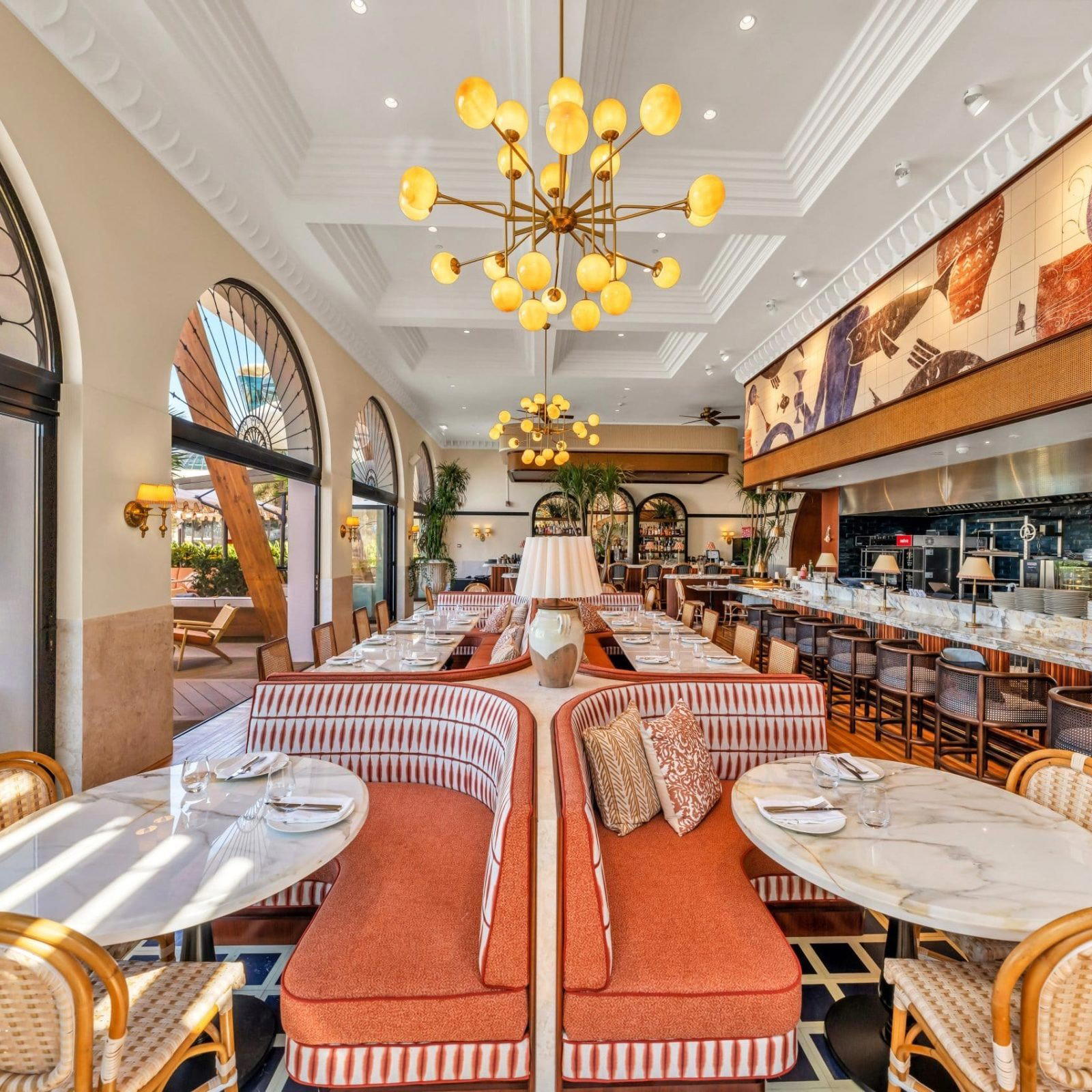
Bars in Abu Dhabi
All bars in Abu Dhabi →
Details
- Elegant
- Modern
- Trendy
- Cozy
- Family
- Group Dining
- Date Night
- Casual Hangout
- Celebration
- After Work
- Hotel Restaurant
- Standalone
- Design Destination
- A La Carte
- Family Style
- Halal
- Vegetarian Friendly
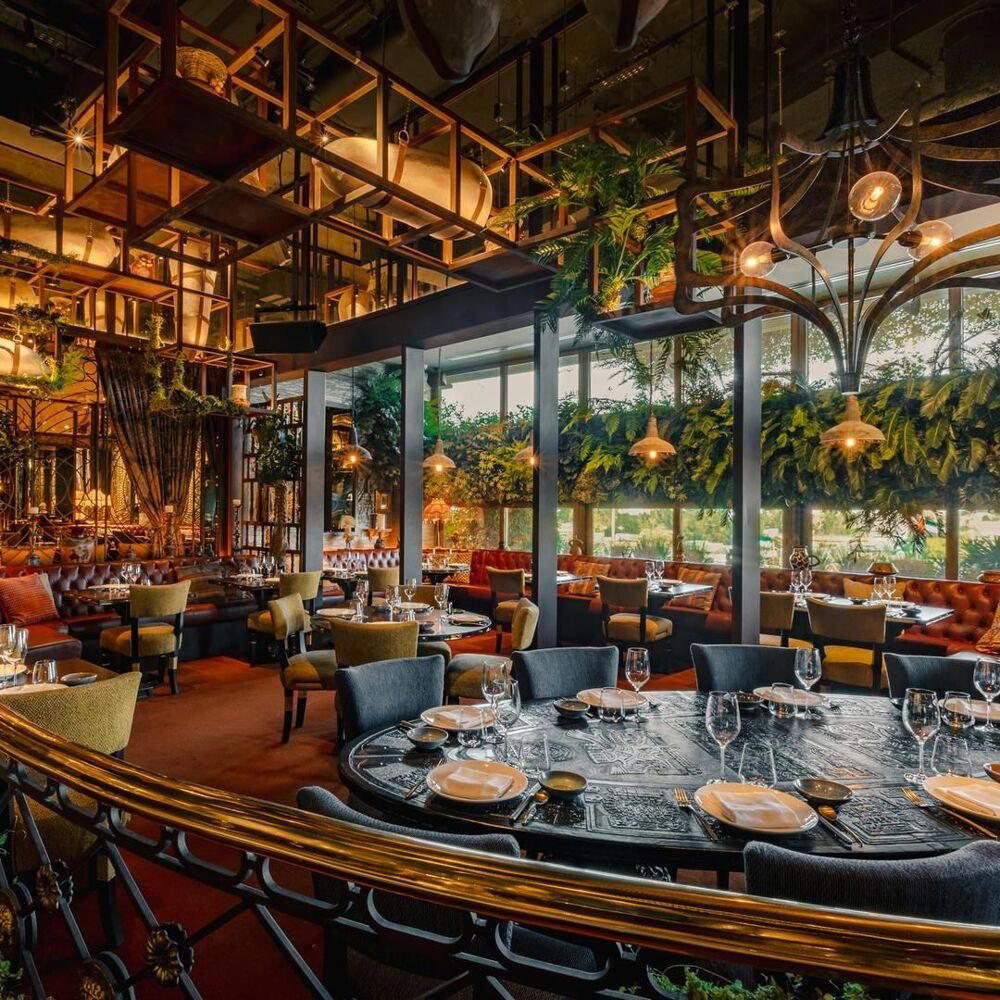
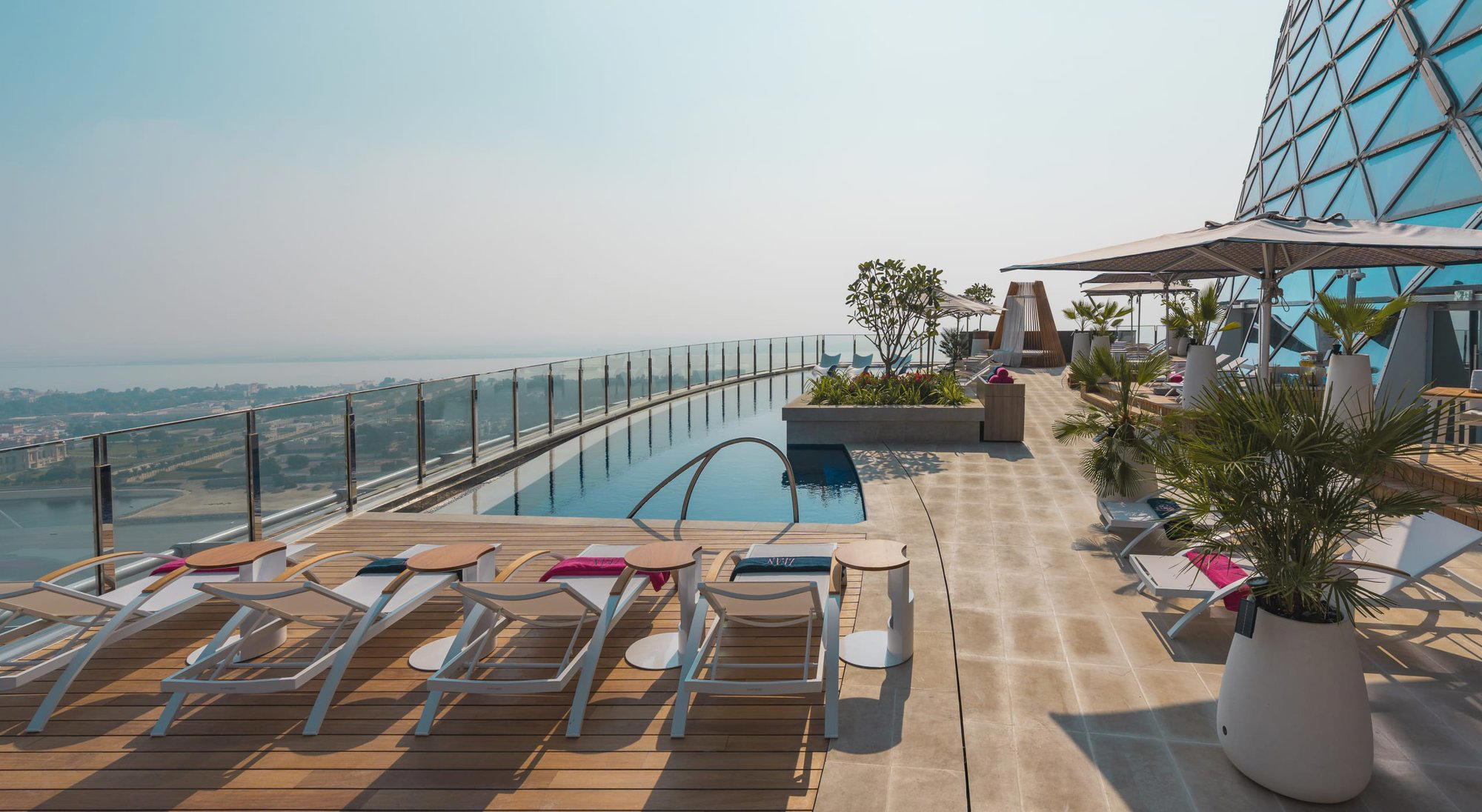
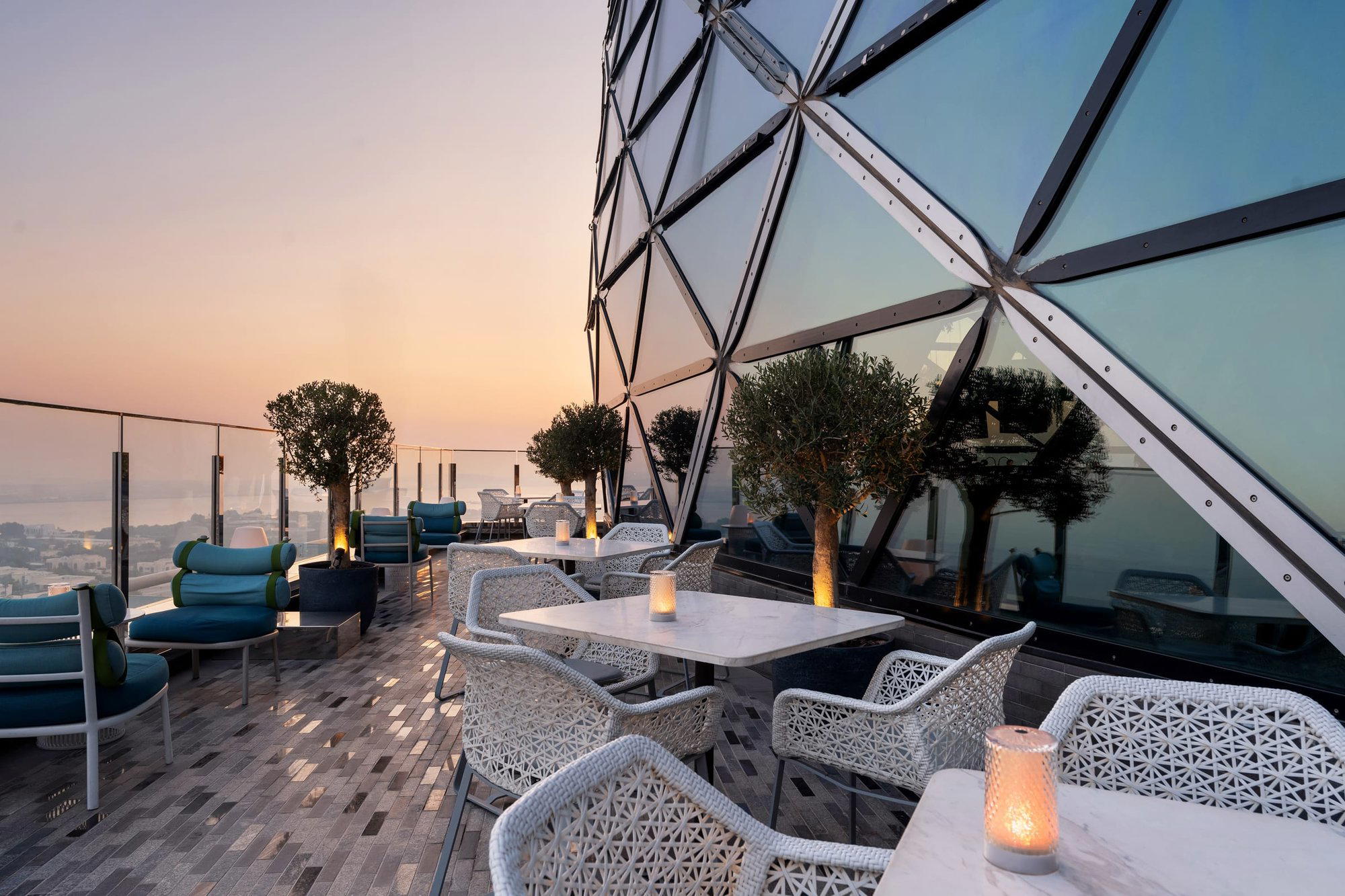
Chic and contemporary with warm, cozy touches; reviewers describe a stylish dining room that feels relaxed yet elegant, suited both to families from the theme park and adults lingering over mezze and grills.