Mezlai
Mezlai on Abu Dhabi's West Corniche Road is one of the Gulf's most serious addresses for Emirati cuisine, placing traditional dishes from the Arabian Peninsula into a formal dining context at a time when the city's restaurant scene is increasingly defined by imported European formats. For travellers seeking to understand what Abu Dhabi actually eats, rather than what it imports, Mezlai offers a direct answer.
Pearl is the En Primeur Club membership app — saves, bookings, and concierge access live there. Same editors, same standards.
- Address
- West Corniche Road - Al Ras Al Akhdar - Abu Dhabi - United Arab Emirates
- Phone
- +97126907999
- Website
- mandarinoriental.com
- Directions
- Get directions
 Saves & bookings on Pearl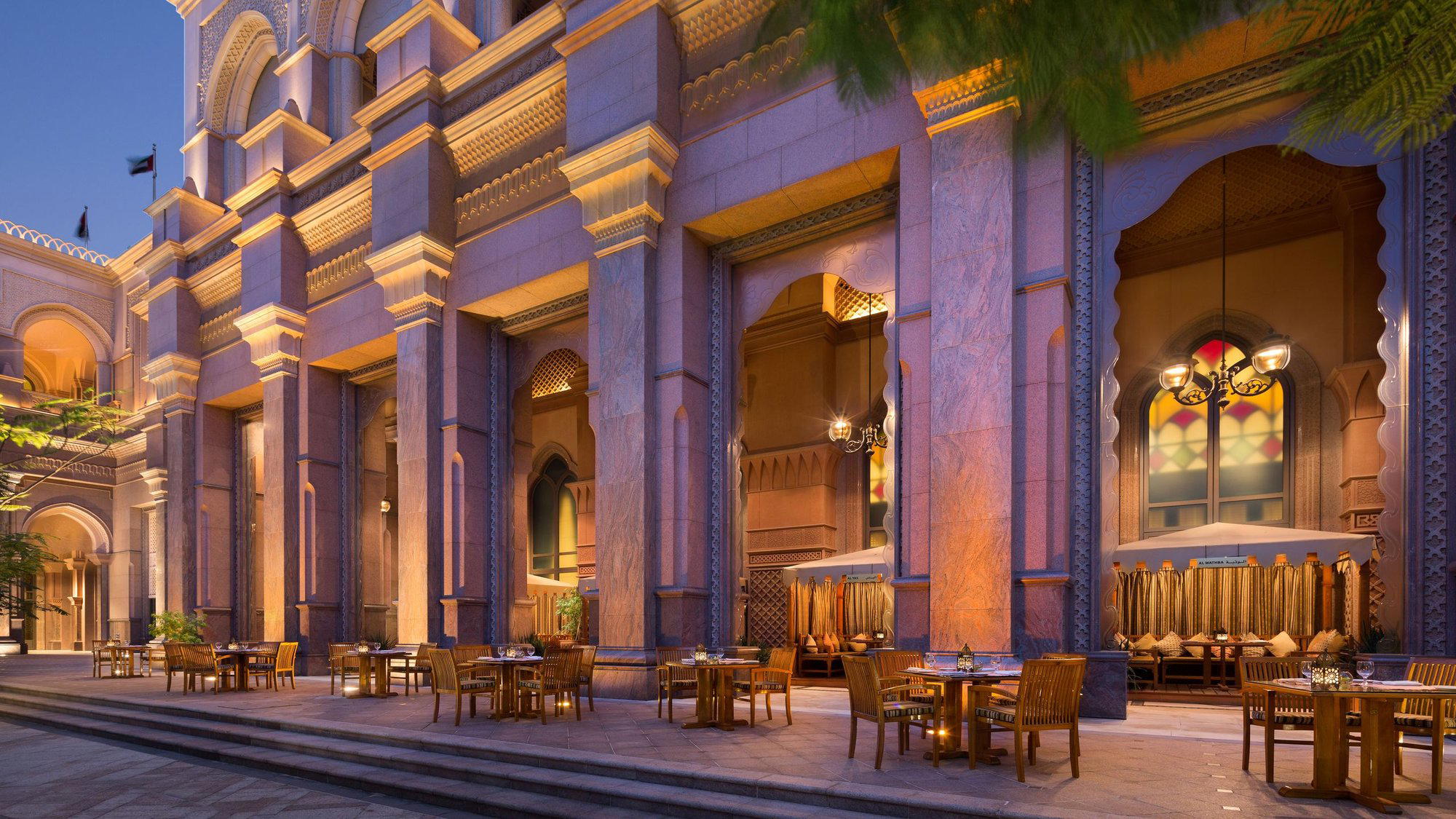
Emirati Cuisine in a City That Mostly Imports Its Fine Dining
Abu Dhabi's premium restaurant tier is crowded with internationally exported formats: Italian tasting menus, Cantonese banquet rooms, French brasseries. A visitor could spend a week at the higher end of the market and never encounter a dish that originated on the Arabian Peninsula. Mezlai, a modern Emirati fine-dining restaurant on West Corniche Road in Abu Dhabi, sits against that current. It is among the few formal-dining addresses in the capital where Emirati cooking is the entire point, not a gesture toward local colour on an otherwise continental menu.
That positioning matters beyond the merely symbolic. Abu Dhabi has spent two decades building a hospitality infrastructure calibrated to international arrivals, and most of the city's fine dining reflects that calibration. The result is that traditional Gulf cooking, with its spice architecture rooted in centuries of Indian Ocean trade, its slow-cooked lamb preparations, and its date-and-saffron dessert traditions, is substantially easier to find in a home kitchen or a modest neighbourhood spot than at a white-tablecloth address. Mezlai occupies the narrow band where these two things meet.
What Emirati Cooking Actually Is
To understand what Mezlai represents, it helps to understand what Emirati cuisine draws from. The food of the UAE is a product of geography and commerce: pearl-diving communities that depended on dried fish and rice, Bedouin traditions of whole-roasted meat and flatbread baked on desert coals, and the accumulated influence of trade routes that brought cinnamon, cardamom, dried limes, and turmeric from South Asia and East Africa long before the modern state existed. Saffron, which arrived via Iranian and Indian merchants, is a recurring thread across both savoury dishes and sweet preparations.
This is not a cuisine that developed in isolation. It absorbed influences with the same appetite that shaped Swahili cooking on the East African coast or the rice-heavy tables of coastal Oman. The result is a tradition that is simultaneously specific to place and deeply international in its ingredient history, which makes it a more layered subject than its relative invisibility on the global fine-dining map might suggest. Restaurants operating in comparable territory elsewhere in the region, like AL NAWAB RESTAURANT LLC in Sharjah, tend to work within the broader Gulf-Arabic register. Abu Dhabi's Erth has drawn attention for putting Emirati heritage ingredients into a contemporary format. Mezlai takes a different approach, holding closer to the formal presentation of tradition rather than its reinterpretation.
The Corniche Setting and What It Signals
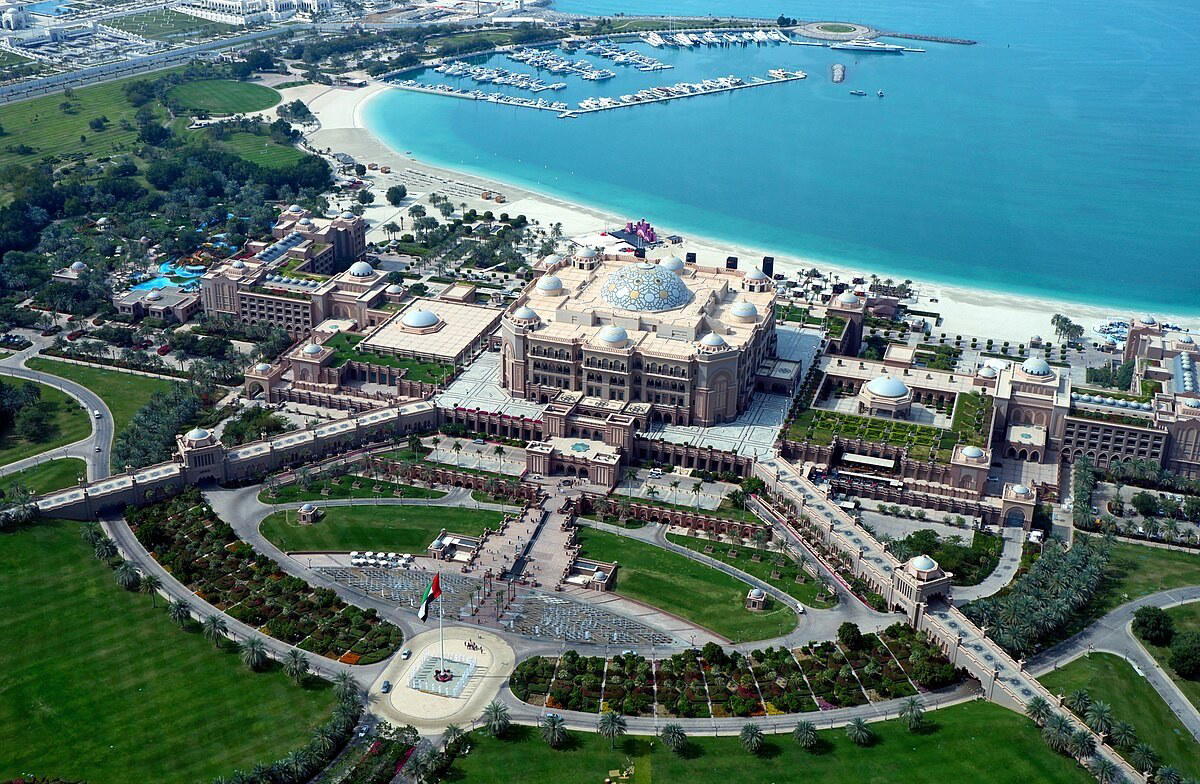
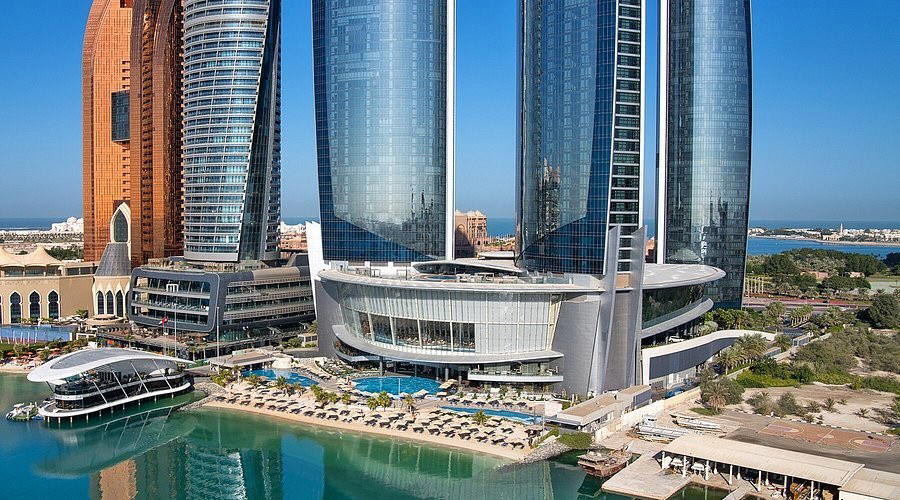
West Corniche Road is one of Abu Dhabi's more considered addresses, running along the waterfront of the Al Ras Al Akhdar peninsula. The area sits apart from the denser commercial districts and carries a different register from downtown's cluster of towers. Arriving at a restaurant in this part of the city already involves a degree of deliberateness; it is not somewhere you end up by accident after a walk through a busy neighbourhood. That physical remove tends to attract guests who are there with specific intent, which shapes the room's atmosphere accordingly.
The setting positions Mezlai within a comparable set that includes some of Abu Dhabi's more formally pitched addresses. Across the city's premium tier, venues like Talea by Antonio Guida and Hakkasan operate in the international-export register, while LPM Abu Dhabi brings a European brasserie format to the waterfront. Mezlai's distinction is that it occupies a segment of the market with almost no direct competition at its price and formality level: Emirati food, served with the production values typically reserved for imported cuisines.
The Broader Case for Heritage Cuisine in Gulf Fine Dining
The under-representation of local culinary traditions at the fine-dining tier is not distinctive to Abu Dhabi. It is a structural feature of cities where rapid wealth accumulation and international hospitality investment have outpaced the development of indigenous restaurant culture. Dubai's high-end scene faces the same dynamic, though venues like Trèsind Studio demonstrate that heritage-rooted cuisine, when executed with technical ambition, can compete directly with particularly recognised international formats. In cities from Hong Kong to Chicago, the question of how local culinary identity survives at the premium tier has produced some of the more interesting dining developments of the past decade. Atomix in New York and Alinea in Chicago both, in different ways, demonstrate how a specific cultural or technical identity can define a restaurant's position rather than simply its price point.
Mezlai's relevance to Abu Dhabi is that it holds a position few other addresses in the city are attempting to hold. The argument for its existence is the same argument that keeps Aponiente in southern Spain relevant to anyone thinking seriously about what regional identity can look like in a formal dining context: the cuisine itself has enough depth that the only question is whether the kitchen and the room are equal to it.
Planning a Visit
Mezlai is located on West Corniche Road in Al Ras Al Akhdar, one of Abu Dhabi's more deliberately positioned dining districts, and requires planning in the form of transport rather than booking lead time. The area is accessible by taxi or ride-share from the city centre; the Corniche waterfront orientation means evenings during the cooler months, roughly October through April, suit the setting particularly well. Abu Dhabi's premium dining tier generally dresses toward smart-casual at minimum; given Mezlai's formal positioning within the Emirati dining segment, erring toward the more considered end of that range is appropriate.
A Pricing-First Comparison
Comparable venues nearby, for context on price, style, and recognition.
| Venue | Cuisine | Price | Notes |
|---|---|---|---|
| MezlaiThis venue — the venue you are viewing | Not listed | $$$$ | Not listed |
| Em Sherif Café | Al Kasir, Authentic Lebanese Café | $$$ | Not listed |
| Patron Meat House | Al Kasir, Turkish Steakhouse | $$$$ | Not listed |
| Cafe Arabia كافيه أربيا | Al Karamah, Middle Eastern Fusion Cafe | $$ | Not listed |
| Marco Pierre White Steakhouse | Al Maqtaa, Steakhouse & Grill | $$$$ | Not listed |
| Oléa Mediterranean Restaurant | Not listed | $$$$ | Al Saadiyat Island, Mediterranean-influenced |
Continue exploring
More in Abu Dhabi
Restaurants in Abu Dhabi
Browse all →
Bars in Abu Dhabi
Browse all →

At a Glance
- Romantic
- Elegant
- Ornate
- Scenic
- Sophisticated
- Date Night
- Special Occasion
- Celebration
- Business Dinner
- Hotel Restaurant
- Terrace
- Private Dining
- Local Sourcing
- Garden
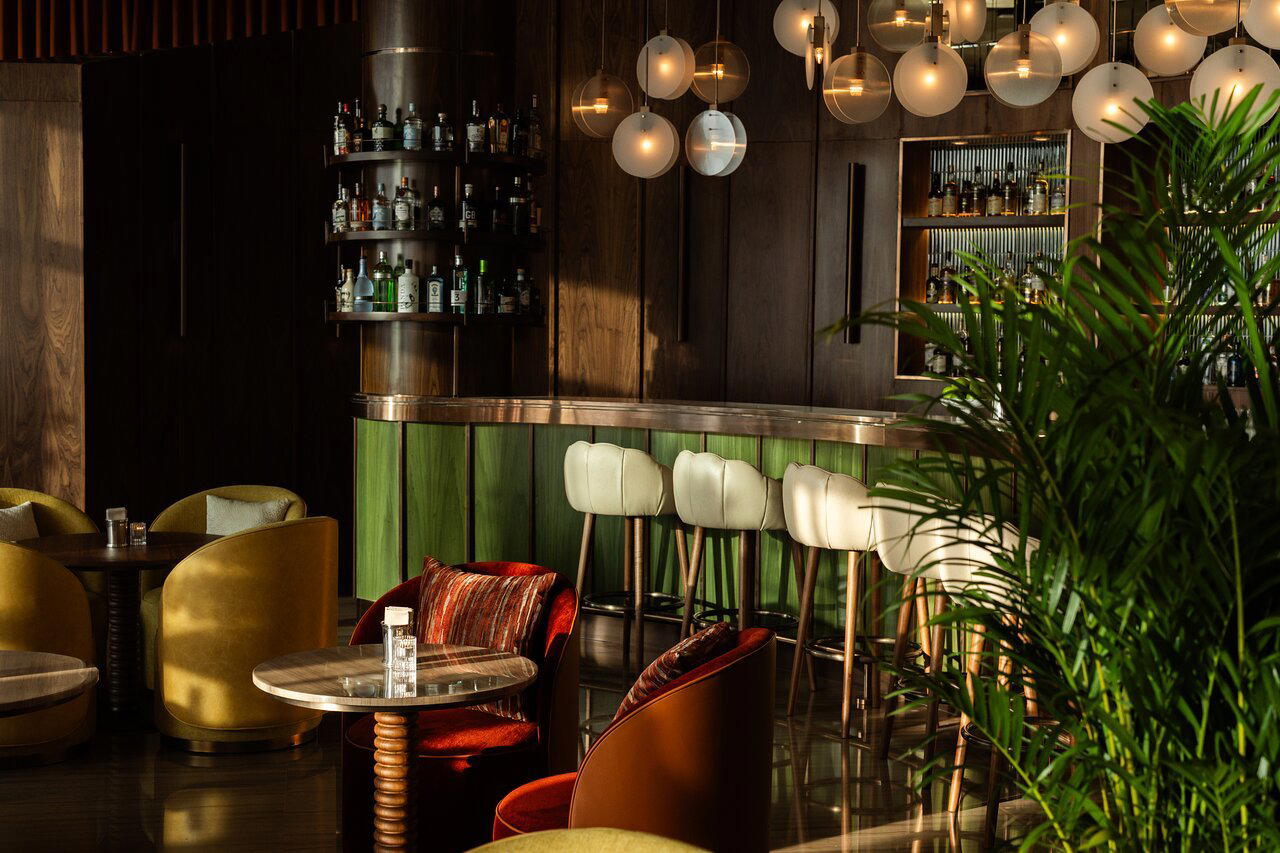
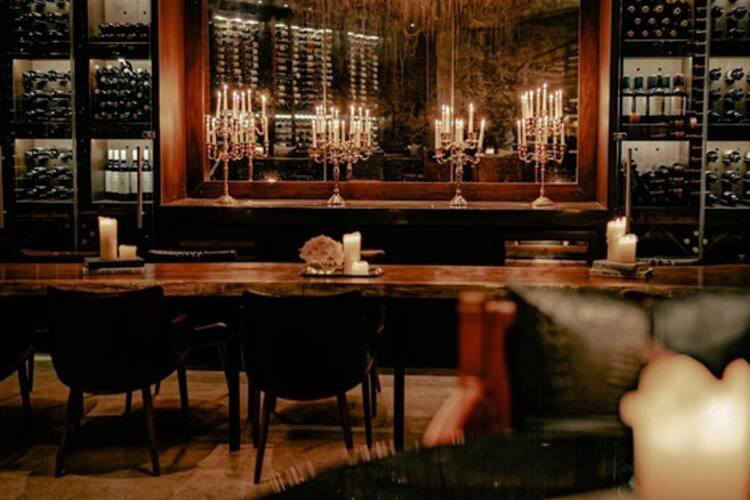
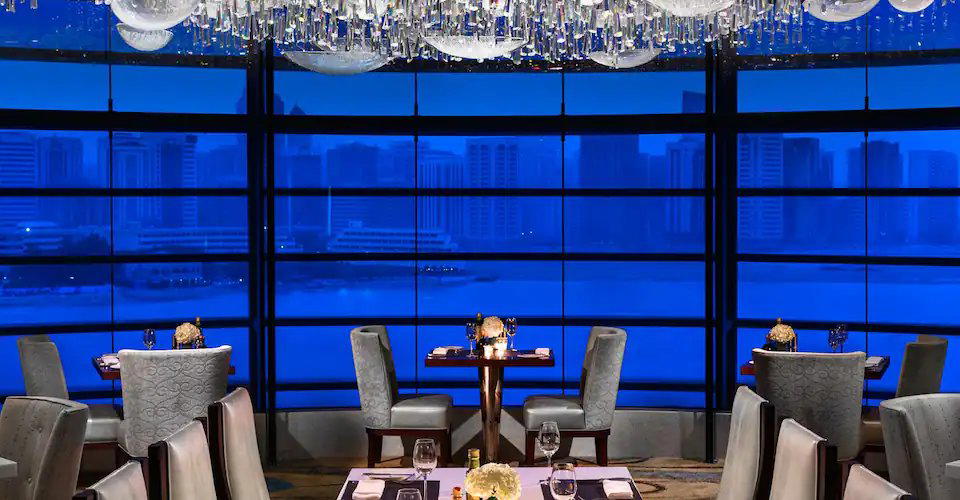
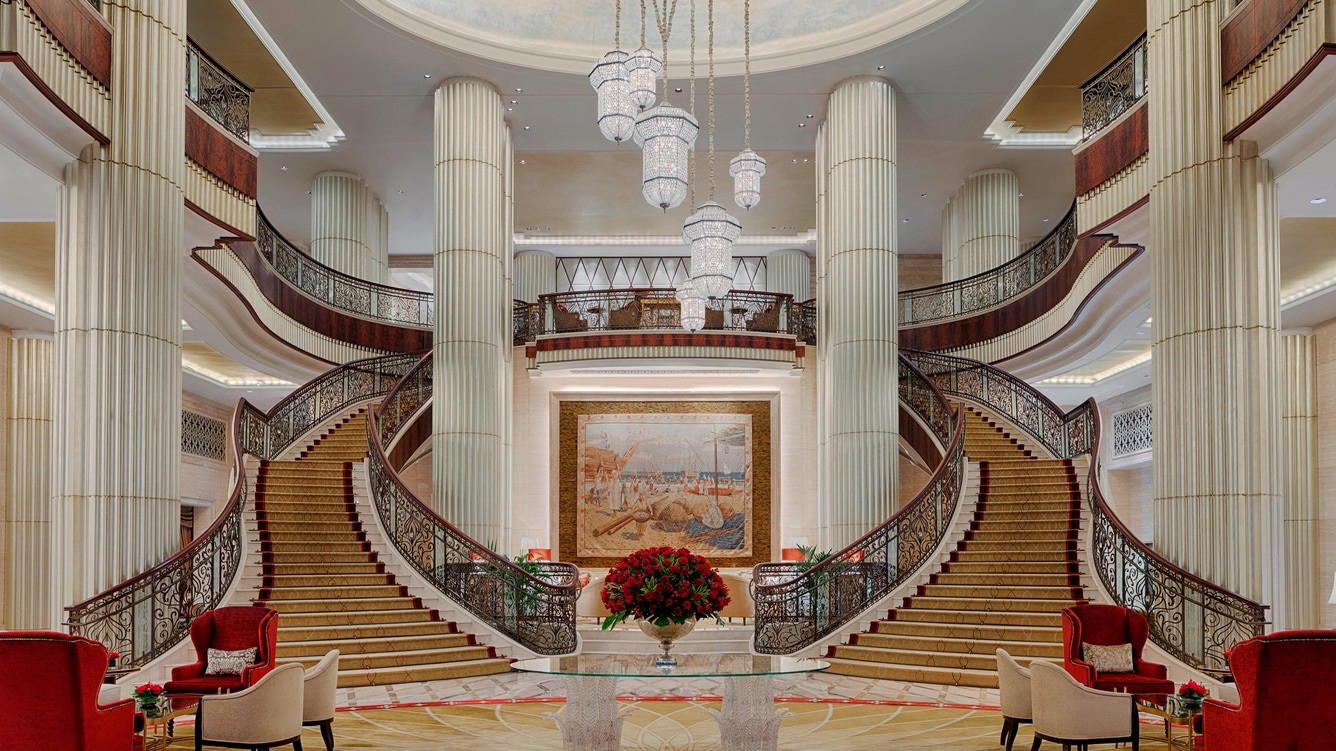
Grand and refined, with an airy Bedouin-tent design, romantic atmosphere, and views of the Palace grounds.