3 Fils Abu Dhabi

The Abu Dhabi outpost of one of the UAE's most celebrated modern Asian concepts, 3 Fils arrived at The Abu Dhabi Edition in 2025, trading the Dubai original's energy for a waterfront perch above Al Bateen marina. The same community-style format and pan-Asian framework carry over, joined by a short list of Abu Dhabi-exclusive dishes that give the capital location its own identity.
Pearl is the En Primeur Club membership app — saves, bookings, and concierge access live there. Same editors, same standards.
- Address
- Al Bateen - W35 - Abu Dhabi - United Arab Emirates
- Phone
- +971 56 591 1772
- Website
- 3fils.com
- Directions
- Get directions
 Saves & bookings on Pearl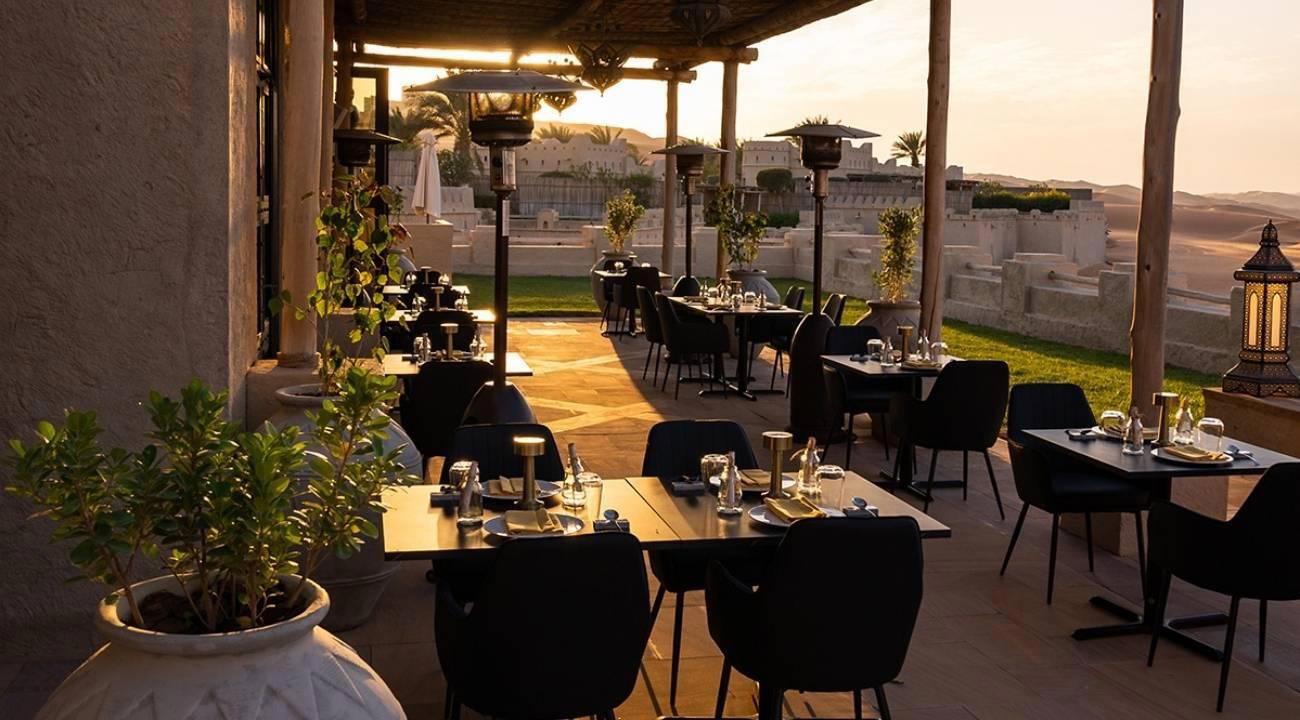
Al Bateen and the New Waterfront Dining Tier
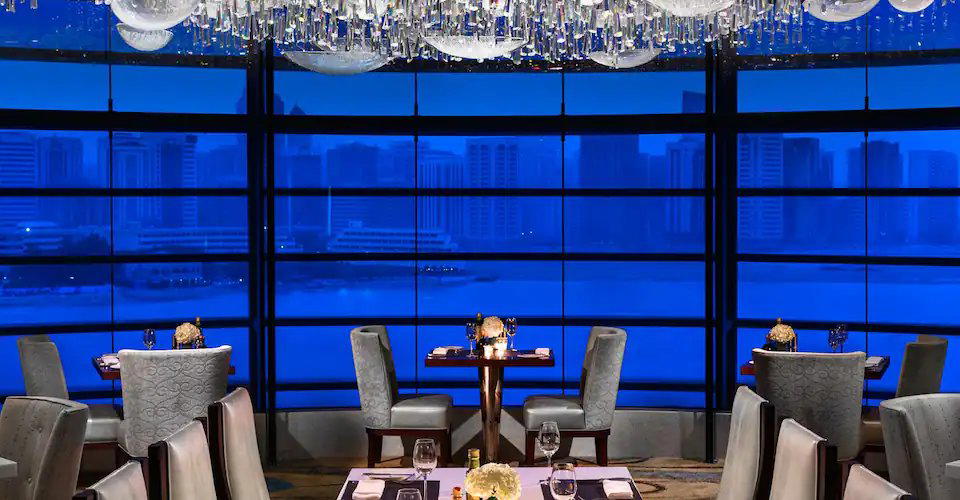
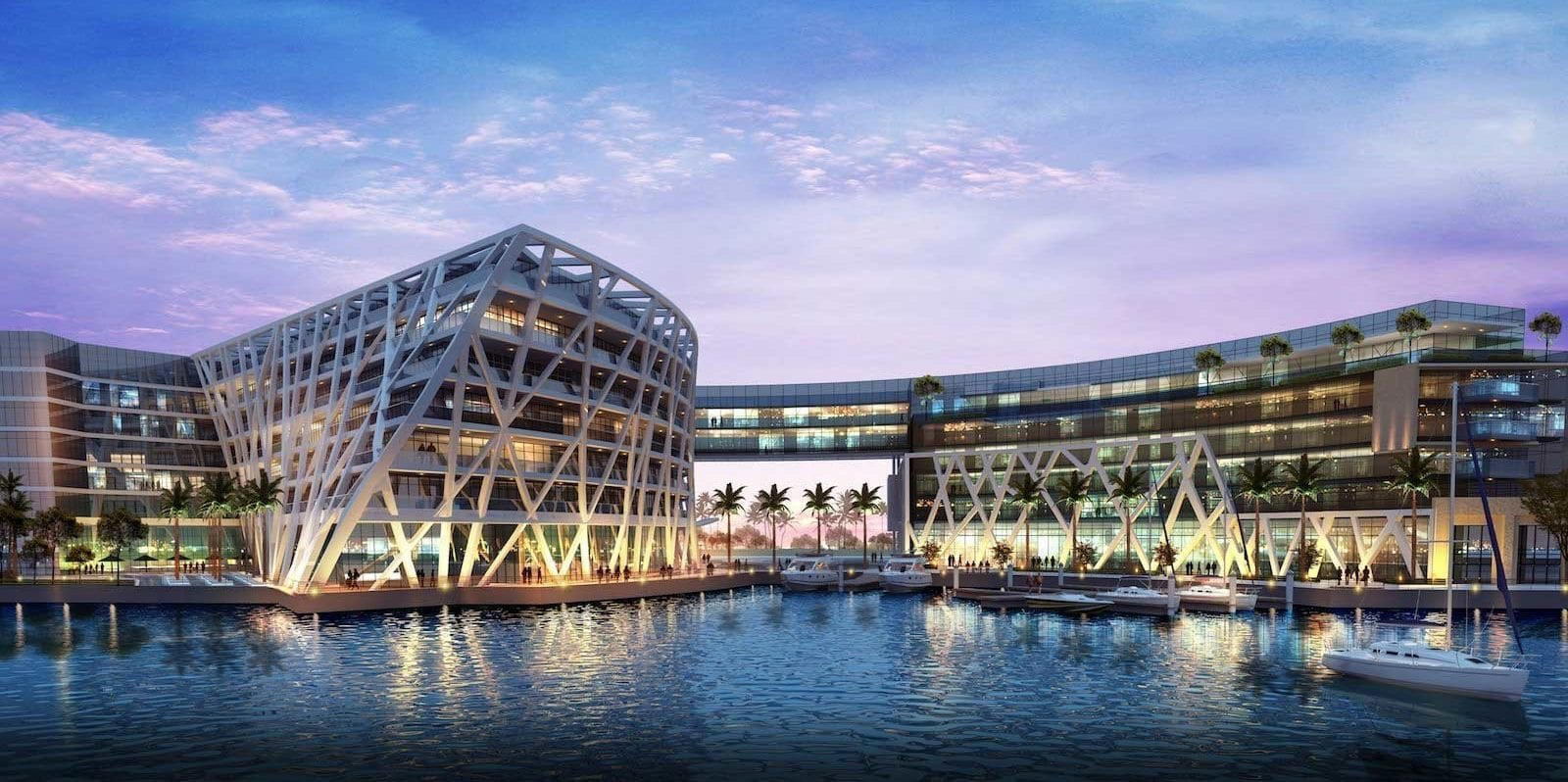
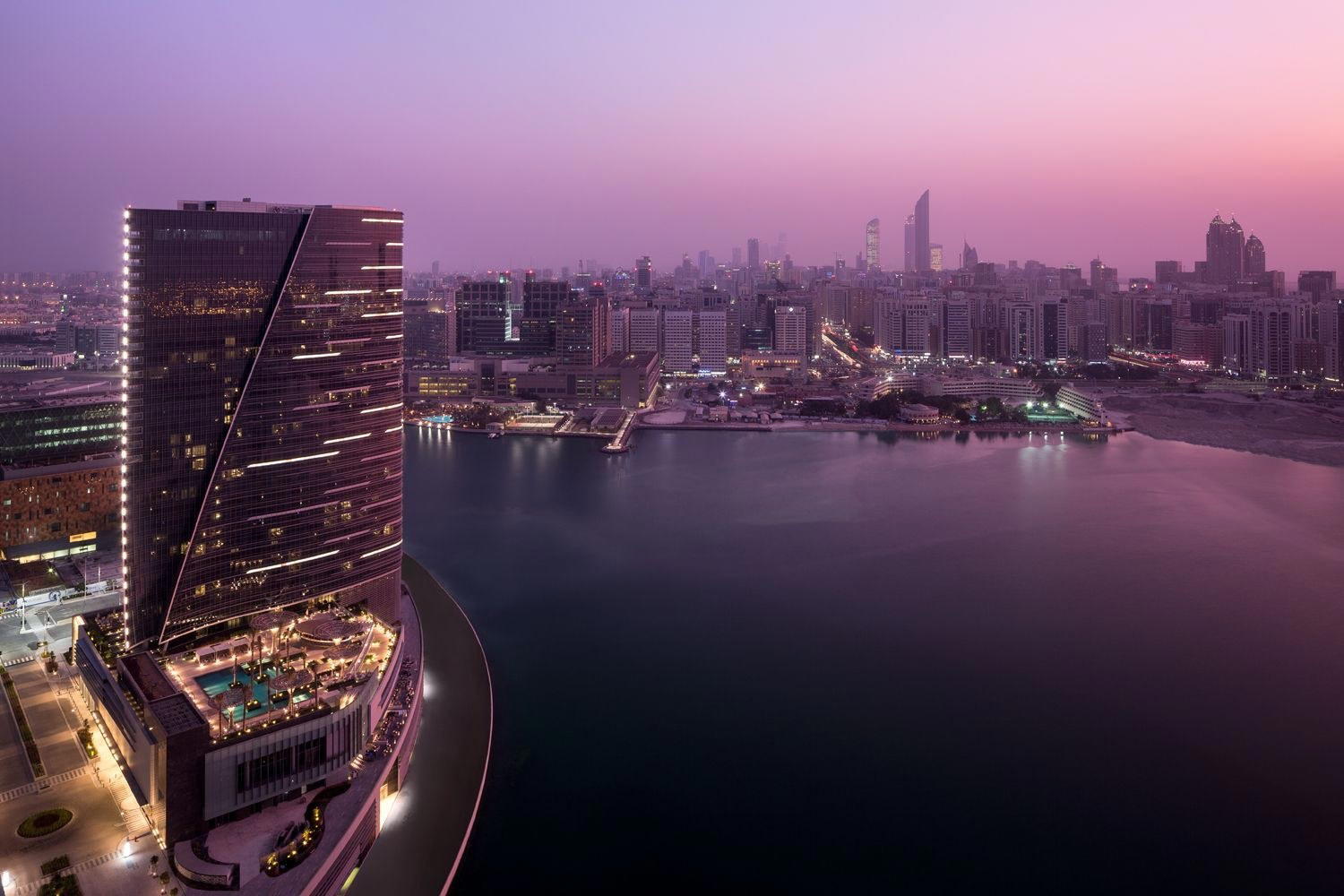
Abu Dhabi's dining scene has reorganised itself around a handful of marina-adjacent addresses over the past several years, and Al Bateen sits near stronger examples from that realignment. The neighbourhood's yacht-lined waterfront attracts a category of restaurant that needs its setting to work as hard as its kitchen: places where the view is not decorative but structural to the experience. 3 Fils, which opened its Abu Dhabi location inside The Abu Dhabi Edition hotel in 2025, occupies exactly that kind of position. Looking out over the marina, the room is cool and contemporary in the way that the leading modern Asian rooms tend to be, spare enough to let the food hold attention, open enough that the water registers as a constant presence rather than a backdrop you notice once and forget.
The original 3 Fils opened in Dubai in 2016 and built a reputation that made this second location notable in the capital's recent memory. That kind of anticipation creates a specific pressure: the Abu Dhabi room has to justify itself against a Dubai original that already has a loyal following and a clear identity. The answer here is a format that carries the same bones, modern Asian cuisine, community-style dining, a programme built on shared plates, while introducing a set of Abu Dhabi-exclusive dishes that give the capital outpost something the Dubai address cannot offer.
The Asian Sourcing Framework and Why It Matters Here
Modern Asian cuisine as a category has matured considerably since the mid-2010s, when the concept still required explanation in Gulf dining rooms. The leading practitioners in the region now operate with sourcing frameworks that would not look out of place at reference addresses like 8½ Otto e Mezzo Bombana in Hong Kong or Atomix in New York City: ingredients tracked to specific producers, preparations that respect the integrity of the source material rather than masking it, and a menu architecture that lets individual components speak distinctly within a shared-plate format.
That sourcing discipline matters in a city like Abu Dhabi, where the supply chain for premium Asian ingredients is more complex than in established Asian dining capitals. The community-style format 3 Fils employs is also particularly well suited to ingredient-led cooking: when dishes arrive at pace rather than in formal courses, the kitchen can move quickly between preparations, and diners encounter ingredients across different treatments in the same meal. This is not a minor structural detail. It changes how the sourcing work reads at the table, and it is one of the reasons the shared-plate, community-dining format has become the dominant framework for ambitious modern Asian restaurants across the region. The Abu Dhabi Edition location continues that tradition, and the waterfront setting lends the experience a looseness that formal tasting menus, however accomplished, rarely achieve.
Addresses like Talea by Antonio Guida (Michelin one-star, Italian) and Hakkasan occupy the upper-formal tier, while LPM Abu Dhabi anchors the French-Mediterranean casual-luxury bracket. 3 Fils operates in its own lane: Asian-leaning, format-driven, and priced and paced for the kind of group dining that the capital's food-engaged crowd gravitates toward on a weeknight as readily as a special occasion.
What Abu Dhabi Gets That Dubai Does Not
The Abu Dhabi-exclusive dishes are particularly obvious reason to treat this location as a distinct experience rather than a replica. Beyond those, the Edition hotel context shapes the room in ways that a standalone site would not. Edition properties are generally positioned at the intersection of design-led hospitality and neighbourhood integration, and the Al Bateen location fits that positioning: the marina setting gives the restaurant a local specificity that hotel restaurants in more central, generic locations often lack.
In the broader UAE dining context, the Dubai-to-Abu Dhabi expansion path has become a familiar pattern. What separates the more successful versions of that pattern from the merely opportunistic ones is whether the second location makes a genuine editorial argument for its own existence. The Abu Dhabi-exclusive menu additions suggest that argument has been thought through here, though the proof is in how much those dishes actually differ from the Dubai playbook rather than simply appearing on a separate menu section.
Comparable expansions across the region have not always produced locations of equal weight. Erth is one Abu Dhabi address that has built a standalone identity within the capital's modern cuisine bracket. 3 Fils arrives with more prior reputation than most new openings, but reputation travels differently than quality, and the Al Bateen location will need to sustain its own regular clientele to become more than an extension of a Dubai success story.
Planning Your Visit
3 Fils Abu Dhabi is located within The Abu Dhabi Edition hotel in the Al Bateen district, overlooking the marina. Given that the Dubai original has maintained a loyal following since 2016 and the Abu Dhabi location arrived in 2025 to significant anticipation, booking ahead is advisable, particularly for weekend evenings when marina-facing tables are in demand. The community-style dining format works well with three or more people, as the shared-plate structure is designed for the table to cover a range of the menu rather than for individual orders. For a broader sense of how the capital's dining scene is currently distributed across neighbourhoods and categories, the full Abu Dhabi restaurants guide is a useful reference, and the Abu Dhabi hotels guide covers Edition and its peers in the city's design-led accommodation tier. For those building a longer visit around the Al Bateen area, the Abu Dhabi bars guide, experiences guide, and wineries guide round out the picture. A lighter daytime option in the capital is Marmellata Bakery.
At-a-Glance Comparison
Comparable venues nearby, for context on price, style, and recognition.
| Venue | Cuisine | Price | Awards | Notes |
|---|---|---|---|---|
| 3 Fils Abu DhabiThis venue — the venue you are viewing | Modern Japanese-Asian Small Plates | $$$ | World's 50 Best #42 | Not listed |
| NIRI | Modern Japanese Yakitori and Sushi | $$$ | Michelin Plate, World's 50 Best #38 | Al Saadiyat Island |
| Talea by Antonio Guida | Michelin-Starred Italian Cucina di Famiglia | $$$$ | Michelin 1 Star | Al Ras Al Akhdar |
| LPM Abu Dhabi | French Mediterranean Fine Dining | $$$$ | Michelin Plate, World's 50 Best #38 | Al Reem Island |
| 99 Sushi Bar | Modern Japanese Fine Dining | $$$$ | Michelin 1 Star | Al Reem Island |
| Hakkasan | Modern Cantonese | $$$$ | Michelin 1 Star | Al Ras Al Akhdar |
Recognition history
Dated appearances from independent guides and award organizations, with the underlying list record or original source where available.
World's 50 Best MENA's Best Restaurants #42
World's 50 Best
Continue exploring
More in Abu Dhabi
Restaurants in Abu Dhabi
Browse all →
Bars in Abu Dhabi
Browse all →
At a Glance
- Modern
- Trendy
- Sophisticated
- Minimalist
- Date Night
- Group Dining
- Casual Hangout
- Open Kitchen
- Terrace
- Waterfront
- Hotel Restaurant
- Waterfront
Current opening hours
- Monday
- 12 PM–12 AM
- Tuesday
- 12 PM–12 AM
- Wednesday
- 12 PM–12 AM
- Thursday
- 12 PM–12 AM
- Friday
- 12 PM–12 AM
- Saturday
- 12 PM–12 AM
- Sunday
- 12 PM–12 AM
Hours can change for holidays and private events. Last verified .
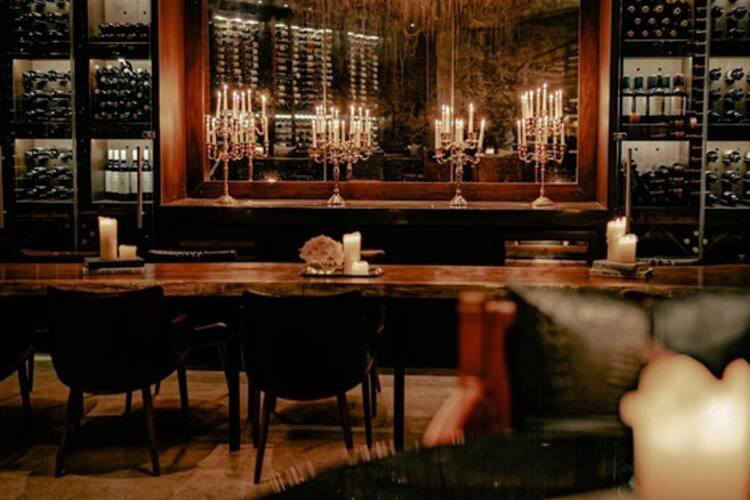
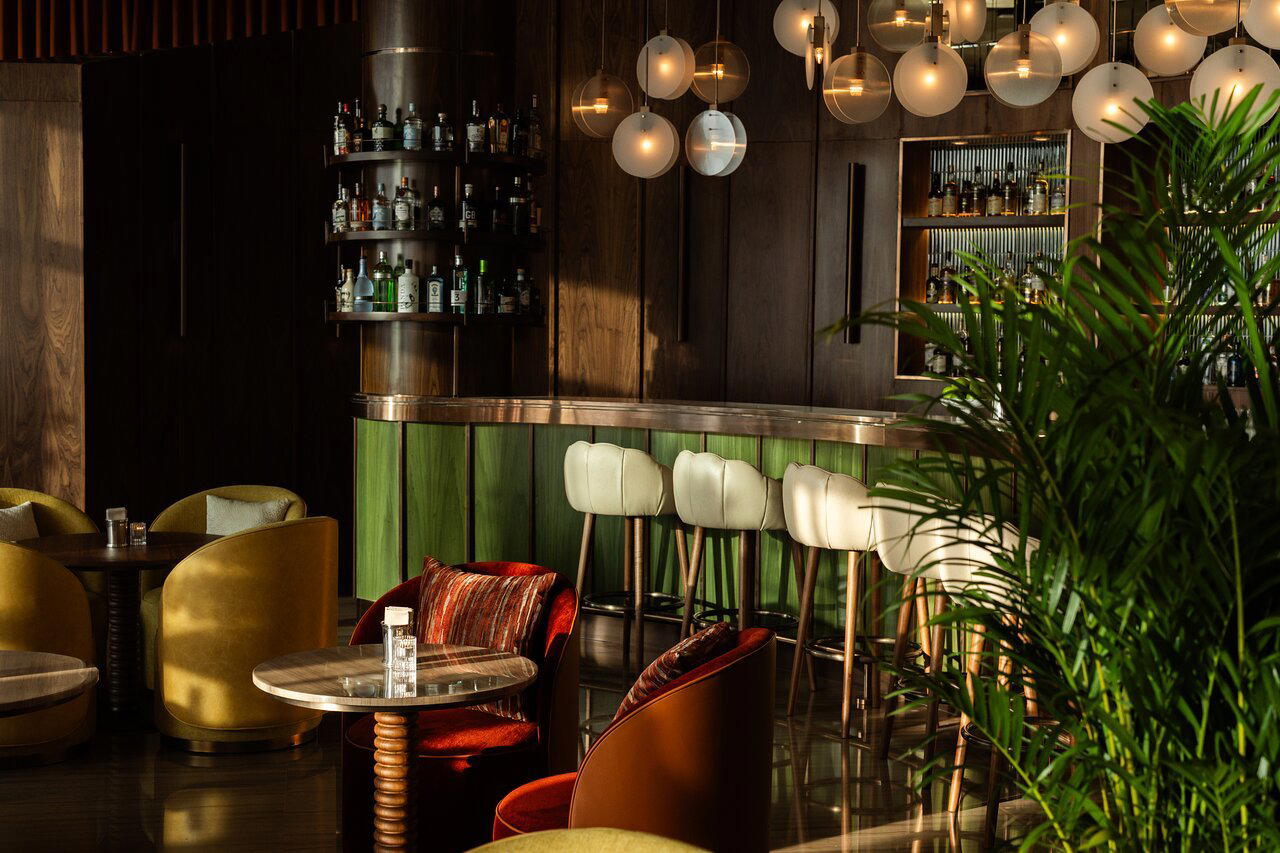
Effortlessly cool and refined industrial space with concrete ceilings, exposed pipes, floor-to-ceiling marina views, and a buzzy yet polished atmosphere.