Our verdict
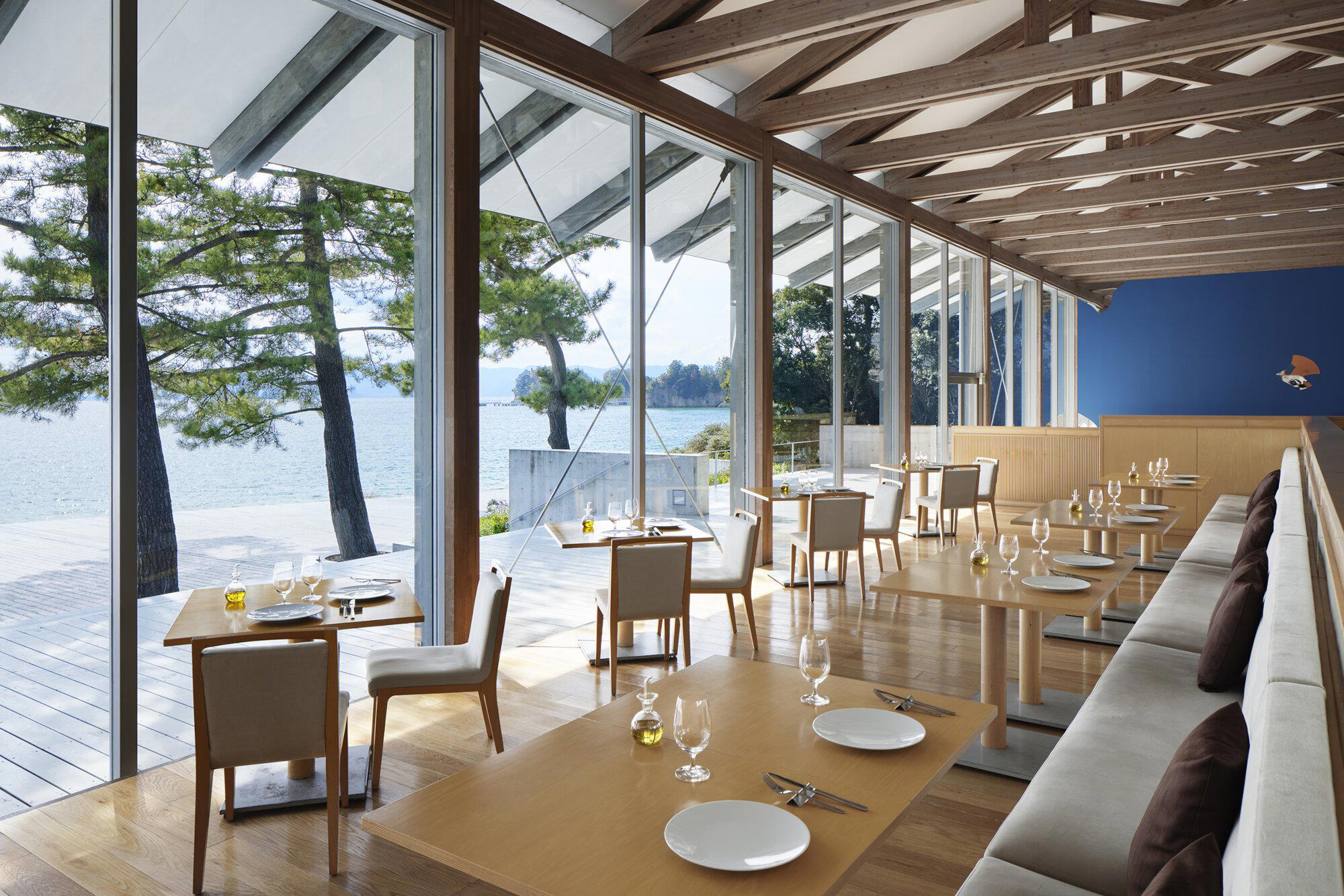
Benesse House Museum Café belongs to Naoshima’s art-island dining culture, where the room and the surrounding museum rhythm matter as much as the plate. Treat it as a pause within the Benesse House circuit rather than a destination restaurant, with its strongest appeal in the way Setouchi light, architecture, and island pacing reshape a café meal.

Pearl is the En Primeur Club membership app — saves, bookings, and concierge access live there. Same editors, same standards.
- Address
- Japan, 〒761-3110 Kagawa, Kagawa District, Naoshima, 宮ノ浦
- Phone
- +81 87-892-2030
- Hours
- Daily 10 AM–5 PM
- Website
- benesse-artsite.jp
- Directions
- Get directions
The menu
What to order
- Setouchi lemon cream pasta
- Roasted vegetable tomato-sauce pasta
- Bagel sandwich with smoked salmon and cream cheese
- Pumpkin parfait (limited quantity)
- House cake with vanilla ice cream and fruit
Approaching the museum side of Naoshima, the tempo changes before the first order is placed. The island’s cafés do not operate like urban lunch rooms built around table turnover; they sit between ferry schedules, gallery routes, and the quiet pull of the Seto Inland Sea. Benesse House Museum Café belongs to that slower category, where food functions as part of the museum day rather than a separate performance.
That distinction matters on Naoshima. The island’s restaurant scene is small, seasonal in feel, and unusually shaped by architecture and art tourism. A café connected to the Benesse House experience has a different job from a village coffee counter or a more formal dining room: it gives visitors a place to reset between looking, walking, and waiting. For a broader map of the island’s eating options, Our full Naoshima restaurants guide is the useful starting point; the café makes sense inside that circuit rather than outside it.
Art-island dining, with the plate kept in proportion
Naoshima rewards restraint. The stronger meals on the island tend to understand scale: a coffee stop, a lunch counter, a museum dining room, a room with a view. Benesse House Museum Café sits in the museum-café lane, so expectations should be set accordingly. The draw is not chef-led spectacle or a long tasting format. It is the alignment of place, pause, and the light-touch meal that fits between exhibitions.
The food question on Naoshima is broader than one kitchen. The island’s dining culture is shaped by travel rhythms, art routes, and the practical needs of visitors moving through a compact destination, but museum cafés often translate locality through accessibility rather than depth. That makes the category useful for visitors who want a meal that does not interrupt the art route. For a more formal Benesse House meal, Museum Restaurant Issen occupies a different tier of the same ecosystem.
Naoshima’s smaller cafés provide the counterpoint. Akaito Coffee speaks more to the island’s coffee-stop rhythm, while other unnamed island cafés sit closer to the village-café model. The museum café is less about neighbourhood life and more about continuity: it keeps visitors inside the visual language of the Benesse House experience.
Where sourcing and setting meet the Setouchi day
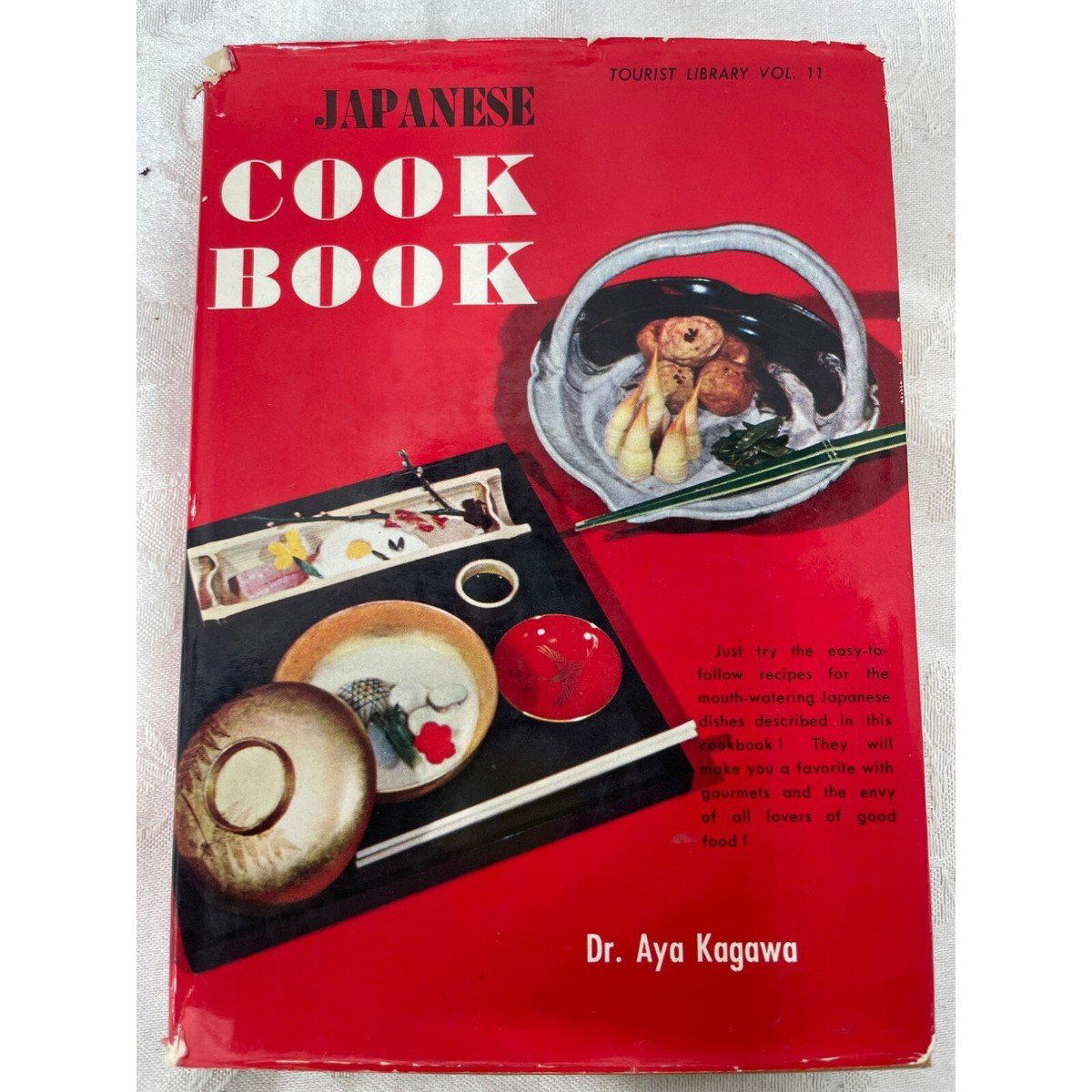
On an island, sourcing is never an abstract talking point. Ferries, weather, and small-market logistics shape what dining can be. Even when a café keeps its offer simple, the wider Setouchi context gives the meal its frame: a coastal setting, island pacing, and a regional preference for clarity over excess. Visitors chasing a dedicated udon itinerary will find a different kind of precision at comparison addresses such as Teuchi Udon Hisaeda, Teuchi Udon Hariya, and Ueta Udon, where narrow-format cooking is the point. Naoshima’s museum dining has another purpose: it supports a day structured around art, walking, and timed movement across the island.
This is why the café’s value is experiential rather than driven by formal culinary hierarchy. The venue is best understood through its role in the wider Benesse House day, not through a standalone destination-restaurant lens. In Naoshima, context carries weight. A meal taken within the Benesse House setting participates in a larger Japanese tradition of site-specific hospitality, where architecture, landscape, and service rhythm can matter as much as culinary authorship.
For travellers building a fuller island stay, dining should be planned alongside rooms, transport, and after-hours pace. Our full Naoshima hotels guide helps place the Benesse House area against other lodging choices, while Our full Naoshima bars guide, Our full Naoshima wineries guide, and Our full Naoshima experiences guide fill in the rest of the day. Naoshima is compact, but its meals work better when treated as part of the itinerary rather than improvised between ferries.
How to read it against Japan's broader casual dining map
Japan’s casual dining range is wide: a museum café on Naoshima, a dedicated counter, a city grill, and a compact coffee stop all answer different travel needs. The useful comparison is not which is grander, but which format suits the day.
That same logic applies beyond Japan’s art islands. Some casual venues point to a specific urban appetite; others translate familiar Japanese food formats into new settings. Benesse House Museum Café is better read in the opposite direction: not as exportable cuisine, but as a café inseparable from its site.
The editorial judgment is simple. Choose it when the day is anchored around the museum and the value lies in staying within that atmosphere. Choose a village café when the priority is local street-level texture, and move to a dedicated restaurant when dinner needs more structure. On Naoshima, that distinction is the difference between eating well for the moment and asking the wrong kind of venue to perform a role it was not built for.
Frequently asked questions
Is Benesse House Museum Café a family-friendly restaurant?
The café setting in Naoshima makes it a practical stop for mixed-age groups, especially compared with formal dining rooms. Its museum-café character also keeps it easy to fold into a day on the island.
What is the atmosphere like at Benesse House Museum Café?
Expect a museum-café atmosphere in Naoshima, with the room shaped by its art-setting rather than a standalone dining address. It suits a quieter break between galleries and island exploring.
Where exactly is Benesse House Museum Café?
Naoshima.
Can I walk in to Benesse House Museum Café?
As a museum café, it reads as a more casual stop than a formal restaurant, so walk-in use is the natural way many guests approach places of this type in Naoshima. Timing still matters on an island where museum traffic can shape demand.
What is Benesse House Museum Café known for?
It is known for its placement within the Benesse House Museum Café experience in Naoshima, which ties the meal to the island’s art-first identity. The draw is the setting as much as the café itself, making it a convenient pause within a museum day.
Comparison Snapshot
Comparable venues by cuisine and price in the same metro.
| Venue | Cuisine | Price | Notes |
|---|---|---|---|
| Benesse House Museum CaféThis venue — the venue you are viewing | Museum café with light meals and sweets | $10–20 | Not listed |
| Museum Restaurant Issen | Japanese Kaiseki | $50–100 | Not listed |
| Akaito Coffee | Not listed | $1–10 | Not listed |
| Teuchi Udon Hisaeda | Not listed | Not listed | JPY 999 - JPY 999 View spending breakdown |
| Teuchi Udon Hariya | Not listed | Not listed | JPY 1,000 - JPY 1,999 JPY 1,000 - JPY 1,999 View spending breakdown |
| Ueta Udon | Not listed | Not listed | JPY 999 |
Details
- Scenic
- Modern
- Quiet
- Minimalist
- Casual Hangout
- Solo
- Family
- After Work
- Waterfront
- Panoramic View
- Design Destination
- Hotel Restaurant
- Local Sourcing
- Waterfront
- A La Carte
- Counter Dining
- Coffee
- Tea
- Soft Drinks
- Wine
Current opening hours
- Monday
- 10 AM–5 PM
- Tuesday
- 10 AM–5 PM
- Wednesday
- 10 AM–5 PM
- Thursday
- 10 AM–5 PM
- Friday
- 10 AM–5 PM
- Saturday
- 10 AM–5 PM
- Sunday
- 10 AM–5 PM
Hours can change for holidays and private events. Last verified .
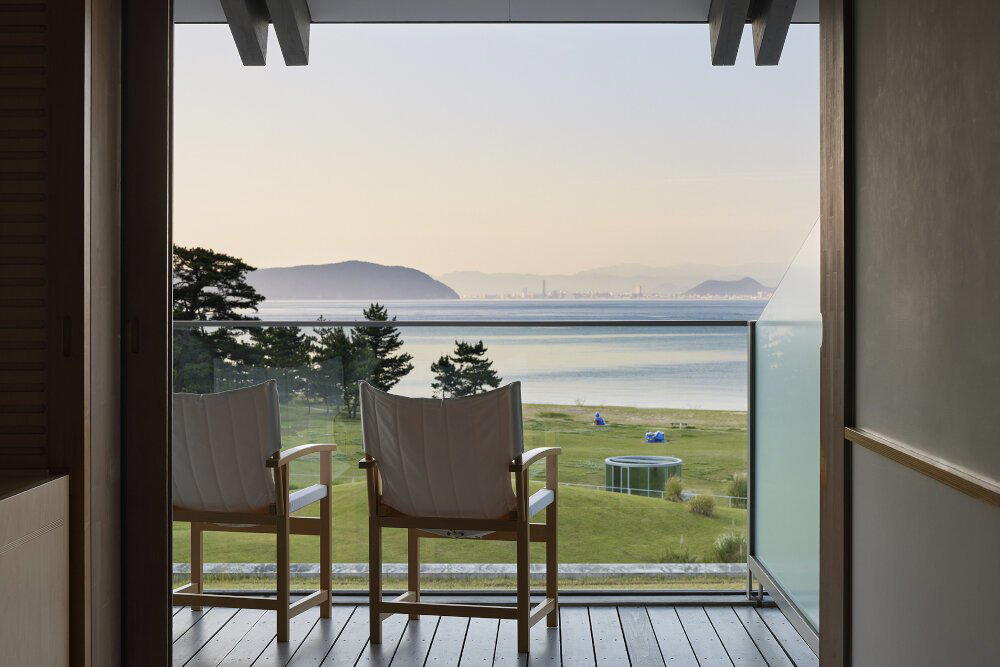
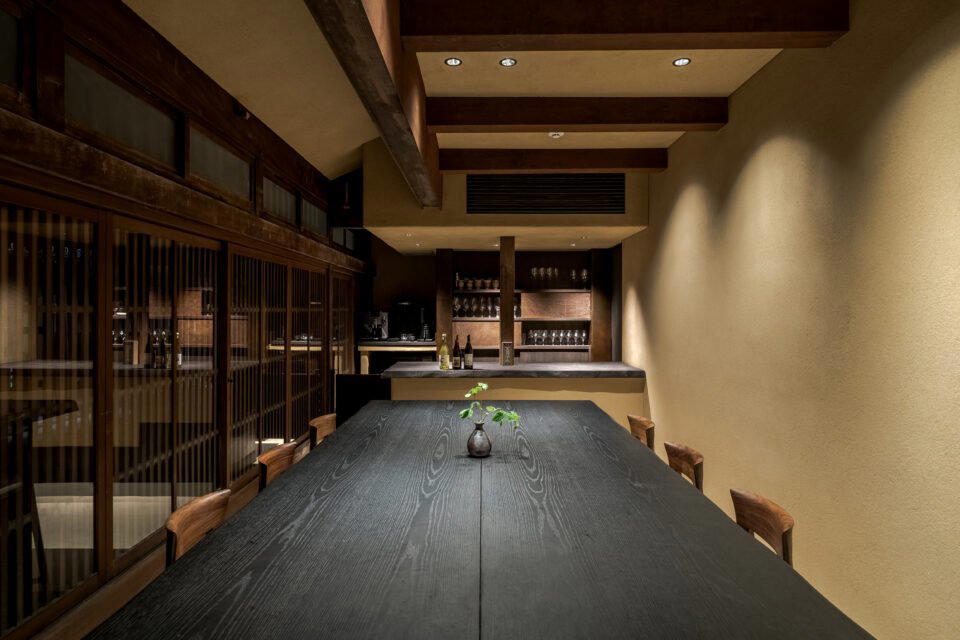
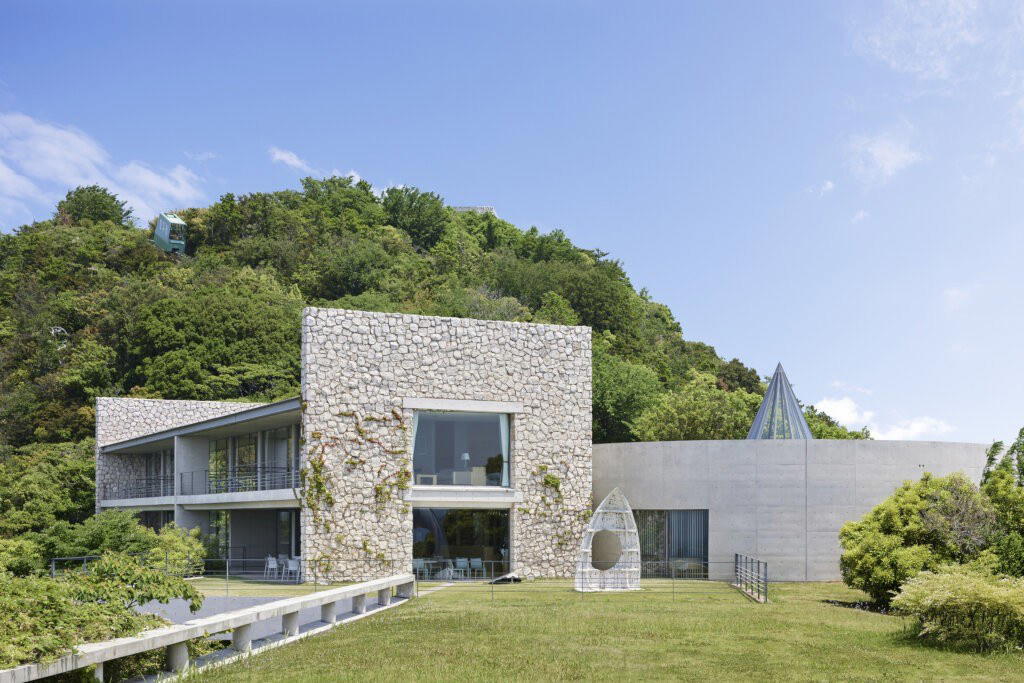
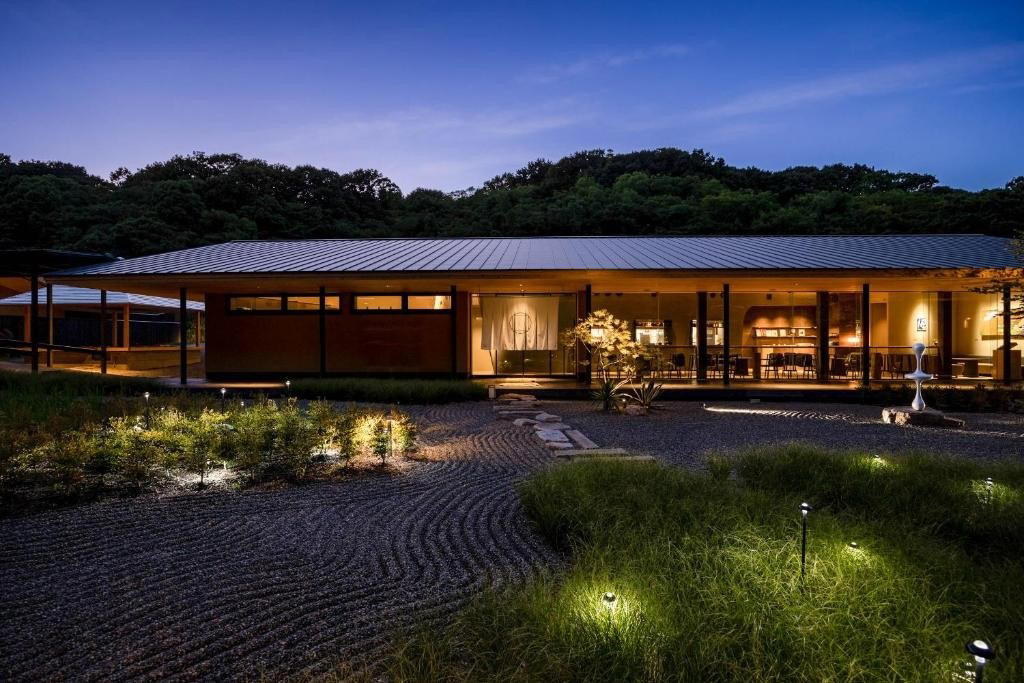
Bright, airy, and minimalist, with large openings bringing in natural light and tranquil sea views that create a calm, gallery-like atmosphere for relaxed breaks between art viewing.