Our verdict
Issen sits within Benesse House on Naoshima, where the boundary between dining room and art museum is architectural rather than conceptual. The restaurant operates as an extension of the island's broader commitment to placing serious cultural experience in an unhurried environment. For visitors already making the journey to Naoshima, it represents the most considered dining option on the island.

Pearl is the En Primeur Club membership app, where members save venues, book tables and use the concierge.
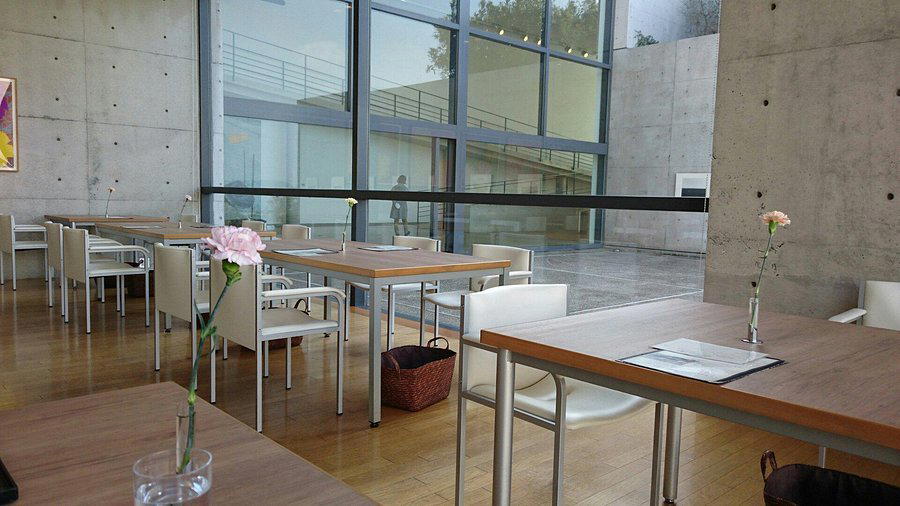
Dining at the Edge of the Seto Inland Sea
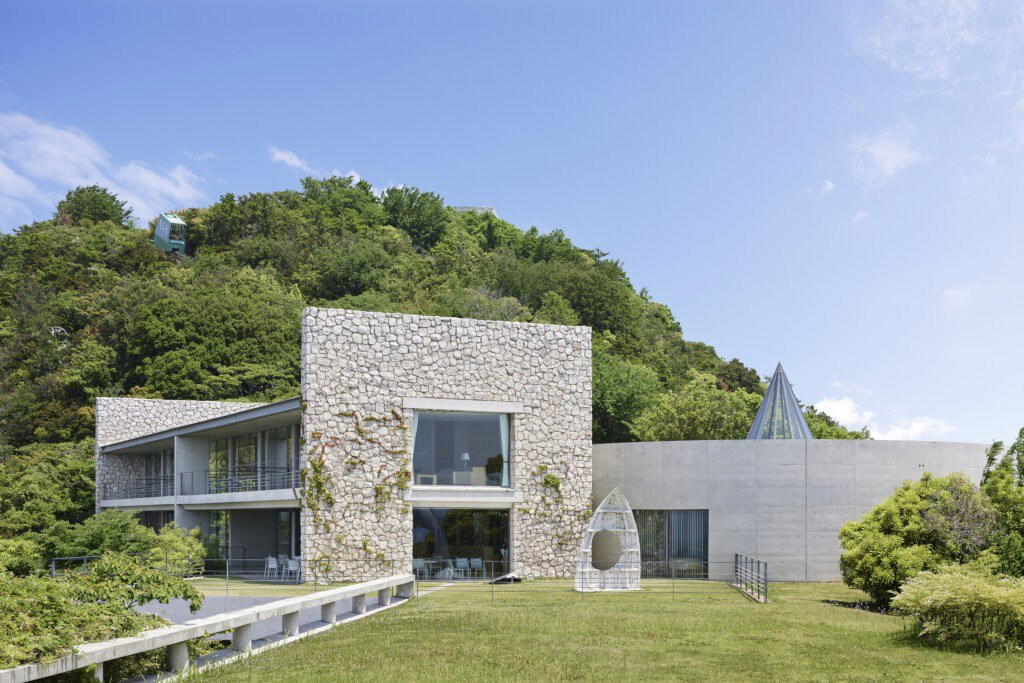
Naoshima does not accumulate visitors the way Kyoto or Tokyo do. The island draws a specific type of traveller: one who has planned ahead, crossed from Uno or Takamatsu by ferry, and arrived with an itinerary built around the Benesse Art Site rather than a general sense of Japan. Issen, situated within Benesse House, serves that traveller. The setting is not incidental to the meal. Benesse House is itself a Tadao Ando structure, and the architecture's signature language of raw concrete, water, and controlled light frames the approach to every space within it, including the restaurant. Dining here occurs in an environment that has already asked something of you before you sit down.
This is the context that separates Issen from other fine dining options scattered across Japan's smaller cities and islands. Venues like Gion Sasaki in Kyoto or Harutaka in Tokyo exist within dense urban dining ecosystems where competition sharpens the offer constantly. Issen operates in near-isolation, serving guests who have made Naoshima itself the destination. That changes the dynamic considerably. The meal is not one option among dozens for the evening; it is the evening, and the kitchen operates with that awareness.
What the Island Context Produces
Naoshima's food scene is small and deliberately paced. Outside of Benesse House, the island's cafes and local restaurants serve a quieter function. Akaito Coffee, Cafe Naoshima Konichiwa, and Cafe Salon Nakaoku handle the island's daytime rhythm, drawing both residents and the slower-moving visitors who come for a day and stay longer than expected. Issen occupies the other end of that spectrum, positioned as the formal dining anchor within a property that has long understood its guests are not stopping by casually.
The Seto Inland Sea produces exceptional seafood, and any serious kitchen on Naoshima works with that geography. The waters between Honshu and Shikoku have historically supplied markets in Osaka and Kyoto with sea bream, octopus, and a variety of shellfish that do not travel far before arriving at the table. For a restaurant with direct access to those supply lines and a captive audience of culturally engaged guests, the fundamentals are strong. What distinguishes a kitchen in this position is whether it treats the location as a credential or as an active ingredient in how the meal is constructed.
Placing Issen in Japan's Broader Fine Dining Map
Japan's fine dining circuit tends to concentrate in its three largest cities. The Michelin infrastructure in Tokyo, Osaka, and Kyoto creates a gravitational pull: chefs train there, win recognition there, and stay there because the market sustains them. Restaurants like HAJIME in Osaka or akordu in Nara operate within reach of those urban anchors. Goh in Fukuoka benefits from a city large enough to sustain its own dining culture. Issen's position is different: it belongs to a property-led model, where the hotel or cultural institution provides the financial and logistical infrastructure that allows a serious kitchen to operate in a location that could not otherwise support one independently.
This model has precedents across Japan and elsewhere, from mountain resort restaurants to island retreats. When it works, it produces meals that carry the texture of place in a way that urban restaurants, however accomplished, cannot replicate. When it fails, it produces hotel food dressed in ambition. The Benesse Art Site's track record of taking cultural programming seriously, investing in architecture and curation over decades, provides reasonable grounds for expecting the kitchen to follow the same logic. That is not a guarantee, but it is a meaningful prior.
For international visitors cross-referencing against high-end benchmarks, the relevant comparison is less with urban Japanese fine dining and more with destination dining in general. Venues like Le Bernardin in New York City or Atomix in New York City represent what urban fine dining achieves at the top of a dense competitive market. Issen operates on a different axis entirely, where the scarcity of the experience and the depth of the surrounding environment carry weight that star counts do not measure.
The Naoshima Decision: How to Plan Around Issen
Naoshima is not a day trip from Okayama, though many visitors treat it as one. The island's art sites, spread across multiple museum buildings and the Honmura district's Art House Project, reward an overnight stay at minimum and two nights more honestly. Benesse House itself has multiple accommodation wings, and staying on the property gives access to the museums after general visiting hours end, which is the version of Naoshima that most day visitors do not see.
For those staying elsewhere on the island or arriving from the mainland, dining at Issen requires advance planning. The logistics of reaching Naoshima by ferry from Uno Port (roughly 20 minutes) or Takamatsu (roughly 60 minutes), combined with the island's limited transport options, mean that an evening reservation at Benesse House is not a spontaneous decision. Build it into the itinerary before you book the ferry. For broader planning across the island's dining options and art infrastructure, the full Naoshima restaurants guide provides the wider picture.
Dining at Issen fits into a journey that might also include serious tables at other points along the route. Travelers moving through the Kansai and Setouchi regions might pair it with visits to 湖畔荘 in Takashima or 羽根屋 in Nishikawa Machi, both of which operate in similarly unhurried regional contexts. The common thread is a dining model that depends on the visitor committing to a place rather than passing through it.
Practical Planning
Naoshima's infrastructure is deliberately limited, which is part of its appeal and part of its constraint. Accommodation options on the island are finite, and Benesse House's rooms book well in advance, particularly around major exhibition openings and during the Setouchi Triennale, which draws significant visitor numbers to the island every three years. Guests planning to dine at Issen should treat the accommodation and the restaurant reservation as a single logistical unit, confirming both at the same time rather than assuming availability will align later.
The island is most accessible from April through October. Winter visits are quieter and some facilities operate on reduced schedules, which can suit visitors who want the art sites to themselves but requires confirming operating details directly before arrival. The ferry crossings from Uno and Takamatsu run regularly but not constantly; the last departures in the evening are early enough to affect planning for those not staying overnight. For a restaurant embedded in a hotel of Benesse House's standing, evening dining without an overnight stay is logistically possible but represents a more complicated version of the trip.
Frequently asked questions
Is Issen at Benesse House open to non-hotel guests, or is it reserved for Benesse House residents?
Benesse House operates as a hotel integrated with the Benesse Art Site Naoshima museum network, and access to Issen is primarily structured around hotel guests. Non-residents seeking to dine at Issen should confirm availability directly with Benesse House, as seating capacity is determined by the hotel's occupancy model rather than a standalone restaurant reservation system. This guest-first structure is what keeps the dining room at the scale it maintains.
What do regulars order at Issen at Benesse House?
Issen sits within Benesse House, which operates as both art museum and hotel on Naoshima, and the kitchen draws heavily on Seto Inland Sea produce, seafood from the surrounding waters features prominently in most courses. Because the menu shifts with season and availability, there is no single fixture dish that defines the ordering pattern. Guests who stay overnight tend to commit to the full dinner course rather than ordering selectively, which is consistent with how resort dining on Naoshima generally functions.
How far ahead should I plan for Issen at Benesse House?
Naoshima itself has limited accommodation, and Benesse House is the most prominent option on the island, which means rooms and dining fill up well before arrival. Planning two to three months ahead is a reasonable baseline for peak travel periods, particularly spring and autumn when art site traffic peaks. Guests staying at Benesse House typically have access to Issen as part of their stay, so the accommodation booking and the dining reservation are effectively the same decision.
What makes Issen at Benesse House worth seeking out?
Issen operates in a context that no urban restaurant can replicate: it sits inside a Tadao Ando-designed museum building on a small island in the Seto Inland Sea, where the guest count is capped by the hotel's own room inventory. The result is a dining room that functions at a scale most fine dining venues in Tokyo or Osaka do not approach. For travellers already committed to the Naoshima visit, Issen resolves the question of where to eat without compromise.
Do they accommodate allergies at Issen at Benesse House?
As with most Japanese fine dining operating within a hotel structure, communicating dietary requirements at the time of reservation is standard practice. Naoshima's supply chain is more constrained than a major city's, so advance notice gives the kitchen the clearest path to workable substitutions. Contacting Benesse House directly through their reservations channel is the reliable route for allergy-specific requests.
Should I splurge on Issen at Benesse House?
If the Naoshima trip is already confirmed, the case for dining at Issen is straightforward: the island has very few alternatives at the same level, and the setting inside Benesse House, an institution that shaped Japan's art island model, is not replicated elsewhere. The question of splurge versus restraint matters more in cities where comparable options exist at different price points. On Naoshima, the context largely makes the decision.
Should I go to Issen at Benesse House on a weekday or weekend?
Weekend ferry traffic from Okayama and Takamatsu increases the number of day visitors across Naoshima, but Benesse House dining draws primarily from overnight guests rather than day-trippers, which buffers Issen from the sharper weekend surges seen at the island's public art sites. A weekday visit generally allows more time in the museum spaces adjoining the hotel before dinner. That said, the accommodation booking itself will be harder to secure on weekends regardless of dining preference.
The Essentials
| Venue | Cuisine | Price |
|---|---|---|
| Issen at Benesse HouseThis venue (the venue you are viewing) | Japanese Kaiseki | $50–100 |
| Akaito Coffee | Not listed | $1–10 |
| Cafe Naoshima Konichiwa | Japanese Café & Curry | $10–20 |
| Cafe Salon Nakaoku | Japanese Comfort Cafe | $20–30 |
Continue exploring
More in Naoshima
Restaurants in Naoshima
All restaurants in Naoshima →

Bars in Naoshima
Browse all →
Details
- Scenic
- Modern
- Sophisticated
- Quiet
- Elegant
- Special Occasion
- Date Night
- Celebration
- Design Destination
- Hotel Restaurant
- Waterfront
- Panoramic View
- Waterfront
- Set Menu
Current opening hours
- Monday
- 7:30–9:30 AM, 11:30 AM–2 PM, 6–10 PM
- Tuesday
- 7:30–9:30 AM, 11:30 AM–2 PM, 6–10 PM
- Wednesday
- 7:30–9:30 AM, 11:30 AM–2 PM, 6–10 PM
- Thursday
- 7:30–9:30 AM, 11:30 AM–2 PM, 6–10 PM
- Friday
- 7:30–9:30 AM, 11:30 AM–2 PM, 6–10 PM
- Saturday
- 7:30–9:30 AM, 11:30 AM–2 PM, 6–10 PM
- Sunday
- 7:30–9:30 AM, 11:30 AM–2 PM, 6–10 PM
Hours can change for holidays and private events. Hours as of .
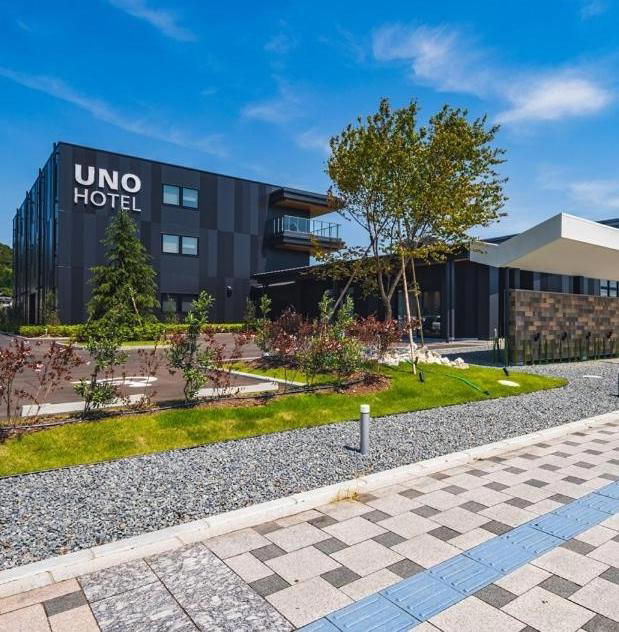
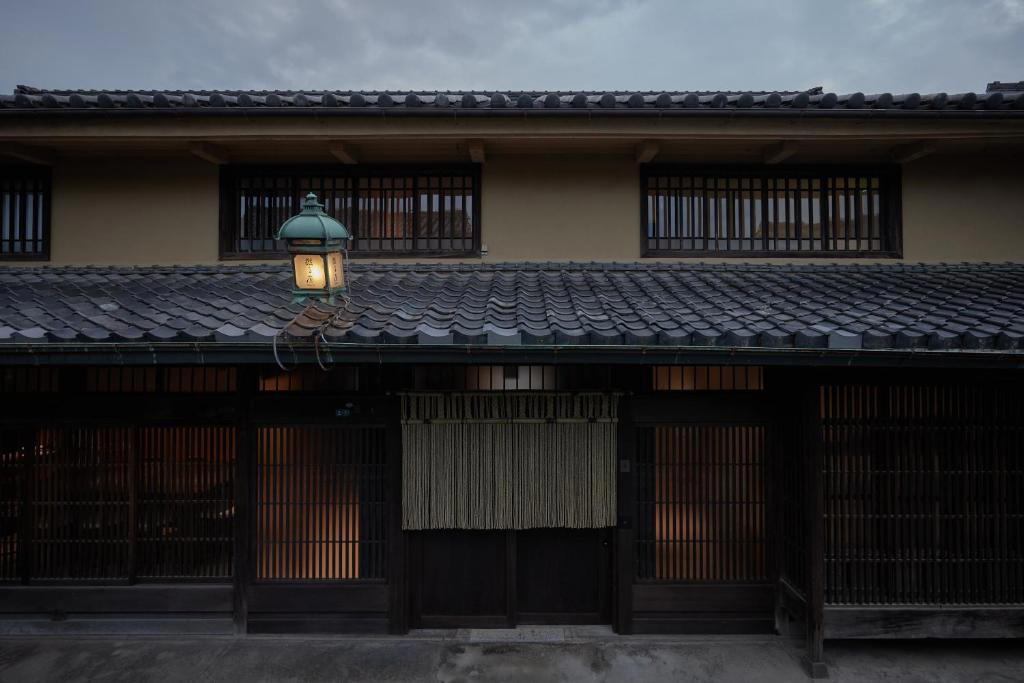
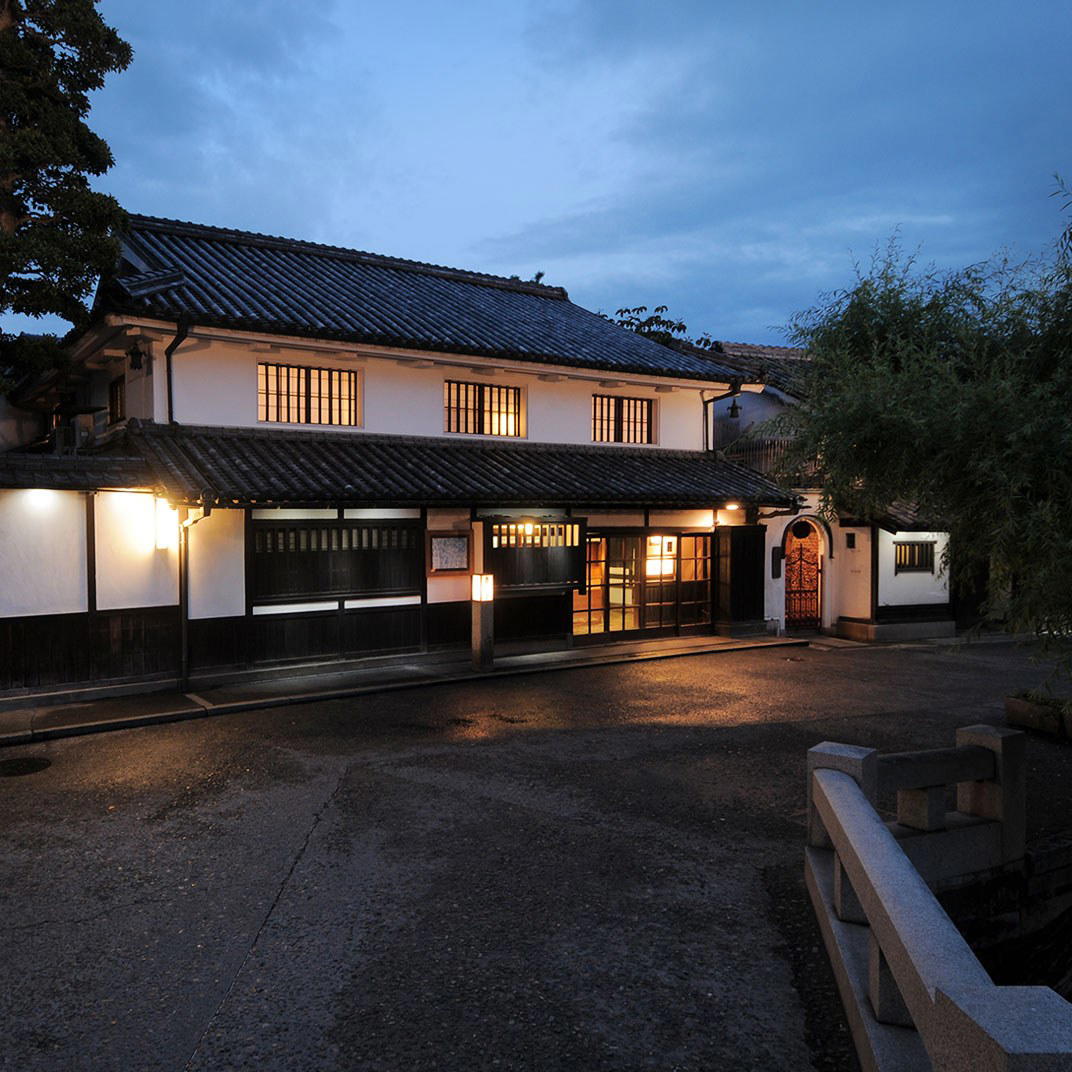
Contemporary museum setting with large windows, sea views, and art-filled surroundings.